On the Pelješac-facing shoreline of Zaton, Orsan Gverović occupies a stretch of Dalmatian coast where fishing boats still outnumber tourist yachts. The kitchen works within a tradition of sourcing from the immediate sea and surrounding hinterland, placing it in a category of coastal Croatian restaurants where provenance and proximity do most of the editorial work. For visitors willing to leave Dubrovnik's old city behind, it represents a more grounded read on what this part of the Adriatic actually tastes like.
Pearl is the En Primeur Club membership app — saves, bookings, and concierge access live there. Same editors, same standards.
- Address
- Na ratu 7, 20235, Dubrovnik, Croatia
- Phone
- +38520891267
- Website
- gverovic-orsan.com
- Directions
- Get directions
 Saves & bookings on Pearl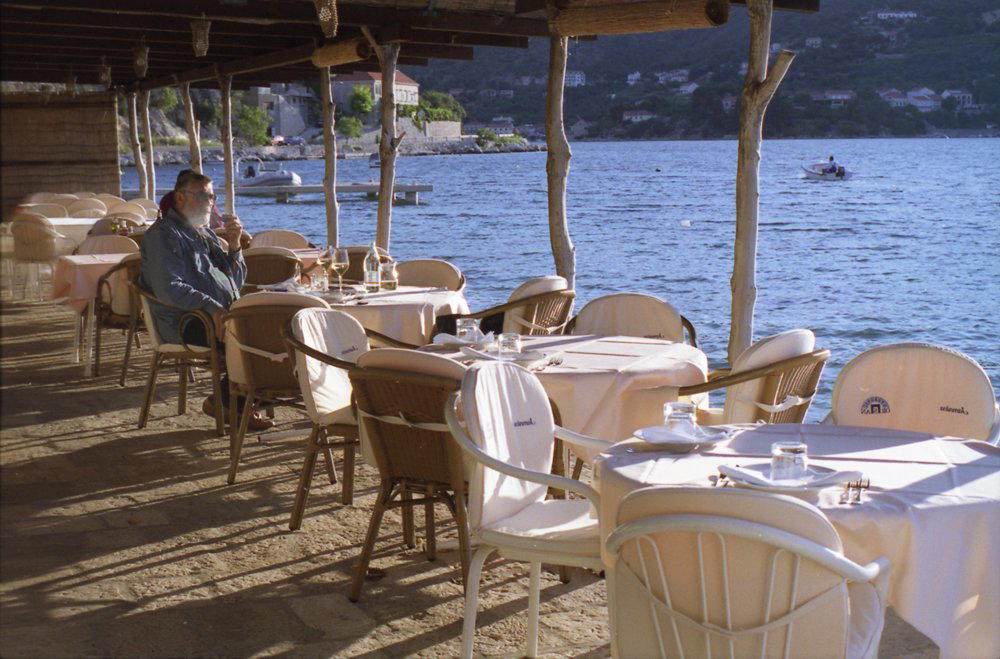
Where the Adriatic Stays Local
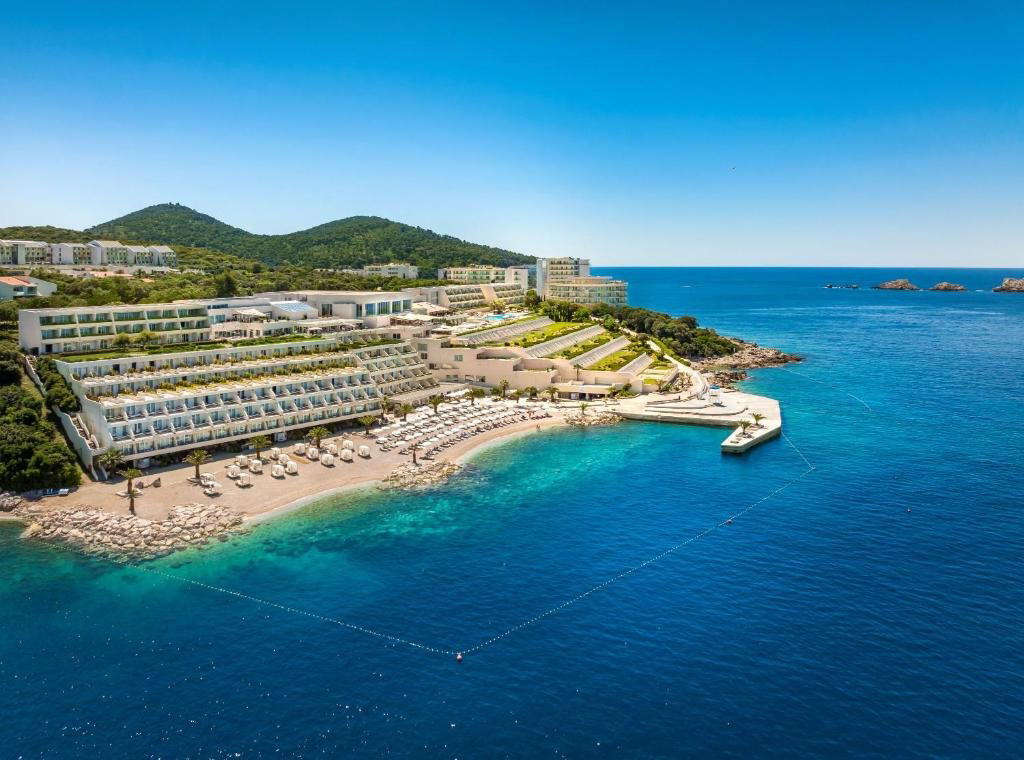
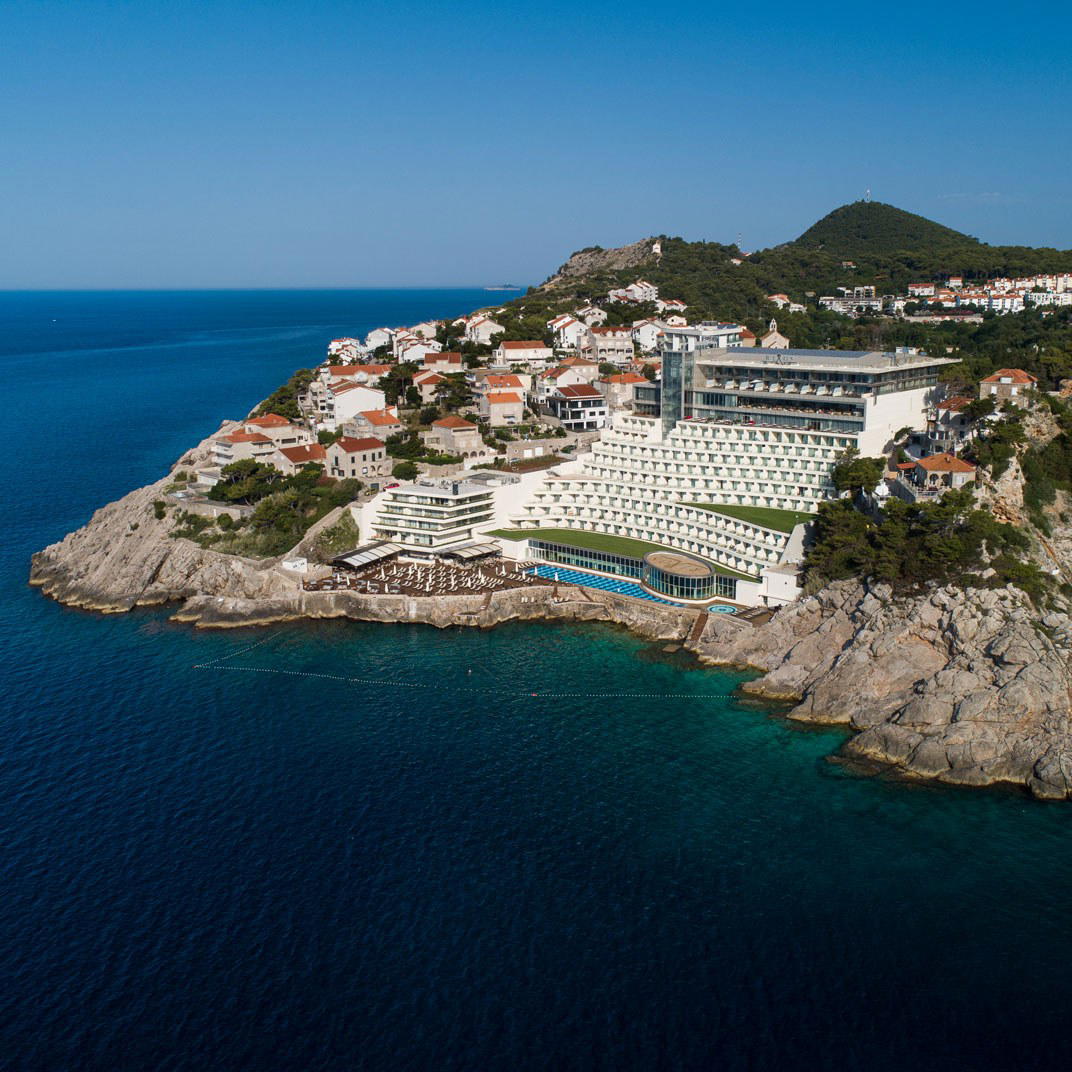
Zaton sits roughly twelve kilometres northwest of Dubrovnik along the coastal road, far enough from the old city's tourist gravity that the harbour still functions as a working one. Fishing boats come in the morning; the catch moves quickly through local channels. It is in this kind of setting that a restaurant like Orsan Gverović makes most sense, not as a destination engineered for the Dubrovnik overflow crowd, but as a coastal house that exists because the sea beside it has always produced something worth cooking. The address is Na ratu 7, a promontory position that puts the dining room in direct sight of the water rather than merely adjacent to it.
Along Croatia's southern coast, the leading argument for eating outside Dubrovnik is almost always an ingredient one. The city's restaurant infrastructure is sophisticated, Restaurant 360 in Dubrovnik and similar high-end addresses operate at a tier that competes with any European coastal city, but the supply chain pressure that comes with sustained high-volume tourism can push sourcing toward reliability over immediacy. Smaller coastal villages like Zaton carry less of that weight. A kitchen this close to working fishermen has the structural advantage of proximity: shorter time between net and plate, and less incentive to substitute.
The Sourcing Logic of the Southern Dalmatian Coast
Croatian coastal cooking at its most coherent is a cuisine of restraint and respect for material. The Adriatic's colder, cleaner northern currents are generally credited with producing shellfish and white fish of particular clarity, but the waters around the Dubrovnik-Neretva County carry their own character: bream, sea bass, cuttlefish, lobster from the rocky substrate near the islands. For a restaurant positioned on a working harbour in Zaton, the supply relationships with local fishermen are not a marketing angle, they are the operational foundation. What arrives at the kitchen on a given morning determines what the menu can credibly offer that day.
This model of sourcing-led cooking has a strong presence across Croatia's most respected coastal tables. Pelegrini in Sibenik built its regional reputation partly on exactly this logic: Dalmatian ingredients treated with technique proportionate to what the product demands, not more. LD Restaurant in Korčula operates in a similar register on an island whose fishing tradition runs centuries deep. Orsan Gverović, from its Zaton position, sits within the same coastal continuum, operating at smaller scale and lower profile but drawing on the same Adriatic source.
The hinterland matters here too. The Dubrovnik region sits at the edge of the Neretva Delta to the north and the Konavle agricultural plain to the south, both productive growing areas for vegetables, citrus, and herbs. A kitchen in Zaton has reasonable access to both, meaning the plate can reflect something genuinely local on both the land and sea sides of the equation.
Atmosphere and Setting
Coastal restaurants in Dalmatia tend to divide between two modes: the polished terrace built for maximum visual impact and the more utilitarian konoba where the cooking does the talking. Zaton's character skews toward the latter tradition. The harbour is functional rather than photogenic in the curated sense, which tends to attract a crowd more interested in eating than in the backdrop. The setting at Orsan Gverović on the waterfront at Na ratu gives diners an unmediated view of the bay and the hills beyond, the kind of scene that belongs to the place rather than being constructed for it.
For context on how the wider Croatian restaurant scene is developing beyond the obvious centres, that the country's most interesting cooking is no longer concentrated only in Zagreb or Split. Boskinac in Novalja on Pag island and Alfred Keller in Mali Lošinj represent how regional ambition has moved into smaller, more geographically specific settings. Zaton, with its proximity to Dubrovnik but distance from its pricing and volume pressures, fits the same logic.
Planning Your Visit
Zaton is accessible by car from Dubrovnik in under twenty minutes, and the coastal road is direct. The village does not have the transport infrastructure of the city, so arriving independently is the practical approach. Given the restaurant's address on the promontory at Na ratu 7, arriving from the north along the coastal road is the cleaner route. Dalmatian coastal restaurants at this level typically operate seasonally, with peak periods running from late April through October; visiting outside high summer reduces the probability of fully booked services and often means a slower, more attentive pace. Confirm hours and reservations directly before travel.
For a broader sense of Croatia's dining range, Agli Amici Rovinj in Rovinj, Nebo by Deni Srdoč in Rijeka, and Dubravkin Put in Zagreb, operate at higher formality and price points. Krug in Split and Korak in Jastrebarsko represent the middle register of serious Croatian cooking. The restaurant occupies a different position: smaller scale, locally anchored, and built around the specific geography of this stretch of the southern coast rather than a national or international competitive set.
Comparison Snapshot
Comparable venues nearby, for context on price, style, and recognition.
| Venue | Cuisine | Price | Notes |
|---|---|---|---|
| Orsan GverovićThis venue — the venue you are viewing | Traditional Dalmatian Seafood | $$ | Not listed |
| Đuđa&Mate | Neretvian Fish Restaurant | $$ | Metkovic |
| Konoba Maestro | Traditional Croatian Seafood | $$ | Hvar Town |
| Obala | Seafood Mediterranean | $$ | Lopud |
| Galija | Croatian Seafood Grill | $$ | Cavtat |
| Fabro | Dalmatian Seafood | $$ | Murter |
Continue exploring
More in Zaton
Restaurants in Zaton
Browse all →
Bars in Zaton
Browse all →
Hotels in Zaton
Browse all →

At a Glance
- Rustic
- Scenic
- Cozy
- Intimate
- Date Night
- Group Dining
- Special Occasion
- Waterfront
- Terrace
- Historic Building
- Extensive Wine List
- Local Sourcing
- Waterfront
Current opening hours
- Monday
- 12–11 PM
- Tuesday
- 12–11 PM
- Wednesday
- 12–11 PM
- Thursday
- 12–11 PM
- Friday
- 12–11 PM
- Saturday
- 12–11 PM
- Sunday
- 12–11 PM
Hours can change for holidays and private events. Last verified .
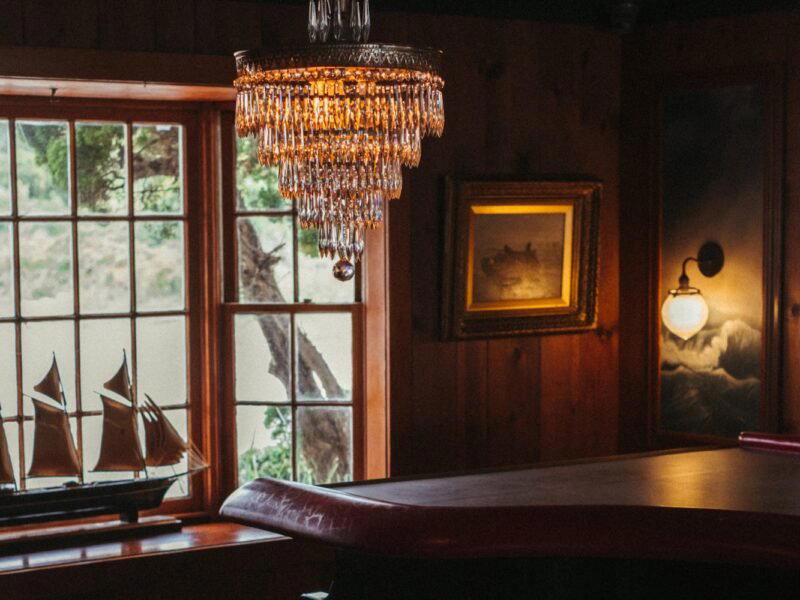
Charming rustic atmosphere with stone walls, wooden beams, nautical decor, and open-air terrace offering tranquil sea views.