

World's 50 Best #76 · The Best Chef One Knife
Our verdict
ODA is a fine casual dining restaurant in Bogotá's north, led by chef Natalia Cocoma, with a format built around Colombian author's cuisine sourced from urban gardens and local producers. The menu reads as a considered argument for hyperlocal ingredients rather than a showcase of technique for its own sake. Find it at Calle 140 in the Torre HHC building.

Pearl is the En Primeur Club membership app, where members save venues, book tables and use the concierge.
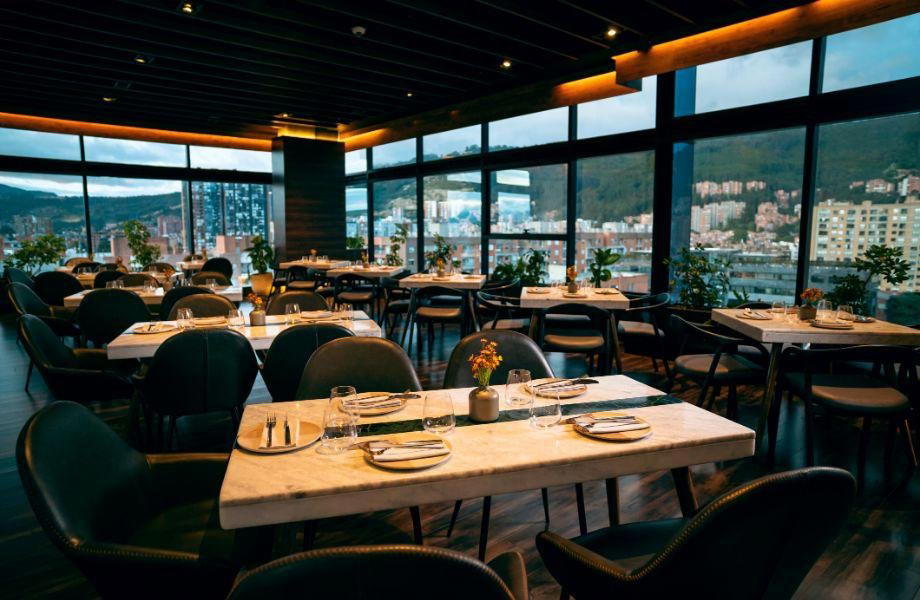
Author's Cuisine in Bogotá's Northern Corridor
Bogotá's restaurant scene has spent the last decade sorting itself into distinct tiers. At one end, high-formality tasting counters with international press attention and long booking windows; at the other, neighbourhood spots running Colombian comfort food unchanged for generations. Between those poles, a smaller category has emerged: the author's cuisine restaurant, where a single cook's editorial voice shapes every element of the menu without the ceremony or the price point of full fine dining. ODA, on Calle 140 in the Torre HHC building, operates in that middle register, framing Colombian flavours through chef Natalia Cocoma's specific perspective on sourcing and preparation.
The address places it in Bogotá's northern residential and commercial corridor, away from the gallery density of La Candelaria and the tourist-facing restaurant clusters of Zona Rosa. That geography matters: northern Bogotá has developed a quieter, more local-facing dining culture, where restaurants serve neighbourhood regulars rather than passing visitors. ODA sits comfortably in that context, its fine casual format suited to the area's pace.
What 'Author's Cuisine' Actually Means Here
The phrase gets used loosely in Latin American dining circles, but at ODA it carries a specific meaning. The kitchen works with ingredients from urban gardens and direct relationships with Colombian producers, which pulls the menu away from generic fine dining sourcing and toward something more specific to place and season. Urban agriculture in Bogotá has grown considerably over the past several years, with producers operating in the city's higher-altitude zones where temperature variation produces herbs and greens with different aromatic profiles than lowland equivalents. A kitchen that draws on those sources is making a different kind of food than one importing premium proteins from abroad.
That sourcing framework connects ODA to a broader argument happening across Colombian fine casual and modern dining. Restaurants like El Chato (Modern Colombian) and Leo (Modern Colombian) have built international reputations partly on making Colombian biodiversity legible to international diners, surfacing Amazonian ingredients, pre-Columbian techniques, and regional produce that most menus outside Colombia ignore. ODA occupies a somewhat different position: less focused on the anthropological scope of Colombian cuisine as a whole, more concentrated on the particular flavours available through its local and urban sourcing network.
That narrower focus is a deliberate editorial position. Some of Bogotá's most discussed modern Colombian tables work at the level of the entire country's food geography. ODA's approach is closer in spirit to a European terroir argument, where the quality of a specific ingredient from a specific place becomes the subject of the dish.
The Fine Casual Format and What It Signals
Fine casual as a dining category has become more coherent globally in recent years. In cities like New York, the format defines restaurants that apply fine dining ingredient rigour and kitchen seriousness without tablecloth formality or three-hour service pacing. At places like Atomix in New York City, the format operates at the very leading of international recognition; at the other end of the spectrum, it describes neighbourhood restaurants with good sourcing and no tasting menu requirement. ODA sits in the Colombian iteration of this model, where fine casual often means a shorter, more focused menu, accessible pricing relative to full tasting-menu restaurants, and a room that doesn't demand occasion dressing.
For comparison: the formal fine dining tier in Bogotá, represented by restaurants with international awards and multi-course set menus, operates with booking windows and price points that reflect that ambition. The fine casual tier, where ODA belongs, is more accessible by design. The trade-off is that it places different demands on the kitchen: without the scaffolding of a tasting menu structure, each individual dish has to carry its own argument without the built-in narrative arc of a longer sequence.
Chef Natalia Cocoma's position as an author within this format means the menu reads as a coherent point of view rather than a collection of dishes. Author's cuisine, as a term, implies that the cook is making decisions based on a consistent aesthetic and sourcing logic rather than following category conventions. At a practical level, that usually means a shorter menu that changes more frequently, dishes built around what the producer network has available, and a cooking style that tends toward restraint over spectacle.
ODA in Bogotá's Current Restaurant Conversation
Bogotá currently produces more internationally discussed fine and fine casual restaurants per capita than most Latin American cities outside Lima and Mexico City. The reasons are structural: the city has a large, food-interested middle and upper-middle class, a university-trained chef generation that came up alongside Colombia's agricultural biodiversity movement, and a media culture that has been paying serious attention to the local dining scene since at least 2015. That context means ODA operates in a competitive and comparatively sophisticated local market.
Restaurants that emphasise Colombian ingredient sourcing and author-driven menus include Debora Restaurante, Afluente, and Casa Mamá Luz, each with a somewhat different editorial stance. Beyond Bogotá, the conversation about Colombian author's cuisine extends to Carmen in Medellín, Domingo in Cali, 1621 The Restaurant in Cartagena, and Manuel in Barranquilla, all of which are working through similar questions about what Colombian sourcing and Colombian technique mean in a fine dining context.
Within Bogotá specifically, the northern dining corridor where ODA is located tends to attract restaurants oriented toward local regulars rather than destination diners. That audience is, in some ways, a more demanding one: regulars notice menu changes, form opinions about consistency, and return often enough to track a kitchen's development. A restaurant that survives and builds a reputation in that environment is typically doing something worth investigating.
For broader orientation in the city, our full Bogota restaurants guide covers the range of options across categories and neighbourhoods. Travellers planning a fuller stay can also consult our full Bogota hotels guide, our full Bogota bars guide, our full Bogota wineries guide, and our full Bogota experiences guide.
Planning Your Visit
ODA is at Calle 140 #11-45, Torre HHC, in northern Bogotá. Booking details, including whether reservations are required, are best confirmed directly with the restaurant. For context on how ODA's format and positioning compare to long-established Bogotá institutions, Harry Sasson in Bogotá represents the older-generation fine dining benchmark against which newer author's cuisine restaurants are often measured. Internationally, restaurants with comparable fine casual commitments to sourcing rigour include Le Bernardin in New York City and Emeril's in New Orleans, though the format and scale differ substantially.
Frequently asked questions
Is ODA chef-led?
The chef associated with ODA is Natalia Cocoma.
How do I find ODA?
ODA is located at Calle 140 #11-45 Torre HHC, Bogotá, Colombia, Bogota.
What do people recommend at ODA?
ODA's kitchen builds its menu around what urban gardens and local Colombian producers supply at any given time, so the menu shifts with seasonal availability. Chef Natalia Cocoma's author's cuisine approach means dishes reflect her creative perspective on Colombian ingredients rather than a fixed set of signature plates. Checking current offerings directly with the restaurant before visiting is the practical way to know what's on.
What awards or recognition does ODA have?
ODA has received recognition including: Chef: Natalia Cocoma; Oda is an author's cuisine restaurant t….
Is ODA reservation-only?
ODA's booking policy has not been confirmed through public records. Given its fine casual format and address at Calle 140 #11-45, Torre HHC in northern Bogotá, reaching out to the restaurant directly before your visit is the safest approach to securing a table.
What is ODA known for?
ODA is known as an author's cuisine restaurant in Bogotá, where chef Natalia Cocoma builds menus around Colombian flavours sourced from urban gardens and local producers. The fine casual format places it in a category that applies serious culinary intent without high-formality service structures, which has become one of the more discussed dining formats in the city's northern corridor.
Price and Positioning
| Venue | Cuisine | Price | Awards |
|---|---|---|---|
| ODAThis venue (the venue you are viewing) | Modern Colombian Fusion | $30–50 | World's 50 Best #76 · The Best Chef One Knife |
| El Chato | Contemporary Colombian | $30–50 | World's 50 Best #54 · La Liste Top Restaurants |
| Leo | Modern Colombian Fine Dining | $200–300 | World's 50 Best #76 · La Liste Top Restaurants |
| Afluente | Modern Colombian Páramos-Inspired Fine Dining | $30–50 | World's 50 Best #34 · The Best Chef One Knife |
| Casa Mamá Luz | Authentic Colombian Caribbean | $20–30 | The Best Chef One Knife |
| Humo Negro | Modern Japanese Izakaya with Colombian Fusion | $50–100 | World's 50 Best #41 · The Best Chef One Knife |
Recognition history
Dated appearances from independent guides and award organizations, with the underlying list record or original source where available.
World's 50 Best Latin America's Best Restaurants #76
World's 50 Best
The Best Chef One Knife
The Best Chef
Continue exploring
More in Bogotá
Restaurants in Bogotá
All restaurants in Bogotá →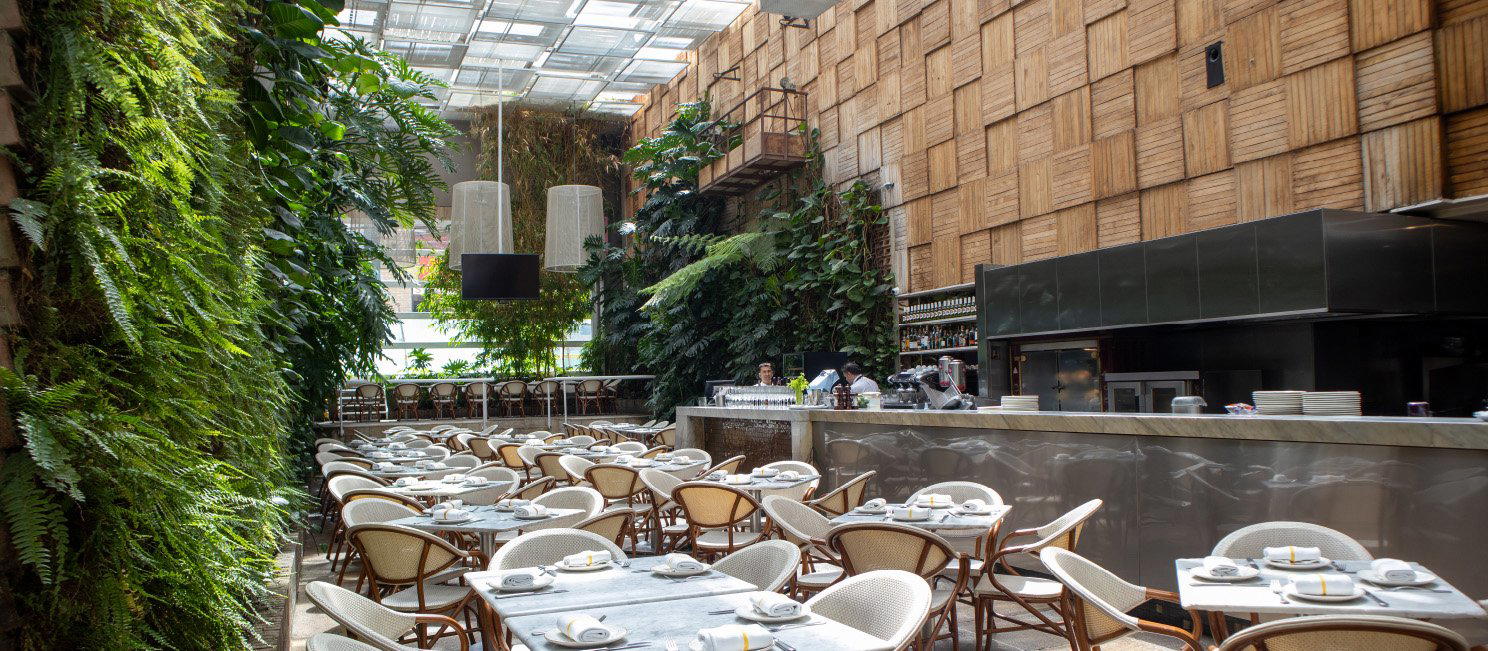
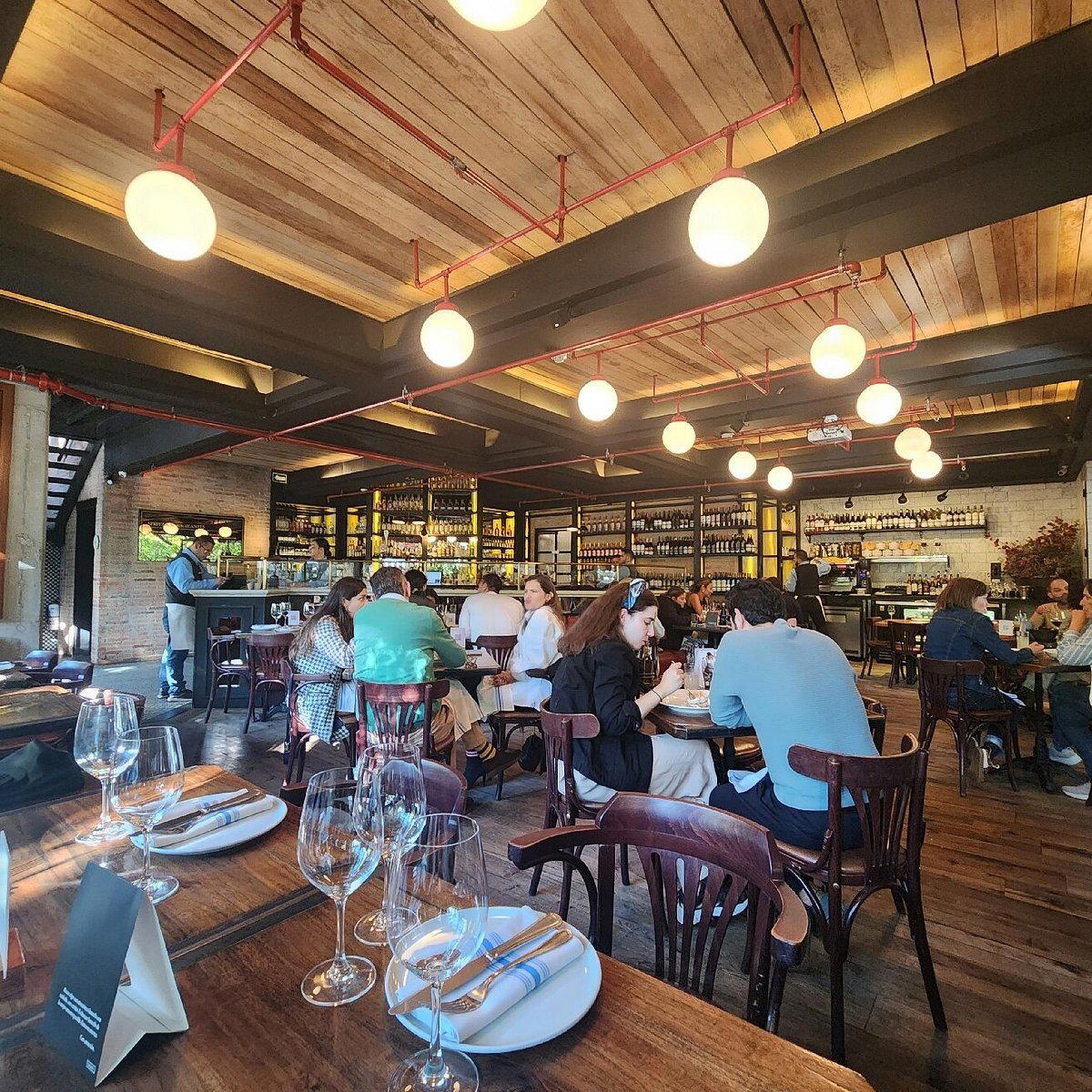
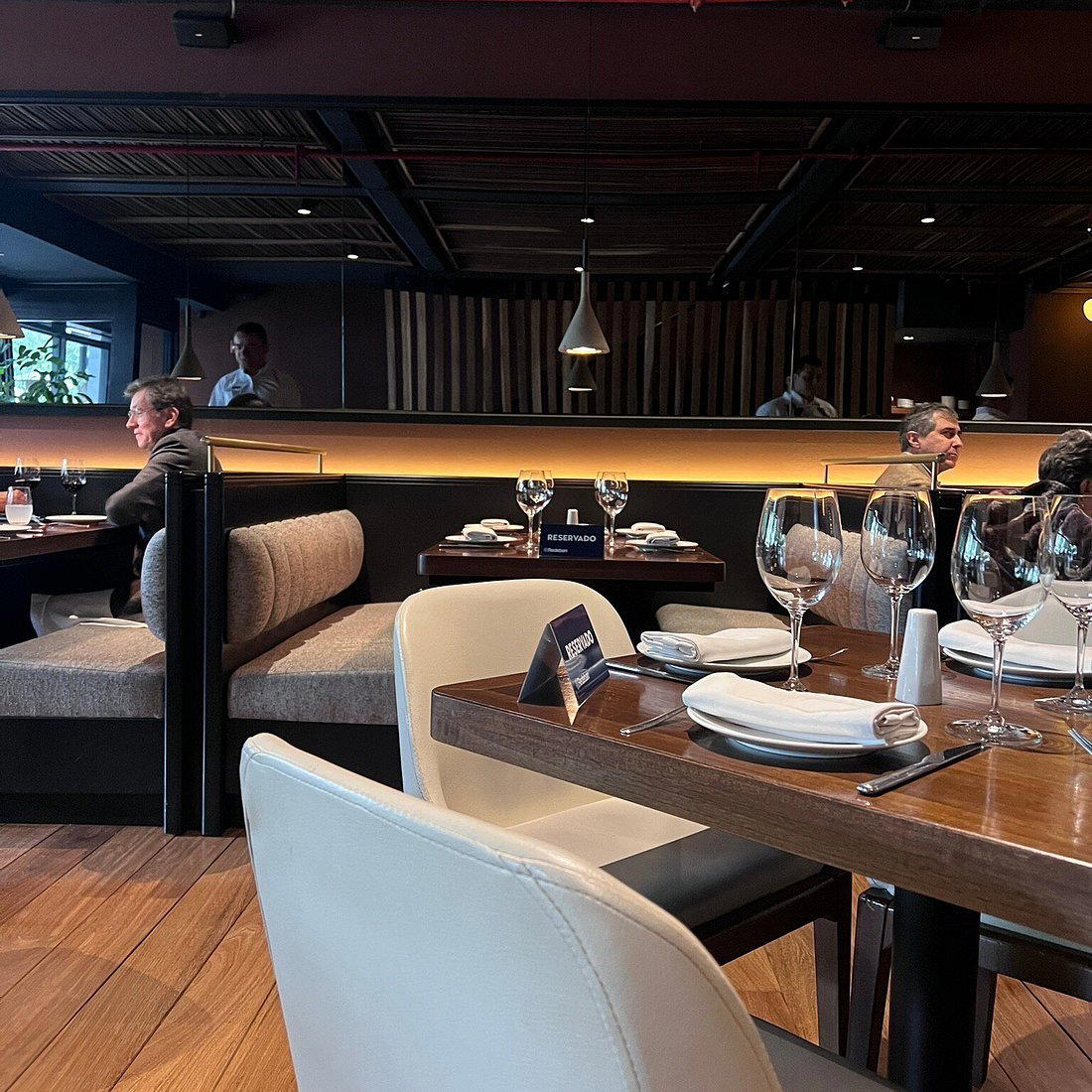

Details
- Modern
- Elegant
- Sophisticated
- Scenic
- Date Night
- Special Occasion
- Panoramic View
- Craft Cocktails
- Local Sourcing
- Farm To Table
- Skyline
- A La Carte
- Vegetarian Friendly
Current opening hours
- Monday
- 5–10 PM
- Tuesday
- 12–10:30 PM
- Wednesday
- 12–10:30 PM
- Thursday
- 12–10:30 PM
- Friday
- 12–10:30 PM
- Saturday
- 12–10:30 PM
- Sunday
- 12–5 PM
Hours can change for holidays and private events. Hours as of .
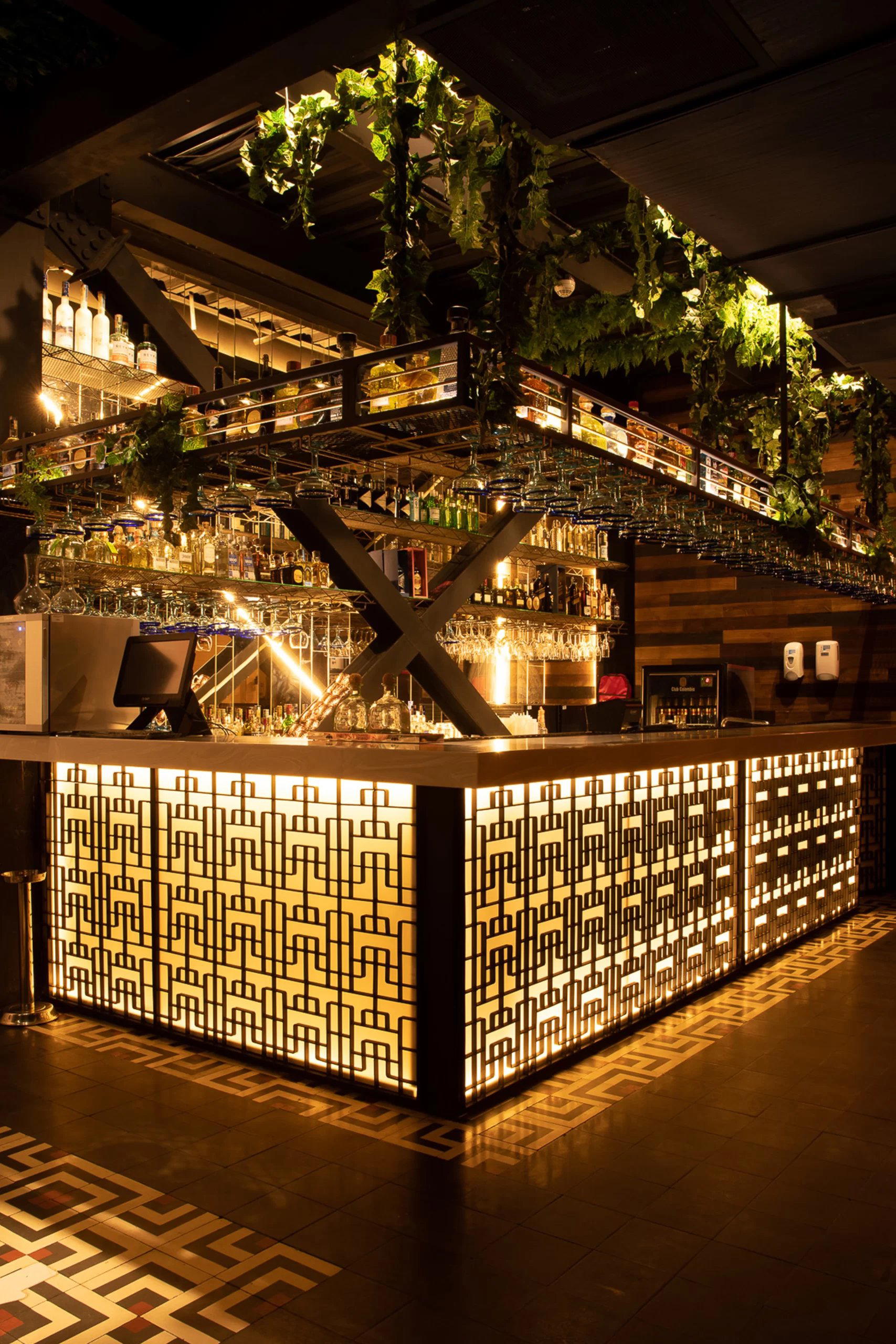
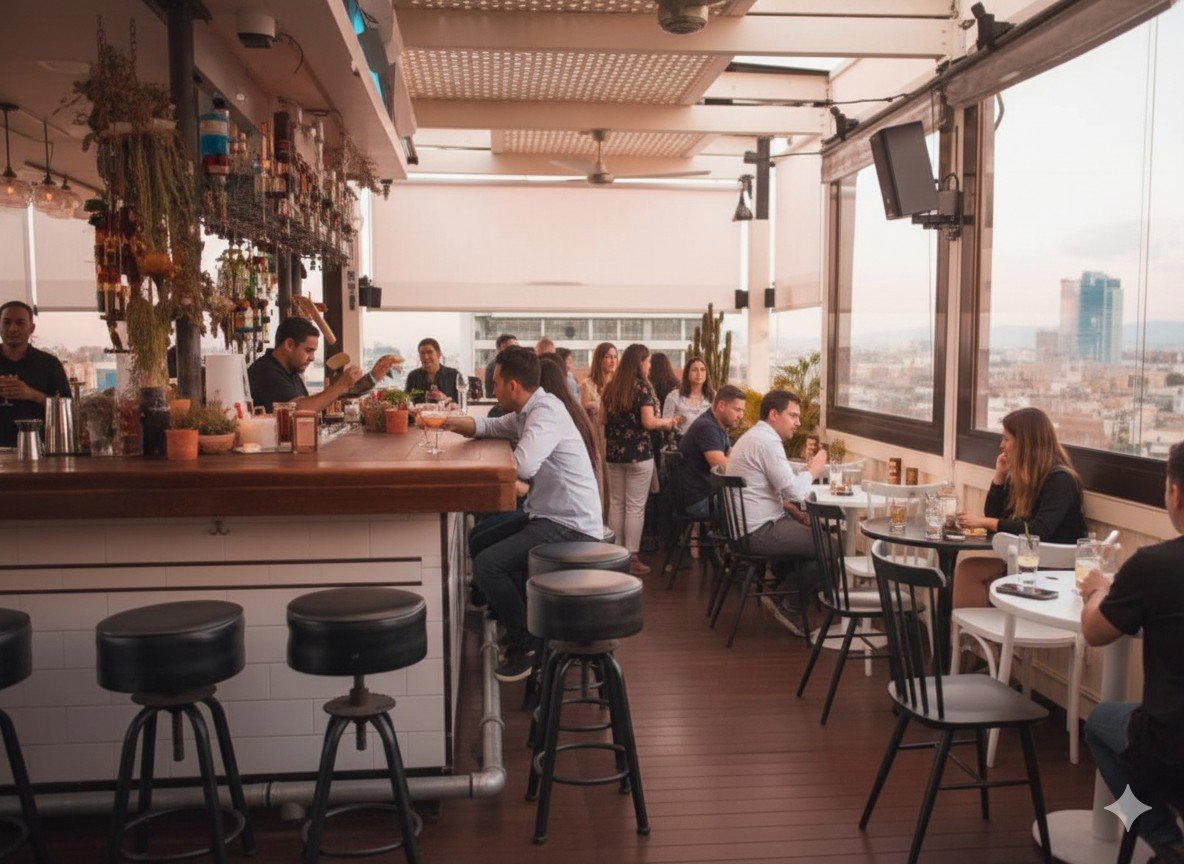
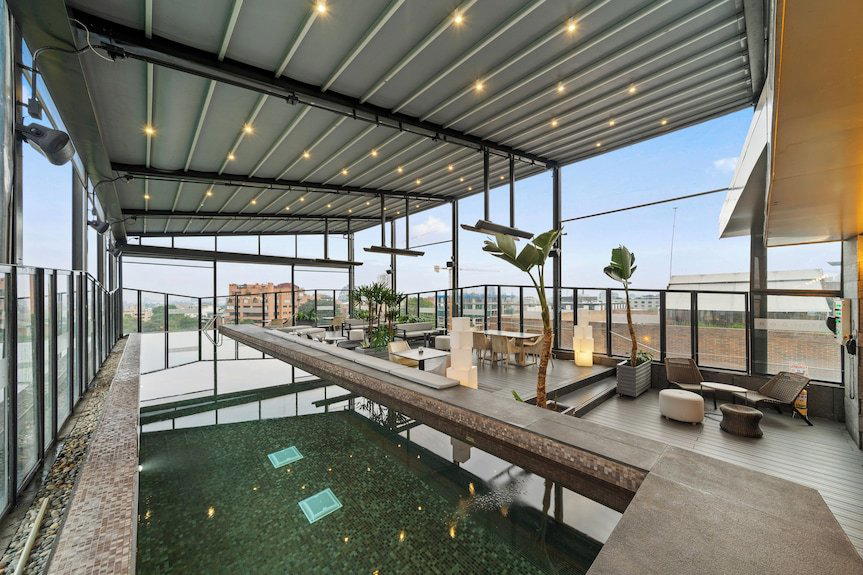
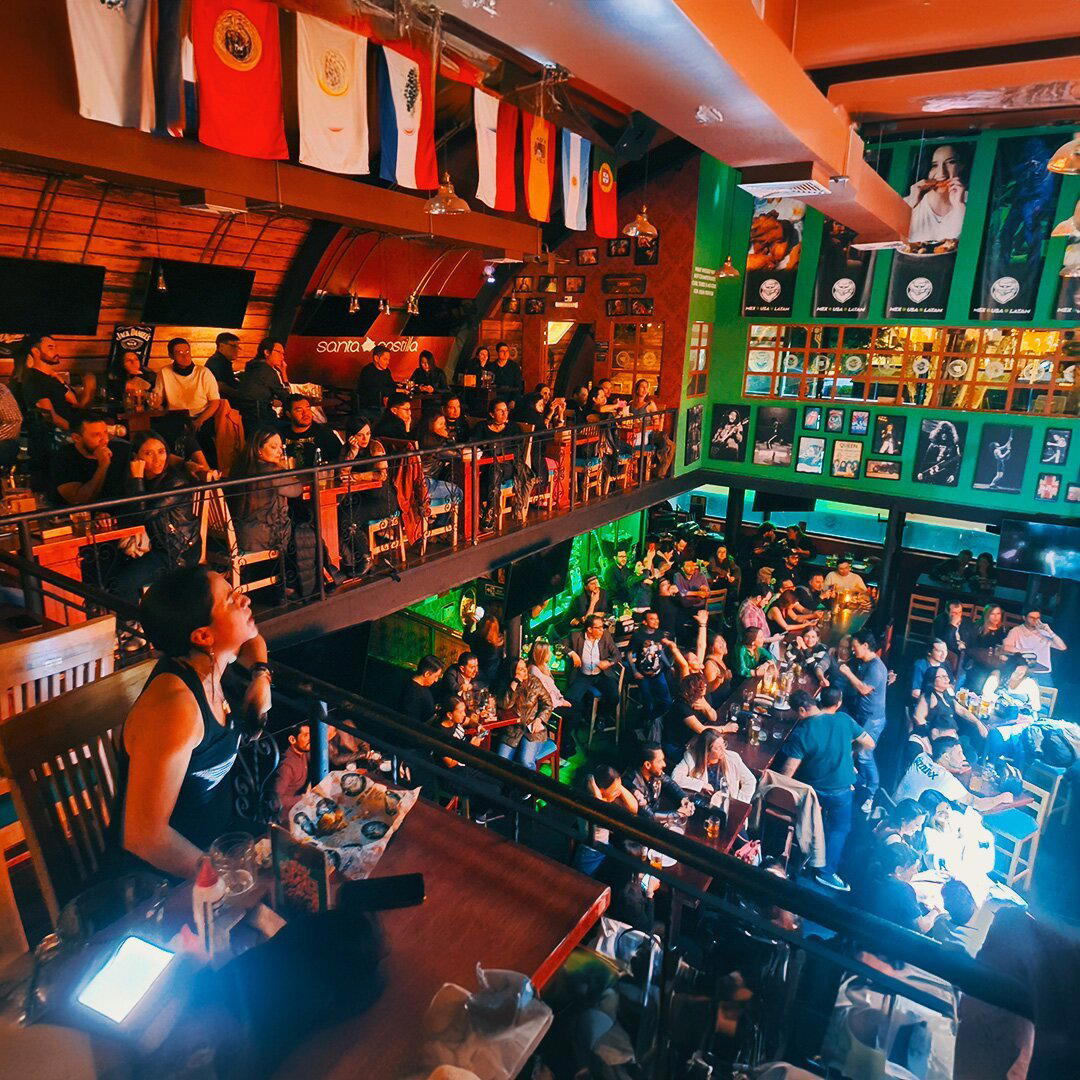
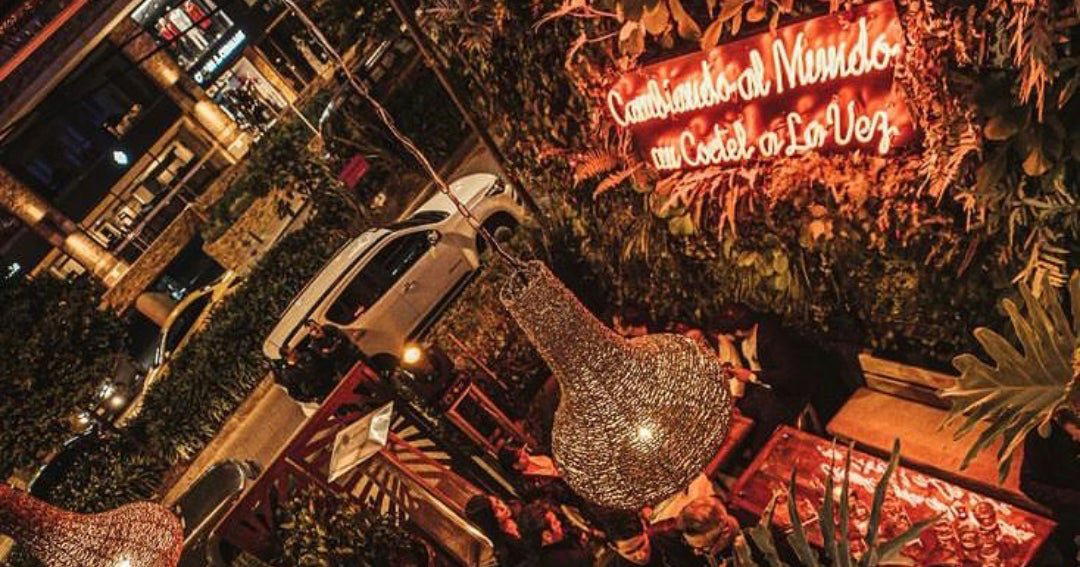
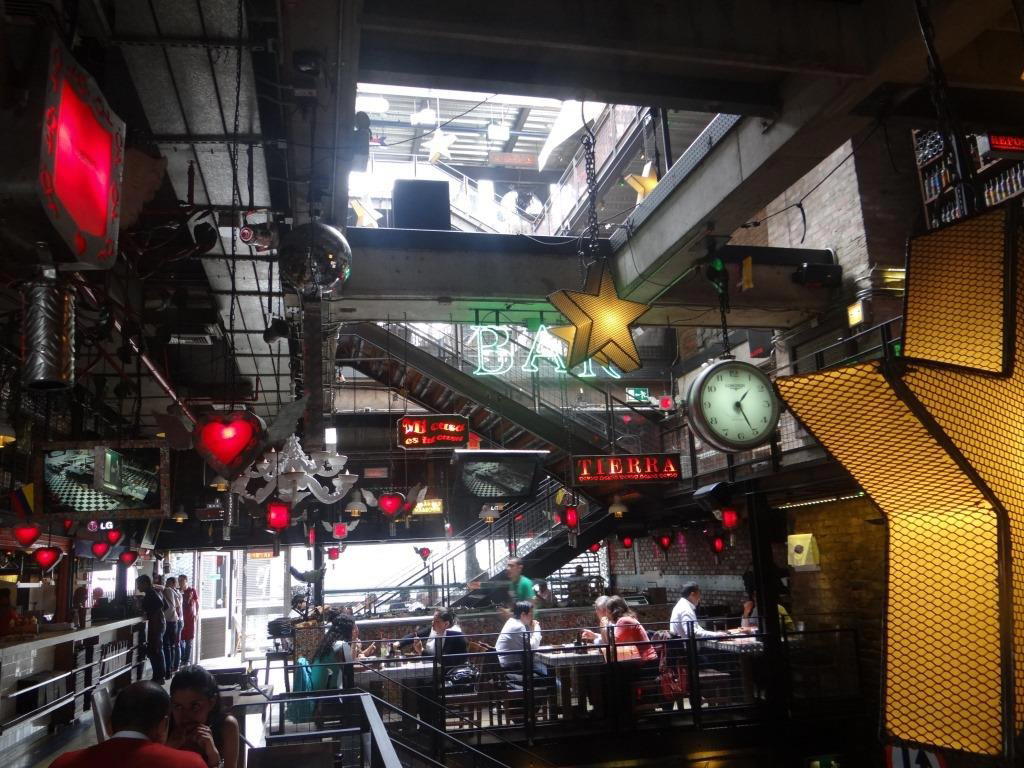
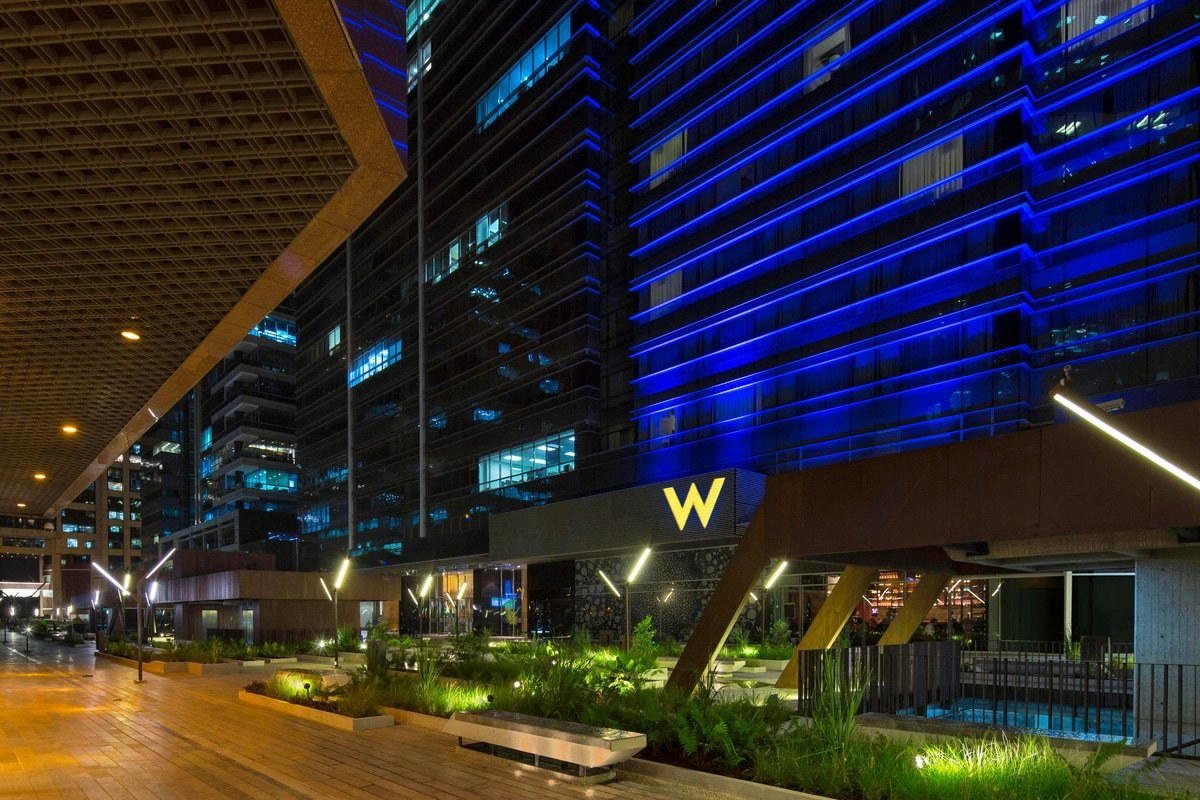
Stylish interior with polished dark wood, green upholstery, plants, and panoramic views of Bogotá.