Positioned on Carrera 37 in El Poblado, 37 Park occupies a neighbourhood where Medellín's contemporary dining scene has consolidated over the past decade. The address places it inside a competitive block of ingredient-conscious kitchens, making it a useful reference point for understanding how the city's sourcing culture has evolved beyond the traditional locro and bandeja formats.
Pearl is the En Primeur Club membership app — saves, bookings, and concierge access live there. Same editors, same standards.
- Address
- Cra. 37 #8a-4, El Poblado, Medellín, El Poblado, Medellín, Antioquia, Colombia
- Phone
- +57 310 6762606
- Website
- instagram.com
- Directions
- Get directions
 Saves & bookings on Pearl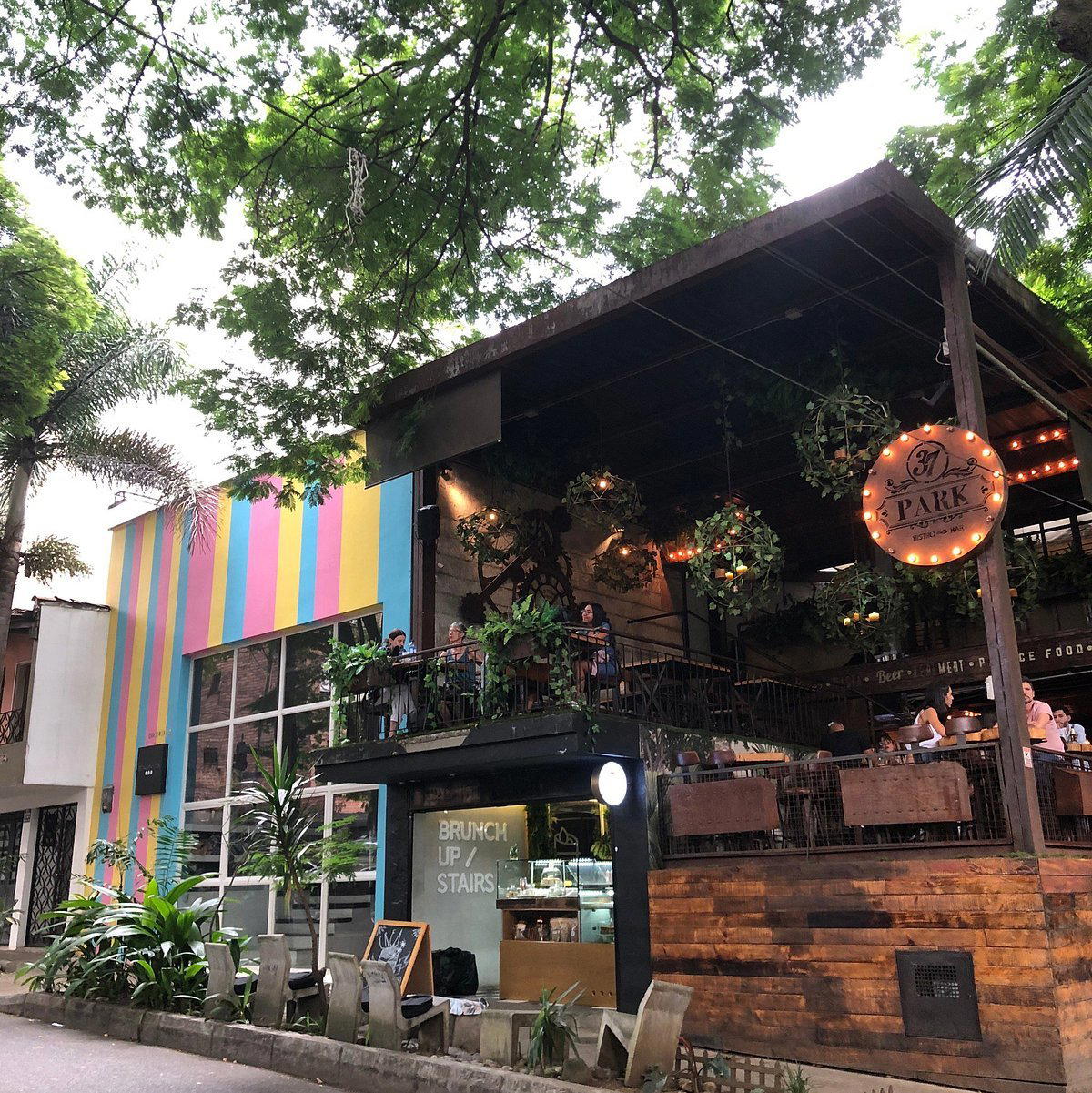
El Poblado's Sourcing Culture, Framed by an Address
Carrera 37 in El Poblado is not a dining street that announces itself loudly. The avenue runs through one of Medellín's more settled residential and commercial pockets, where restaurants have replaced real-estate offices and coffee shops have pushed out chain pharmacies over the past ten years. What has taken root along this corridor reflects a broader shift in how the city's kitchen culture now positions itself: not through volume or tradition alone, but through ingredient provenance and kitchen discipline. 37 Park, at Cra. 37 #8a-4, is a Medellín restaurant serving Mediterranean Grill & Innovative Mixology with a casual dress code and recommended reservations.
Medellín's relationship with Colombian produce is older than any single restaurant on this street. The city's markets have long carried ingredients that cooks in Bogotá or Cartagena had to import from the interior: Antioqueño herbs, altitude-grown vegetables from the highlands above the Aburrá Valley, and dairy products shaped by pasture conditions that differ meaningfully from the coast. What changed in the last decade is how premium restaurants began treating those ingredients as the architecture of a menu rather than as background support for protein-heavy plates. That reclassification is the story of El Poblado's dining evolution, and 37 Park occupies a chapter of it.
The Ingredient Conversation in Medellín's Better Kitchens
Across El Poblado, a cohort of restaurants has built their identity around sourcing specificity. Carmen established a reference point for modern Colombian cuisine with a rigorous approach to regional produce. Cambria has pushed a different angle, working within tighter seasonal constraints. What connects these kitchens is less about culinary technique and more about the prior decision: where does the food come from, and does that origin add something the plate cannot invent on its own?
Colombia's agricultural geography makes this question unusually rich. Within a few hours of Medellín, elevation changes produce dramatically different growing conditions. Mushrooms, root vegetables, tropical fruits, and Andean grains coexist within a supply radius that most European or North American cities cannot replicate. A kitchen that takes that seriously is working with a sourcing advantage, not simply a local sentiment. The leading outcomes in El Poblado's ingredient-led dining come when a menu is genuinely shaped by what arrived that week rather than what is printed year-round.
Traditional Antioquian dishes like ajiaco and mondongo have long demonstrated that this city already knew how to make something complex from accessible local material. The shift in contemporary El Poblado is not a departure from that logic but an elaboration of it, with more precise sourcing, smaller producers, and kitchen formats designed to handle ingredients at shorter time intervals between farm and plate.
What the Address Signals About Format and comparable set
The Cra. 37 address clusters 37 Park with a comparable set defined less by price tier and more by neighbourhood positioning. El Poblado has stratified over the past five years: the upper end of the market has moved toward reservation-required, smaller-capacity formats, while mid-tier establishments have multiplied along the main pedestrian corridors. A venue on Cra. 37 sits between those two poles, in territory where the audience is local professionals and visiting Colombians rather than primarily international tourism.
That audience distinction matters for what sourcing means in practice. International diners at El Poblado's higher-profile restaurants often engage with provenance as a novelty. Local diners engage with it as a quality signal they can verify independently, because they shop the same markets and know the same producers. A kitchen cooking for that crowd cannot treat sourcing as marketing language. It has to show up in the food.
For comparison points beyond Medellín, Colombia's ingredient-led restaurants have been gaining attention across a wider critical circuit. Debora Restaurante in Bogotá has contributed to the national conversation about contemporary Colombian cuisine and sourcing accountability. In the coastal cities, the dynamic is different: LA BRIOCHE Bocagrande in Cartagena operates in a market shaped more by tourism volume. Andrés Carne de Res in Chía represents a different register entirely, where scale and spectacle are the proposition. El Poblado's mid-format restaurants occupy a more considered niche within that national picture.
Coffee, Context, and the Broader Antioqueño Table
No serious discussion of ingredient sourcing in Medellín is complete without coffee, and El Poblado has accumulated a serious café culture to sit alongside its restaurant offer. Café Le Gris is among the addresses that bring specialty-grade Antioquian coffee into a setting calibrated for slower consumption. The relationship between that café culture and the restaurant scene matters: a city where diners already apply origin-awareness to their coffee cups is a city primed to apply the same logic to a dinner plate.
Antioquia's agricultural output is one of Colombia's most varied, and Medellín's position as the region's economic hub means the produce supply chain runs through it. Beef, pork, corn, beans, plantain, and an expanding range of specialty crops grown in the surrounding highlands all pass through the city's supply networks. Cambalache Parrilla Argentina takes one angle on the meat sourcing question, applying Argentine parrilla discipline to what is, in some cases, locally raised Antioquian beef. The diversity of approaches within a few blocks of El Poblado illustrates how much interpretive range exists within a single sourcing geography.
Planning a Visit: Practical Orientation
37 Park's El Poblado location is accessible from the Poblado metro station, which is one practical public transport connection for visitors based in the broader city. The neighbourhood is walkable within a radius that takes in most of its competitor restaurants, meaning that a meal at the restaurant fits logically into an evening that starts or ends elsewhere on the same block. El Poblado restaurants in this tier typically fill quickly on Thursday through Saturday, so confirming reservations ahead of those nights is the reliable approach. For a wider map of where the restaurant sits among the city's restaurant options, the full Medellín restaurants guide covers the range of formats and neighbourhoods in detail.
For visitors extending their Colombia itinerary, the sourcing-led dining culture that El Poblado demonstrates at a neighbourhood level has counterparts elsewhere in the country. Cardinal Comida Peruana de Autor in Pereira applies a different national sourcing tradition, while Le Brunch Express in Envigado, just south of Medellín, represents the same impulse at a more casual format and time of day. Internationally, the tension between hyperlocal sourcing and technical ambition that defines El Poblado's better restaurants has parallels at a different scale in places like Le Bernardin in New York City or the produce-forward discipline of Atomix, where sourcing specificity underpins an entire creative framework.
- Tennessee Park cocktail
- Coconut lemonade
- Burgers
- Nachos
- Salmon sobre risotto
- Filet mignon
How It Stacks Up
Comparable venues nearby, for context on price, style, and recognition.
| Venue | Cuisine | Price | Notes |
|---|---|---|---|
| 37 ParkThis venue — the venue you are viewing | Mediterranean Grill & Innovative Mixology | $$ | Not listed |
| Mondongo's | Traditional Colombian Paisa Cuisine | $$ | Poblado |
| Mekong | Thai-Inspired Asian | $$ | El Poblado |
| Chapati Halal | Authentic Pakistani-Indian Halal | $$ | El Poblado |
| Carmen | Contemporary Colombian tasting menu & fine dining | $$$ | El Poblado |
| X.O. | Modern Colombian Fusion Tasting | $$$ | El Poblado |

At a Glance
- Lively
- Trendy
- Casual
- Brunch
- Casual Hangout
- Group Dining
- After Work
- Date Night
- Terrace
- Garden
- Craft Cocktails
- Beer Program
Current opening hours
- Monday
- 2 PM–12 AM
- Tuesday
- 2 PM–12 AM
- Wednesday
- 2 PM–12 AM
- Thursday
- 2 PM–2 AM
- Friday
- 2 PM–2 AM
- Saturday
- 2 PM–2 AM
- Sunday
- 2 PM–12 AM
Hours can change for holidays and private events. Last verified .
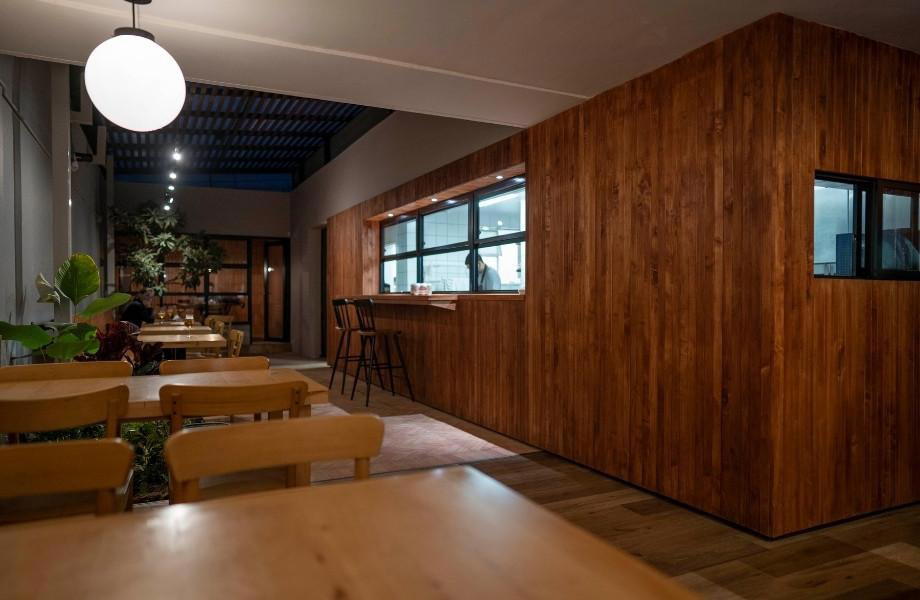
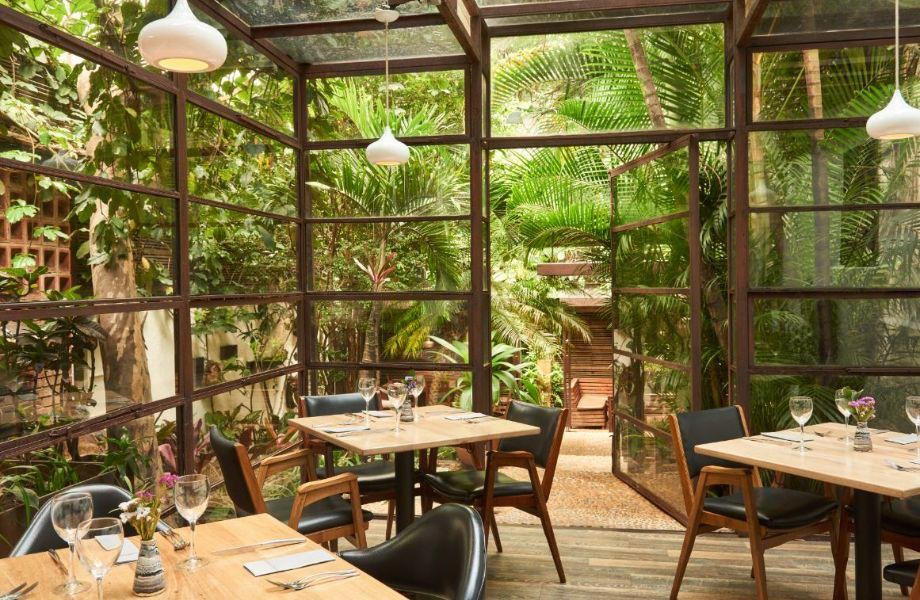
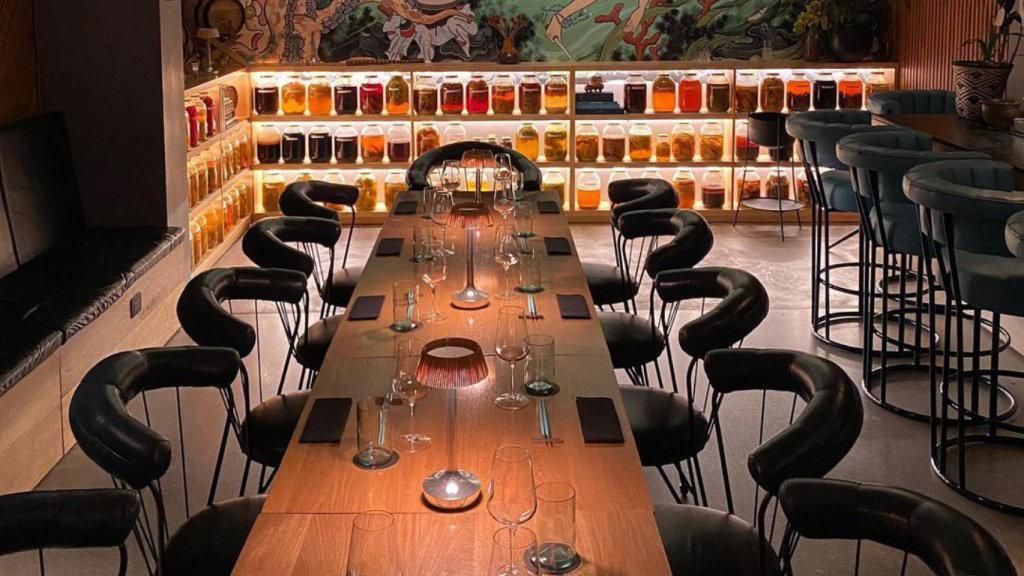
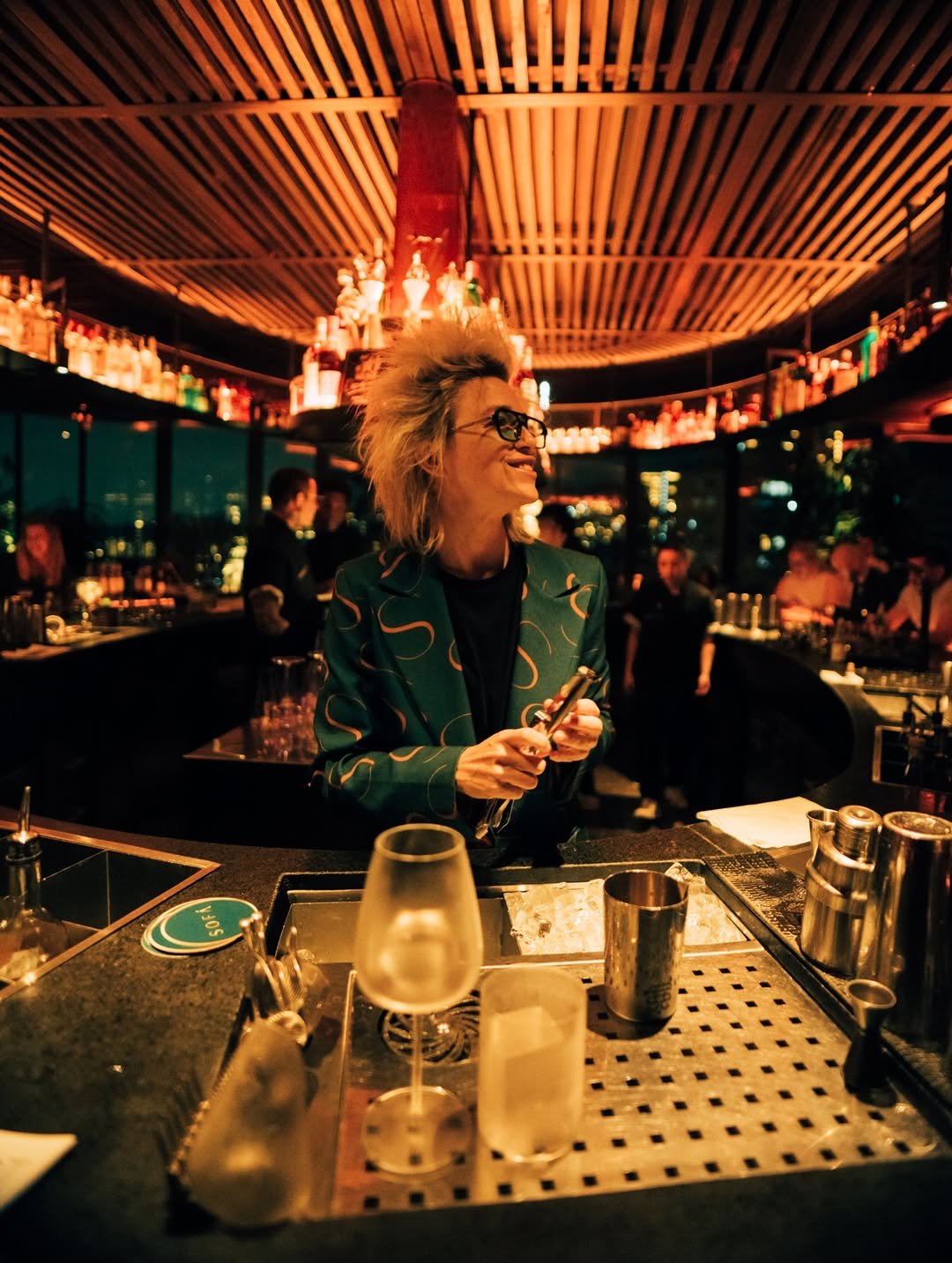
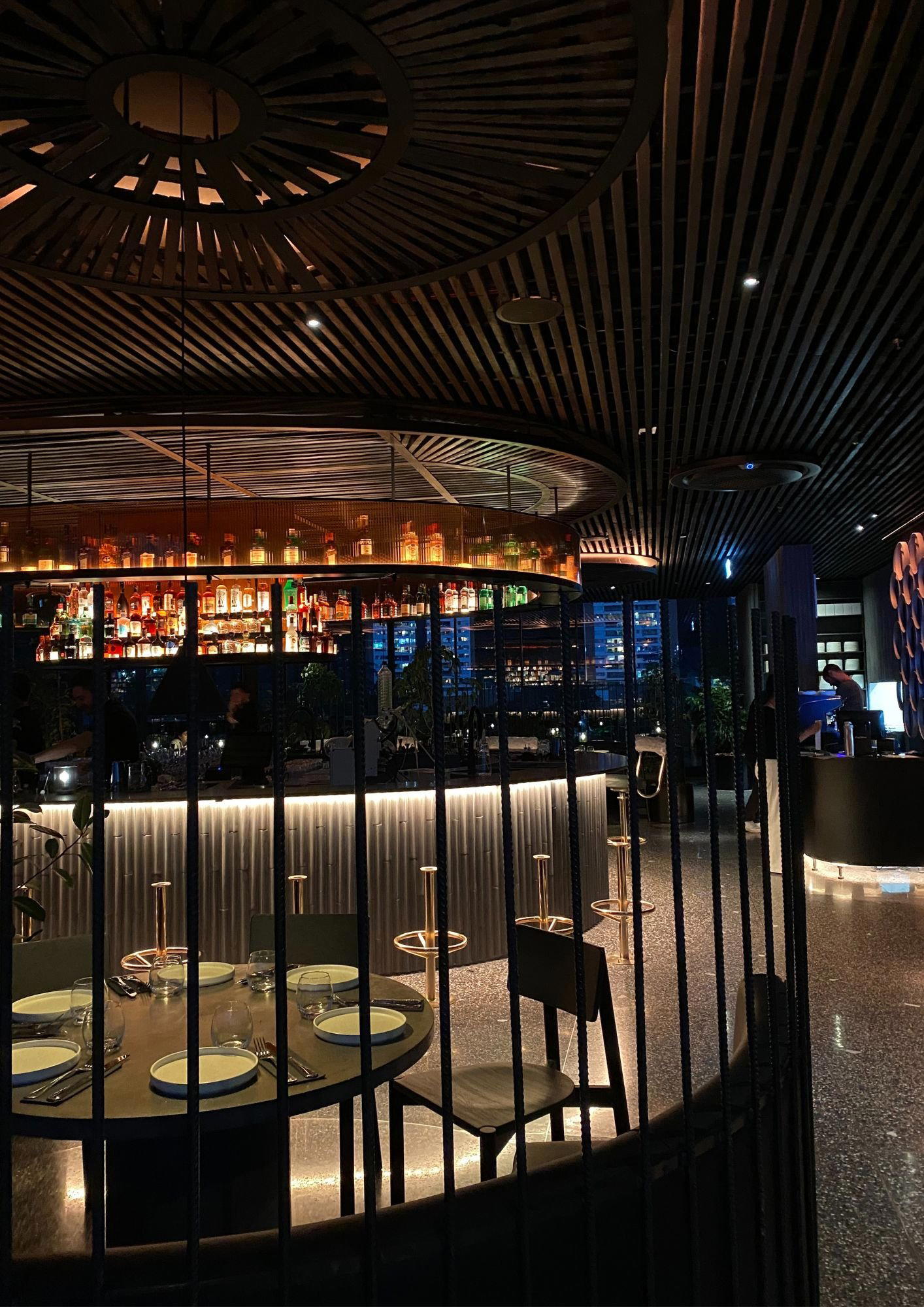
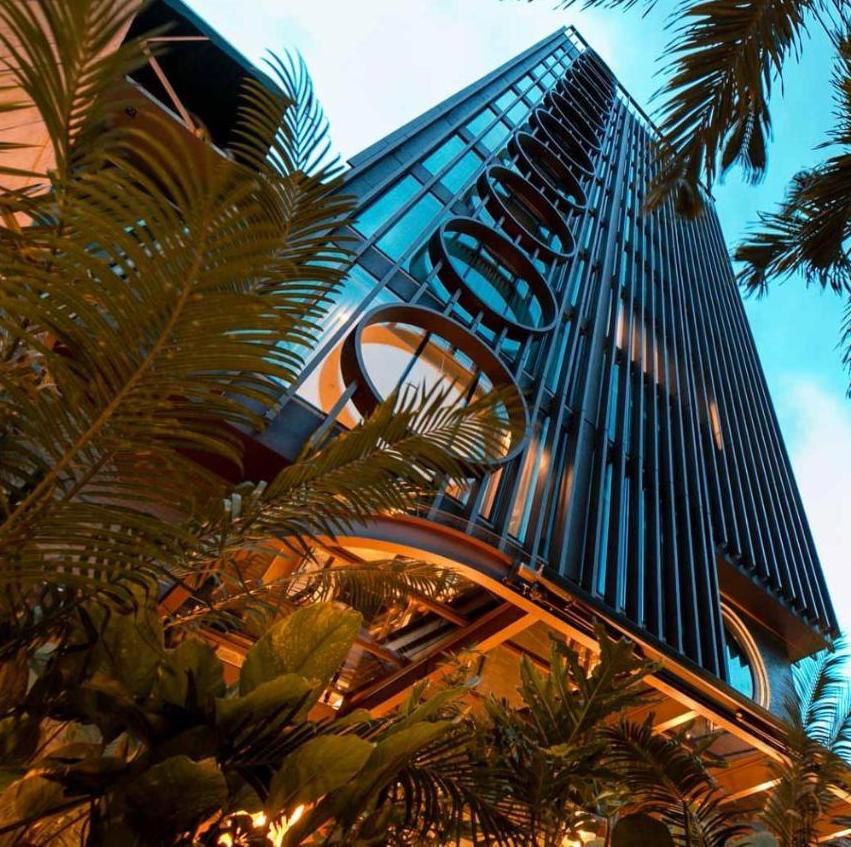
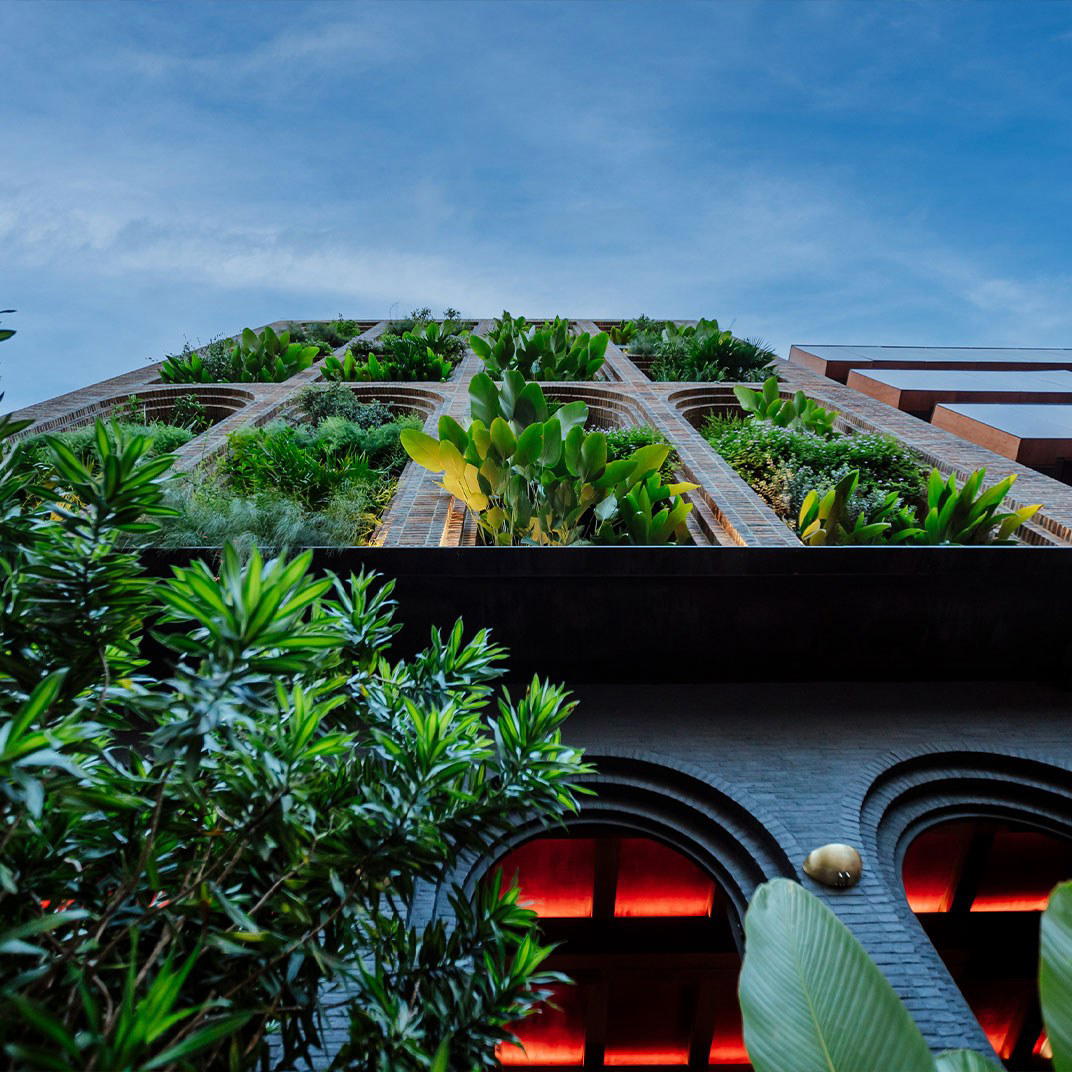
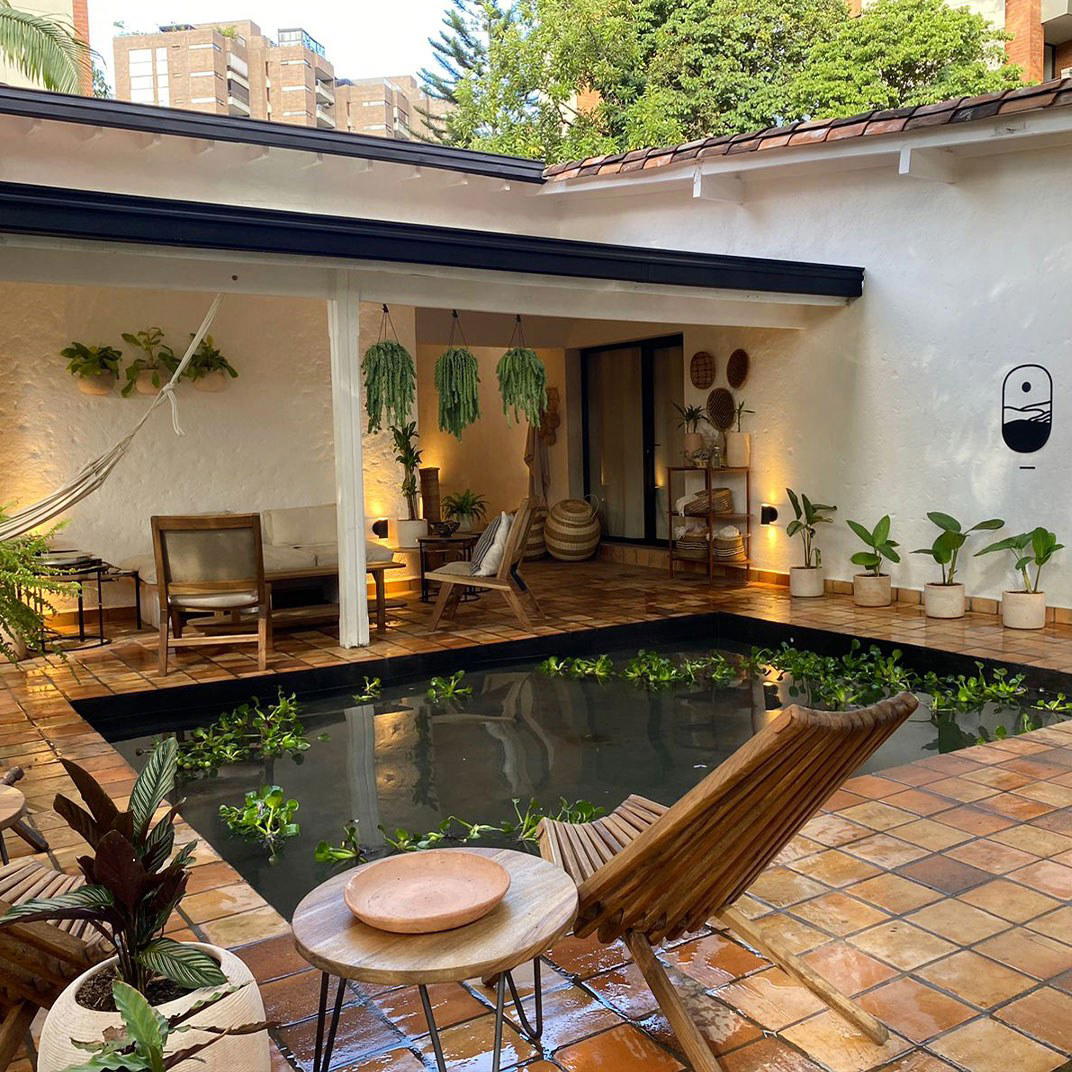
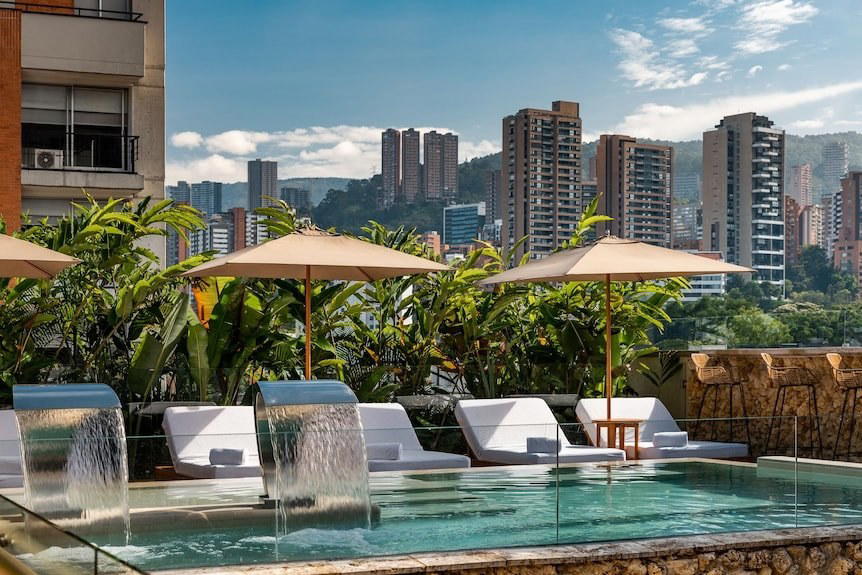
Calm yet festive atmosphere with a forest-like, garden-inspired setting. Mix of indoor and outdoor spaces with natural lighting. Laid-back vibe with friendly service.