Plant-based bistro with local producers & gluten-free options
- Address
- Cl. 65 #5-70, Bogotá, Colombia
- Phone
- +57 324 4435844
- Directions
- Get directions
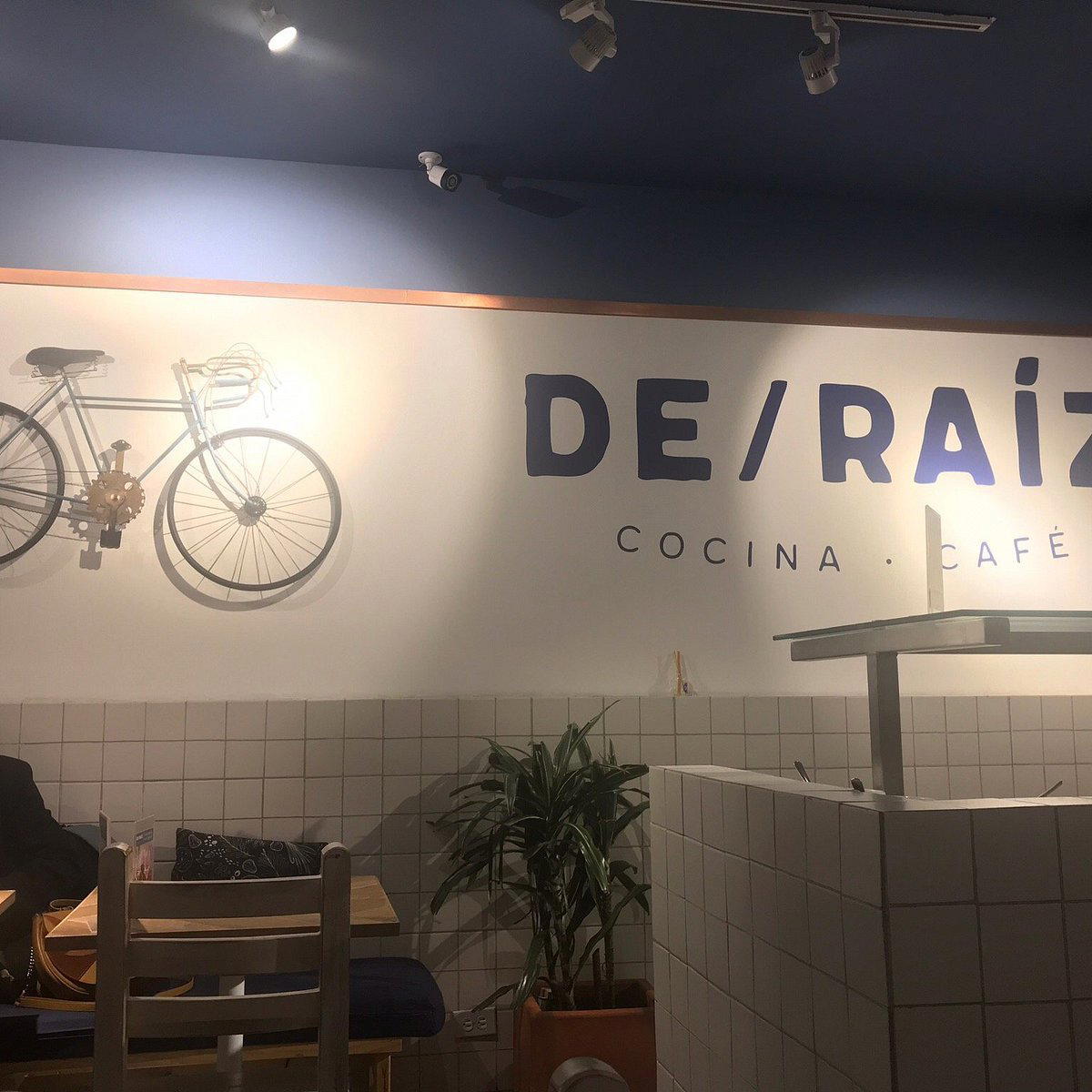
Calle 65 and the Architecture of Attention
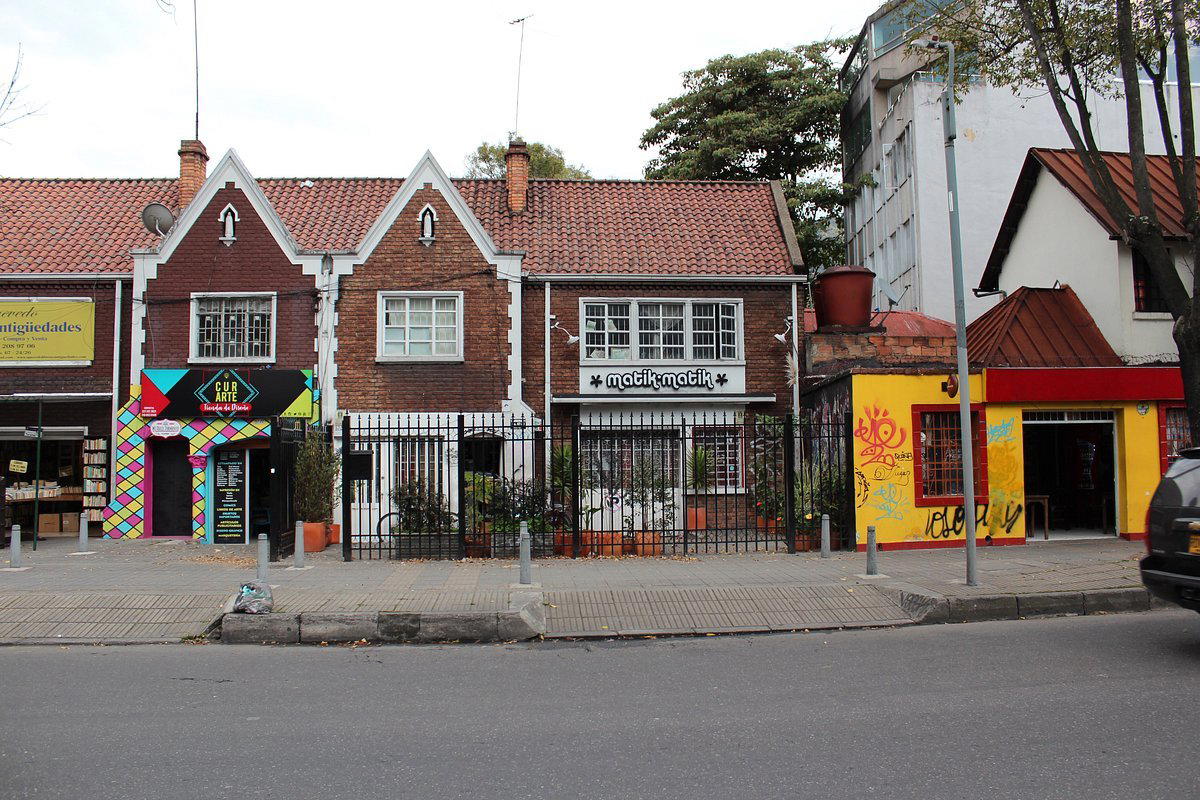
Bogota's Chapinero Alto district has developed a particular gravity for restaurants that treat their physical space as seriously as their menus. Deraíz is a permanently closed restaurant at Cl. 65 #5-70, Bogotá, Colombia, serving Vegan Colombian Fusion at a price tier of 3. The address on Calle 65 that houses Deraíz sits within a neighbourhood where converted houses and low-rise buildings provide the containers for some of the city's more considered dining formats. In this part of the city, the room itself communicates intent before a single plate arrives. Deraíz reads within that context: a space designed to hold attention rather than simply fill it.
The name, meaning roughly "from the root" in Spanish, signals an orientation toward Colombian ingredients and traditions rather than imported frameworks. That positioning places Deraíz in a competitive set defined not by price tier alone but by a specific seriousness about sourcing and regionality. Bogota's modern Colombian dining scene has matured considerably over the past decade, with restaurants like El Chato (Modern Colombian) and Leo (Modern Colombian) establishing international reference points for what Colombian cuisine can mean at a high level. Deraíz operates within that broader shift, where provenance and technique are understood as inseparable.
Space as Editorial Statement
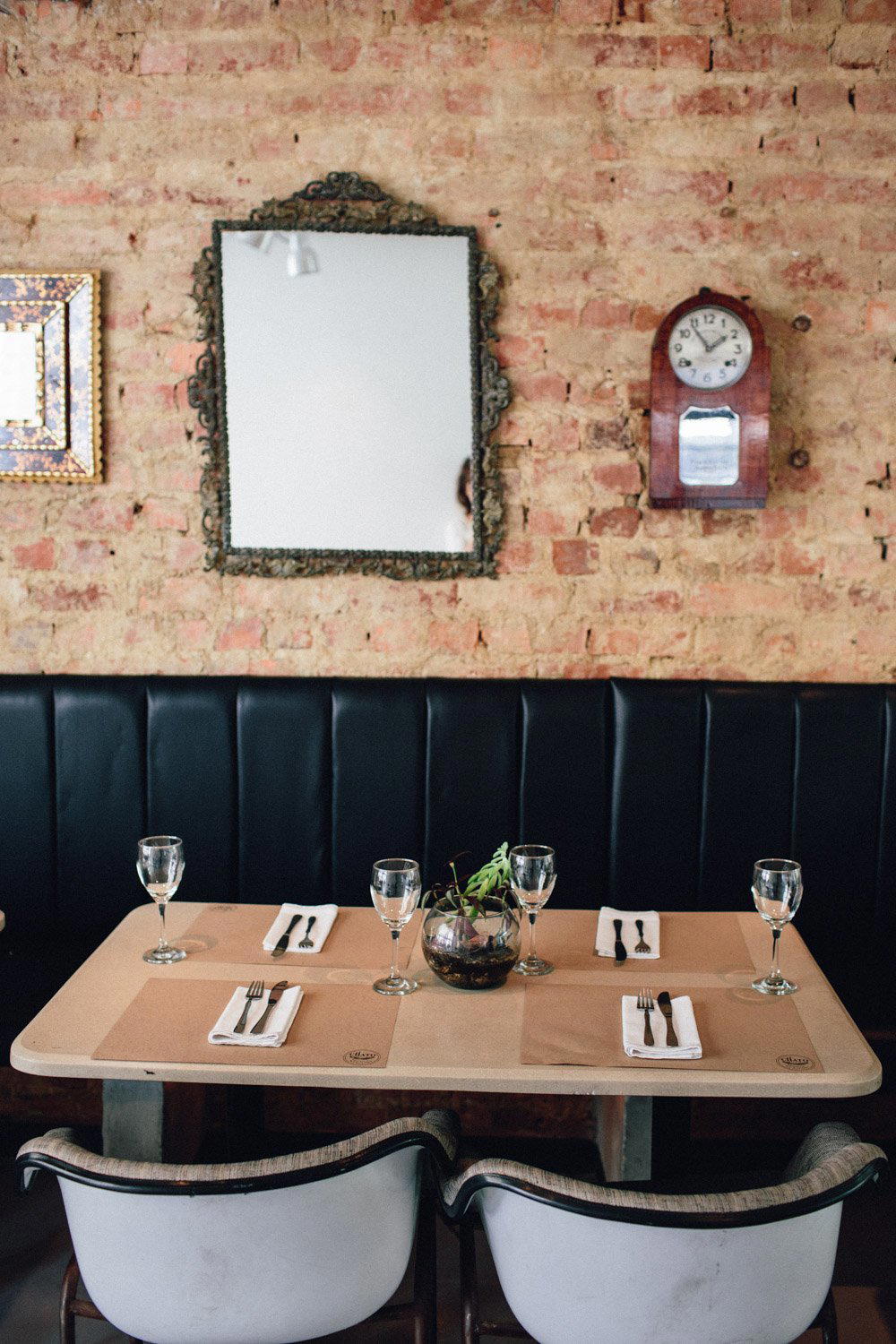
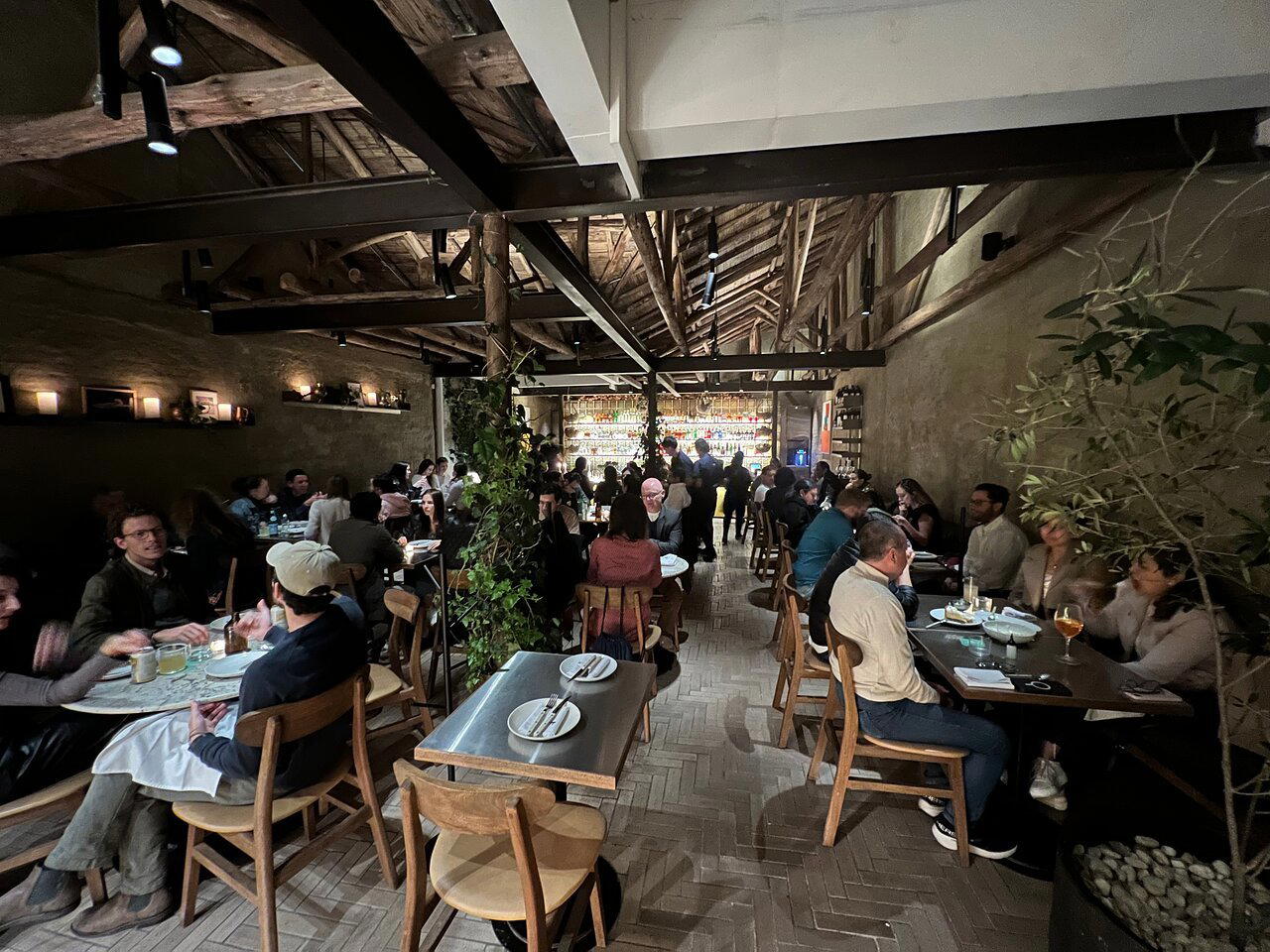
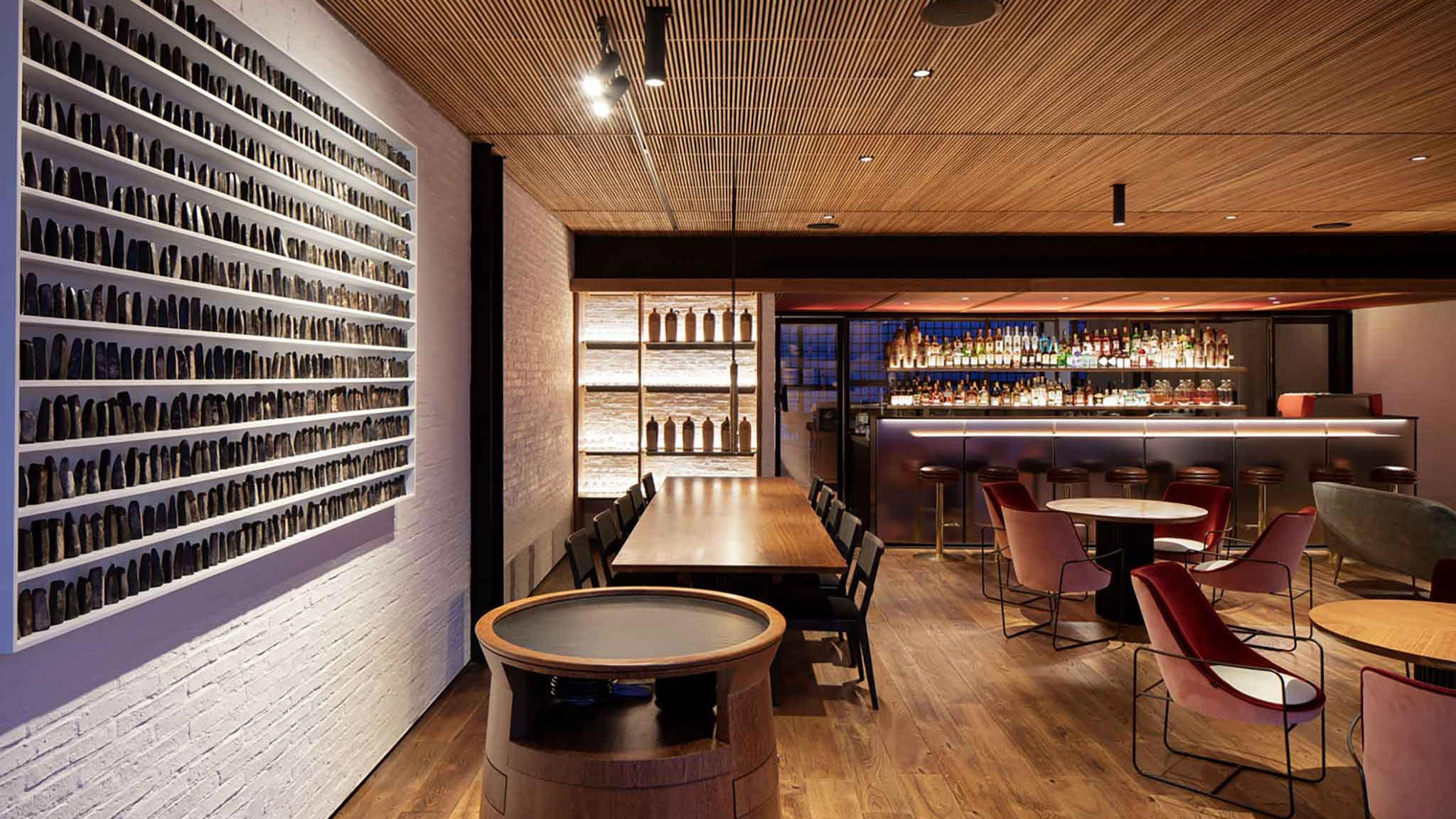
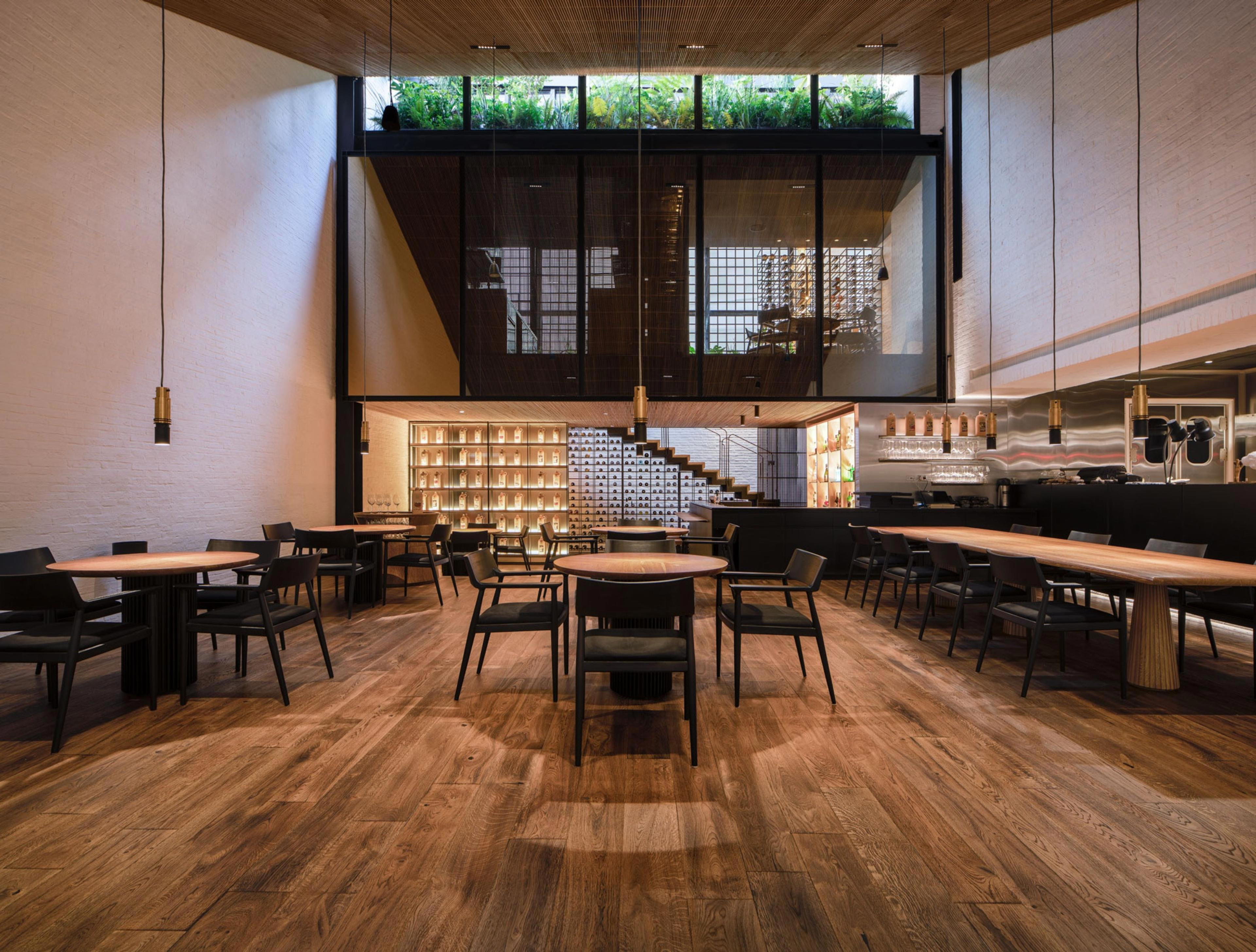
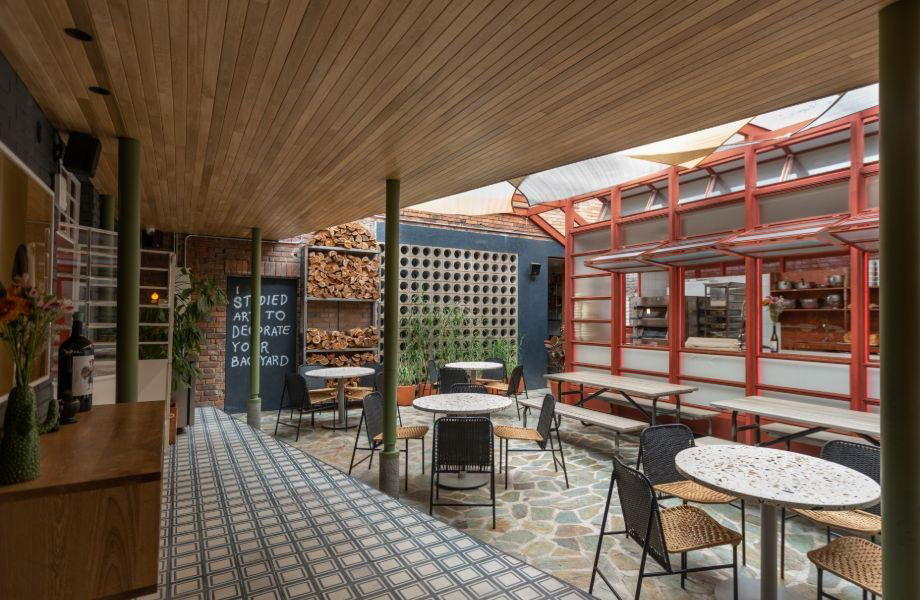
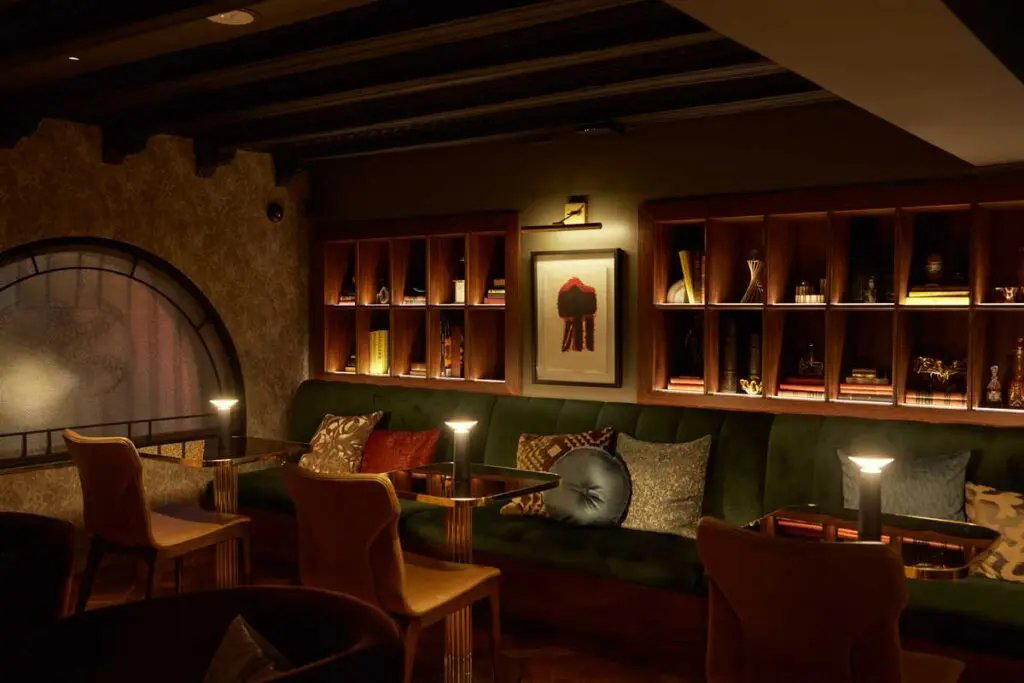
In cities where dining rooms default to neutral backdrops, a restaurant that commits to a spatial point of view earns a different kind of loyalty. The design conversation in Bogota's better independent restaurants has moved toward materiality: exposed concrete, natural textiles, locally sourced wood, and lighting that creates intimacy without theatrics. These choices are not decorative; they function as an argument about what kind of experience is being offered. A room built with restraint and local material vocabulary tells a diner something specific about the kitchen's priorities before the menu opens.
Deraíz's Chapinero Alto location is consistent with this tendency. The neighbourhood's residential scale means that the buildings themselves impose a ceiling on capacity and a floor on atmosphere: you cannot build something anonymous in a converted house on a tree-lined street. That physical constraint tends to produce rooms where the relationship between diner and space is closer, more deliberate. Comparable restaurants in this part of Bogota, including Afluente and Abasto Quinta Camacho, operate under similar spatial conditions, which partially explains why Chapinero Alto has developed a reputation for dining that feels considered rather than commercial.
Colombian Regionality and What "From the Root" Actually Means
The phrase "from the root" is common enough in restaurant naming to risk becoming meaningless, but in Bogota's current dining environment it carries a specific weight. Colombia's extraordinary ecological and agricultural diversity, spanning Andean highlands, Pacific coast, Amazonian lowland, and Caribbean littoral, gives kitchens committed to local sourcing a genuinely different pantry from season to season. The challenge is not finding interesting ingredients; it is building culinary logic around them rather than simply listing their origins as credentials.
Restaurants that handle this well tend to demonstrate it through restraint: fewer elements on the plate, a tighter connection between what grows nearby and what appears in front of the diner, and a willingness to let unfamiliar Colombian ingredients lead rather than support. This is a harder editorial stance than it sounds. It requires saying no to the imported reference points that make menus internationally legible, and it asks diners to meet the cuisine on its own terms. The better modern Colombian kitchens in Bogota have been making this argument for years, and Debora Restaurante and Harry Sasson in Bogotá each represent different positions on that spectrum between regional rootedness and international accessibility.
Deraíz's name aligns it with the more committed end of that range, where the cuisine's Colombian identity is the point rather than the context. For a diner willing to engage on those terms, that orientation produces a categorically different meal than the kind of experience offered by larger, more eclectic operations like Andrés Carne de Res in Chia, where spectacle and scale are part of the offer.
Where Deraíz Sits in the City's Dining Geography
Bogota's restaurant geography has sorted itself over time into relatively distinct zones. Zona Rosa and Parque 93 attract the volume-oriented operators and international brands. Usaquén hosts the weekend market crowd and reliable neighbourhood institutions. Chapinero Alto and La Macarena have absorbed the more independent, research-driven restaurants that sit closer to what international food culture would call the "chef-driven" tier, a format with analogues in Lazy Bear in San Francisco and other cities where small-room, high-intention dining has defined a generation of eating.
Within Bogota's independent tier, the competitive set for a restaurant like Deraíz includes not just obvious comparisons like El Chato and Leo but also the broader Colombian dining scene spread across cities. X.O. in Medellín and Domingo in Cali represent the same generational shift toward serious, regionally grounded cooking happening across the country simultaneously. Sevichería Guapi in Santiago De Cali, Donde Mama in Barranquilla, and El Boliche Ceviche in Cartagena each anchor regional coastal traditions while Bogota's Andean restaurants make the highland case. Deraíz is part of that national conversation, even from its single address on Calle 65.
For a fuller read of where Deraíz sits among Bogota's current restaurant generation, the EP Club Bogota restaurants guide maps the city's dining tiers in useful detail. Comparable small-room operators at the serious end of the Colombian market, like Bulgatta restaurante in Retiro and Adictta pizza Manizales in Manizales, and destination restaurants with larger international profiles like Le Bernardin in New York City, illustrate how wide the range of reference points is for Colombian diners developing a sense of what serious cooking looks like at different scales and budgets.
Planning around Chapinero Alto typically rewards an early-evening reservation during the week, when the neighbourhood is quieter and the room more conversational. Weekends draw more foot traffic to the area generally, and the better-known restaurants in this part of the city book ahead. For a restaurant operating in the space Deraíz occupies, a reservation made several days in advance is a reasonable baseline expectation, though the restaurant is permanently closed.
At a Glance
Comparable venues nearby, for context on price, style, and recognition.
| Venue | Cuisine | Price | Notes |
|---|---|---|---|
| DeraízThis venue — the venue you are viewing | Granada, Vegan Colombian Fusion | $$$ | Not listed |
| Osaka | Not listed | $$$ | La Cabrera, Nikkei (Japanese-Peruvian Fusion) |
| Contra Corriente | Ciudad Universitaria, Modern Colombian | $$$ | Not listed |
| Pajares Salinas | Not listed | $$$ | Chico Norte Ii Sector, Traditional Spanish |
| Qun | Not listed | $$$ | La Cabrera, Contemporary Nikkei with Peruvian & Colombian Influences |
| La Brasserie | Not listed | $$$$ | La Cabrera, Classic French Brasserie & Steakhouse |

At a Glance
- Cozy
- Trendy
- Modern
- Brunch
- Casual Hangout
- Open Kitchen
- Organic
- Local Sourcing
Welcoming and lively atmosphere with nicely arranged, colorful dishes emphasizing creativity and health.