On Carrera 21 in Bogotá's mid-city grid, Casa Salvaje operates in a part of the Colombian dining conversation that prioritises sourcing provenance over spectacle. The kitchen draws on regional Colombian ingredients at a time when the city's most serious restaurants are reorienting menus around domestic supply chains rather than imported prestige. A practical address for readers tracking where Bogotá's food culture is moving next.
Pearl is the En Primeur Club membership app — saves, bookings, and concierge access live there. Same editors, same standards.
- Address
- Cra. 21 #53-88, Bogotá, Colombia
- Phone
- +573134553907
- Directions
- Get directions
 Saves & bookings on Pearl
Where Bogotá's Ingredient Politics Play Out on the Plate
Bogotá's dining scene has spent the better part of a decade working through a central question: what does a serious Colombian restaurant owe to Colombian land? Particularly watched addresses in the city, places like El Chato and Leo, have answered that question by building menus explicitly around domestic sourcing networks, Amazonian botanicals, high-altitude tubers, and Pacific coast seafood that bypasses the import channels that once defined upscale dining here. Casa Salvaje is a modern Japanese sushi restaurant in Bogotá at Cra. Casa Salvaje, at Carrera 21 in the northern stretch of the city's mid-grid, occupies this same current. The name itself, which translates loosely as "wild house," signals an orientation toward what grows, grazes, or runs in Colombian terrain rather than what arrives refrigerated from abroad.
This is not a marginal position in 2024 Bogotá. The city's restaurant culture has matured to the point where provenance claims carry weight with the local dining public in ways they did not a generation ago. Restaurants across price points are now competing on the specificity of their sourcing stories, and particularly credible ones are those that can trace ingredients back to named regions or producer relationships rather than broad national categories. Casa Salvaje sits on Carrera 21, a corridor that has accumulated a concentration of food-serious addresses as the city's dining centre of gravity has spread north from the Candelaria and Chapinero into the Teusaquillo-adjacent blocks.
The Sourcing Logic Behind the Colombian Kitchen
To understand why ingredient provenance matters so acutely in Colombia, it helps to consider the country's geographical range. Within a single national border, Colombia holds Andean highlands above 2,500 metres, Pacific rainforest coastline, Caribbean fishing grounds, Amazonian basin territory, and Llanos grasslands. Each zone produces ingredients with distinct flavour profiles and cultural histories, and for most of the twentieth century, the logistics of moving those ingredients to Bogotá's restaurant kitchens were prohibitive enough that chefs defaulted to whatever arrived reliably, which often meant imported product or standardised domestic supply.
The shift that has made restaurants like Casa Salvaje conceptually possible is partly logistical, partly political, and partly a matter of chef generation. Better cold-chain infrastructure, smaller-scale producer networks built through initiatives connecting rural farmers to urban buyers, and a cohort of cooks trained abroad who returned with Noma-era sourcing frameworks have collectively changed what a Bogotá kitchen can reasonably work with. The result is that the gap between what Colombia produces and what appears on Bogotá menus has narrowed considerably. For the reader tracking how this plays out in practice, Abasto Quinta Camacho and Afluente represent adjacent points on the same sourcing-conscious spectrum, each resolving the domestic-ingredient question through a different format and price point.
Casa Salvaje in the Bogotá comparable set
Within Bogotá's current restaurant hierarchy, there is a recognisable tier of mid-to-upper addresses that take sourcing seriously without operating at the ceremony level of Michelin-adjacent tasting menus. Debora Restaurante works a similar register, as does Harry Sasson, though the latter skews toward international reference points. The restaurant's positioning on Carrera 21 places it geographically within reach of the residential and professional neighbourhoods north of Chapinero, a demographic that has shown consistent appetite for restaurants where the ingredient story is as considered as the execution.
Across Colombia more broadly, the sourcing-forward kitchen is not a uniquely Bogotá phenomenon. Sevichería Guapi in Cali centres Pacific coast produce with the same intentionality that animates Bogotá's leading ingredient-led kitchens. Donde Mama in Barranquilla and El Boliche Ceviche in Cartagena do similar work from their respective coastal positions, each translating regional supply into a coherent dining proposition. What makes Bogotá's version of this conversation distinct is the altitude and the aggregating effect of the capital: the city pulls producers and cooks from every Colombian region, which is why its most serious kitchens can theoretically access more of the country's biodiversity than any single regional restaurant could.
Getting There and Planning Your Visit
The restaurant's address at Cra. 21 #53-88 places it in a zone of Bogotá that is walkable from the Chapinero Alto and Quinta Camacho areas, which have become informal anchors for the city's more considered dining. The neighbourhood does not carry the brand recognition of Zona Rosa or Parque de la 93, which means it attracts a more local, less tourist-facing crowd, a useful signal about who the kitchen is cooking for. Bogotá's altitude at 2,600 metres above sea level affects palate and digestion in ways worth acknowledging, particularly for visitors arriving from sea level: portions that read as modest on a menu can feel more substantial at altitude, and the city's cool evening temperatures year-round make it a place where warm, dense preparations read naturally.
Those extending into Colombia's other dining cities should note that X.O. in Medellín and Domingo in Cali represent the kind of regional ambition that makes a multi-city Colombian eating trip a genuinely instructive exercise in how differently the same national larder gets interpreted across geography.
For international context, the sourcing-as-identity framework that defines the restaurant's apparent orientation has precise analogues in cities where ingredient provenance became the primary competitive variable: Lazy Bear in San Francisco built its entire format around American domestic sourcing with hyper-regional specificity, and even a seafood institution like Le Bernardin in New York City competes partly on the sourcing credibility of its fish supply. The logic is the same whether the kitchen is in Bogotá or New York: in a market where execution quality has converged across serious addresses, where the ingredient comes from becomes the differentiator that a competitor cannot simply copy.
Two other Colombian addresses worth holding alongside the restaurant for comparative reference: BK Burukuka in Santa Marta and Andrés Carne de Res in Chía, which represents an entirely different register of Colombian dining spectacle. The latter is worth knowing about precisely because it illustrates the other end of the spectrum: a restaurant where the experience is the point and the ingredient story is secondary. The restaurant, by name and address logic, appears to be making the opposite bet.
Comparable Spots
Comparable venues nearby, for context on price, style, and recognition.
| Venue | Cuisine | Price | Notes |
|---|---|---|---|
| Casa SalvajeThis venue — the venue you are viewing | Modern Japanese Sushi | $$$ | Not listed |
| Takuma Cocina Show | Japanese Teppanyaki & Sushi | $$$ | Quinta Camacho |
| Bistecca e Vino Da Trattoria de la Plaza | Italian Steakhouse & Wine Bar | $$$ | Emaus |
| RESTAURANTE ESTANCIA CHICA | Argentine Steakhouse | $$$ | Chico Norte |
| Deraíz | Vegan Colombian Fusion | $$$ | Granada |
| Koi by Watakushi | Japanese Sushi and Asian Fusion | $$$ | Santa Barbara Oriental |
At a Glance
- Trendy
- Modern
- Elegant
- Date Night
- Special Occasion
- Terrace
- Open Kitchen
- Craft Cocktails
Current opening hours
- Monday
- 12–10 PM
- Tuesday
- 12–10 PM
- Wednesday
- 12–10 PM
- Thursday
- 12–10 PM
- Friday
- 12–11 PM
- Saturday
- 12–11 PM
- Sunday
- 12–9 PM
Hours can change for holidays and private events. Last verified .
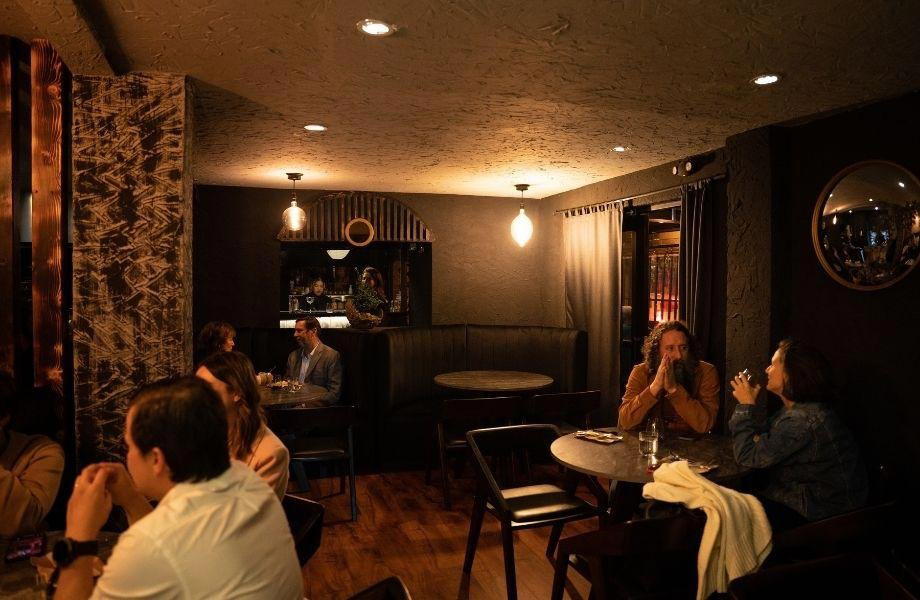
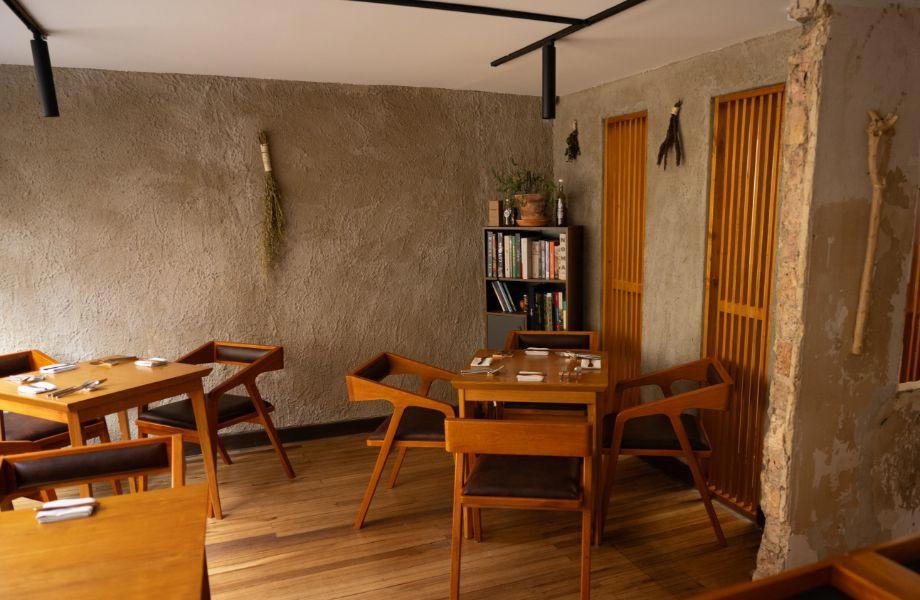
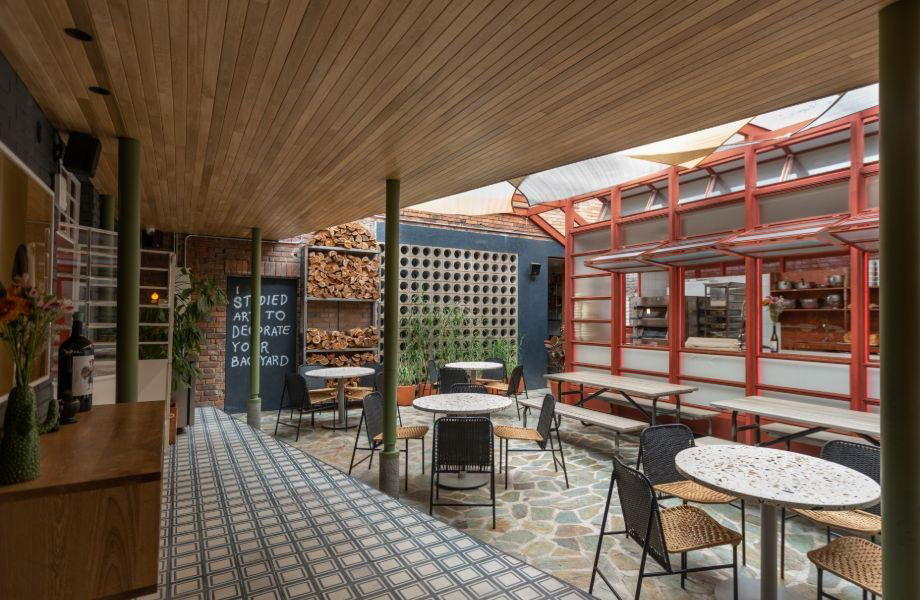
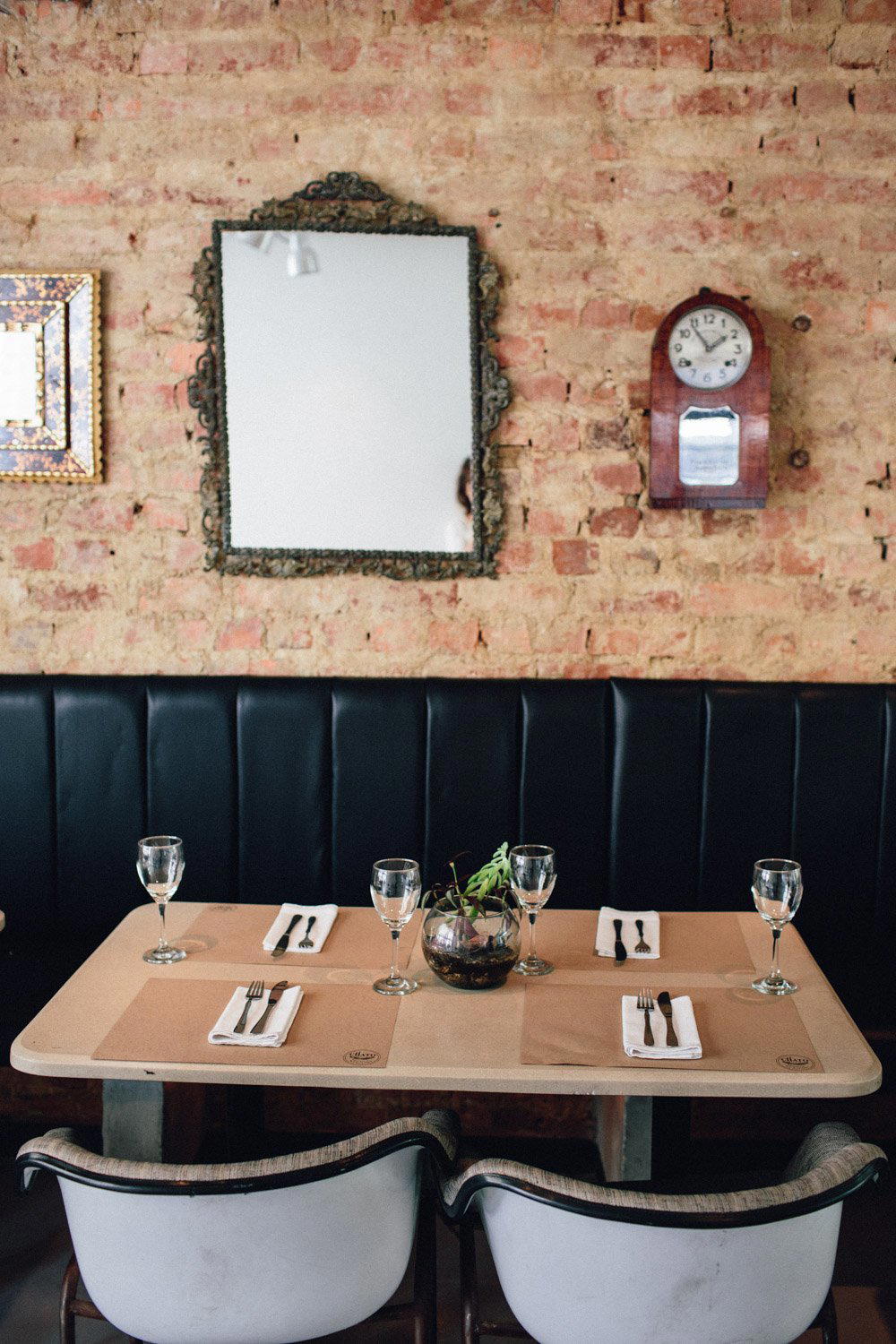
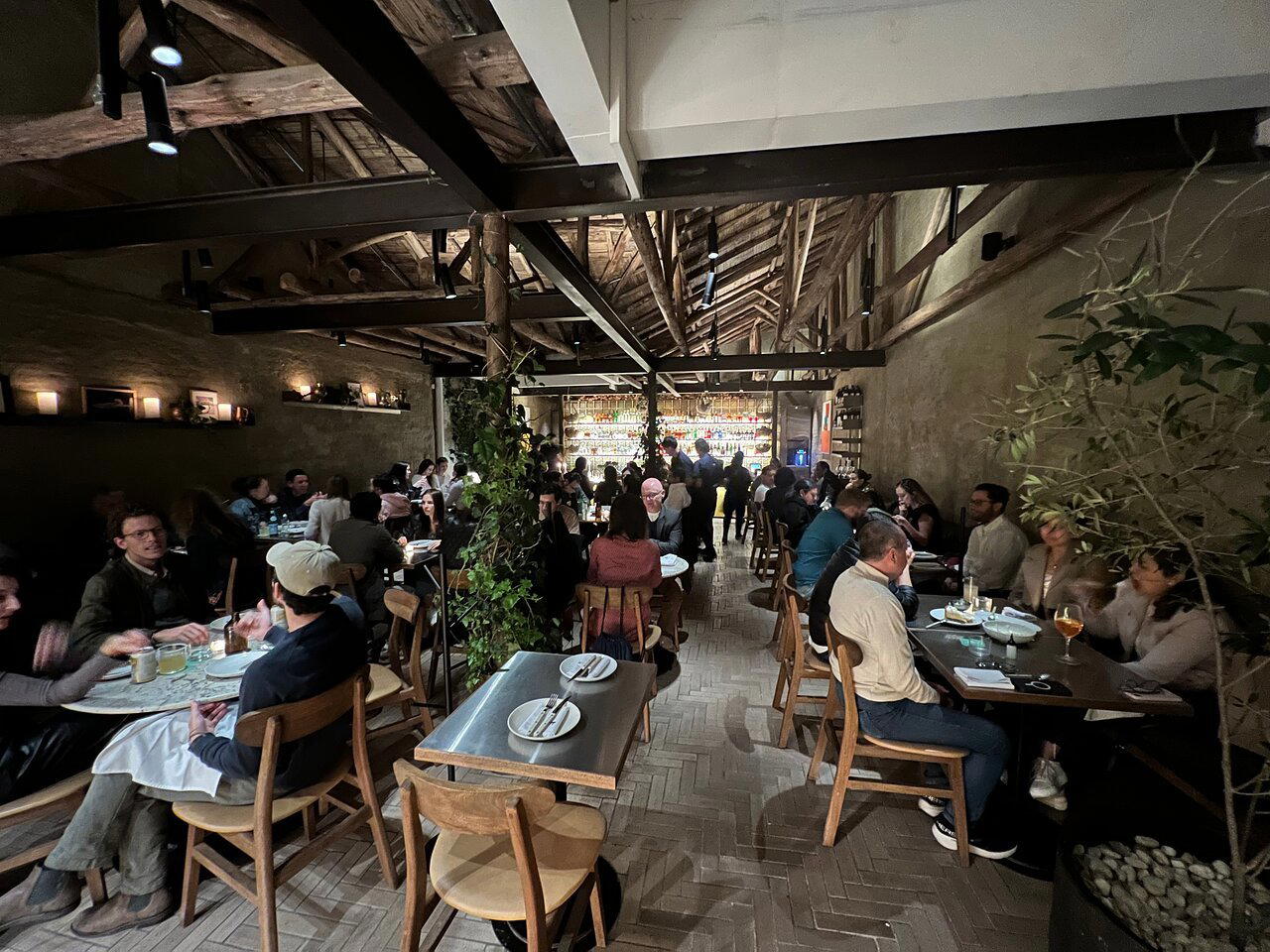
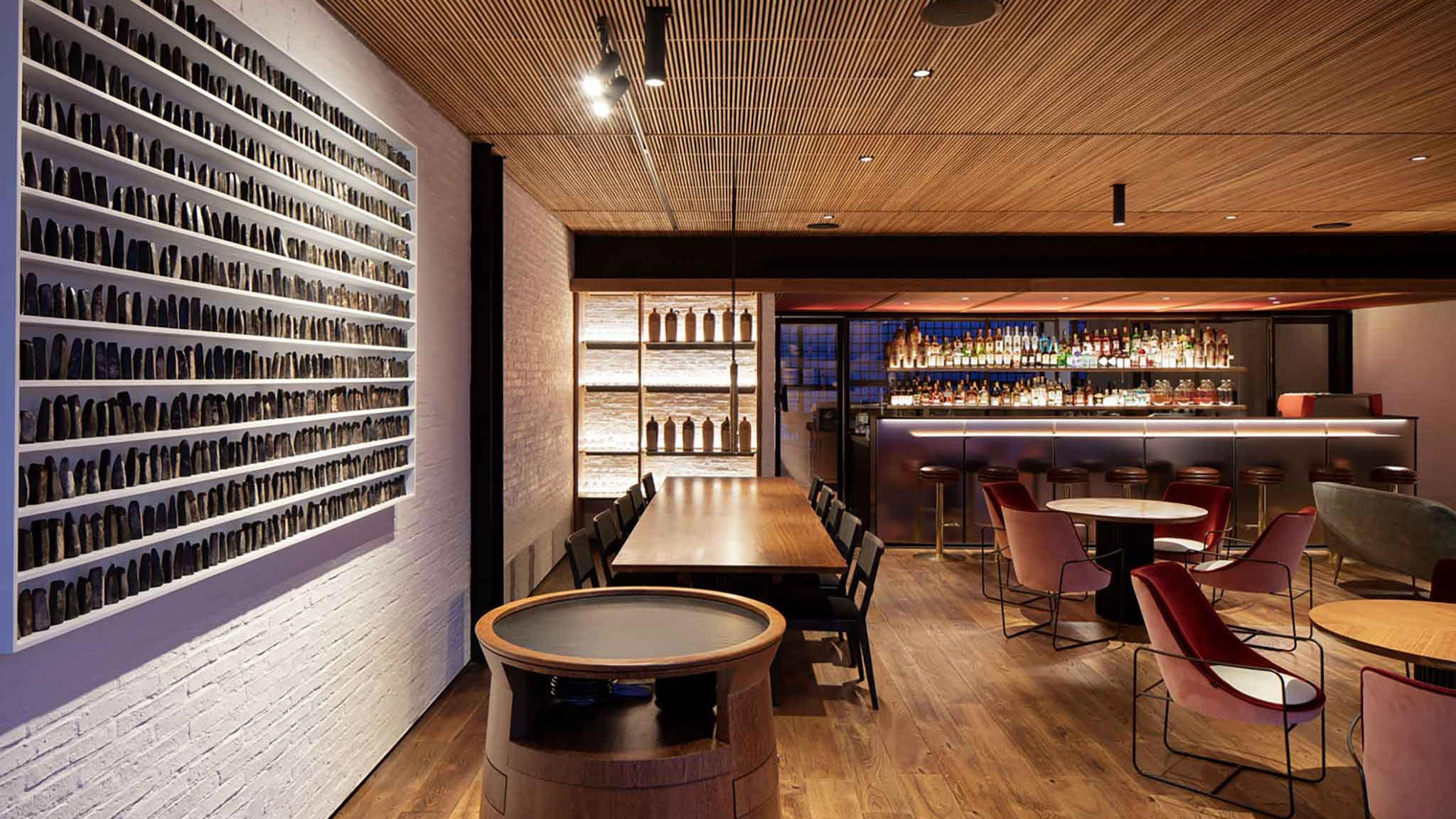
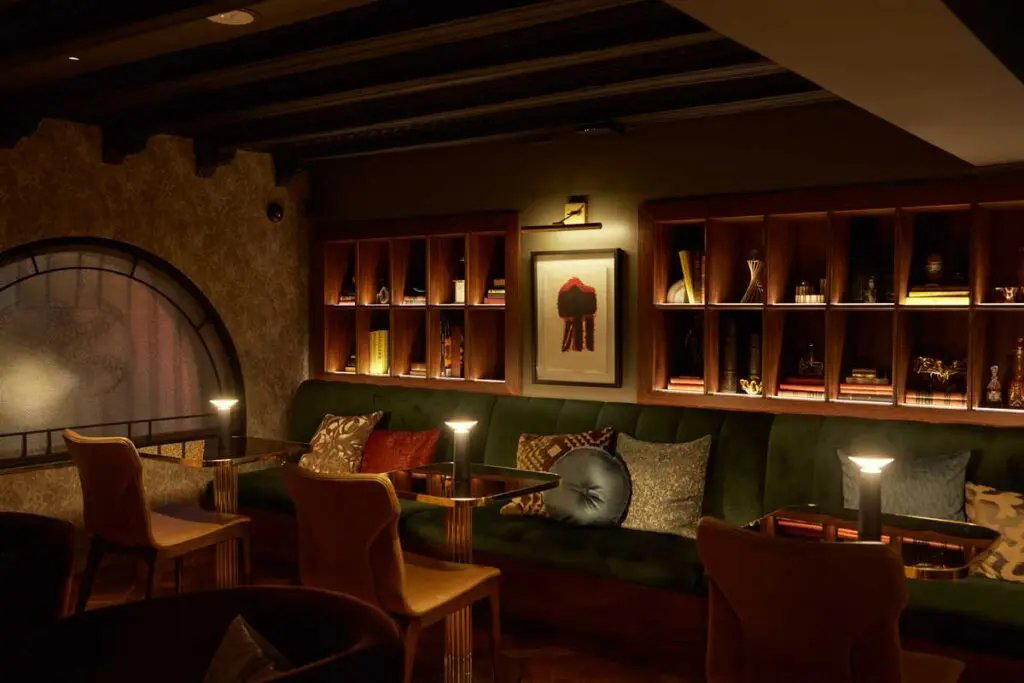
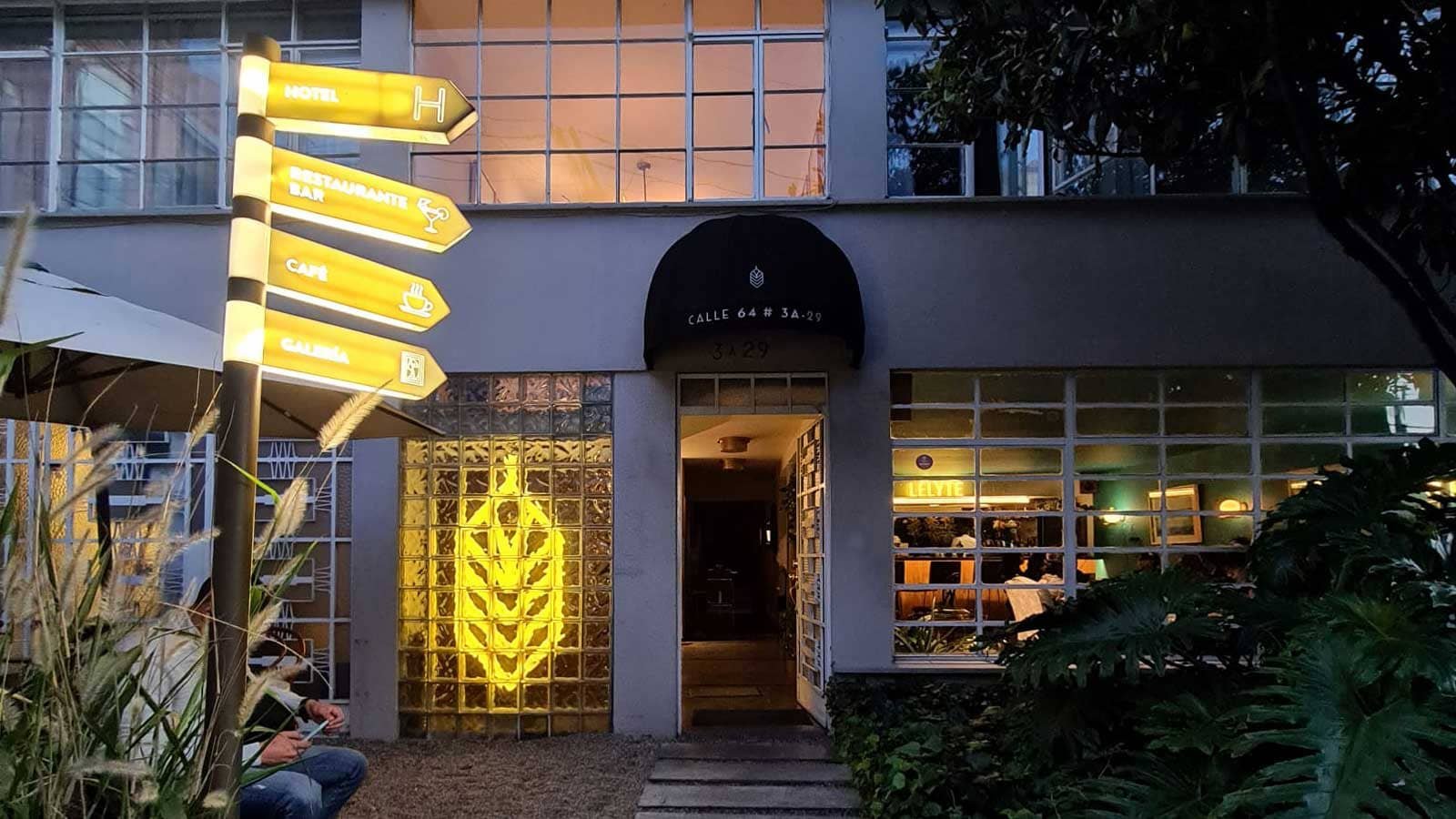
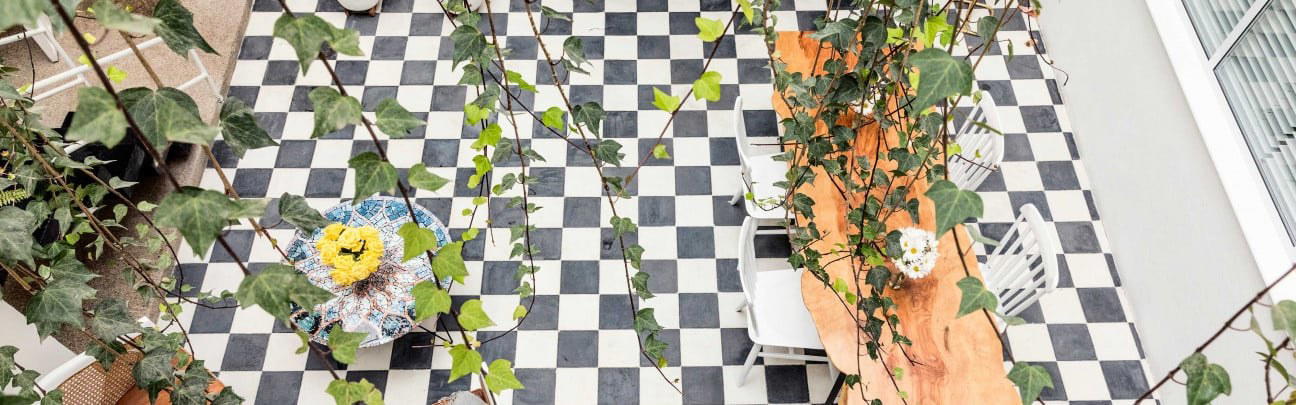
Stylish and plant-filled with terrace seating, creating a modern and sophisticated atmosphere.