
Koguma puts Yokohama’s okonomiyaki culture into a compact teppan format rather than the ceremony of a tasting counter. Its Tabelog Okonomiyaki 100 selections in 2023, 2024, and 2025 place it in a narrow national field, while the Tama Plaza setting keeps the mood closer to a neighbourhood grill than a destination dining room.
Pearl is the En Primeur Club membership app — saves, bookings, and concierge access live there. Same editors, same standards.
- Address
- 2 Chome-17-26 Utsukushigaoka, Aoba Ward, Yokohama, Kanagawa 225-0002, Japan
- Phone
- +81 45-904-1118
 Saves & bookings on Pearl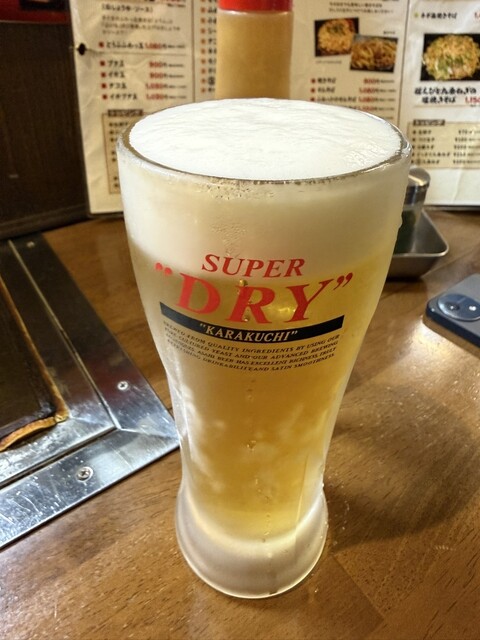
The appeal of a serious okonomiyaki room starts before the first order: the metal hotplate sets the rhythm, the room warms with oil and cabbage, and conversation rises around the sound of batter meeting iron. Yokohama is often read through Chinatown, waterfront hotels, and polished station dining, but its suburban rail corridors carry another kind of eating culture, one built around compact rooms, repeat customers, and dishes that are cooked in public rather than plated in private.
Koguma belongs to that second Yokohama. The format is okonomiyaki and teppanyaki, which means the meal is less about a chef’s procession and more about timing, heat, and the social architecture of the griddle. In Japan, okonomiyaki has always resisted fine-dining hierarchy: Osaka leans into density and sauce, Hiroshima into layered construction, and Kanto rooms often make the genre feel lighter, more domestic, more tied to neighbourhood habits. A Tabelog Okonomiyaki 100 selection in 2025, following selections in 2024 and 2023, gives this small Yokohama address a credential that matters because the category is crowded and deeply local.
Okonomiyaki as theatre without ceremony
Okonomiyaki is often translated too simply as a savoury pancake, which undersells the point. The dish is a test of proportion: batter to cabbage, softness to char, sauce to steam. Teppanyaki adds a second register, because the grill is not background equipment; it is the room’s centre of gravity. This is dining with audible pacing, where the meal develops through spatulas, hot surfaces, and shared attention rather than the hushed choreography of a counter tasting menu.
That distinction matters in Yokohama, where the city’s dining identity stretches from port-city cosmopolitanism to suburban specialisation. Tama Plaza sits outside the tourist shorthand of Minato Mirai and Kannai, and that distance changes expectations. The draw here is not skyline dining or a chef biography; it is the pleasure of a genre handled with enough consistency to earn repeated national category recognition. For travellers using Our full Yokohama restaurants guide, this is the kind of stop that explains how the city eats when it is not performing for visitors.
The comparison set around Yokohama also clarifies the decision. Sumibi Yakiniku Horumon Urara sits in a higher dinner bracket, Teuchi Soba Fuurai Kyo works a different register around handmade soba, and Mira! Tama Plaza points toward Spanish-inflected local dining. Koguma occupies a more democratic lane: grill-led, casual in structure, and judged by repetition rather than spectacle. That makes the Tabelog recognition more useful than a generic popularity claim; it places the restaurant inside a specific national category rather than a catch-all ranking.
The Tama Plaza version of a grill room
The neighbourhood context is part of the experience. Tama Plaza is a residential-commercial node rather than a sightseeing district, so the room’s energy reads differently from central Yokohama dining. The appeal is immediate and practical: a compact okonomiyaki and teppanyaki setting, a no-smoking policy, and a service style that allows take-out as well as terrace seating for guests with pets. Those details put the place closer to everyday Japanese dining culture than to destination-restaurant theatre.
Seating count is modest at 33, which suits the genre. Okonomiyaki loses something when it becomes too large-scale; the grill needs proximity, and the room needs enough density for the sound and heat to become part of the meal. Private rooms are not part of the setup, but private use is available, a useful signal for groups who understand that this kind of restaurant works differently from a formal banquet room.
Drinks stay within the expected Japanese casual-dining grammar: sake, shochu, and wine. That range is enough for the food’s salt, sauce, and grilled edges without turning the table into a sommelier-led exercise. Payment is another practical clue to the old-school character: cards, electronic money, and QR payments are not accepted, so cash planning is part of the visit. In a city where many newer restaurants have moved toward frictionless payment, that detail is not decorative; it changes how the evening should be planned.
How to place it in a Yokohama itinerary
Koguma is better read as a focused dinner decision than a broad Yokohama introduction. Travellers building a longer food itinerary might pair it conceptually with 1000 (Yakitori (Grilled chicken skewers)) for another grill-led Japanese format, or look at Aichun, Ajowan, Alpenjiro Honten, and Anzen Shokudo to see how varied the city’s casual dining register becomes once the search moves beyond waterfront shorthand.
For visitors mapping the wider trip, Yokohama rewards category-hopping. The hotel base changes the rhythm of the meal, so Our full Yokohama hotels guide helps separate station convenience from bayside polish. Evening plans can stretch through Our full Yokohama bars guide, while Our full Yokohama wineries guide and Our full Yokohama experiences guide broaden the city beyond restaurants alone.
Its value is strongest for diners who care about Japanese everyday forms executed with recognised consistency. The national okonomiyaki listing gives a reason to travel north within Yokohama’s dining map, while the room’s format keeps the stakes grounded: hotplate, batter, grill, drinks, and the tempo of a neighbourhood dinner. For a traveller used to tasting menus, that restraint is the point. Yokohama’s food culture is not only found in grand rooms or harbour views; it is also found in places where heat, timing, and regulars do much of the talking.
Readers extending a Japan dining route can compare the decision with nearby and national alternatives such as -Grilled beef Sukiyaki- KAMAKURA TANUKIAN 鎌倉 たぬき庵 in Kamakura. 鮪と炭火焼き うお炭 秋葉原店 in Tokyo.cafe in Osaka.know in Kumamoto, (Shoku) Vietnam in Kawasaki, and [Curry Senmon Ten] Maruyama Kyoju. in Sapporo. For readers outside Japan tracking Japanese drinking and casual-food formats abroad, Jōdo Saké Bar in Los Angeles and Onigiri Time in Pasadena show how the grammar travels, though the Yokohama version remains defined by the teppan itself.
How It Stacks Up
Comparable venues for orientation by cuisine and category.
| Venue | Cuisine | Price | Notes |
|---|---|---|---|
| KogumaThis venue — the venue you are viewing | Kansai-style okonomiyaki & teppan grill | $ | Not listed |
| Ramen Jiro Nakayama ekimae ten | Jiro-style Ramen | $ | Midori |
| Suzukiya Akebono chou ten | Yokohama iekei ramen | $ | Naka |
| Shirakawa Teuchi Chuka Soba Kosuga | Traditional Shirakawa-style handmade ramen | $ | Aoba |
| Yokohama Iekei Ramen Kogane Ya | Yokohama iekei ramen | $ | Naka |
| Ramen Kan 2 Ya | Yokohama Ie-kei Ramen | $ | Kōnan |
Recognition history
Dated appearances from independent guides and award organizations, with the underlying list record or original source where available.
Tabelog 100 #22 · No. 22
Tabelog · Tabelog 100 - Okonomiyaki - 2025
Continue exploring
More in Yokohama
Restaurants in Yokohama
Browse all →


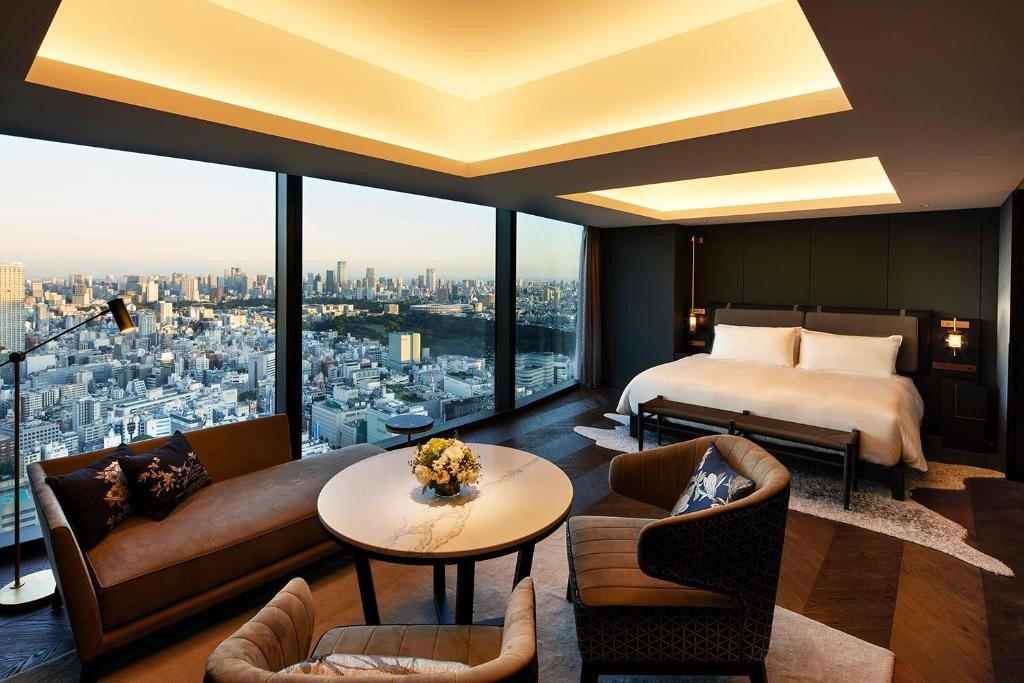
Bars in Yokohama
Browse all →



Hotels in Yokohama
Browse all →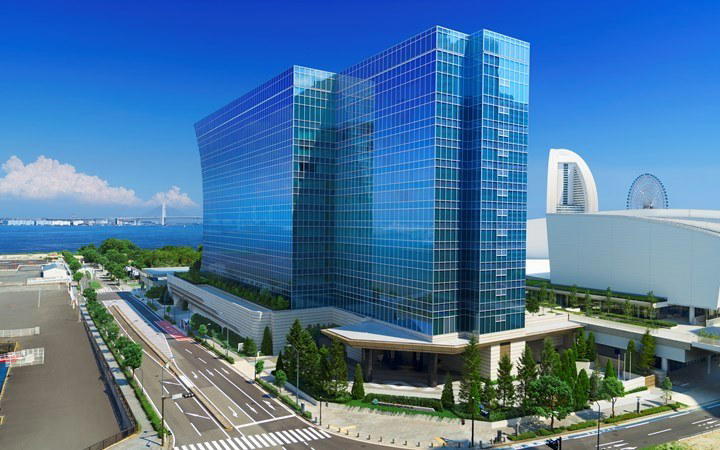



Wineries in Yokohama
Browse all →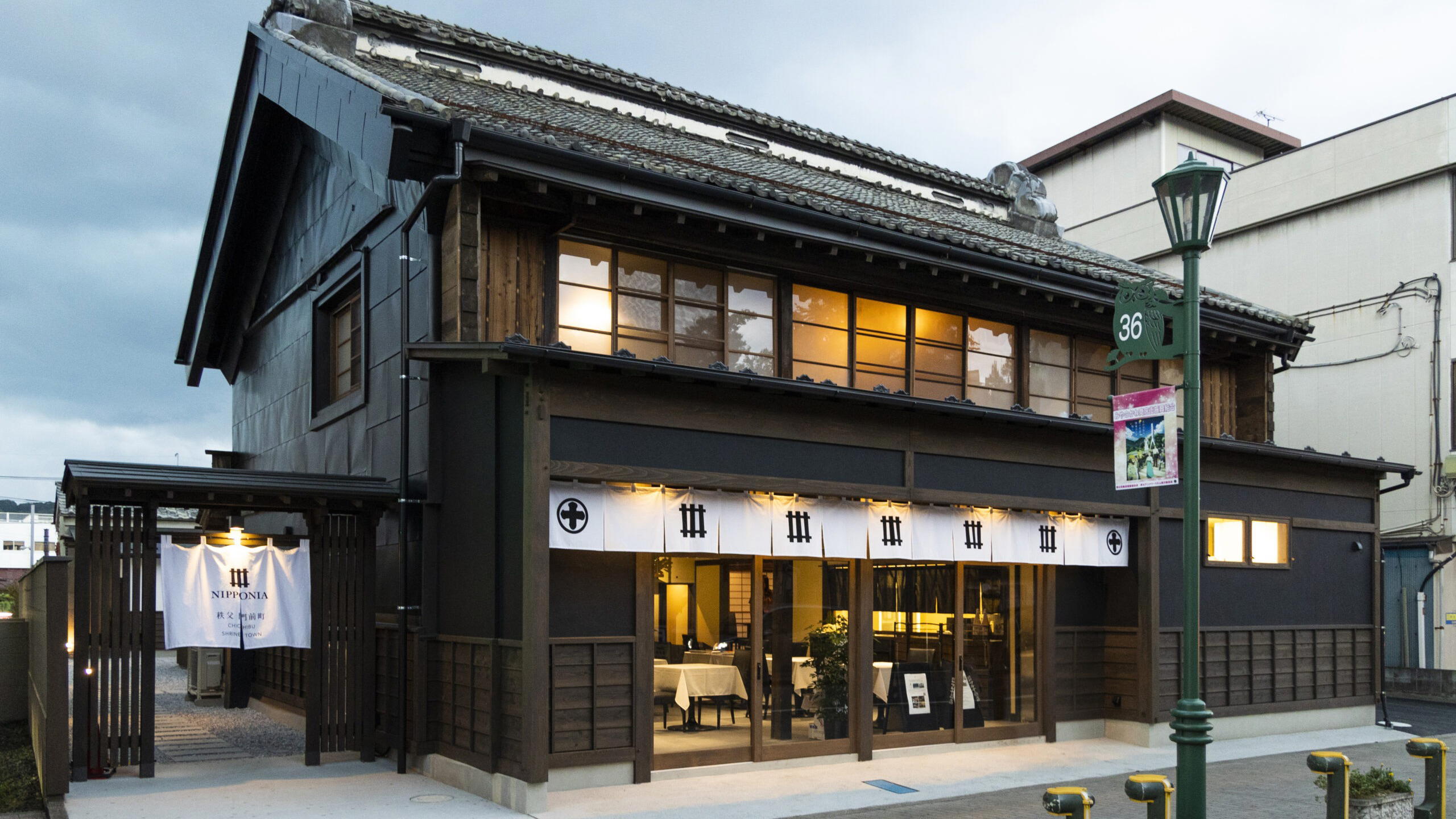
At a Glance
- Cozy
- Lively
- Intimate
- Classic
- Family
- Casual Hangout
- Group Dining
- After Work
- Late Night
- Standalone
- Open Kitchen
Current opening hours
- Monday
- Closed
- Tuesday
- 4:30–10:30 PM
- Wednesday
- 4:30–10:30 PM
- Thursday
- 4:30–10:30 PM
- Friday
- 4:30–10:30 PM
- Saturday
- 4:30–10:30 PM
- Sunday
- 4:30–9:30 PM
Hours can change for holidays and private events. Last verified .
Casual and at‑home, with the feel of a classic local okonomiyaki joint where guests gather around the teppan, a bit bustling at peak times but friendly and unpretentious.