Koarl
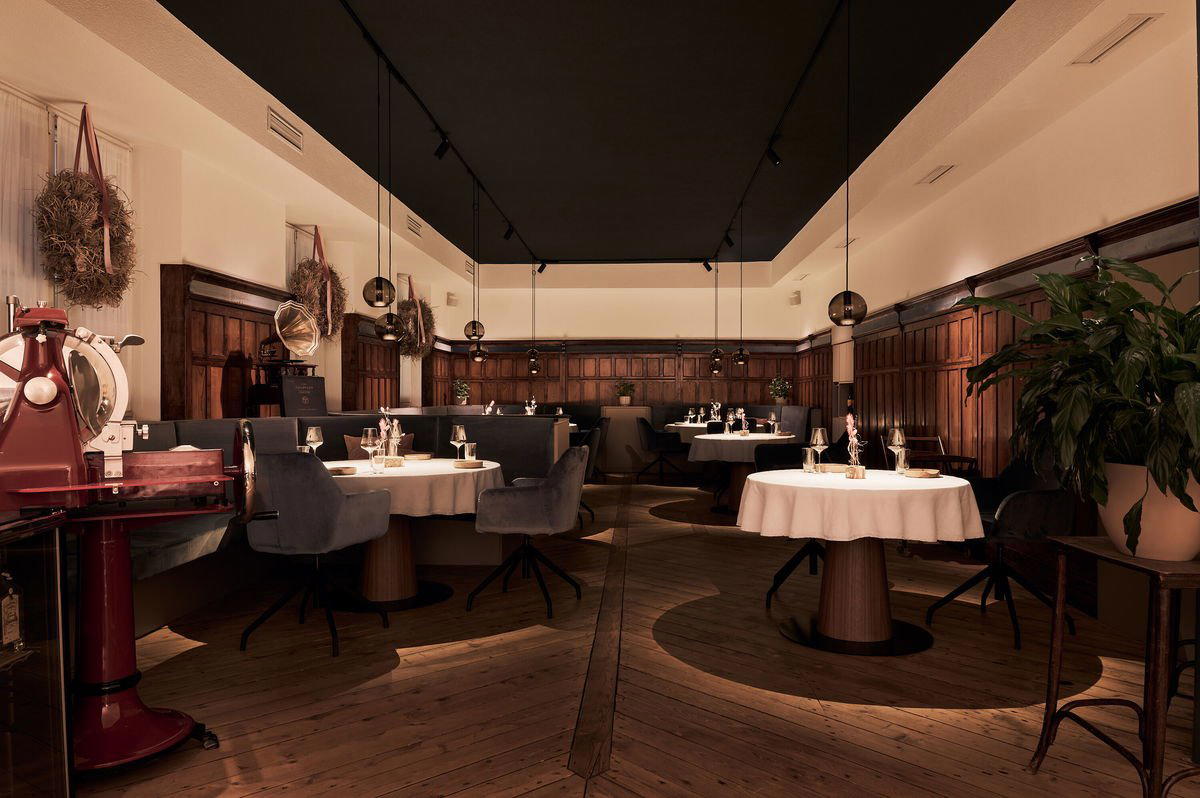
Koarl serves Modern Austrian dinner with a terrace, mountain view, and extensive wine list; leisurely pacing and conversational noise suit a long evening.
Pearl is the En Primeur Club membership app — saves, bookings, and concierge access live there. Same editors, same standards.
- Address
- Hollenegg 10, 8530 Deutschlandsberg, Austria
- Phone
- +43346234838
- Website
- daszeitwert.com
- Directions
- Get directions
 Saves & bookings on Pearl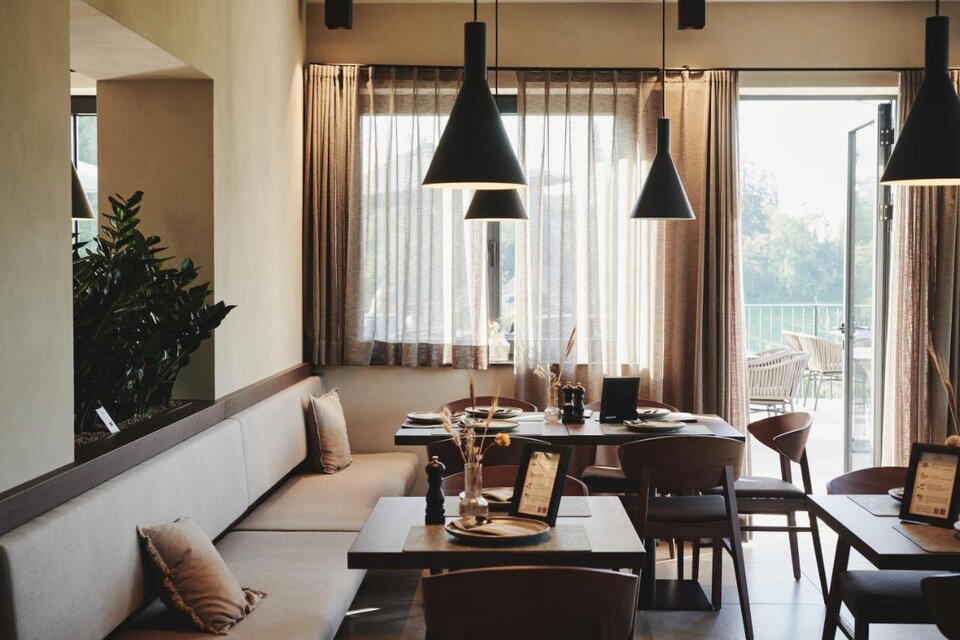
Where Styrian Agriculture Meets the Table
Koarl is a restaurant serving Modern Austrian cuisine at Hollenegg 10 in Deutschlandsberg, Austria, with. This is the agricultural heartland of a region that has long supplied Austrian fine dining with its most discussed ingredients: Styrian pumpkin oil, Vulcano-cured meats, and the pork and poultry raised on farms where animal welfare standards run considerably ahead of industrial norms. Koarl, addressed at Hollenegg 10 in the broader Deutschlandsberg district, operates within this supply chain rather than beside it. The restaurant's connection to Styrian ingredient culture is not a branding exercise; it is a geographic fact.
Ingredient Provenance in Southern Styria
Austrian fine dining has developed two parallel currents over the past two decades. One current runs through Vienna, where creative restaurants like Steirereck im Stadtpark have built international reputations on a synthesis of Austrian tradition and European technique. The other runs through the provinces, where restaurants in smaller towns and rural settings have made their argument not through metropolitan exposure but through proximity to primary producers. Koarl belongs to the provincial current. The Deutschlandsberg district sits at the southern edge of Styria, a region whose food culture is shaped by altitude changes, the thermal warmth of the south slope, and centuries of cross-border influence from what is now Slovenia. This geography produces ingredients with enough character that they tend to define a dish rather than support one.
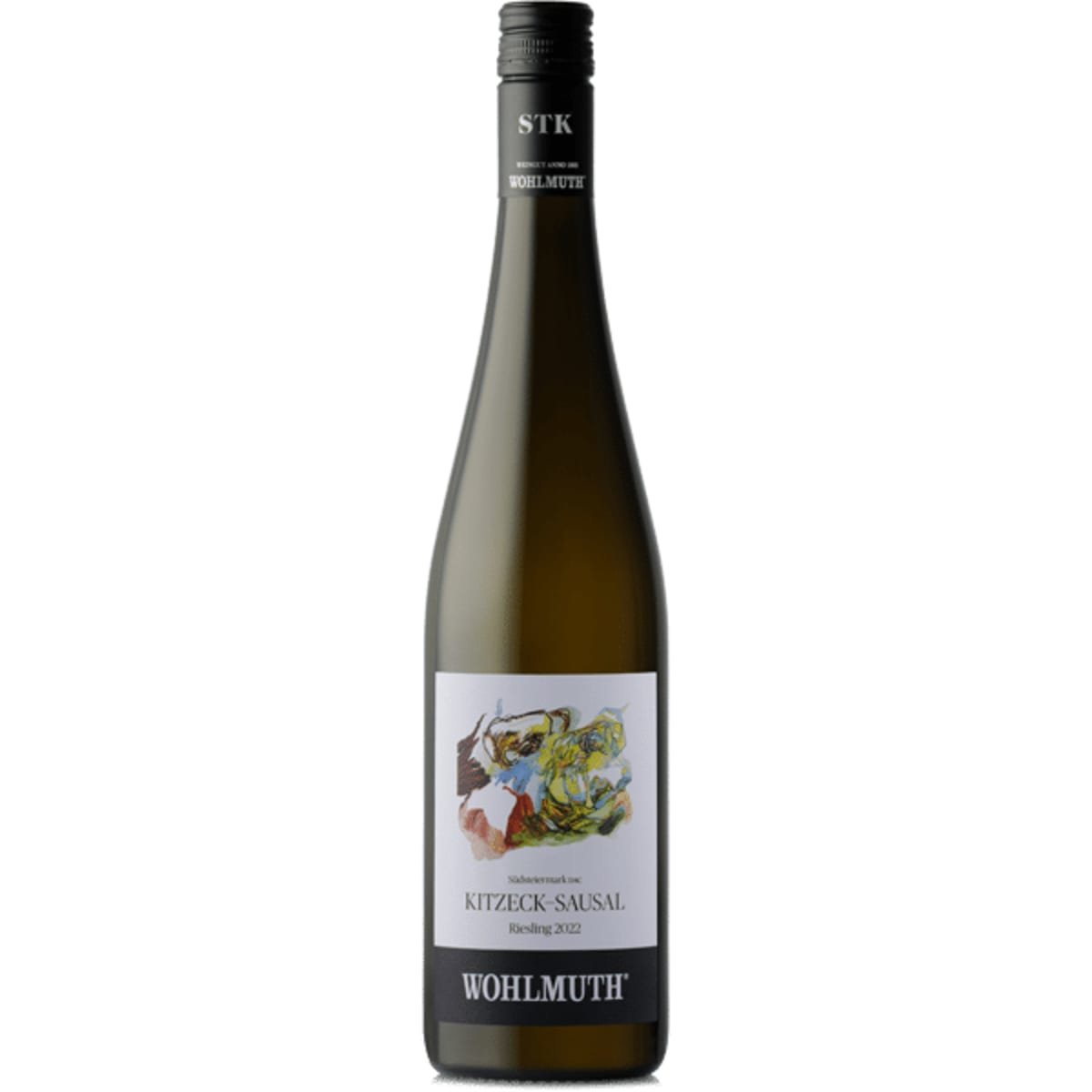
Southern Styria has received considerable attention in recent years as Austrian wine tourism has expanded. The Sausal and Schilcher wine zones frame the area from the west, and the regional wine identity has drawn a visitor demographic that overlaps substantially with dining interest. Restaurants in this tier, from Taubenkobel in Schützen am Gebirge to Artis in Graz, have benefited from a regional food conversation that places sourcing discipline at the centre of evaluation. Koarl operates in that same cultural environment, where the origin of an ingredient carries argumentative weight on a menu.
The Rural Austrian Dining Format
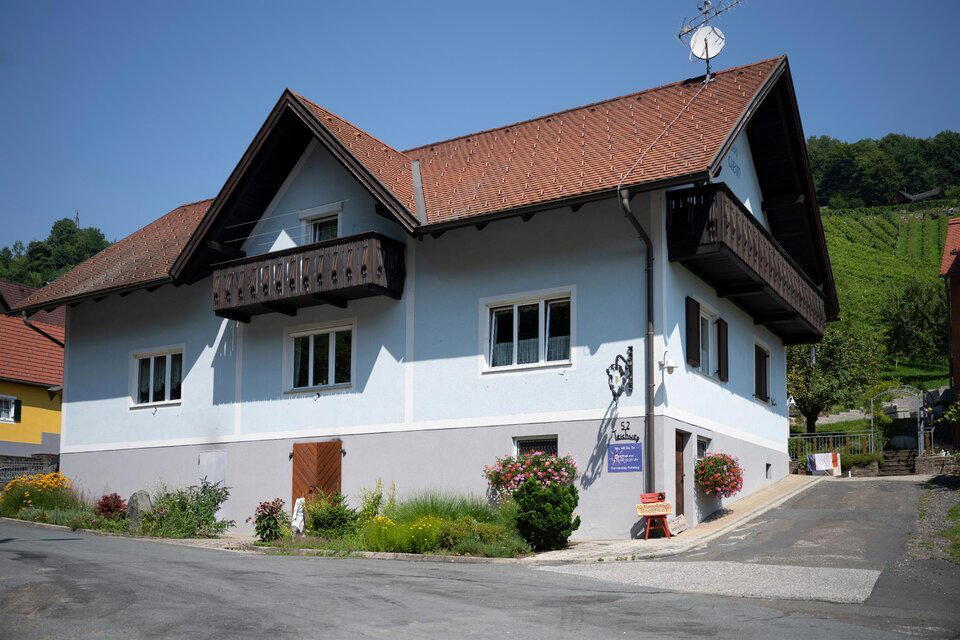
A specific dining format has taken hold across rural Austria over the past fifteen years: the destination restaurant that reads, from the outside, more like a farmhouse or a wine estate than a restaurant in the conventional sense. This format is not accidental. It signals a deliberate alignment between physical setting and menu philosophy. Obauer in Werfen and Landhaus Bacher in Mautern an der Donau both operate within this tradition, placing their reputations on ingredient depth and regional continuity rather than on metropolitan access or the kind of theatrical presentation that requires an urban audience. Koarl, in its setting in the Hollenegg area, fits the spatial logic of this format. Arriving at a restaurant of this type requires a decision that urban dining does not: you must commit to the journey before you know the meal.
That commitment changes the experience. Restaurants of this type attract guests who have already decided to be present. The informality that rural Austrian dining often carries is not a concession to limited ambition; it is a consequence of the context. The dining rooms tend toward the unfussy, the wine lists toward the regional, and the service toward the kind of fluency that comes from local knowledge rather than hotel-trained formality. The equivalent in a different geography might be compared to the farm-to-counter formats gaining traction in the American northeast, though the Austrian provincial version carries decades more institutional depth.
Styria in the Austrian Fine Dining Conversation
Styrian cuisine has been present in Austria's most recognised kitchens for years. Döllerer in Golling an der Salzach and Ikarus in Salzburg both draw on alpine and regional Austrian ingredient culture, and Styrian elements frequently appear on tasting menus at that level. What distinguishes the more localised Styrian dining experience from its refined urban equivalents is compression: the distance between producer and kitchen is measured in kilometres rather than supply-chain links. Restaurants like Kräuterreich by Vitus Winkler in Sankt Veit im Pongau and Ois in Neufelden have built their reputations in part on this compression principle. Koarl's address in Deutschlandsberg places it within Styria's agricultural core, where that principle is most literally expressed.
For context on how Austrian fine dining operates at its upper registers in different regional formats, the alpine tier provides useful comparison: Gourmetrestaurant Tannenhof in Sankt Anton am Arlberg, Griggeler Stuba in Lech, and Stüva in Ischgl serve a resort-season demographic with menus calibrated to an international visitor profile. The southern Styrian format runs differently: it draws regional guests, culinary tourists, and the kind of traveller who combines a wine-route itinerary with serious eating.
Planning a Visit
Bad Schwanberg sits approximately 40 kilometres southwest of Graz, accessible by car along routes that pass through the wine hills of the Schilcher zone. Given that Koarl's address places it in the rural Hollenegg area, a self-drive approach is the practical default. Visitors combining this with a broader Styrian itinerary often route through Deutschlandsberg, which has its own wine and food infrastructure. For those building a wider Austrian dining itinerary, comparison points include Schwarzer Adler in Hall in Tirol, Restaurant 141 by Joachim Jaud in Mieming, and Atelier Fischer in Sankt Gilgen. For international reference on ingredient-led fine dining operating at a different scale, Le Bernardin in New York City and Atomix in New York City illustrate how sourcing discipline reads in a metropolitan context with a different competitive set entirely.
Quick Comparison
Comparable venues nearby, for context on price, style, and recognition.
| Venue | Cuisine | Price | Notes |
|---|---|---|---|
| KoarlThis venue — the venue you are viewing | Modern Austrian | $$$ | Not listed |
| Stadt Meierei | Refined Austrian Cuisine | $$$ | City Center |
| Burg Deutschlandsberg | Modern Austrian Fine Dining with Styrian Specialties | $$$$ | Deutschlandsberg |
| Stölzl Schloss Wolfsberg | Modern Regional Austrian with Mediterranean Influences | $$$ | Lavanttal |
| der literwirt | Regional Styrian Fine Dining | $$ | Gleinstätten |
| JOHANN GENUSSraum | Modern Styrian Austrian | $$$ | Hauptplatz |
Continue exploring
More in Bad Schwanberg
Restaurants in Bad Schwanberg
Browse all →
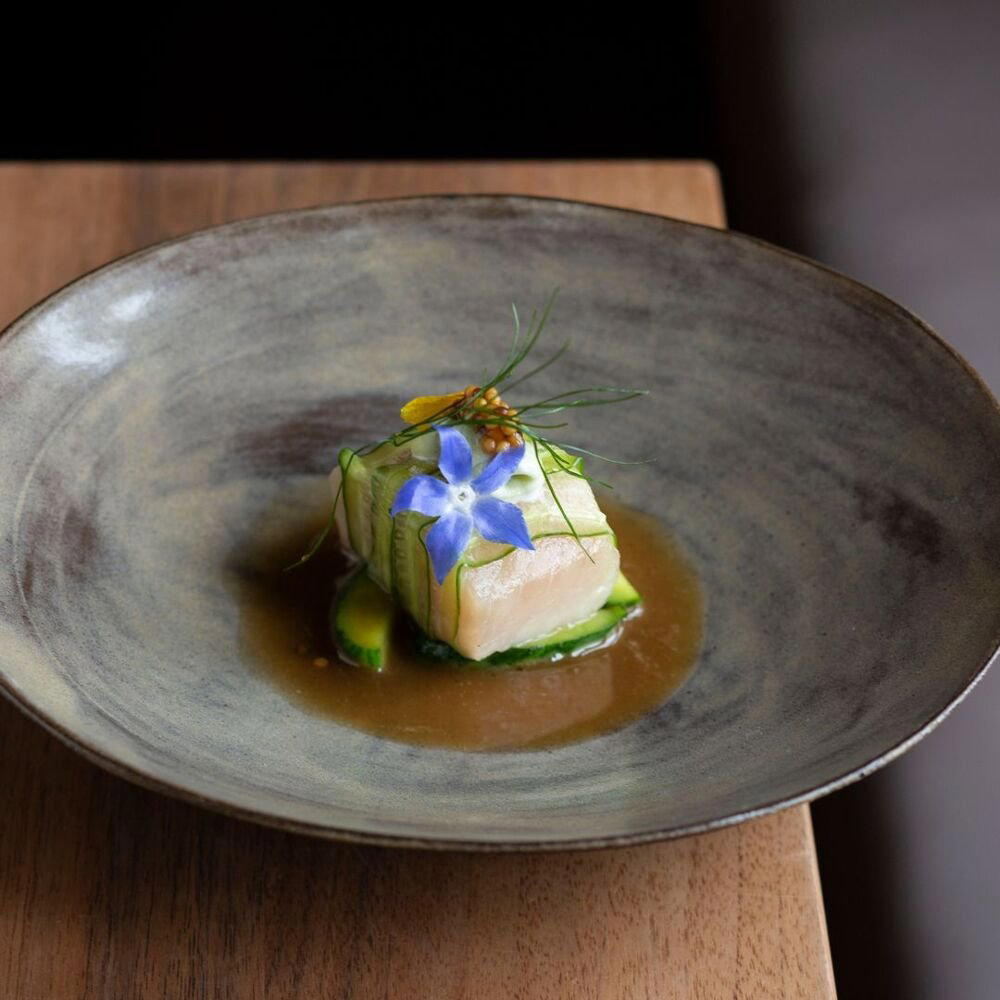
Bars in Bad Schwanberg
Browse all →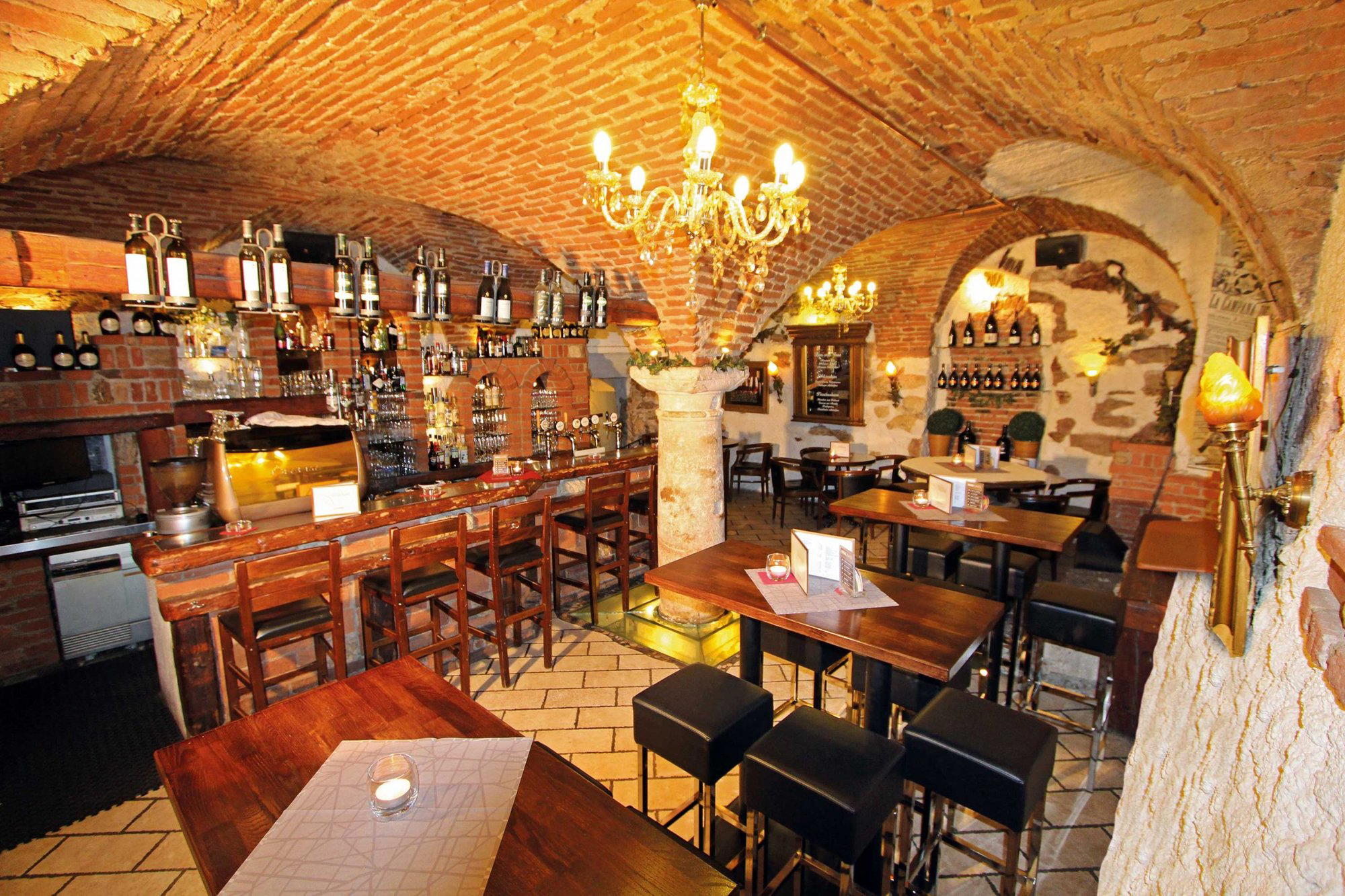
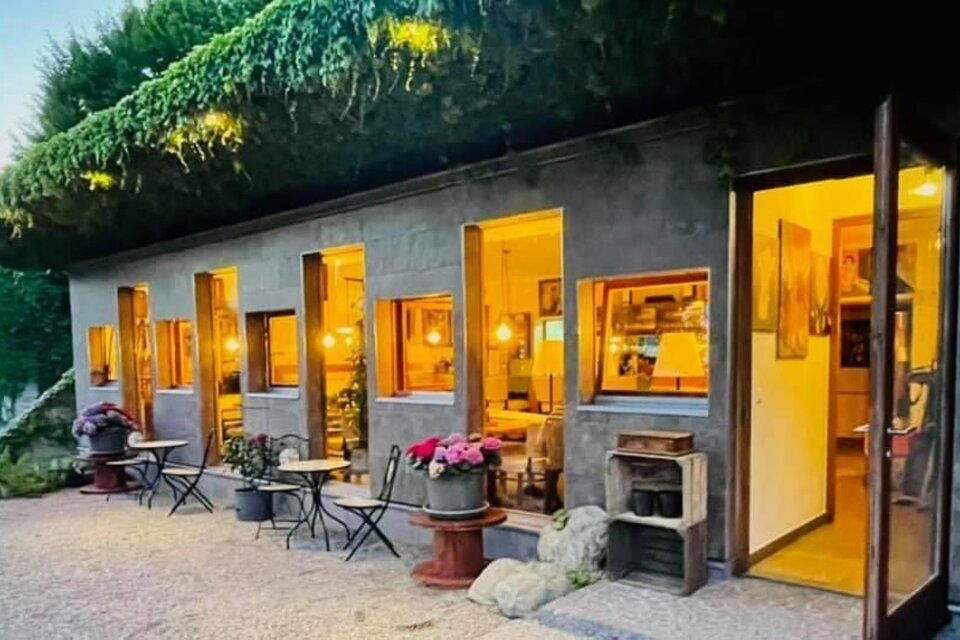
Hotels in Bad Schwanberg
Browse all →
At a Glance
- Modern
- Elegant
- Scenic
- Date Night
- Special Occasion
- Business Dinner
- Hotel Restaurant
- Terrace
- Panoramic View
- Extensive Wine List
- Local Sourcing
- Farm To Table
- Mountain
Current opening hours
- Monday
- Closed
- Tuesday
- Closed
- Wednesday
- 12–11 PM
- Thursday
- 12–11 PM
- Friday
- 12–11 PM
- Saturday
- 12–11 PM
- Sunday
- 12–11 PM
Hours can change for holidays and private events. Last verified .
Stylish and contemporary atmosphere blending culinary art with regional charm, offering an upscale yet approachable dining experience.