Destillerie Hochstrasser
Destillerie Hochstrasser operates from Marktplatz in Mooskirchen, a small market town in Styria's western foothills where distilling traditions run parallel to the region's winemaking heritage. For travellers moving through Styria's drinks corridor, it represents the distilled side of a broader agricultural story.

Pearl is the En Primeur Club membership app — saves, bookings, and concierge access live there. Same editors, same standards.
- Address
- Marktpl. 12, 8562 Mooskirchen
- Phone
- +43 3137 2232
- Website
- schnaps.at
- Directions
- Get directions
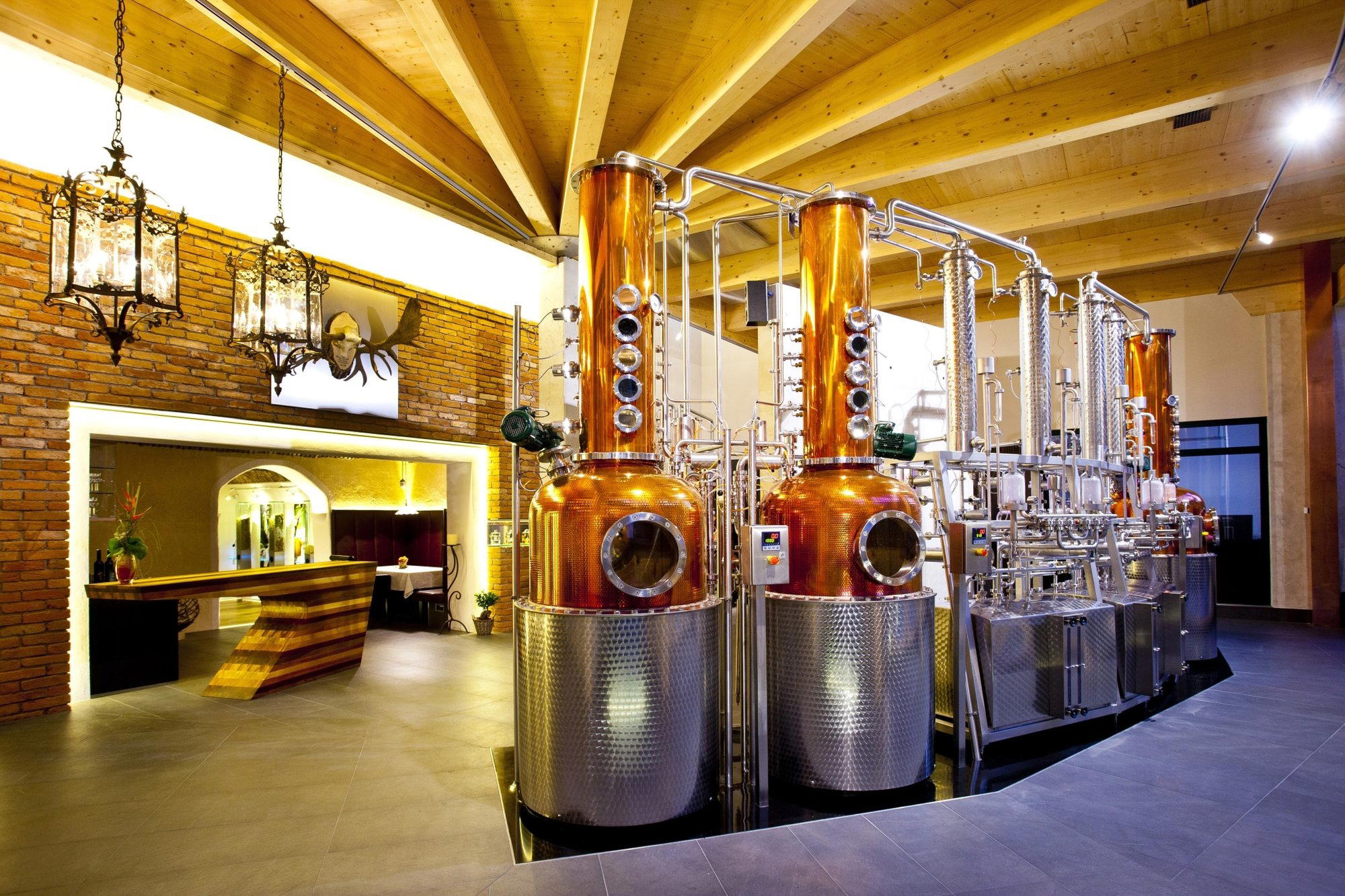
Styria's Distilling Tradition and Where Hochstrasser Sits Within It
Austria's craft distilling revival has its strongest roots in Styria and Upper Austria, where small-batch fruit brandies and grain spirits have been produced on farms and in market towns for centuries. The tradition of Schnapps and Obstbrand in this part of the country is not a recent trend borrowing credibility from global artisan movements — it predates them by generations. What has changed is the level of formal recognition now applied to producers who operate with genuine precision, separating estate-scale craft operations from the broader regional cottage industry. Destillerie Hochstrasser, located at Marktplatz 12 in the small Styrian market town of Mooskirchen, sits within this more formally recognised tier.
Austria's prestige-tier distilleries tend to cluster around two poles: the wine-adjacent producers of Burgenland and the Wachau, where grape-based spirits follow directly from viticulture, and the orchard and grain producers of Styria and the alpine foothills, where the raw material is rooted in a different kind of agricultural landscape. Mooskirchen, sitting in western Styria between Graz and the Koralpe range, belongs to the latter geography. For context on Austria's distilling scene more broadly, the Weingut Scheiblhofer Distillery in Andau and the 1310 Spirit of the Country Distillery in Sierning represent how different regional raw materials and production philosophies produce entirely distinct product identities across the country.
Terroir and Raw Material in Styrian Spirits
The concept of terroir is not the exclusive property of wine. In Styria, the soil composition, elevation, and microclimate of individual valleys determine which fruit varieties thrive and what character they carry into distillation. Pears, plums, apricots, and Williams pears grown at different altitudes in this part of Austria yield spirits with measurably different aromatic profiles — the same principle that drives discussions about Riesling parcels in the Wachau or Sauvignon Blanc sites in Südsteiermark. A distiller working with estate or locally sourced fruit is, in that sense, as much a product of place as any winemaker.
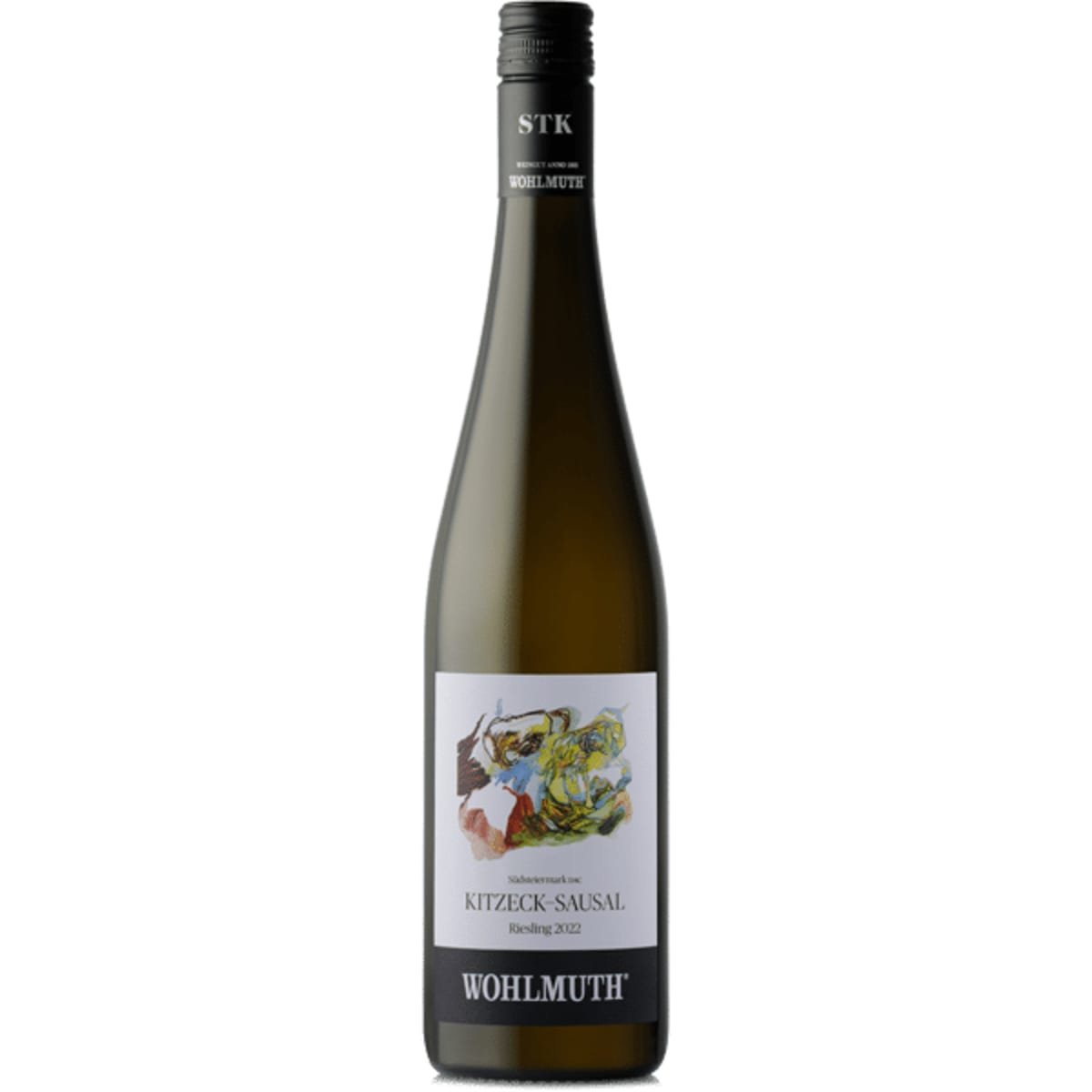
Mooskirchen's position in the western Styrian foothills gives it access to agricultural produce shaped by the transition between the warmer Graz basin and the cooler, more continental conditions as the terrain rises toward the Koralpe. This geography is not incidental to what a distillery in this location makes. The Austrian craft spirits producers who have earned sustained recognition in recent years tend to be those working closely with the character of their raw materials rather than correcting or standardising away from it. Compare this approach with how Styrian winemakers at the other end of the quality spectrum approach their vineyards: producers like Weingut Wohlmuth in Kitzeck have built reputations precisely by expressing the specific character of their sites rather than producing to a generic regional template.
The Austrian Prestige Distillery Tier
Austria has a significant number of registered small distilleries, estimates from the agricultural sector regularly place the figure in the hundreds when including farm-based Abfindungsbrennereien, but the producers operating at prestige tier with formal award recognition represent a fraction of that total.
The distinction matters for a traveller or buyer trying to locate producers worth seeking out. Farm-gate distilleries operating without any third-party recognition are common across Styria; prestige-tier operations with consistent award records are considerably rarer. Hochstrasser's 2025 standing places it in the latter category. For comparison, Abfindungsbrennerei Franz in Leithaprodersdorf represents the farm-scale end of the Austrian distilling tradition, while operations like the 1404 Manufacturing Distillery in Sankt Peter-Freienstein and the A. Batch Distillery in Bergheim show how different production philosophies are being applied across Austria's newer craft sector.
For those tracing the evolution of craft spirits internationally, the Austrian model, rooted in agricultural tradition rather than constructed around contemporary branding, tends to produce a different kind of product identity than the design-led distilleries that have proliferated across English-speaking markets. The 1516 Brewing Company Distillery in Vienna shows how urban Austrian producers are engaging with that international craft conversation from a different starting point.
Placing Hochstrasser in Austria's Wider Drinks Geography
Austria's drinks map rewards those willing to move beyond its most-covered wine corridors. The Wachau and Kamptal command most of the international attention for Austrian wine, with producers like Weingut Emmerich Knoll in Dürnstein and Weingut Bründlmayer in Langenlois operating at the international prestige tier. Burgenland producers like Weingut Kracher in Illmitz and Weingut Pittnauer in Gols hold equally strong positions in their respective categories. Weingut Heinrich Hartl in Oberwaltersdorf rounds out a picture of Austrian wine production that spans from the Danube valley to the Pannonian plain.
Styria's distilleries occupy a quieter position in this map, less documented internationally but grounded in agricultural practice that in many cases stretches back further than the modern wine quality movement. Mooskirchen itself is not a primary draw for drinks tourism in the way that Langenlois or Kitzeck are, which means that visiting a producer like Hochstrasser requires a degree of deliberate routing rather than passing-trade convenience. The address at Marktplatz 12 puts it in the centre of a small market town, accessible by road from Graz in under forty-five minutes, but not on any established itinerary designed around wine tourism. That positioning is characteristic of the Styrian distilling tier more broadly.
Planning a Visit
Mooskirchen sits in western Styria, reachable from Graz via the A2 motorway and regional roads heading west toward Voitsberg. Visitors combining a Hochstrasser visit with broader Styrian drinks exploration would logically route through the Südsteiermark wine region to the south or use Graz as a base for day trips into the western foothills. The full Mooskirchen restaurants and drinks guide covers additional options in the area for those building a broader itinerary.
For travellers whose interest extends to Scottish single malt as a reference point for premium distilling at the other end of the craft-to-industrial spectrum, Aberlour in Aberlour represents one of the Speyside benchmarks against which small-batch Austrian fruit spirits occupy an entirely different, complementary position. The comparison is useful less for direct product equivalence and more for understanding how strongly the character of place can shape what ends up in the bottle.
Comparable Spots, Quickly
Comparable venues nearby, for context on price, style, and recognition.
| Venue | Cuisine | Notes |
|---|---|---|
| Destillerie HochstrasserThis venue — the venue you are viewing | Williamsbirne, Muskat | Not listed |
| Koskij Distillery | Winery | Vienna |
| Private Distillery Weisz | Winery | Gols |
| Brennerei Baumann | Winery | Stanz im Landeck |
| Brennerei Kirchbichler | Winery | Wildschönau |
| Lederhaas Distillery | Winery | Vienna |
Continue exploring
More in Mooskirchen
Wineries in Mooskirchen
Browse all →

Bars in Mooskirchen
Browse all →

Restaurants in Mooskirchen
Browse all →


Details
- Cozy
- Rustic
- Intimate
- Classic
- Wine Education
- Solo Exploration
- Estate Grounds
- Williamsbirne
- Muskat
- Distillery Tasting
- German
- English
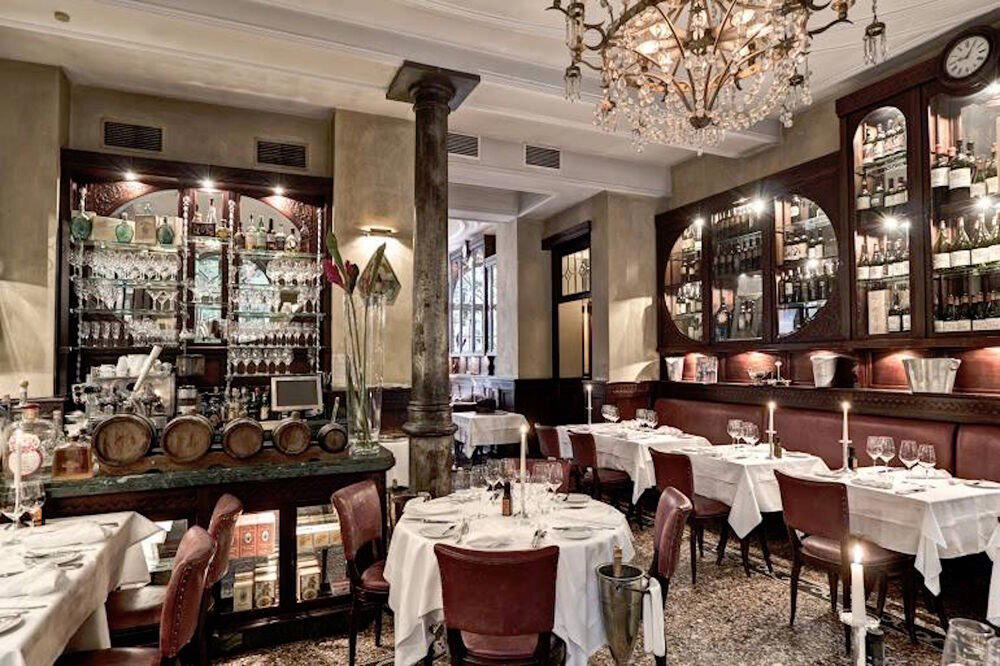
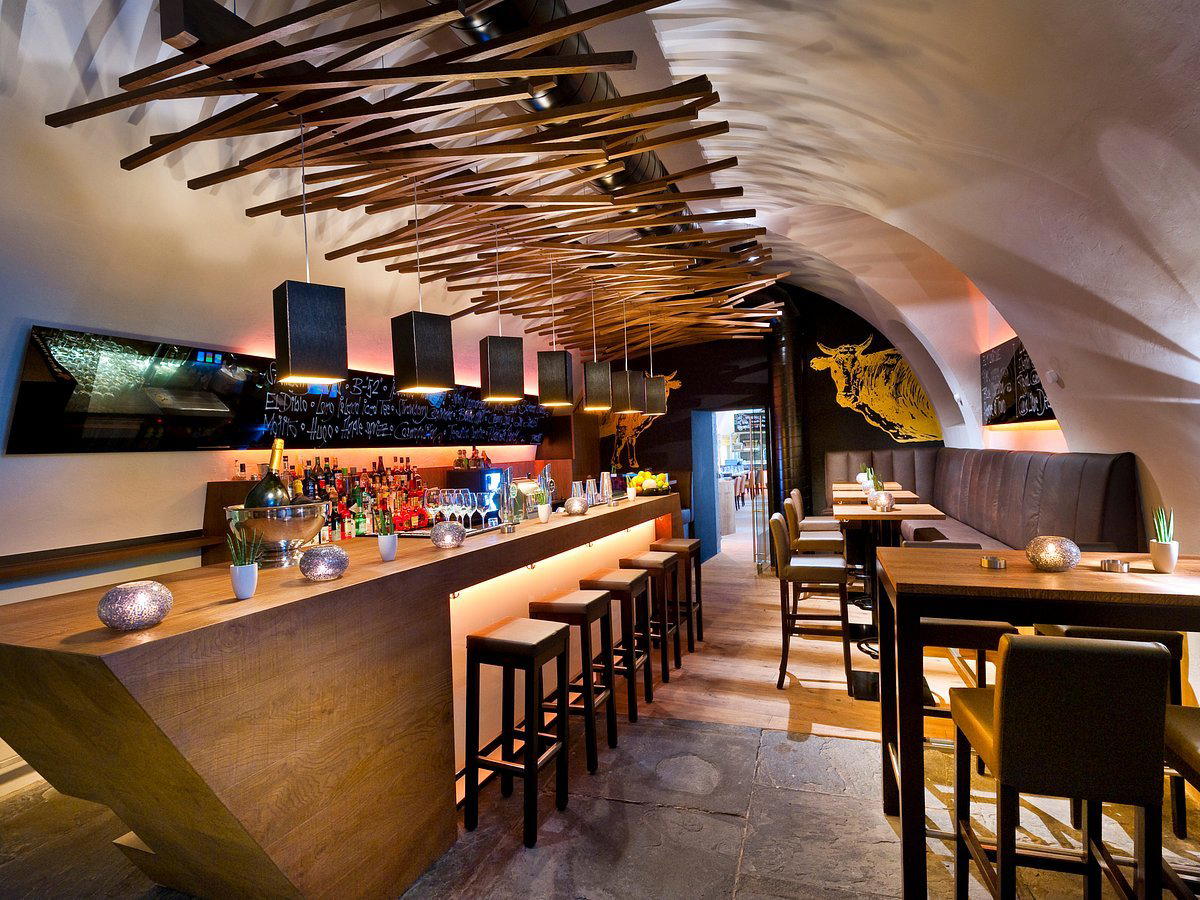
Cozy, familial atmosphere in the sales and showroom with sensory experiences including a scent trail.