
A Tabelog Award 2026 Silver recipient with a score of 4.38, Kizan operates from a first-floor address in Nihonbashi Muromachi, one of central Tokyo's most historically weighted dining neighbourhoods. The dinner-only format and a spending bracket of JPY 40,000 to 49,999 place it firmly within the upper tier of Tokyo's serious Japanese cuisine circuit.
 Discover on Pearl
Pearl is the En Primeur Club membership app — saves, bookings, and concierge access live there. Same editors, same standards.
- Address
- Japan, 〒103-0022 Tokyo, Chuo City, Nihonbashimuromachi, 1 Chome−11−8 神茂ビル
- Phone
- +81335279120
- Website
- tabelog.com
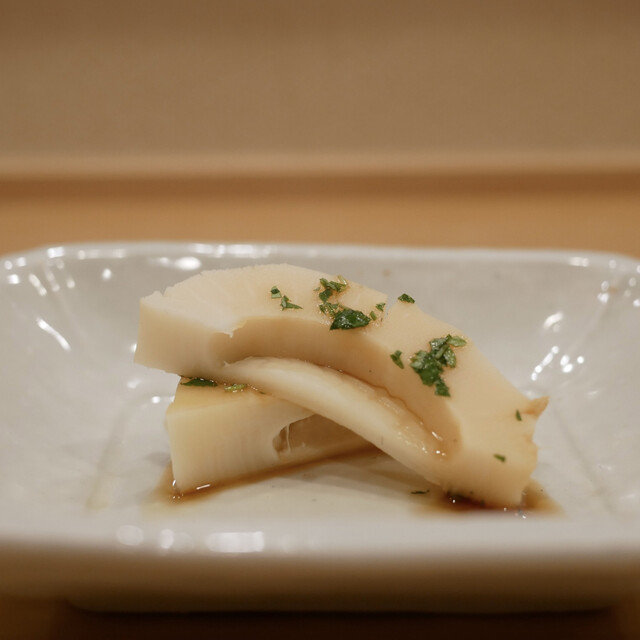
Nihonbashi After Dark: Where Merchant-District History Meets Serious Japanese Cuisine
The blocks around Mitsukoshimae Station carry a particular weight in Tokyo's dining geography. Nihonbashi Muromachi was the commercial heart of Edo-period Japan, the district where merchant wealth accumulated and where hospitality culture developed to match it. That lineage hasn't dissipated. Today, the neighbourhood holds a concentration of dinner-only Japanese restaurants operating at price points that signal deliberate, occasion-conscious eating rather than casual drop-in dining. Kizan occupies a first-floor space in the Kamoshige Building on Nihonbashimuromachi 1-chome, and its positioning within this district is as much a statement of category as its price range.
The approach to a restaurant at this level in Nihonbashi tends to be quieter than the equivalent walk in Ginza or Roppongi. The streets narrow slightly away from Chuo-dori, the lighting dims, and the density of signage drops. What you're left with is the sense of a neighbourhood that takes its serious restaurants seriously, where the room itself rather than the frontage does the communicating.
The Tabelog 4.38 and What It Means in Tokyo's Critical Ecosystem
Tokyo's restaurant criticism operates on two partially overlapping tracks: the international Michelin system, which rewards a combination of culinary technique, consistency, and service formality, and Tabelog, the domestic platform whose scores carry considerable weight among Japanese diners and have become an increasingly reliable signal for international visitors with local knowledge. A Tabelog score of 4.38 is not routine. The platform's scoring algorithm is notoriously compressed at the leading end, where the difference between 3.8 and 4.0 represents a substantial shift in critical consensus, and scores above 4.2 cluster among a small number of restaurants that have accumulated sustained, high-quality reviewer attention over time.
Kizan's 2026 Tabelog Silver Award, alongside that 4.38 score, positions it in a peer group that includes some of the city's most consistently performing Japanese cuisine addresses. For context, the Tabelog Silver tier sits below Gold and Bronze designations are tiered differently, with Silver representing a strong mid-to-upper band of nationally recognised restaurants.
Restaurants that have chosen to concentrate entirely on the evening service at this price bracket have typically made a deliberate calculation about kitchen capacity, ingredient sourcing, and the kind of pacing that serious Japanese cuisine requires. Compare this to peers like Kawada or Jigen Do, both operating in Tokyo's upper-tier Japanese cuisine circuit, and the dinner-only commitment at JPY 40,000 to 49,999 per person reads as a consistent category choice rather than an operational limitation.
Spending at This Level: The JPY 40,000 to 49,999 Bracket in Context
Tokyo's high-end Japanese cuisine market has stratified considerably over the past decade. At the lower boundary of serious omakase and kaiseki dining, you find competent counters running JPY 15,000 to 25,000 per head. The middle tier, around JPY 25,000 to 40,000, covers a large number of Michelin-recognised and Tabelog-rated restaurants where technique is reliable and sourcing is credible. Above JPY 40,000, the field narrows, and the assumptions shift: ingredient provenance becomes more particular, the pacing of service extends, and the restaurant's relationship with its supplier network tends to be longer and more direct.
Kizan's JPY 40,000 to 49,999 dinner bracket places it in the same financial neighbourhood as Michelin three-star operations like Kashiwade no Tsukasa Suikouan, though its Tabelog-centric recognition profile suggests a slightly different comparable set, one that rewards consistency and depth of craft as assessed by frequent Japanese diners rather than the particular service metrics that Michelin inspectors weight heavily. Neither track is more authoritative; they measure different things, and the most reliable Japanese restaurant recommendations tend to triangulate across both.
For international visitors, the price bracket also has a practical implication: credit cards are accepted. Electronic money and QR code payments are not available, so cash remains a backup to carry. There is no parking available at the venue, and Mitsukoshimae Station on the Ginza and Hanzomon lines provides the most direct approach.
The Japanese Cuisine Category in Nihonbashi: What You're Choosing Between
Japanese cuisine at the premium end covers a wide range of formats that the catch-all category label doesn't fully distinguish. Kaiseki, the multi-course seasonal format rooted in Kyoto's tea ceremony tradition, sits at one end. Sushi omakase, where the chef sequences nigiri and small dishes according to the market and their own judgment, represents another distinct discipline. Beyond these, there are specialist formats built around robata grilling, kappo counter cooking, or hyper-regional ingredient traditions from Kyushu, Hokkaido, or the Sea of Japan coast.
Kizan's Tabelog categorisation as Japanese Cuisine rather than a more specific sub-category leaves some interpretive space, but its Nihonbashi address, dinner-only format, and price point together suggest a restaurant operating within the serious kappo or kaiseki adjacent tradition rather than a specialist sushi counter. The neighbourhood has historically favoured that kind of cooking, where seasonal ingredients are worked through multiple preparations across an extended evening rather than concentrated into a single-discipline progression. Restaurants at this level across Japan, from Gion Sasaki in Kyoto to HAJIME in Osaka, share a commitment to that kind of sustained, ingredient-driven engagement with the season. Kizan operates within the same cultural framework, applied to Tokyo's specific market and supplier relationships.
For those building a broader picture of serious Japanese dining across the country, it's worth mapping Kizan against similar-tier addresses in other cities: Mitsuyasu in Kyoto, Beppu Hirokado in Oita, and Goh in Fukuoka each represent the regional expression of the same discipline that Kizan brings to central Tokyo. The Tokyo version operates under more competitive pressure and with access to a broader supplier network, but the underlying commitment to seasonal Japanese cooking as a serious nightly endeavour is consistent across all of them.
Planning a Visit: What to Know Before You Go
Kizan operates exclusively in the evening, opening at 17:00 across all seven days of the week, with service running until 23:00. Reservations are available and, at this price point and recognition level, should be treated as necessary rather than optional. The venue accepts credit cards but not electronic money or QR code payments. Private rooms are not available, though the space can be taken for private use by a single group when arranged in advance. The restaurant is entirely non-smoking. There is no on-site parking.
The most direct access is via Mitsukoshimae Station on the Ginza Line or Hanzomon Line, with the building approximately 135 metres from the exit. Shin-Nihonbashi Station on the JR Sobu Rapid Line offers an alternative approach at around five minutes on foot. The Nihonbashi area has a concentration of quality hotels within easy reach. For broader context on Tokyo's restaurant scene, including addresses across price points and categories, our full Tokyo restaurants guide covers the full range. The city's drinking and bar culture, detailed in our full Tokyo bars guide, offers natural post-dinner options in the same central districts.
Quick reference: JPY 40,000 to 49,999 per person. Credit cards accepted. Reservations required. Nihonbashi Muromachi 1-chome, Chuo, Tokyo.
A Credentials Check
Comparable venues nearby, for context on price, style, and recognition.
| Venue | Cuisine | Price | Awards | Notes |
|---|---|---|---|---|
| KizanThis venue — the venue you are viewing | Modern Kyoto-style Japanese | $$$$ | 1 recognition | |
| Hamadaya | Traditional Japanese Kaiseki Ryotei | $$$$ | 1 recognition | Chūō |
| Azabu Ichigo | Refined Japanese Oden and Kaiseki | $$$$ | 1 recognition | Minato |
| Yamazato Tokyo | Traditional Japanese Kaiseki and Sushi | $$$$ | 1 recognition | Minato |
| Tokyo Shiba Toufuya Ukai | Traditional Japanese Tofu Kaiseki | $$$$ | 1 recognition | Minato |
| Kashiwade no Tsukasa Suikouan | Tea Kaiseki | $$$$ | 1 recognition | Minato |

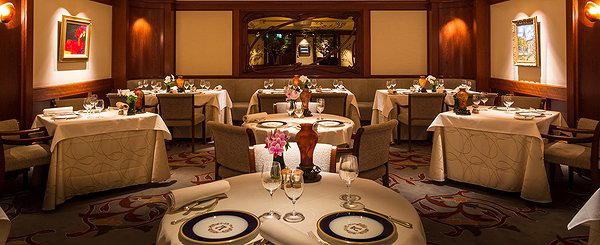
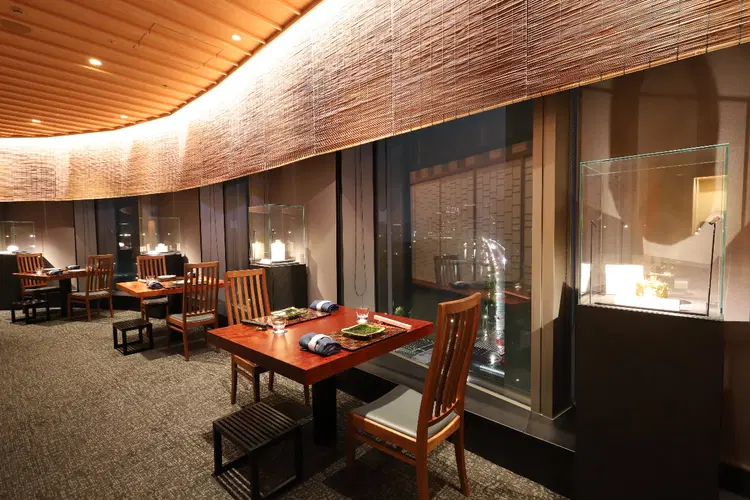





At a Glance
- Elegant
- Sophisticated
- Intimate
- Special Occasion
- Date Night
- Business Dinner
- Sake Program
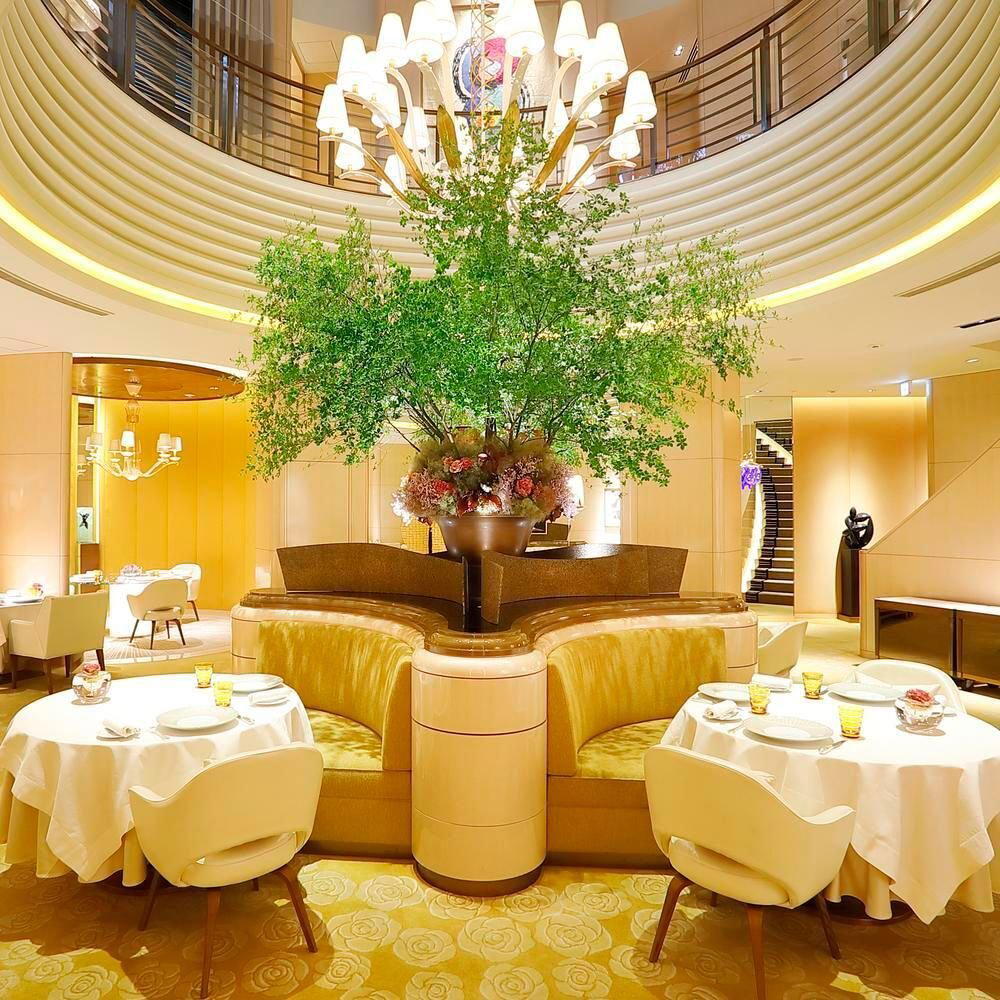
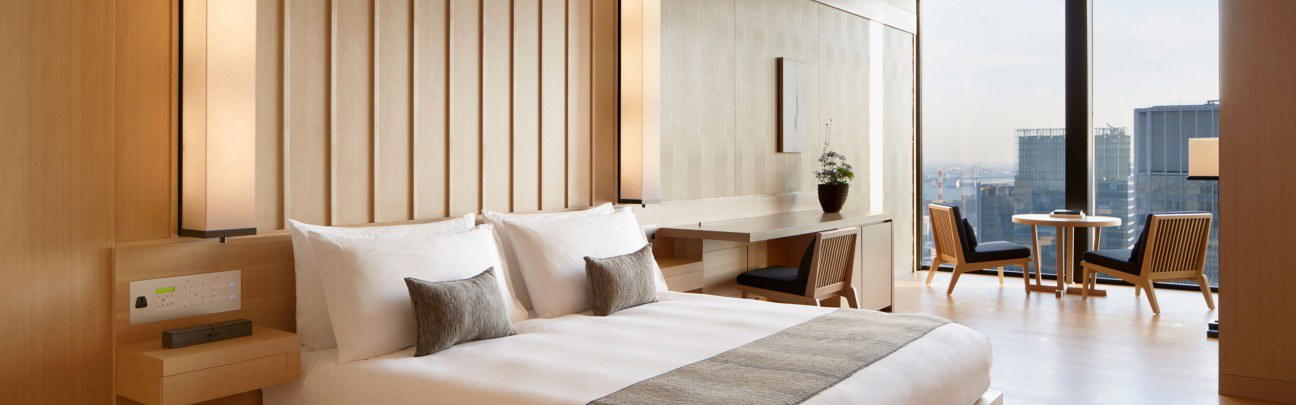
Warm and attentive service with decor, tableware, and dish presentation reflecting traditional Kyoto philosophy.