
A Tabelog Award 2026 Bronze winner and member of the Tabelog Japanese Cuisine Tokyo 100, Kashiwade no Tsukasa Suikouan operates from a 14-seat space in Higashi-Azabu, split between a counter and two private rooms. Dinner runs from JPY 40,000 upward, reservation-only across five evenings a week, placing it firmly inside Tokyo's serious kaiseki tier.
Pearl is the En Primeur Club membership app — saves, bookings, and concierge access live there. Same editors, same standards.
- Address
- Japan, 〒106-0044 Tokyo, Minato City, Higashiazabu, 2 Chome−14−8 フィル・パーク東麻布 1階
- Phone
- +81 3-5544-9225
- Website
- suikouan-japan.com
- Directions
- Get directions
 Saves & bookings on Pearl
Counter Calm in Higashi-Azabu: Tokyo's Quieter Kaiseki Register
Kashiwade no Tsukasa Suikouan is a Tea Kaiseki restaurant in Higashi-Azabu, Tokyo, with a Tabelog Award 2026 Bronze and dinner at JPY 40,000 to JPY 49,999. Higashi-Azabu sits in the second category. The streets between Akabanebashi and Azabu-Juban stations run through low-rise blocks with little of the commercial density that marks Tokyo's more photographed dining corridors. Kashiwade no Tsukasa Suikouan, on the ground floor of a residential building at 2-14-8 Higashiazabu, sits inside this register, arrived at on foot through a neighbourhood that makes no particular effort to announce itself.
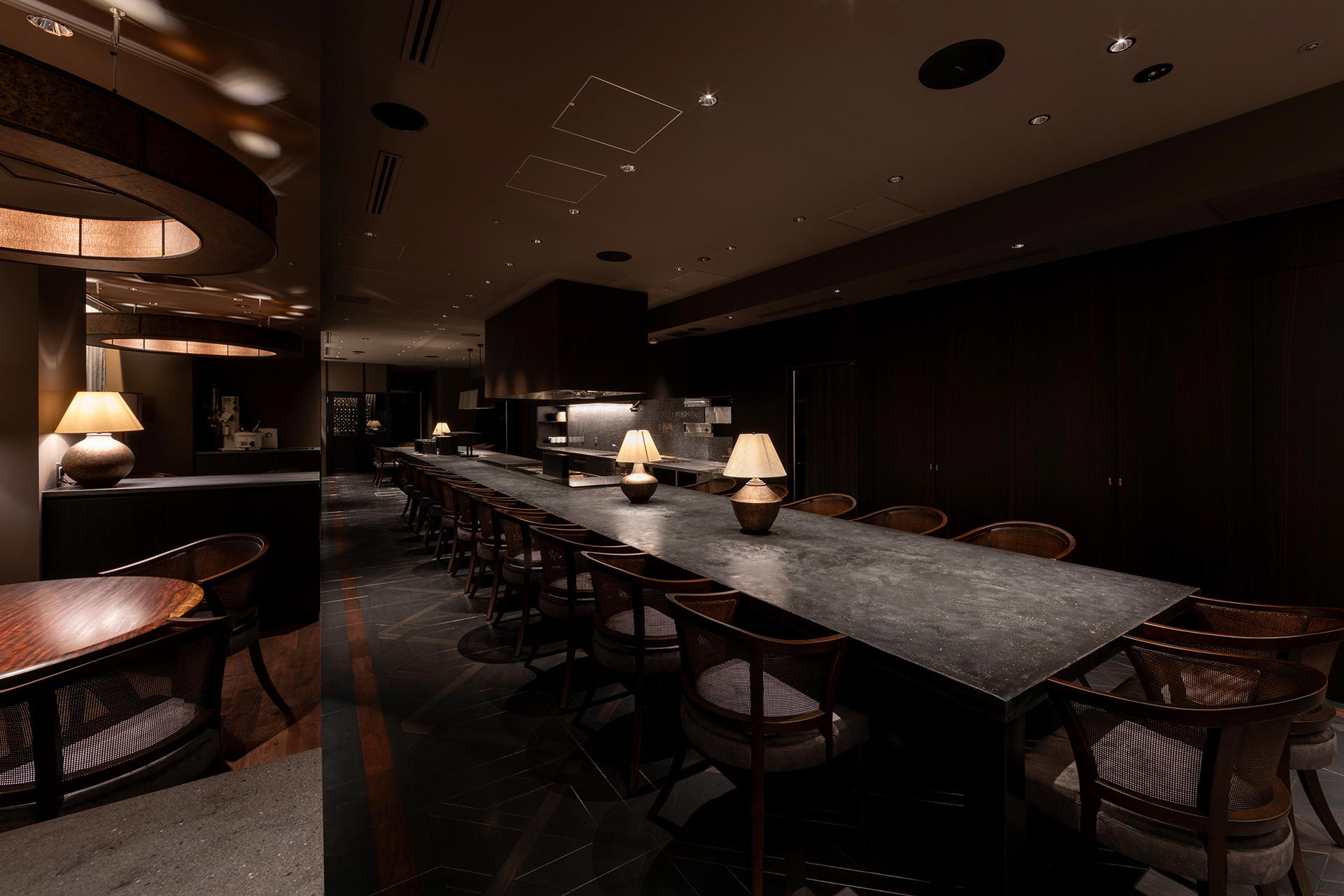
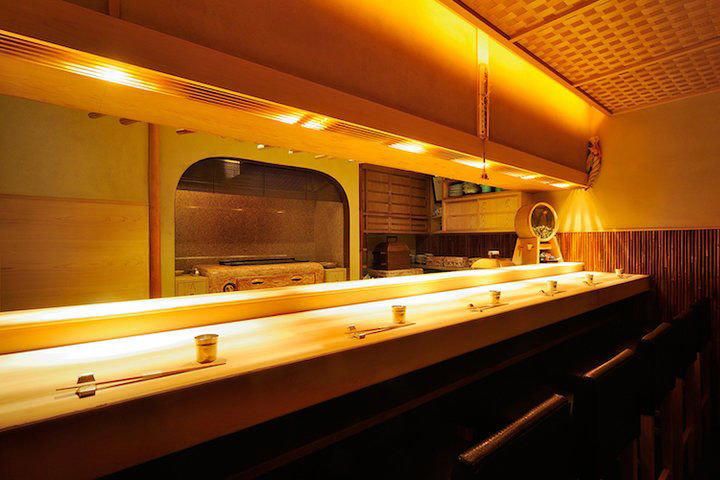
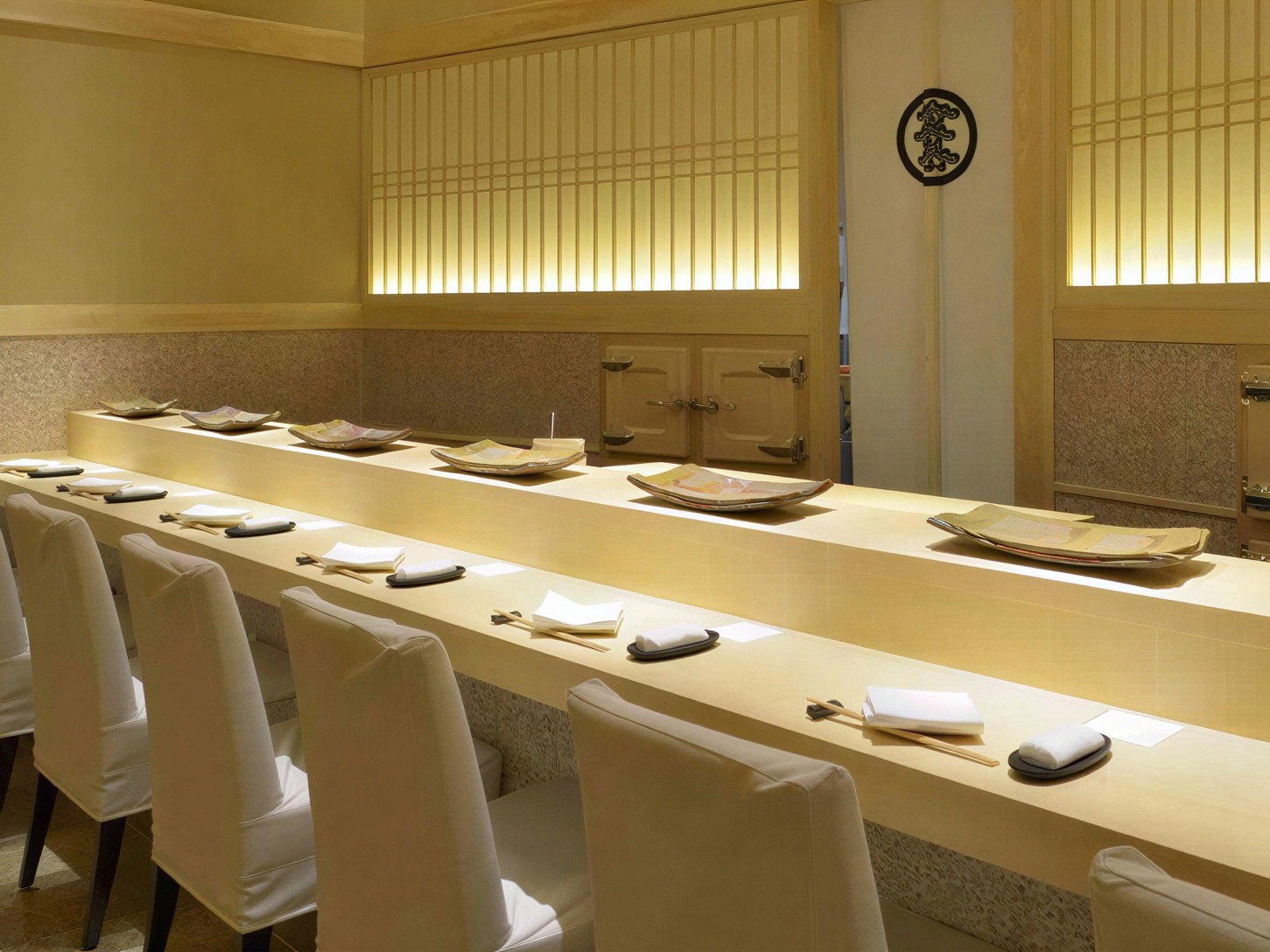
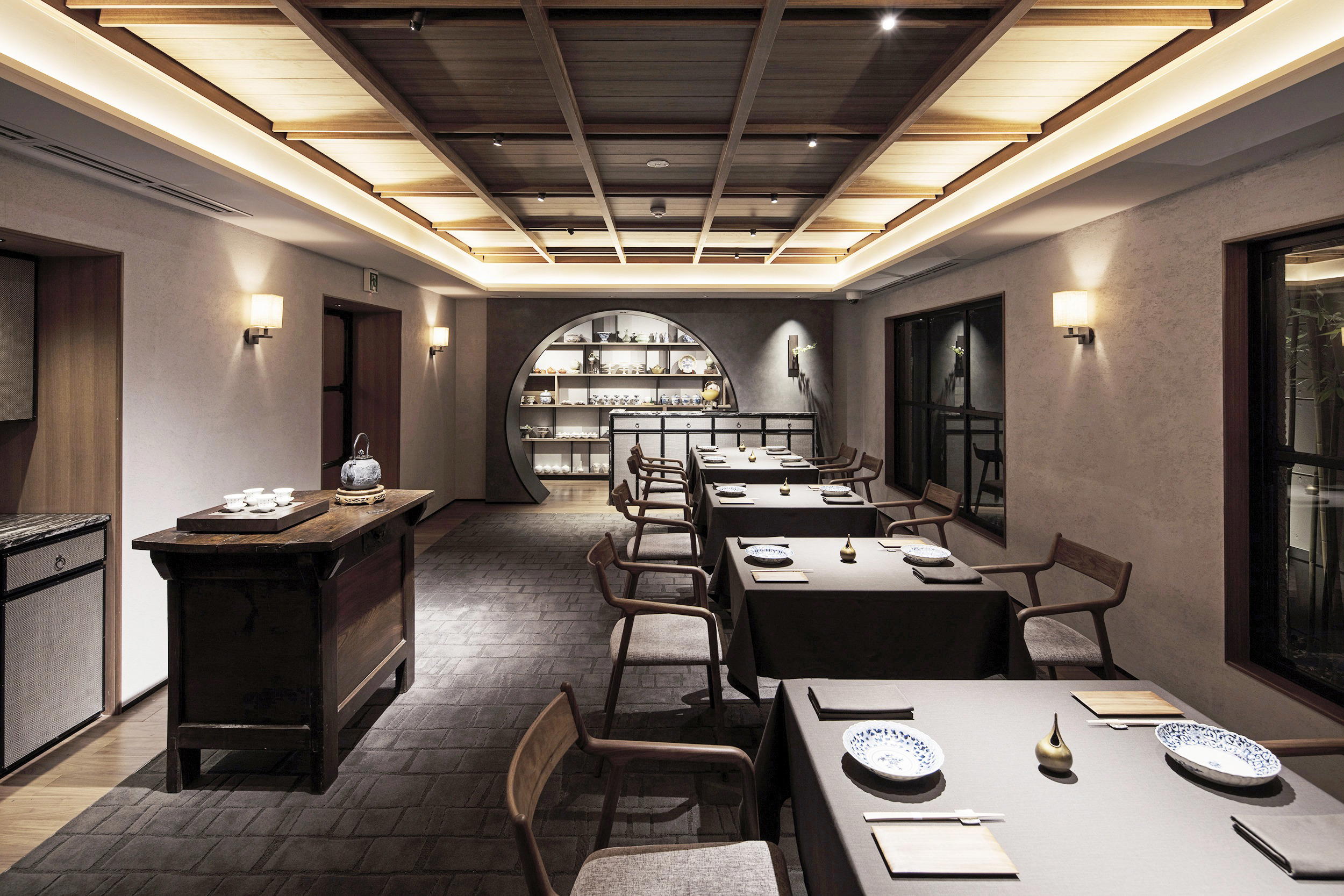
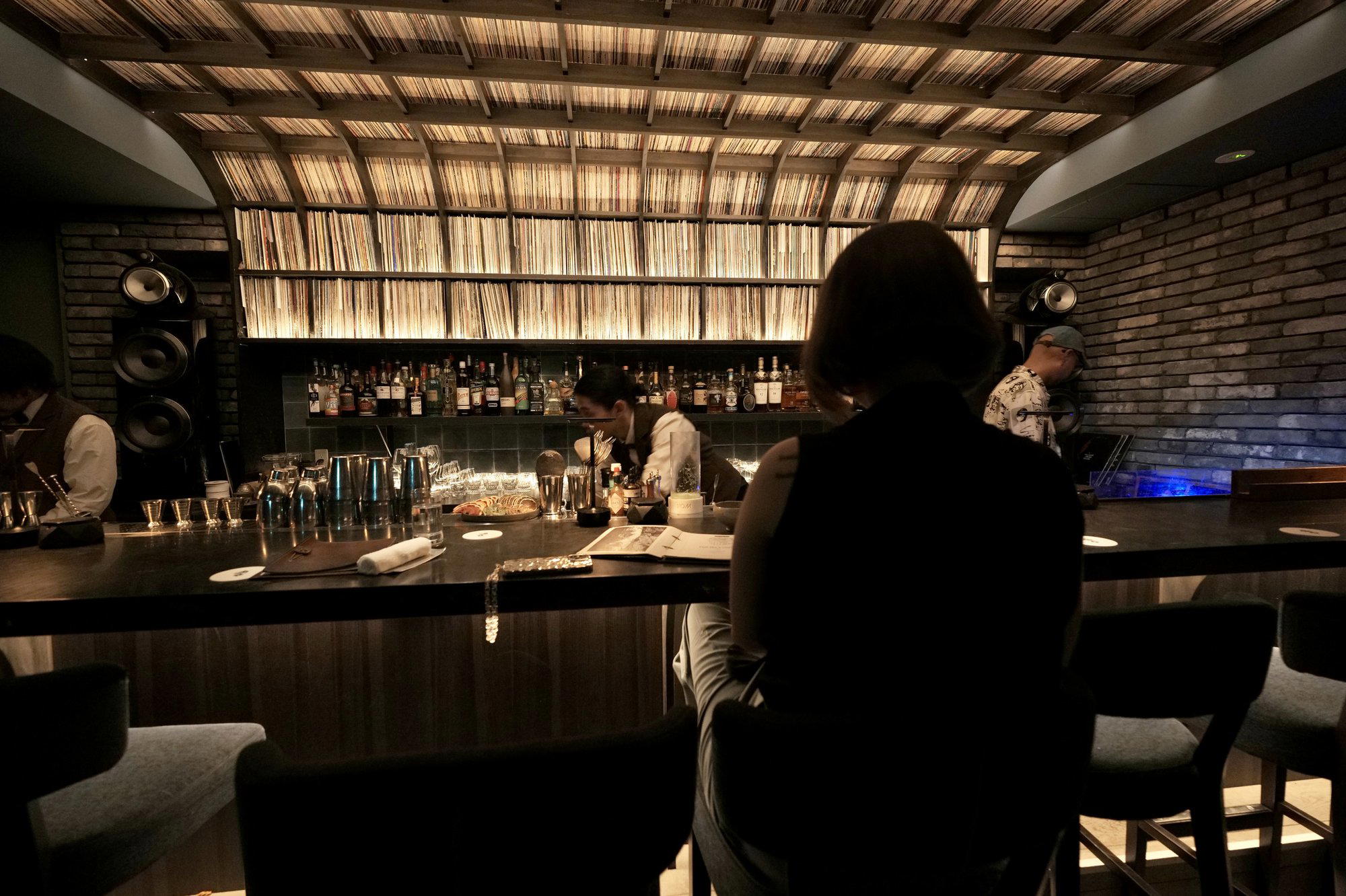
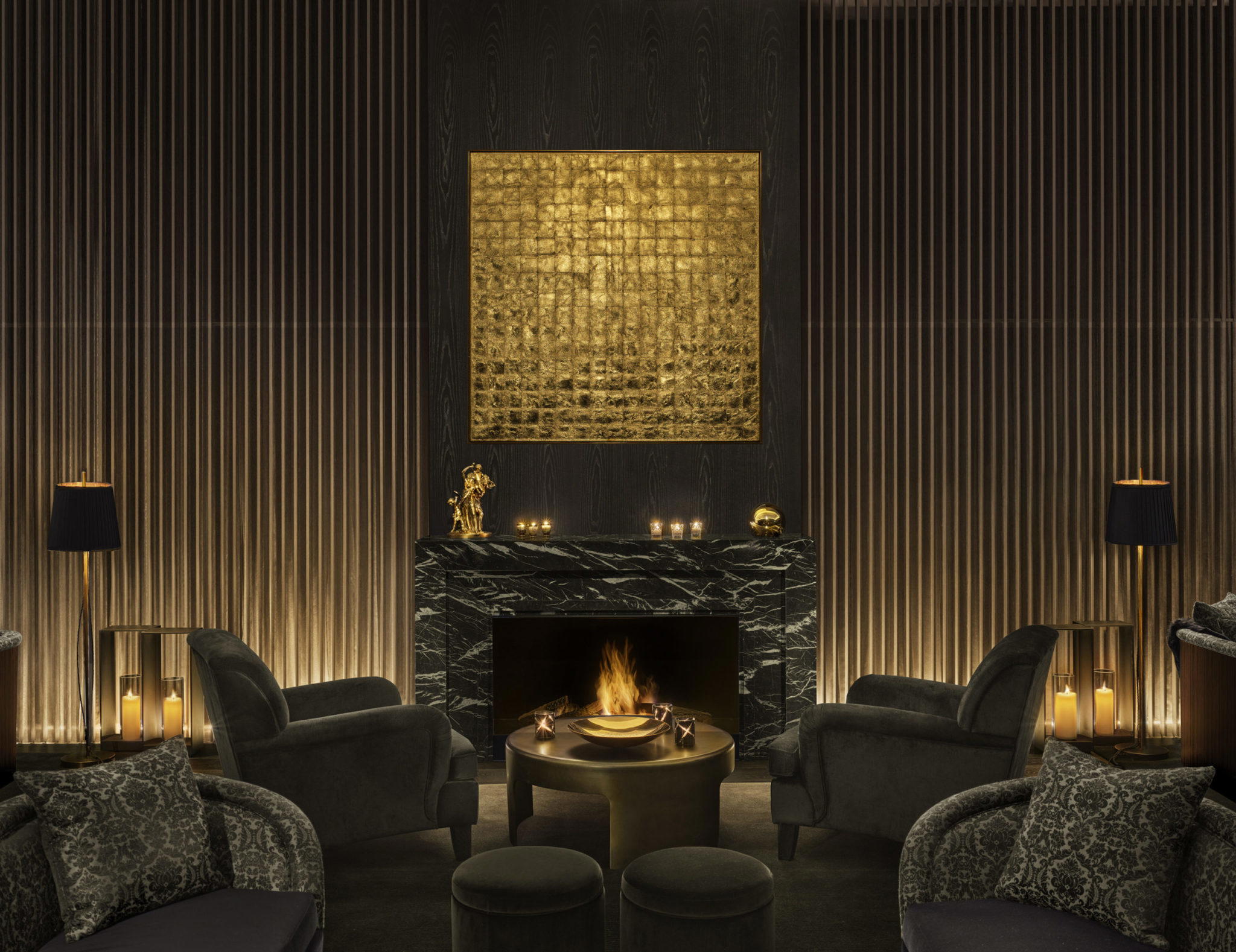
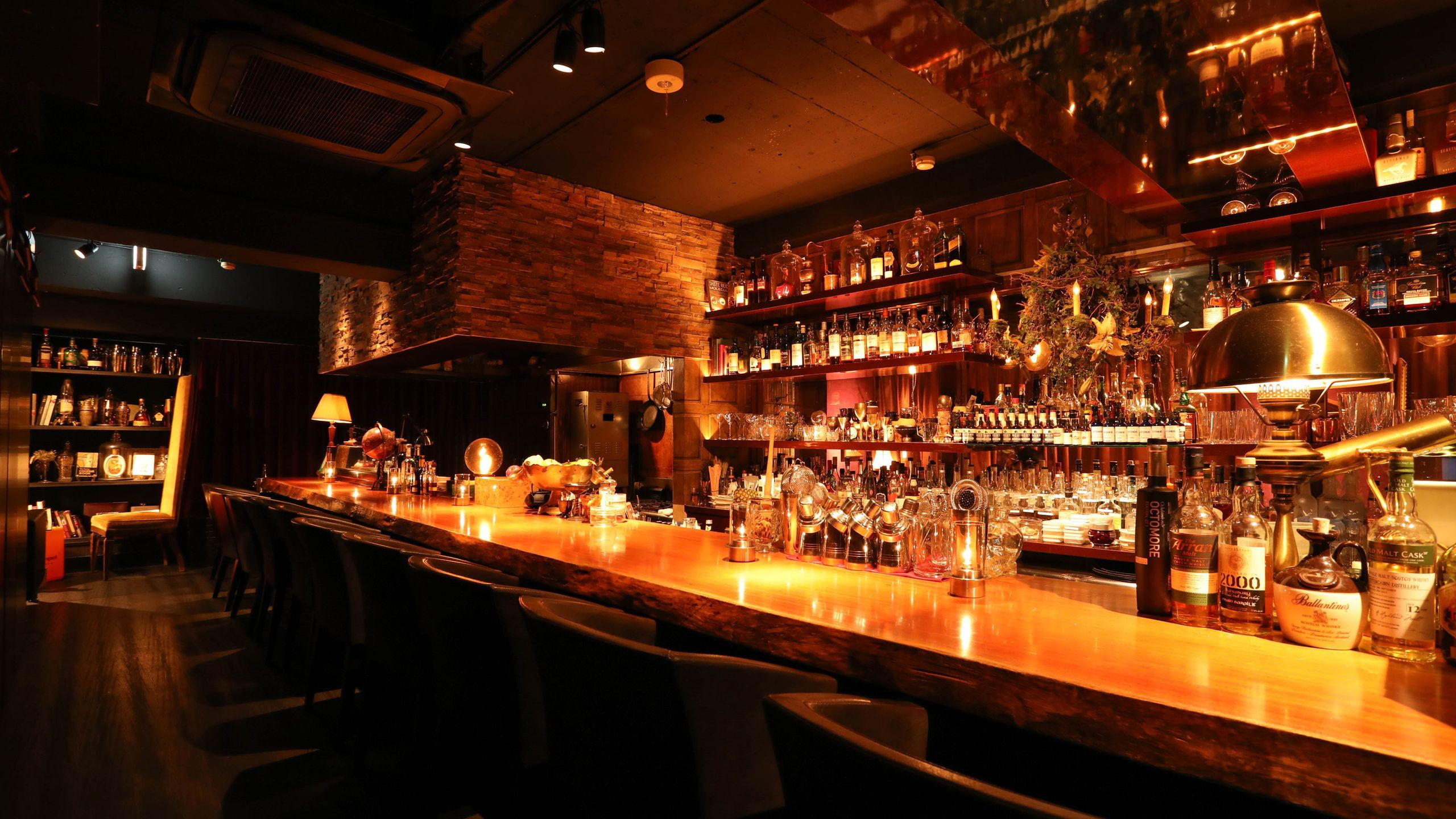
The physical scale sets expectations immediately. Fourteen seats total: eight at the counter, six distributed across private rooms configured for parties of four or six. At the counter, the room is close and deliberate, the kind of space where the quality of silence matters as much as the quality of sound, where the focal point is the preparation in front of you rather than the room's own architecture. This is a spatial language common to Tokyo's most serious Japanese cuisine counters, and Suikouan is positioned squarely within it.
A Venue That Arrived With Credentials Already in Place
Suikouan's Tabelog Award 2026 Bronze designation and inclusion in the Tabelog Japanese Cuisine Tokyo 100 for 2025 mark strong early recognition. The Tabelog Award Bronze tier ranks among the platform's most referenced trust signals for Japanese dining, and the Tokyo 100 list operates as a parallel editorial endorsement. Both arriving within two years of opening places the venue in a small cohort of addresses that entered Tokyo's competitive Japanese cuisine market at a level that took peers considerably longer to reach.
At JPY 40,000 to JPY 49,999 per head at listed rates, Suikouan sits at the price point occupied by serious seasonal kaiseki. For comparison, the tier immediately above includes Michelin three-star addresses like Kizan and the kaiseki format of Kawada. Within the broader national context, that same quality tier is represented in formats like Gion Sasaki in Kyoto and HAJIME in Osaka, addresses that have each built sustained critical standing in Japan's most demanding dining markets.
The Sensory Logic of the Room
Tokyo's leading Japanese cuisine counters share a particular atmosphere that is easier to describe in terms of what is absent than what is present: no background music competing for attention, no decorative excess signalling luxury, no theatre for its own sake. The emphasis falls instead on sequence, temperature, and the granular rhythm of a meal that has been structured to move through a specific arc. At Suikouan's eight-seat counter, that arc plays out over an evening session beginning at 19:00 on Tuesdays, Thursdays, and Saturdays, a single session format that concentrates the kitchen's attention rather than splitting it across seatings.
Wednesday and Friday operate differently, with two sessions: a first at 17:30 and a second at 20:30. The distinction between single-session and double-session evenings is worth noting when booking, as the single-session format on Tue/Thu/Sat typically allows a more open-ended pace, while the two-session structure creates a harder time boundary.
The drink program covers sake (nihonshu), shochu, and wine. Private rooms are available for four or six guests and the full venue can be taken for private use for up to 20 people, a function that speaks to the address's use as a setting for business entertainment, which remains a significant driver of kaiseki bookings at this level in Tokyo.
Higashi-Azabu and the Geography of Quiet Seriousness
The neighbourhood context matters for how Suikouan fits into Tokyo's dining geography. Higashi-Azabu does not carry the same automatic associations as Ginza or Roppongi, but the area around Azabu-Juban has long supported a particular kind of local restaurant culture, quieter, less reliant on tourist awareness, and with a clientele that tends to return regularly rather than treat each visit as an event. The five-minute walk from either Azabu-Juban Station on the Toei Oedo and Tokyo Metro Namboku lines, or Akabanebashi Station on the Toei Oedo Line, is direct enough that the address does not impose a logistical burden on first-time visitors.
Comparable addresses in Tokyo's quieter premium tier, venues like Jigen Do and Onarimon Haru, operate on a similar model: residential or semi-residential settings, reservation-only formats, and recognition built through platforms like Tabelog rather than international award circuits. Within this cohort, Suikouan's combination of compact scale, established awards presence, and two-year-old age is a specific signal about the ambition of the project from the outset.
Tokyo's Japanese cuisine dining scene at the JPY 40,000-plus tier is broad enough to support comparison across the country. Those planning itineraries that extend beyond Tokyo might also consider Mitsuyasu in Kyoto, akordu in Nara, Goh in Fukuoka, or Beppu Hirokado in Oita for reference points in the regional Japanese fine dining picture. For a broader view of what Tokyo itself offers at this level, L'Orangerie Koh-An provides an interesting contrast in the French-Japanese register, while 1000 in Yokohama and 6 in Okinawa extend the frame to the wider Kanto and island context.
Planning Your Visit
Suikouan operates on a reservation-only basis, five evenings per week (closed Monday and Sunday). The nearest train access is Azabu-Juban Station or Akabanebashi Station, both a five-minute walk.
Quick reference: Reservation-only | JPY 40,000 to 49,999 dinner (reviewer average JPY 50,000 to 59,999) | 14 seats (8 counter, 6 private) | Tue/Thu/Sat from 19:00; Wed/Fri two sessions from 17:30 and 20:30 | Closed Mon/Sun | 5-min walk from Azabu-Juban or Akabanebashi stations | suikouan-japan.com/en
Where the Accolades Land
Comparable venues nearby, for context on price, style, and recognition.
| Venue | Cuisine | Price | Notes |
|---|---|---|---|
| Kashiwade no Tsukasa SuikouanThis venue — the venue you are viewing | Tea Kaiseki | $$$$ | Not listed |
| Kabuto (天然鰻 かぶと) | Traditional Unagi Nose-to-Tail | $$$$ | Ikebukuro |
| Tempura Yokota | Traditional Japanese Tempura Omakase | $$$$ | Minato |
| Kien | Traditional Japanese Kaiseki | $$$$ | Minato |
| Kobikicho Tomoki | High-End Edomae Sushi Omakase | $$$$ | Chūō |
| 神楽坂 石かわ | Michelin Three-Star Kaiseki Omakase | $$$$ | Shinjuku |
Recognition history
Dated appearances from independent guides and award organizations, with the underlying list record or original source where available.
Tabelog Bronze #428
Tabelog
Tabelog 100 #88 · No. 88
Tabelog · Tabelog 100 - Japanese cuisine - TOKYO - 2025





At a Glance
- Elegant
- Intimate
- Sophisticated
- Special Occasion
- Date Night
- Private Dining
- Sake Program
Current opening hours
- Monday
- Closed
- Tuesday
- 7–9:30 PM
- Wednesday
- 5:30–11 PM
- Thursday
- 7–9:30 PM
- Friday
- 5:30–11 PM
- Saturday
- 7–9:30 PM
- Sunday
- Closed
Hours can change for holidays and private events. Last verified .
Refined and elegant sukiya-style interior with relaxing atmosphere, ironwood counter, and tea-room-style private seating.