

Onarimon Haru has held a place in Tabelog's Japanese Cuisine Tokyo Top 100 every selection cycle since 2021, earning Bronze awards in 2022, 2025, and 2026. The 17-seat room in Shibadaimon, split between a seven-seat counter, a table private room, and a sunken kotatsu space, operates at a dinner price point of JPY 40,000 to 49,999. Reservations are required for all sittings, with a minimum party size of two.
 Discover on Pearl
Pearl is the En Primeur Club membership app — saves, bookings, and concierge access live there. Same editors, same standards.
- Address
- Japan, 〒105-0012 Tokyo, Minato City, Shibadaimon, 1 Chome−2−2 Nakagawa Build, 1階
- Phone
- +81 50-5494-5552
- Website
- gha8300.gorp.jp
A Consistent Presence in Tokyo's Premium Washoku Circuit
Onarimon Haru opened on 22 March 2019, placing it among the wave of intimate Japanese cuisine rooms that emerged in central Tokyo just before the city's hospitality sector entered its most turbulent period. Despite opening in a neighbourhood, Shibadaimon, in Minato Ward, that sits a step removed from the high-density dining corridors of Ginza, Shinjuku, or Azabu, the restaurant accumulated recognition quickly. By 2021 it had entered the Tabelog Japanese Cuisine Tokyo Top 100, a selection it has held across three consecutive cycles: 2021, 2023, and 2025. It has also received the Tabelog Bronze Award in 2022, 2025, and 2026. Its current Tabelog score of 4.16 places it in a bracket that, on that platform, signals sustained peer review validation rather than a single strong year.
That trajectory matters because Tokyo's washoku scene is not forgiving of inconsistency. Premium Japanese cuisine restaurants in the JPY 30,000 to 50,000 dinner range face comparison with kaiseki houses like RyuGin and omakase counters operating at similar or higher price points across the city. Repeated Tabelog Top 100 selection across multiple years, under a review system heavily used by domestic diners, is a more demanding credential than a single award cycle would suggest.
What the Room Tells You About the Experience
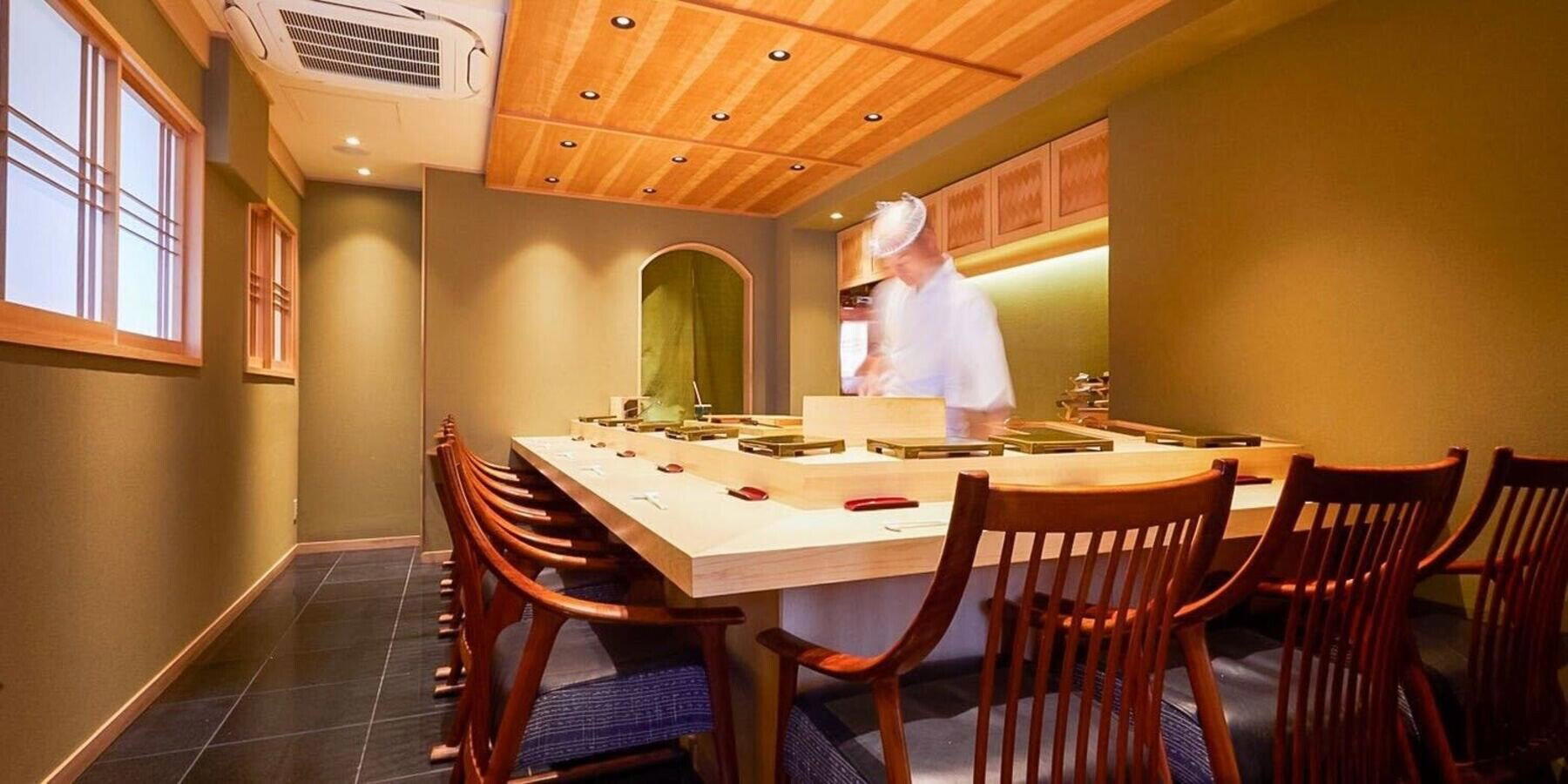
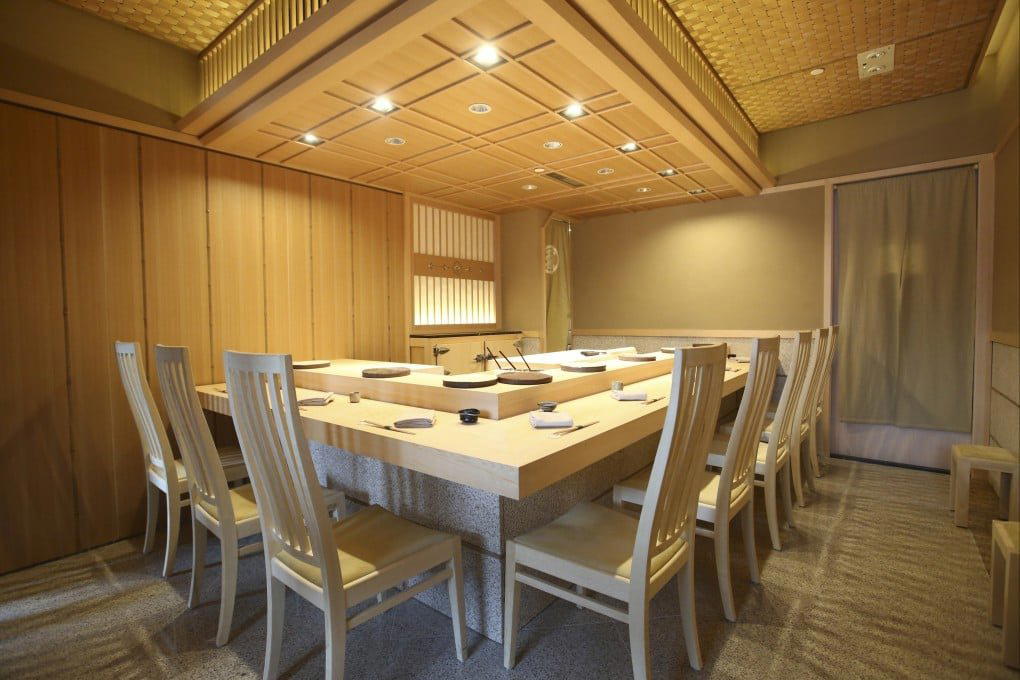
Seventeen seats across three configurations is a deliberate structural choice, and it shapes the experience before a single course arrives. The seven-seat counter is where the kitchen's pacing becomes most legible: dishes move from preparation to service in close proximity, and the format demands that ingredients arrive at the right moment rather than being held. The counter is the physical setting for the restaurant's premise: ingredients and dishes are served at their peak, and the kitchen's job is to hit that point consistently.
The private room options extend the restaurant's range without diluting its core format. A four-person table private room and a six-seat sunken kotatsu room give the space flexibility for occasions where the counter setting doesn't fit the group dynamic. The kotatsu configuration, in particular, is relatively rare in formal Japanese cuisine rooms at this price tier; it carries a domestic warmth that contrasts with the precision of counter dining.
At 17 seats total, Onarimon Haru operates in a format where output consistency is achievable, though the margin for error on any given service is narrow. Comparable small-format Japanese cuisine rooms in Tokyo, Jigen Do, Kashiwade no Tsukasa Suikouan, and Kawada among them, operate under the same constraints and are judged by the same standard: whether the format produces a consistent read of the kitchen's capabilities across services, not just on peak nights.
Menu Architecture and the Logic of Timing
The Tabelog listing for Onarimon Haru carries a description that anchors the restaurant's approach to a single idea: the moment when ingredients and dishes are at their peak, and the discipline of serving at that exact point. This is, in essence, a statement about menu architecture, that sequence, timing, and the calibration of each course's readiness matter as much as sourcing or technique.
In premium Japanese cuisine, this philosophy has deep structural implications. A menu built around peak-point service is, by definition, one that resists standardisation. Dishes must be paced to each table rather than produced in batches; the counter format facilitates this in ways that larger rooms cannot. It also implies that the menu shifts with ingredient availability rather than running fixed seasonal courses that are simply refreshed at calendar intervals. The distinction between a kitchen that responds to its ingredients and one that programs around them is subtle but real, and it tends to show in the mid-course transitions of a long tasting format, the moments where lesser kitchens lose momentum.
Dinner pricing of JPY 40,000 to 49,999 (plus a 10% service charge) places Onarimon Haru in the upper tier of Tokyo's washoku pricing. At this level, the expectation is not simply good ingredients but a structured progression that earns its length. Peer restaurants in this price bracket, including Kizan and L'Orangerie Koh-An, face the same expectation. For context across Japan's broader fine dining spectrum, HAJIME in Osaka, Gion Sasaki in Kyoto, and Mitsuyasu in Kyoto represent the same general tier in their respective cities, where menu architecture and ingredient timing are the primary differentiators at this price point.
Sake (nihonshu) and shochu are the listed drink options, consistent with a Japanese cuisine room that curates its beverage program around domestic spirits rather than seeking international wine pairings. This is a deliberate editorial position in itself: the drink list frames the meal within a Japanese flavour vocabulary rather than bridging toward Western fine dining conventions.
Shibadaimon as a Dining Address
Shibadaimon sits at the southern edge of Minato Ward, between the commercial density of Shimbashi to the north and the quieter residential pockets of Hamamatsucho to the south. It is not a neighbourhood that generates dining foot traffic in the way that Ginza or Roppongi do, which means restaurants here depend on deliberate reservation-driven visits rather than passing custom. For a restaurant operating a strict reservation-only policy with a 17-seat cap, that is not a disadvantage. The absence of a tourist-heavy street-level scene allows the format to function on its own terms.
The nearest stations are Daimon (Toei Oedo and Asakusa lines, approximately five minutes on foot) and Onarimon (Toei Mita Line, approximately five minutes on foot), with Hamamatsucho on the JR Yamanote Line accessible in roughly seven minutes. The area is navigable from central Tokyo without difficulty, though it lacks the immediate dining neighbourhood character of Ginza or Nishi-Azabu.
Know Before You Go
- Address: 1-2-2 Shibadaimon, Minato Ward, Tokyo (Nakagawa Building, 1F)
- Hours: Monday to Sunday, 6:00 to 10:00 PM
- Price (dinner): JPY 40,000 to 49,999 per person, plus 10% service charge
- Reservations: Required for all sittings; minimum party size of two
- Seats: 17 total, 7 at the counter, 4 in a table private room, 6 in a sunken kotatsu private room
- Payment: Credit cards accepted (Visa, Mastercard, JCB, Amex, Diners); electronic money and QR code payments not accepted
- Smoking: Non-smoking throughout
- Nearest stations: Daimon (Oedo/Asakusa lines) or Onarimon (Mita Line), approximately 5 minutes on foot; Hamamatsucho (JR Yamanote), approximately 7 minutes on foot
- Children: Welcome; kids menu available
- Parking: Not available on site
Price Lens
Comparable venues nearby, for context on price, style, and recognition.
| Venue | Cuisine | Price | Awards | Notes |
|---|---|---|---|---|
| Onarimon HaruThis venue — the venue you are viewing | Minato, Modern Japanese Omakase | $$$$ | 3 recognitions | |
| Fugu Fukuji | $$$$ | 3 recognitions | Chūō, Fugu (Pufferfish) Fine Dining | |
| Sushi Take | Chūō, Edomae Sushi Omakase | $$$$ | 3 recognitions | |
| Ajiyuki | Chūō, Kyoto-Style Japanese Kaiseki | $$$$ | 2 recognitions | |
| Kodama | Minato, Modern Japanese Kaiseki | $$$$ | 2 recognitions | |
| Kimoto | Shinjuku, Modern Kaiseki | $$$$ | 4 recognitions |



At a Glance
- Elegant
- Sophisticated
- Quiet
- Intimate
- Special Occasion
- Date Night
- Celebration
- Chefs Counter
- Open Kitchen
- Private Dining
- Sake Program
- Sommelier Led
- Local Sourcing
- Skyline
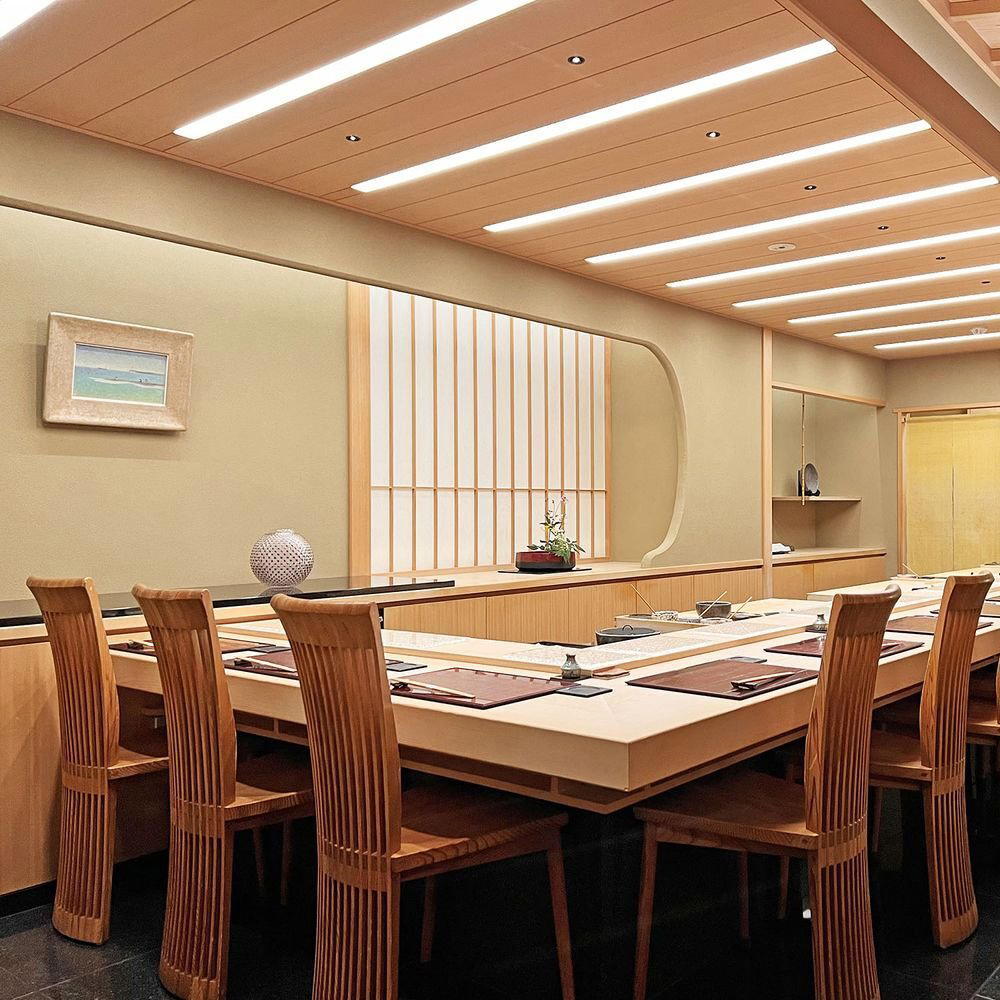
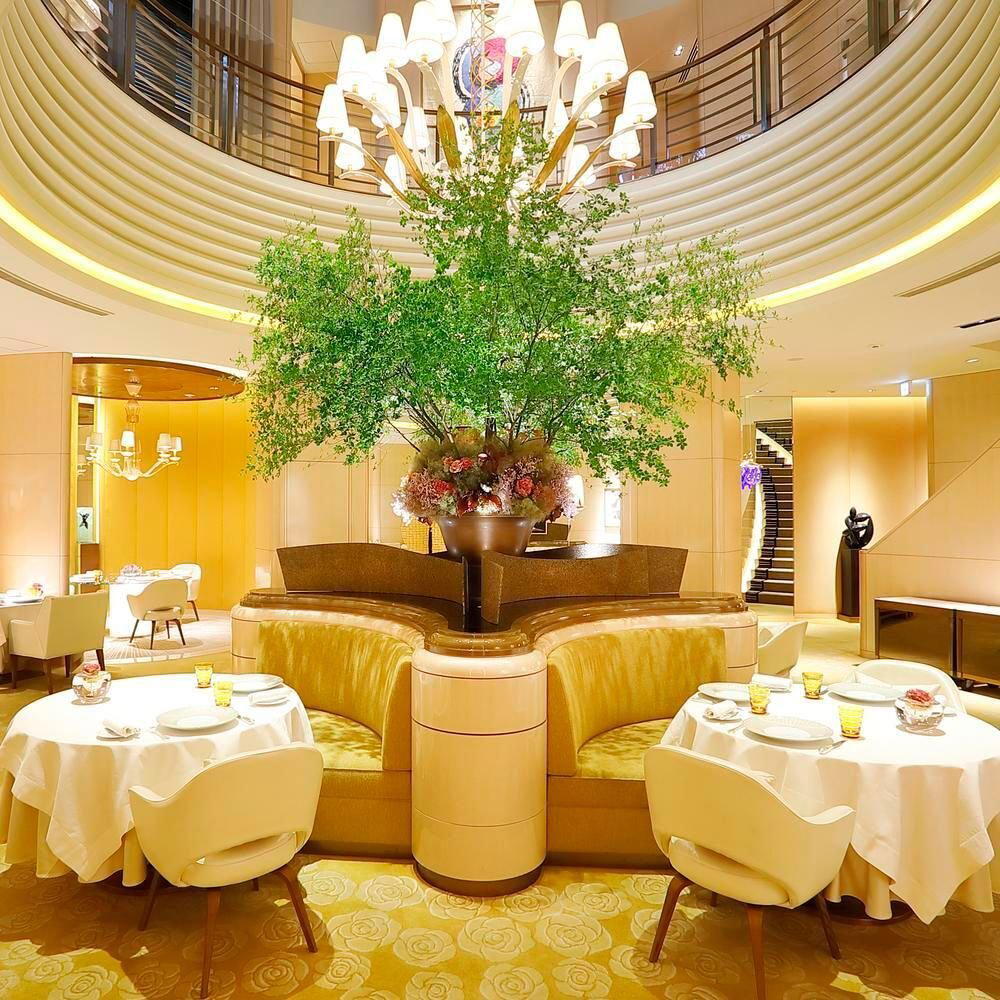
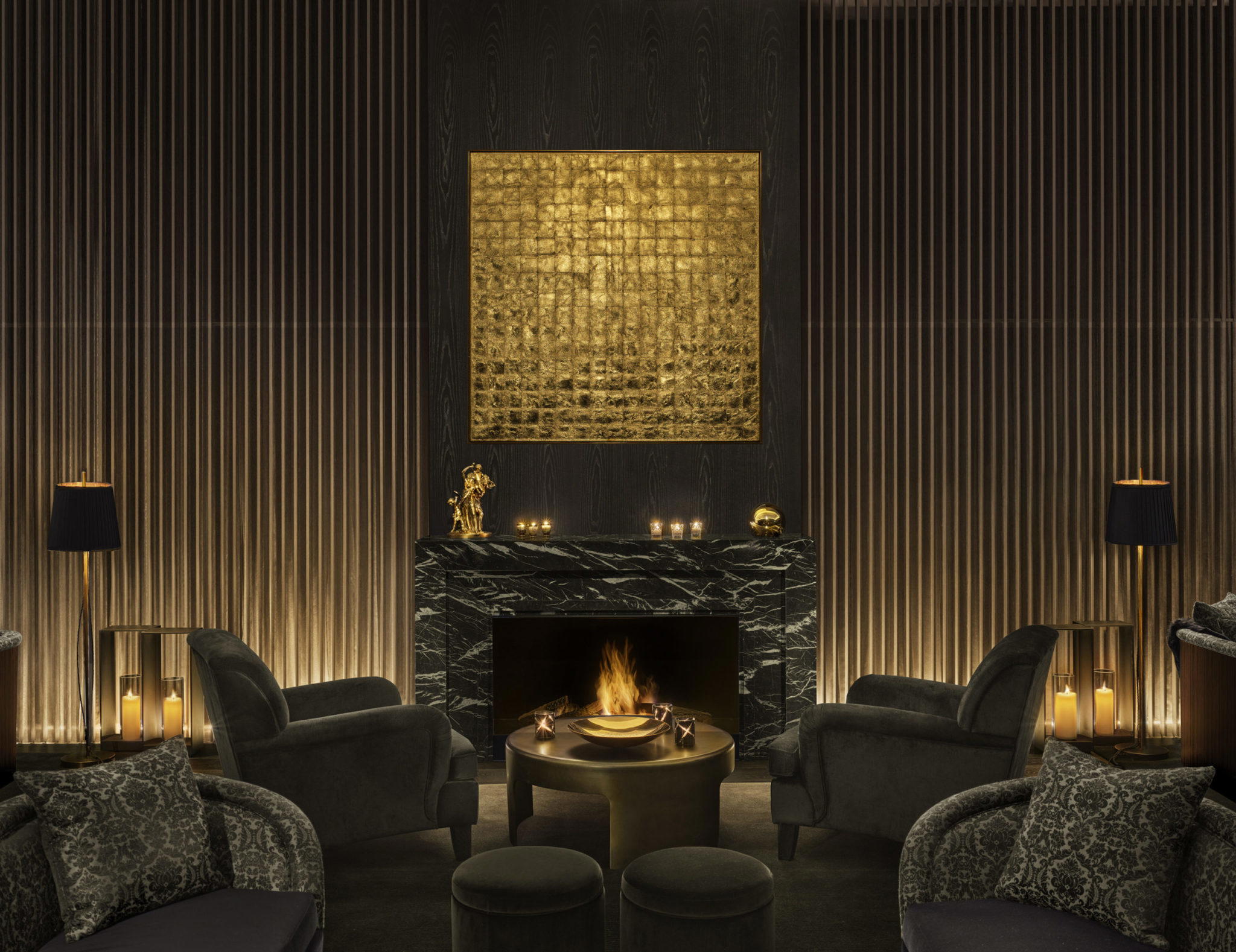
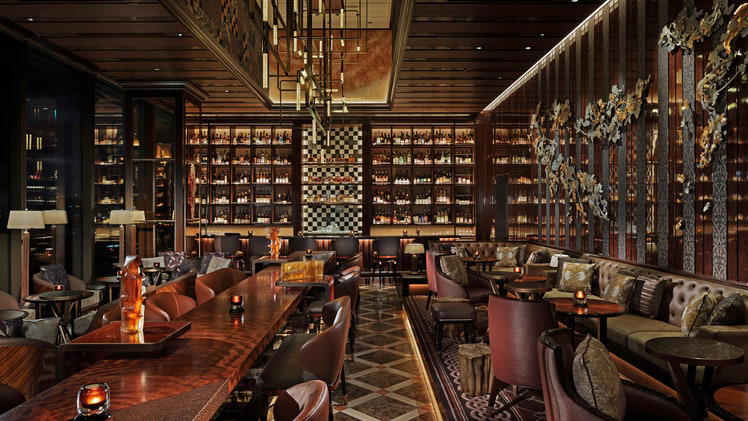
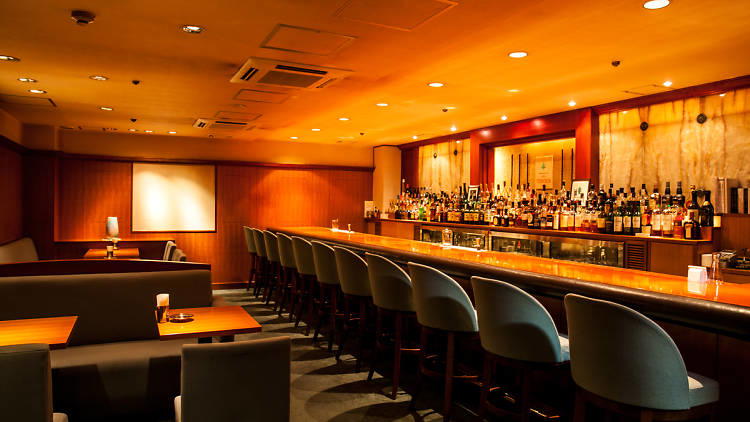
Serene and refined space with a single-board cypress counter creating an intimate distance between diners and chef; described as quiet and contemplative with soft, sophisticated lighting.