Google: 4.0 · 37 reviews

Kiyoda Annex occupies the ninth floor of a Ginza address that places it firmly within Tokyo's upper tier of destination dining. The venue carries a 2025 Black Pearl 1 Diamond award, signalling recognition within a competitive field where credential density is high. For travellers mapping Tokyo's premium restaurant circuit, it represents a considered stop in one of the city's most scrutinised dining districts.
 Discover on Pearl
Pearl is the En Primeur Club membership app — saves, bookings, and concierge access live there. Same editors, same standards.
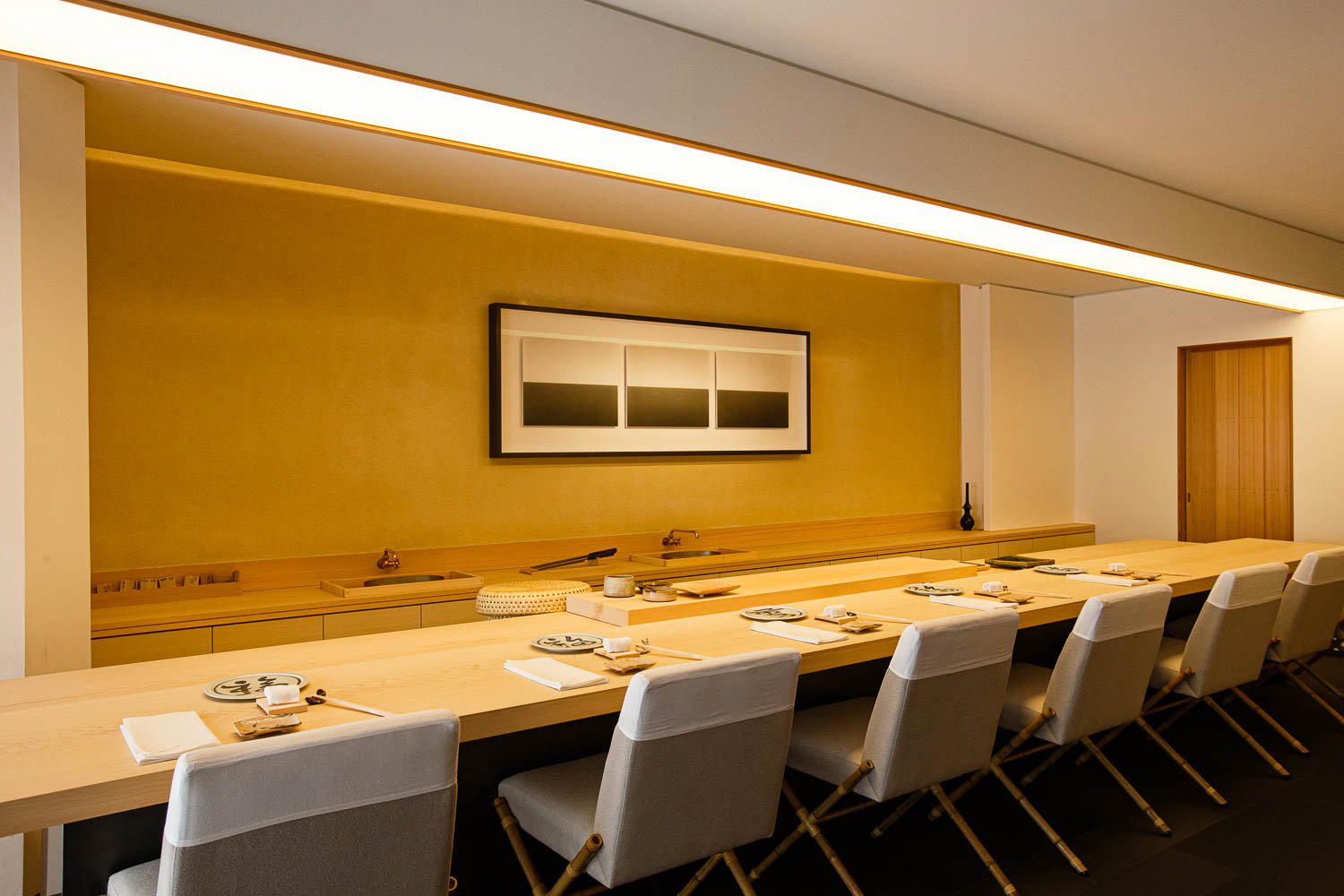
Ginza's Upper Tier: Where the Competition Sets the Standard
Tokyo's Ginza district has, over the past two decades, become the reference point against which serious Japanese dining is measured globally. The concentration of Michelin-starred counters, kaiseki rooms, and chef-driven omakase formats within a few square kilometres of Chuo Ward is unlike anywhere else on the planet — not as a matter of civic pride, but as a verifiable function of award density. Harutaka holds three Michelin stars in this same postcode. RyuGin, a few minutes away, occupies the three-star kaiseki tier. The practical implication for a restaurant earning recognition in Ginza is that its peer set is among the most credentialled in the world. Kiyoda Annex, on the ninth floor of the Ginza Fujinishi building at 5-5-18 Ginza, earns its 2025 Black Pearl 1 Diamond award inside that context. The award is not measured against a national average — it is measured against neighbours whose kitchens have shaped the direction of Japanese fine dining for a generation.
Nine Floors Up: The Logic of the Annex Format
Upper-floor dining in Ginza carries a specific set of associations. Restaurants that occupy the higher floors of mixed-use buildings in this district , above retail, above office space , tend toward intimacy over spectacle. They draw guests who already know what they are looking for, which filters the room before service even begins. The annex designation itself signals something about relationship to a parent operation: a more focused, often more personal format, quieter in marketing but deliberate in craft. Across Tokyo, annex-format restaurants frequently function as the kitchen's more experimental or distilled expression, stripped of the volume pressures that a main-room operation carries. Whether that dynamic holds precisely here requires direct verification, but the structural logic is consistent with how the format has behaved elsewhere in the city's fine dining circuit. For context on how this kind of layered restaurant geography operates across Japan, properties like Gion Sasaki in Kyoto and HAJIME in Osaka demonstrate how a focused, credential-backed address can define the upper end of a regional dining conversation.
Local Ingredients, Global Technique: The Frame That Defines This Tier
The editorial angle that matters most when assessing restaurants at Kiyoda Annex's award level in Tokyo is the intersection of Japanese product and internationally acquired technique. This is not a Japan-specific phenomenon , Atomix in New York City has built a sustained critical reputation on precisely this axis, drawing Korean ingredients through European fine dining structure. In Tokyo, the tradition runs deeper and with more institutional weight. Restaurants like L'Effervescence and Sézanne have demonstrated how French classical training applied to Japanese seasonal produce can generate a distinct culinary register that neither Paris nor Kyoto would produce independently. Crony, with its two Michelin stars in the innovative French category, represents a more aggressive version of that tension , less reverence for either tradition, more interest in what happens when both are treated as raw material.
Kiyoda Annex sits within this broader conversation. Ginza at this price tier is not a district where kitchens are producing straightforwardly domestic cuisine in isolation. The award circuit that generates a Black Pearl 1 Diamond recognition in 2025 skews toward houses where the cooking reflects both a rigorous understanding of Japanese seasonal supply chains , fish from specific prefectural waters, vegetables from named agricultural regions, aged proteins handled with attention to regional craft , and a technical vocabulary broad enough to frame those ingredients in ways that travel beyond their origin. The result, at its leading, is food that reads as specifically Japanese in produce and sensibility but draws on a technical grammar that is global in accumulation. For comparison, akordu in Nara has pursued a related approach by applying Spanish technique to local Nara produce, demonstrating that this cross-pollination is a structural feature of contemporary Japanese fine dining, not an anomaly.
Booking, Access, and Practical Intelligence
Ginza's top-tier restaurants operate on reservation systems that reward advance planning. As a general pattern across the district, the further up the award tier, the longer the lead time required. The following comparison offers a working framework for travellers planning a Ginza fine dining itinerary:
| Venue | Award Level | Price Range | Booking Pattern |
|---|---|---|---|
| Kiyoda Annex | Black Pearl 1 Diamond (2025) | Not published | Verify directly |
| Harutaka | Michelin 3 Stars | ¥¥¥¥ | Months in advance; referral often required |
| RyuGin | Michelin 3 Stars | ¥¥¥¥ | Online reservation; books several weeks out |
| Crony | Michelin 2 Stars | ¥¥¥¥ | Advance booking advised |
Kiyoda Annex's specific booking method, hours, and pricing are not published in available records at the time of writing. Given the award level and Ginza address, the working assumption should be that walk-in access is limited and direct contact with the restaurant is the appropriate first step. Travellers planning a broader Tokyo itinerary around premium dining will find our full Tokyo restaurants guide useful for sequencing. Complementary resources include our Tokyo hotels guide, Tokyo bars guide, and Tokyo experiences guide for building a complete visit around the dining programme.
For travellers extending beyond Tokyo, the premium dining circuits in other Japanese cities offer instructive comparisons: Goh in Fukuoka, 1000 in Yokohama, and 6 in Okinawa each represent regional expressions of the same tension between Japanese product and technical ambition that defines Ginza at its upper end. Internationally, Le Bernardin in New York City remains the clearest Western reference point for how classical rigour and product-first philosophy can sustain a long-arc institutional reputation , a model that several of Ginza's leading houses have studied closely. Our Tokyo wineries guide is also worth consulting for pairing context, given how seriously Ginza's upper-tier restaurants approach their beverage programmes.
A Quick Peer Check
A compact peer set to orient you in the local landscape.
| Venue | Cuisine | Price | Awards | Notes |
|---|---|---|---|---|
| Kiyoda Annex | Black Pearl 1 Diamond (2025) | This venue | ||
| Harutaka | Sushi | ¥¥¥¥ | Michelin 3 Star | Sushi, ¥¥¥¥ |
| RyuGin | Kaiseki, Japanese | ¥¥¥¥ | Michelin 3 Star | Kaiseki, Japanese, ¥¥¥¥ |
| L'Effervescence | French | ¥¥¥¥ | Michelin 3 Star | French, ¥¥¥¥ |
| HOMMAGE | Innovtive French, French | ¥¥¥¥ | Michelin 2 Star | Innovtive French, French, ¥¥¥¥ |
| MAZ | Innovative | ¥¥¥¥ | Michelin 2 Star | Innovative, ¥¥¥¥ |
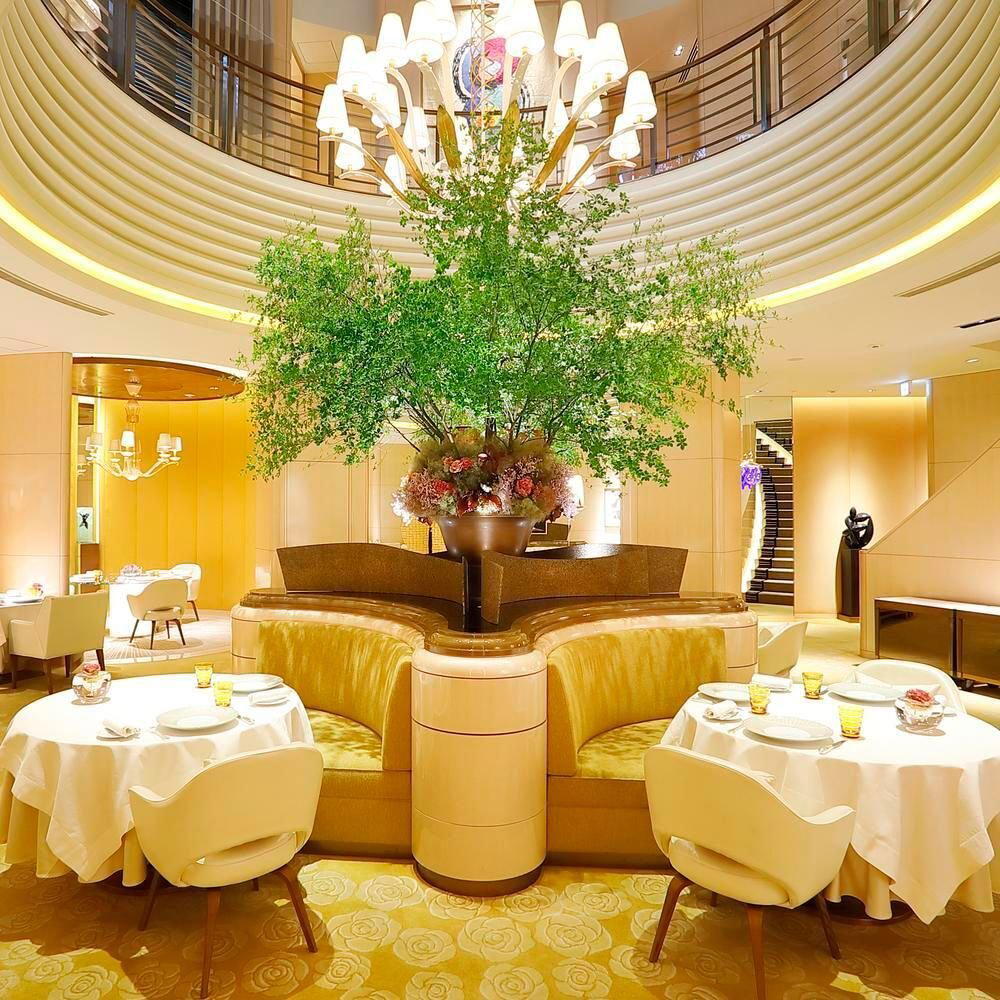
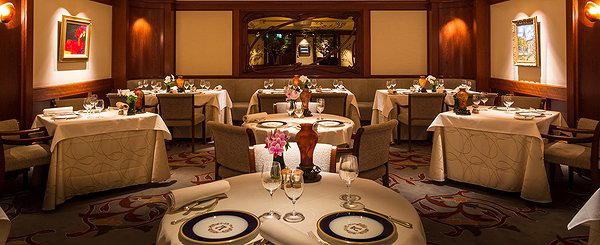



At a Glance
- Elegant
- Sophisticated
- Intimate
- Special Occasion
- Date Night
- Chefs Counter
- Sake Program
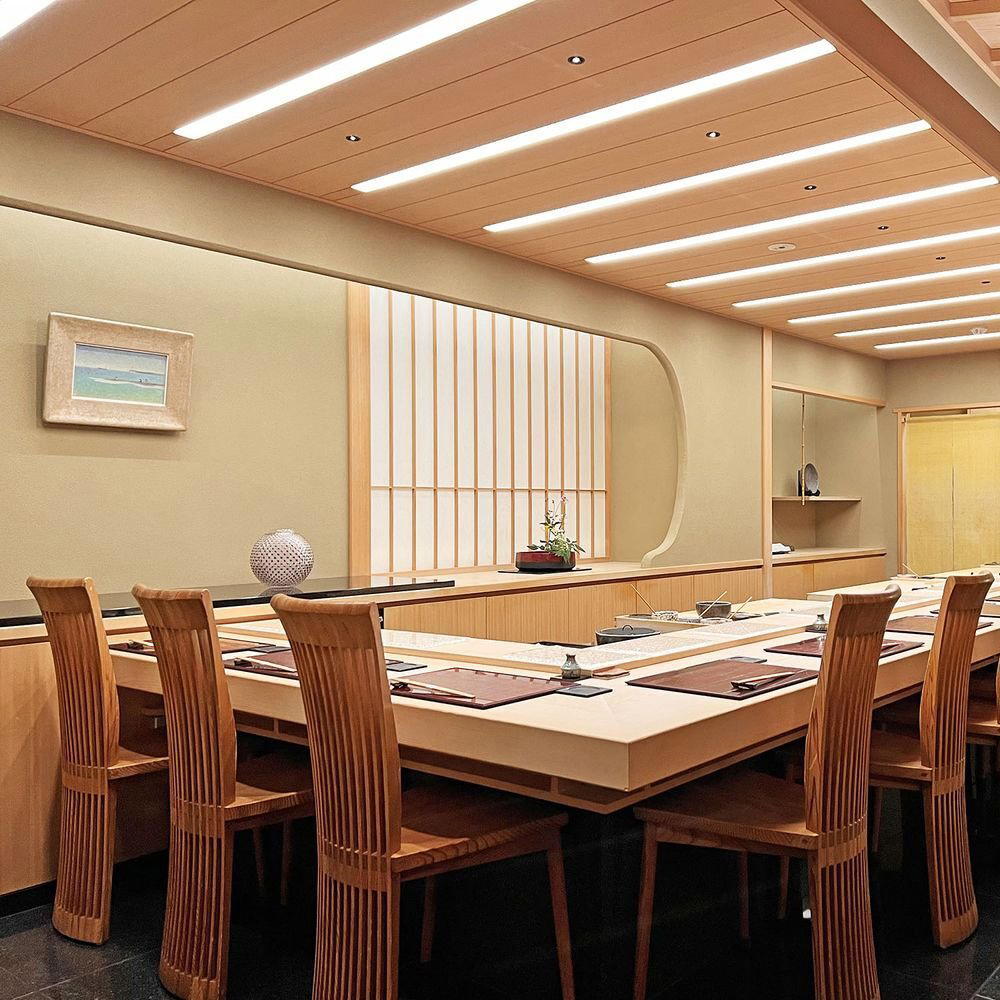
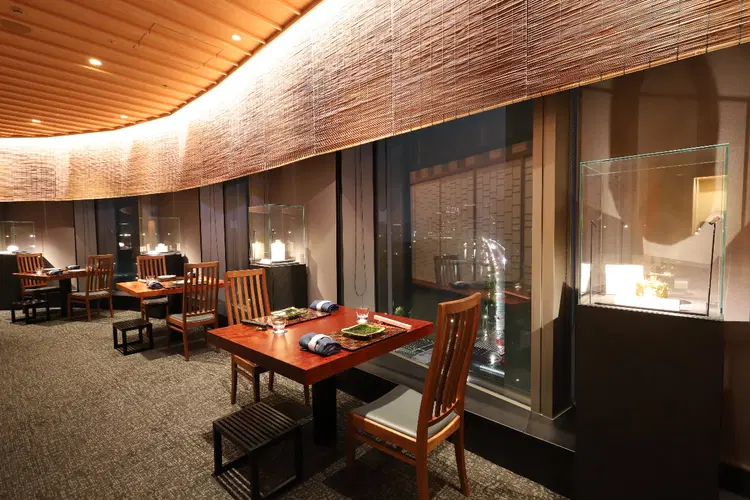
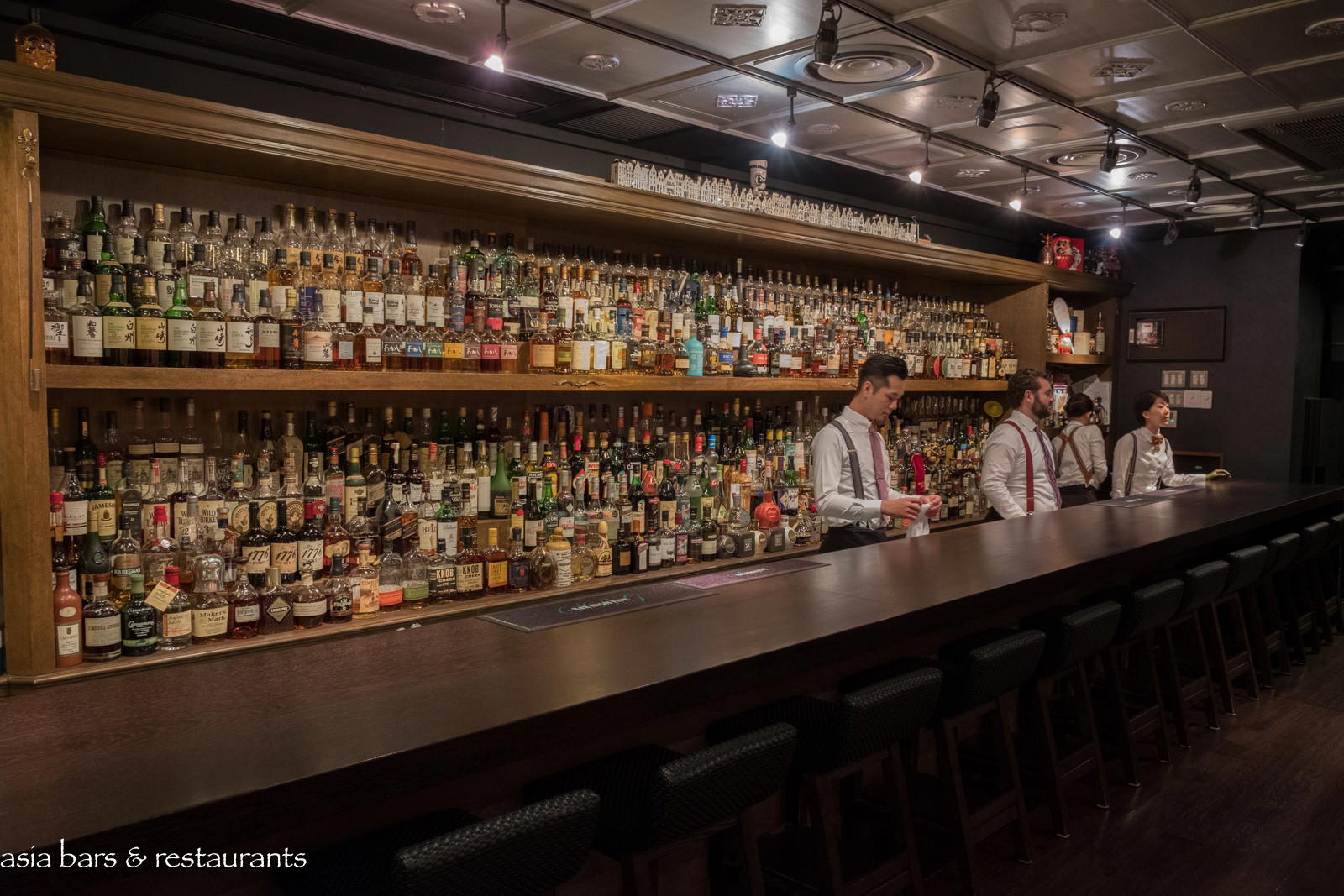
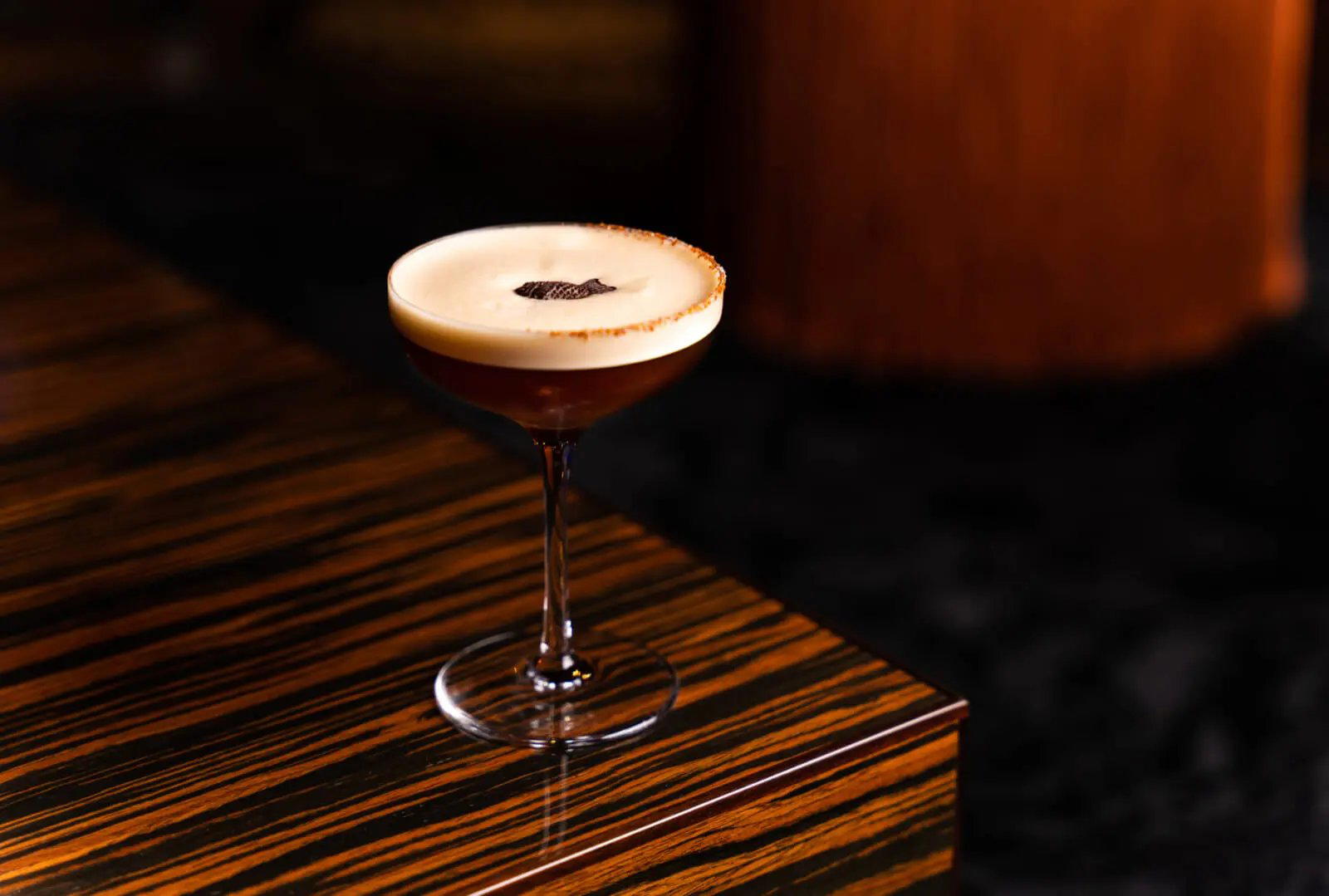
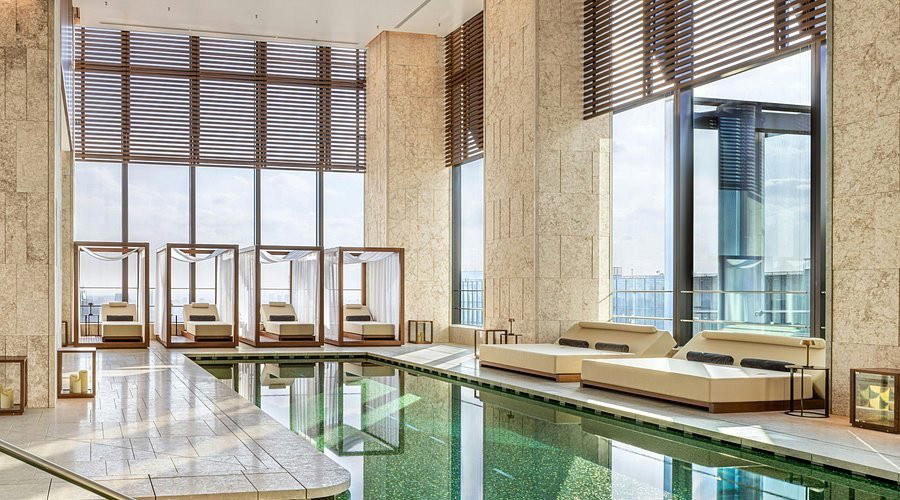
Elegant decor and traditional Japanese ambiance creating a serene atmosphere.