Our verdict
Vincent occupies a corner of the Ilôt Sacré, Brussels' dense historic quarter, where the Belgian brasserie tradition runs deepest. Located at Rue des Dominicains 8, it sits within walking distance of the Grand Place and operates in a tier of classic Brussels dining that pre-dates the city's modern fine-dining wave. For visitors orienting around the capital's culinary identity, it functions as a primary reference point.

Pearl is the En Primeur Club membership app, where members save venues, book tables and use the concierge.
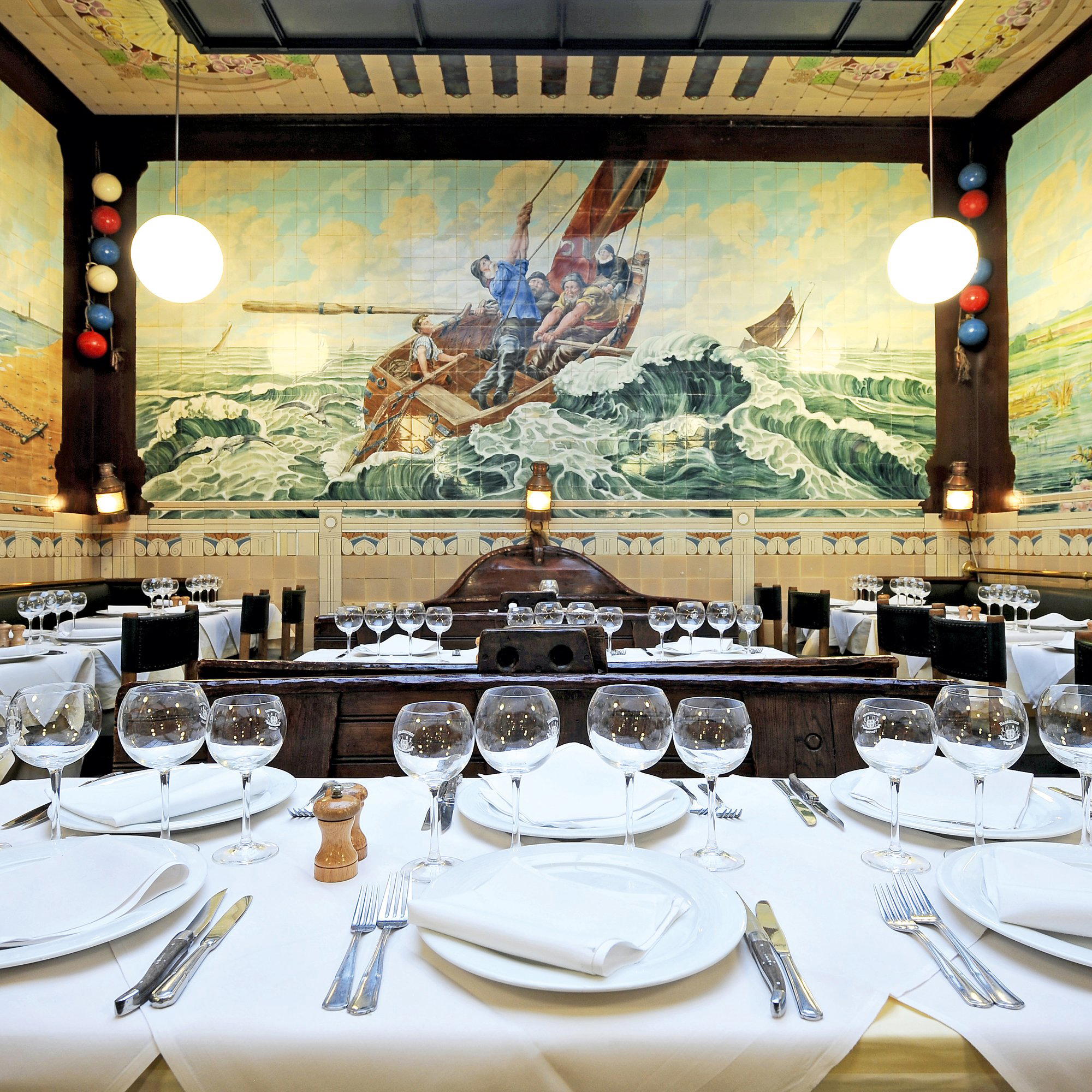
The menu
What to order
- Steak tartare
- Mussels
- Garlic scampi
The Belgian Brasserie as Cultural Argument
In Brussels, the brasserie is not a casual fallback. It is the format through which the city has historically expressed its relationship with food: abundant, ingredient-led, rooted in produce from the North Sea coast and the Ardennes interior, and served in rooms that assert permanence. The Grand Place district concentrates several of these institutions, and Rue des Dominicains, a short street inside the Ilôt Sacré neighbourhood, sits at the centre of that tradition. Walking toward Vincent at number 8, the physical context matters as much as the interior: this part of Brussels has operated as a dining district for well over a century, and the buildings carry that history in their tiled facades and narrow street proportions.
The Belgian brasserie tradition differs from its French counterpart in a few important ways. Belgian kitchens built their identity around specific national ingredients, moules, carbonade flamande, waterzooi, grey shrimp from the Ostend coast, rather than the sauce-architecture that defined classical French bistro cooking. Portions tend to be generous, wine lists lean Burgundian and Bordeaux-heavy, and the service register sits somewhere between formal and familial. Vincent operates within this cultural framework, making it a useful baseline for understanding what Brussels dining looked like before the city's contemporary fine-dining tier emerged.
Where Vincent Sits in Brussels' Dining Structure
Brussels today divides broadly into three dining tiers. At the leading, addresses like Comme chez Soi, which holds a position in the French-Belgian classical tradition at the €€€€ price point, and La Villa Lorraine by Yves Mattagne, operating in modern cuisine at the same tier, represent the city's most formally ambitious kitchens. A more recent layer of creative and produce-driven cooking has emerged through places like Barge, which works in organic formats, and Eliane, positioned in creative cuisine. Below and alongside these sits the brasserie tier, where Vincent operates: less about technical ambition and more about consistency, tradition, and the reproduction of a specific culinary argument that Belgians have been making for generations.
For a sense of where this fits nationally, Belgium's broader restaurant scene extends well beyond the capital. Three-Michelin-star cooking at Hof van Cleve in Kruishoutem and the precision work at Boury in Roeselare represent the country's most decorated tier. In Antwerp, Zilte operates at a comparable level of ambition. The brasserie format, by contrast, is deliberately not competing in that space.
The Ilôt Sacré and the Question of Authenticity
The Ilôt Sacré, the small medieval block immediately north of the Grand Place, is one of Brussels' most tourist-concentrated zones. Several restaurants in this neighbourhood operate primarily for visitors, adjusting quality and pricing accordingly. The question any serious traveller must ask of any address in this area is whether it functions as a genuine local institution or as a performed version of one. That distinction is not always visible from the outside, which makes neighbourhood knowledge more valuable here than in most parts of the city.
The street address at Rue des Dominicains 8 places Vincent inside this contested zone, where the pressure to serve volume is higher than in, say, the Ixelles or Saint-Gilles districts further south. For comparison, Bozar Restaurant, operating in the Belgian fine-dining format, sits in the cultural district near the Palais des Beaux-Arts, a location that draws a predominantly local and professional crowd. The Ilôt Sacré's visitor density makes it a different kind of test for any address operating within it.
Belgian Cuisine Beyond Brussels: The Regional Frame
Understanding Vincent's cooking requires some familiarity with where Belgian cuisine draws its ingredients. The country's short North Sea coastline produces grey shrimp, smaller and more intensely flavoured than the Atlantic prawns more common in French coastal kitchens, along with sole, turbot, and mussels from Zeeland just across the Dutch border. Inland, the Ardennes contributes game, charcuterie, and the particular mineral character of its spring water used in local beer production. Brussels itself historically functioned as a market city aggregating these regional products, which is why the classic brasserie menu in the capital reads like an inventory of Belgian geography.
This regional sourcing tradition connects Brussels to a wider Belgian dining conversation. Coastal addresses like Bartholomeus in Heist and Willem Hiele in Oudenburg work with North Sea produce at a more technically refined level. In Wallonia, L'air du Temps in Liernu represents the creative application of Belgian terroir at the highest level. The brasserie format sits downstream of all of this, translating the same ingredient logic into a less technically demanding but culturally denser register.
Planning a Visit
Vincent's location in the Ilôt Sacré means it is reachable on foot from Brussels Central Station in under ten minutes, and from the Grand Place in two or three. The area around Rue des Dominicains operates across the full day, though dinner service in classic Brussels brasseries typically begins from 19:00. For the Ilôt Sacré in peak season, particularly July, August, and the Christmas market period in December, walk-in dining at any established address carries real risk of a wait. Those visiting Brussels across a broader itinerary can find the full range of the city's options mapped at our full Brussels restaurants guide.
For those building a longer Belgian trip around serious eating, the country's regional tables reward planning. Castor in Beveren, De Jonkman in Sint-Kruis, d'Eugénie à Emilie in Baudour, and La Durée in Izegem each operate in distinct regional registers. For context on what the classic brasserie format looks like when transposed to different culinary traditions at a global level, Le Bernardin in New York City and Atomix in New York City represent the kind of institutionalised precision that marks a different tier of ambition entirely.
Frequently asked questions
What's the address for Vincent?
Vincent is located at Rue des Dominicains 8, 1000 Bruxelles, Belgium, Brussels.
How does Vincent compare to other traditional brasseries in Brussels?
Brussels divides its dining broadly across high-end French-Belgian addresses like Comme chez Soi, mid-tier brasseries, and neighbourhood bistros. Vincent occupies the mid-tier brasserie category in the Ilôt Sacré, a position that places it alongside a small group of addresses maintaining Belgian classics rather than contemporary or fusion formats. Its location two minutes from the Grand Place makes it one of the more accessible reference points for visitors wanting to eat within the traditional brasserie structure rather than at a tourist-facing imitation of it.
What's the must-try dish at Vincent?
Vincent sits within the Belgian brasserie tradition, which means the kitchen draws on the country's North Sea coastline for seafood and on regional producers for meat and game. The classic brasserie format here points toward dishes like moules-frites or waterzooi as structural anchors of the menu, though the specific current offering is best confirmed directly with the restaurant on Rue des Dominicains 8. Arriving without a fixed agenda and asking what is in season is a reasonable strategy in this format.
How far ahead should I plan for Vincent?
Vincent is located in the Ilôt Sacré, the dense medieval block north of the Grand Place and one of Brussels' most visited zones, which means demand from both tourists and locals is consistent year-round. For weekend evenings, booking at least a week in advance is a practical baseline; for weekday lunches, shorter lead times are generally workable. Contacting the restaurant at Rue des Dominicains 8 directly will confirm current availability and any seasonal patterns.
Budget and Context
Comparable venues nearby, for context on price, style, and recognition.
| Venue | Cuisine | Price | Awards | Notes |
|---|---|---|---|---|
| VincentThis venue (the venue you are viewing) | Traditional Belgian Brasserie | $50–100 | Not listed | Not listed |
| La Pierre Bleue | Belgian-French Gourmet Cuisine | $50–100 | Not listed | Pl. de Brouckere, Belgian-French Gourmet Cuisine |
| Beaucoup Fish | Modern Seafood | $50–100 | Not listed | Pl. de Brouckere, Modern Seafood |
| Gus | Franco-Belgian Brasserie with Beer Gastronomy | $50–100 | Michelin Plate | Madou, Franco-Belgian Brasserie with Beer Gastronomy |
| 65 degrés | Modern French Gastronomic | $50–100 | Not listed | Ixelles, Modern French Gastronomic |
| Brighton Restaurant | Classic French Mediterranean | $50–100 | We're Smart World 2 Radishes | European District, Classic French Mediterranean |
Vincent
Featured Guides
Continue exploring
More in Brussels
Restaurants in Brussels
All restaurants in Brussels →
Bars in Brussels
All bars in Brussels →
Hotels in Brussels
All hotels in Brussels →
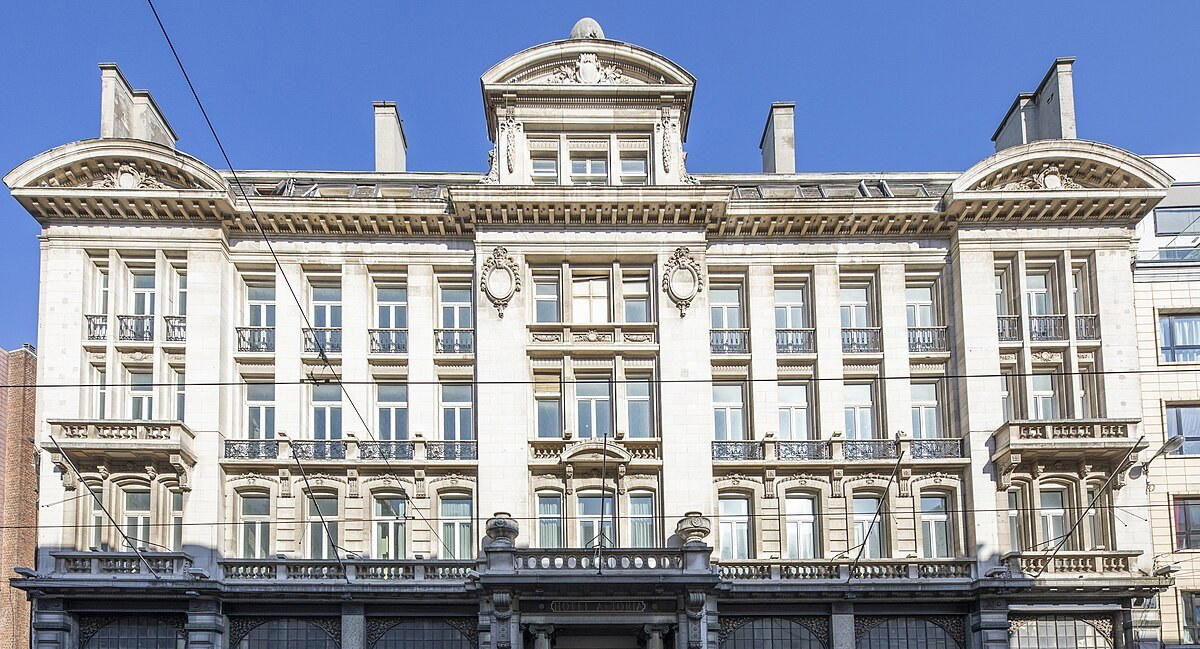
Wineries in Brussels
Browse all →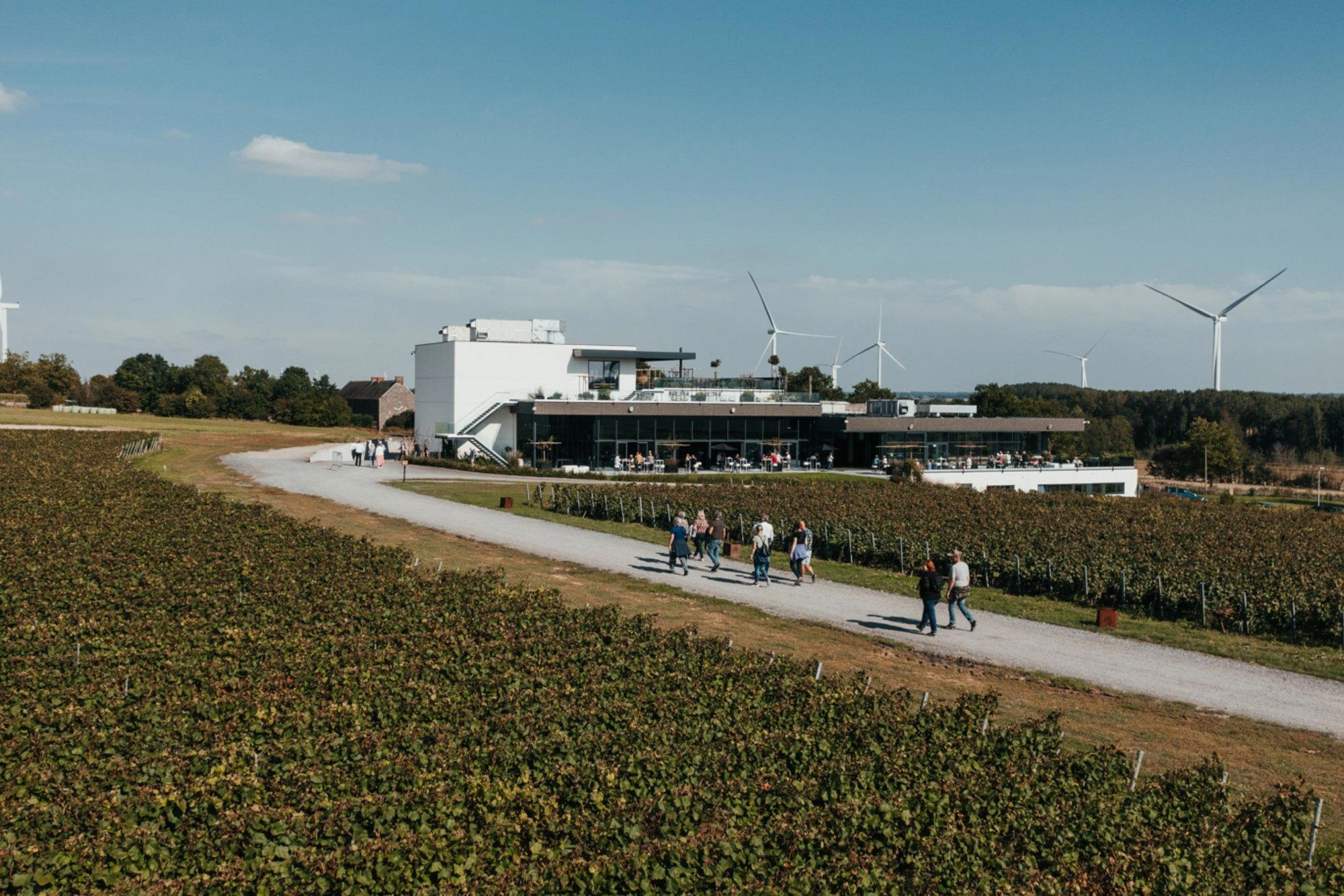
Details
- Classic
- Historic
- Elegant
- Cozy
- Special Occasion
- Business Dinner
- Family
- Historic Building
- Extensive Wine List
- A La Carte
- Tasting Menu
- Vegetarian Friendly
- Vegan Options
- Gluten Free Options
Current opening hours
- Monday
- 12–3 PM, 6:30–11:30 PM
- Tuesday
- 12–3 PM, 6:30–11:30 PM
- Wednesday
- 12–3 PM, 6:30–11:30 PM
- Thursday
- 12–3 PM, 6:30–11:30 PM
- Friday
- 12–3 PM, 6:30–11:30 PM
- Saturday
- 12–3 PM, 6:30–11:30 PM
- Sunday
- Closed
Hours can change for holidays and private events. Hours as of .
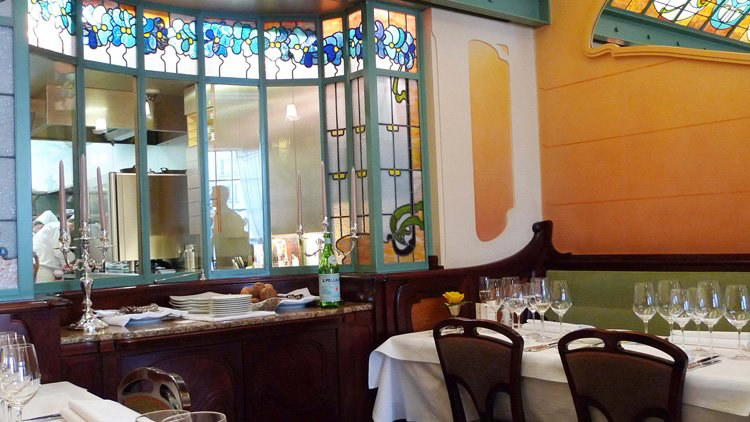
Warm and inviting Art Deco atmosphere with preserved tiled frescos and an authentic historic charm.