Neuhaus occupies Galerie de la Reine, one of Brussels' landmark 19th-century shopping arcades, where the Belgian chocolate house has anchored the city's confectionery tradition for generations. The address places it at the centre of a wider debate about what Belgian chocolate actually means: single-origin cacao sourcing versus industrial blending, craft finish versus volume production. For visitors arriving in the capital, it functions as both introduction and reference point.
Pearl is the En Primeur Club membership app — saves, bookings, and concierge access live there. Same editors, same standards.
- Address
- Galerie de la Reine 25, 1000 Brussel, Belgium
- Phone
- +3225126359
- Website
- neuhauschocolates.com
- Directions
- Get directions
 Saves & bookings on Pearl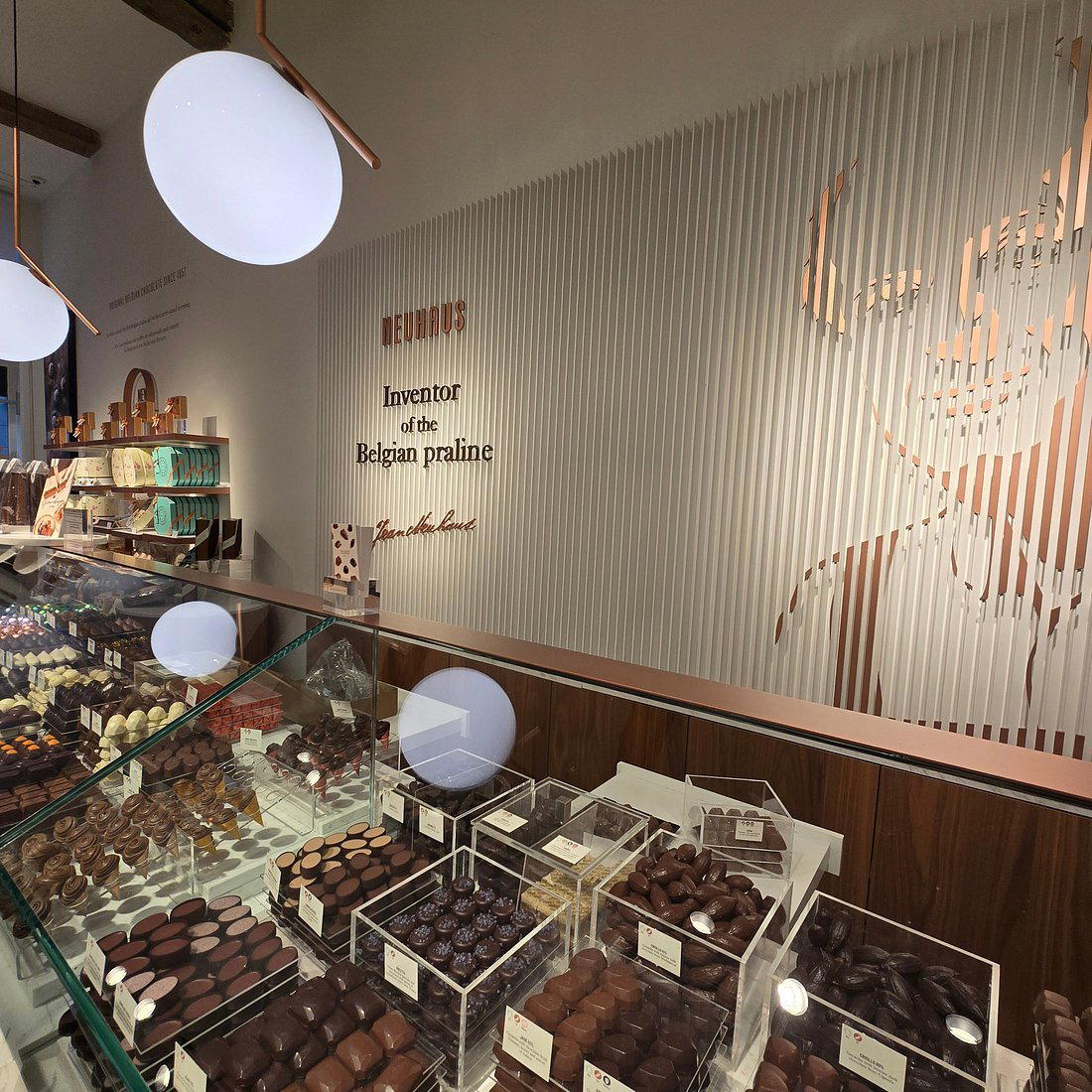
The Arcade and What It Tells You
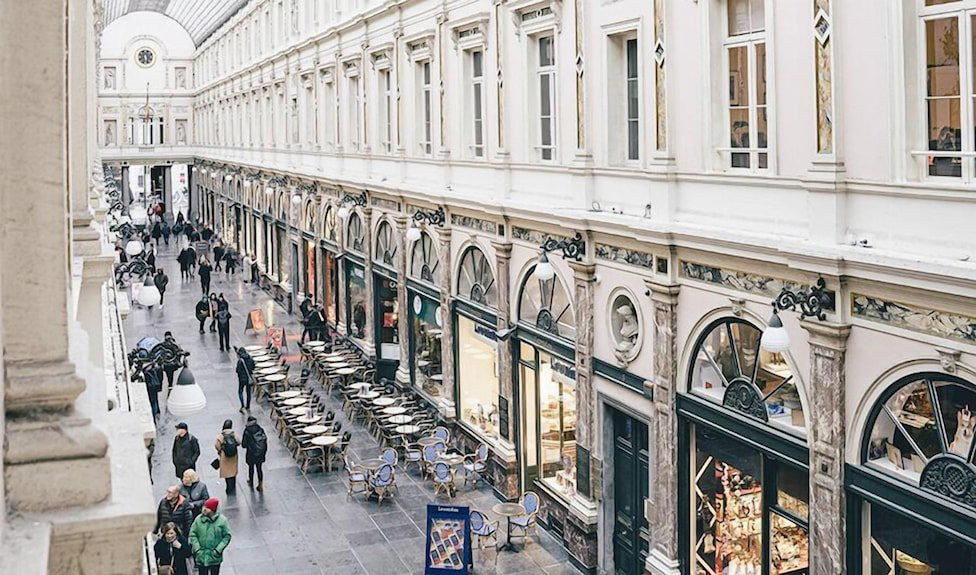
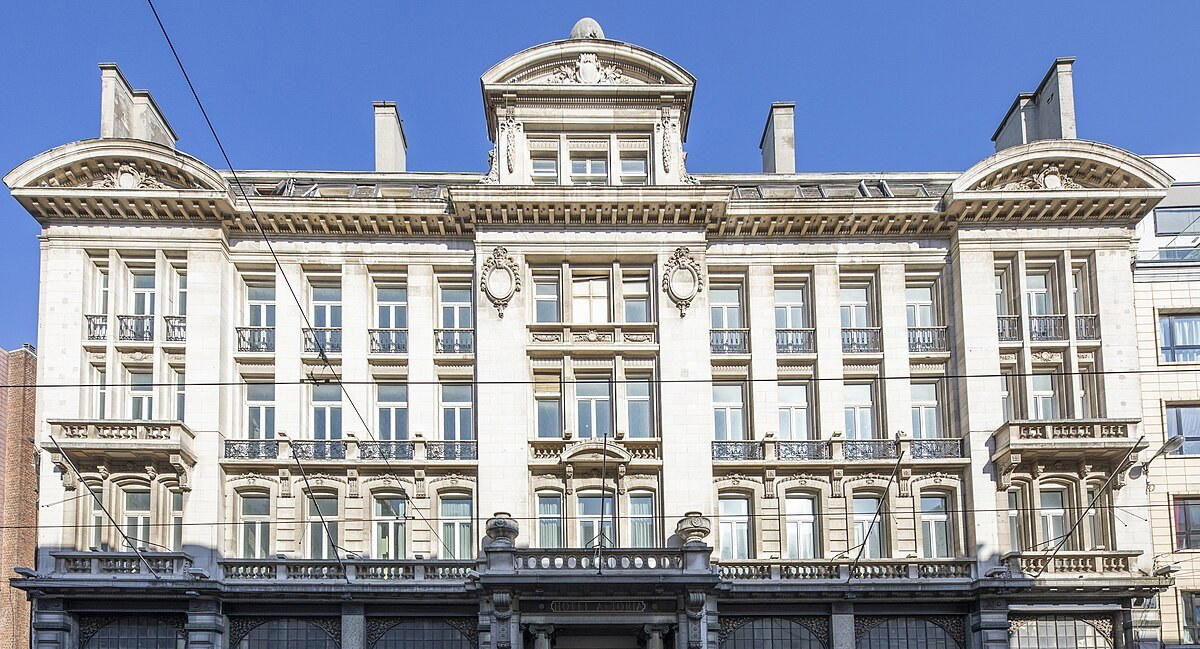
Walking into Galerie de la Reine from the Grand-Place end, the light changes before the temperature does. The vaulted iron-and-glass arcade, completed in 1847, filters Brussels' grey northern sky into something more forgiving, and the shops on either side operate at a pace that the surrounding streets do not. Neuhaus occupies number 25, a position on that arcade that carries more weight than a simple street address. The galeries were built as covered commercial streets for a bourgeois clientele, and Belgian chocolate houses were among their natural tenants. The relationship between premium confectionery and this specific architectural format is not incidental: both belong to the same mid-19th-century project of constructing a distinctly Belgian commercial culture after independence.
That historical grounding matters when assessing what Neuhaus is and is not. It is a chocolate maison with retail and, at some locations, a salon de dégustation format. Its significance to Brussels' food scene is as a fixed coordinate in the city's confectionery map, one that comparison venues in the fine dining category, such as Comme chez Soi or La Villa Lorraine by Yves Mattagne, reference obliquely when they incorporate Belgian chocolate into their dessert programmes.
Cacao Sourcing and the Belgian Chocolate Argument
Belgian chocolate's reputation rests on a manufacturing tradition rather than a terroir claim. Belgium grows no cacao. What the country developed, from the late 19th century onward, was expertise in processing, conching, and blending cacao sourced from West Africa, Latin America, and Southeast Asia into finished products with consistent texture and controlled sweetness. Neuhaus operates within that tradition while also navigating the more recent industry shift toward single-origin and traceable sourcing that has reshaped how premium chocolatiers position themselves globally.
The shift is significant. A decade ago, origin labelling on Belgian chocolate was rare at the retail end. Now, maisons across Brussels' arcades and centre streets display Ecuadorian, Madagascan, and Peruvian origin notes alongside percentage markers. This mirrors what happened in specialty coffee: the product's identity moved from process-led to provenance-led, and the consumer's vocabulary changed with it. Houses that had built reputations on house blends found themselves having to articulate sourcing decisions they had previously left implicit. Neuhaus, as one of the older maisons with presence across Belgium and internationally, sits at an interesting point in that transition, carrying both the weight of heritage and the expectation of transparency that newer craft producers have normalised.
For a sharper contrast in approach, Barge and Eliane represent the Brussels dining scene's more explicitly sourcing-forward strand, where ingredient provenance is the organising principle of the entire menu rather than a category addition. The same logic, applied to chocolate, separates artisan batch producers from the maison model.
The Praline as a Brussels Invention
Neuhaus is credited in documented historical accounts with inventing the filled chocolate praline in 1912, when Jean Neuhaus Junior created a hard chocolate shell designed to hold a soft filling rather than function as a coating. That product, the praline belge, became the defining format of Belgian confectionery and the commercial architecture around which the country's chocolate export industry was built. The hard-shell filled chocolate is now so embedded in Belgian food identity that it appears across every price tier, from airport souvenir boxes to hand-piped single pieces at destination chocolatiers.
The distinction between those tiers is now sharper than at any point in the past thirty years. At the lower end, industrial production has driven down prices and standardised flavour profiles. At the upper end, small-batch producers in Brussels, Bruges, and Ghent are applying the same logic that reshaped European cheesemaking and natural wine: minimal intervention, legible sourcing, small runs. Neuhaus occupies the heritage tier of that spectrum, which is its own credible position, even as craft producers generate more editorial attention.
Where It Sits Against the Brussels Fine Dining Frame
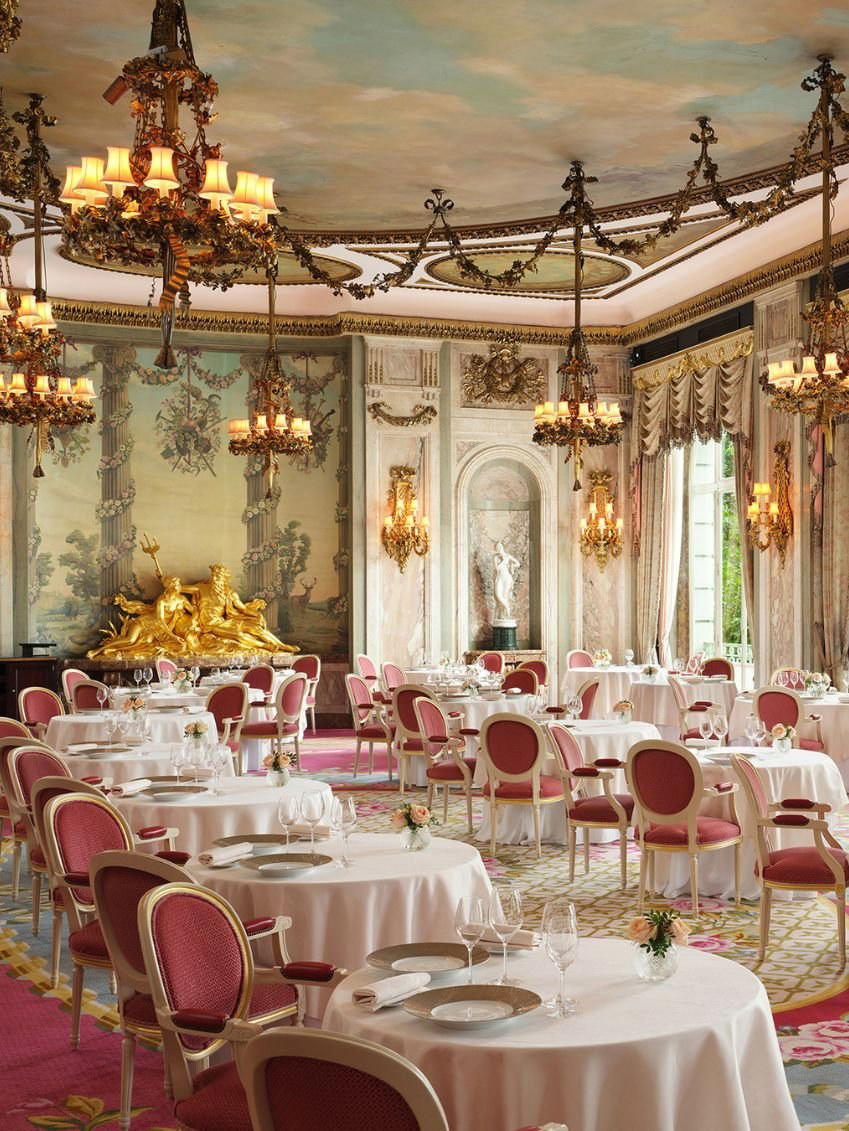
Brussels' fine dining circuit is anchored by a cluster of formally awarded restaurants: Bozar Restaurant for Belgian fine dining, Comme chez Soi for classic French-Belgian at the €€€€ tier, and a wider Belgian national scene extending to Hof van Cleve in Kruishoutem, Boury in Roeselare, and Zilte in Antwerp. Neuhaus does not compete in that category. What it offers is a different kind of density: a product-led experience where the craft is in the confection rather than the plate, and where the setting, Galerie de la Reine specifically, provides a physical context that most modern retail cannot replicate.
Further afield, Belgium's coastal and rural fine dining addresses, including Willem Hiele in Oudenburg and Bartholomeus in Heist, have built reputations on hyper-local sourcing from the North Sea and Flemish hinterland. The sourcing conversation in those kitchens is the same one that now runs through the premium chocolate sector, even if the product categories are entirely different. Meanwhile, addresses like Castor in Beveren, De Jonkman in Sint-Kruis, and L'air du temps in Liernu extend the argument across Belgium's linguistic regions. For international reference points, Le Bernardin in New York and Atomix in New York represent the kind of ingredient-forward fine dining that Belgian kitchens increasingly benchmark against. La Durée in Izegem and d'Eugénie à Emilie in Baudour add further depth to the national picture.
The arcade itself runs between Rue du Marché aux Herbes and Rue de la Montagne, and the covered walkway means weather is not a variable in the visit. Holiday season, particularly November through January, concentrates visitor traffic significantly in the arcades; if examining the range with any care, a weekday morning arrival is advisable.
Peers Worth Knowing
Comparable venues nearby, for context on price, style, and recognition.
| Venue | Cuisine | Price | Notes |
|---|---|---|---|
| Neuhaus-BruxellesThis venue — the venue you are viewing | Belgian Chocolatier Cafe | $$ | Not listed |
| Arthur Amblard | Sugar-Free Artisan Chocolates | $$ | Pl. de Brouckere |
| Centho | Belgian Artisan Chocolates | $$ | Tervuren |
| beaucoup belge | Modern Belgian Traditional | $$ | Pl. de Brouckere |
| Le Lotus Bleu | Authentic Vietnamese | $$ | near Grand Place |
| La Piola Pizza | Authentic Neapolitan Pizza | $$ | Saint-Josse-ten-Noode |

At a Glance
- Elegant
- Classic
- Intimate
- Casual Hangout
- Historic Building
Current opening hours
- Monday
- 10 AM–8 PM
- Tuesday
- 10 AM–8 PM
- Wednesday
- 10 AM–8 PM
- Thursday
- 10 AM–8 PM
- Friday
- 10 AM–9 PM
- Saturday
- 10 AM–9 PM
- Sunday
- 10 AM–9 PM
Hours can change for holidays and private events. Last verified .
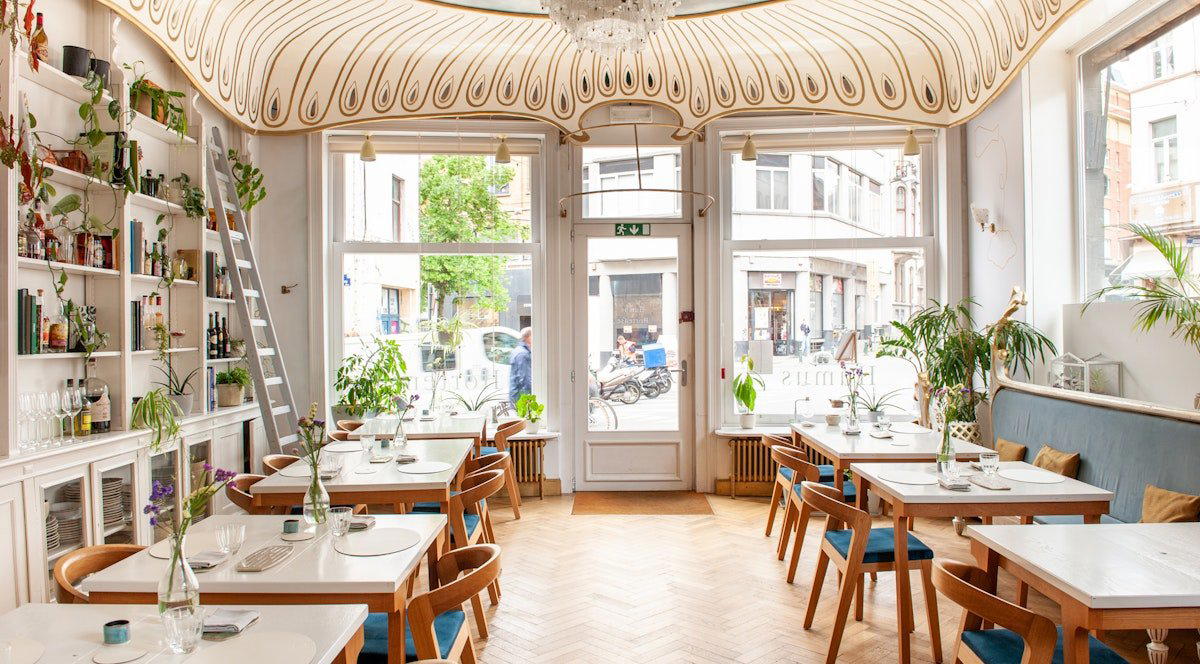
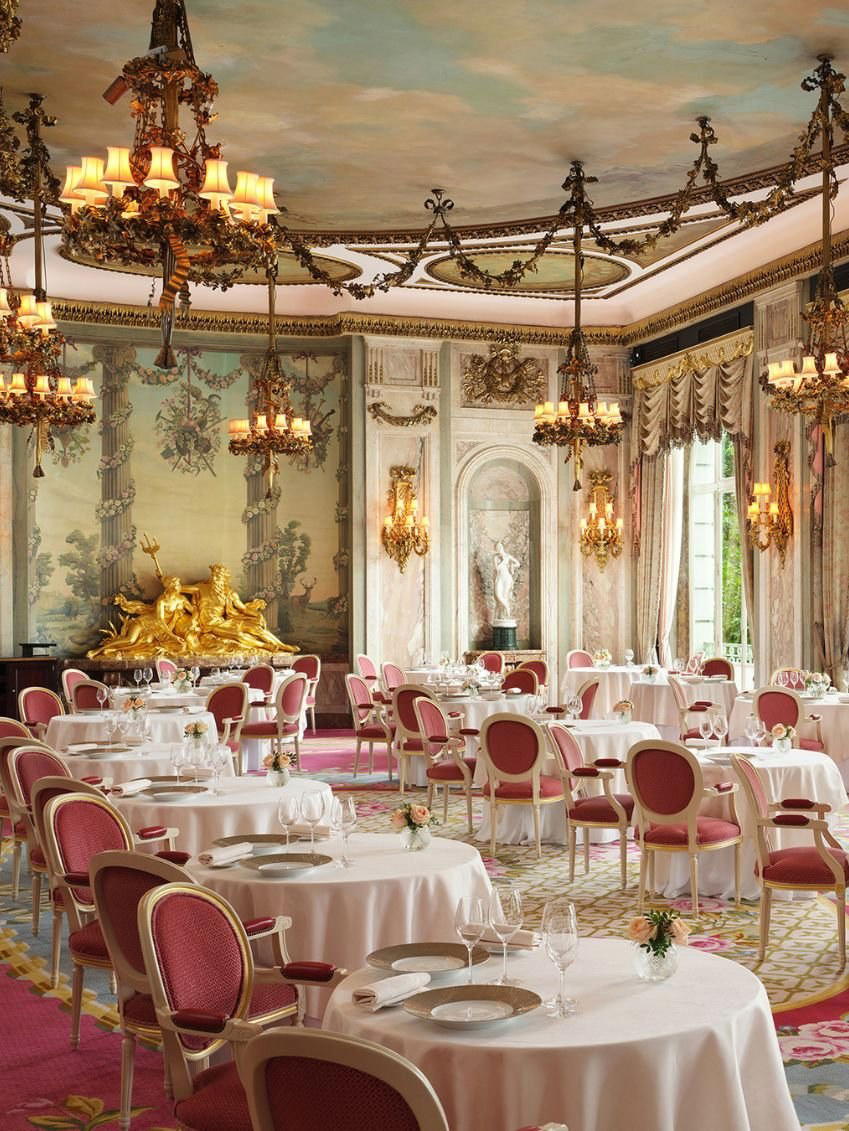
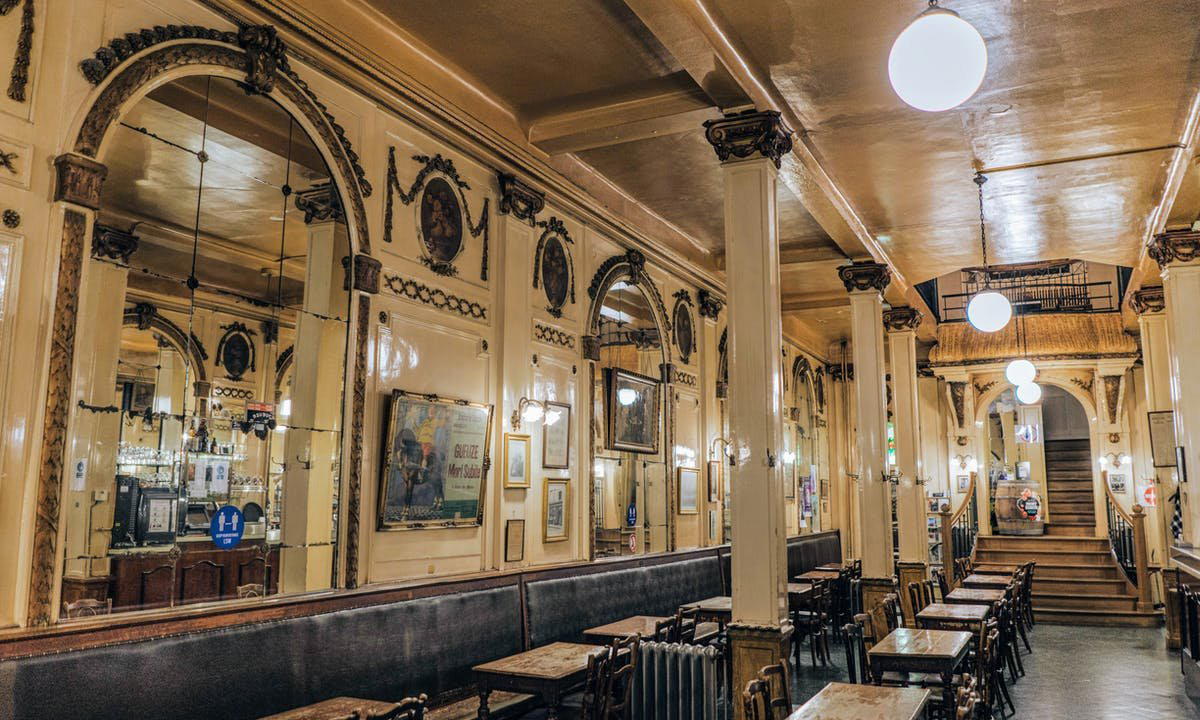
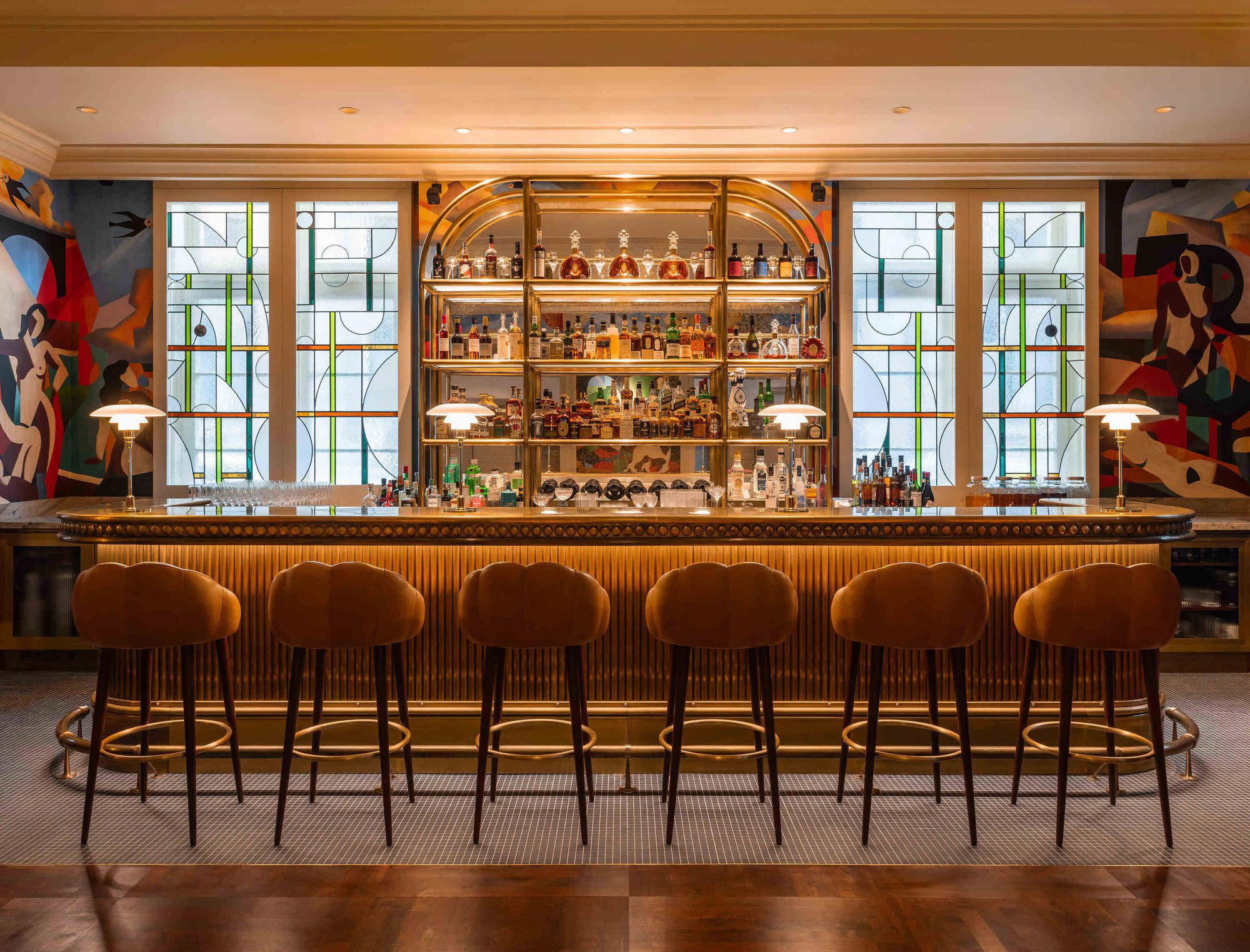
Elegant boutique atmosphere in a historic gallery with the inviting aroma of fresh artisanal cocoa.