Moeder Lambic at Place Fontainas is Brussels' most serious lambic and gueuze institution, drawing beer scholars and neighbourhood regulars alike to a bar that treats spontaneous fermentation with the same rigour a wine list deserves. The tap selection runs deep into Cantillon, 3 Fonteinen, and beyond, making it a reference point for understanding Belgian brewing tradition in the city where that tradition was built.
Pearl is the En Primeur Club membership app — saves, bookings, and concierge access live there. Same editors, same standards.
- Address
- Pl. Fontainas 8, 1000 Bruxelles, Belgium
- Phone
- +3225036068
- Website
- moederlambic.com
- Directions
- Get directions
 Saves & bookings on Pearl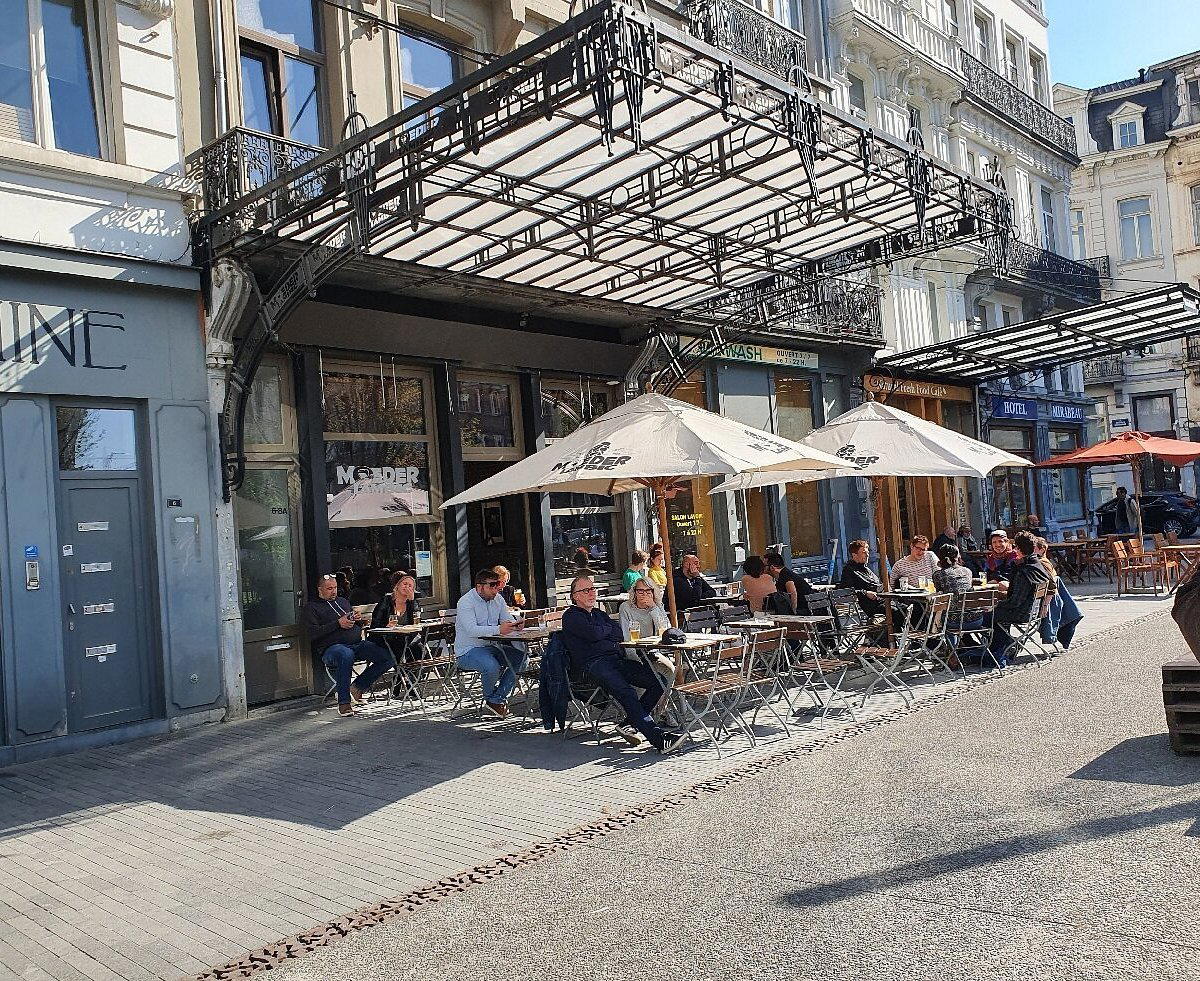
Where Spontaneous Fermentation Gets a Serious Platform
Brussels has always had a complicated relationship with its own brewing heritage. For decades, lambic — the spontaneously fermented wheat beer that is indigenous to the Senne valley — was treated as a local curiosity rather than a serious category, overshadowed by the industrially produced ales and lagers that filled the city's brasseries. The broader international craft beer movement shifted that calculus dramatically. By the time interest in funky, acidic, barrel-aged beer exploded across Northern Europe and North America, Brussels found itself sitting on something the rest of the world had been searching for: a living, centuries-old fermentation tradition produced within city limits.
Moeder Lambic, on Place Fontainas in the Midi quarter, arrived at precisely the moment that reappraisal was gathering momentum. The bar's position in Brussels drinking culture is leading understood not through its own story, but through the evolution of how the city came to treat lambic as a heritage product worthy of curation and critical attention. Where older neighbourhood cafés poured gueuze as an afterthought alongside pilsner taps, the approach here placed spontaneously fermented beer at the centre, treating the category with the selection depth and service philosophy more commonly associated with natural wine bars.
The Tap List as Editorial Statement
The measure of a serious lambic bar is the sourcing, and Moeder Lambic's tap and bottle selection has consistently pointed toward the producers who work at the technical edge of the tradition. Cantillon, the Brussels-based lambic producer whose urban brewery operates in Anderlecht, appears here alongside 3 Fonteinen from Beersel and other small Pajottenland producers whose annual output is modest enough to function on allocation. This is the same supply constraint logic that governs natural wine programs at restaurants like Barge or Eliane, scarcity is a signal of production philosophy, not simply marketing.
Belgian beer culture has historically distinguished between gueuze (a blend of aged and young lambic, re-fermented in bottle), kriek (lambic macerated on whole cherries), and faro (sweetened lambic), among other sub-styles. Each represents a distinct intervention point in the fermentation and blending process. A bar that stocks these categories with genuine breadth gives drinkers a comparative reference that a single-producer venue cannot. That curatorial depth is what separates Moeder Lambic from the dozens of Brussels café-bars that carry one or two token lambic references on an otherwise conventional Belgian beer list.
Place Fontainas and the Neighbourhood Context
The Place Fontainas location matters. The square sits at the junction between the lower city's commercial arteries and the Midi neighbourhood, which remains considerably less polished than the areas around Grand-Place or the European Quarter. That positioning has kept Moeder Lambic connected to a genuinely mixed clientele: regulars who drink there because it is their local, and beer-focused visitors who cross the city specifically for the list. That dual audience is harder to maintain than it appears, many specialist bars in other European capitals drift toward one demographic at the expense of the other.
Brussels' broader bar scene has polarised in a way that mirrors trends visible in cities like London and Amsterdam. At one end, the high-end dining establishments, Comme chez Soi, La Villa Lorraine by Yves Mattagne, or Bozar Restaurant, anchor the city's fine dining credentials. At the other, neighbourhood cafés persist with broad beer lists and minimal curation. The middle tier, where serious product knowledge meets an accessible format, is where Moeder Lambic operates and where it has remained relevant through repeated cycles of brewing trend and tourist interest.
Lambic's International Moment and What It Means Locally
The international recognition of Belgian lambic production has had a complicated effect on the bars that championed it earliest. As Cantillon releases became sought-after globally and 3 Fonteinen blends started appearing on restaurant wine lists from Copenhagen to Tokyo, the domestic supply available to Brussels bars tightened. This is the same dynamic that has affected small-production natural wine producers in Burgundy and the Loire: global demand meeting fixed local production creates allocation pressure that rewards long-standing relationships between bars and producers.
Belgian brewing as a category draws comparisons across the country's broader gastronomic scene. The same appetite for terroir-specific, small-batch production that drives visitors to three-Michelin-starred kitchens like Hof van Cleve in Kruishoutem or Zilte in Antwerp also animates the most serious end of Belgium's beer culture. Lambic, like the country's finest cuisine, is a product that cannot be convincingly replicated outside its geographic and climatic context. The wild yeasts that drive spontaneous fermentation in the Senne valley are genuinely place-specific.
Planning a Visit
Moeder Lambic sits at Place Fontainas 8 in central Brussels, within walking distance of the Midi and Lemonnier metro stations. The bar is reachable on foot from Grand-Place in roughly ten to fifteen minutes through the lower city. For visitors structuring a broader Brussels drinking itinerary, the Fontainas location pairs logically with a meal at one of the neighbourhood restaurants nearby before or after. Those looking to extend into Belgian fine dining across the country should note that the EP Club covers restaurants from Boury in Roeselare and Willem Hiele in Oudenburg to Bartholomeus in Heist and L'air du temps in Liernu. The full picture of Belgian gastronomy, across both kitchen and glass, is available in our Brussels city guide.
Evenings tend to draw the most concentrated crowd of beer-focused visitors; afternoons at the bar offer a quieter environment for working through the list methodically. No reservation system applies to bar seating in this format, arrival determines access, and popular tap releases from Cantillon or limited-edition gueuze blends can move quickly on weekends.
Continue exploring
More in Brussels
Restaurants in Brussels
Browse all →
Bars in Brussels
Browse all →
Hotels in Brussels
Browse all →
Wineries in Brussels
Browse all →
At a Glance
- Lively
- Cozy
- Trendy
- Casual Hangout
- After Work
- Late Night
- Open Kitchen
- Beer Program
- Natural Wine
- Local Sourcing
Current opening hours
- Monday
- 4 PM–12 AM
- Tuesday
- 4 PM–12 AM
- Wednesday
- 4 PM–12 AM
- Thursday
- 4 PM–12 AM
- Friday
- 4 PM–1 AM
- Saturday
- 12 PM–1 AM
- Sunday
- 12–11 PM
Hours can change for holidays and private events. Last verified .
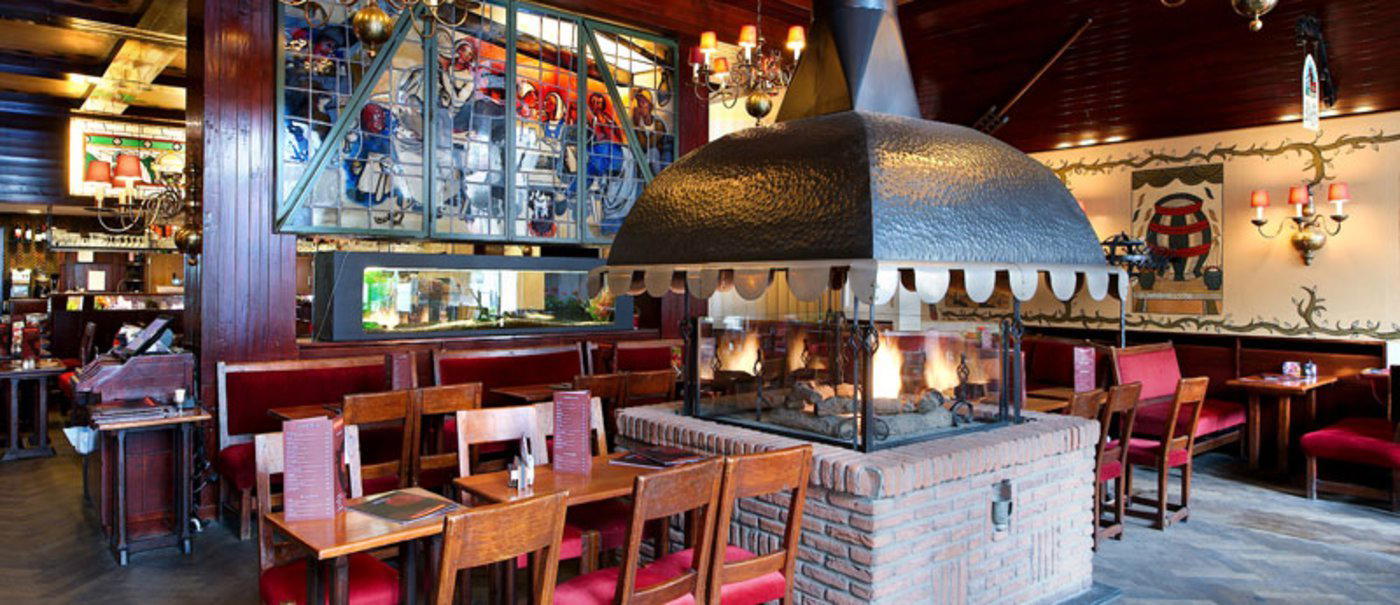
Cozy corner bar with chunky wooden tables, benches, and brick walls, offering a lively pub atmosphere.
Know Before You Go
- Getting there
- Pl. Fontainas 8, 1000 Bruxelles, Belgium