
Miyoshiya sits in Kyoto’s Gion-Shijo sweets circuit, where value is measured less by dining-room polish than by the precision of a small takeout format. Its Tabelog 100 selection for Japanese traditional sweets and sweets cafes in WEST 2023 places it among regional wagashi names that matter to locals as much as visitors.
Pearl is the En Primeur Club membership app — saves, bookings, and concierge access live there. Same editors, same standards.
- Address
- 京都府京都市東山区四条通大和大路西入ル廿一軒町226
- Website
- tabelog.com
- Directions
- Get directions
 Saves & bookings on Pearl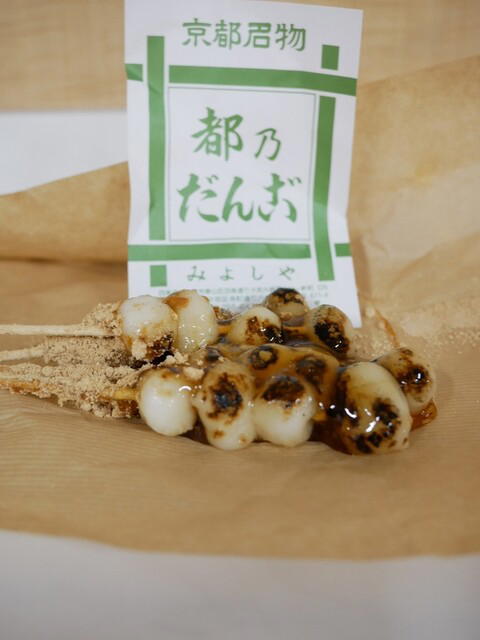
Gion-Shijo compresses Kyoto’s pleasures into tight blocks: theatre traffic, riverside walkers, temple-bound visitors, and a quick wagashi pause before the next appointment. Here, the sweets counter is not a consolation prize to kaiseki or sushi but a separate discipline of small portions, queue etiquette, and Kyoto’s habit of treating sugar, starch, and seasonality as serious craft.
Miyoshiya belongs to that compact world. The format is takeout, the category is Japanese traditional sweets, and the recognition is precise: selection for the Tabelog 100 Japanese traditional sweets / Japanese sweets cafe WEST list in 2023, with a Tabelog score of 3.65. That says more than a glossy room could. Kyoto offers many ways to spend heavily on ceremony; here, the proposition is a low-ticket encounter with a craft tradition often hidden inside tea rooms, department-store counters, and neighborhood shops.
Kyoto wagashi value is measured in craft, not tablecloths
Kyoto’s dessert culture rewards restraint. Its sweets tradition runs through tea practice, shrine approaches, festival calendars, and the daily omiyage economy, where a small box can carry more social weight than a lavish meal. The better end of the category is rarely about abundance. It is about proportion: controlled sweetness, disciplined texture, and a serving size that works between meals.
That is why a sub-¥1,000 average spend matters editorially. In Gion, where dinner prices climb quickly, this tier gives access to a recognized sweets specialist without a formal reservation. It also changes the rhythm of a Kyoto day. A traveler moving between Higashiyama, the Kamo River, and central shopping districts can treat wagashi as a planned cultural stop, not an afterthought. The value is not cheapness alone; it is the chance to read the city through a small purchase.
The comparison set sharpens the point. Gion Rohan and HANA-Kitcho represent more structured Japanese dining in Kyoto, while Kanesho occupies the city’s single-specialty eel tradition. BLUE FIR TREE sits in a casual sweets-and-cafe price band. Miyoshiya works in a narrower lane: traditional sweets without the expectations of a seated meal. For a Kyoto food itinerary, that difference matters more than ranking venues against each other. It answers a practical question: when should a stop be a full meal, and when should it be a precise, inexpensive expression of local food culture?
Kyoto’s premium dining scene can make visitors over-plan every bite. The smarter approach mixes formats: a formal Japanese meal, a coffee or bar stop, and one compact wagashi purchase that costs less than a taxi across town. For broader planning, Our full Kyoto restaurants guide gives the city-wide restaurant frame, while Our full Kyoto hotels guide, Our full Kyoto bars guide, Our full Kyoto wineries guide, and Our full Kyoto experiences guide place that food stop inside the rest of the trip.
The Gion-Shijo sweet stop works because it stays compact
The discipline is partly logistical. Takeout-only sweets shops in Kyoto require different attention from restaurants: decide quickly, keep the line moving, and treat the threshold as part of the experience rather than a lounge. Photography inside the store is prohibited, and the queue should not obstruct passage. These rules preserve small-format retail culture in a neighborhood where foot traffic can overwhelm narrow storefronts.
Reservations are unavailable, which suits the category. Wagashi shops often operate closer to daily craft retail than restaurant theatre, and the absence of a booking ritual keeps the value proposition intact. The trade-off is uncertainty: without published hours, timing should be conservative, especially where small specialists can sell through or pause service without the digital trail international travelers expect. Fold the stop into a Gion-Shijo walk rather than build an entire day around it.
Payment is another signal of scale. Credit cards, electronic money, and QR code payments are not accepted, so cash is the sensible default. Parking is unavailable, hardly a disadvantage here. The coherent move is rail and foot traffic, using Gion-Shijo as the anchor rather than treating the district like a car-based dining zone.
Within Kyoto’s casual-food map, this is a specialist punctuation mark, not a meal replacement. Travelers comparing nearby or city-wide options might look at 3TOKU6MI Shijo karasuma ten, 551蓬莱, [ki:], Abbesses, or Aburi Mochi Honke Nemoto Kazariya for different expressions of the city’s dining range. The useful distinction is format: counter, cafe, restaurant, shrine-side sweet, or takeout specialist. Kyoto rewards that categorization more than a single long hit list.
How to place it in a wider Japan itinerary
Miyoshiya is strongest as a low-cost cultural insert, not a trophy reservation. Its 2023 Tabelog 100 selection is a credible trust signal within western Japan’s wagashi and sweets-cafe category, while the average spend keeps risk low. That is rare in Gion, where international demand often pushes visitors toward expensive set meals or generic snack stops.
The broader lesson travels across Japan: not every meaningful food stop needs a long seating, named chef, or tasting format. Some of the country’s most useful eating happens in specific categories: sweets, pork buns, curry, sake bars, onigiri, grilled beef, charcoal seafood, and neighborhood cafes. Outside Kyoto, the same logic extends to -Grilled beef Sukiyaki- KAMAKURA TANUKIAN 鎌倉 たぬき庵 in Kamakura. 鮪と炭火焼き うお炭 秋葉原店 in Tokyo.cafe in Osaka.know in Kumamoto, (Shoku) Vietnam in Kawasaki, and [Curry Senmon Ten] Maruyama Kyoju. in Sapporo. For Japanese food culture abroad, Jōdo Saké Bar in Los Angeles and Onigiri Time in Pasadena show how tightly defined formats can carry a cuisine beyond Japan without pretending to be full-service fine dining.
The editorial verdict is simple: this is the Gion stop that makes sense when the day already contains temples, walking, and at least one larger meal. It asks for cash, patience, and good manners in line. In return, it gives a recognized Kyoto sweets experience at a price point that leaves the rest of the day open.
Reputation First
Comparable venues at a glance for context.
| Venue | Cuisine | Price | Notes |
|---|---|---|---|
| MiyoshiyaThis venue — the venue you are viewing | Japanese Traditional Sweets | $ | Not listed |
| 幻の中華そば加藤屋 百万遍にぼ次朗 | Niboshi (Dried Sardine) Jiro-Style Ramen | $ | Hyakumanben, Sakyo Ward |
| Takagi Coffee Ten Takatsuji honten | Japanese kissaten & coffee shop | $ | Shimogyō |
| Henkotsu | Traditional Kyoto Izakaya & Oden | $ | Shimogyō |
| Hosen JR shinkansen kyoto eki ten | Traditional Japanese sweets cafe | $ | Shimogyō |
| Tama Ki Tei | Japanese bakery & pastry shop | $ | Uji |
Recognition history
Dated appearances from independent guides and award organizations, with the underlying list record or original source where available.
Tabelog 100 #52 · No. 52
Tabelog · Tabelog 100 - Japanese traditional sweets / Japanese sweets cafe - WEST - 2023
Continue exploring
More in Kyoto
Restaurants in Kyoto
Browse all →
Bars in Kyoto
Browse all →
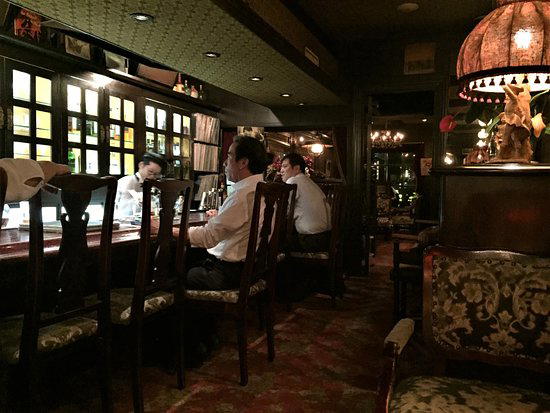
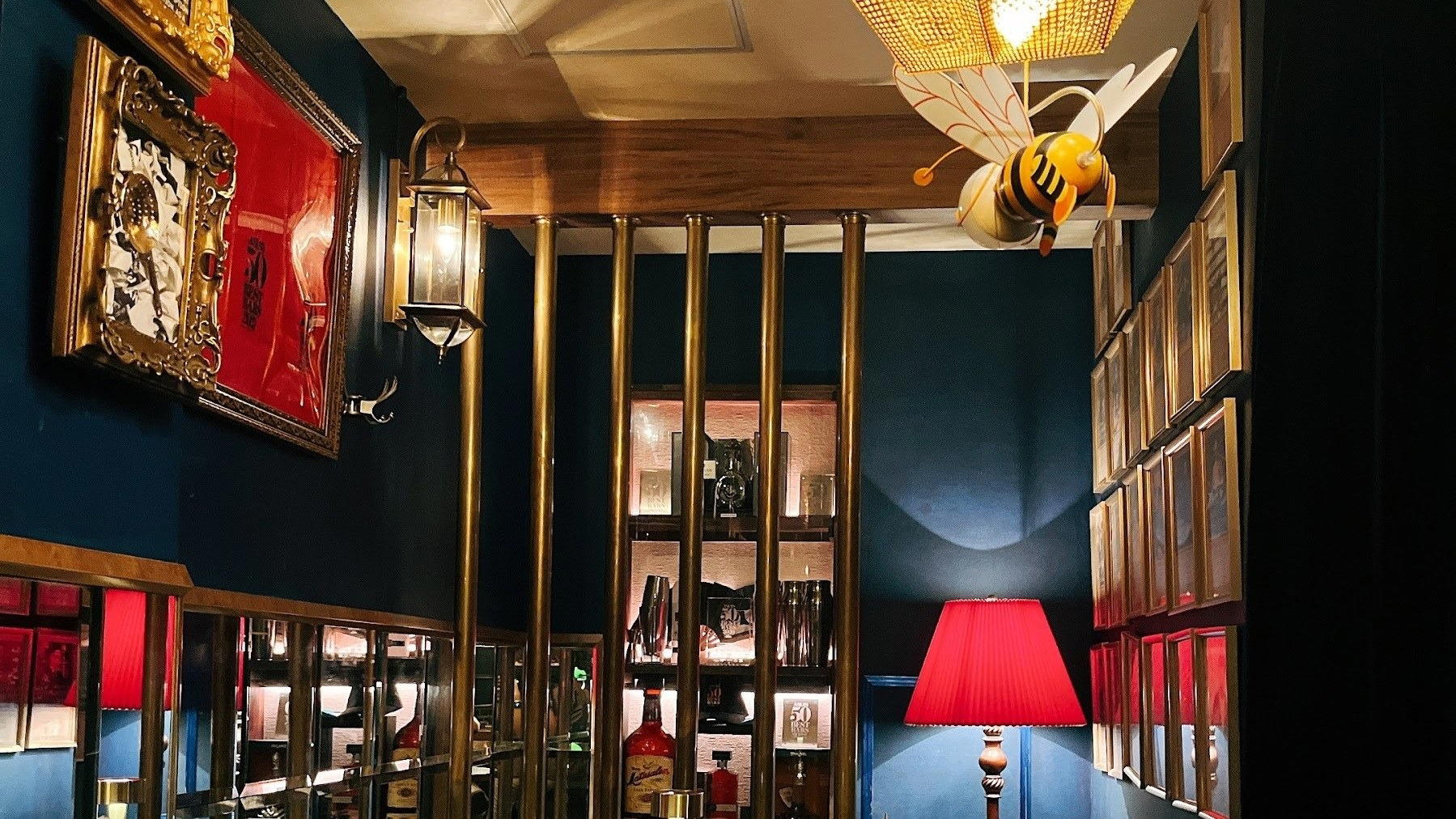
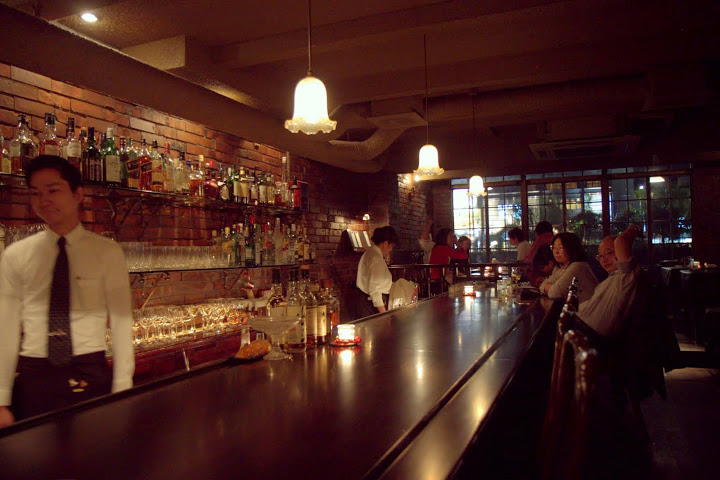
Hotels in Kyoto
Browse all →
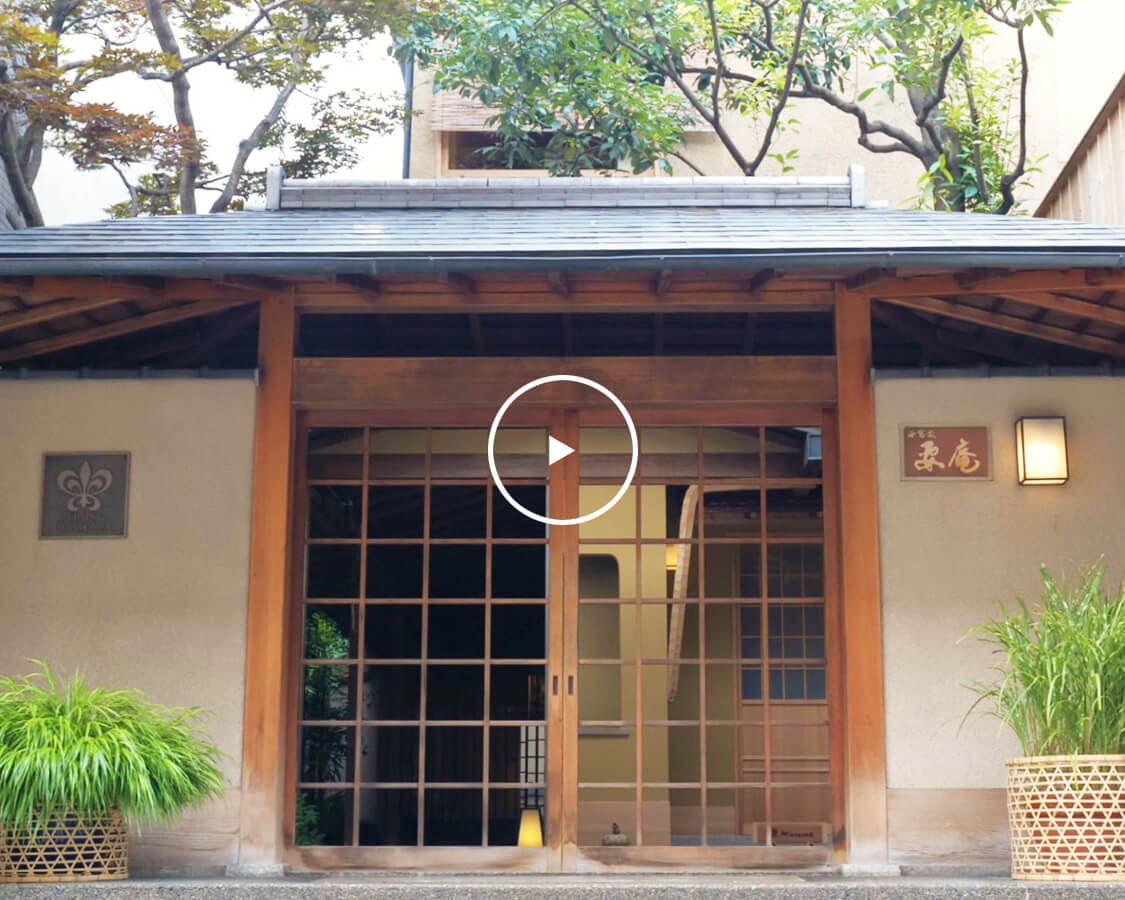
Wineries in Kyoto
Browse all →
At a Glance
- Classic
- Cozy
- Casual Hangout
- Solo
- Standalone
A compact, no-frills sweets shop with a traditional Kyoto neighborhood feel and a line-up-at-the-counter takeaway experience.