
Kin Fuku Hong Kong Bishoku brings Hong Kong cooking into Kudankita’s quieter dining grid, with wine treated as part of the format rather than an afterthought. Its Tabelog 100 selection for Chinese cuisine in Tokyo in 2026, 40-seat scale, and mid-range dinner bracket place it in a useful tier for travellers who want serious Chinese food without the ceremony of a long tasting counter.
Pearl is the En Primeur Club membership app — saves, bookings, and concierge access live there. Same editors, same standards.
- Address
- 1 Chome-9-12 Kudankita, Chiyoda City, Tokyo 102-0073, Japan
- Phone
- +81 3-3511-2202
- Website
- kinhuku.owst.jp
 Saves & bookings on Pearl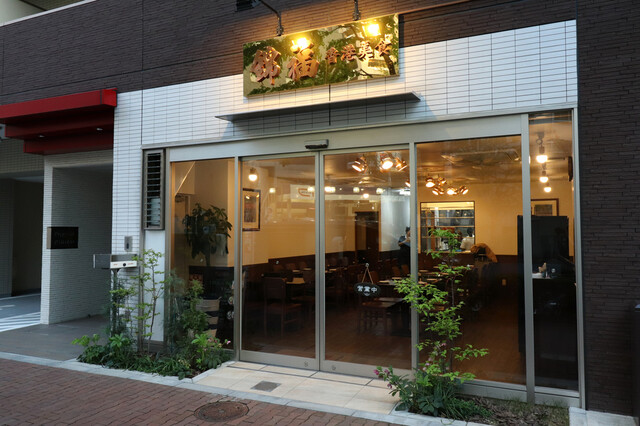
Kudankita is not Tokyo’s loud dining theatre. The approach is office blocks, station exits, and a calmer evening rhythm between Kudanshita, Iidabashi, and Jimbocho. That context matters: Chinese dining here often feels less like destination spectacle than after-work ritual, where tables, bottles, and repeat customers carry the room. Kin Fuku Hong Kong Bishoku fits that register: a Hong Kong-leaning Chinese restaurant with wine built into its identity and enough critical traction to sit inside Tabelog’s Chinese cuisine TOKYO 100 selection for 2026.
Tokyo’s Chinese scene is unusually stratified, from formal hotel dining rooms and chef-led tasting formats to specialist noodle, curry, and regional shops built on narrow focus. This Kudankita address occupies a middle lane: a 40-seat, table-led restaurant whose listing shares Chinese and wine bar categories. That pairing is the editorial point. In a city where sake, shochu, and beer dominate many casual Chinese meals, a wine-forward Chinese room signals a slower evening, matching Cantonese-Hong Kong structure to bottles over several courses.
Hong Kong cooking, Tokyo pacing, and a wine-first reading of the meal
The restaurant’s public identity points to Hong Kong cuisine shaped by chefs trained at Tokyo Fukurinmon Ginza Main Store, placing the cooking in a lineage familiar to diners who follow Cantonese dining in the city. That detail matters less as biography than context: Tokyo’s better Chinese restaurants often prize technique, restraint, and product handling over high-volume banquet style. In this register, Hong Kong cooking moves easily between seafood, roast, wok, soup, and vegetable courses, giving wine more room than a single-dish specialist would.
The wine emphasis is not decorative. The restaurant is categorized as both Chinese and wine bar, and its drink listing specifies wine with particular attention to wine. For travellers, that changes the decision. This is not for a quick bowl before a train transfer; read it as a Chinese dinner where bottle selection is part of the architecture. The price band helps define the tier: JPY 6,000 to JPY 7,999 at dinner, above everyday neighbourhood Chinese dining but below Tokyo’s elaborate tasting-menu rooms. That gap is where strong local restaurants often live: less scripted, more flexible, and reliant on regulars who know how to order.
Tabelog’s 2026 Chinese cuisine TOKYO 100 selection is a meaningful trust signal in a crowded category. It is not Michelin shorthand and should not be read as such; it is Tokyo-specific recognition for sustained diner attention within a genre. The restaurant was also selected for the Chinese cuisine TOKYO 100 lists in 2023 and 2024, so the repeat appearance suggests consistency rather than one season of online heat.
Kudankita rewards diners who understand the neighbourhood map
Kudankita sits in a useful eating triangle: close to Jimbocho’s bookshop-and-curry culture, near Iidabashi’s after-work routes, and removed from Ginza’s polished expense-account circuit. That geography explains part of the appeal. A Hong Kong Chinese restaurant with wine here need not perform luxury in the usual Tokyo manner; it can work as a grown-up local address, where table size, bottle choice, and pacing matter more than decorative drama.
Comparison clarifies the lane. TOKYO BHAVAN occupies a lower-priced South Asian bracket in Tokyo, while Jimbocho Gokita points toward the city’s yakitori vocabulary nearby. Kanda Coffee belongs to a daytime, under-JPY 999 rhythm. Kin Fuku Hong Kong Bishoku sits apart: Chinese, wine-oriented, dinner-led, and priced for a fuller evening. It is useful for visitors staying around central Tokyo who want something more regionally specific than generic izakaya dining but less formal than a hotel Cantonese room.
The format has practical implications for groups. Forty seats, table seating, and private use availability for 20 to 50 people mean the room can absorb business dinners and larger gatherings better than Tokyo’s small counter restaurants. Private rooms are not part of the setup, so privacy comes from booking shape rather than architecture. Smoking is allowed in all seats, and children are not admitted under the stated smoking policy, a material trip-planning point.
How to place it in a Tokyo dining itinerary
The cleanest use case is a weekday Chinese dinner with wine, especially for travellers whose plans already include the imperial-palace side of Chiyoda, Jimbocho, or Kagurazaka. It suits an itinerary that treats Tokyo as specialist neighbourhoods rather than one restaurant checklist. For broader planning, use Our full Tokyo restaurants guide, then triangulate nearby and category-adjacent options such as 124. KAGURAZAKA (Yakitori), 3 Chome no Curry Ya San, 12/10 Shinjuku ten, . 鮪と炭火焼き うお炭 秋葉原店, and 2D Cafe.
Travellers building a fuller Japan route can compare the Tokyo choice with dining stops outside the capital, from -Grilled beef Sukiyaki- KAMAKURA TANUKIAN 鎌倉 たぬき庵 in Kamakura and.cafe in Osaka to.know in Kumamoto, (Shoku) Vietnam in Kawasaki, [Curry Senmon Ten] Maruyama Kyoju. in Sapporo, and [ki:] in Kyoto. For a wider city plan, the relevant companion rails are Our full Tokyo hotels guide, Our full Tokyo bars guide, Our full Tokyo wineries guide, and Our full Tokyo experiences guide. Cross-Pacific readers tracking Japanese drinking and casual-food culture can file Jōdo Saké Bar in Los Angeles and Onigiri Time in Pasadena as reference points, though the Kudankita meal belongs to a different, wine-led Chinese tradition.
The editorial read is clear: choose this address for Hong Kong-style Chinese cooking in a Tokyo neighbourhood setting where wine has a defined role. The value is the combination of category recognition, moderate dinner pricing, repeat Tabelog 100 selection, and a room scaled for conversation rather than performance.
Similar Picks
Comparable venues for context, by category and price tier.
| Venue | Cuisine | Price | Notes |
|---|---|---|---|
| Kin Fuku Hong Kong BishokuThis venue — the venue you are viewing | Hong Kong / Cantonese Chinese | $$ | |
| Wee Nam Kee Chicken Rice (威南記 海南鶏飯) | Singaporean Hainanese Chicken Rice | $$ | Shibaura |
| Chinkai Rou | Traditional Chinese dumpling house & izakaya | $$ | Shinagawa |
| Nihao | Chinese dumpling house (gyoza specialist) | $$ | Shibuya |
| 虎ノ門PAIRON | Taiwanese Gyoza Izakaya | $$ | Toranomon |
| Okei (おけ以) | Traditional Chinese Gyoza | $$ | Iidabashi |





At a Glance
- Hidden Gem
- Sophisticated
- Cozy
- Intimate
- Date Night
- Business Dinner
- Group Dining
- Special Occasion
- Standalone
- Beer Program
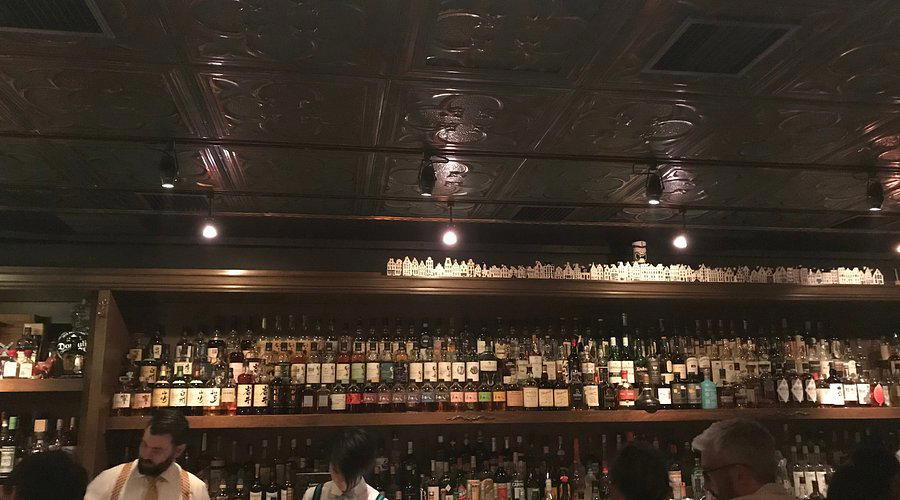
A discreet, house-style setting with a refined, intimate feel that reads as a sophisticated hidden gem rather than a casual neighborhood eatery.