KAZUMI
KAZUMI occupies a quietly considered address on Podunajská in Bratislava's outer districts, operating at an intersection that defines much of the city's more ambitious dining: technique imported from outside Central Europe applied to ingredients sourced from Slovak land. The address alone signals a destination rather than a convenience stop, visitors arrive with intent, not by accident.
Pearl is the En Primeur Club membership app — saves, bookings, and concierge access live there. Same editors, same standards.
- Address
- Podunajská 31, 821 06 Bratislava, Slovakia
- Phone
- +421911249142
- Website
- kazumi.sk
- Directions
- Get directions
 Saves & bookings on Pearl
Where Slovak Produce Meets Imported Discipline
Bratislava's dining scene has spent the better part of a decade working through a productive tension: a deep larder of domestic ingredients, river fish, highland game, foraged mushrooms, mountain dairy, meeting cooking methods that the city historically had limited access to. The restaurants resolving that tension most interestingly tend not to be in the old town tourist corridor. They tend to be further out, at addresses like Podunajská 31, where the audience is local and the operating logic is tighter.
KAZUMI sits at that intersection. The address places it in a quieter residential quarter southeast of the historic centre, which tells you something about how it positions itself before you cross the threshold. In cities where considered cooking often migrates away from high-footfall tourist zones, an outlying postcode can function as a signal of purpose. Venues operating in those zones rely on repeat local clientele and deliberate destination visitors rather than casual walk-in traffic, a dynamic that tends to sharpen kitchen discipline over time.
The Global-Local Framework That Defines Bratislava's Ambitious Dining
To understand KAZUMI's position, it helps to map the broader category it inhabits. Bratislava currently sustains a small but identifiable cohort of restaurants applying non-Central European culinary frameworks to Slovak-sourced or Slovak-adjacent products. Venues like Al Faro work an Italian-Slovak axis; others approach fusion more loosely. KAZUMI's name suggests a Japanese orientation, which would place it in a narrower subset: Japanese technique, or Japanese-inflected sensibility, applied within a Central European ingredient context.
That combination is genuinely sparse in the Slovak capital. Japanese cuisine at any serious level of execution requires specialised knife skills, an understanding of fermentation logic, temperature precision in service, and a supply chain for specific proteins or condiments, most of which have to be sourced internationally or substituted thoughtfully. The venues doing that work in cities like Bratislava occupy a different comparable set than local comfort-food restaurants such as Ako doma or Slovak-modern operators like APOLKA Restaurant. They're not competing on the same terms and shouldn't be evaluated by the same metrics.
For a useful international reference point on what Japanese-technique restaurants look like at their highest execution, Atomix in New York City demonstrates how Korean-Japanese crossover can work at a multi-award level, the discipline of service, the precision of sourcing, and the restraint in presentation are the same variables that matter at smaller, less decorated addresses operating in similar creative territory. Closer to European haute cuisine, Le Bernardin in New York City represents the benchmark for how imported technique can define a restaurant's identity independent of geography.
The Ingredient Argument for Bratislava's Position
Slovakia's food geography is underutilised relative to its actual range. The Danube corridor produces freshwater fish, carp, perch, pike-perch, that, prepared with Japanese knife work and temperature awareness, translate into something genuinely different from their Central European preparation defaults. Highland regions contribute game and lamb that respond well to koji-based dry-aging or miso-adjacent fermentation. The foraging calendar, particularly autumn, produces fungi and herbs that fit naturally into dashi-based broths. None of this requires artifice; it requires technique and intention.
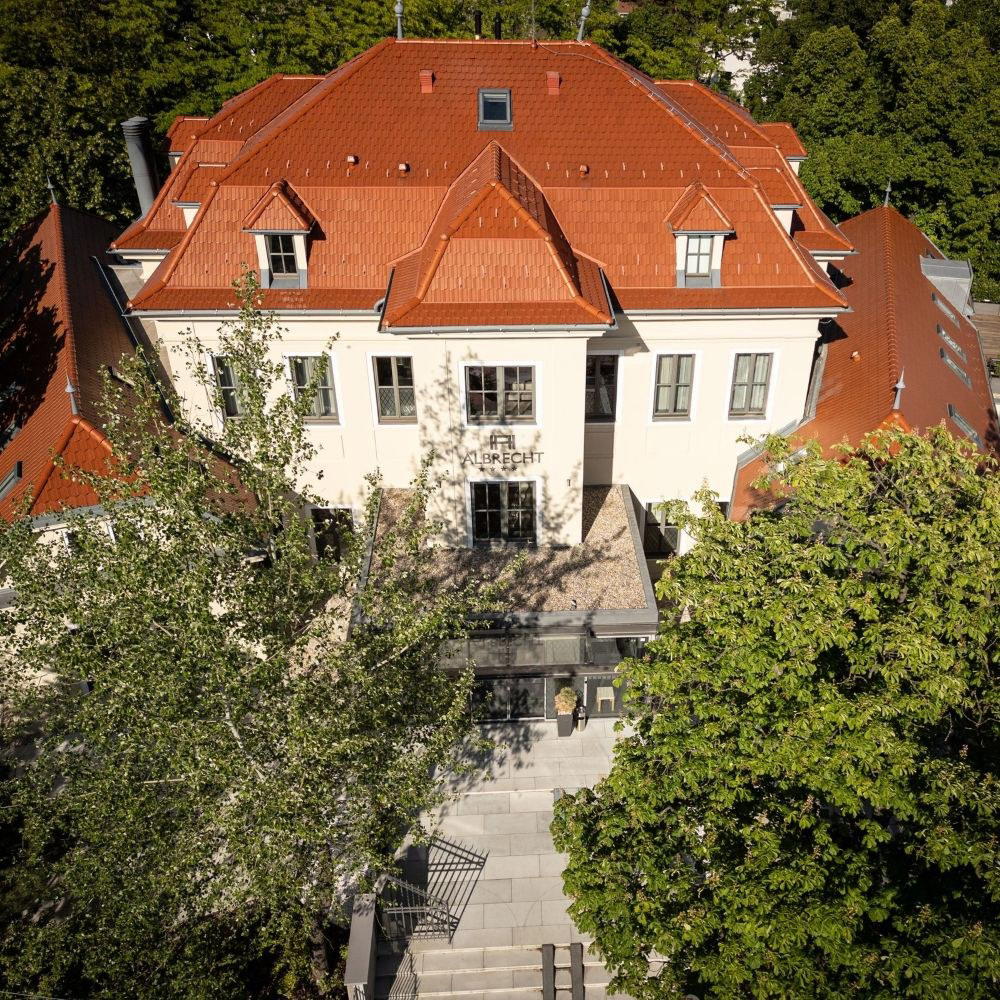
The broader Slovak dining scene is beginning to articulate these possibilities more clearly. Restaurants like Albrecht Restaurant and Antica Toscana operate in their own registers, but collectively they help establish that Bratislava has a functioning tier of considered restaurants above casual dining. KAZUMI, in the Japanese-inflected category, operates with fewer direct local comparators, which is both a structural advantage and an accountability gap. There are fewer reference points for diners calibrating expectations.
Seasonal Logic and the Visiting Window
Late autumn through early spring is when the Slovak ingredient argument for Japanese-technique cooking is strongest. Game season runs from autumn into winter; root vegetables and preserved ferments are at peak availability; the Danube's cold-water fish are at their firmest. For visitors planning a Bratislava trip with a restaurant agenda, the October-to-February window tends to reward the kind of cooking that combines local larder depth with precision-led preparation. Summer, by contrast, favours lighter produce and different proteins, which may shift the menu register considerably.
For context on how Slovakia's restaurant culture plays out beyond the capital, addresses like Koliba Patria in Strbske Pleso and Fatrabeef in Lubochna illustrate how traditional Slovak ingredient thinking operates in mountain and rural formats, useful context for understanding what KAZUMI is departing from and what it might be drawing on. Regional Slovak dining is also represented at venues like Focus Restaurant in Zilina and the more informal end of the spectrum at Bulli Kebab in Kosice.
For a complete map of where KAZUMI sits within the capital's broader dining choices, our full Bratislava restaurants guide covers the range from Slovak comfort cooking to international addresses across all price tiers. Additional context on the wider Slovak restaurant scene is available through listings including Hotel & Restaurant Gino Park Palace in Povazska Bystrica, Klára v GOYA vitality hotel in Voderady, KOLIBA na Vršku in Bytca, Holotéch víška in Kosariska, Kaštieľ Čičmany in Cicmany, and Afrodita in Cerenany.
Planning Your Visit
KAZUMI's address at Podunajská 31 in the 821 06 postal district places it outside the immediately walkable central tourist zone. Getting there from the old town requires a tram or taxi, roughly ten minutes by car in normal traffic, longer on public transport depending on the connection. For visitors staying in the centre, treating the journey as part of the destination logic (rather than an inconvenience) is the right frame: this is not a restaurant you happen upon. Booking in advance is advisable given the restaurant's outlying address, which typically means a smaller, more local-facing clientele and correspondingly limited covers on any given evening.
Similar Picks
Comparable venues nearby, for context on price, style, and recognition.
| Venue | Cuisine | Price | Notes |
|---|---|---|---|
| KAZUMIThis venue — the venue you are viewing | Japanese Sushi & Teppanyaki | $$$ | Not listed |
| Kinka Ramen | Authentic Japanese Ramen | $$ | Staré Mesto |
| Mezcalli | Modern Mexican Taqueria | $$$ | Staré Mesto |
| Edomae Sushi Matsuki | Traditional Edomae Sushi Omakase | $$$$ | Staré Mesto |
| Batoni | Authentic Georgian | $$$ | Nové Mesto |
| Ristorante Italiano da Cono Light Park | Authentic Southern Italian Trattoria | $$ | Nové Mesto |
Continue exploring
More in Bratislava
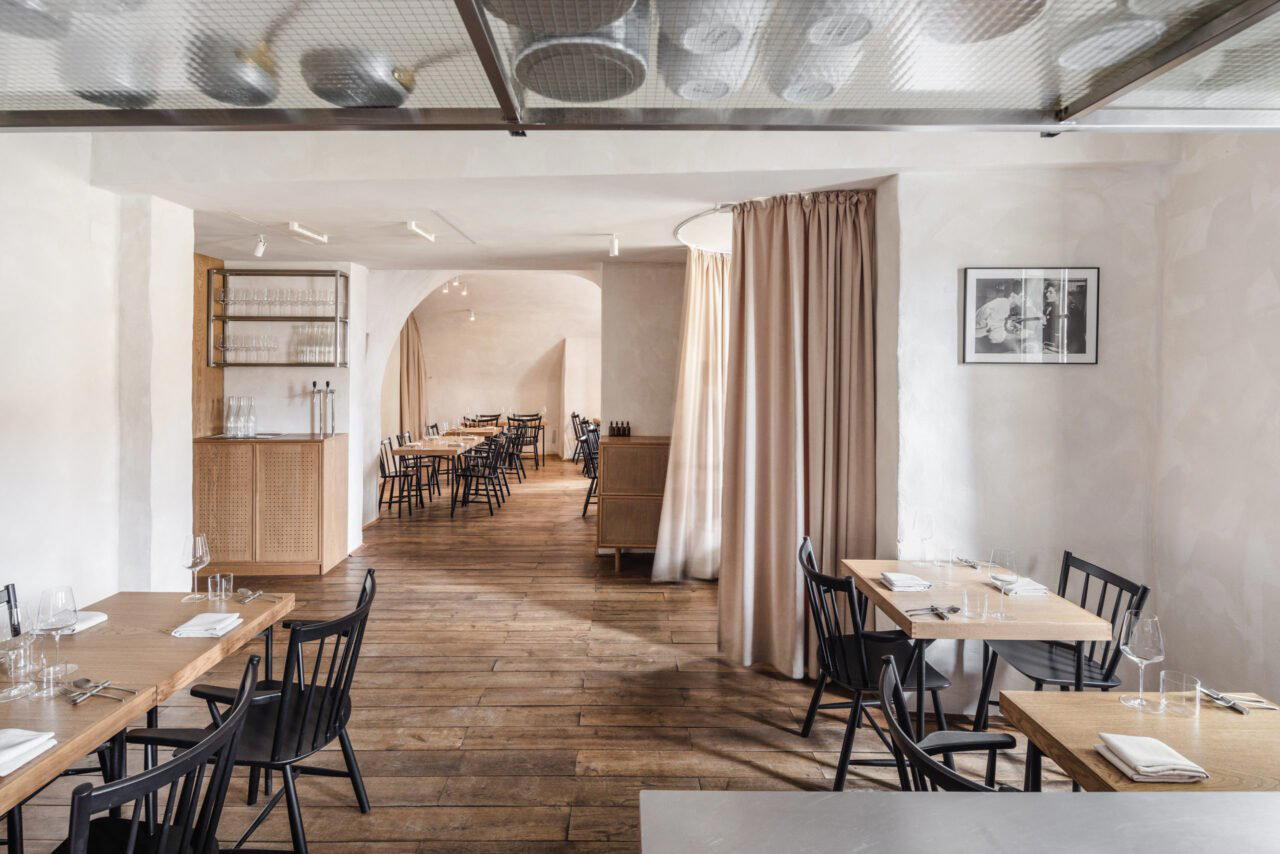
Restaurants in Bratislava
Browse all →
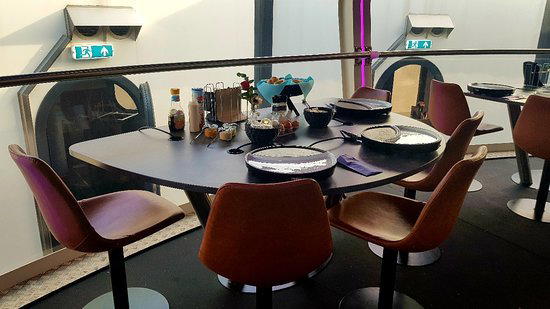
Bars in Bratislava
Browse all →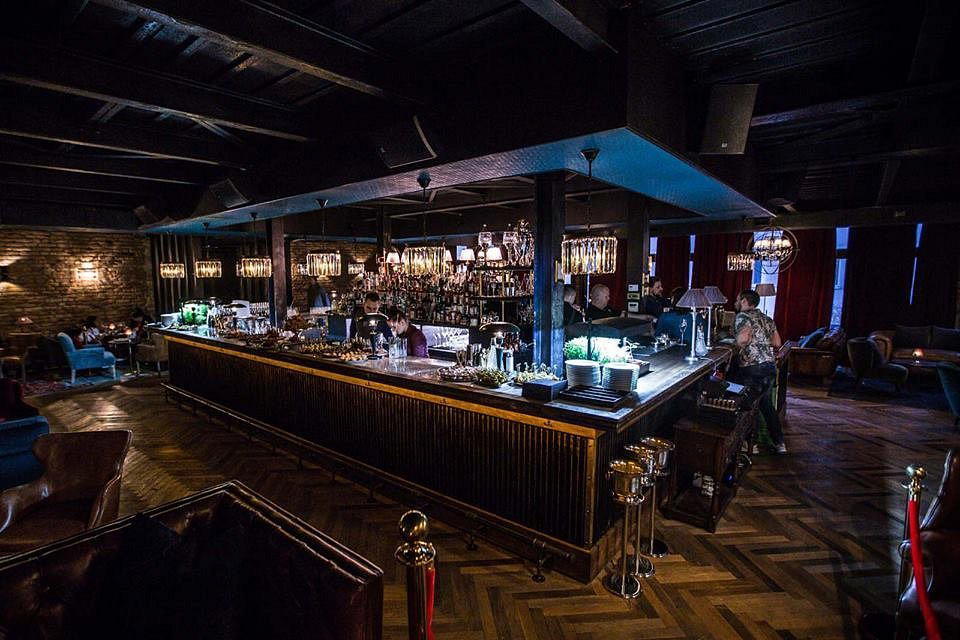
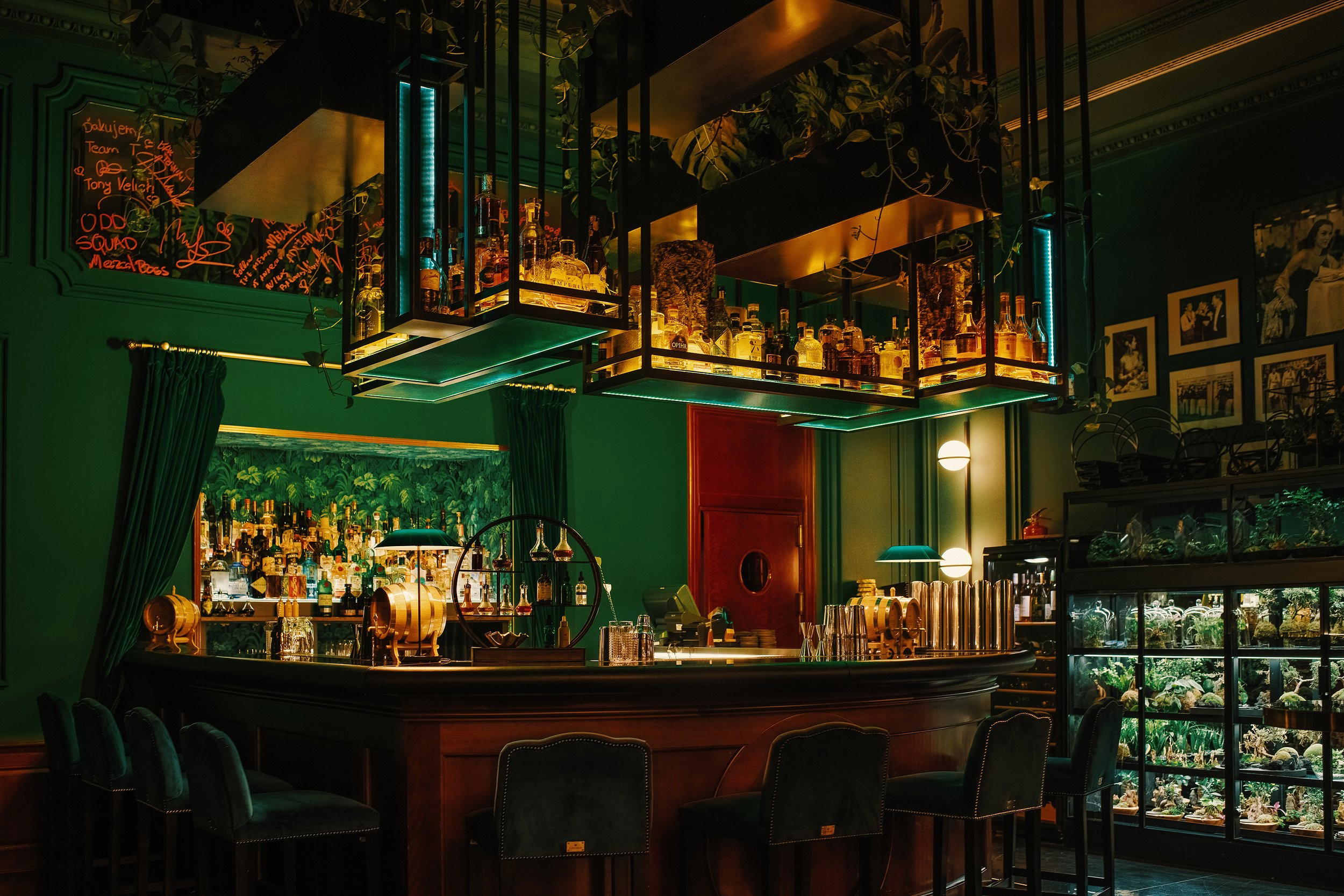
Hotels in Bratislava
Browse all →
At a Glance
- Cozy
- Modern
- Date Night
- Casual Hangout
- Open Kitchen
- Waterfront
Current opening hours
- Monday
- 11 AM–10 PM
- Tuesday
- 11 AM–10 PM
- Wednesday
- 11 AM–10 PM
- Thursday
- 11 AM–10 PM
- Friday
- 11 AM–10 PM
- Saturday
- 11 AM–10 PM
- Sunday
- 11 AM–10 PM
Hours can change for holidays and private events. Last verified .
Cosy atmosphere with modern and clean decor.