
Weingut Keringer operates from Mönchhof in the Burgenland wine country, where the shallow soils and heat-accumulating terrain around Lake Neusiedl produce wines of uncommon concentration and character. It is a reference point for the region's potential in red and white varieties alike.
Pearl is the En Primeur Club membership app — saves, bookings, and concierge access live there. Same editors, same standards.
- Address
- Wr. Str. 22, 7123 Mönchhof
- Phone
- +43 2173 80380
- Website
- keringer.at
- Directions
- Get directions
 Saves & bookings on Pearl
Where Pannonian Soils Do the Talking
The flat, wind-scoured terrain east of Lake Neusiedl looks improbable wine country until you look closer at the soil profiles. Mönchhof sits in Burgenland's Neusiedlersee DAC zone, where sandy loam, loess, and gravel deposits combine with extreme diurnal temperature shifts and a lake-moderated microclimate to produce a growing environment unlike anywhere else in central Europe. The result is grapes that arrive at harvest with high natural sugar accumulation and aromatic intensity, without the cooked quality that comparable heat in, say, southern Spain or California's Central Valley can produce. The lake acts as a thermal buffer, extending the growing season and providing the kind of slow, measured ripeness that winemakers at this latitude can rarely take for granted.
Weingut Keringer, situated at Wr. Str. 22 in the village of Mönchhof itself, is a product of this specific geography. That distinction matters in a zone where good weather almost everyone can turn into acceptable wine, but only a smaller group of estates translate terroir fidelity into consistent quality across vintages and varieties.
The Neusiedlersee DAC and What It Demands of a Producer
Burgenland has spent the past two decades reshaping its identity in the international market. Once associated almost entirely with botrytis dessert wines from producers like Weingut Kracher in Illmitz, the region has built a credible case for dry reds, particularly Blaufränkisch and Zweigelt, alongside structured whites. The Neusiedlersee DAC appellation formalises that case, setting parameters around origin and variety that give producers a framework for positioning.
The comparison set is meaningful: Weingut Pittnauer in Gols and Weingut Pöckl, also based in Mönchhof, represent the kind of Burgenland producers who have built reputations on terroir-led work and awards consistency. Keringer occupies a similar altitude within that conversation.
The broader Austrian wine context provides additional frame of reference. Houses like Weingut Bründlmayer in Langenlois and Weingut Emmerich Knoll in Dürnstein have anchored Austria's premium identity in the Wachau and Kamptal, where Grüner Veltliner and Riesling dominate. Burgenland operates on a different register entirely: warmer, flatter, more continental. What producers in the Neusiedlersee zone are doing with red varieties is categorically distinct from what Knoll or Bründlmayer produce, and should be evaluated on that basis.
Sandy Soils, Shallow Water Tables, and the Logic of Concentration
The particular soil composition around Mönchhof rewards producers who understand what the land is asking for. Sandy soils in many European wine regions are associated with lighter, earlier-drinking wines. Here, that tendency is counteracted by the heat accumulation from the lake's reflective surface and the sheer sun exposure of the flat Pannonian plain. Vines in sandy soils also develop differently: root systems tend to spread wide rather than deep, and yields are naturally managed by the soil's low water retention in dry spells. The result is small berries with concentrated skins, a precondition for the kind of red wines that carry real structure without requiring aggressive extraction in the cellar.
For white varieties, the combination of warm days and cool nights produces grapes with good aromatic development and the retained acidity that prevents flatness in the glass. This is the logic behind why Burgenland whites, when they work, feel both weighty and fresh at the same time: the climate builds the weight, the temperature differential at night preserves the tension.
Planning a Visit
Mönchhof is a small village, and visiting producers in this area requires intent. The Neusiedlersee wine route passes through several nearby communes, and most serious estates in the zone receive visitors by appointment rather than walk-in. Keringer is addressable directly at Wr. Str. 22. For those building a wider Burgenland itinerary, the surrounding villages of Gols, Illmitz, and Andau each contain producers worth scheduling; Weingut Scheiblhofer in Andau operates across wine and distilled spirits, offering a different dimension to the visit. Weingut Heinrich Hartl in Oberwaltersdorf extends the radius slightly south toward the Thermenregion for producers interested in comparing zones.
The region is most accessible from Vienna, which sits roughly 60 kilometres to the northwest. Spring and autumn are practical seasons for producer visits: late September through October aligns with harvest activity, while April and May offer a quieter cellar atmosphere. Summer visits are entirely feasible but the flat terrain and heat make midday movement less comfortable than early morning or evening.
For a broader map of what the Mönchhof area offers, the village and its immediate neighbours merit a closer look. Austrian wine enthusiasts building a national itinerary might also look at Weingut Wohlmuth in Kitzeck in Styria for a southern counterpoint, or explore outside Austria entirely with references like Accendo Cellars in St. Helena and Aberlour for how other premium-tier producers anchor identity to specific place.
At-a-Glance Comparison
Comparable venues nearby, for context on price, style, and recognition.
| Venue | Cuisine | Price | Notes |
|---|---|---|---|
| Weingut KeringerThis venue — the venue you are viewing | Zweigelt, Blaufränkisch | $$ | Not listed |
| Weingut Pöckl | Zweigelt, Blaufränkisch | $$$ | Mönchhof |
| Stock Austria Distillery | Winery | Not listed | Vienna |
| Andert Distillery | Zweigelt | Not listed | Pamhagen |
| Weingut Strehn | Blaufränkisch, Zweigelt | $$ | Deutschkreutz |
| Weingut Kerschbaum | Blaufränkisch, Zweigelt | $$ | Horitschon |
Recognition history
Dated appearances from independent guides and award organizations, with the underlying list record or original source where available.
Falstaff Winery - 3 Stars
Falstaff
Continue exploring
More in Mönchhof
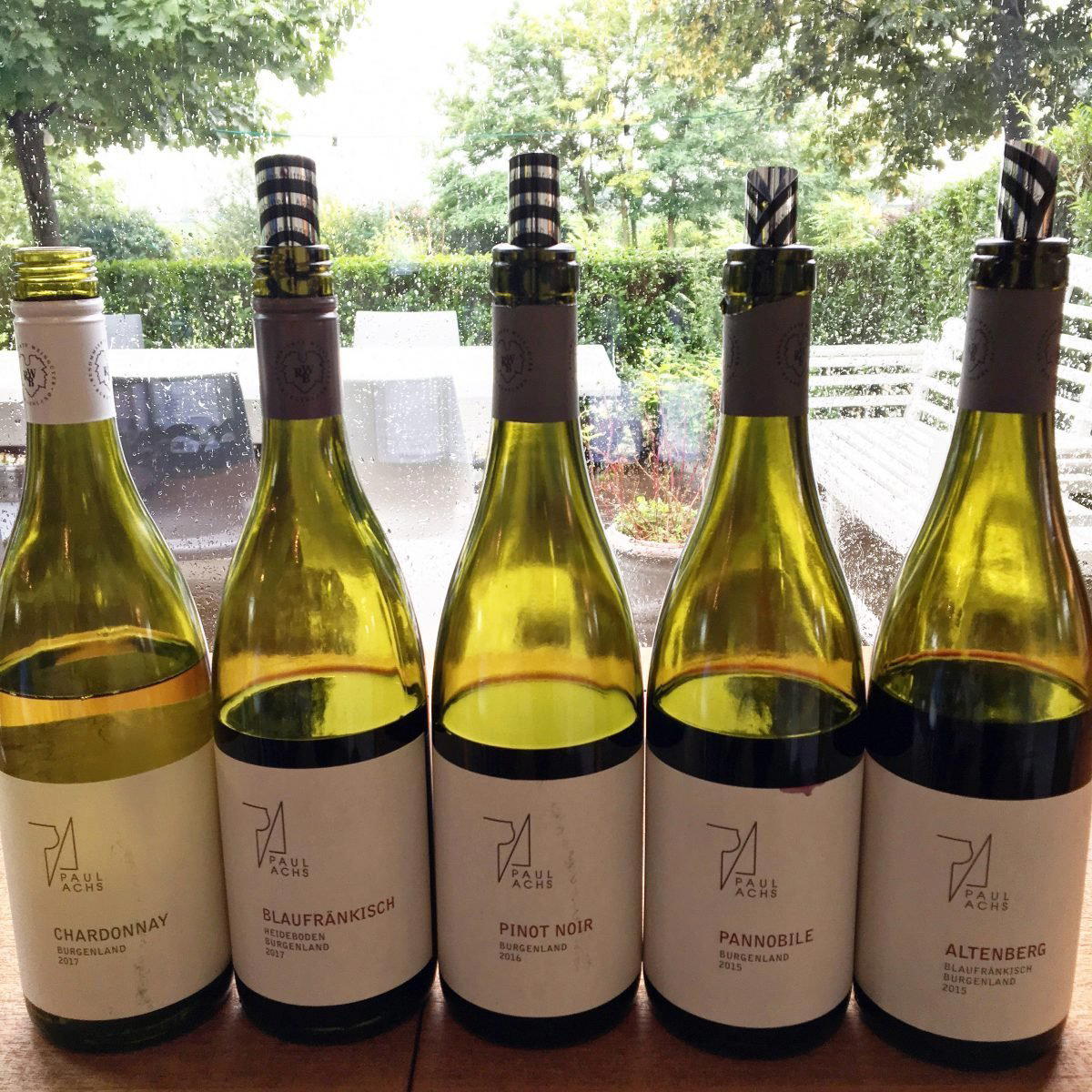
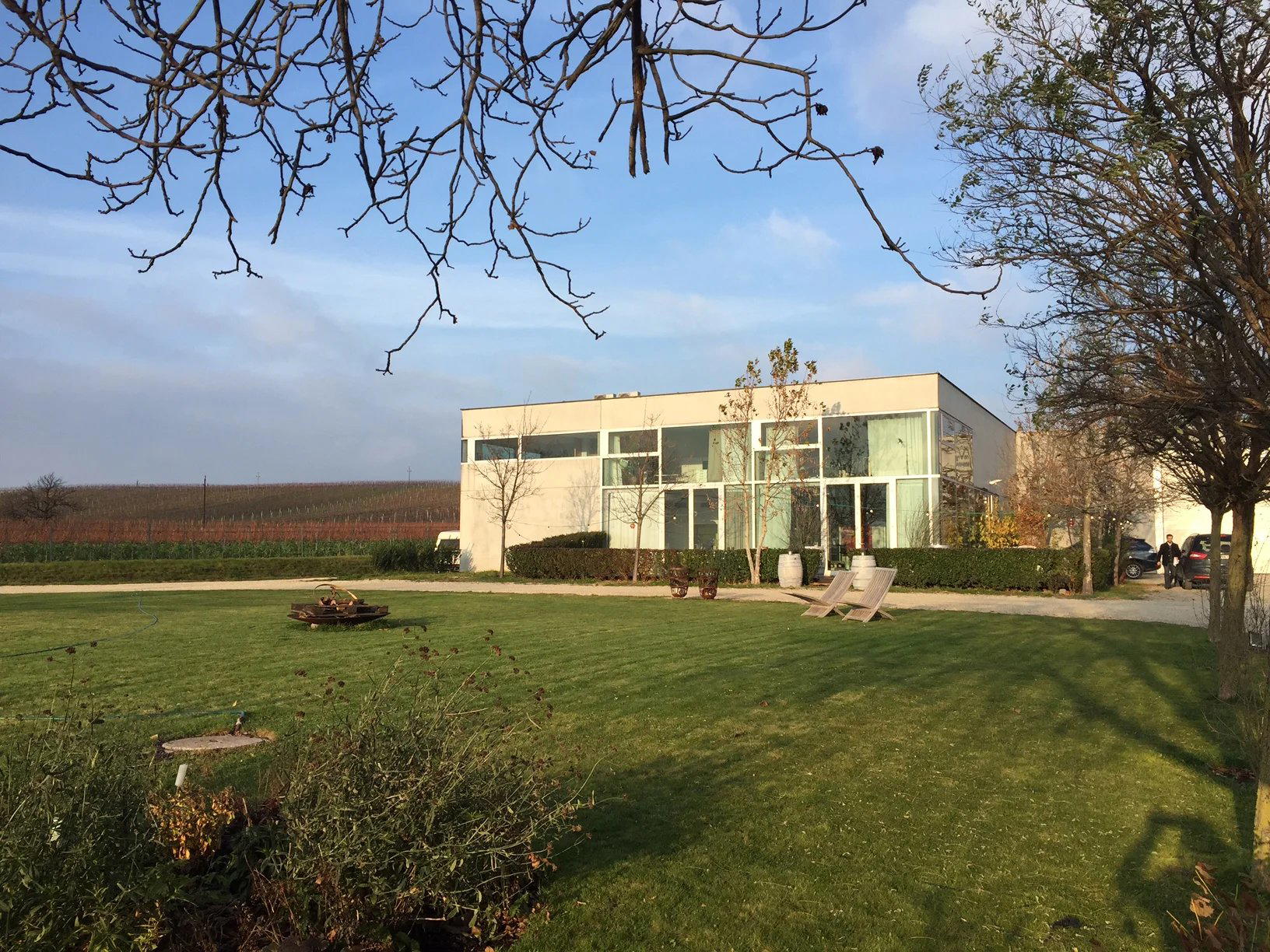
Wineries in Mönchhof
Browse all →
Bars in Mönchhof
Browse all →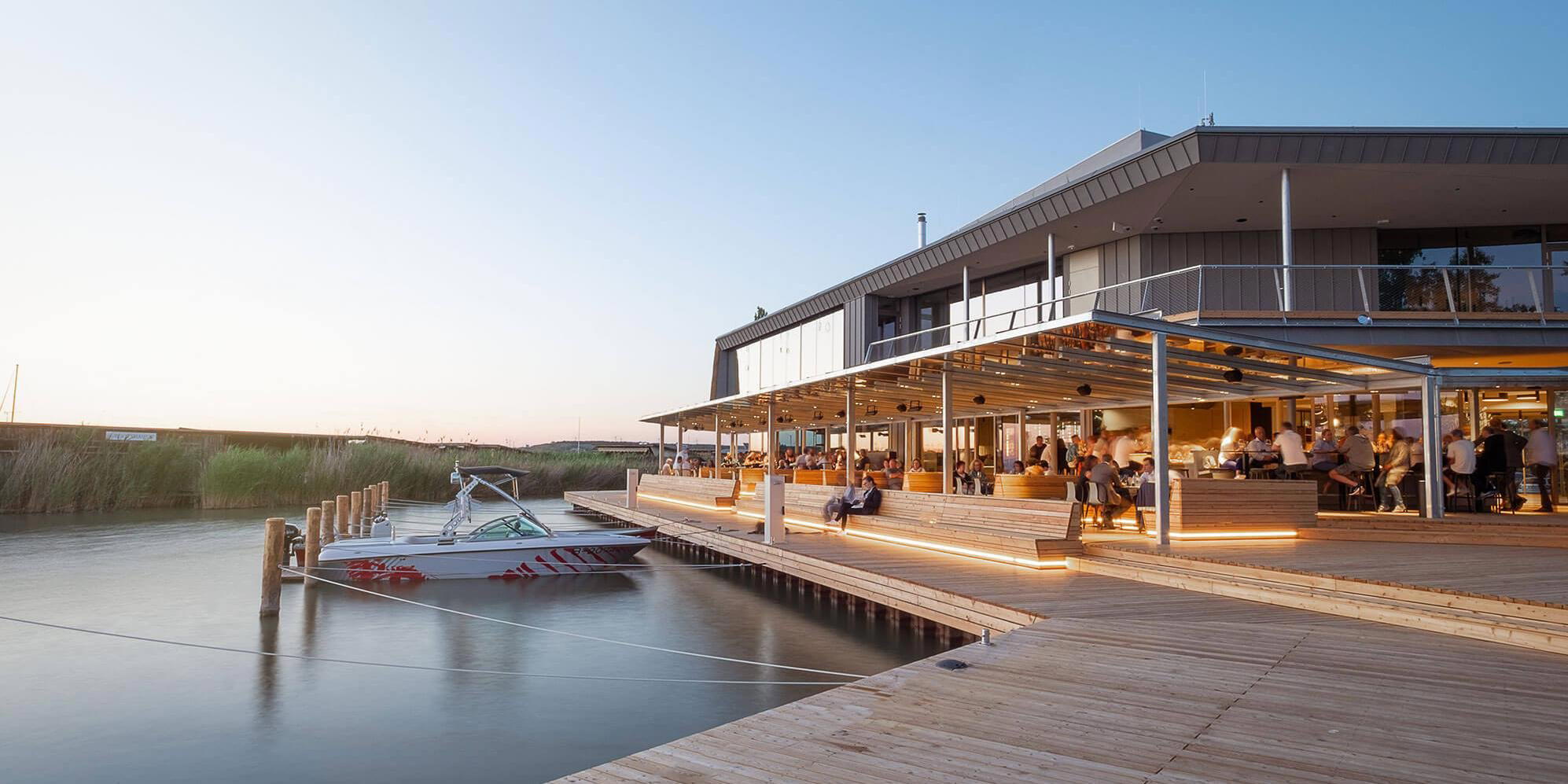
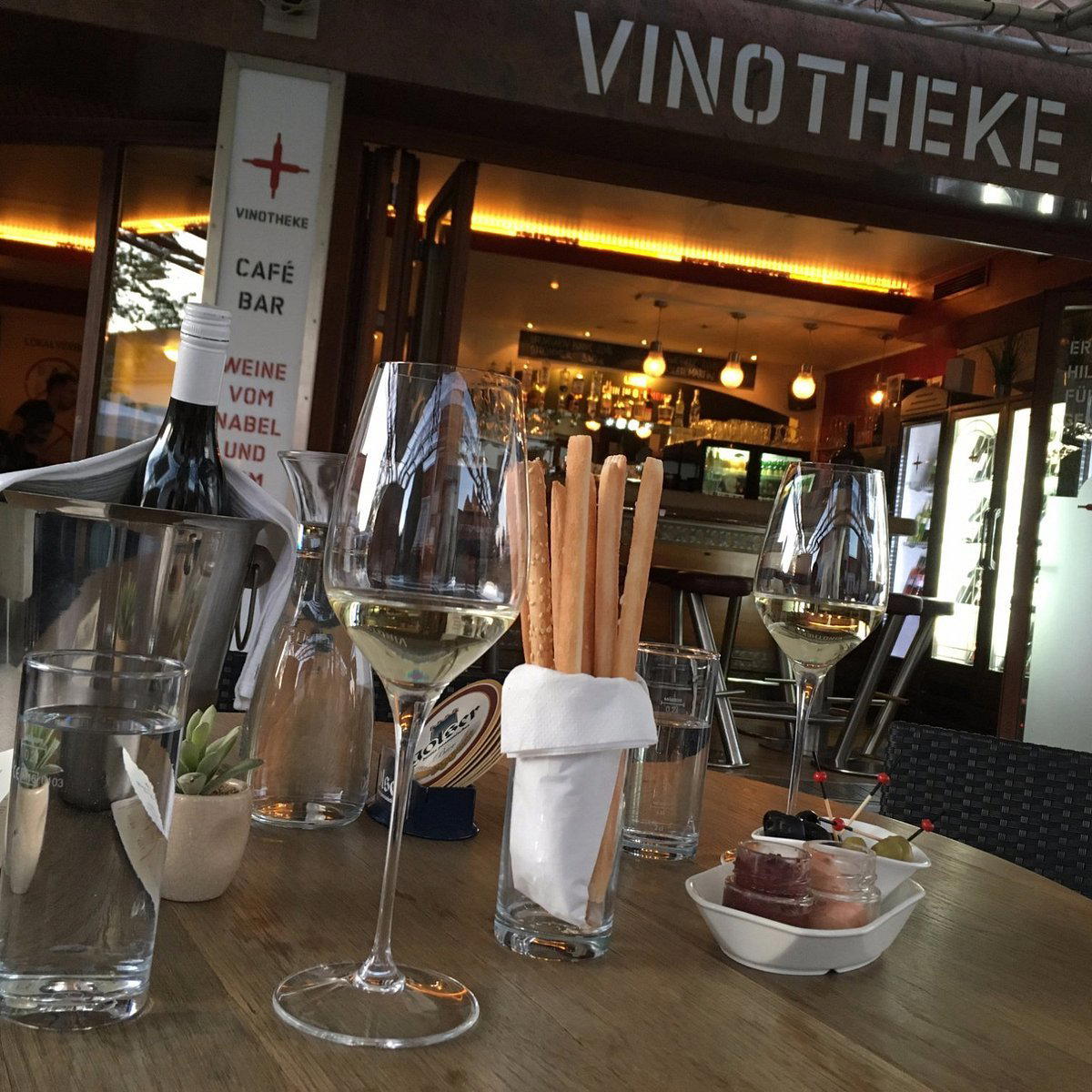

Restaurants in Mönchhof
Browse all →
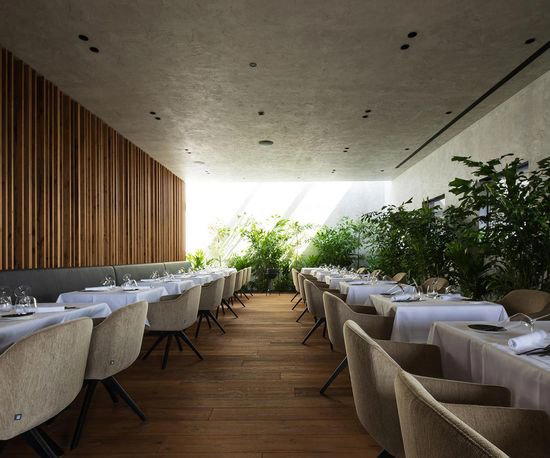
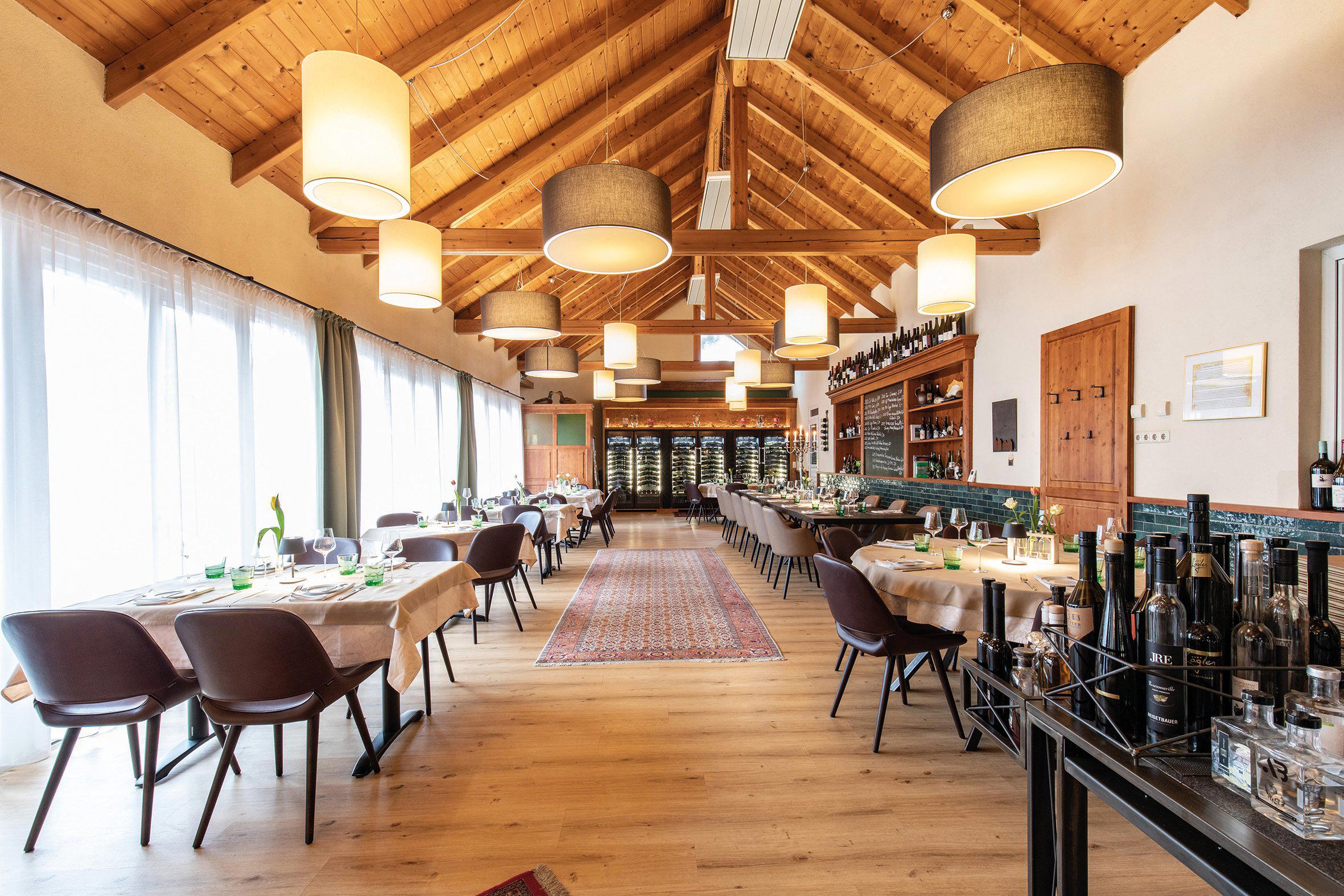
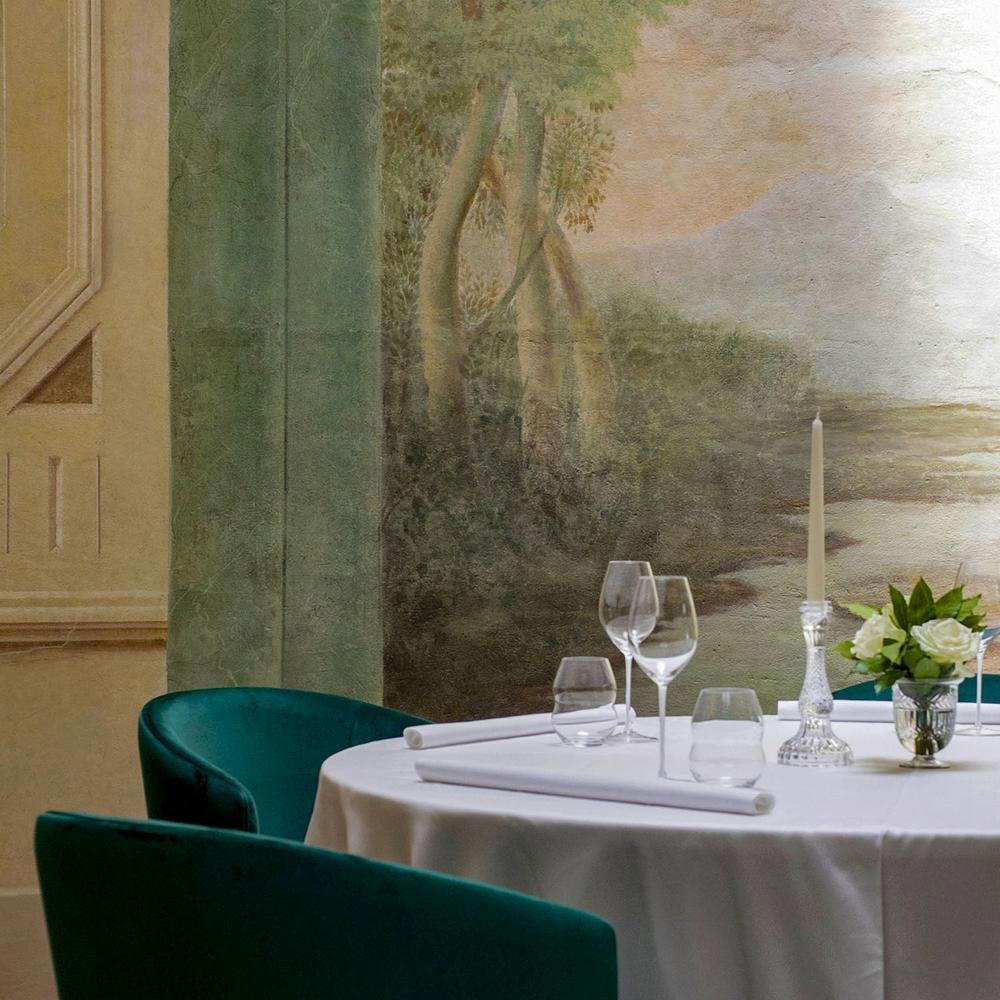
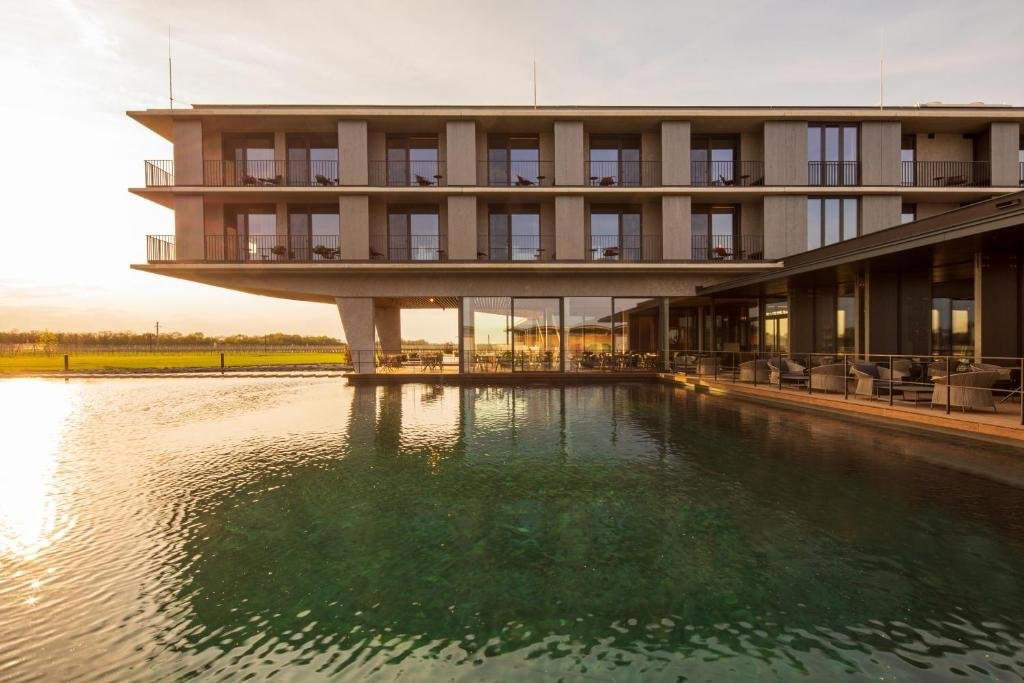
At a Glance
- Rustic
- Scenic
- Wine Education
- Solo Exploration
- Vineyard Tour
- Sustainable
- Vineyard
- Neusiedlersee DAC
- Zweigelt
- Blaufränkisch
- St. Laurent
- Grüner Veltliner
- Chardonnay
- Rathay
- Still Red
- Still White
- Cave Tasting
Traditional family winery atmosphere in a historic wine-growing village, focused on high-quality red wines amid vineyards.