Batoni
Batoni occupies a Nové Mesto address in Bratislava, sitting within a neighbourhood dining corridor that has drawn increasing attention from the city's food-focused crowd. The venue's position in Slovakia's capital places it alongside a generation of restaurants rethinking what a coherent front-of-house, kitchen, and floor team can deliver together. Visit for a sense of where Bratislava's mid-tier dining ambition is currently focused.
Pearl is the En Primeur Club membership app — saves, bookings, and concierge access live there. Same editors, same standards.
- Address
- Brečtanová 1A, 831 01 Nové Mesto, Slovakia
- Phone
- +421905624879
- Website
- batoni.sk
- Directions
- Get directions
 Saves & bookings on Pearl
Nové Mesto and the Shift in Bratislava's Dining Geography
For most of the past decade, the gravitational centre of Bratislava's serious restaurant scene stayed anchored to the Old Town, where tourist footfall and higher rents shaped a particular kind of venue: reliable, internationally legible, and rarely willing to take risks. The move outward into residential districts like Nové Mesto has changed that calculus. Streets like Brečtanová now carry a different kind of foot traffic, regulars rather than visitors, diners who return weekly rather than once per trip. Batoni, at Brečtanová 1A, sits inside that shift. The address alone signals something about the restaurant's intended audience: locals who have watched the city's eating habits develop and want a room that reflects where those habits have arrived.
Nové Mesto's dining corridor is worth understanding on its own terms. Unlike the compressed Old Town, where tables are often pushed close together and turnover is prized, the residential blocks north of the centre allow for a different spatial logic. Rooms can breathe. Service can slow down. The neighbourhood regulars who fill these spaces on weekday evenings are, in aggregate, a more demanding audience than weekend tourists, they compare across visits rather than across cities, and they notice when a team is operating in sync or pulling in different directions. This context shapes what Bratislava's better Nové Mesto restaurants are trying to do, and it frames how Batoni should be read.
When the Room Works as a Unit
The editorial angle most useful for understanding where Bratislava's current restaurant generation is heading is team coherence. At the higher end of the global market, at places like Le Bernardin in New York City or Lazy Bear in San Francisco, the conversation about what makes a great restaurant has long moved past individual talent. The question is whether kitchen output, floor timing, and drink selection operate as a single coordinated argument. That standard has filtered down, slowly, into Central European dining, and Bratislava's more serious restaurants are now being evaluated by some version of it.
What this means in practice is that the front-of-house rhythm at a place like Batoni becomes as readable as the food. Does the floor know when a table needs space versus attention? Does the drink programme speak to the same register as the cooking? Are the pacing decisions, when courses arrive, when the room gets louder, when it quiets, made by people who are listening to one another? In Bratislava's current dining moment, the restaurants earning sustained word-of-mouth are generally the ones where these elements align, not the ones running on a single standout dish or a prominent name. Batoni's Nové Mesto position suggests it is operating in that kind of room, one where the ambient experience of dining is constructed rather than accidental.
For comparison within Slovakia's wider restaurant conversation, it is useful to look at what's happening outside the capital. ARTE in Svätý Jur and Gašperov Mlyn in Batizovce both demonstrate that the country's most considered dining experiences are no longer exclusively urban. Regional venues with tight teams and deliberate formats have taken on real authority. In Košice, Seven Restaurant Café by Villa Sandy, City Park Resort and Bakoš Bistro are making similar arguments about what a coherent dining operation looks like outside Bratislava. What connects these venues is less a shared cuisine than a shared approach: the room is the product, and the product requires everyone working in it to be aligned.
Bratislava's comparable set: Where Batoni Sits
Within Bratislava itself, the relevant peer group for a Nové Mesto restaurant is worth mapping. Ako doma occupies a comfort-led, Slovak-inflected position that draws heavily on nostalgia and domestic reference. Al Faro and Antica Toscana hold the Italian end of the market, serving regulars who want reliable Mediterranean cooking with a local dining room feel. Albrecht Restaurant and APOLKA Restaurant both pitch at a slightly more formal register, where occasion dining and a fuller service structure are part of the proposition. The comparison venues operating within Slovak modern and Slovak contemporary formats, including UFO and ECK Restaurant, tend to serve a more tourist-aware audience.
What is clear from the neighbourhood context is that the room is likely serving a repeat-visit crowd, which is a different operational pressure than serving first-timers. A restaurant that must earn the same table back week after week has to be consistent in ways that a once-per-trip venue does not. That pressure, where it exists and is met, tends to produce exactly the kind of team coherence that distinguishes the better rooms in Nové Mesto from the broader market.
Elsewhere in Slovakia, the same dynamic plays out in towns with smaller but loyal dining audiences: Origin in Lučenec, Allora Fresh Pasta in Nitra, Cafe Sissi in Trencin, and Afrodita in Cerenany all rely on regulars rather than visitors. Alej Bojnice in Bojnice and Dublin Cafe in Presov District serve communities where dining out is a considered choice rather than an incidental one. In that company, Batoni's Bratislava address brings advantages of footfall and profile that regional venues lack, but also the harder comparison set that comes with a capital city dining scene that is developing quickly.
Planning a Visit
Batoni is located at Brečtanová 1A in the 831 01 postal district of Nové Mesto, a residential neighbourhood north of Bratislava's Old Town that is accessible by tram and on foot from the city centre. Batoni is open Mon to Thu from 11 AM to 10 PM, Fri and Sat from 11 AM to 11 PM, and Sun from 11 AM to 10 PM. Reservations are recommended.
Cost and Credentials
Comparable venues nearby, for context on price, style, and recognition.
| Venue | Cuisine | Price | Notes |
|---|---|---|---|
| BatoniThis venue — the venue you are viewing | Nové Mesto, Authentic Georgian | $$$ | Not listed |
| Otto | Staré Mesto, Central European Bistro | $$ | Not listed |
| Remeselná reštaurácia Vyhňa | Rača, Slovak Craft Grill | $$ | Not listed |
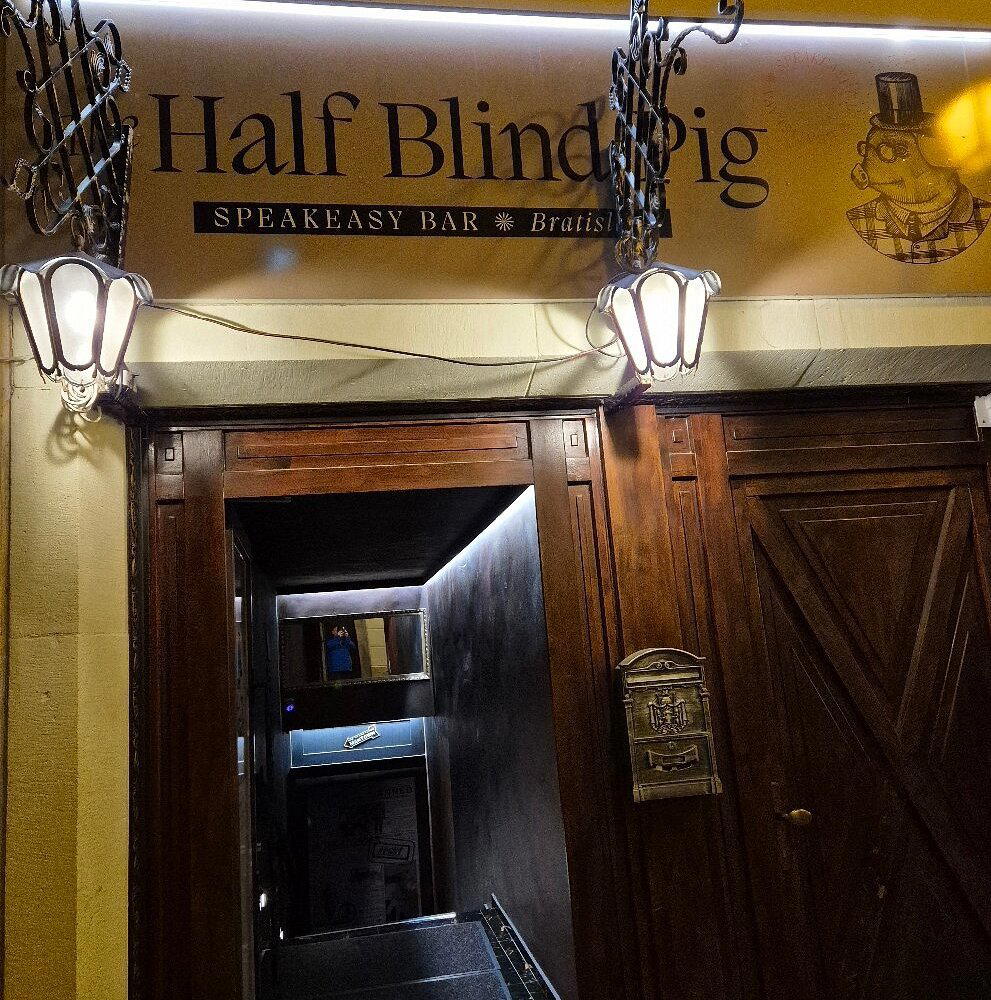
| The Half Blind Pig | Staré Mesto, Cocktail Bar | $$ | Not listed |
| Da Andrea | Not listed | $$$ | Staré Mesto, Authentic Italian with Sardinian influences |
| Mezcalli | Staré Mesto, Modern Mexican Taqueria | $$$ | Not listed |
Continue exploring
More in Bratislava
Restaurants in Bratislava
Browse all →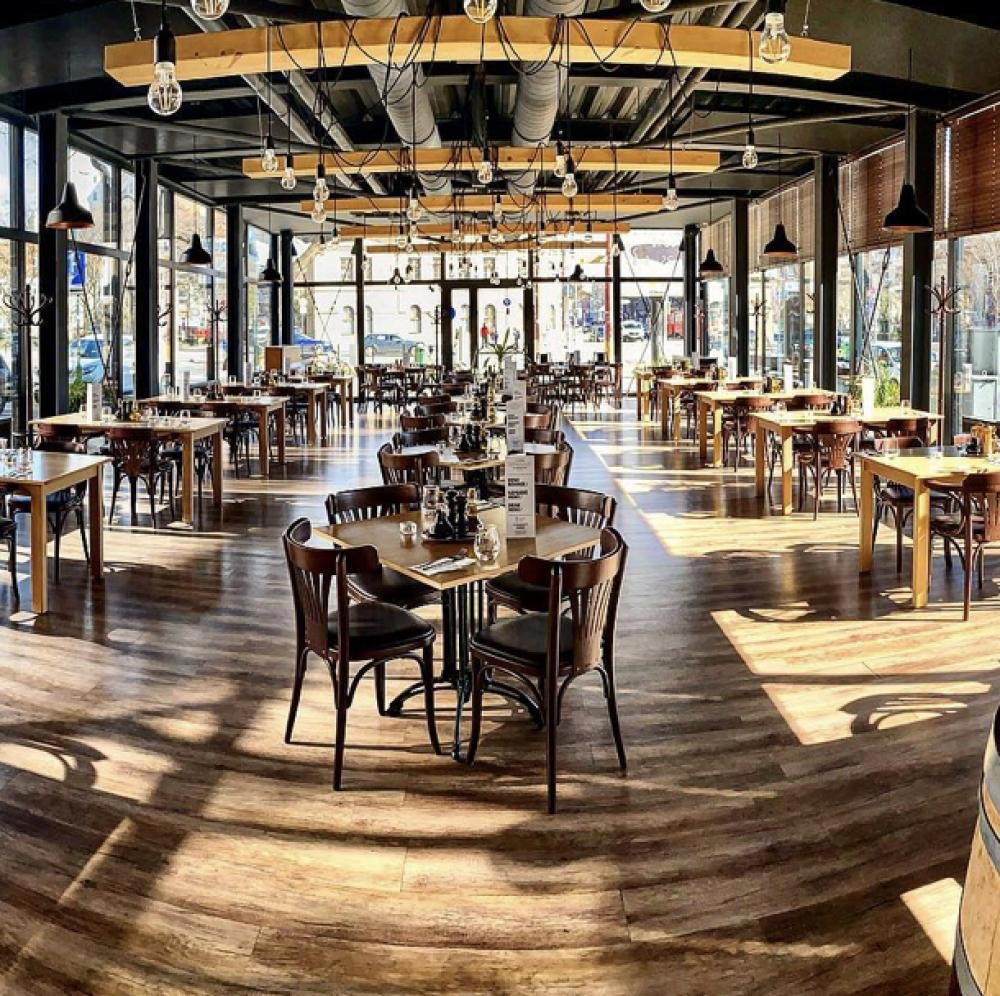
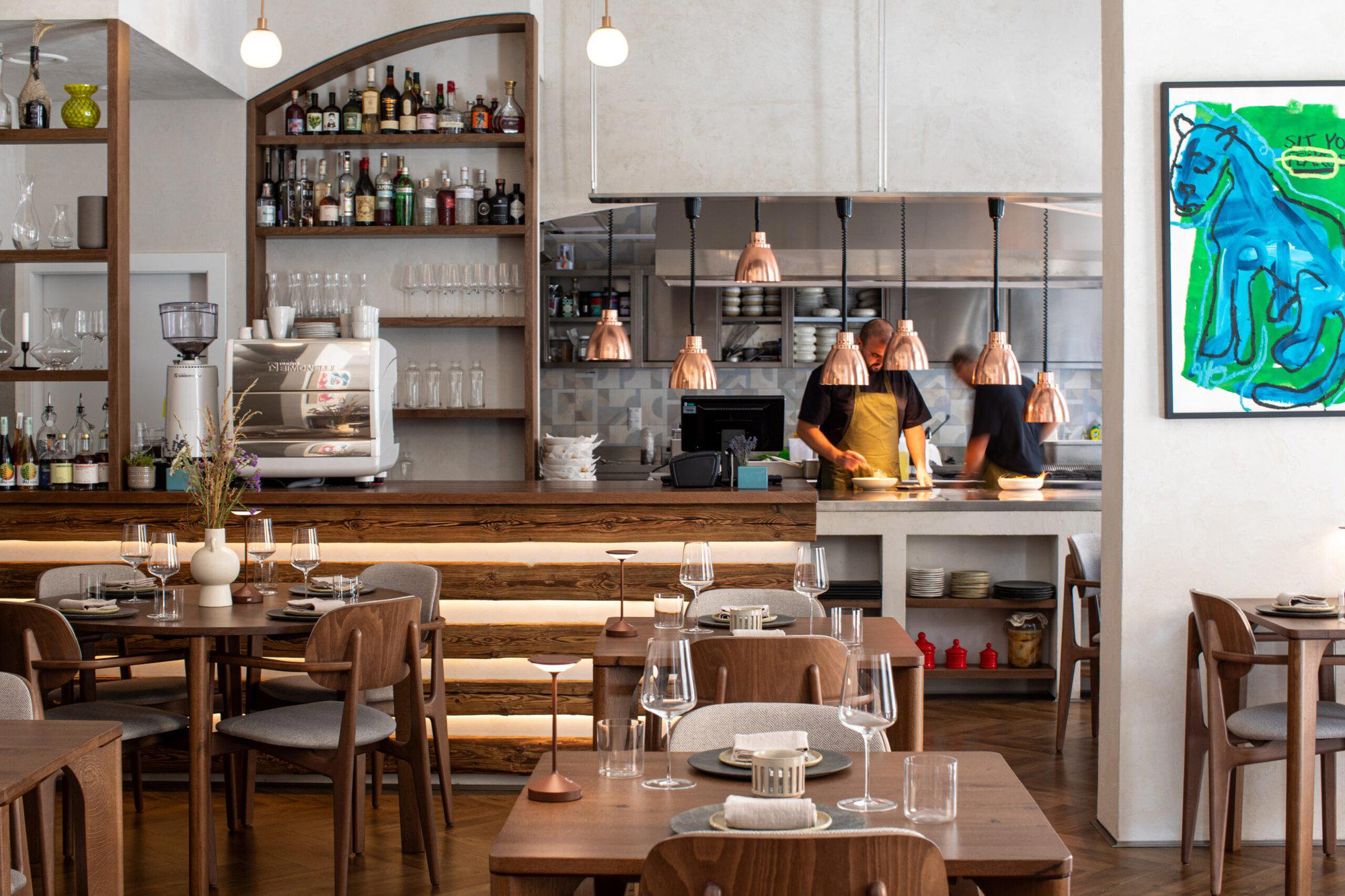
Bars in Bratislava
Browse all →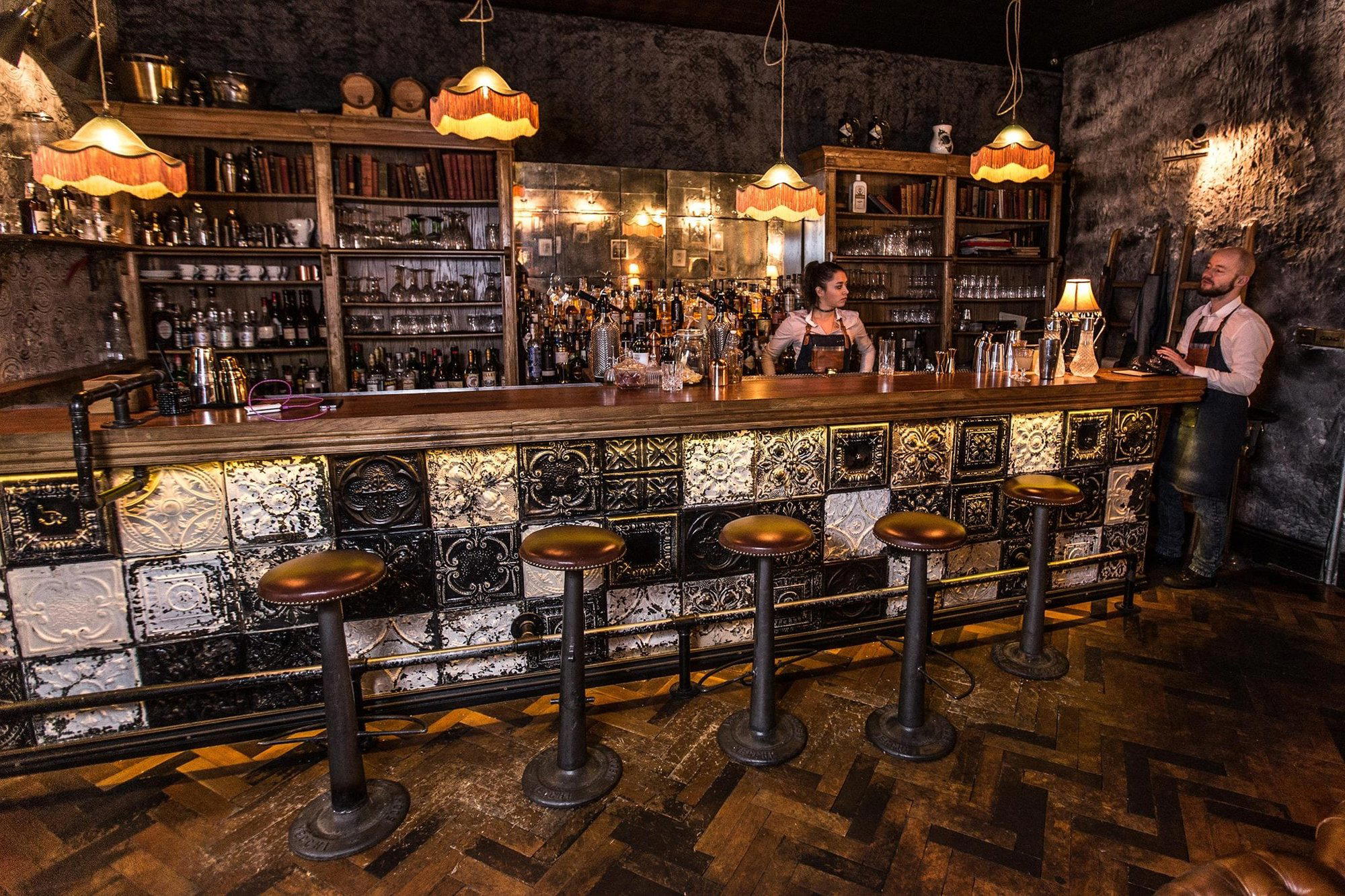
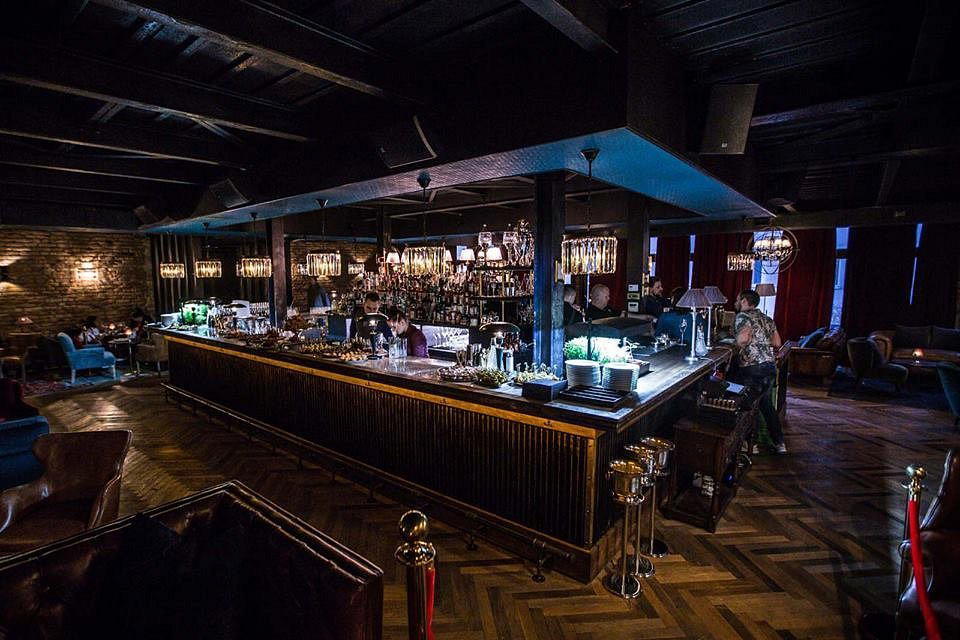
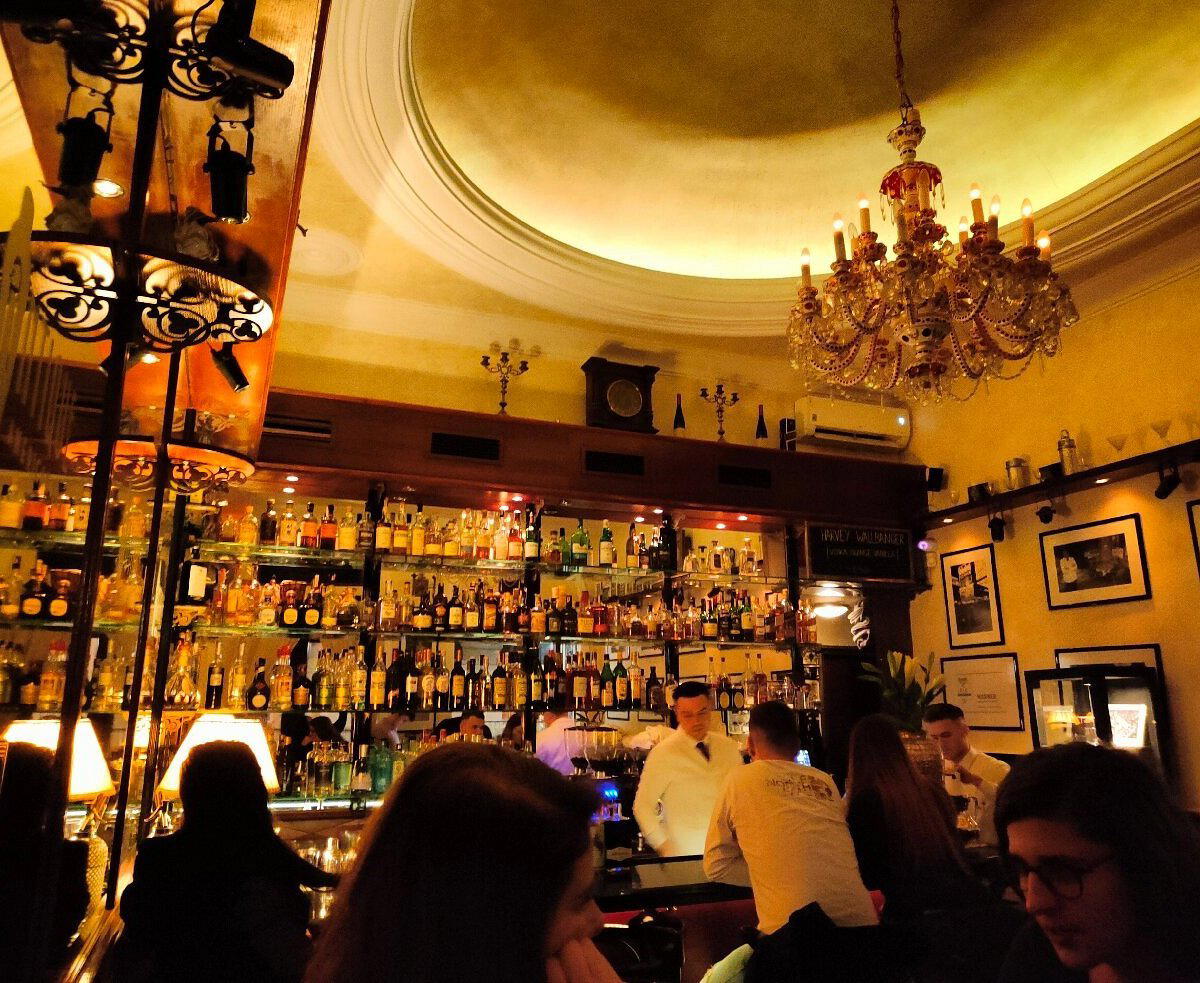
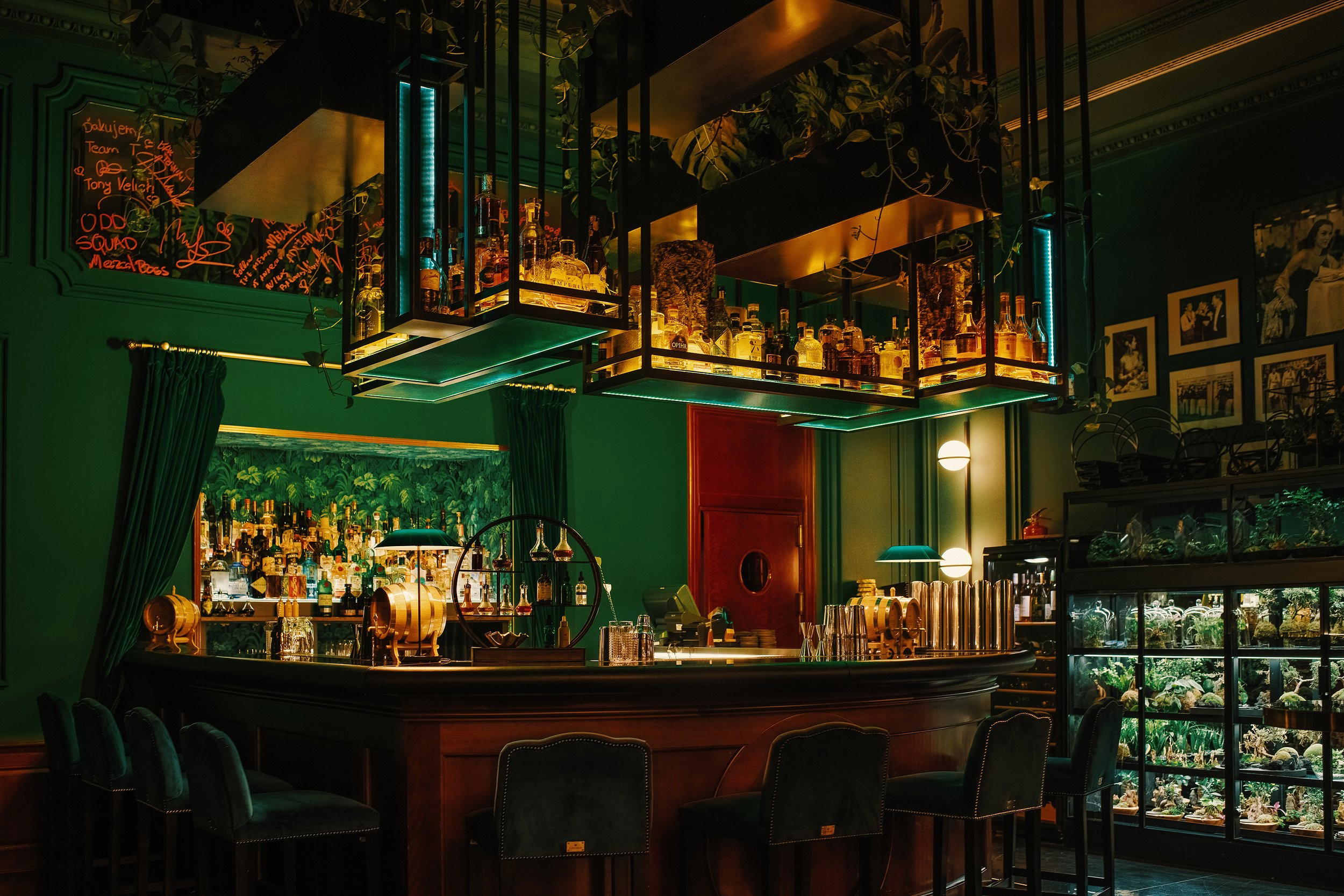
Hotels in Bratislava
Browse all →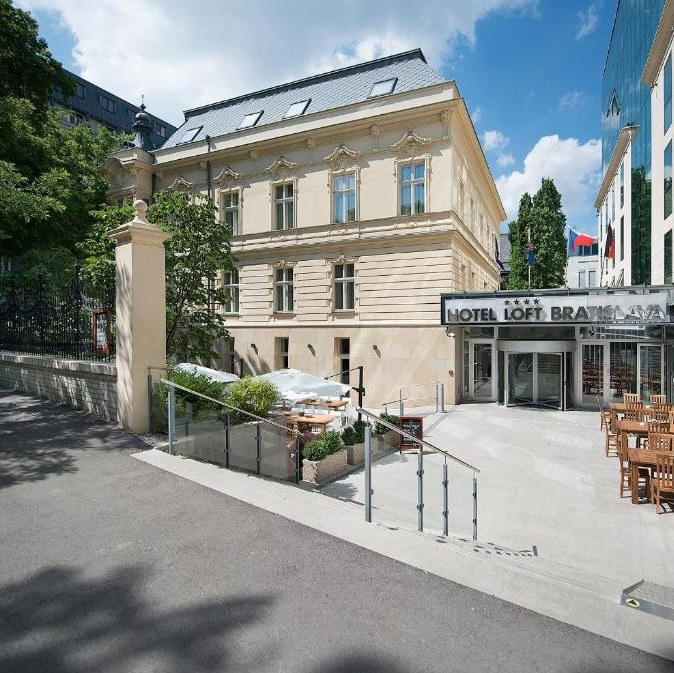
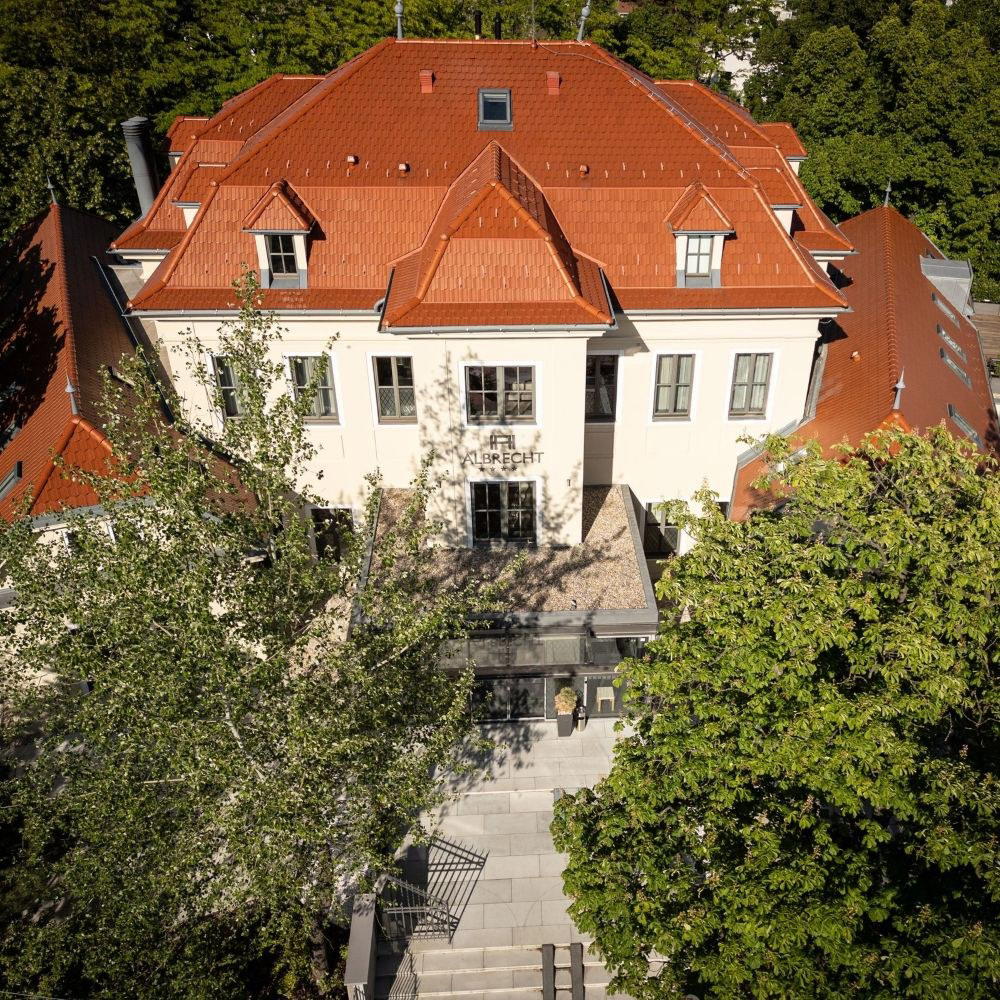
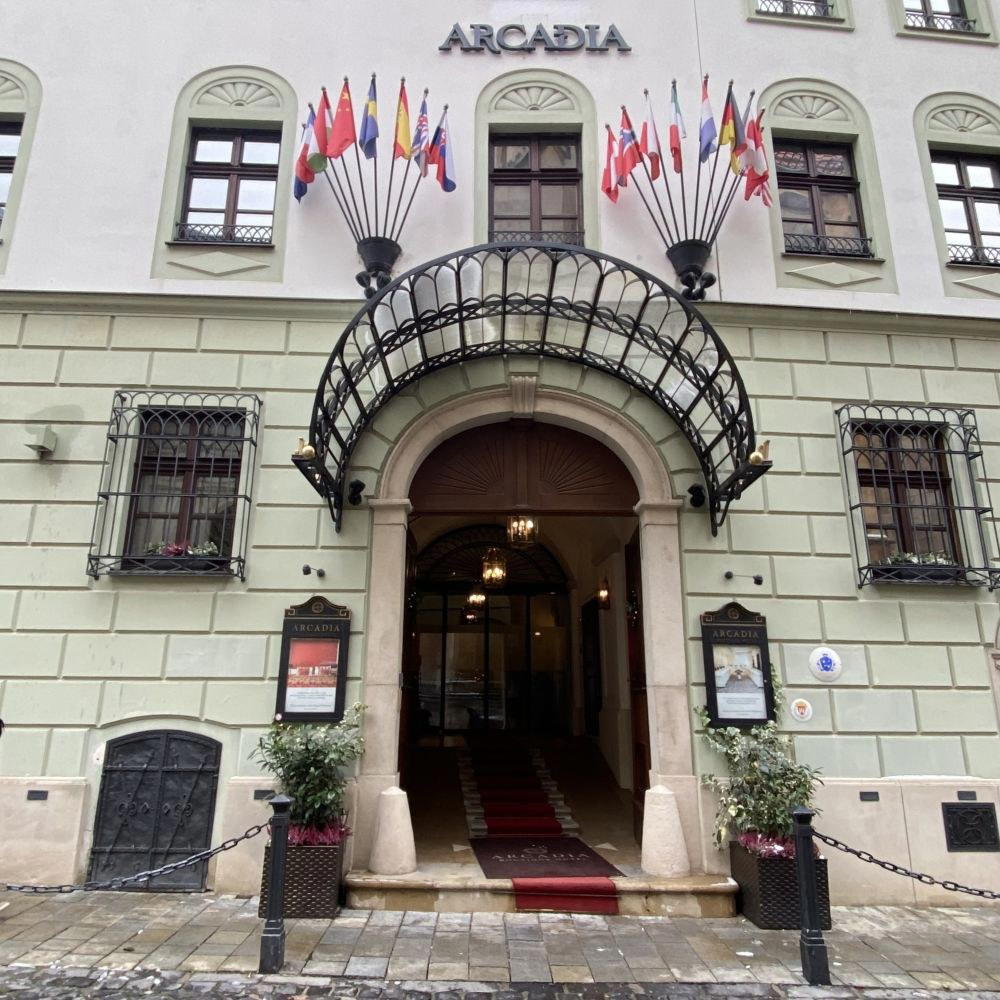
At a Glance
- Cozy
- Elegant
- Date Night
- Special Occasion
- Terrace
- Extensive Wine List
- Local Sourcing
Current opening hours
- Monday
- 11 AM–10 PM
- Tuesday
- 11 AM–10 PM
- Wednesday
- 11 AM–10 PM
- Thursday
- 11 AM–10 PM
- Friday
- 11 AM–11 PM
- Saturday
- 11 AM–11 PM
- Sunday
- 11 AM–10 PM
Hours can change for holidays and private events. Last verified .
Stylish interior with cozy atmosphere and spacious terrace for outdoor dining.