Kinka Ramen
Bratislava's ramen scene is still finding its footing, and Kinka Ramen at Pribinova 19 positions itself as one of the few dedicated bowls-only addresses in a city where Japanese food has historically meant sushi or teriyaki. The space and its address in the Eurovea corridor place it squarely in the capital's newer, more cosmopolitan dining quarter, drawing a crowd that tracks Central European food trends closely.
Pearl is the En Primeur Club membership app — saves, bookings, and concierge access live there. Same editors, same standards.
- Address
- Pribinova 19, 811 05 Bratislava, Slovakia
- Phone
- +421232600623
- Website
- kinkaramen.sk
- Directions
- Get directions
 Saves & bookings on Pearl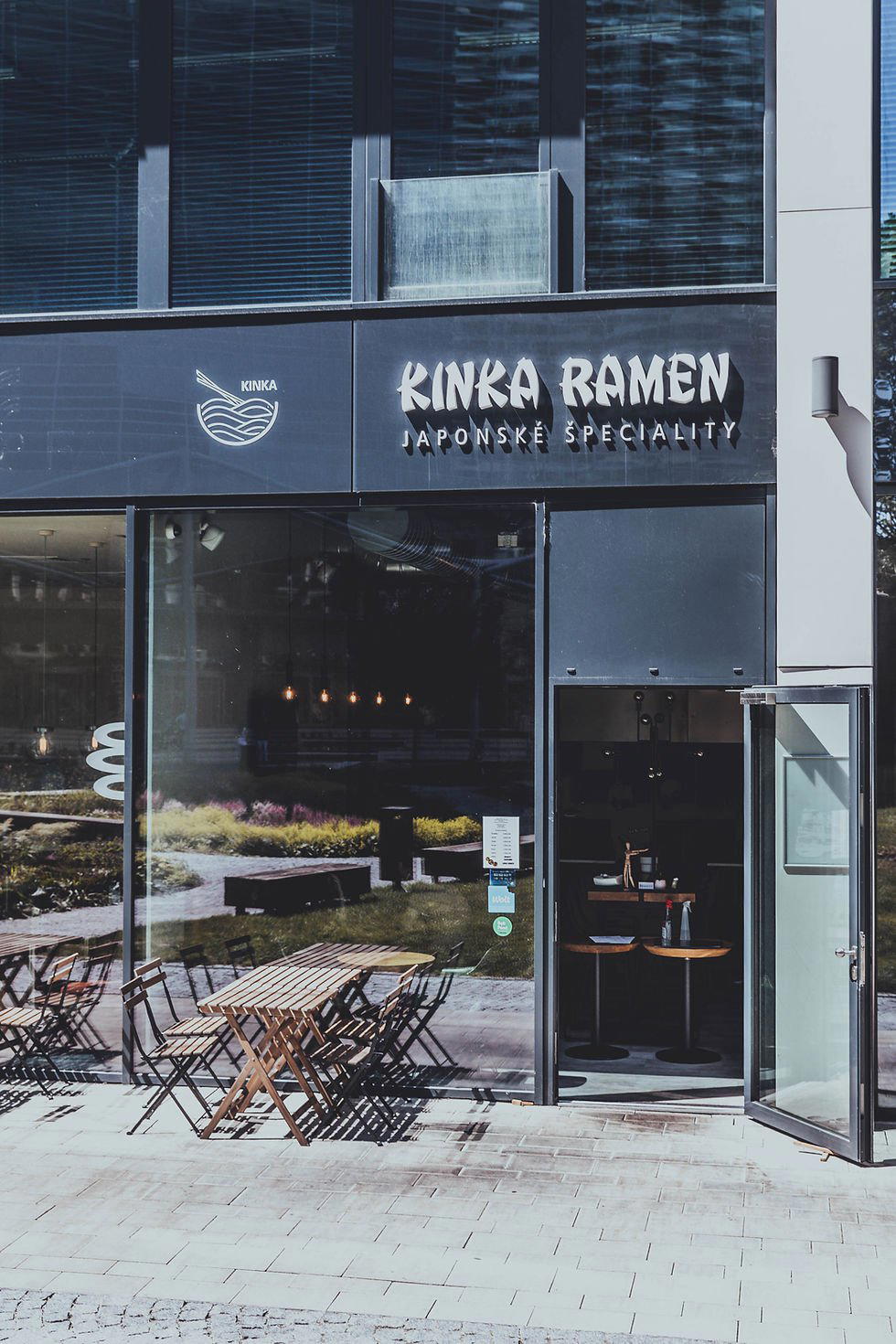
Ramen in a City Learning to Love the Bowl
Central European capitals have absorbed Japanese cuisine in a particular sequence: sushi arrived first, izakaya-style sharing plates followed, and ramen has come last and most slowly. Bratislava is no exception. For most of the past decade, a bowl of properly constructed ramen, long-simmered broth, alkaline noodles made or sourced with intention, toppings calibrated for texture contrast, was difficult to find in a city whose restaurant culture still tilts heavily toward Slovak, Italian, and pan-European formats. Kinka Ramen, located at Pribinova 19 in the Eurovea district, occupies that gap with a dedicated focus that distinguishes it from the broader Asian-fusion addresses scattered across the Old Town.
The Pribinova address matters more than it might seem. The strip running through the Eurovea development is among the more internationally oriented corridors in the Slovak capital, drawing residents and visitors who arrive with expectations shaped by time in Vienna, Prague, Berlin, or beyond. The contrast between the Old Town's tourist-heavy footfall and the Eurovea district's more local, younger professional crowd is one of the defining structural splits in how the city eats.
The Physical Container: What the Space Is Doing
Ramen restaurants in Asia, and increasingly in London, Paris, and New York, tend to make a deliberate architectural argument: counter seating that faces an open kitchen, hard surfaces that accept steam and noise without pretension, lighting calibrated low enough for comfort but bright enough to read the bowl. The format communicates that the food is the event, not the room. How faithfully Kinka Ramen translates that spatial logic into a Bratislava context is one of the more interesting questions for anyone arriving with a reference point from Tokyo's ramen alleys or the better counter-format shops in Western European capitals.
The Eurovea location means the physical approach is urban and contemporary rather than backstreet and tucked away. This positioning, transparent, street-accessible, in a development that also houses retail and riverfront leisure, is more consistent with the ramen boom in cities like Vienna or Warsaw than with the hidden-door aesthetic that once defined Japanese dining in European markets. That shift toward legibility and accessibility is broadly positive for a cuisine that can intimidate new diners when wrapped in too much ceremony.
Where Kinka Ramen Sits in Bratislava's Japanese Food Picture
Bratislava's Japanese dining options remain limited compared to Prague or Vienna, and the few addresses that do exist tend to cover multiple formats under one roof. The comparison venues active in the city's current scene include Edomae Sushi Matsuki, which operates in the more specialized sushi-only register, and Irin, which focuses on unagi. The restaurant's apparent commitment to the ramen format specifically puts it in a different competitive position, less about premium raw-fish technique and more about broth depth, noodle quality, and the kind of casual-to-mid-range price signal that makes ramen accessible as a regular meal rather than an occasion.
For context on how this fits into the broader Slovak dining picture beyond Bratislava, the country's restaurant culture outside the capital is largely anchored in traditional formats: Koliba Patria in Strbske Pleso and KOLIBA na Vršku in Bytca represent the koliba tradition of mountain-style Slovak cooking that remains the dominant register outside urban centers. The distance between that format and a Bratislava ramen counter is one measure of how quickly the capital's dining range has expanded. Elsewhere in Slovakia, regional spots like Fatrabeef in Lubochna and Focus Restaurant in Zilina anchor local dining identities differently.
The Bratislava Dining Context That Surrounds It
Any assessment of the restaurant has to account for what else is competing for the same diner's attention in the capital. Bratislava's mid-range dining is genuinely competitive. Ako doma works the Slovak comfort-food register with precision. Antica Toscana and Al Faro hold territory in the Italian segment that remains stubbornly popular with Bratislava diners. Albrecht Restaurant and APOLKA Restaurant represent the more formal end of the Slovak and Central European canon. The question a ramen-specific address has to answer in this environment is not whether it can match those formats on their own terms, but whether it can hold a distinct position in the rotation of a diner who already has those options available.
In cities where ramen has matured as a category, Tokyo being the obvious reference point, but also Sydney, London, and increasingly Vienna, the cuisine earns repeat visits through broth consistency and noodle calibration rather than novelty. That is a harder argument to make in a market where the category is still new enough that any credible bowl reads as a revelation. The restaurant benefits from low competition in the specific format, which is a structural advantage that will erode as the category grows.
For a wider international reference, Atomix in New York City illustrates the tasting-menu end of Korean-influenced Japanese fine dining, while Le Bernardin in New York City shows how a rigorous single-category focus can define a restaurant's identity across decades. The ramen-only format operates on the same philosophical principle at a completely different price point.
Planning Your Visit
The restaurant's address at Pribinova 19 places it in the Eurovea district, accessible on foot from the Old Town in under fifteen minutes and close to the riverfront tram and bus connections that link the development to the broader city. For visitors staying in the center, the walk along the Danube embankment is the practical approach. The restaurant is open for lunch and dinner most days, with walk-in-friendly service and casual dress. For those building a broader Bratislava itinerary around Slovak regional cooking, Holotéch víška in Kosariska, Afrodita in Cerenany, and Kaštieľ Čičmany in Cicmany offer a counterpoint in the traditional Slovak register worth pairing with a capital-city stay. Further afield, Klára v GOYA vitality hotel in Voderady and Hotel & Restaurant Gino Park Palace in Povazska Bystrica represent the hotel-restaurant format across the country's western regions. For a contrast in a different Slovak street-food format, Bulli Kebab in Kosice anchors the eastern capital's casual eating scene.
A Tight Comparison
Comparable venues nearby, for context on price, style, and recognition.
| Venue | Cuisine | Price | Notes |
|---|---|---|---|
| Kinka RamenThis venue — the venue you are viewing | Staré Mesto, Authentic Japanese Ramen | $$ | Not listed |
| SHUGETSU Bistro | Not listed | $$ | Dúbravka, Authentic Japanese Ramen & Tsukemen |
| Da Vinci Bistro | Staré Mesto, Italian Bistro | $$ | Not listed |
| Jasmin | Staré Mesto, Authentic Chinese | $$ | Not listed |
| Bistro St. Germain | Ružinov, French Bistro | $$ | Not listed |
| Gatto Matto Panská | Not listed | $$ | Staré Mesto, Modern Italian with Pizza and Pasta |
Continue exploring
More in Bratislava
Restaurants in Bratislava
Browse all →
Bars in Bratislava
Browse all →
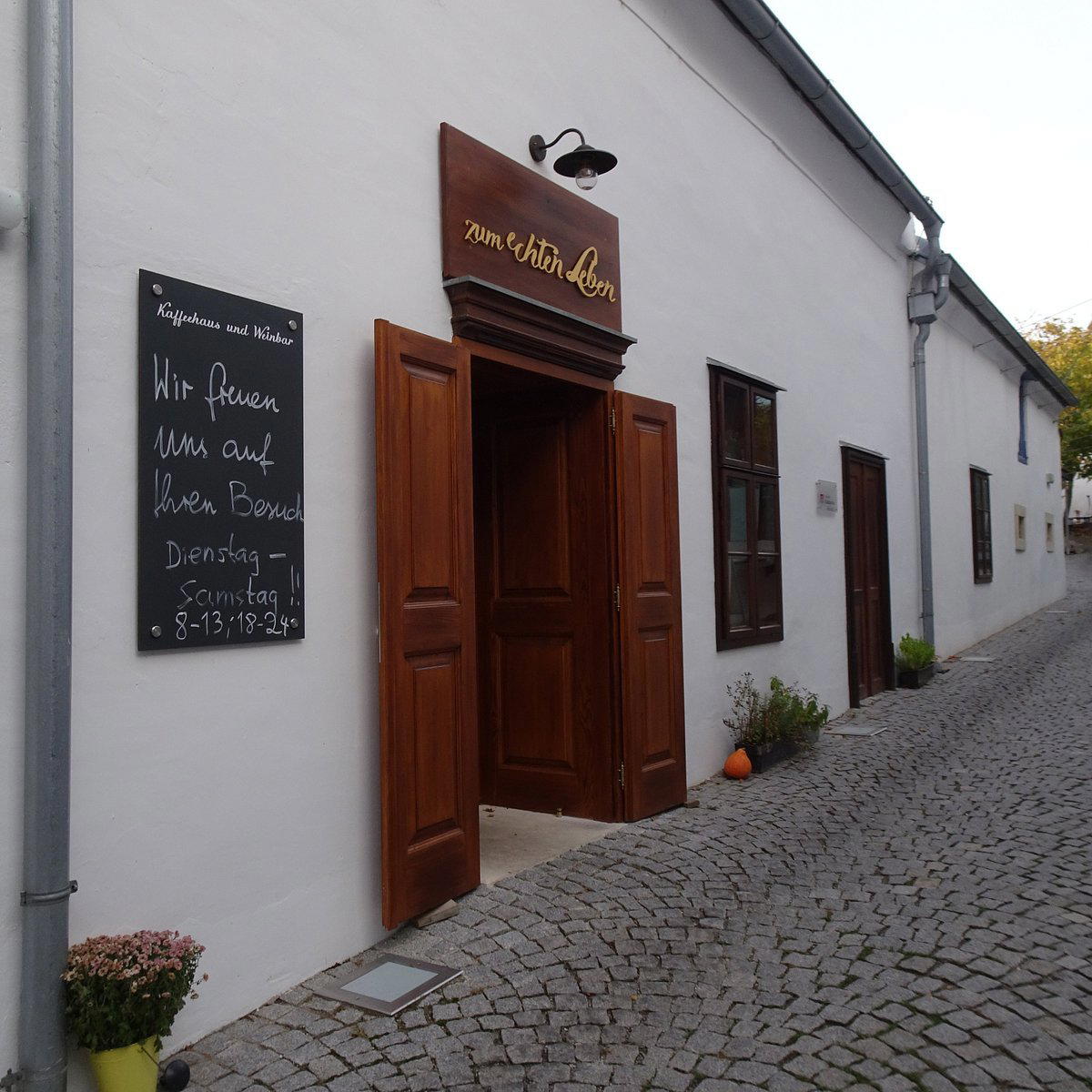
Hotels in Bratislava
Browse all →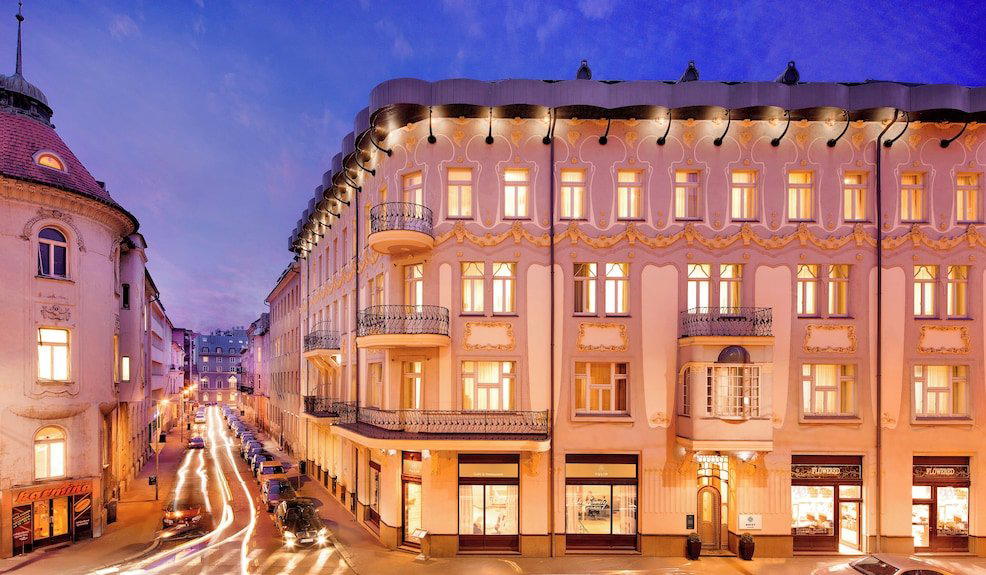
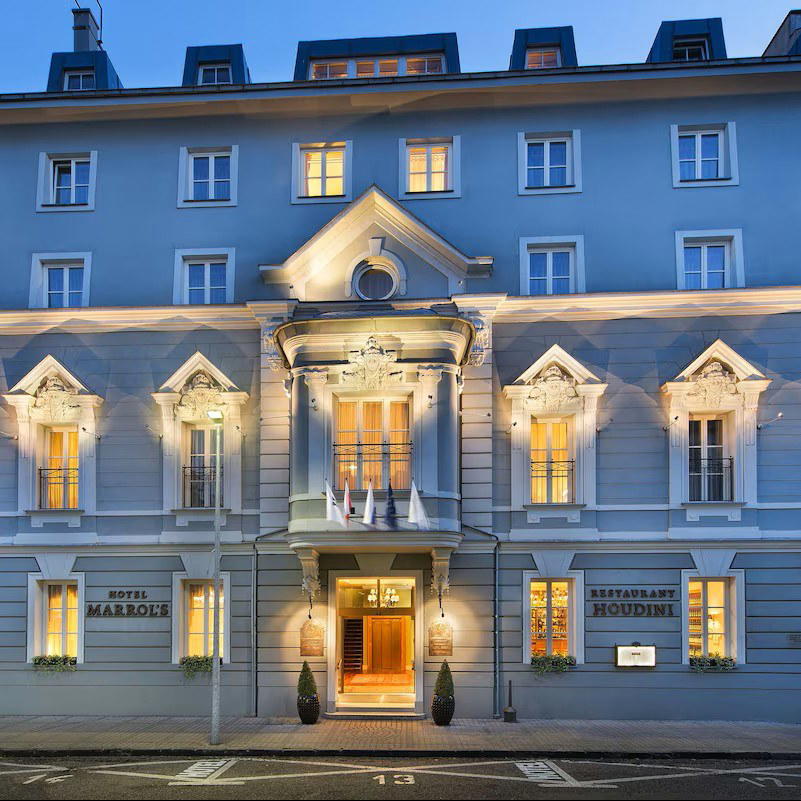
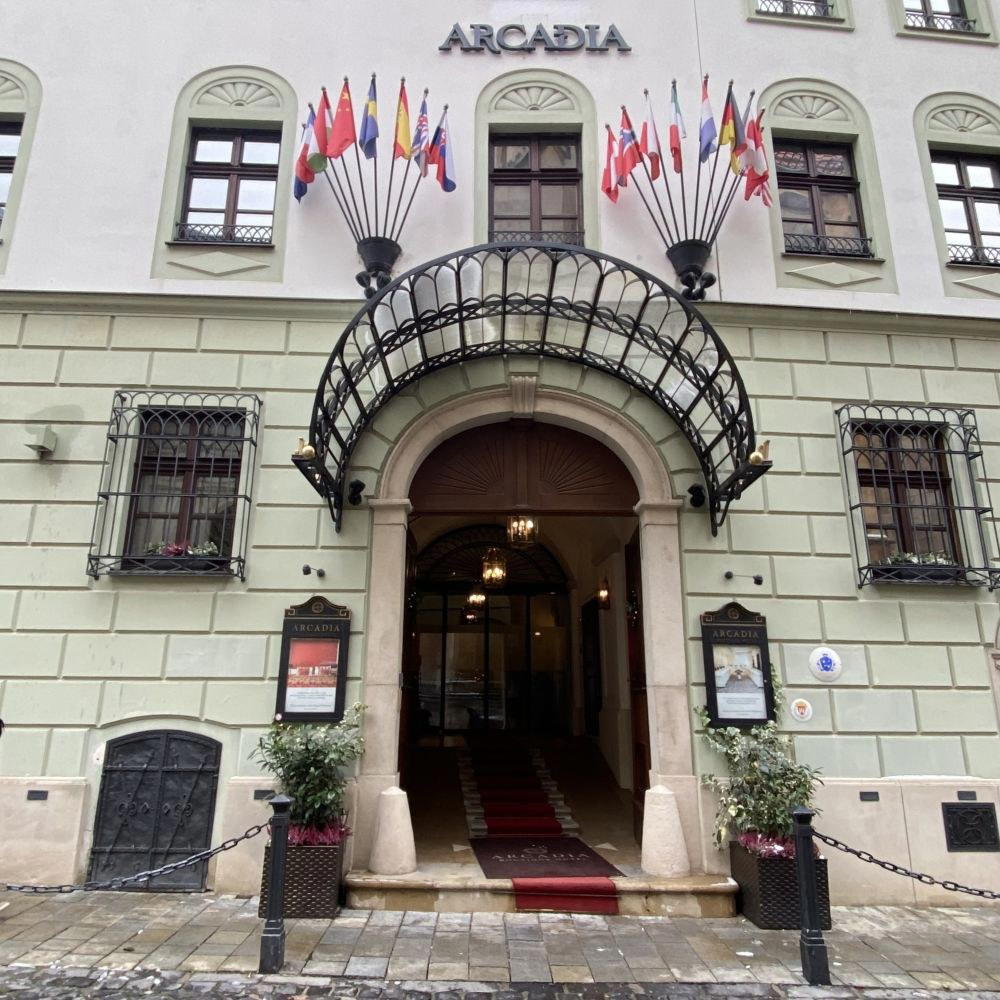


At a Glance
- Cozy
- Trendy
- Casual Hangout
- Late Night
- Open Kitchen
- Sake Program
- Local Sourcing
Current opening hours
- Monday
- 11 AM–9 PM
- Tuesday
- 11 AM–9 PM
- Wednesday
- 11 AM–9 PM
- Thursday
- 11 AM–9 PM
- Friday
- 11 AM–9 PM
- Saturday
- 11:30 AM–9 PM
- Sunday
- 11:30 AM–8 PM
Hours can change for holidays and private events. Last verified .
Cozy and welcoming atmosphere focused on comforting ramen bowls that warm both stomach and soul.