
Sushi Saitou Azabudai places a small counter-format sushi room inside the newer Azabudai Hills dining orbit, where Tokyo’s high-end sushi culture meets a polished market setting. Its 2025 Tabelog 100 Sushi Tokyo selection, reservation-only format, 12-seat counter, sake and wine focus, and seasonal course pricing put it in the city’s serious omakase conversation rather than the casual market-dining lane.
Pearl is the En Primeur Club membership app — saves, bookings, and concierge access live there. Same editors, same standards.
- Address
- 東京都港区麻布台1-2-8 ガーデンプラザC B1F 麻布台ヒルズマーケット
- Website
- tabelog.com
 Saves & bookings on Pearl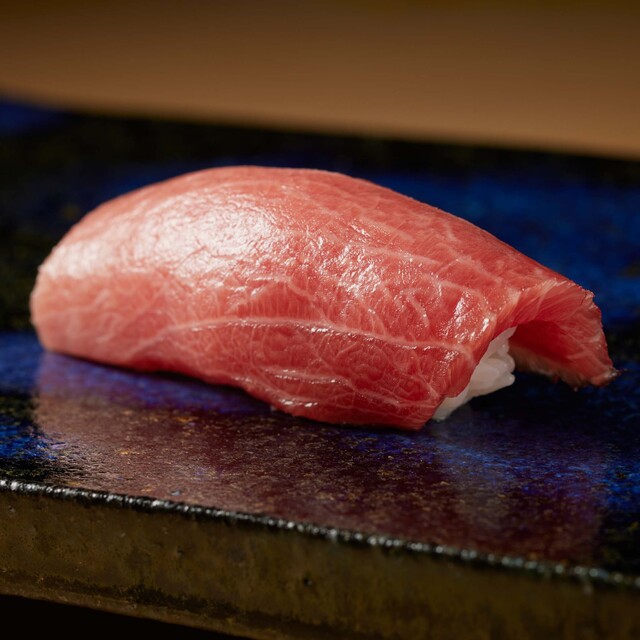
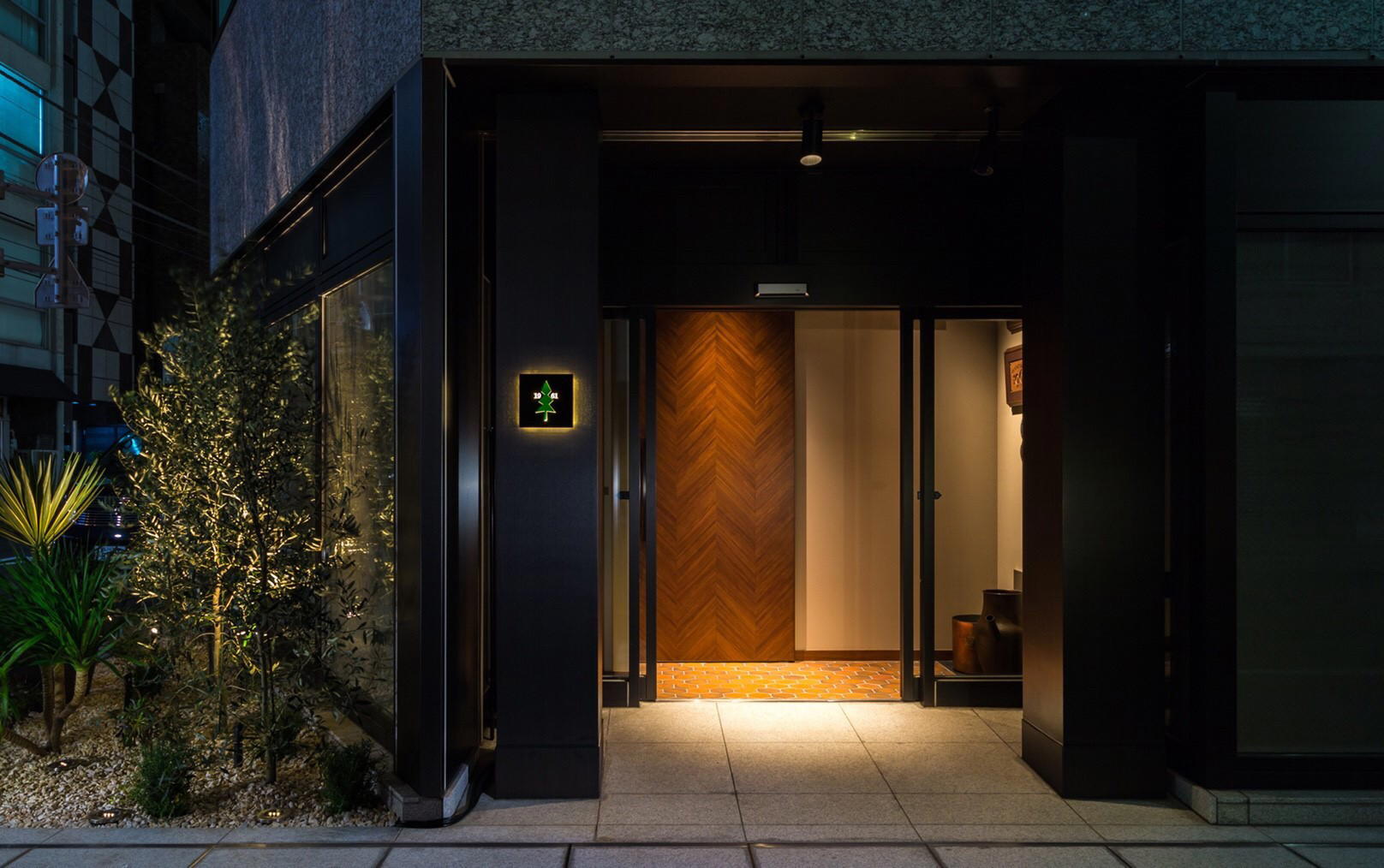
Azabudai Hills changes the route to sushi. Instead of a discreet Ginza stairwell or plain Akasaka noren, diners move through a high-design market floor and polished retail energy into a quieter counter room. The contrast matters: Tokyo’s premium sushi culture is moving into mixed-use districts without giving up its codes, small audience, counter seating, reservation control, and a course structure that asks diners to submit to pacing rather than choice.
Sushi Saitou Azabudai belongs to that new urban frame. The name carries weight in Tokyo dining, but the sharper reading is structural: sushi inside a larger luxury development, still built around the disciplined mechanics of a compact counter. Its selection for Tabelog 100 Sushi Tokyo 2025 confirms its quick entry into the city’s high-scrutiny sushi conversation, not as broad-access dining but as a narrow-format room where sequence, seasonality, and tempo do the work.
A market-floor counter built around omakase logic
Tokyo sushi at this level is less about ordering than architecture. The course moves through prepared pieces, temperature shifts, rice management, and seasonal fish selection, with the chef controlling rhythm from the counter. There is no sprawling menu, no optional add-ons as the central event. The guest follows the sequence and reads how the meal is constructed.
The Azabudai setting sharpens the point because the surrounding development is full of restaurants built around broader choice and social flexibility. Nearby dining rooms such as Janu Mercato, Sumi, Iigura, Yoroniku Azabudai Hills, and Janu Grill show the district’s range: hotel-adjacent dining, grill formats, yakiniku, and contemporary Japanese rooms for different occasions. A sushi counter reads differently here: smaller, more time-sensitive, and more dependent on sequence than room size.
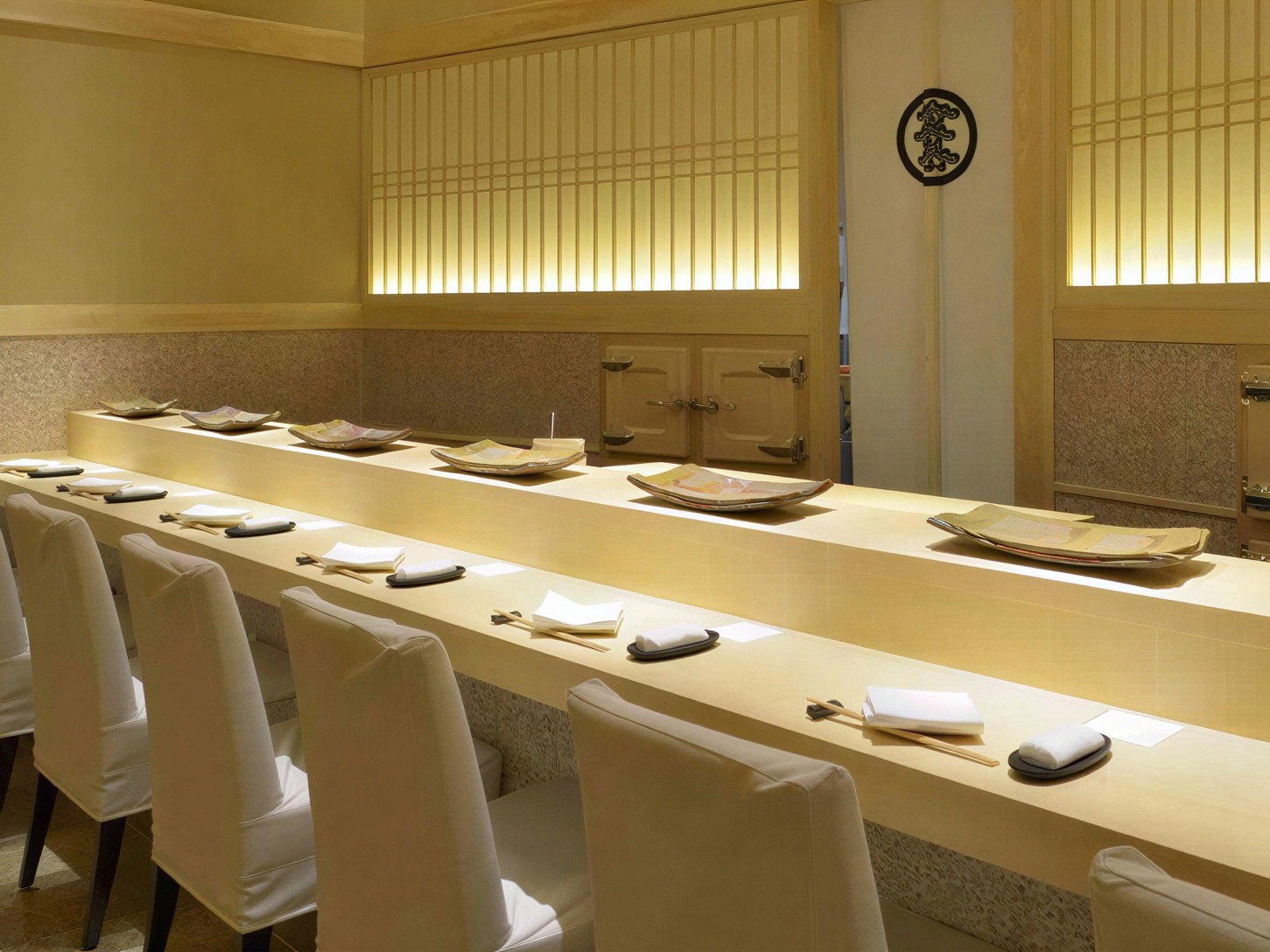
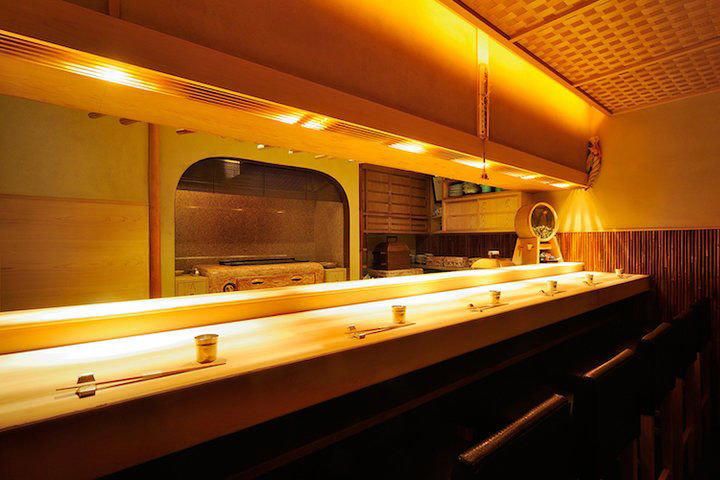
The 12-seat counter is the first signal. Small counters compress attention and leave little margin for distraction: pacing, handoff, drink pairing, and quiet choreography between chef and diner become the experience rather than background service. In a city with hundreds of sushi counters, that scale places it where the meal is judged by control, not abundance.
Drink language matters too. Sake and wine are both listed, reflecting a broader Tokyo pattern: serious sushi rooms no longer assume nihonshu alone will carry the pairing conversation. Wine has become a practical bridge for international diners and for courses where acidity, minerality, and restrained fruit can meet rice vinegar and seafood fat. Strong programs do not turn sushi into a Western tasting menu; they use wine as another tool for balance.
What the menu structure says about modern Tokyo sushi
The absence of a conventional à la carte identity is part of the point. High-end sushi in Tokyo remains one of the city’s clearest examples of format discipline: the diner does not assemble the meal; it is composed in real time. That rewards confidence in sourcing, rice temperature, and progression. It also creates a different luxury from nearby hotel or retail dining: not visual excess, but compression.
Seasonality is built into the pricing note rather than used as decoration. When a sushi course changes in cost by season, the restaurant accepts market variability instead of forcing a fixed product into a fixed tariff. That does not guarantee brilliance, but it identifies the economics of serious sushi in Tokyo. Tuna, shellfish, uni, white fish, and seasonal neta do not behave like stable commodities, and counters in this tier price accordingly.
The Tabelog 100 Sushi Tokyo 2025 selection is a useful trust signal because it is category-specific. Tokyo’s sushi field is too deep for generic acclaim to mean much; recognition inside a sushi-only Tokyo selection carries more editorial value than broad restaurant visibility. It places Sushi Saitou Azabudai among rooms assessed against other sushi specialists, where small differences in rice, cutting, aging, seasoning, and cadence are the language of competition.
The 2024 opening makes the address part of a recent shift rather than an inherited old-Tokyo story. Azabudai Hills has been built as a concentrated dining district, pulling serious operators into a vertical, international-facing environment. That can dilute atmosphere when the format is loose. Sushi resists better than many categories because the counter dictates behavior: seats face the work, the meal moves in sequence, and the room narrows around the hand-to-hand exchange.
How to read it against the wider Tokyo dining map
For visitors, the choice is not simply sushi versus non-sushi. It is whether the evening should be a controlled counter or a more flexible Tokyo meal. A yakiniku room such as Yoroniku Azabudai Hills offers heat, smoke, and shared cooking as its grammar. A market-adjacent restaurant suits a looser schedule. A reservation-only sushi counter is a different commitment: punctuality, restraint with fragrance, and understanding that the meal’s logic sits in sequence rather than personal customization.
That distinction helps position the restaurant within a Tokyo itinerary. Diners mapping the city by category can use Our full Tokyo restaurants guide for the restaurant field, then branch into Our full Tokyo bars guide, Our full Tokyo hotels guide, Our full Tokyo wineries guide, and Our full Tokyo experiences guide when the trip needs a wider frame than dinner alone.
Within Tokyo, contrast is useful. Casual and specialist addresses such as. 鮪と炭火焼き うお炭 秋葉原店, 12/10 Shinjuku ten, 124. KAGURAZAKA (Yakitori), 2D Cafe, and 3 Chome no Curry Ya San show how widely the city’s dining culture stretches beyond counter sushi. Outside Tokyo, the comparison broadens through -Grilled beef Sukiyaki- KAMAKURA TANUKIAN 鎌倉 たぬき庵 in Kamakura.cafe in Osaka.know in Kumamoto, (Shoku) Vietnam in Kawasaki, [Curry Senmon Ten] Maruyama Kyoju. in Sapporo, and [ki:] in Kyoto. For Japanese drinking culture beyond Japan, Jōdo Saké Bar in Los Angeles and Onigiri Time in Pasadena offer a diaspora counterpoint.
The editorial case for Sushi Saitou Azabudai is not that it replaces older sushi districts. It shows how Tokyo’s sushi grammar adapts inside a new luxury district: the setting changes, the counter remains the controlling force. For diners who understand that distinction, the appeal is watching a rigorous format hold its shape inside a broader, shinier urban machine.
Price and Recognition
Comparable venues by cuisine and category.
| Venue | Cuisine | Price | Notes |
|---|---|---|---|
| Sushi Saitou AzabudaiThis venue — the venue you are viewing | Minato, High-End Edomae Sushi Omakase | $$$$ | Not listed |
| The Okura | Not listed | $$$$ | Minato, Luxury Japanese Fine Dining Collection |
| Toribayashi | Minato, Modern Yakitori Omakase | $$$$ | Not listed |
| Tempura Ginza Onodera Namikidori | Chūō, Tempura Fine Dining | $$$$ | Not listed |
| Yasuda | Minato, Traditional Edomae Omakase | $$$$ | Not listed |
| 焼肉Coco Nemaru Ginza | Chiyoda, Premium Yakiniku | $$$$ | Not listed |
Recognition history
Dated appearances from independent guides and award organizations, with the underlying list record or original source where available.
Tabelog 100 #96 · No. 96
Tabelog · Tabelog 100 - Sushi - TOKYO - 2025










At a Glance
- Elegant
- Modern
- Intimate
- Sophisticated
- Special Occasion
- Date Night
- Solo
- Business Dinner
- Chefs Counter
- Design Destination
- Standalone
- Sake Program
- Extensive Wine List
- Sustainable Seafood
- Local Sourcing
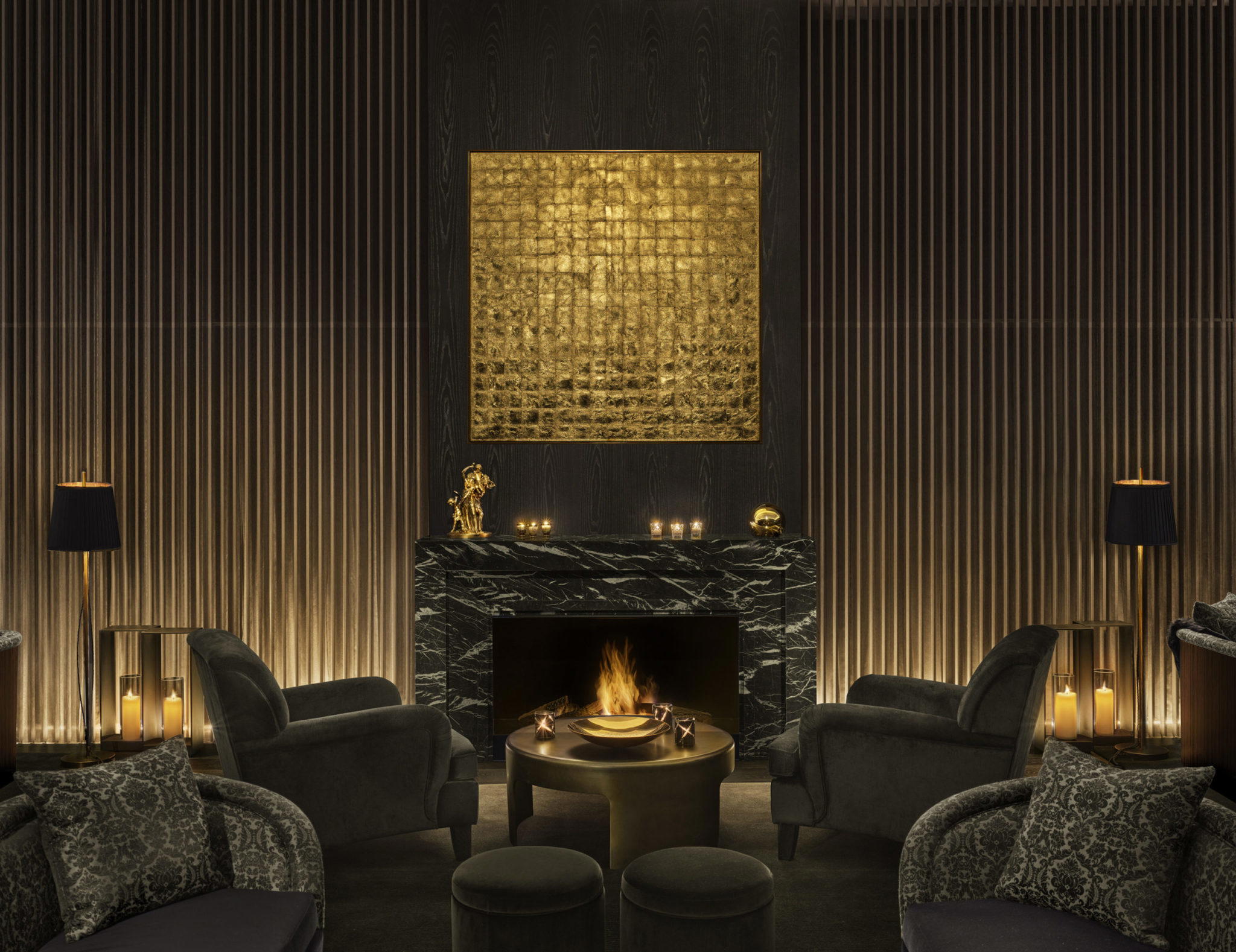
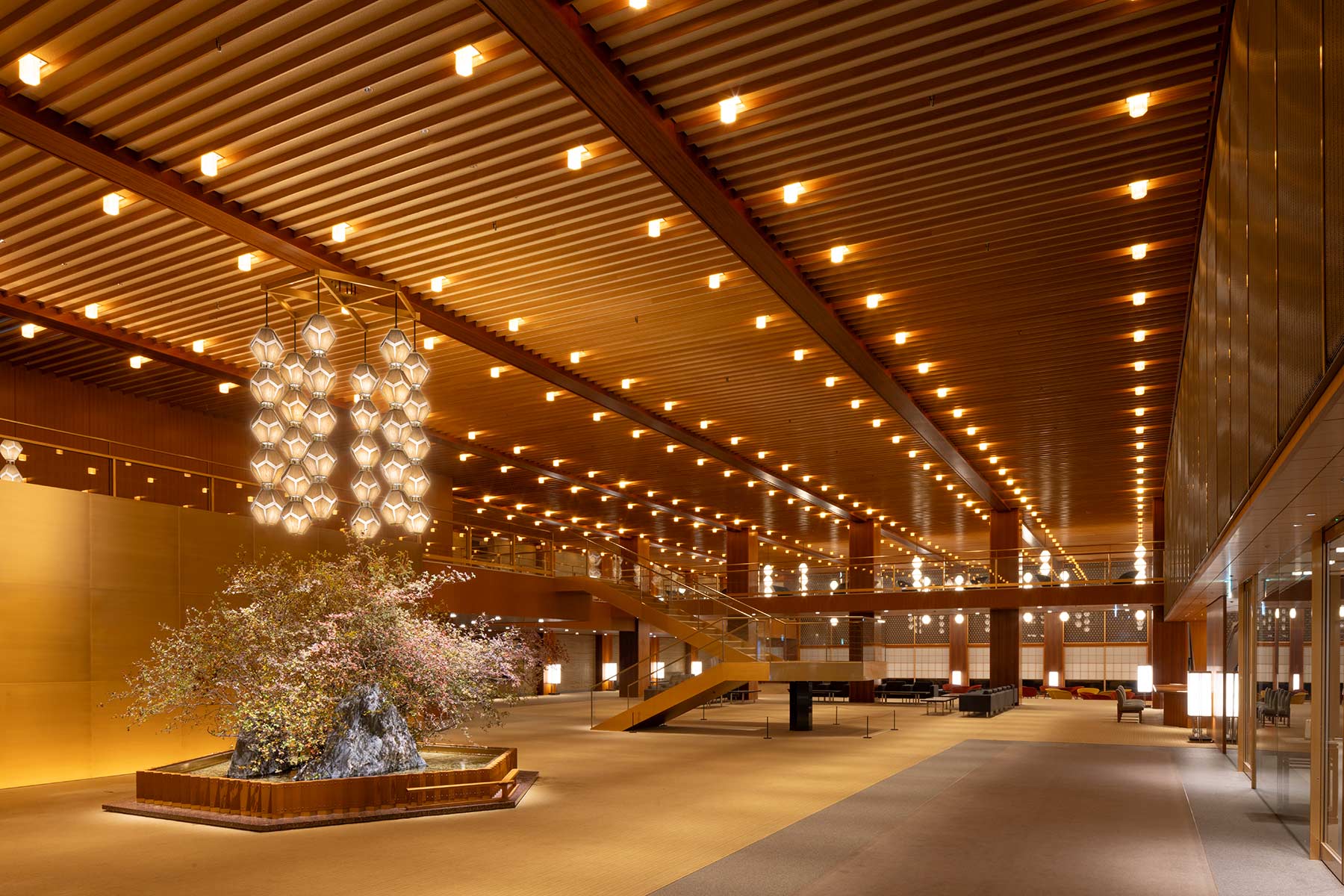
An intimate 12-seat counter tucked inside Azabudai Hills Market, with a calm, refined and modern feel that emphasizes close interaction with the chef and a quietly luxurious atmosphere rather than spectacle.