

Tabelog Silver #53
Our verdict
A seven-seat counter in Ginza's Chuo City, Kawamura has held a place on the Tabelog Award honour roll every year since 2017, rising to Silver in 2026 with a score of 4.38. Dinner runs from JPY 100,000 per person, access is by referral only, and the format is counter-only steak, making it one of the most deliberately restricted dining experiences in the city.

Pearl is the En Primeur Club membership app, where members save venues, book tables and use the concierge.
The menu
What to order
- Special Choice Kobe beef steak
- Prime Kobe beef steak
- Champion Beef steak
- Oxtail soup
- Beef consommé
- Fried garlic rice
Ginza's Counter Steak Tier: Where Beef Becomes a Structured Meal
Tokyo's premium steak scene operates on a different logic than the rest of the world's beef culture. Whereas high-end steakhouses elsewhere tend toward volume, tableside theatre, and à la carte selection, Ginza's upper counter tier functions closer to the omakase model: small, fixed, sequenced, and built around a single protagonist ingredient delivered across a progression of courses. Kawamura, occupying the tenth and eleventh floors of the Ginza Bijutsukan Building at 6 Chome-5-6 Ginza, sits at the concentrated end of this format. Seven counter seats, dinner only, closed Sundays, and an average spend that begins at JPY 100,000 per person.
The Tabelog Award record places Kawamura inside a sustained tier of recognition that extends back to at least 2017, when the restaurant first received a Silver designation. It held Bronze consecutively from 2019 through 2025 before returning to Silver in 2026, where it carries a score of 4.38 from Tabelog's review platform. That trajectory, combined with consecutive selection for the Tabelog Steak and Teppanyaki "Hyakumeiten" (Top 100) list in 2021, 2022, 2024, and 2025, positions it as a reference point within the category rather than a newcomer or an outlier. In the wider context of Tokyo's highest-rated restaurants, it sits in a distinct lane from the city's Michelin-starred kaiseki houses like RyuGin or its French fine dining addresses such as L'Effervescence and Sézanne, but the price point and access logic are comparable.
The Structure of the Meal: How a Seven-Course Beef Counter Works
The counter steak format at this level is not simply about the quality of the cut. It is about the arc of the meal: how fat is rendered and rested, how lighter preparations precede heavier ones, how the chef calibrates temperature and portion so that the final presentation of beef lands on a palate that has been prepared rather than fatigued. Premium teppanyaki counters in Ginza typically sequence across several distinct stages, moving from appetisers through smaller beef preparations before arriving at the main slab. The counter format, where guests sit in a line facing the cooking surface, means that each stage is visible as it happens, the cooking becoming part of the experience's rhythm rather than a background process.
At Kawamura's price point, the wine program is a considered component of that arc. The restaurant is noted as being particular about wine, with a sommelier available to guide pairing across the progression. In a format where the meal runs for several hours and the beef's character changes with each preparation, the pairing structure functions as a parallel narrative to the food, not a supplementary one. Credit cards are accepted across major networks including Visa, Mastercard, JCB, American Express, and Diners Club. Electronic payment and QR code settlement are not available.
Access and Format: The Referral Logic Explained
Kawamura does not publish a phone number for reservations, does not maintain an official website, and accepts bookings only by referral. This places it in a small category of Tokyo restaurants where access itself is the first filter. The model is not unique to Ginza: several of the city's most consistently recognised counters in sushi, kaiseki, and now premium beef operate on similar terms, treating the referral requirement as a quality signal rather than an affectation. For a restaurant with seven seats and no Sunday service, the mathematics of availability make the referral approach practically rational. The full week runs Monday through Saturday, 17:00 to 22:00, with no lunch service.
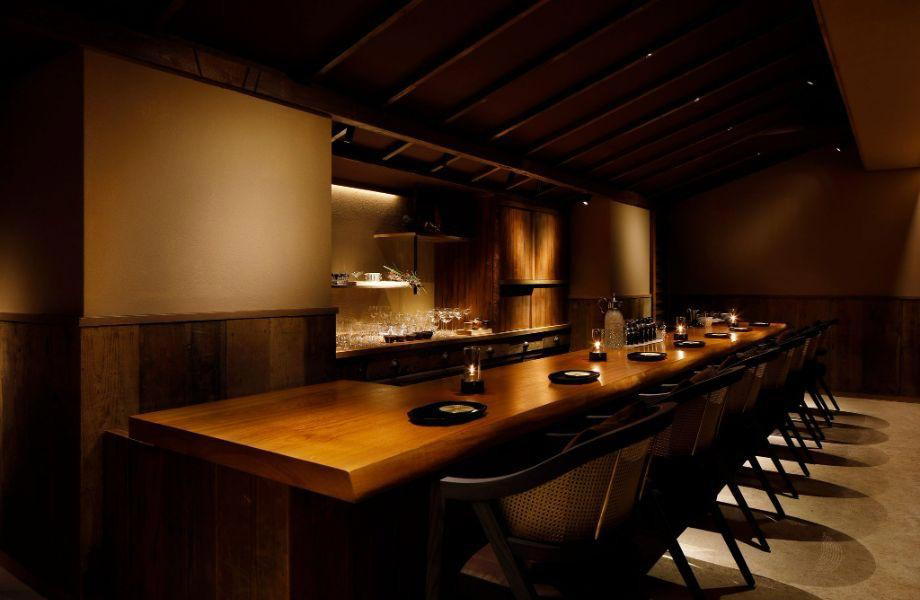
The counter accommodates a maximum of seven guests at a time, and the venue is available for exclusive private hire. Private rooms are not available in the standard sense, but the single-counter format means that an exclusive booking effectively creates a private dining environment. Smoking is not permitted during regular service, though this condition changes when the space is reserved exclusively.
For travellers building a broader Tokyo itinerary, the neighbourhood places Kawamura within walking distance of the city's highest-concentration fine dining corridor. Ginza's peer dining options extend into sushi at Harutaka, innovative French cooking at Crony, and the full kaiseki tradition at RyuGin. Those extending travel across Japan will find comparable levels of dedication to single-category precision at HAJIME in Osaka, Gion Sasaki in Kyoto, and Goh in Fukuoka. Further afield, akordu in Nara, 1000 in Yokohama, and 6 in Okinawa represent Japan's regional fine dining range at serious price points.
What the Award Record Says About Positioning
The Tabelog Award system uses a peer-reviewed scoring model drawn from Japan's most active restaurant-rating community. A Silver designation in 2026 at 4.38 puts Kawamura above the Bronze tier that the restaurant occupied for much of the preceding decade, and above the Gold threshold occupied by only a handful of restaurants nationally. The scoring at this level rewards consistency over novelty: a restaurant does not hold Bronze for eight consecutive years, then return to Silver, by changing its format. It does so by deepening the execution of a fixed idea.
Against the broader map of Tokyo fine dining, the counter steak category remains a smaller niche than sushi or kaiseki. Restaurants operating at this price point and with this degree of access restriction number in the single digits across the city. Those comparing Tokyo's premium beef experience against international reference points might look at Le Bernardin or Atomix in New York City for a sense of how a fixed counter format at comparable spend levels operates in a different culinary culture. The formats diverge sharply, but the underlying logic of absolute discipline over a small, defined menu connects them.
The consistency between the two scores suggests a diner experience that tracks what the recognition record implies. For the full picture of Tokyo's restaurant scene across categories, price tiers, and neighbourhoods, see our full Tokyo restaurants guide. Travellers planning beyond dining can find support across accommodation, bars, and cultural programming in our Tokyo hotels guide, our Tokyo bars guide, our Tokyo wineries guide, and our Tokyo experiences guide.
Know Before You Go
- Address: 銀座美術館ビル 10F・11F, 6 Chome-5-6 Ginza, Chuo City, Tokyo 〒104-0061
- Hours: Monday to Saturday, 17:00 to 22:00. Closed Sundays and public holidays.
- Reservations: By referral only.
- Seats: Seven counter seats. Maximum party size: seven. Full exclusive hire available.
- Average dinner spend: JPY 100,000 and above per person.
- Payment: Credit cards accepted (Visa, Mastercard, JCB, American Express, Diners Club). Electronic money and QR code payments not accepted.
- Wine: wine list; sommelier on service.
- Smoking: Non-smoking during regular service.
- Parking:
- Awards: Tabelog Award Silver 2026 (score 4.38); Silver 2018; Bronze 2017, 2019-2025; Tabelog Steak and Teppanyaki Top 100, 2021, 2022, 2024, 2025.
Frequently asked questions
What should I order at Kawamura?
Kawamura operates as a counter steak restaurant, and the format is set rather than à la carte. The meal progresses through a sequence determined by the chef, with the beef as the central subject across multiple preparations. The wine program, overseen by a sommelier, is described as a deliberate component of the experience rather than an afterthought, and pairing across the progression is the intended approach. Given the venue's sustained recognition under the Tabelog Award framework, including a 4.38 score and Silver status in 2026, the format itself is the recommendation.
What makes Kawamura worth seeking out?
The combination of a seven-seat counter, referral-only access, and a decade-long Tabelog Award record positions Kawamura as a reference point within Tokyo's premium counter steak category rather than simply another high-end beef restaurant. The Silver award in 2026 follows eight consecutive Bronze designations, a trajectory that reflects deep consistency in a fixed format. At JPY 100,000 per person and above, it prices within the same range as the city's three-Michelin-starred kaiseki and French fine dining counters, making it part of Tokyo's uppermost tier by spend, access, and recognition, not just by category.
Is Kawamura allergy-friendly?
Because the restaurant operates by referral only and the meal follows a set progression determined by the kitchen, any dietary requirements should be communicated clearly at the time of booking through the referring contact. Tokyo's culinary infrastructure at this price tier generally expects such requirements to be flagged in advance rather than managed at the table.
Similar Picks
| Venue | Cuisine | Price | Awards | Notes |
|---|---|---|---|---|
| KawamuraThis venue (the venue you are viewing) | Kobe Beef Teppanyaki Steakhouse | $50–100 | Tabelog Silver #53 | Not listed |
| Harutaka | Edo-Style Omakase Sushi | $200–300 | 3 Michelin Stars · World's 50 Best #76 | Sushi |
| RyuGin | Modern Kaiseki | $500+ | 3 Michelin Stars · World's 50 Best #41 | Kaiseki, Japanese |
| L'Effervescence | Modern French with Japanese Influences | $200–300 | 3 Michelin Stars · World's 50 Best #69 | French |
| HOMMAGE | Modern French with Japanese Influences | $150–200 | 2 Michelin Stars · World's 50 Best #78 | Innovtive French, French |
| MAZ | Innovative Peruvian-Japanese Fusion | $150–200 | 2 Michelin Stars · World's 50 Best #28 | Innovative |
Recognition history
Dated appearances from independent guides and award organizations, with the underlying list record or original source where available.
Opinionated About Dining Top Restaurants in Japan Highly Recommended
Opinionated About Dining
Tabelog Silver #53
Tabelog
Full recognition history (4 entries)
Tabelog Bronze
Tabelog
Tabelog 100 #74 · No. 74
Tabelog · Tabelog 100 - Steak / Teppanyaki - EAST - 2025
Continue exploring
More in Tokyo
Restaurants in Tokyo
All restaurants in Tokyo →

Bars in Tokyo
All bars in Tokyo →




Details
- Intimate
- Sophisticated
- Elegant
- Classic
- Quiet
- Special Occasion
- Business Dinner
- Date Night
- Celebration
- Solo
- Group Dining
- Chefs Counter
- Private Dining
- Tasting Menu
- Counter Dining
- Set Menu
Current opening hours
- Monday
- Closed
- Tuesday
- 11:30 AM–2 PM, 5–9 PM
- Wednesday
- 11:30 AM–2 PM, 5–9 PM
- Thursday
- 11:30 AM–2 PM, 5–9 PM
- Friday
- 11:30 AM–2 PM, 5–9 PM
- Saturday
- 11:30 AM–2 PM, 5–9 PM
- Sunday
- 11:30 AM–2 PM, 5–9 PM
Hours can change for holidays and private events. Hours as of .
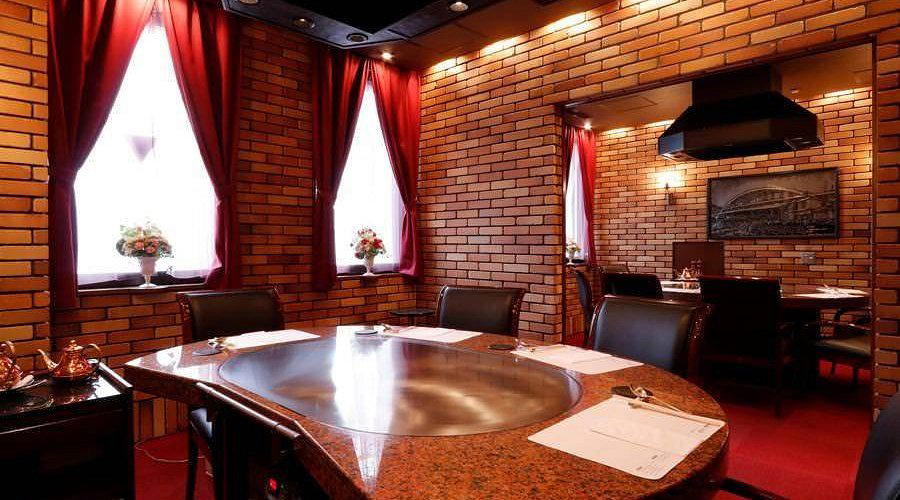
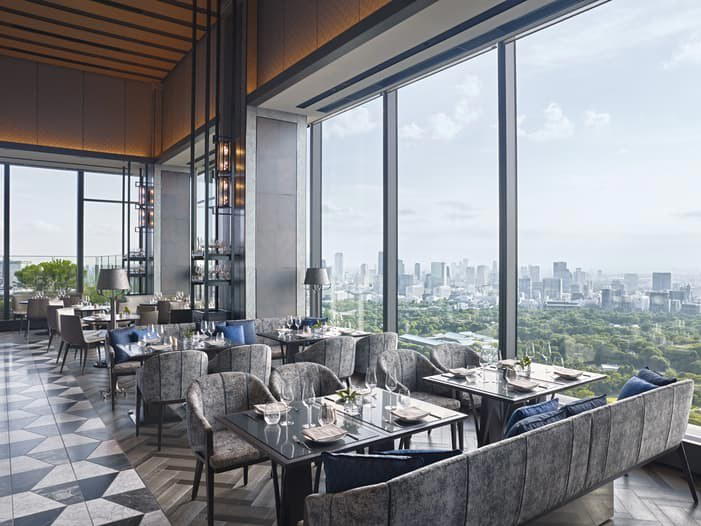
A calm, refined steakhouse setting with heavy brick-accented décor, private rooms, and an intimate clubhouse-like atmosphere for beef connoisseurs.