Mezcaleria Alma



1 Michelin Star · New York Times America's Best Restaurants · Bon Appétit The 20 Best New Restaurants #18
Our verdict
Opened in November 2024 alongside the Michelin-starred Alma Fonda Fina, Mezcaleria Alma channels the energy of Mexico City's contemporary dining scene through a focused menu of seafood-driven small plates and a spirits program exceeding 120 agave expressions. Tuna belly tostadas, Santa Barbara uni aguachile, and a mezcal old-fashioned with fig and tamarind make the case quickly.

Pearl is the En Primeur Club membership app — saves, bookings, and concierge access live there. Same editors, same standards.
- Address
- 2550 15th St, Denver, CO 80211
- Phone
- (303) 484-1471
- Hours
- Daily 3–11 PM
- Website
- mezcaleriaalma.com
- Directions
- Get directions
- Booking
- Book on OpenTable
The menu
What to order
- Tostada de Toro with uni
- Aguachile de Erizo
- Burrita de Guisado
- Corn Sour cocktail
Where LoHi Meets CDMX
On 15th Street in Denver's Lower Highlands, the block between a Michelin-starred dining room and a mezcal bar is measured in feet. Mezcaleria Alma opened in November 2024 directly beside Alma Fonda Fina, and the physical proximity says something deliberate about how the two concepts relate. Walk past the drying fridge visible behind the bar — tuna belly hanging in full view — and the message is clear: this is a kitchen-forward operation wearing a cocktail bar's clothes. The room is small and stylish, the kind of space that fills quickly on a weekday and turns over with purpose. Agave spirits line the back bar in depth. The energy is looser than next door, the menu tighter, and the cooking no less precise.
Mexico City as Method, Not Theme
The contemporary dining scene in Mexico City has spent the better part of two decades building a vocabulary around imported technique applied to Mexican ingredients and vice versa, Japanese seafood preparation reframed with Mexican acids and chiles, French butchery logic applied to masa-based formats, and so on. That cross-referencing tradition, visible at places like Le Chique in Puerto Morelos and Arca in Tulum, has a foothold in Denver through Mezcaleria Alma's menu construction.
The aguachile built from Santa Barbara uni and Hokkaido scallops is a clear example. Both ingredients arrive from cold Pacific waters with strong briny profiles; the mandarin orange and crispy ginger pull them into a citrus framework that Mexican cooks have long used for raw seafood. The result holds the richness of the proteins in suspension with sweet and tangy acidity, it reads as distinctly Mexican in logic even as the sourcing reaches across the Pacific. This is the editorial angle worth paying attention to: the menu at Mezcaleria Alma is not fusion in the blunt sense, but a structured application of CDMX's current mode of thinking about global ingredients through a Mexican culinary lens.
Tostada de toro extends that thinking onto land. The tuna belly, the cut responsible for the fattiest, most collagen-rich slices in Japanese omakase contexts, is treated here with charred habanero mayonnaise and sesame chile oil. The char on the habanero reduces the raw heat and introduces a smokiness that echoes what mezcal does to agave. Sesame brings a nuttiness that reads as neither Japanese nor Mexican in origin but functions correctly in both registers. Dishes like this position Mezcaleria Alma in the same conversation as Le Bernardin in New York City in one narrow sense: both kitchens treat seafood as a medium for technique rather than a category of menu item.
The Spirits Program as Anchor
Denver has developed a coherent cocktail culture in recent years, with bars across the city building programs around sourcing depth and technique. Mezcaleria Alma enters that scene with a specific competitive position: more than 120 agave expressions behind the bar, alongside a cocktail list built around those spirits rather than alongside them. The mezcal old-fashioned with fig and tamarind is the clearest statement of intent, a classic American format reprogrammed with Mexican flavor logic. Fig adds a jammy sweetness that differs from the sugar-cube baseline; tamarind introduces a tartness that shifts the drink's weight toward the back palate. It is a technically considered cocktail that earns its place on a menu that takes mezcal seriously.
For context, Denver's broader bar scene covers considerable range, but a focused agave program of this depth is relatively narrow territory in the city.
The Dishes Worth Ordering
The tostada de toro and the aguachile have already been discussed, but the burrita de chicharrón deserves separate attention precisely because it resists ornamentation. Crisp-skinned pork, pickled white onion, and guacamole wrapped in a housemade flour tortilla: the components are few, the execution direct. In a menu where most dishes operate through layered cross-cultural references, this one anchors the register in something elemental. Housemade tortilla changes the structural math, a flour tortilla made in-house has a different chew, a different fat content from rendered lard or shortening choices, and a different relationship to the filling than a commercial product.
The duck tlacoyo shows the menu's range across proteins. Slow-cooked duck on a crisp blue corn tlacoyo with xni-pec salsa places a protein typically associated with French braising traditions onto a masa format indigenous to central Mexico, then finishes with a Yucatecan salsa built on habanero and bitter orange. The layering is not accidental. Blue corn tlacoyos have a denser, earthier baseline than their yellow corn equivalents, which absorbs the duck's fat differently and holds the salsa's acid in a different way. The kanpachi ceviche with dill and roasted garlic marks another outward reach, dill is not a standard Mexican herb, but its anise-adjacent flavor sits logically alongside the citrus acids in ceviche preparation.
Context Within Denver's Contemporary Tier
Denver's restaurant scene has expanded its upper-middle tier considerably over the past several years. At the $$$ price point, Mezcaleria Alma operates in a bracket that includes venues like Alteño and Beckon, while its neighbor Alma Fonda Fina operates at $$ with Michelin recognition. The mezcaleria format allows a shorter, more focused menu than a full-service dining room, which in practice means the kitchen concentrates its attention across fewer dishes. Compared to the tasting-menu discipline at Brutø or The Wolf's Tailor, Mezcaleria Alma offers something more casual in format without being less considered in execution.
The Michelin recognition at Alma Fonda Fina creates an obvious credibility signal for the adjacent concept. Kitchens that earn Michelin stars in their flagship formats tend to carry production discipline across related projects, sourcing relationships, prep standards, and technique libraries do not reset because the concept changed. Johnny Curiel's Michelin star, awarded to Alma Fonda Fina, functions as a credential that applies to the broader operation on 15th Street.
For a full picture of what Denver's dining, drinking, and hospitality scene offers at this level, see our full Denver restaurants guide, our full Denver hotels guide, our full Denver bars guide, our full Denver wineries guide, and our full Denver experiences guide. For reference points in the broader American contemporary dining conversation, Lazy Bear in San Francisco, Alinea in Chicago, The French Laundry in Napa, Single Thread Farm in Healdsburg, and Emeril's in New Orleans each offer comparative context for what technique-led American kitchens look like across different price points and formats.
Planning Your Visit
Mezcaleria Alma sits at 2550 15th Street in Denver's Lower Highlands neighborhood, directly adjacent to Alma Fonda Fina. The LoHi area is walkable from several of Denver's better hotel options and accessible by rideshare from downtown in under ten minutes. The bar format and small-plates menu suit a later-evening visit, arrive with an appetite calibrated for three to five dishes and a primary interest in the spirits list. Given that the venue opened in November 2024 and already carries the credibility of a Michelin-starred sibling concept, booking ahead rather than walking in is the more reliable approach, particularly on weekends. Hours and reservation availability are best confirmed directly through current channels.
What to Eat at Mezcaleria Alma
The tostada de toro, tuna belly from the drying fridge behind the bar, with charred habanero mayonnaise and sesame chile oil, is the dish most tables order, and with good reason. The aguachile of Santa Barbara uni and Hokkaido scallops with mandarin orange and crispy ginger demonstrates the menu's Pacific-meets-Mexico approach most directly. The burrita de chicharrón, despite its simplicity, rewards attention: housemade flour tortilla with crisp pork skin, pickled white onion, and guacamole. On the cocktail side, the mezcal old-fashioned with fig and tamarind is the most direct entry point into a list built around more than 120 agave expressions. Chef Johnny Curiel's Michelin star at Alma Fonda Fina provides the production context for everything coming out of this kitchen.
Frequently asked questions
Is Mezcaleria Alma Michelin-listed?
Mezcaleria Alma has received recognition including: The chef Johnny Curiel earned a Michelin star last year at the small-but-mighty Alma Fonda Fina, with dishes inspired by his family’s cooking. Just next door, his mezcaleria is the vivacious younger sibling, inspired by the worldly cuisine ….
What should I eat at Mezcaleria Alma?
The tostada de toro is the anchor order: tuna belly from the drying fridge behind the bar, topped with charred habanero mayonnaise and sesame chile oil. The aguachile pairs Santa Barbara uni with Hokkaido scallops and mandarin orange for a brine-and-citrus balance that holds up across the whole plate. Don't skip the burrita de chicharrón — crisp pork skin, pickled white onion, and guacamole in a housemade flour tortilla — which outperforms its modest description. A mezcal old-fashioned with fig and tamarind notes is the drink to open with.
What's the pricing like at Mezcaleria Alma?
Pricing at Mezcaleria Alma is listed as $$$.
| Venue | Cuisine | Price | Awards | Notes |
|---|---|---|---|---|
| Mezcaleria AlmaThis venue — the venue you are viewing | Contemporary Mexican Mezcaleria | $30–50 | 1 Michelin Star · New York Times America's Best Restaurants | Not listed |
| The Wolf's Tailor | Modern Fusion Tasting Menu | $150–200 | 2 Michelin Stars · La Liste Top Restaurants | New American, Contemporary |
| Tavernetta | Contemporary Italian | $50–100 | Michelin Bib Gourmand · Star Wine List | Italian |
| Brutø | Contemporary American Tasting Menu | $150–200 | 1 Michelin Star · Star Wine List | Contemporary |
| Alma Fonda Fina | Modern Mexican Fine Dining | $50–100 | 1 Michelin Star · World's 50 Best #45 | Mexican |
| Safta | Modern Israeli & Mediterranean Small Plates | $50–100 | Michelin Plate · Star Wine List | Israeli Cuisine |
Recognition history
Dated appearances from independent guides and award organizations, with the underlying list record or original source where available.
Michelin 1 Star
Michelin
Bon Appétit The 20 Best New Restaurants #18
Bon Appétit
New York Times America's Best Restaurants
New York Times
Full recognition history (4 entries)
Michelin 1 Star
Michelin
Continue exploring
More in Denver
Restaurants in Denver
Browse all →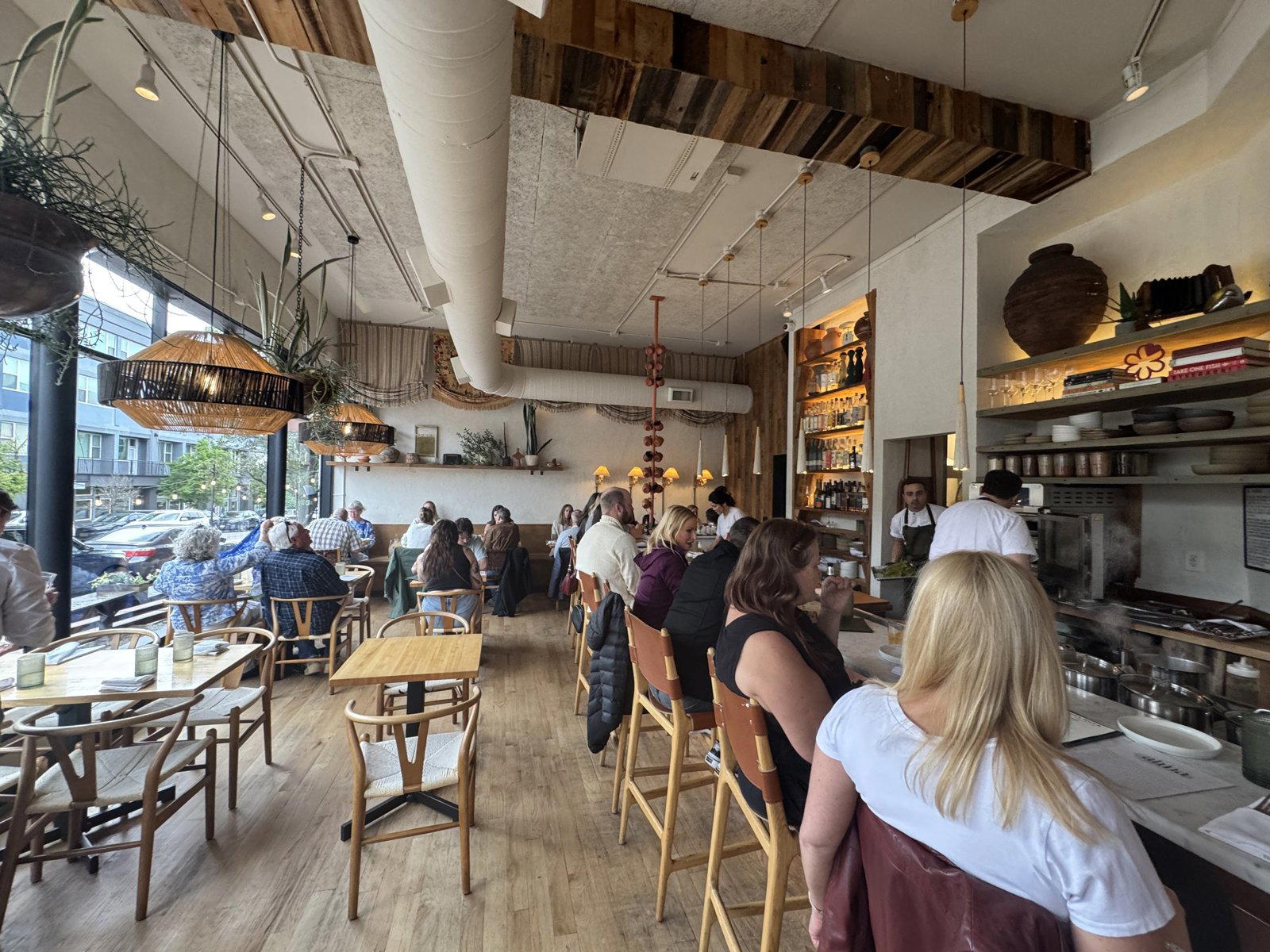
Bars in Denver
Browse all →
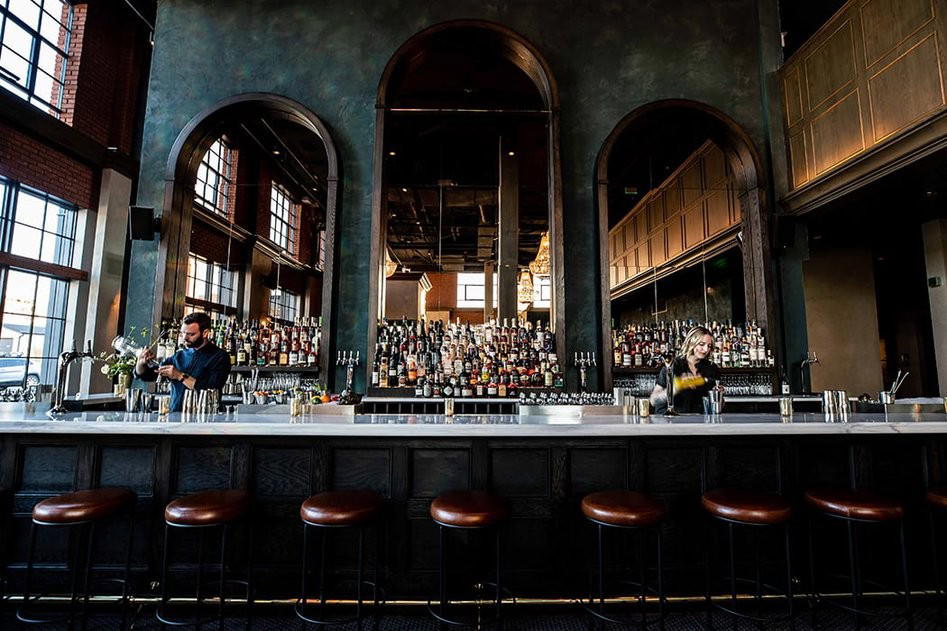
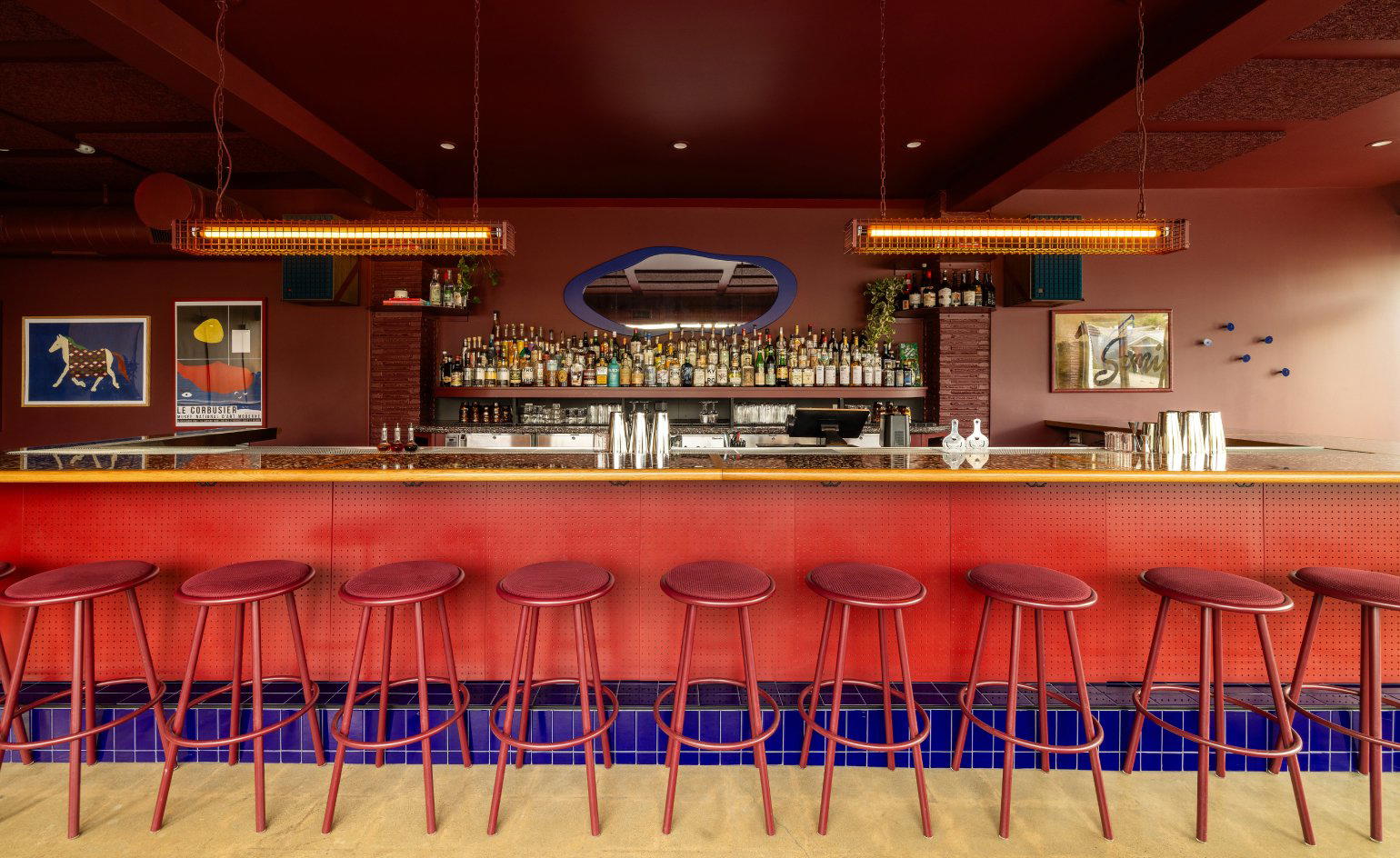
Hotels in Denver
Browse all →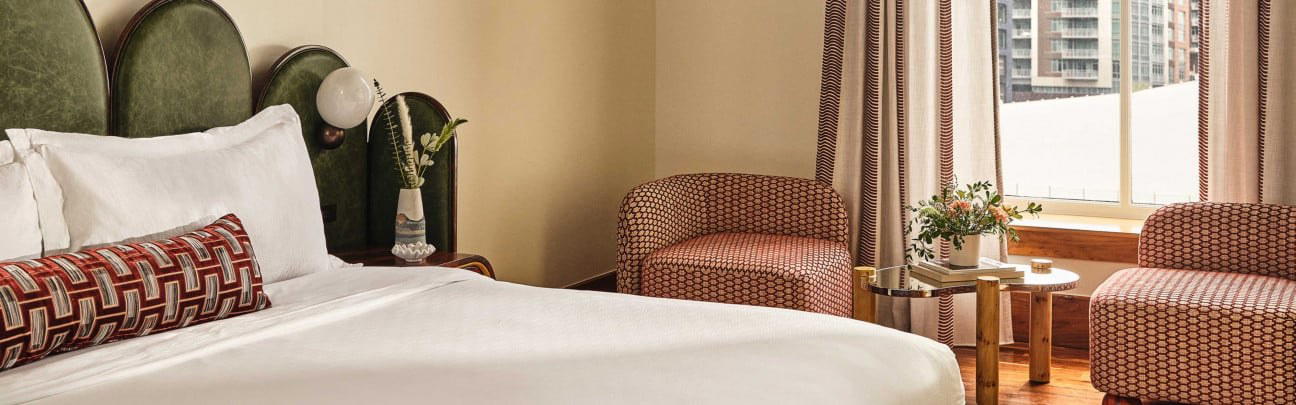
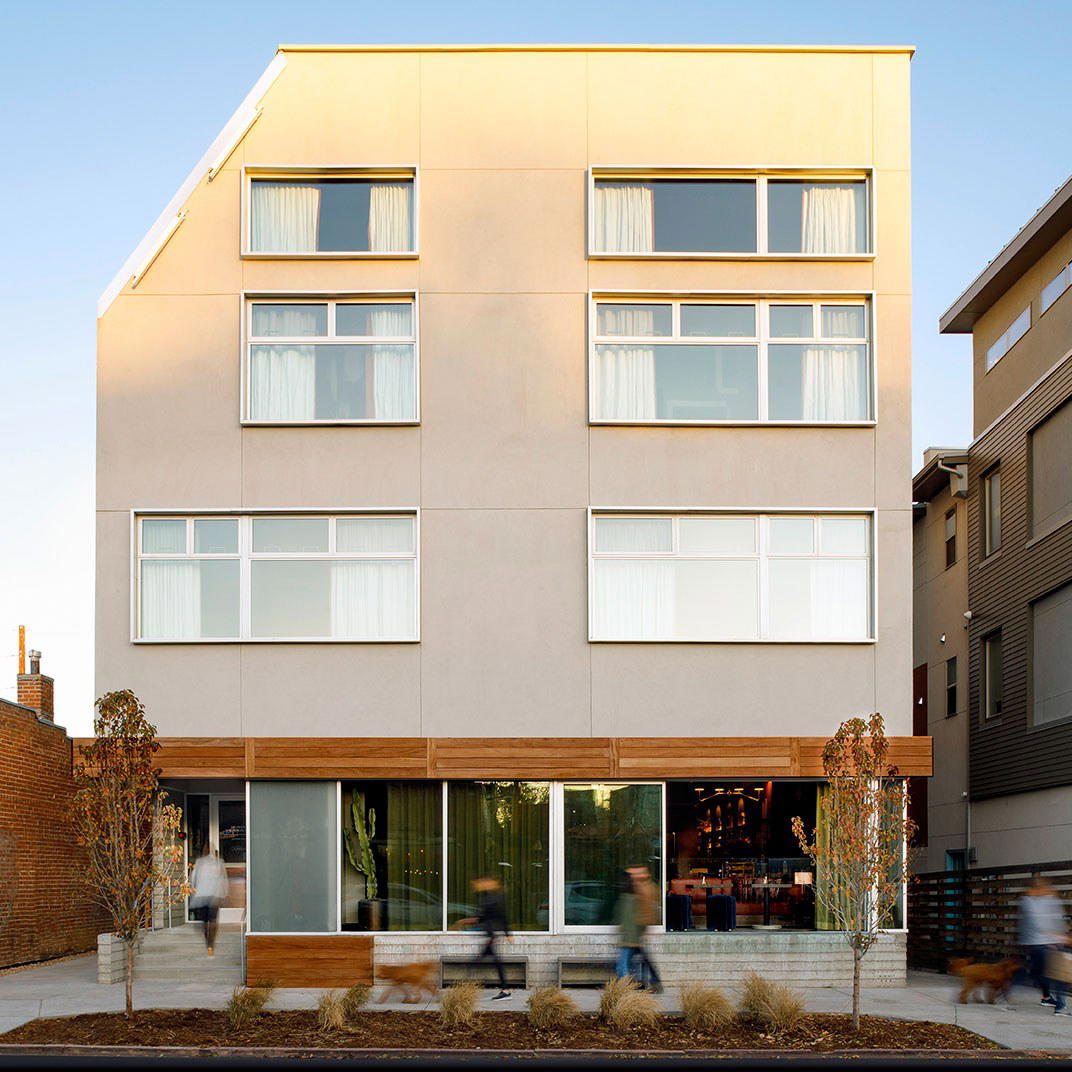

Details
- Romantic
- Modern
- Elegant
- Rustic
- Sophisticated
- Date Night
- Solo
- Special Occasion
- Chefs Counter
- Open Kitchen
- Design Destination
- Craft Cocktails
- Extensive Wine List
- Sustainable Seafood
- Local Sourcing
- Small Plates
- Counter Dining
- Mezcal
- Tequila
- Craft Cocktails
- Pescatarian Friendly
- Allergy Accommodating
Current opening hours
- Monday
- 3–11 PM
- Tuesday
- 3–11 PM
- Wednesday
- 3–11 PM
- Thursday
- 3–11 PM
- Friday
- 3–11 PM
- Saturday
- 3–11 PM
- Sunday
- 3–11 PM
Hours can change for holidays and private events. Last verified .
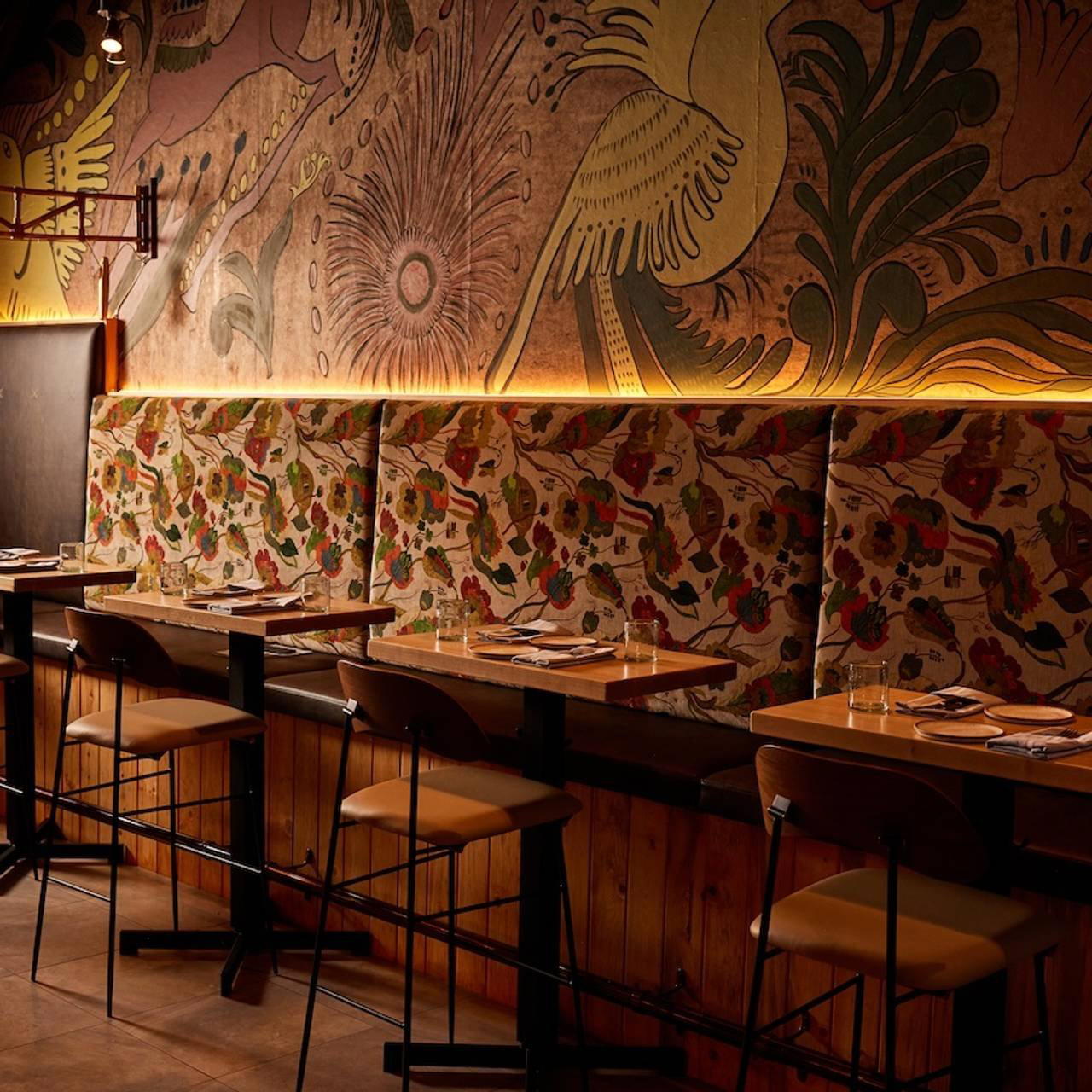
Moody and lively Mexico City-inspired space with towering back bar shelves of mezcal bottles, leather-bound upholstery, raw wood accents, mosaic tilework, embroidered floral booth backs, and a striking mural on traditional bark paper by local artist Maria Morante.