Denver Union Station
Denver Union Station is a restored 1881 Beaux-Arts rail terminal at 1701 Wynkoop St in LoDo, now operating as a civic hub anchoring the city's most walkable neighborhood. The Great Hall functions as a communal living room for the city, with bars, restaurants, and The Crawford Hotel operating beneath its original vaulted ceilings. It is the clearest argument Denver makes for adaptive reuse as a model of urban renewal.
Pearl is the En Primeur Club membership app — saves, bookings, and concierge access live there. Same editors, same standards.
- Address
- 1701 Wynkoop St, Denver, CO 80202
- Phone
- +1 303 592 6712
- Website
- denverunionstation.com
- Directions
- Get directions
 Saves & bookings on Pearl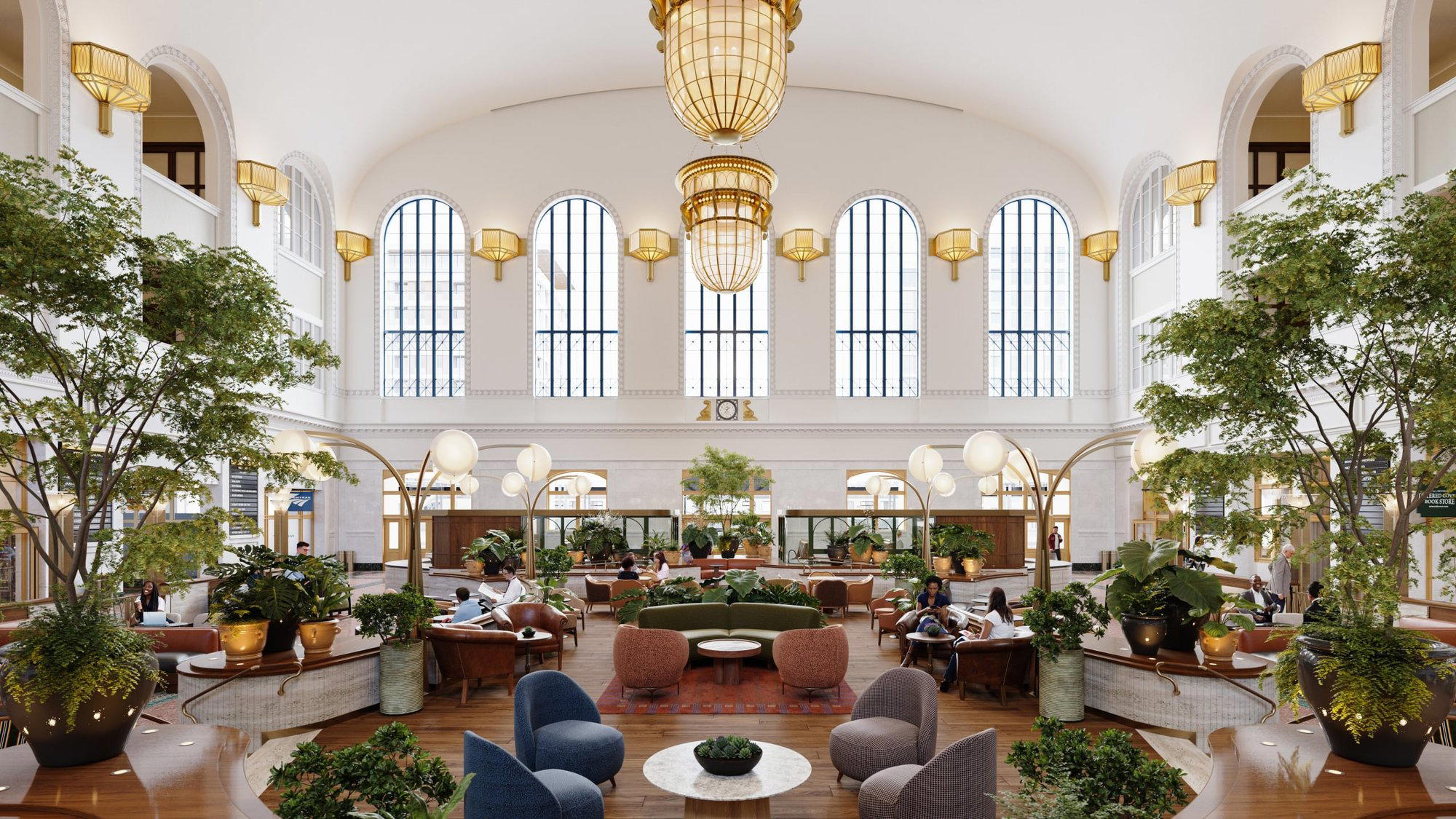
The Terminal That Became the Neighborhood
Approaching Denver Union Station from Wynkoop Street, the first thing that registers is scale: the 1881 Beaux-Arts facade stretches across the end of the 16th Street Mall corridor, its "Travel by Train" neon sign visible long before you reach the doors. This is a building that was designed to command attention, and the renovation completed in 2014 made a deliberate choice not to soften that authority. The Great Hall is loud with foot traffic, populated by laptop workers, travelers with luggage, families, and after-work drinkers occupying the same room with no apparent friction. That coexistence is not accidental, it is the architectural argument the renovation makes.
In American cities, the adaptive reuse of historic transit infrastructure has produced two broad outcomes: sanitized lifestyle retail that evacuates the building's civic character, or genuine public commons that retain the friction and energy of a working hub. Denver Union Station belongs firmly to the second category. The Great Hall functions as the city's most democratic gathering space, a role reinforced by the building's position as a literal transit node, the light rail A Line to Denver International Airport departs from the adjacent platforms, and the RTD bus network radiates outward from the surrounding plaza. The station handles millions of annual visitors not because it has manufactured reasons to visit, but because it sits at the intersection of where Denver actually needs to go.
Adaptive Reuse as Environmental Practice
The sustainability case for Denver Union Station is structural rather than performative. Preserving and restoring an existing masonry building of this scale carries a significantly lower embodied carbon cost than demolition and new construction. The 2014 renovation, managed through a public-private partnership involving the City and County of Denver, Regional Transportation District, and Colorado Department of Transportation, retained the original 1914 Beaux-Arts facade and the Great Hall's interior volume while upgrading mechanical, electrical, and plumbing systems to contemporary standards. This approach preserved approximately 100,000 square feet of irreplaceable historic fabric rather than diverting it to landfill.
The transit integration compounds the environmental calculus. Union Station serves as the spine of Denver's Regional Transportation District network, connecting light rail, commuter rail, and bus rapid transit under one roof. Properties and venues at transit hubs that are actually used as transit hubs generate a different kind of community impact than those that merely occupy transit-adjacent real estate. Visitors arriving by train or light rail from Denver International Airport, the suburbs, or other city neighborhoods represent a meaningful share of daily traffic, a pattern that distinguishes this station from peer adaptive reuse projects in other American cities that retained the shell while evacuating the transit function.
Denver Union Station takes a different path, the environmental argument is the building itself, preserved and pressed back into civic service.
The Crawford Hotel and the Case for Staying In the Station
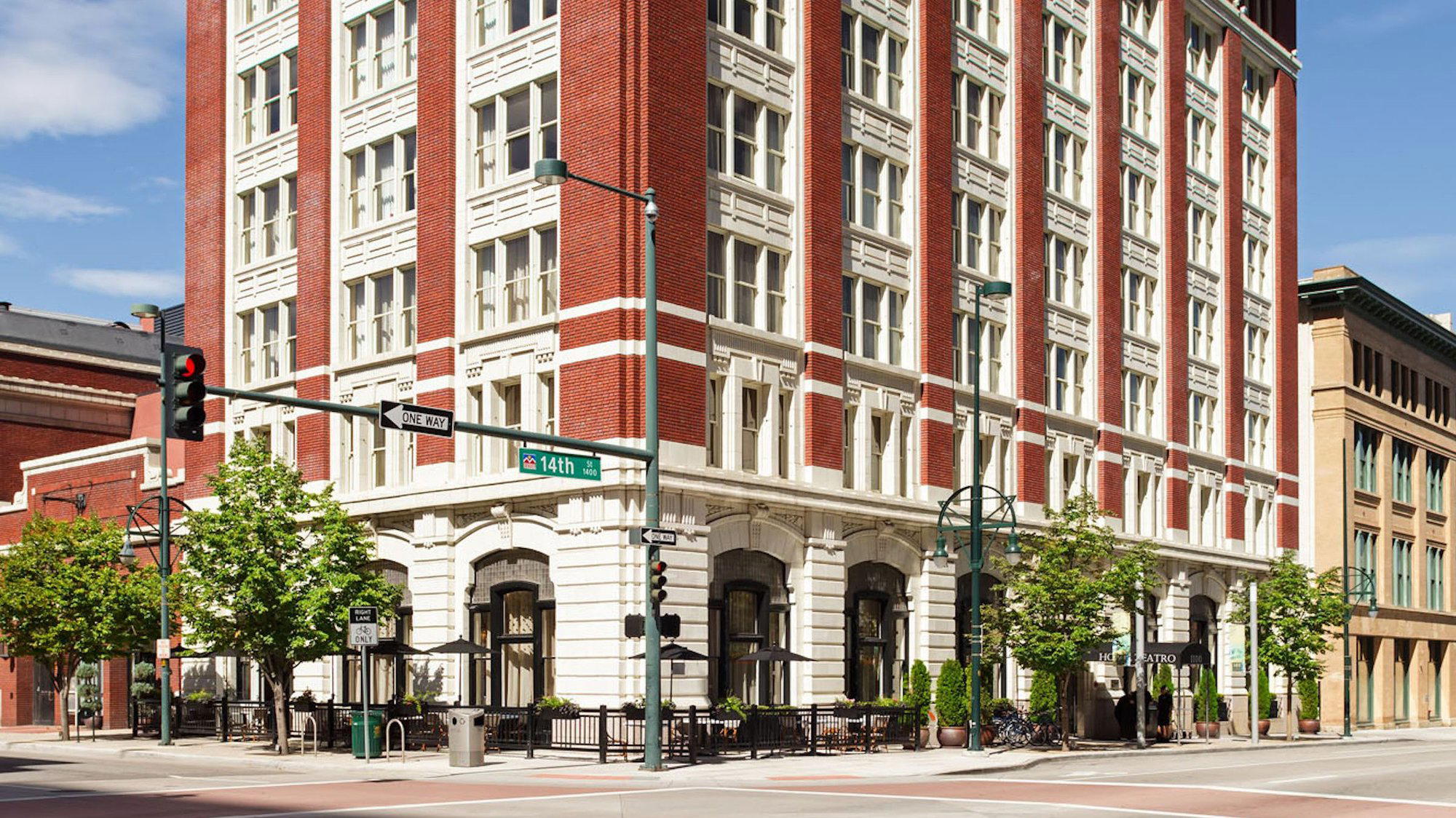
The Crawford Hotel occupies the upper floors of the main terminal building, placing guests directly above the Great Hall. The Crawford Hotel represents the residential component of the adaptive reuse program and operates with an interior design sensibility calibrated to the building's industrial heritage rather than against it. Exposed structural elements, reclaimed materials, and references to the station's operational history appear throughout the property. Room categories range from smaller Pullman rooms, which take their name and spatial logic from historic sleeping cars, to larger loft configurations that make use of the building's ceiling heights.
Staying at The Crawford places guests within walking distance of LoDo's restaurant and bar concentration, with Coors Field and the Central Platte Valley greenway both accessible on foot. The RTD light rail connection means Denver International Airport is approximately 37 minutes by rail without the variable of road traffic. Properties like Four Seasons Denver and Clayton Hotel & Members Club offer their own logistical advantages, but neither puts guests on top of Denver's transit spine in the same way.
The Great Hall's Tenants and Their Role in the Ecosystem
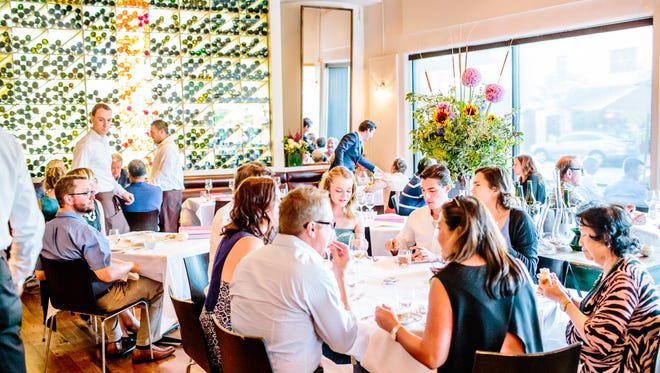
The bar and restaurant operators within the Great Hall function as a curated ecology rather than a food court. The Terminal Bar occupies a central position and operates as the station's public living room bar, serving a range of guests from arriving rail travelers to LoDo residents. The Mercantile Dining & Provision, the Cooper Lounge, and other in-station operators each occupy distinct spaces within the building's hierarchy, with the Cooper Lounge positioned as the higher-register option, accessible via a mezzanine that overlooks the Great Hall floor.
This vertical differentiation, refined physical position corresponding to a more curated experience, is a spatial logic that works because the Great Hall's volume supports it. Other Denver hotels and gathering spaces offer quality food and drink programs; AC Hotel Denver Downtown, Apiary Hotel, and Halcyon, a hotel in Cherry Creek each have their own programming. But the Union Station operators benefit from a built-in audience that no standalone restaurant or hotel bar can replicate: the daily churn of a functioning transit terminal keeps foot traffic continuous across morning, midday, and evening in patterns that most hospitality venues cannot sustain.
LoDo Context and the Station's Position in the City
Denver's Lower Downtown district underwent significant densification through the 2010s, with residential towers, the Dairy Block development, and the expansion of the 16th Street Mall retail corridor concentrating activity in the blocks immediately surrounding the station. Union Station functions as the geographic and symbolic anchor of that transformation. Denver's culinary scene in LoDo now runs from fast-casual to white-tablecloth, with the station sitting at the midpoint of that range both spatially and in terms of the offerings within its walls.
The hotel operates at a different price point and with a different civic mandate, but the category logic, significant architecture, genuine public function, premium hospitality layered on leading, runs parallel.
Planning Your Visit
The hotel is located at 1701 Wynkoop St in LoDo, directly accessible via RTD light rail from Denver International Airport on the A Line, the journey runs approximately 37 minutes and deposits passengers at the station's lower-level platforms without requiring road transport. The station building is open daily from 5:30 AM to 12:00 AM, while individual bar and restaurant operators maintain their own hours. The Crawford Hotel recommends reservations and operates independently within the building. Visitors arriving specifically for the Cooper Lounge or other food and beverage programs should plan ahead, as peak evening hours and weekend afternoons at Coors Field can compress the station's internal capacity.
Cost and Credentials
Comparable venues nearby, for context on price, style, and recognition.
| Venue | Price | Awards | Notes |
|---|---|---|---|
| Denver Union StationThis venue — the venue you are viewing | $$$$ | 4-Star | Not listed |
| The Rally Hotel at McGregor Square | $$$ | 4-Star | LoDo, Modern lifestyle hotel celebrating Colorado's adventurous spirit and baseball culture. |
| AC Hotel Denver Downtown | $$$ | 4-Star | Central Business District, Contemporary European-inspired urban hotel |
| the Curtis Denver - a DoubleTree by Hilton Hotel | $$$ | 4-Star | Central Business District, playful pop-culture themed boutique |
| Thompson Denver | $$$$ | 4-Star | LoDo, urban chalet with midcentury-modern influences |
| Gravity Haus Denver | $$$$ | 4-Star | Highland, Urban oasis blending hospitality and social club vibes |
Continue exploring
More in Denver
Hotels in Denver
Browse all →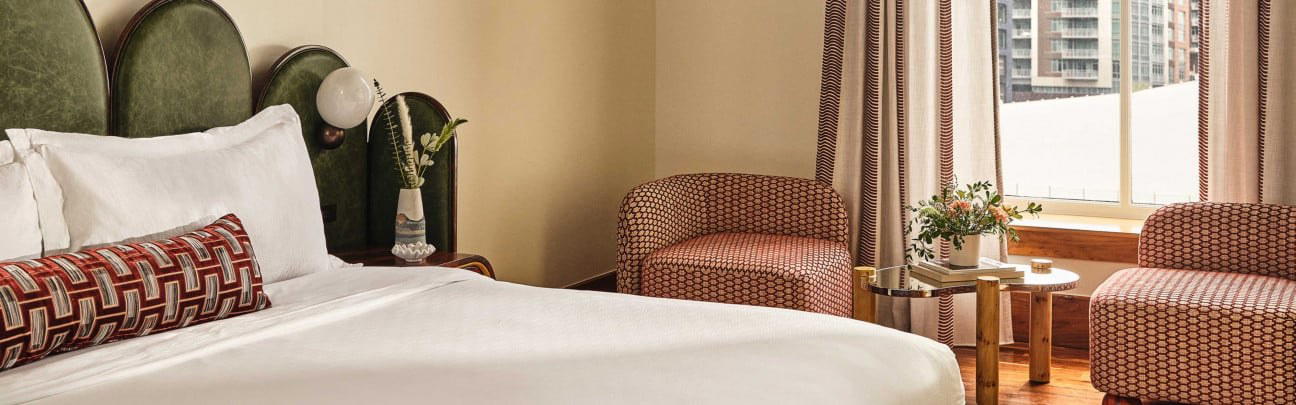
Bars in Denver
Browse all →
Restaurants in Denver
Browse all →

At a Glance
- Elegant
- Classic
- Well Known
- Sophisticated
- Business Trip
- Weekend Escape
- Celebration
- Historic Building
- Terrace
- Room Service
- Concierge
- Skyline
- Room Service
- Concierge
Current opening hours
- Monday
- 5:30 AM–12 AM
- Tuesday
- 5:30 AM–12 AM
- Wednesday
- 5:30 AM–12 AM
- Thursday
- 5:30 AM–12 AM
- Friday
- 5:30 AM–12 AM
- Saturday
- 5:30 AM–12 AM
- Sunday
- 5:30 AM–12 AM
Hours can change for holidays and private events. Last verified .
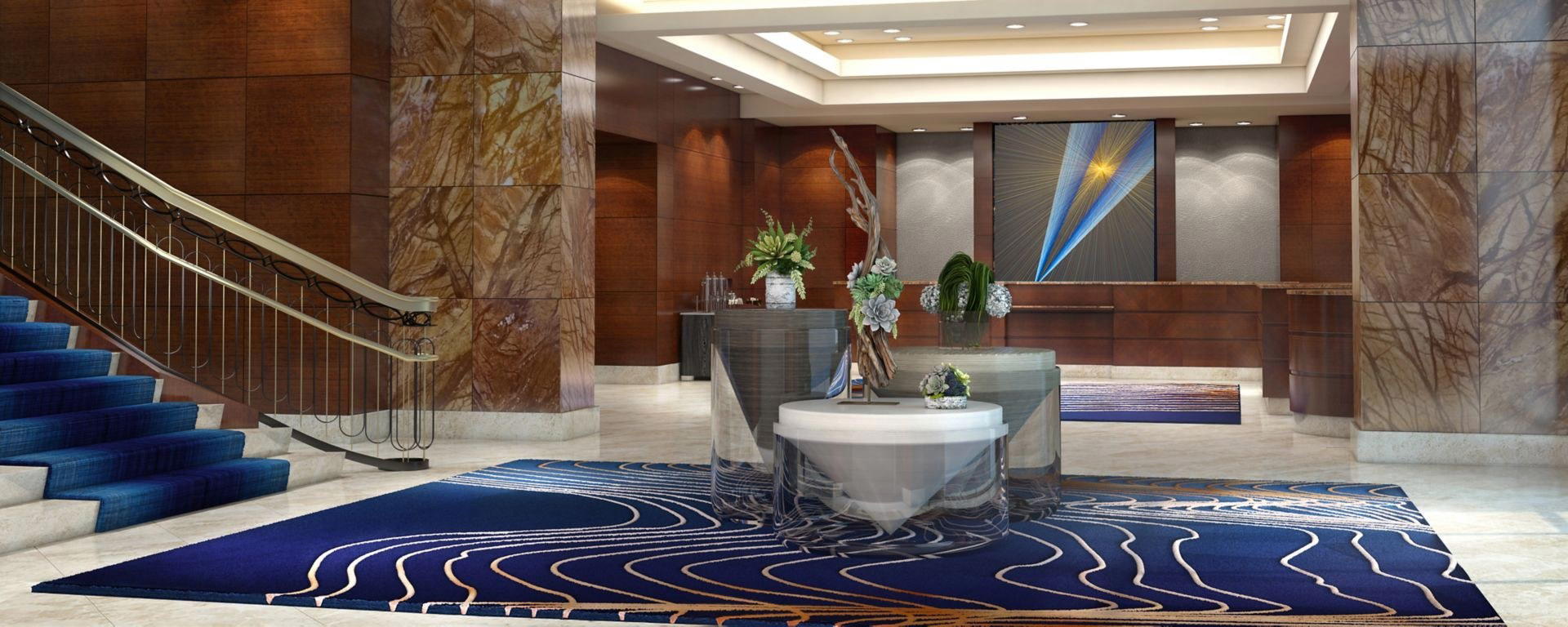
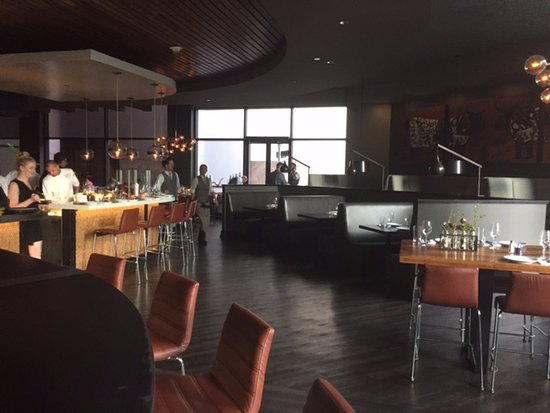
Ornate with rich jewel tones, custom furnishings, and abundant natural light from large windows in the grand Great Hall.