
On Calle de Narváez in Madrid's Retiro district, Taberna Zalamero occupies the quieter, neighbourhood-facing end of the city's taberna tradition. The format sits closer to the local, everyday dining register than the tasting-menu circuit, making it a counterpoint to Madrid's flashier restaurant scene. For visitors moving through Retiro, it functions as the kind of place the neighbourhood actually eats in.
Pearl is the En Primeur Club membership app — saves, bookings, and concierge access live there. Same editors, same standards.
- Address
- C. de Narváez, 67, Retiro, 28009 Madrid, Spain
- Phone
- +34917527882
- Website
- zalamerotaberna.com
- Directions
- Get directions
 Saves & bookings on Pearl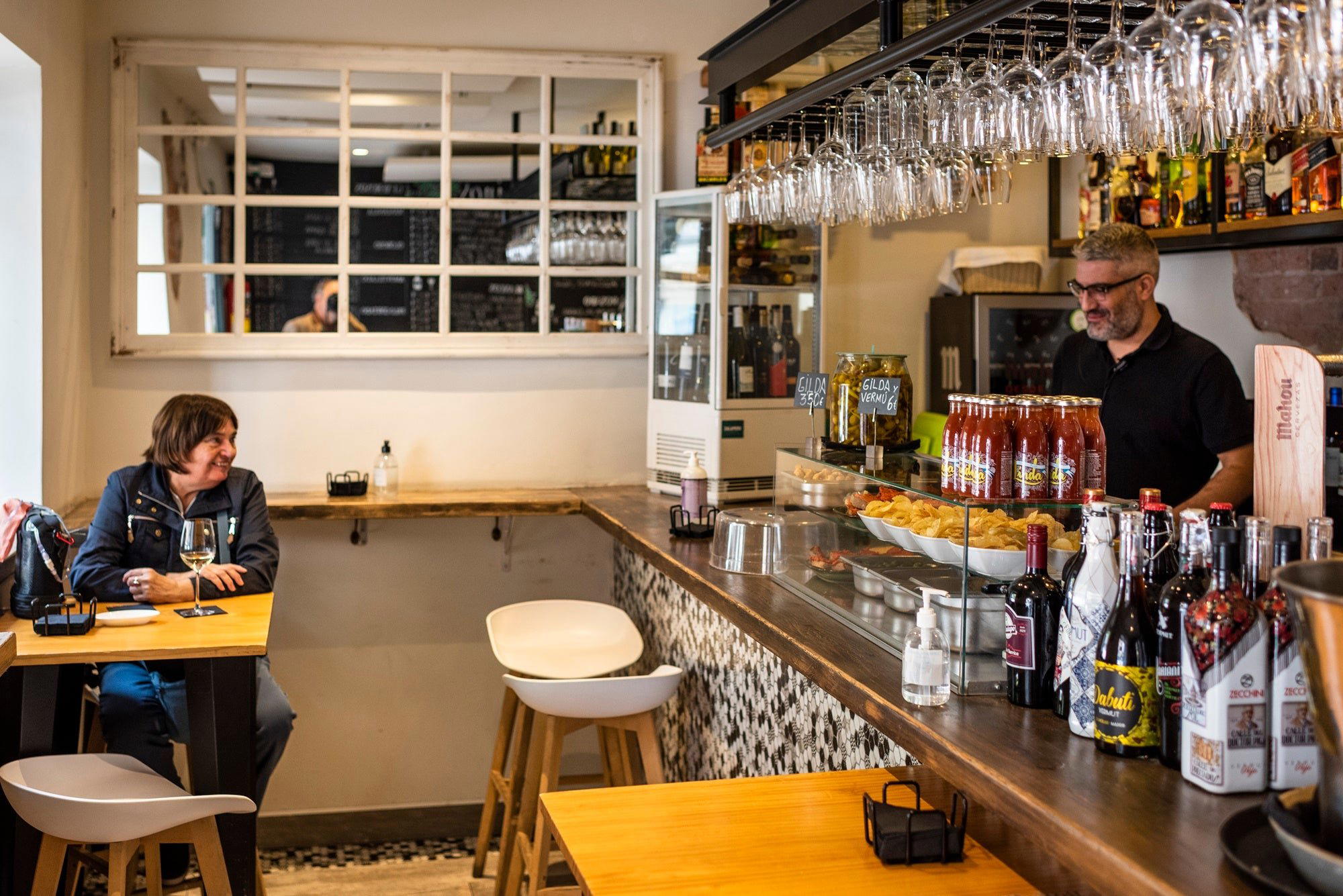
Retiro's Dining Character and Where Taberna Zalamero Fits
Madrid's Retiro district has a specific dining register that separates it from the Centro and Salamanca circuits. The neighbourhood runs on a longer, more local rhythm: residents who eat late, tables that turn slowly, and a general preference for rooms that feel inhabited rather than staged. Calle de Narváez, where Taberna Zalamero sits at number 67, is representative of that character. It is a residential street with enough foot traffic to support a genuine local trade, but none of the self-consciousness that comes with a destination dining address.
That neighbourhood framing matters when placing a taberna in Madrid's broader dining picture. The city currently divides roughly into two operative modes. At the leading end, the tasting-menu circuit runs through houses like DiverXO, Coque, Deessa, DSTAgE, and Paco Roncero, each operating at €€€€ and built around highly controlled, chef-driven experiences. Below that tier, the taberna and tasca format represents something entirely different: it is the form through which Madrid's everyday food culture expresses itself, and has done so for well over a century. The taberna is the city's default social infrastructure, the room where a glass of wine and a plate of jamón constitute a complete transaction.
Taberna Zalamero operates within that lower register, which is not a diminishment. It is simply a different competitive set, one judged by different criteria: consistency, hospitality warmth, the quality of the house wine, and whether the kitchen handles the classics without overcomplication.
The Team Dynamic Inside a Traditional Format
In the taberna format, the relationship between kitchen, floor, and wine service tends to be compressed and informal compared to a tasting-menu operation. There is no sommelier presenting a pairing rationale table-side, no choreographed sequence of courses designed to carry a narrative. What Madrid's neighbourhood tabernas rely on instead is a different kind of collaboration: the floor staff who know which regulars want their calamares a la romana the moment they sit down, a kitchen that can execute a broad menu at pace without the dramatic plating of a modernist kitchen, and a house wine list that the person pouring it can recommend without needing a formal credential.
This dynamic is more demanding than it appears. Tasting-menu restaurants can rehearse the sequence. A taberna that turns tables across a full lunch and dinner service, managing a menu that might run from soups and salads through to grilled meats and traditional desserts, requires a front-of-house team with spatial awareness and a kitchen with reliable mise en place. The quality of that coordination is what separates the genuinely good neighbourhood tabernas from the ones coasting on location. Spain's broader restaurant culture, which has produced internationally recognised operations like El Celler de Can Roca in Girona, Arzak in San Sebastián, and Azurmendi in Larrabetzu, is underpinned at its base by exactly this kind of neighbourhood reliability. The taberna is the format in which most Spanish diners actually eat most often.
The Seasonal Dimension of Madrid's Taberna Menus
One of the structural differences between Madrid's taberna tradition and its tasting-menu counterpart is how each responds to seasonal produce. The tasting-menu kitchens at places like Aponiente in El Puerto de Santa María or Quique Dacosta in Dénia build seasonal change into the formal structure of the menu, presenting it as part of the dining proposition. In a taberna, seasonal change is quieter and more practical: game in autumn, legume-heavy stews through winter, lighter plates as Madrid's spring arrives. The shift is not announced on the menu, it simply appears.
For visitors, this creates a timing consideration. Madrid's colder months, roughly October through February, tend to produce the characterful taberna eating. The city's cocido madrileño season, the chickpea and meat stew that is the capital's most emblematic cold-weather dish, sits in that window. Summer in Madrid shifts the register toward lighter plates and earlier closing times in some neighbourhood restaurants, as the local trade follows a different daily rhythm. Retiro's proximity to the park also shifts foot traffic patterns seasonally, with summer weekends drawing a different crowd than the residential regulars who sustain a place like Taberna Zalamero through the working week.
How Taberna Zalamero Sits Against Spain's Wider Restaurant Picture
Placing the restaurant in the context of Spain's wider dining offer requires accepting that the country runs on two largely parallel tracks. The internationally visible track, the one that produces entries in the World's 50 Best and Michelin three-star counts, runs through houses like Martin Berasategui in Lasarte-Oria, Mugaritz in Errenteria, Cocina Hermanos Torres in Barcelona, and Ricard Camarena in València. The other track, less visible internationally but far larger in volume, is the neighbourhood restaurant and taberna circuit that constitutes the day-to-day dining life of Spanish cities.
A taberna on Calle de Narváez is not competing with those first-track operations. It is instead part of the infrastructure that makes Madrid worth visiting for food reasons beyond the Michelin circuit. For comparison: even in cities with strong high-end scenes, like New York with Le Bernardin and Atomix or Atrio in Cáceres representing Spain's smaller-city fine dining, the neighbourhood restaurant tier is where the food culture is most legible and most daily. Spain's taberna tradition is, in that sense, the clearest lens through which to read Spanish food culture rather than Spanish restaurant ambition.
Planning Your Visit
The restaurant is located at Calle de Narváez 67, in the Retiro district of Madrid (28009). As a neighbourhood taberna, it operates on the local dining schedule: Wednesday through Sunday from 1 to 11:30 PM, with Monday and Tuesday closed. Reservation is recommended.
City Peers
Comparable venues nearby, for context on price, style, and recognition.
| Venue | Cuisine | Price | Notes |
|---|---|---|---|
| Taberna ZalameroThis venue — the venue you are viewing | Traditional Spanish Tapas with Modern Twists | $$ | Not listed |
| Puzles Madrid | Traditional Spanish Tapas & Vermouth | $$ | Ibiza |
| La Finca de Susana | Traditional Spanish Mediterranean | $$ | Sol |
| Hakuna Matata Veggie | 100% Vegan Spanish & Mediterranean | $$ | Arapiles |
| Alcaravea | Traditional Spanish | $$ | Vallehermoso |
| El Olvido | Spanish Market Cuisine | $$ | Nueva Espana |
Recognition history
Dated appearances from independent guides and award organizations, with the underlying list record or original source where available.
Macarfi 6.4 Food Rating
Macarfi
Continue exploring
More in Madrid
Restaurants in Madrid
Browse all →
Bars in Madrid
Browse all →
Hotels in Madrid
Browse all →



At a Glance
- Cozy
- Rustic
- Classic
- Casual Hangout
- Date Night
- After Work
- Open Kitchen
- Extensive Wine List
Current opening hours
- Monday
- Closed
- Tuesday
- Closed
- Wednesday
- 1–11:30 PM
- Thursday
- 1–11:30 PM
- Friday
- 1–11:30 PM
- Saturday
- 1–11:30 PM
- Sunday
- 1–11:30 PM
Hours can change for holidays and private events. Last verified .
Bright, welcoming, and convivial bistro atmosphere with comfortable seating and unfussy tables in an informal space.