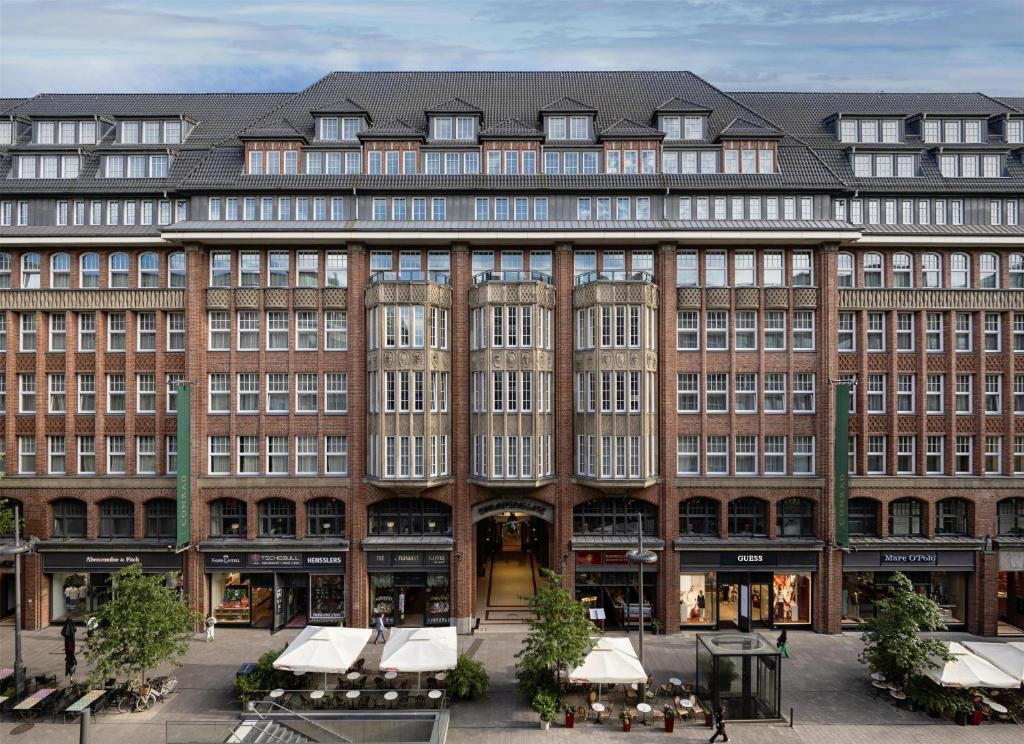
Block House at Jungfernstieg 1 sits at one of Hamburg's most recognisable addresses, where the steakhouse format has held its ground across decades of shifting dining fashions. The chain's Hamburg flagship places direct, grill-centred cooking against a backdrop of Alster-adjacent foot traffic and a city increasingly drawn toward creative tasting menus and Mediterranean-inflected bistros.
Pearl is the En Primeur Club membership app — saves, bookings, and concierge access live there. Same editors, same standards.
- Address
- Jungfernstieg 1, 20095 Hamburg, Germany
- Phone
- +494030382215
- Website
- block-house.de
- Directions
- Get directions
 Saves & bookings on Pearl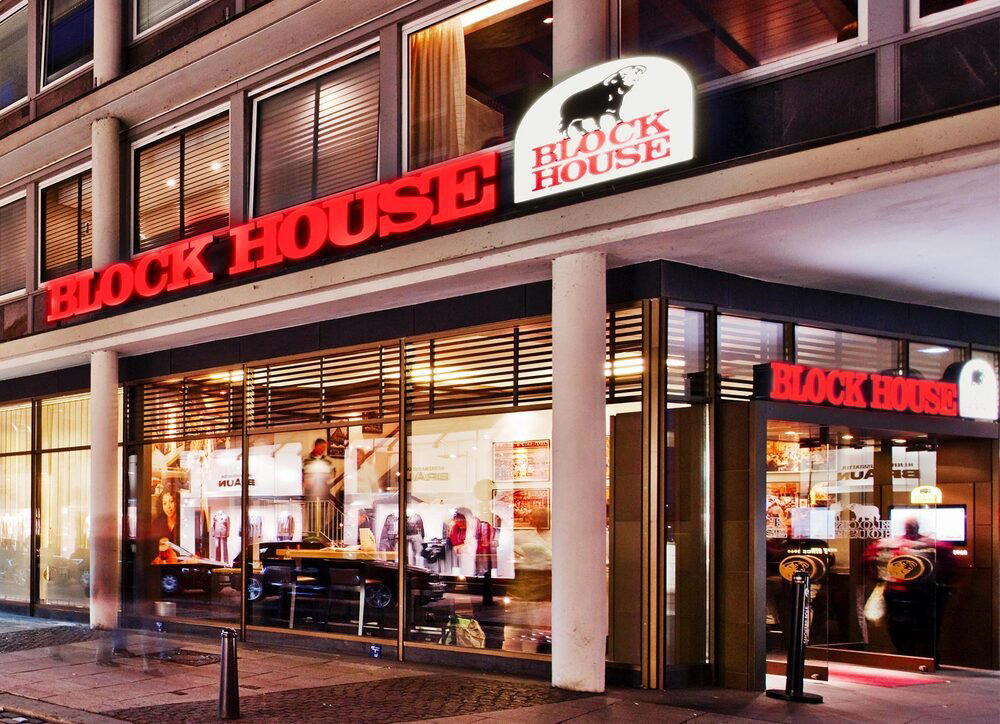
A Steakhouse on the Alster: What Block House Represents in Hamburg's Dining Order
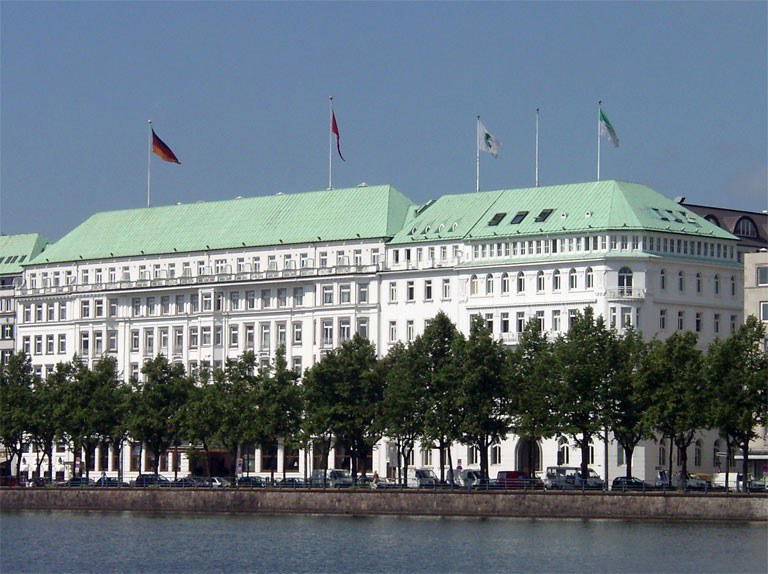
Jungfernstieg is not a street that rewards timidity. Hamburg's grandest boulevard runs along the Inner Alster lake, flanked by department stores, private banks, and the kind of foot traffic that makes a restaurant's rent unforgiving. To occupy a ground-floor address here across multiple decades, as Block House has, is itself a statement about durability in a city that has seen considerable dining reinvention. The format is grill-focused, the proposition is accessible, and the location places it squarely in the path of both locals and visitors who want something dependable at a famous address.
Block House is a German steakhouse chain with origins in Hamburg dating to 1968, making it one of the older surviving restaurant brands in the city. That longevity is worth pausing on.Restaurant Haerlin and The Table Kevin Fehling. The restaurant navigated all of that by not pretending to be any of those things.
The Evolution of a Hamburg Constant
German steakhouse dining has its own arc, and the restaurant sits at an interesting point on it. When the brand launched in the late 1960s, steak was aspirational in West Germany, American-style beef cookery carried associations with prosperity and transatlantic modernity. The restaurant format that restaurant pioneered, with its dark wood interiors, open grills, and consistent cuts-and-sides approach, was genuinely novel at the time. By the 1980s it had become a benchmark of middle-market reliability; by the 2000s, something of a Hamburg institution.
The more recent chapter is defined by how the restaurant has positioned itself as Hamburg's restaurant scene bifurcated sharply. On one side sits a cluster of destination fine-dining addresses: 100/200 Kitchen and bianc both occupy the creative-modern tier, while Lakeside holds its position in the high-end German category. On the other side, a wave of casual international formats, ramen counters, natural wine bars, neo-bistros, has absorbed younger diners. The restaurant occupies neither pole. Its longevity rests on a middle ground that doesn't require defending because it never claimed to be a creative project.
That's a more considered position than it sounds. Across Germany, the steakhouse category has been squeezed from both directions: premium butcher-led concepts have taken the quality-conscious end, while chain burger formats have absorbed the casual spend. The restaurant has responded over the years by tightening its supply credentials, sourcing has become a more prominent part of its identity, without abandoning the format consistency that defines chain dining. Whether that recalibration is fully visible at the Jungfernstieg location is something each visit will determine, but the strategic logic is clear.
Hamburg's Grill Tradition and Where Block House Fits
Hamburg is a port city with a merchant class that historically ate well but practically. The city's food culture has never been as ingredient-fetishistic as Munich's, as experimental as Berlin's, or as terroir-conscious as you'd find in wine-producing regions. What it has always valued is quality at scale, the ability to feed a prosperous, mobile population reliably. That cultural bias runs through the restaurant's entire proposition. It is not the choice for a long table-hopping evening in the Schanzenviertel, nor does it sit anywhere near the Michelin bracket occupied by Hamburg's starred tables.
For context on how wide that gap is: Germany's starred tier includes addresses as varied as Schwarzwaldstube in Baiersbronn, Aqua in Wolfsburg, and Vendôme in Bergisch Gladbach. At the more experimental end, CODA Dessert Dining in Berlin and JAN in Munich represent what German fine dining looks like when it pushes format boundaries. The restaurant is not in conversation with any of those. Its reference points are elsewhere: the accessible grill restaurant that a city of Hamburg's size needs in its central retail and business district, where time is often short and group sizes variable.
The Jungfernstieg Address and the Question of Context
Location shapes dining decisions more than most restaurant guides acknowledge. A restaurant at Jungfernstieg 1 is not competing primarily with other steakhouses; it is competing with everything a visitor or local might choose to do with a lunch hour or early dinner slot in central Hamburg. That framing shifts how you assess the restaurant. Against the creative fine-dining addresses further afield, it loses on ambition by design. Against the practical question of where to eat reliably in central Hamburg without a reservation, without a long wait, and without committing to a multi-course format, it answers more directly.
Hamburg's broader dining infrastructure, documented across our full Hamburg restaurants guide, runs from the starred rooms of Haerlin and The Table through mid-market European and Mediterranean cooking to the kind of no-reservation neighbourhood dining that has become the city's most dynamic sector. The restaurant sits at the accessible end of that range, where the primary virtues are consistency, legibility, and a central address.
Planning a Visit
The Jungfernstieg address puts the restaurant within walking distance of the main S-Bahn and U-Bahn hub at Jungfernstieg station, making it direct to reach from most Hamburg neighbourhoods. As a chain format, walk-ins are generally feasible, though the central location means weekend evenings and lunchtime on business days can draw volume. Walk-ins are generally feasible, though the central location means weekend evenings and lunchtime on business days can draw volume. Dress code is casual, and the restaurant sits in a moderate price tier.Victor's Fine Dining by Christian Bau or ES:SENZ in Grassau.
For those building a broader Hamburg itinerary, the city's destination tables typically require advance planning: Schanz, Waldhotel Sonnora, and Bagatelle in other German cities give a sense of the booking discipline those rooms require. Hamburg's own destination tables, Haerlin, The Table, typically book weeks to months ahead. The restaurant, by contrast, is the kind of address that absorbs the unplanned meal.
A Lean Comparison
Comparable venues nearby, for context on price, style, and recognition.
| Venue | Cuisine | Price | Notes |
|---|---|---|---|
| Block HouseThis venue — the venue you are viewing | Neustadt, German Steakhouse | $$ | Not listed |
| [m]eatery | Neustadt, Modern Steakhouse | $$$ | Not listed |
| Burrico | Not listed | $$ | Hamburg-Altstadt, Mexican Burritos & Bowls |
| Restaurant Békaa | Rotherbaum, Modern Lebanese | $$ | Not listed |
| Shani's African Snacks | Sternschanze, Authentic African Snacks | $$ | Not listed |
| Bullerei | Sternschanze, Modern German Grillhouse | $$ | Not listed |
Continue exploring
More in Hamburg
Restaurants in Hamburg
Browse all →
At a Glance
- Cozy
- Classic
- Relaxed
- Casual Hangout
- Family
- Group Dining
- Business Dinner
- Standalone
- Beer Program
Current opening hours
- Monday
- 11:30 AM–10 PM
- Tuesday
- 11:30 AM–10 PM
- Wednesday
- 11:30 AM–10 PM
- Thursday
- 11:30 AM–10 PM
- Friday
- 11:30 AM–11 PM
- Saturday
- 11:30 AM–11 PM
- Sunday
- 11:30 AM–10 PM
Hours can change for holidays and private events. Last verified .
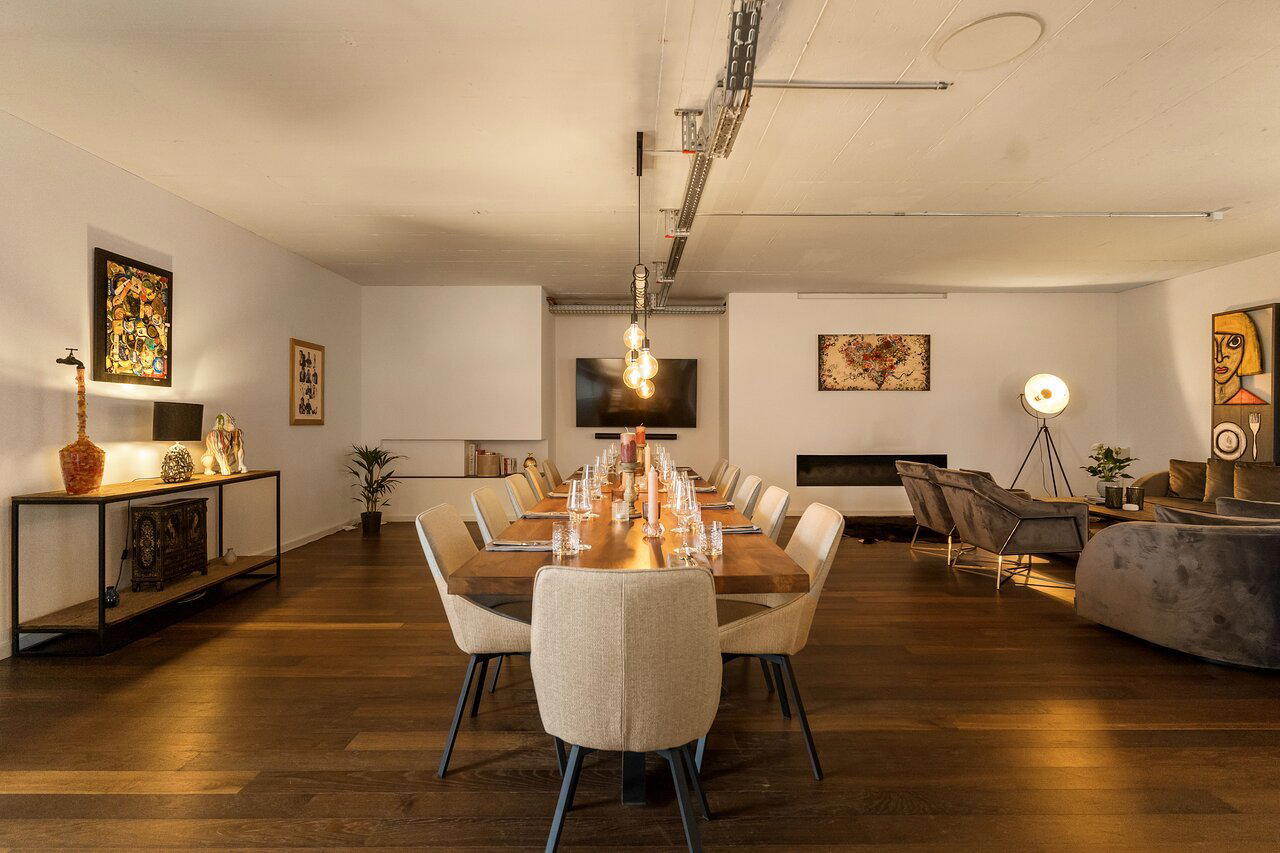
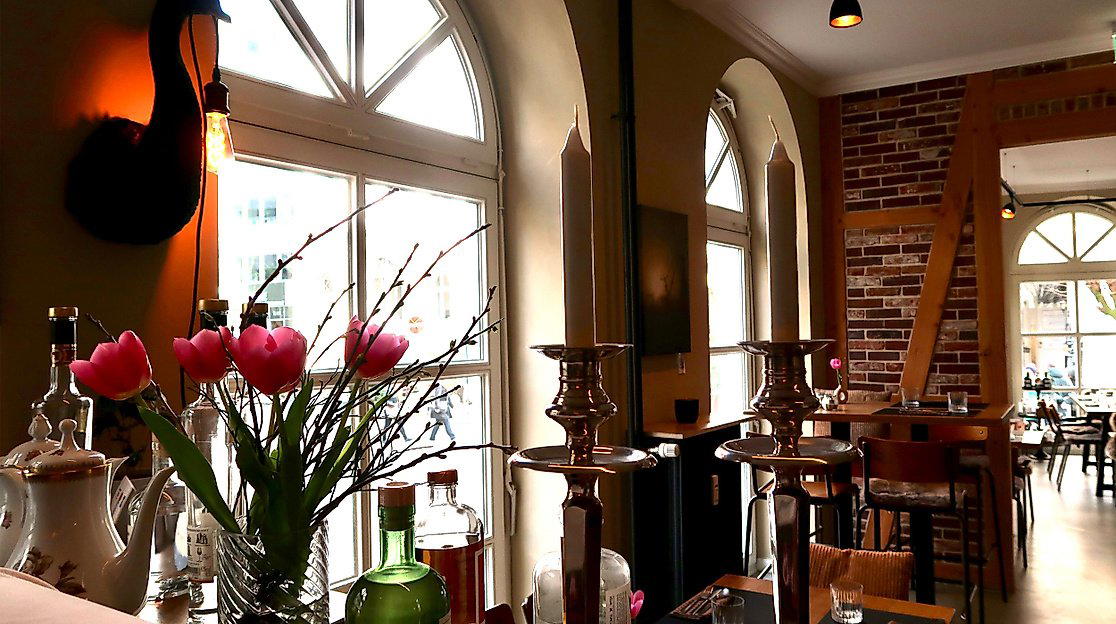
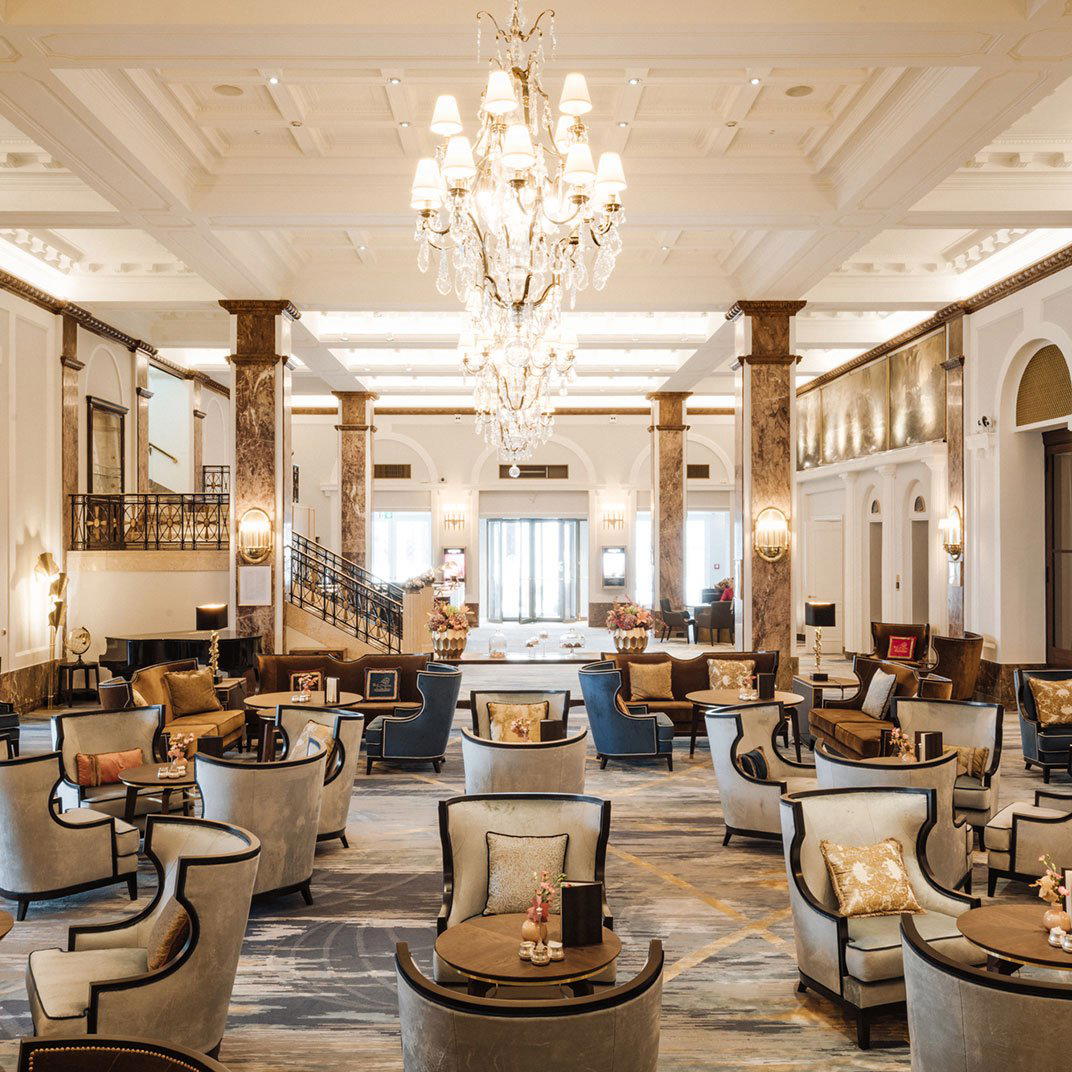
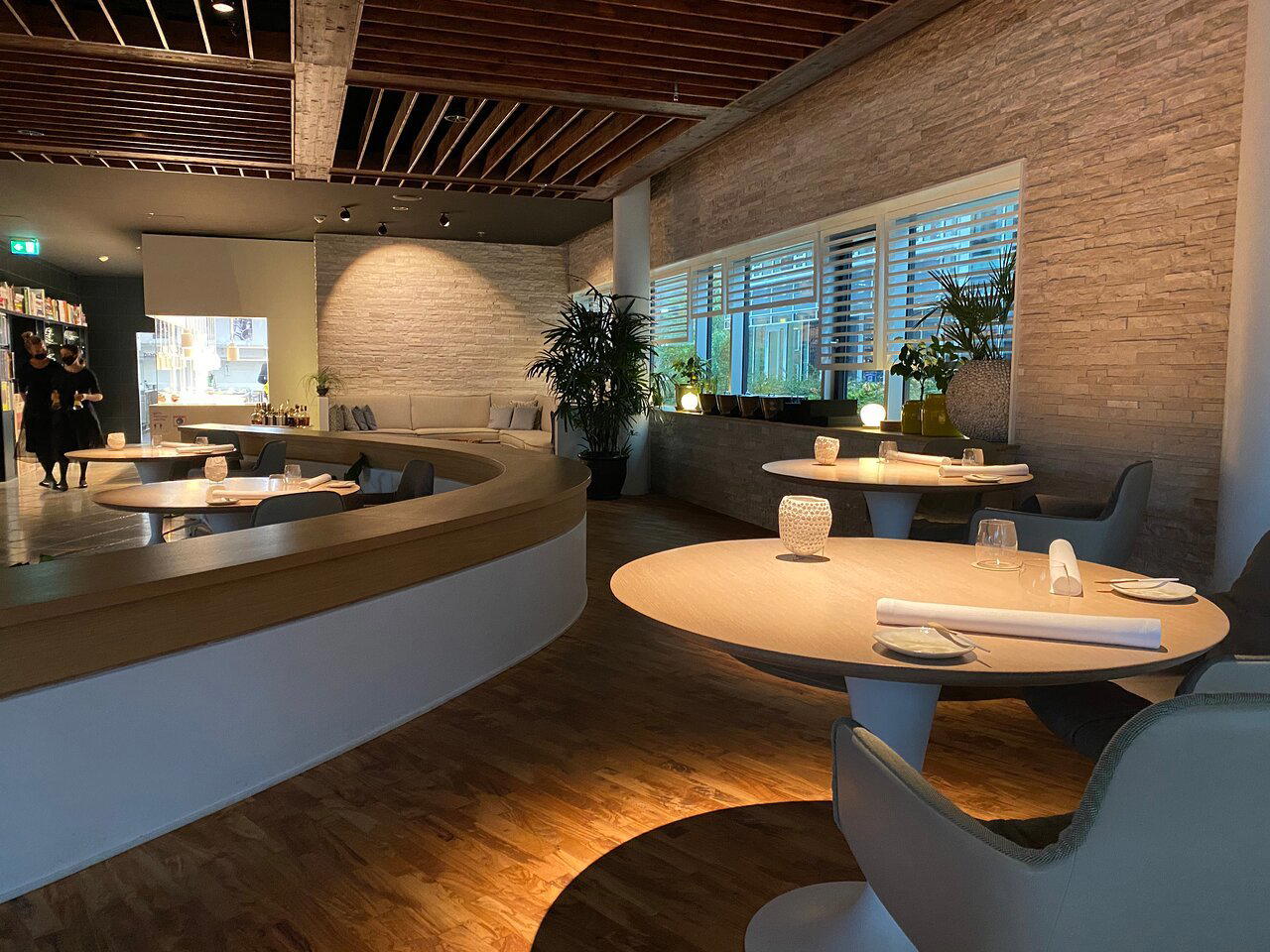
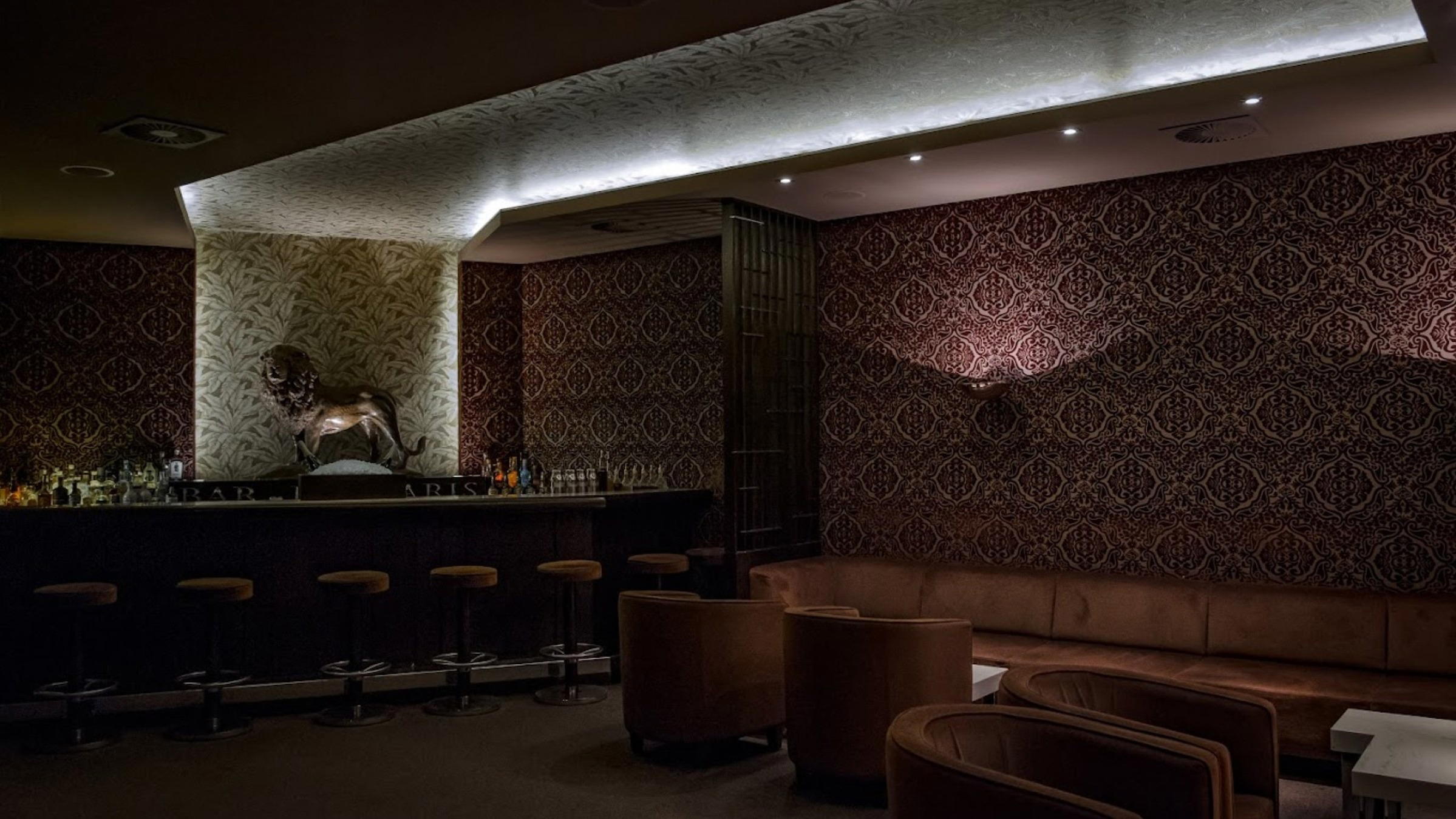
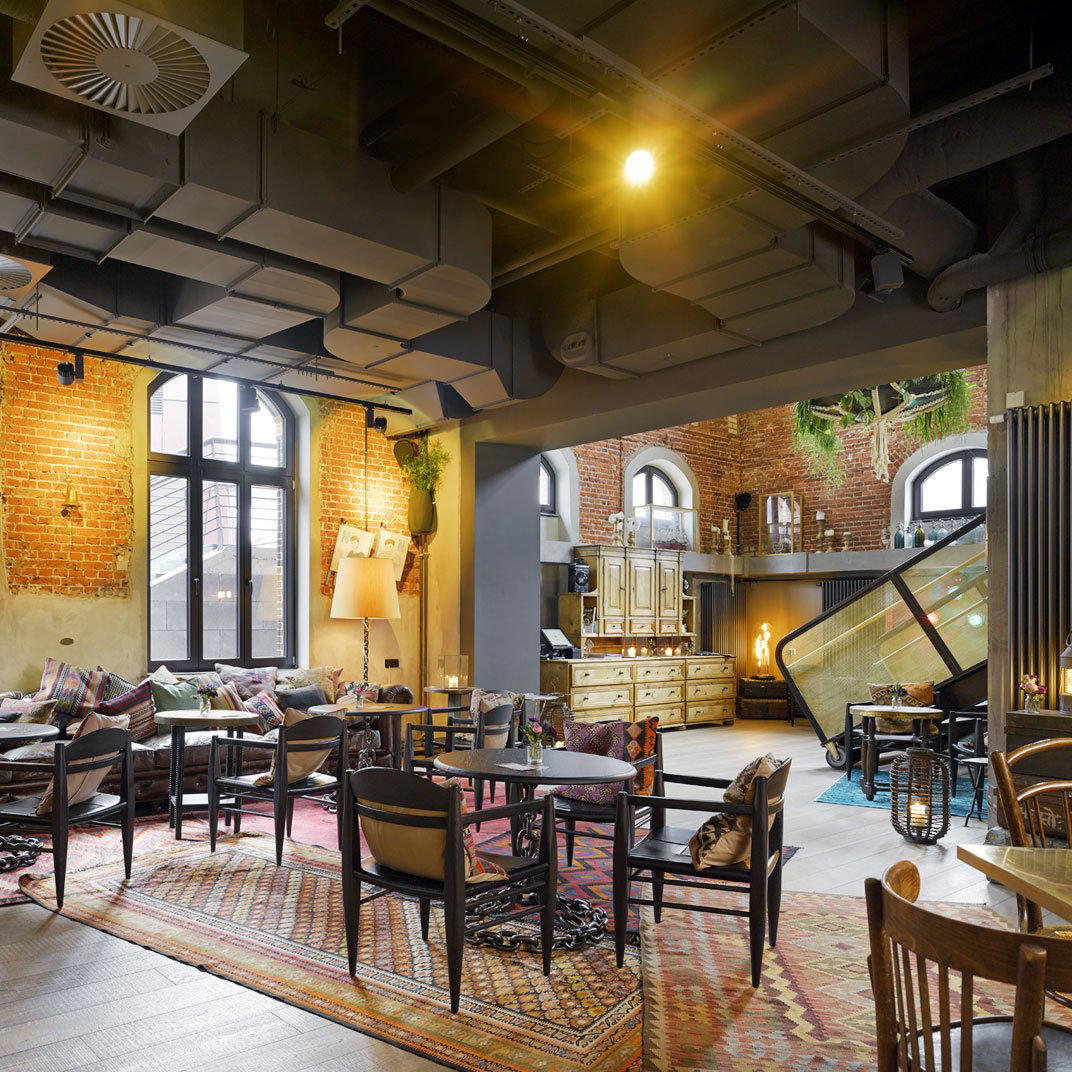
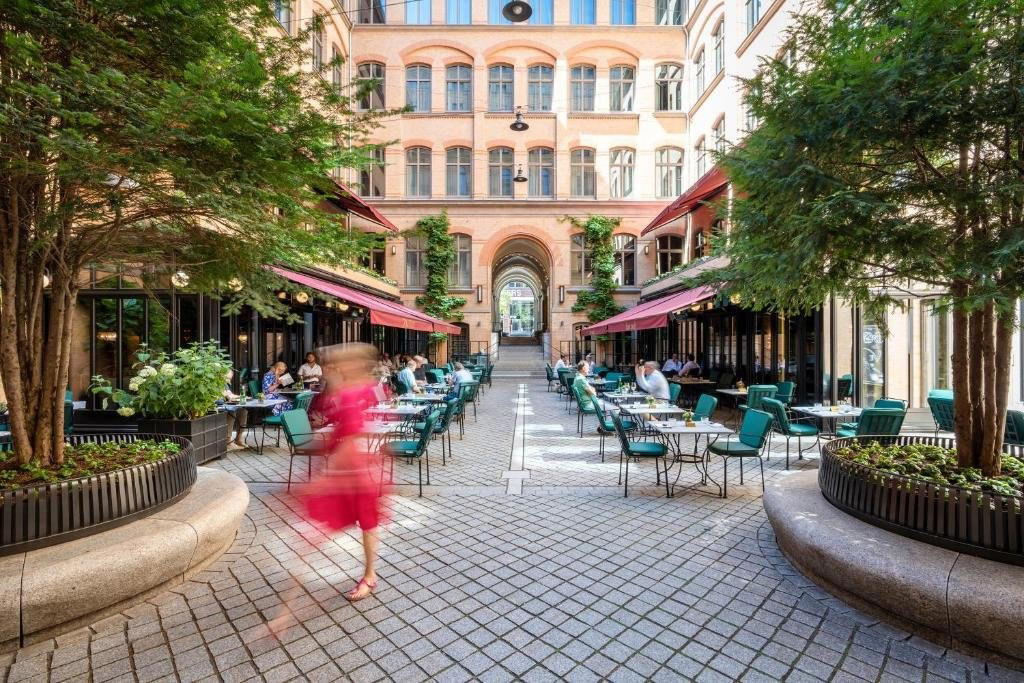
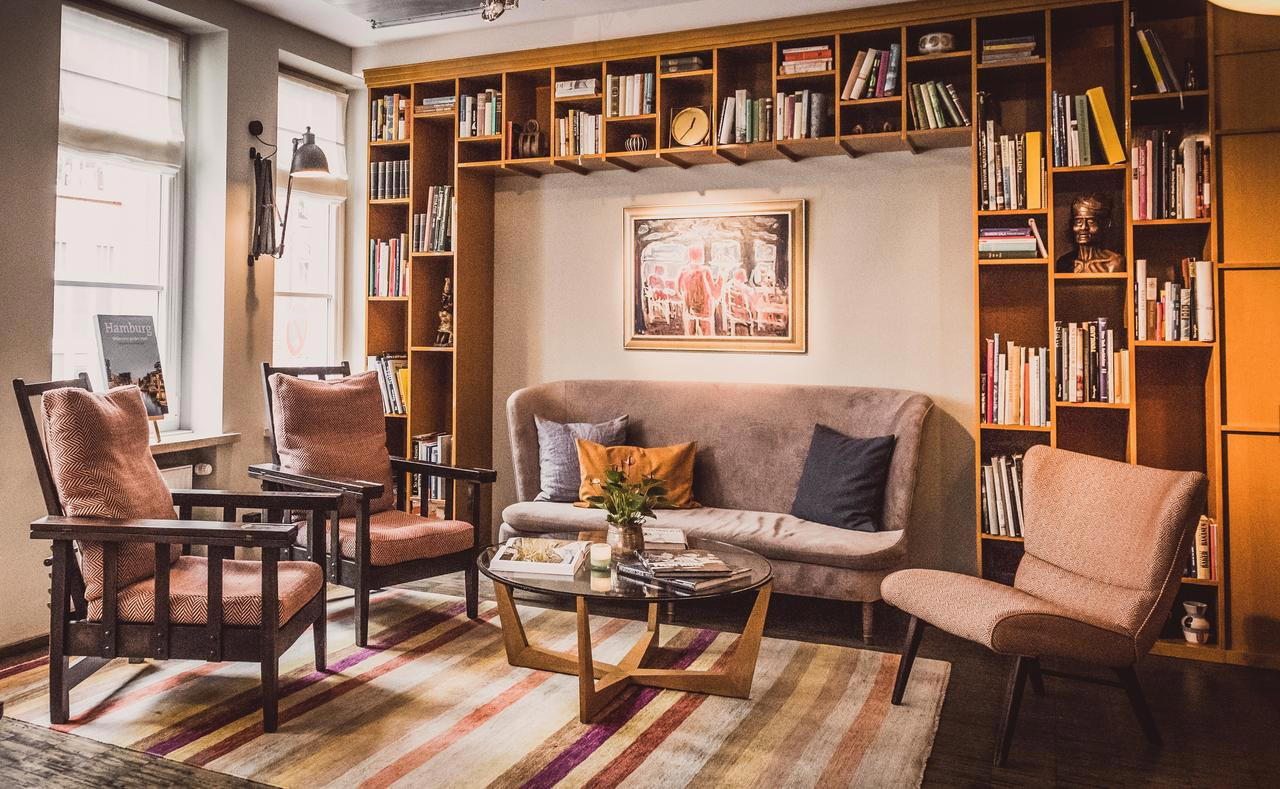
Comfortable and relaxed atmosphere with friendly service; cozy seating arrangements that create a welcoming dining environment.