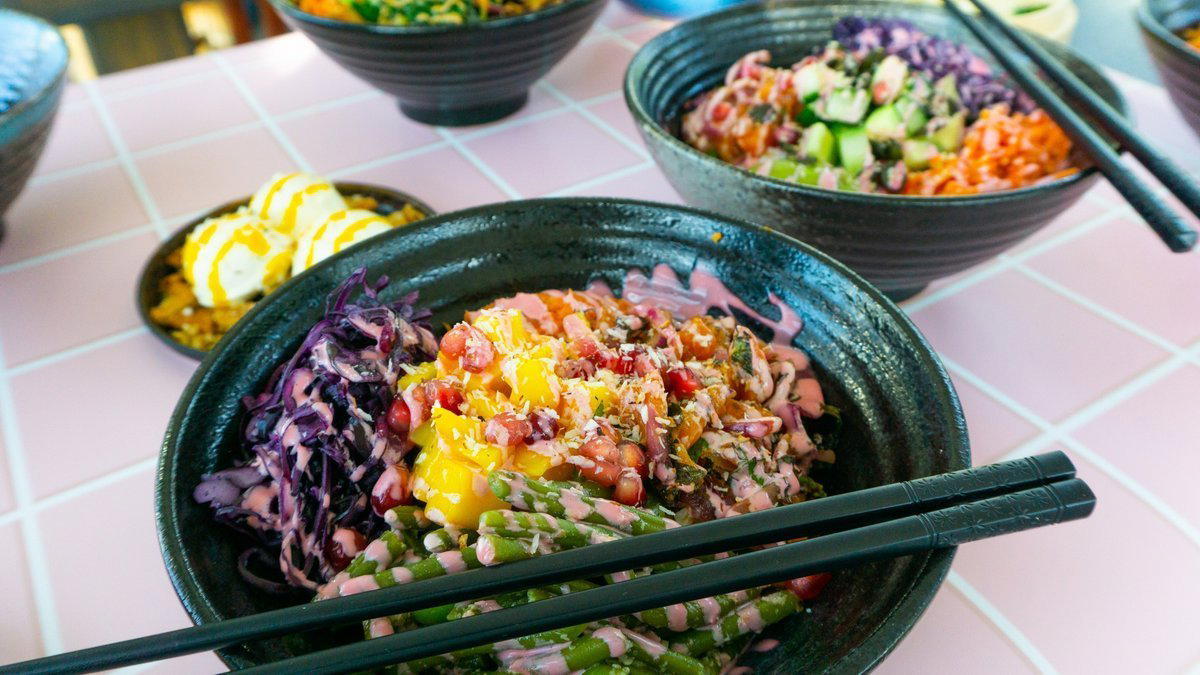
Kailua Poké on Hofweg brings the Hawaiian poke bowl format to Hamburg's Uhlenhorst neighbourhood, offering a build-your-own structure that sits comfortably within the city's growing appetite for casual, ingredient-led eating. The menu architecture prioritises customisation over fixed dishes, placing it in a different register from Hamburg's fine-dining corridor while still reflecting the same regional interest in Pacific-rim flavour profiles.
- Address
- Hofweg 103, 22085 Hamburg, Germany
- Phone
- +494036035780
- Website
- kailuapoke.de
- Directions
- Get directions
Where Casual Eating Gets Structural
Hamburg's Uhlenhorst district runs a particular kind of daytime dining culture: neighbourhood-rooted, format-conscious, and increasingly internationalist in its reference points. Hofweg, the tree-lined residential street where Kailua Poké operates, sits at the softer edge of this pattern, away from the tourist-facing harbour and the fine-dining corridor that runs through venues like Restaurant Haerlin and The Table Kevin Fehling. What the street offers instead is a residential rhythm, which makes it a good indicator of how a city eats day to day.
The poke bowl format gained ground in continental Europe in the mid-2010s, as casual Pacific-inspired dining reshaped lunch counters in several major cities. Hamburg adopted it steadily, with the format fitting naturally into a city that already had an appetite for ingredient-led, assembly-style eating. The Hawaiian original, built on seasoned raw fish over rice, translated well into the European bowl-food sensibility, and venues like Kailua Poké represent the local expression of that broader shift.
Menu Architecture and What It Signals
The structural logic of a poke menu is worth understanding before you arrive, because it shapes every decision you make at the counter. Unlike a fixed tasting format, where the kitchen controls sequence and proportion, the poke bowl model transfers a significant share of the editorial choices to the diner. Base, protein, toppings, sauces: the layering system is both the product and the experience, and how a venue structures those layers tells you a great deal about its philosophy.
At its most considered, a build-your-own poke counter operates less like a fast-food line and more like a composed salad bar with culinary logic built in. The leading operators in this format curate their ingredient matrix carefully, limiting options to combinations that actually work rather than offering maximum permutation for its own sake. The contrast with Hamburg's white-tablecloth end of the market, represented by places like 100/200 Kitchen or the modern Mediterranean approach at bianc, is instructive: those kitchens offer rigid menus with maximum kitchen control, while the poke format hands more choice to the diner. Neither is inherently superior; they answer different questions about who should hold the authorial pen.
What the Hawaiian bowl format does exceptionally well is manage textural contrast within a single vessel. Raw fish, warm rice, crisp toppings, and emulsified sauces operate in different textural registers, and a well-structured bowl achieves something genuinely compositional rather than just additive. This is why the format has remained part of the European casual-dining mix: it has clear logic beneath the casual surface.
Uhlenhorst and the Neighbourhood Context
Understanding where Kailua Poké sits geographically helps calibrate expectations. Uhlenhorst is one of Hamburg's quieter residential quarters, east of the Alster lake and populated largely by families, young professionals, and the kind of independent retail that signals a neighbourhood sustaining itself without heavy tourist dependency. The dining options in the area skew toward reliable everyday formats, which is precisely the register the poke bowl occupies.
This contrasts with the denser, more competitive dining environments around HafenCity or the Altona fish market quarter, where venues compete more aggressively for destination visitors. Uhlenhorst operators are, broadly, serving their immediate community, which creates a different kind of pressure: consistency and value-for-regulars matters more than one-visit spectacle. That structural difference in audience shapes what a venue like Kailua Poké is optimised to deliver.
Hamburg's wider food scene spans a broad range of price and formality. At the upper end, Lakeside represents the city's appetite for serious, occasion-led dining. Nationally, Hamburg sits within a German fine-dining ecosystem that includes Aqua in Wolfsburg, Schwarzwaldstube in Baiersbronn, and Vendôme in Bergisch Gladbach, all operating at the Michelin three-star level. The restaurant operates in the city's casual, ingredient-focused midmarket, where competition is about freshness, consistency, and format practicality.
The Wider Bowl-Food Moment in European Cities
Poke's longevity in European casual dining has been tested more thoroughly than most trend-led formats. The bowl-food category peaked in mainstream visibility around 2017 to 2019, and many operators who opened during that window have since closed. The operators that have held on tend to treat the format as a culinary framework rather than a branding exercise. That means sourcing ingredients with some care, maintaining consistent rice cookery (a more demanding technical requirement than it appears), and managing the sauce matrix so that flavour combinations are coherent rather than chaotic.
For comparison, the format's most technically rigorous expression sits at a considerable remove from casual chains. The raw-fish discipline in venues like Le Bernardin in New York City or the Korean-inflected precision of Atomix represent entirely different registers of raw seafood cooking. But they share with the poke format a foundational respect for fish quality and seasoning logic, which is why the bowl format, at its better iterations, reads as something more than convenience food.
Germany's own engagement with this Pacific-rim casual category is still relatively young. Compared with cities like London or Copenhagen, Hamburg's poke scene remains at an earlier stage of consolidation. That creates both opportunity and risk for operators: the audience is real and growing, but the format literacy among diners is still developing.
Know Before You Go
- Address: Hofweg 103, 22085 Hamburg, Germany
- Neighbourhood: Uhlenhorst, east of the Alster lake
- Format: Counter-service poke bowl, build-your-own structure
- Reservations: Walk-in friendly
- Price tier: Mid-range casual; expect about €15 per person
- Dietary: The build-your-own format typically accommodates vegetarian and pescatarian requirements; check current base and topping availability directly
- Getting there: Hofweg 103, 22085 Hamburg, Germany
Nearby-ish Comparables
Comparable venues nearby, for context on price, style, and recognition.
| Venue | Cuisine | Price | Notes |
|---|---|---|---|
| Kailua PokéThis venue — the venue you are viewing | Hawaiian Poke Bowls | $$ | Not listed |
| The Bohemian | Cocktail Bar | $$ | Hamburg-Altstadt |
| Apple & Eve | Vegan Comfort Food | $$ | Rotherbaum |
| Sri Lankan Wave Streetfood | Sri Lankan Streetfood | $$ | Neu Lokstedt |
| Köz Ocakbasi | Turkish Ocakbasi Grill | $$ | St. Georg |
| Schleusenbude | Welsh Street Food | $$ | Trillup |
Continue exploring
More in Hamburg
Restaurants in Hamburg
Browse all →
At a Glance
- Trendy
- Scenic
- Casual Hangout
- Waterfront
- Terrace
- Waterfront
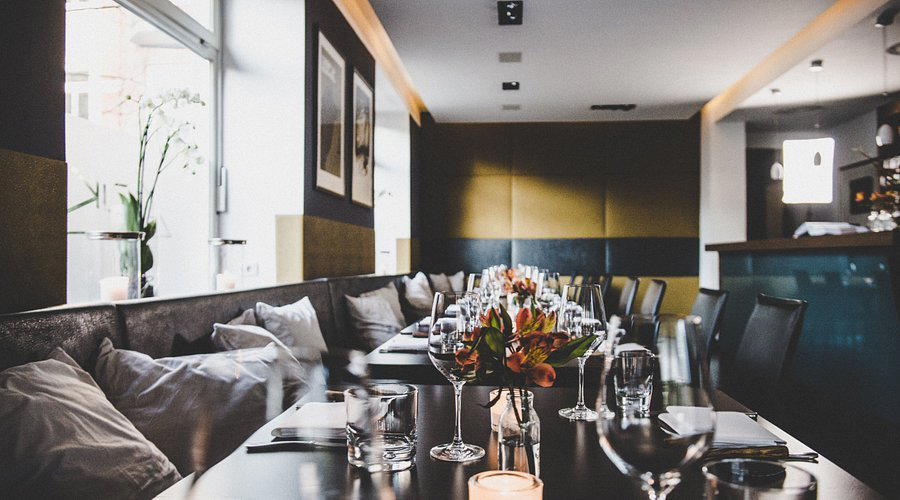
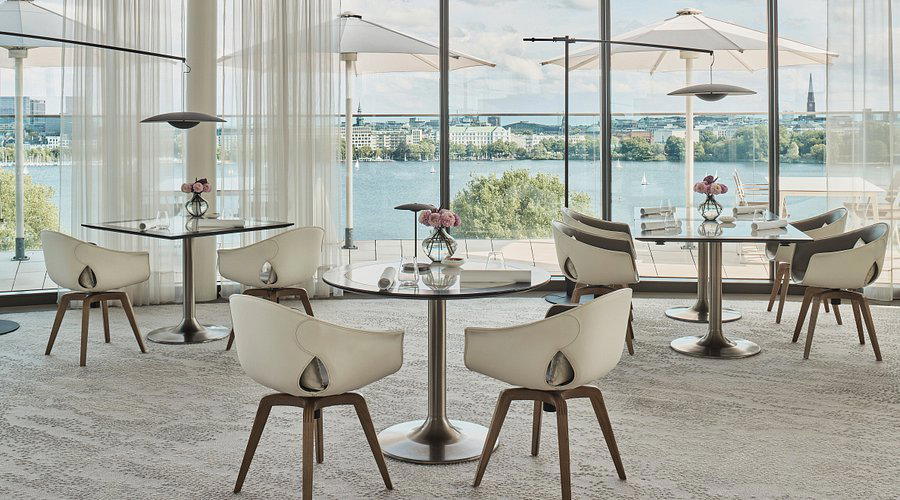
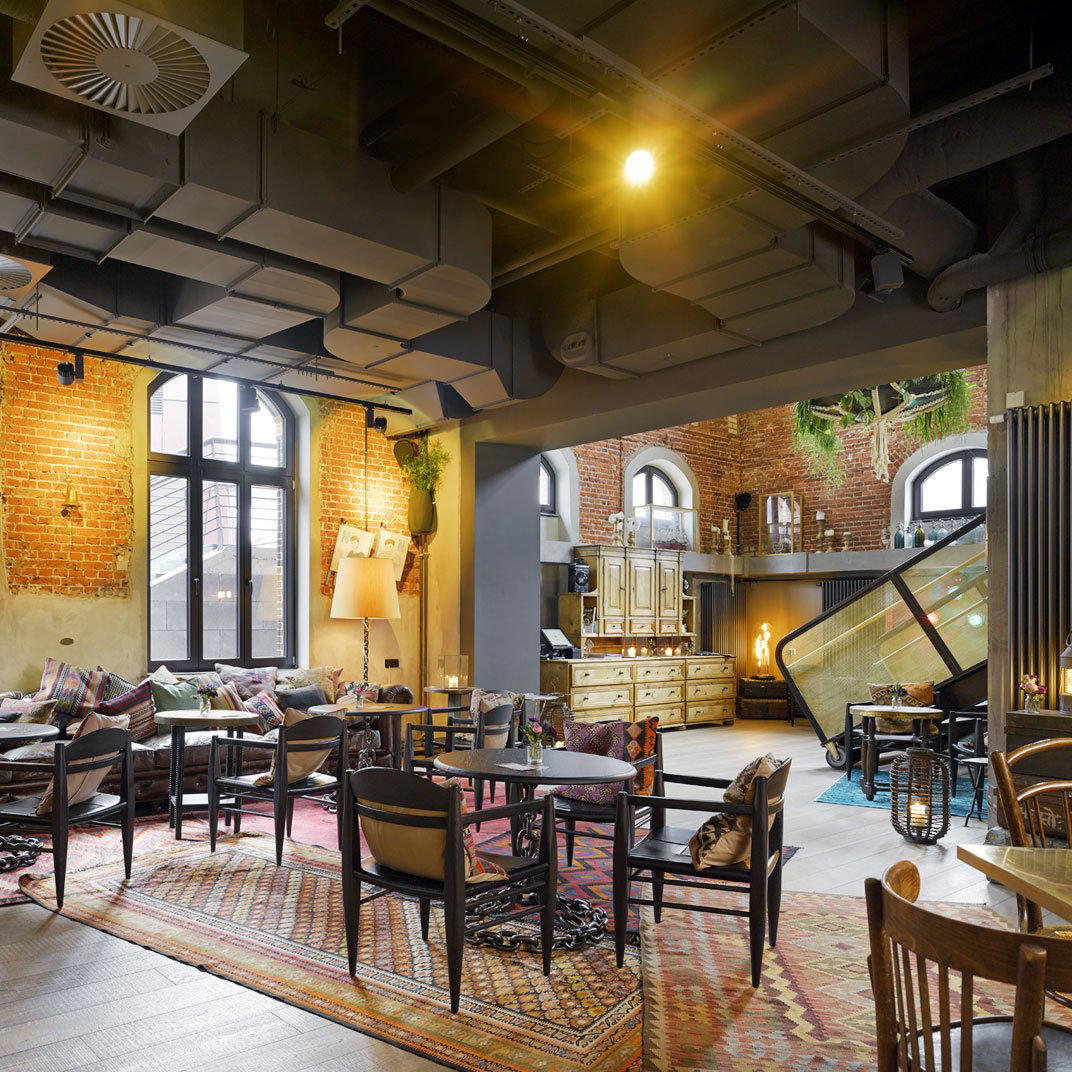
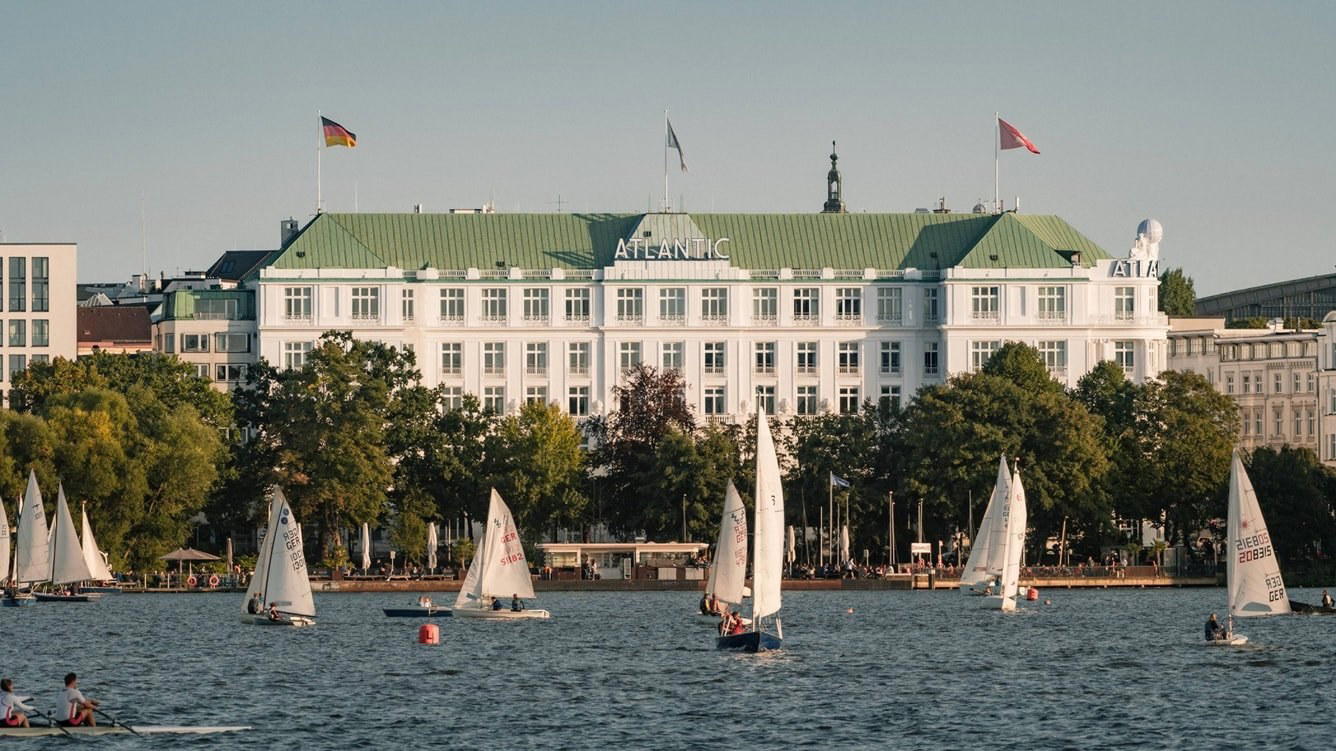
Relaxed casual atmosphere with canal views, enhanced by outdoor seating for sunny afternoons.