On Wexstraße in central Hamburg, La Locanda occupies the kind of address that rewards those who track Italian dining seriously in northern Germany. The format follows the Italian tradition of a structured, multi-course progression rather than the à la carte casualness often attached to the name. For Hamburg's fine-dining tier, that commitment to sequence and discipline marks it out among a field that leans heavily toward creative European formats.
Pearl is the En Primeur Club membership app — saves, bookings, and concierge access live there. Same editors, same standards.
- Address
- Wexstraße 29, 20355 Hamburg, Germany
- Phone
- +494033441786
- Website
- lalocanda-hamburg.de
- Directions
- Get directions
 Saves & bookings on Pearl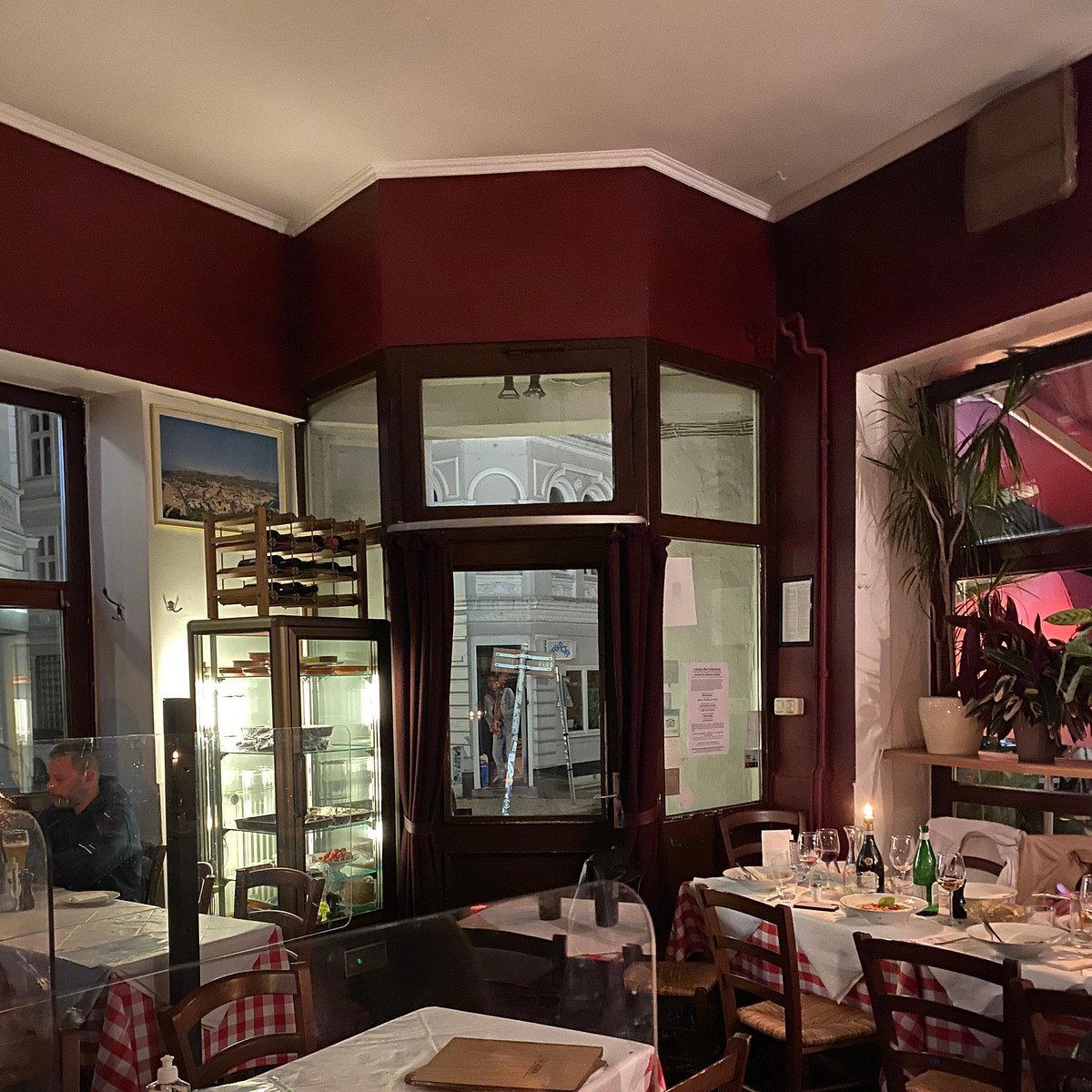
Italian Structure in a City That Favours Creative European
Hamburg's fine-dining scene has consolidated around a handful of formats: the tasting-menu-led creative kitchens represented by venues like The Table Kevin Fehling and 100/200 Kitchen, the modern Mediterranean register occupied by bianc, and the classic European tradition held by addresses like Restaurant Haerlin. Genuine Italian fine dining, in the tradition of a structured locanda rather than a trattoria or a pizza-forward osteria, sits in a smaller, more specific bracket. La Locanda, at Wexstraße 29 in the 20355 district, occupies that bracket.
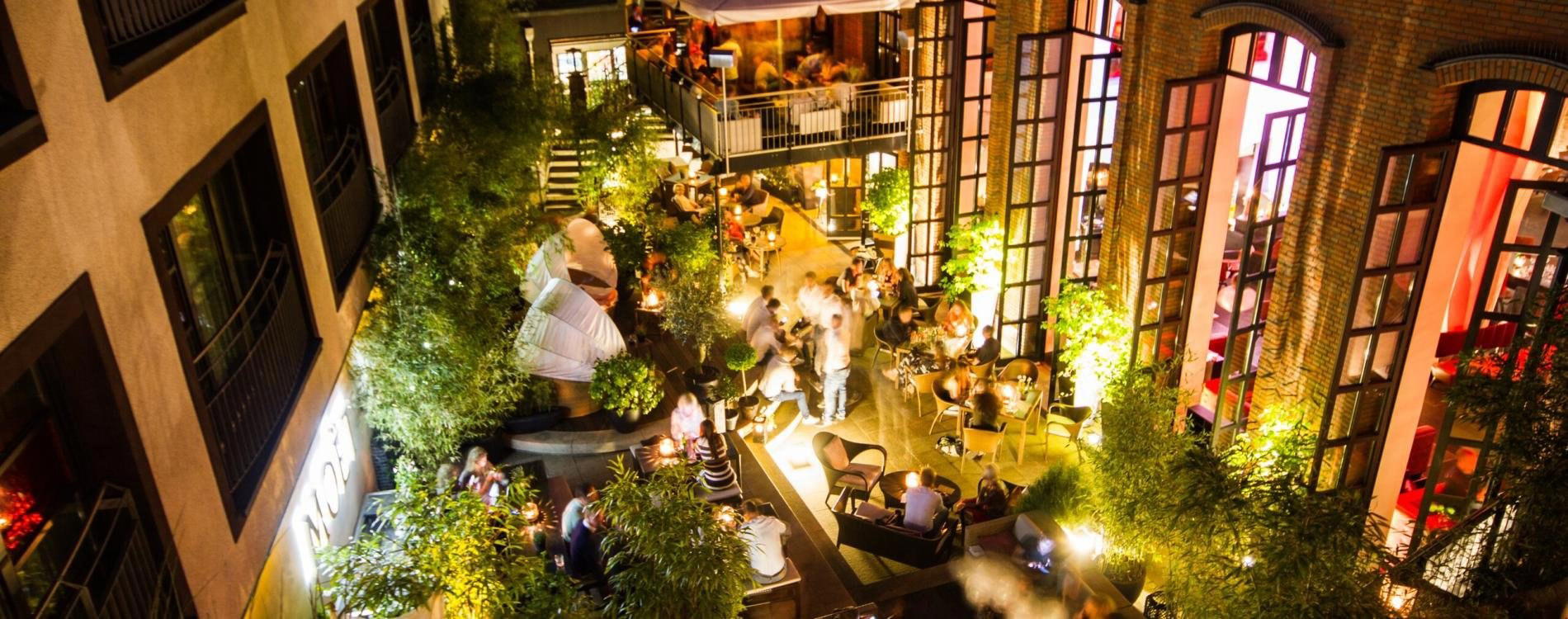
The address places it in central Hamburg, within the commercial and hospitality core of the city, removed from the Alster lakeside associations of Lakeside but close to the density of the city's established dining circuit. The approach from Wexstraße signals a room designed for deliberate dining rather than drop-in eating, which aligns with the format the name implies: a locanda, historically, is a place where the meal unfolds at the house's pace, not the guest's urgency.
How the Meal Unfolds: Reading the Progression
Italian fine dining structures its multi-course arc differently from French or creative European counterparts. Where the latter traditions often use protein as climax and cheese as coda, Italian sequencing treats pasta as a structural act in its own right, positioned between antipasti and secondi with a weight that French courses rarely assign to a starch. That architecture demands discipline in portioning and pacing, a kitchen that rushes the pasta course to get to the meat collapses the logic of the format.
The multi-course Italian progression also handles acidity and fat differently across its arc. Antipasti typically carry the acid load, crudo or preserved elements cutting through and preparing the palate for richer courses. Primi, whether risotto or hand-shaped pasta, often arrive with concentrated, reduced sauces that would overwhelm an earlier course but function as a hinge between lighter and heavier registers. Secondi, usually fish or meat depending on the kitchen's regional lean, resolve the progression before dolci close it. This is the architecture that separates an Italian fine-dining room from an Italian restaurant that simply offers more courses.
For context on how this kind of structured progression is applied at the highest level in Germany, the multi-course format at addresses like Aqua in Wolfsburg and Vendôme in Bergisch Gladbach shows what the tasting arc can achieve when every transition between courses is treated as a deliberate editorial decision. La Locanda operates in a different register, more specifically Italian in its structural logic, but the underlying discipline of sequencing applies across both traditions.
Hamburg's Italian Fine-Dining Position
Germany's Italian fine-dining tier is a thinner cohort than its French-influenced equivalent. Michelin Germany awards in the Italian category are fewer relative to French and creative formats, and in Hamburg specifically, the creative European addresses hold the majority of the city's high-recognition dining positions. Addresses like JAN in Munich and Schwarzwaldstube in Baiersbronn illustrate how the highest recognition in Germany's dining scene clusters around French-inflected and creative formats rather than Italian ones. That imbalance makes Italian fine-dining rooms in Hamburg worth tracking, because the competition for that specific position is smaller and the audience for it remains consistent.
Hamburg diners who follow Italian dining seriously tend to draw comparisons with regional Italian traditions rather than benchmarking against the city's creative European field. A kitchen rooted in, say, northern Italian technique, with an emphasis on risotto, butter-finished sauces, and lake or sea fish, reads differently from one drawing on southern registers of tomato, olive oil, and pulse-based dishes. Which regional tradition La Locanda draws from shapes how its progression should be read and what the informed diner should expect from each act of the meal.
Placing La Locanda in the Broader German Scene
For readers who track Italy-inflected dining across Germany, points of comparison include the more experimental Italian-adjacent work at CODA Dessert Dining in Berlin, which bends the Italian dessert tradition toward a full tasting format, and the French-Italian synthesis visible at Bagatelle in Trier. The clean Italian structure of a locanda format sits closer to tradition than either of those, which makes it a more legible benchmark for diners who want the original architecture rather than a reinterpretation.
Further afield, the Italian-influenced fine-dining tier in New York shows how the format translates across markets: Le Bernardin and Atomix operate in adjacent high-commitment formats, though both are French and Korean respectively, which reinforces how distinctly positioned an Italian multi-course room is in any market that defaults to other high-fine-dining traditions. Hamburg is no exception, and the restaurant's positioning within it reflects that specificity.
Germany's wider fine-dining circuit also includes Italian-adjacent addresses at ES:SENZ in Grassau, Victor's Fine Dining by Christian Bau in Perl, Waldhotel Sonnora in Dreis, and Schanz in Piesport, all of which operate in the multi-course tasting format but from French or creative European bases rather than Italian ones. The comparison clarifies what the restaurant offers that its peers in the German fine-dining tier do not: an Italian-structured progression without a French overlay.
Planning Your Visit
The restaurant is located at Wexstraße 29, 20355 Hamburg. The address sits in central Hamburg, accessible by U-Bahn and S-Bahn to Gänsemarkt or Stephansplatz. Given the multi-course format the name and positioning imply, reservations in advance are the logical approach for any serious visit. Reservations are recommended. The restaurant is open Monday to Friday from 12 to 11 PM, Saturday from 4 to 11 PM, and closed on Sunday. Hamburg's dining calendar is active year-round, though the summer months between June and August see the city's hospitality at its most accessible, with longer evening light extending the dining experience for visitors.
Awards and Standing
Comparable venues nearby, for context on price, style, and recognition.
| Venue | Cuisine | Price | Notes |
|---|---|---|---|
| La LocandaThis venue — the venue you are viewing | Italian Pizza & Pasta | $$ | Not listed |
| Pizza Social Club | Neapolitan Pizza | $$ | Barmbek |
| Spaccaforno | Authentic Neapolitan Pizza | $$ | Barmbek |
| I Vigneri | Authentic Regional Italian Osteria | $$$ | Hamburg-Altstadt |
| Maharani | Authentic Ayurvedic Indian | $$ | Anscharhoehe |
| WilliamsBurger | American Burgers with Balkan Influences | $$ | Rotehaus |
Continue exploring
More in Hamburg
Restaurants in Hamburg
Browse all →
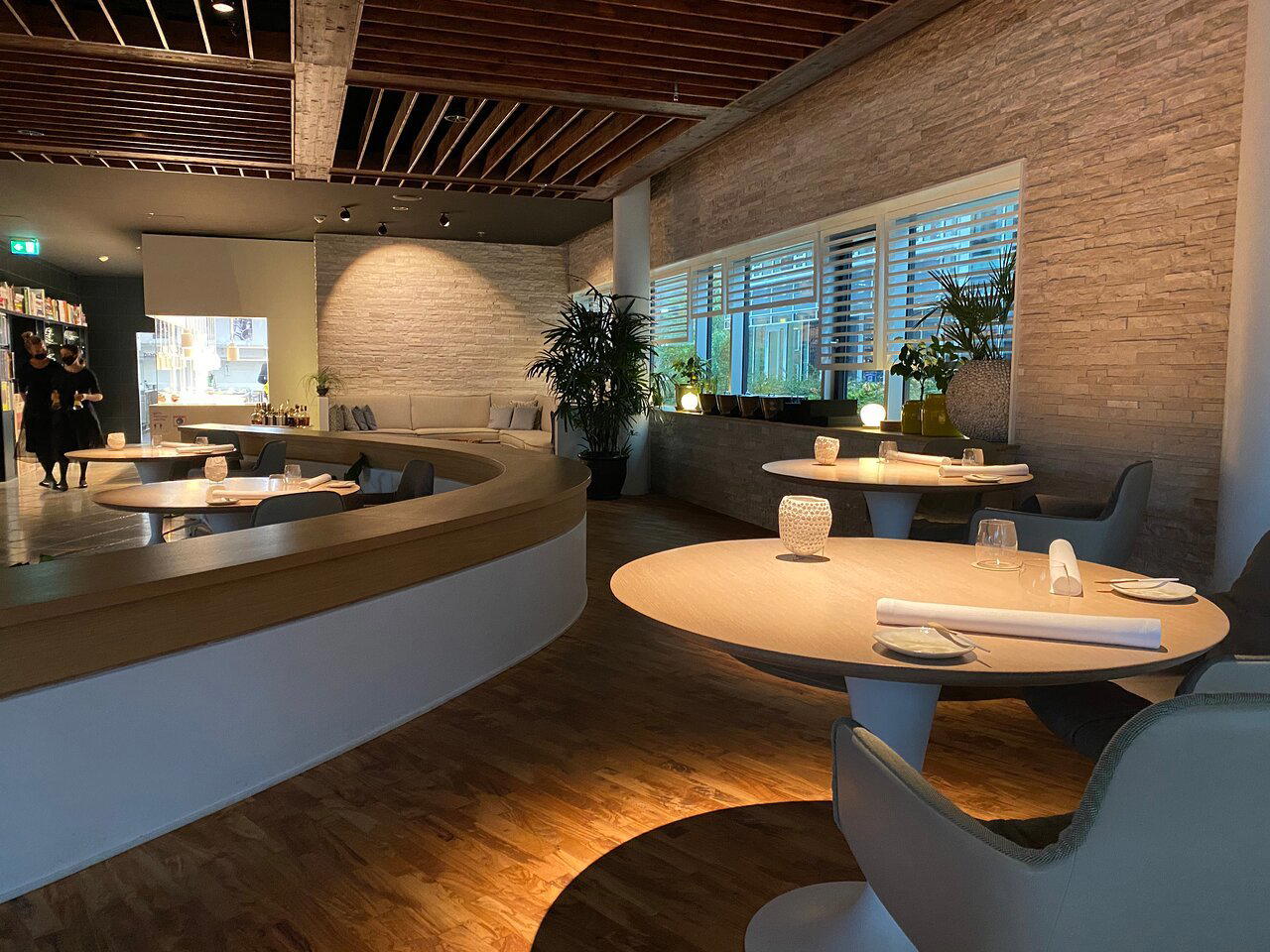
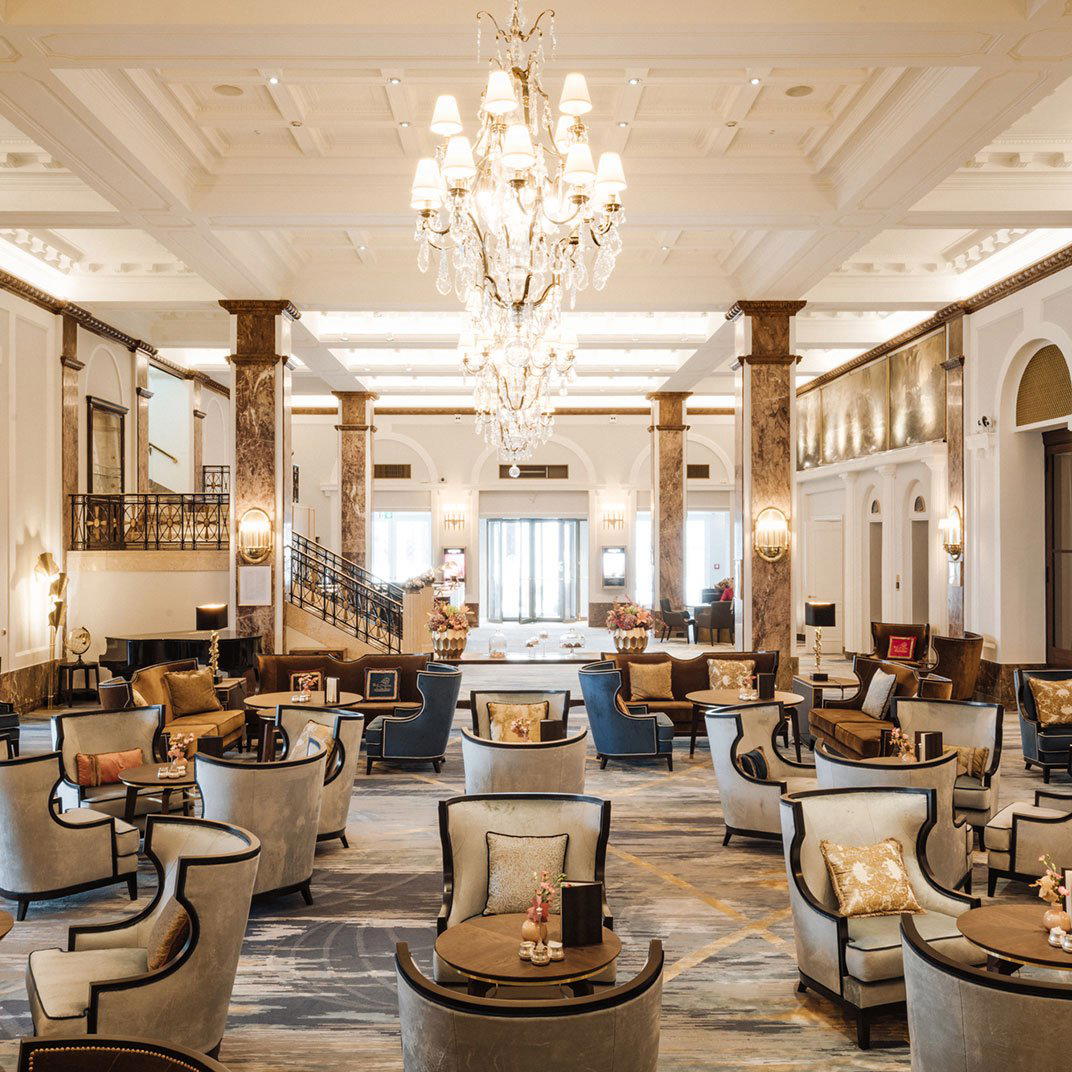
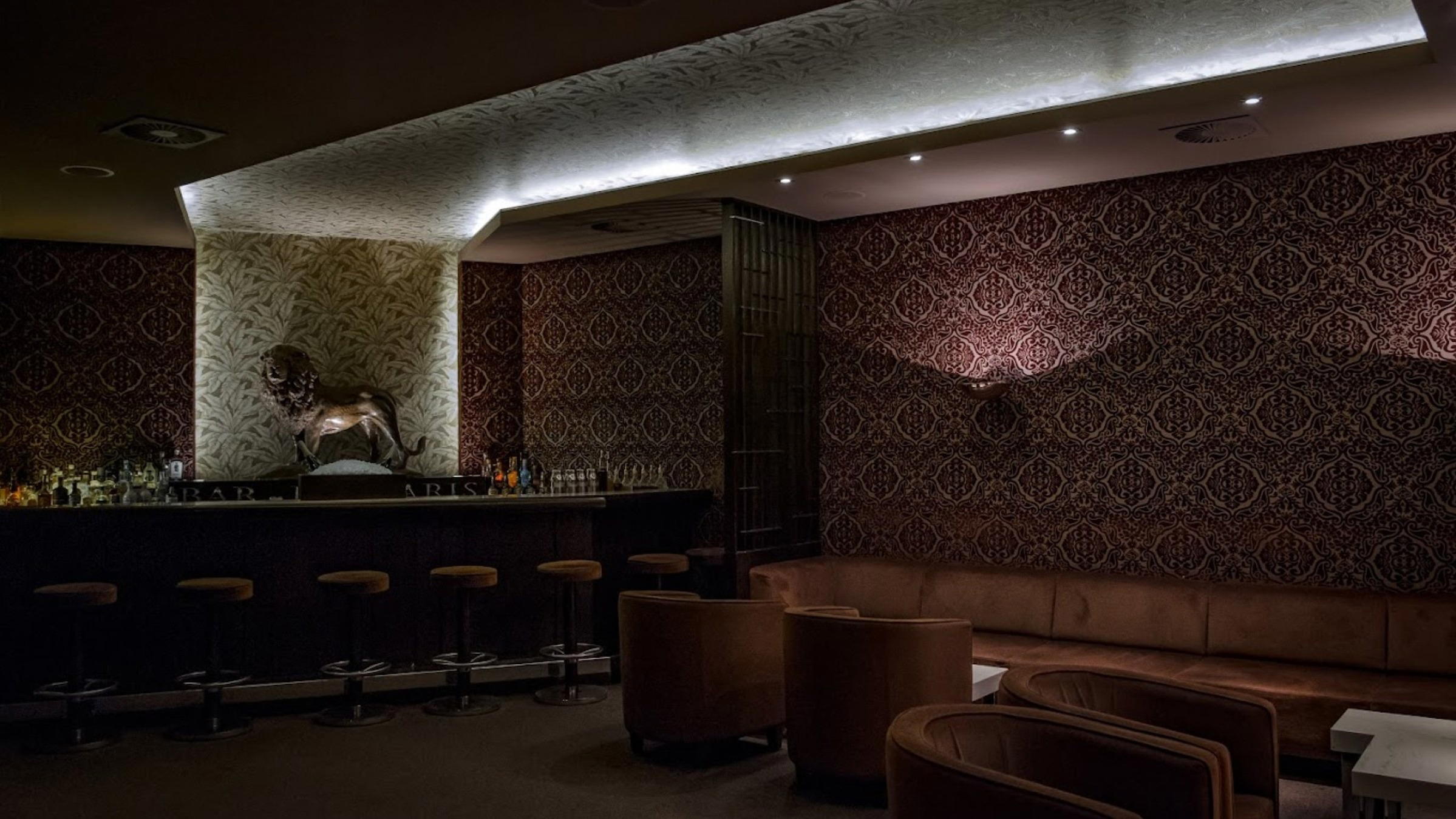
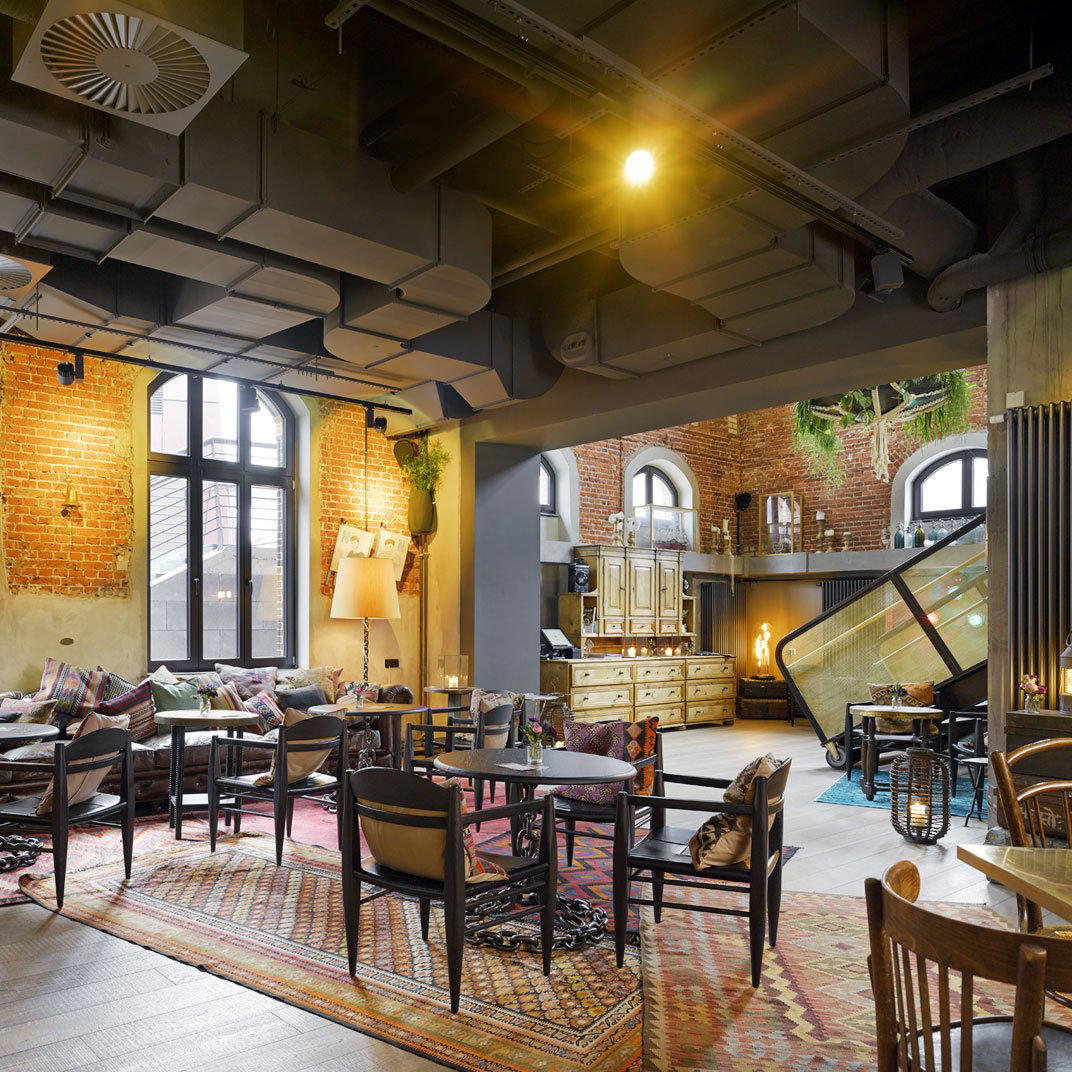
At a Glance
- Classic
- Cozy
- Casual Hangout
- Date Night
- Standalone
Current opening hours
- Monday
- 12–11 PM
- Tuesday
- 12–11 PM
- Wednesday
- 12–11 PM
- Thursday
- 12–11 PM
- Friday
- 12–11 PM
- Saturday
- 4–11 PM
- Sunday
- Closed
Hours can change for holidays and private events. Last verified .
Classic Italian quarters with welcoming atmosphere for casual dining.