Paledo occupies a corner address on Mühlenkamp in Hamburg's Winterhude district, where the intersection of precise European technique and locally sourced northern German ingredients defines the kitchen's editorial identity. The restaurant sits within a neighbourhood dining scene that increasingly rewards specificity over spectacle, making it a reference point for Hamburg's evolving fine-casual register.
Pearl is the En Primeur Club membership app — saves, bookings, and concierge access live there. Same editors, same standards.
- Address
- Mühlenkamp 1, 22303 Hamburg, Germany
- Phone
- +494069454466
- Website
- paledohamburg.de
- Directions
- Get directions
 Saves & bookings on Pearl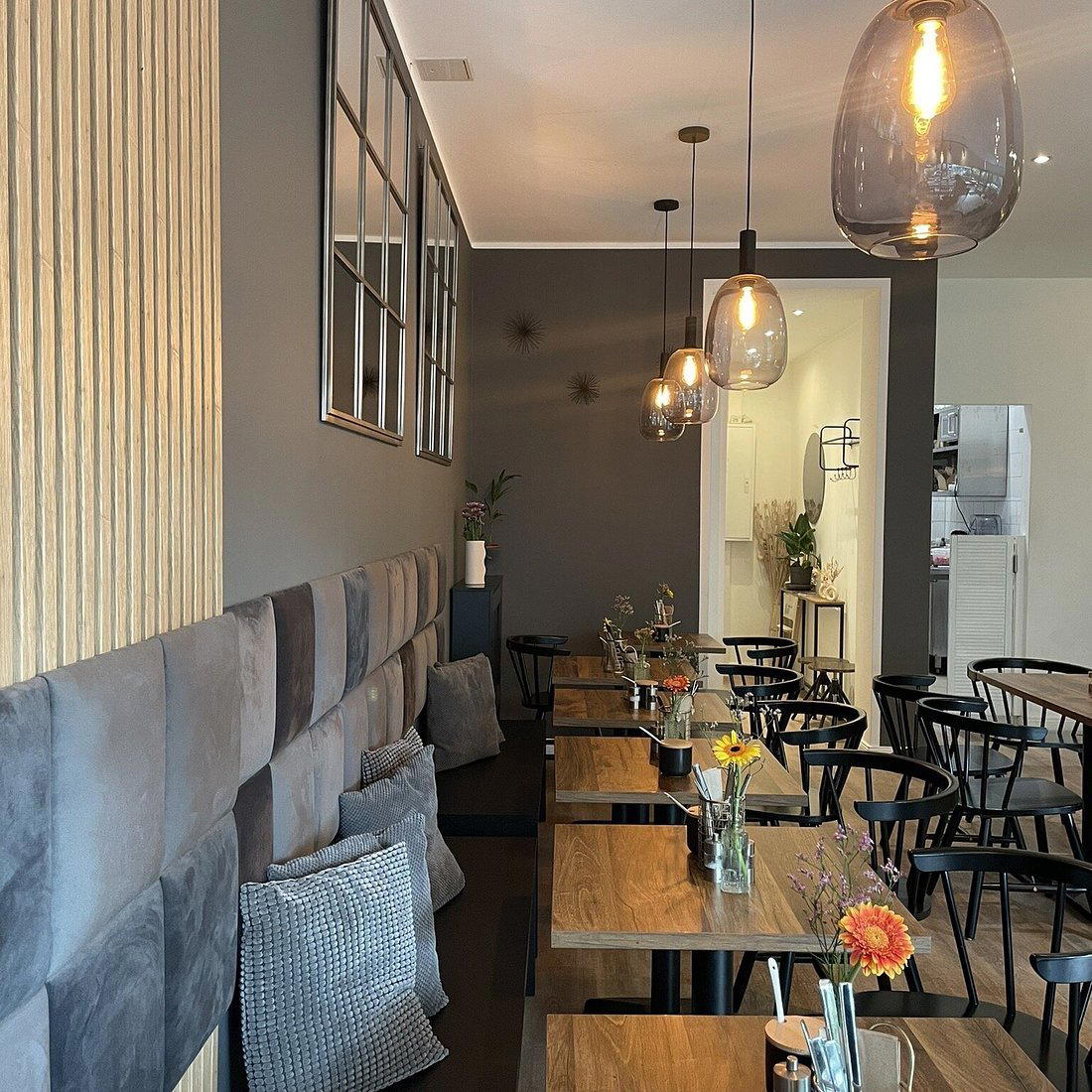
Winterhude's Quiet Ambition
Mühlenkamp is not Hamburg's most celebrated dining address. The street runs through Winterhude with the unhurried confidence of a neighbourhood that has never needed to compete for attention with HafenCity or the Elbphilharmonie waterfront. Restaurants here operate closer to a local rhythm than a tourist circuit, and that positioning shapes what a kitchen like Paledo's can attempt. When fine technique arrives in this kind of residential context, the dynamic is different from a destination address in the city centre: the audience is self-selecting, the expectations are already calibrated, and the room is allowed to breathe rather than perform.
Hamburg's broader fine dining scene has consolidated around a small number of reference points. Restaurant Haerlin and The Table Kevin Fehling anchor the city's Michelin-starred tier, while places like 100/200 Kitchen and bianc occupy a slightly different register — technically serious but with a lighter formal frame. Paledo at Mühlenkamp 1 sits within that second cohort, where the question is less about how many stars hang above the door and more about whether the kitchen has a genuine point of view.
Northern Ingredients, Continental Method
The more interesting story in Hamburg right now is not which restaurant holds the most accolades but how a generation of kitchens is renegotiating the relationship between northern German produce and technique imported from France, Japan, and Scandinavia. The region's larder has always been underestimated: North Sea fish with a shorter supply chain than almost anywhere in central Europe, Elbe estuary vegetables, game from the Lüneburg Heath, dairy from Holstein farms with genuine breed provenance. The challenge has been finding kitchens willing to apply the kind of rigorous method that makes those ingredients legible at a fine dining register.
That intersection — imported precision meeting indigenous produce, is where Paledo positions itself within Winterhude. It is the same productive tension that drives the kitchens at ES:SENZ in Grassau and Schanz in Piesport, both of which have made regional specificity a structural argument rather than a garnish. In Hamburg, Lakeside has pursued a comparable approach from a lakeside setting. What separates these kitchens from their peers is a willingness to let the ingredient set constrain the menu rather than the other way around.
Germany's broader fine dining tradition has historically looked outward for its technical grammar, French classical training, Japanese minimalism, New Nordic austerity, while the domestic larder remained underused as a source of identity. The wave of restaurants that changed this, including Vendôme in Bergisch Gladbach and Victor's Fine Dining by Christian Bau in Perl, did so by treating French or Japanese technique as a precision instrument applied to German raw material rather than as an aesthetic end in itself. The result is a category of cooking that reads differently from French-derivative cuisine even when the grammar is similar.
The Scene Paledo Enters
Hamburg is not a city that congratulates itself loudly on its food culture. The port heritage and mercantile self-image produce a certain restraint in how restaurants are discussed locally, which can make the city's serious kitchens harder to track for visitors arriving without prior knowledge. That understatement cuts both ways: the scene is less hyped than Berlin's, but it is also less prone to the speculative dining that characterises capital-city restaurant culture. Places that survive in Hamburg's fine-casual tier tend to do so on repeat business rather than on destination traffic.
The comparison is instructive when set against what is happening elsewhere in Germany. CODA Dessert Dining in Berlin represents one end of the experimental spectrum; Schwarzwaldstube in Baiersbronn anchors the classical end. Hamburg's middle tier, where Paledo operates, tends toward a more pragmatic intelligence: technically grounded, locally anchored, and less interested in conceptual statement than in repeatable quality. That is not a criticism. For a city that takes its restaurants as seriously as it takes its harbour engineering, competence delivered consistently is its own kind of ambition.
International reference points are also relevant. The question of how imported technique meets local seafood, so central to what Hamburg's better kitchens attempt, plays out at a different scale at Le Bernardin in New York City, where French classical method is applied almost entirely to oceanic produce. The discipline required to let a single category of ingredient drive both the menu structure and the technical programme is considerable, and it is the same discipline that distinguishes Hamburg's more serious fish-forward kitchens from their less focused peers. Closer to Hamburg's own register, Atomix in New York City shows what happens when imported technique is forced into a genuinely rigorous dialogue with a specific culinary heritage, the result is a menu that could not have come from anywhere else.
For a fuller picture of Hamburg's dining options across price points and neighbourhoods, the EP Club Hamburg restaurants guide maps the city's current tier structure. Beyond Hamburg, comparable approaches to the local-ingredient-global-technique argument can be found at JAN in Munich, Aqua in Wolfsburg, and Waldhotel Sonnora in Dreis, all kitchens that have made a similar wager on precision over provocation, and all worth cross-referencing against Hamburg's offer before building a Germany itinerary. Bagatelle in Trier provides another data point for how regional German kitchens handle the intersection of French influence and local produce at a serious level.
Know Before You Go
- Address: Mühlenkamp 1, 22303 Hamburg, Germany
- Neighbourhood: Winterhude, north of the Alster lakes
- Getting there: Winterhude is accessible by U-Bahn (U3 Mundsburg or Sierichstraße) and is approximately 4 km north of Hamburg's central station
- Timing: Winterhude dining operates on a local rhythm, midweek evenings tend to be quieter than weekend services
- Dress code: No confirmed dress code; neighbourhood fine-casual conventions apply
Continue exploring
More in Hamburg
Restaurants in Hamburg
Browse all →
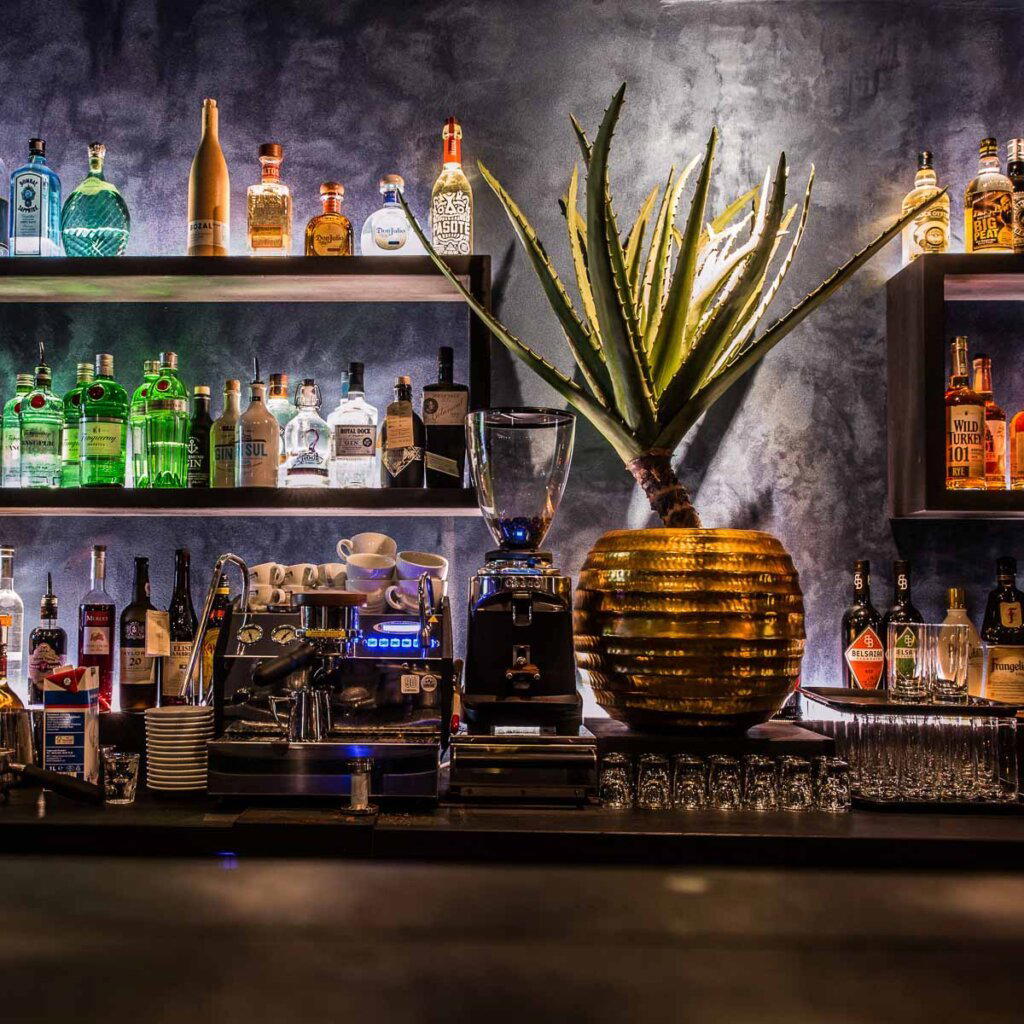
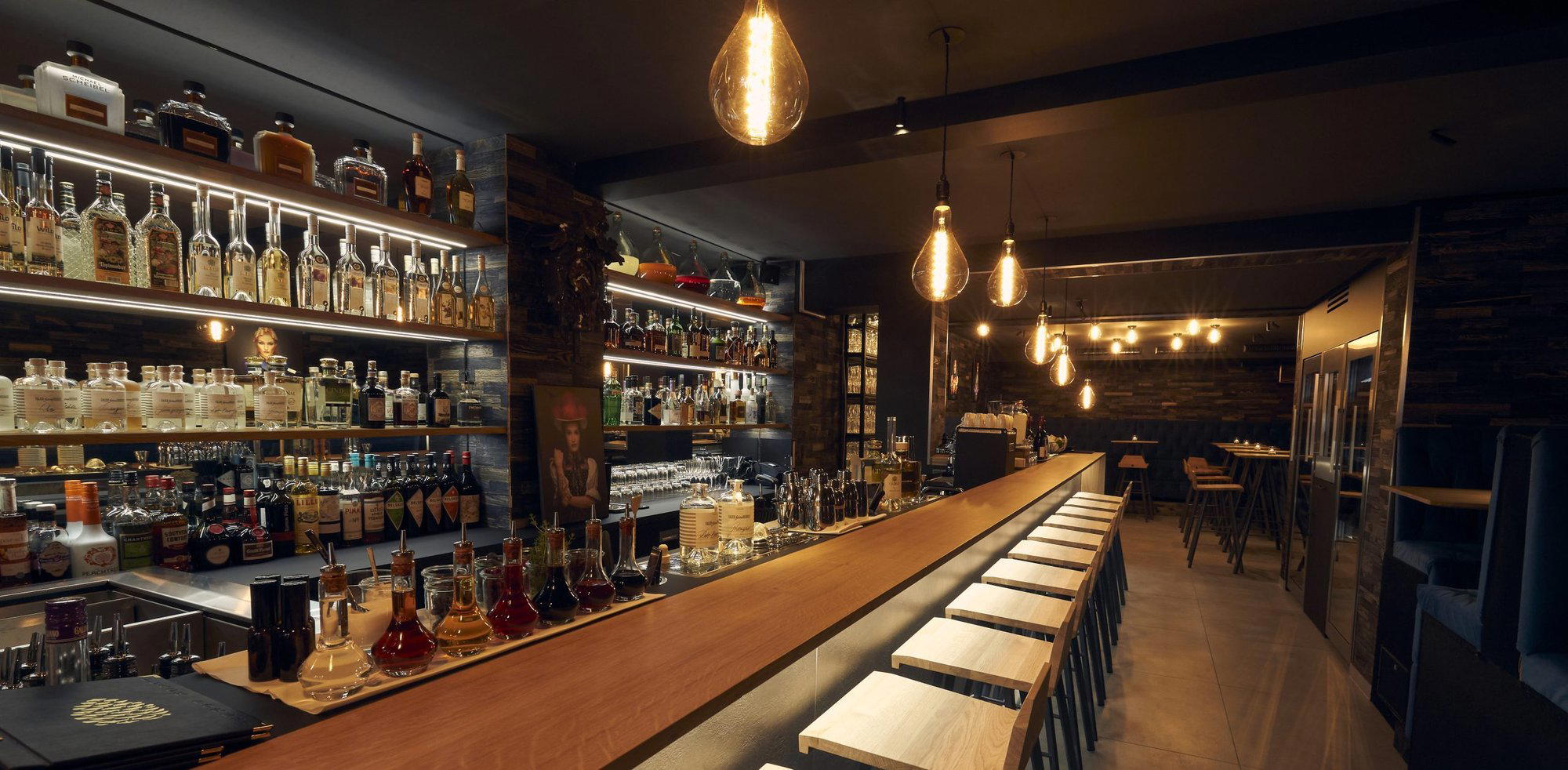
Bars in Hamburg
Browse all →
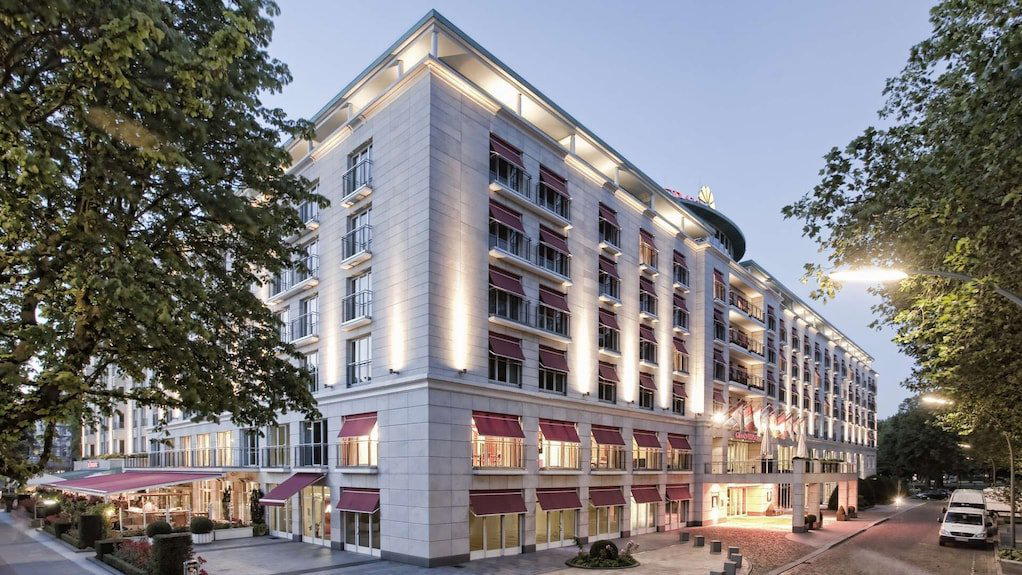
Hotels in Hamburg
Browse all →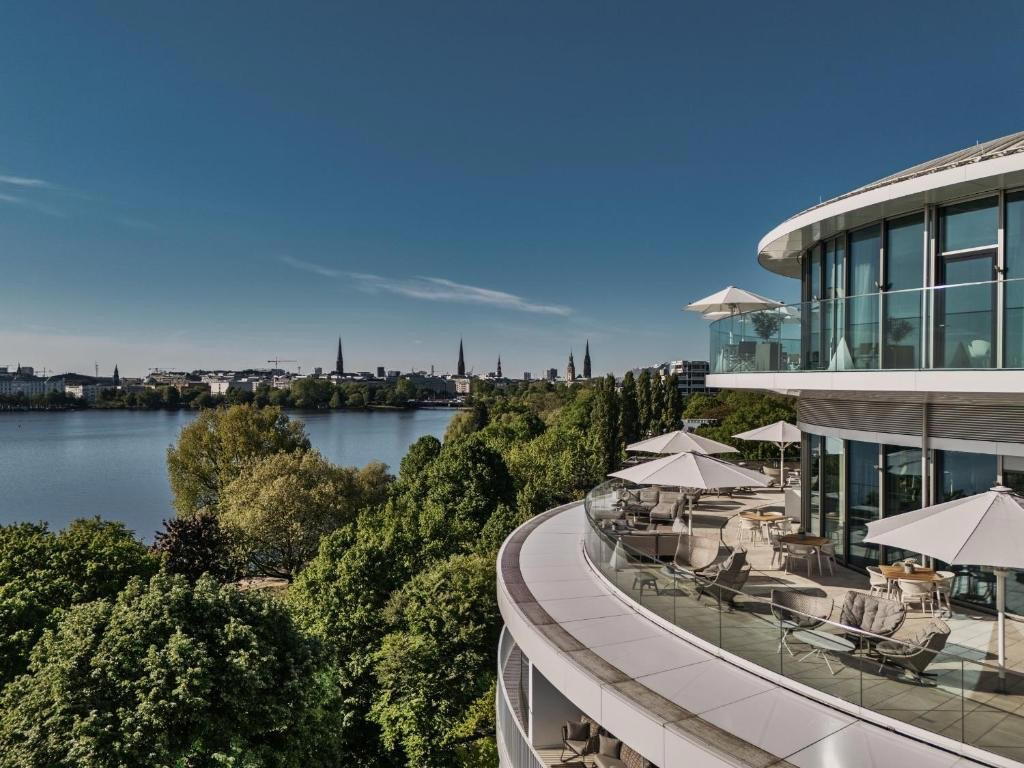
Wineries in Hamburg
Browse all →
At a Glance
- Cozy
- Modern
- Trendy
- Brunch
- Casual Hangout
- Solo
- Standalone
- Terrace
- Zero Proof
- Farm To Table
- Organic
- Local Sourcing
Current opening hours
- Monday
- 9 AM–5 PM
- Tuesday
- 9 AM–5 PM
- Wednesday
- 9 AM–5 PM
- Thursday
- 9 AM–5 PM
- Friday
- 9 AM–5 PM
- Saturday
- 9 AM–6 PM
- Sunday
- 9 AM–6 PM
Hours can change for holidays and private events. Last verified .
Bright, casual, and welcoming café atmosphere with a focus on health-conscious dining and relaxed social gathering.
Know Before You Go
- Getting there
- Mühlenkamp 1, 22303 Hamburg, Germany