
Our verdict
A long-running Cantonese institution in Hong Kong, Fu Sing Shark Fin Seafood Restaurant earned an Opinionated About Dining Highly Recommended recognition in 2023. The kitchen works across the full register of classic Cantonese seafood cooking, from live tank selections to the ceremonial preparations that define the city's formal dining tradition. It holds steady in a category where consistency is everything.

Pearl is the En Primeur Club membership app, where members save venues, book tables and use the concierge.

The menu
What to order
- Shark fin soup
- Fried tofu
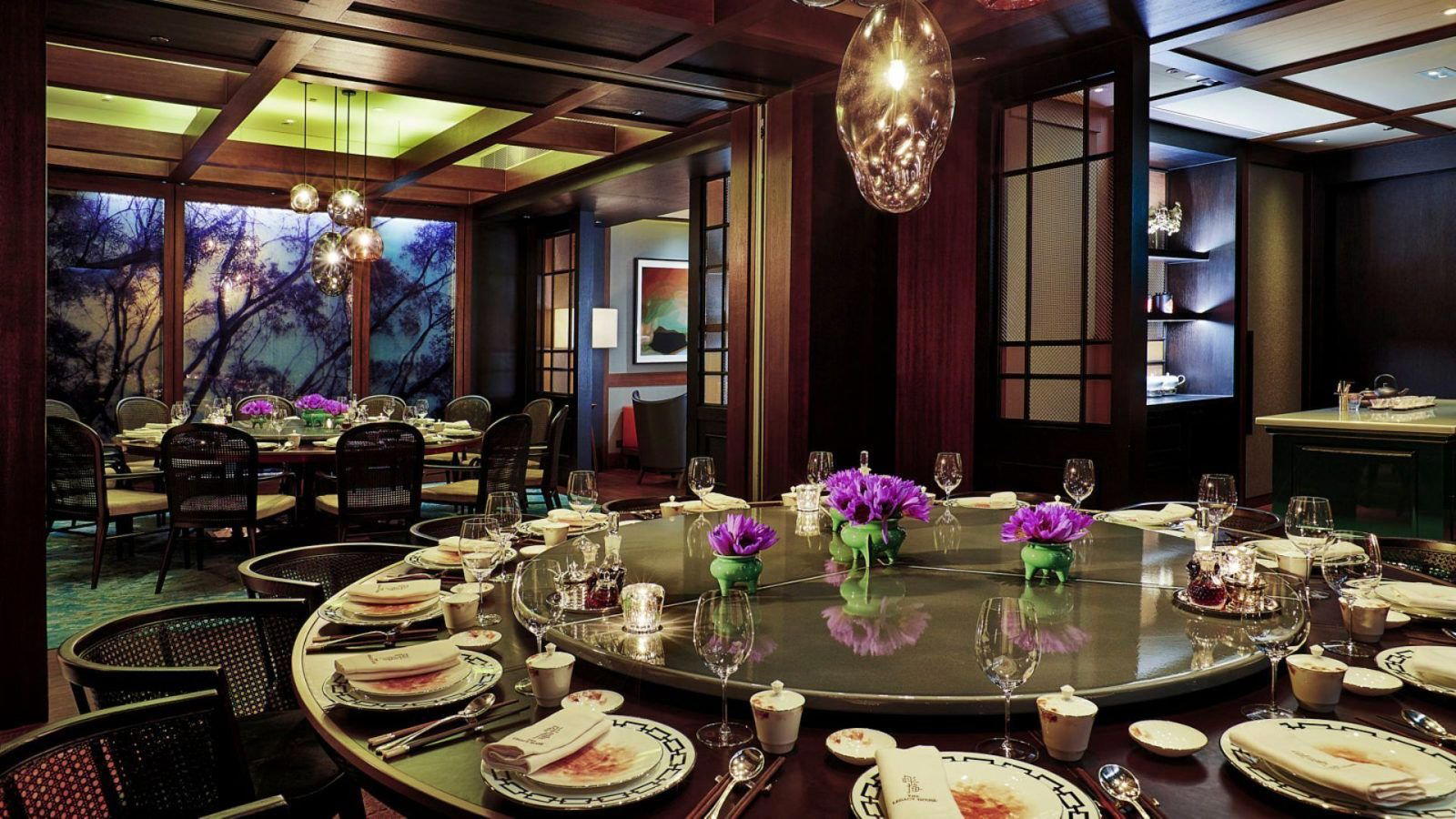
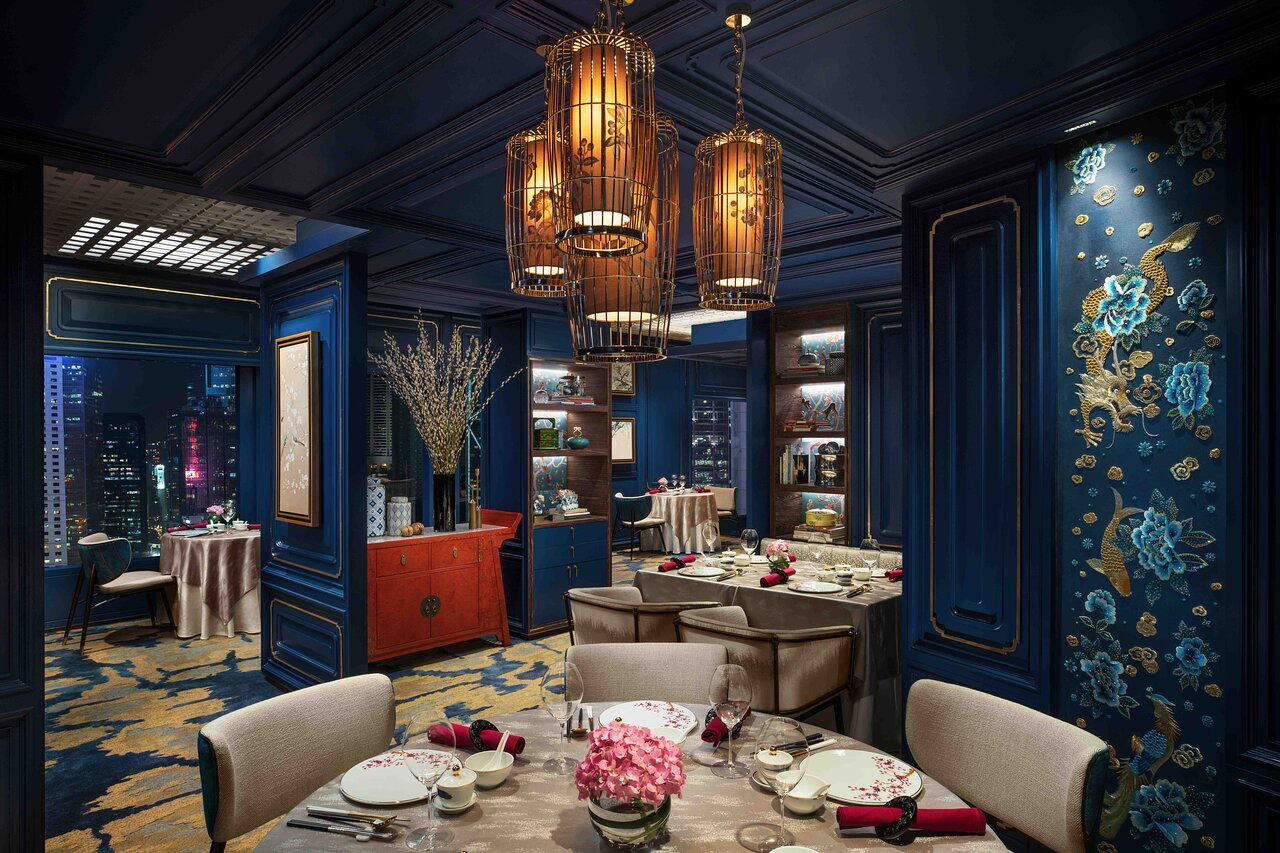
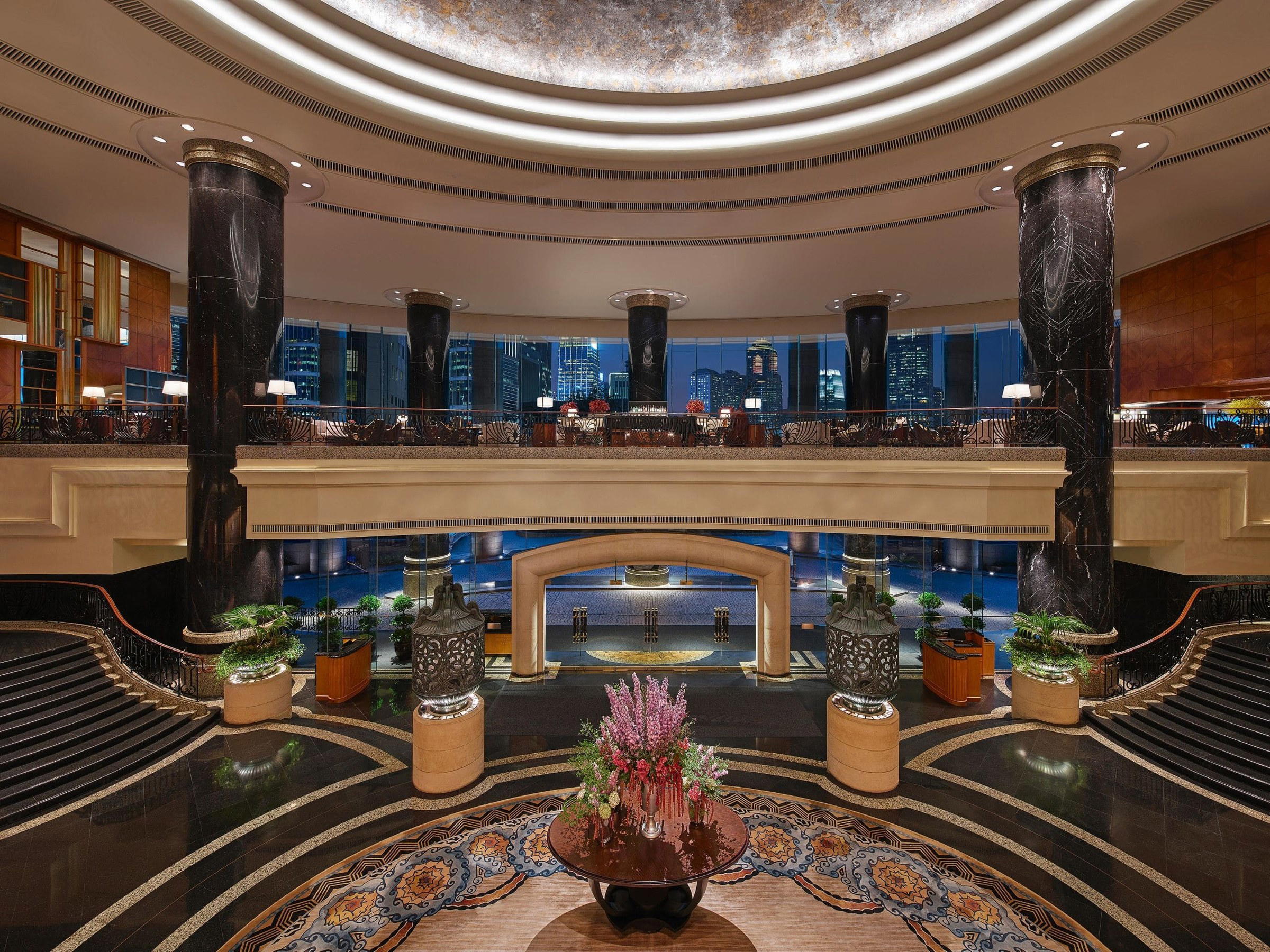
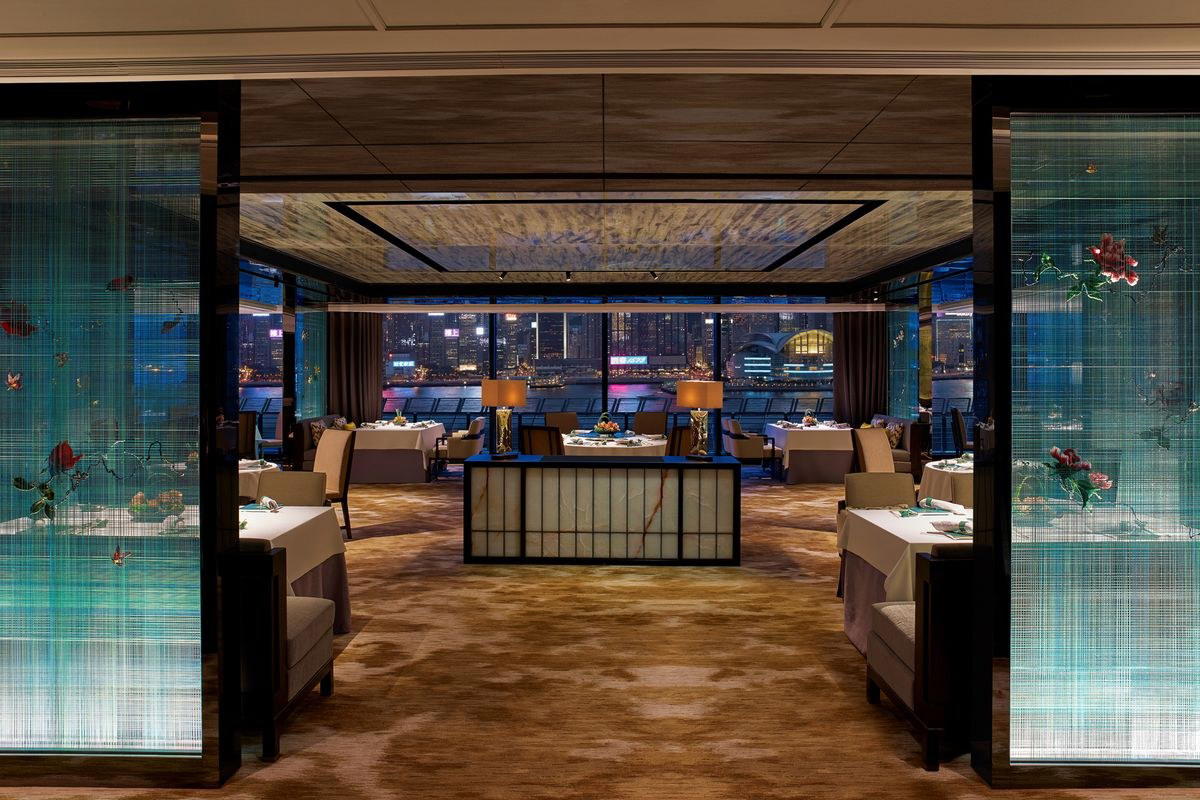
Hong Kong's formal Cantonese dining rooms have a particular atmosphere that sets them apart from the city's faster, louder yum cha halls. The rooms are bigger, quieter at the edges, and built around the assumption that a meal will last two hours or more. Round tables with lazy Susans, private rooms with sliding panels, and the controlled choreography of white-jacketed floor staff moving between courses, these are the design conventions that signal you are inside a traditional seafood house rather than a contemporary tasting-menu operation. Fu Sing Shark Fin Seafood Restaurant operates within this register, and understanding what that means in practice is the first step to deciding whether it fits your itinerary.
Where Fu Sing Sits in the Hong Kong Cantonese Scene
Hong Kong's Cantonese restaurant tier has fractured over the past fifteen years. At one end, hotel-backed rooms like Lung King Heen and Lai Ching Heen anchor the Michelin-starred bracket, competing on ingredient sourcing, kitchen technique, and the kind of architectural presentation that attracts international food press. At the other end, neighbourhood dim sum houses run high volume and low price. Fu Sing occupies the substantial middle ground: a standalone seafood house built around ceremonial Cantonese preparations, shark fin, abalone, whole fish from live tanks, that has accumulated a loyal local following without aggressively chasing the awards circuit. Its 2023 Opinionated About Dining Highly Recommended recognition places it among the better-regarded restaurants in Asia by that guide's methodology, which weights diner experience and consistency over Michelin alignment. That is a meaningful credential in a city with hundreds of competing Cantonese rooms.
For context on how the broader Hong Kong Cantonese scene is structured, our full Hong Kong restaurants guide maps the category across price tiers and neighbourhood clusters.
The Arc of a Meal Here
Traditional Cantonese seafood restaurants sequence a meal differently from how Western tasting menus think about progression. The logic is less about textural or flavor contrast from course to course and more about a hierarchy of ingredients: the most prestigious and labor-intensive preparations anchor the early middle of the meal, with lighter and fresher dishes moving in after. Shark fin and abalone, where they appear, occupy that central position, they are the point around which the rest of the meal orients.
In practice, a table at a restaurant of this type typically begins with cold plates: roast meats, marinated jellyfish, or similar preparations that function as an aperitif to the main business. Cantonese roast work is a distinct technical discipline, the lacquered skin on a well-executed roast suckling pig, for instance, requires days of preparation and a very specific heat regime. From there, the meal moves toward soup or the principal braised preparations, which at a shark fin house means the kitchen's handling of dried and rehydrated ingredients is the central technical test. The final stretch shifts back toward live seafood, fish or shellfish from tanks, cooked simply to let the ingredient carry itself, before congee or noodles close the meal in a lighter key. This is the structural grammar that Cantonese banquet cooking inherited from Guangdong province and transported to Hong Kong, where it has been refined over decades of competition and ingredient access.
Fu Sing works within this tradition. The kitchen staffing is credited as a collective rather than a named head chef, which is consistent with how many Hong Kong seafood houses of this scale operate, the brigade functions as an ensemble, with senior cooks holding specializations in roasting, wok work, or braising rather than a single creative vision driving the menu. For diners comparing this approach to the more individual-chef-led model at, say, Rùn or T'ang Court, the difference is relevant. This is institutional cooking in the leading sense of the word: a kitchen that has internalized a repertoire and executes it with the confidence of long practice.
The Shark Fin Question
Any serious discussion of a restaurant with shark fin in its name has to address the conservation debate directly. The global pressure on shark fin consumption has shifted the category significantly over the past decade. Some Hong Kong restaurants have removed fin entirely; others have moved toward farmed or sustainably certified alternatives; others have maintained their traditional offering and absorbed the reputational cost. Where Fu Sing positions itself on this spectrum is not something that can be confirmed from available data, but it is a question any diner with environmental concerns should raise directly before booking. The restaurant's name and historical category make the question unavoidable.
Cantonese cooking has spread across East and Southeast Asia through diaspora restaurant culture, and the versions practiced in Macau, Shanghai, Taipei, and Singapore each carry local inflections. Jade Dragon and Chef Tam's Seasons in Macau operate at the Michelin-starred end of that spectrum with more contemporary presentations. In Taipei, Le Palais has built a reputation for classical technique applied to Taiwanese sourcing. In Singapore, Summer Pavilion works within a hotel frame. In Shanghai, the category ranges from the traditional formality of Bao Li Xuan and 102 House to the more accessible Canton 8 (Huangpu), and Imperial Treasure Fine Chinese Cuisine in Guangzhou brings a Singapore-origin chain back to the source province. Against this regional spread, Hong Kong retains a particular authority in classical Cantonese seafood cooking, the ingredient access, the concentration of skilled practitioners, and the local demand for high-standard execution are all deeper here than in any other city.
Fu Sing is positioned within that Hong Kong context, not competing with the hotel fine-dining tier but serving the category of diner who wants a serious, traditional seafood banquet experience rather than a modernized or fusion-adjacent interpretation. For context on Hong Kong's wider hospitality offering, our full Hong Kong hotels guide, bars guide, and experiences guide are useful supplements. If you are specifically tracking the wine scene alongside dining, our Hong Kong wineries guide covers that angle.
Planning a Visit
Restaurants of this type in Hong Kong are most commonly accessed through direct phone reservation or walk-in for smaller parties at off-peak hours, lunch service on weekdays typically has more availability than weekend banquet slots, which Hong Kong families and business groups tend to lock up weeks in advance.
For a broader map of where Fu Sing fits among Hong Kong's Cantonese options, the Forum offers another point of comparison in the traditional banquet seafood category, while the hotel-backed rooms at Lung King Heen and Lai Ching Heen represent the Michelin-anchored alternative for diners prioritizing that credential over a standalone institution.
Frequently asked questions
What's the signature dish at Fu Sing Shark Fin Seafood Restaurant?
What the restaurant's name, its Cantonese seafood category, and its OAD Highly Recommended status collectively signal is a kitchen focused on the ceremonial preparations that define Hong Kong's traditional seafood banquet tradition: braised dried seafood, live-tank fish, Cantonese roast work, and the kind of soup-based courses that anchor formal Cantonese meal structure. For verified menu specifics, contacting the restaurant directly or consulting recent diner reports is the appropriate route.
What It’s Closest To
Comparable venues nearby, for context on price, style, and recognition.
| Venue | Cuisine | Price | Notes |
|---|---|---|---|
| Fu Sing Shark Fin Seafood RestaurantThis venue (the venue you are viewing) | Chinese Dim Sum and Shark Fin Seafood | Not listed | Not listed |
| Tai Hing | Hong Kong Roast Meats & Comfort Food | $10–20 | Tsim Sha Tsui |
| Kasa | Modern Cantonese Fusion | Not listed | Wan Chai |
| Yixin | Traditional Hong Kong Cantonese | Not listed | Wan Chai |
| Crystal Jade | Modern Shanghainese with Handmade Noodles & Dim Sum | $20–30 | Wan Chai |
| Dim Sum and the Art of Chinese Tidbits | Traditional Cantonese Dim Sum | Not listed | Wan Chai |
Recognition history
Dated appearances from independent guides and award organizations, with the underlying list record or original source where available.
Opinionated About Dining Top Restaurants in Asia Highly Recommended
Opinionated About Dining
Continue exploring
More in Hong Kong
More from Chef Various
Browse all →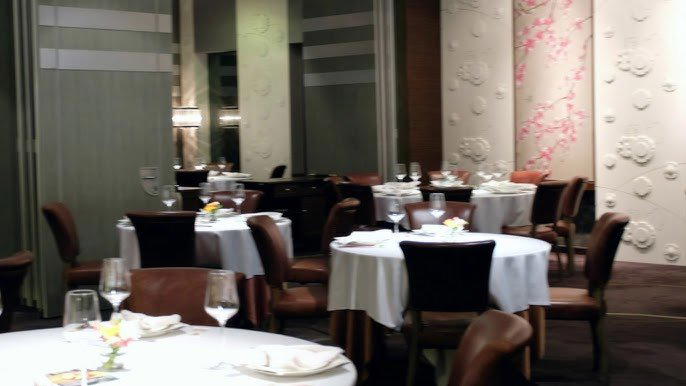
Restaurants in Hong Kong
All restaurants in Hong Kong →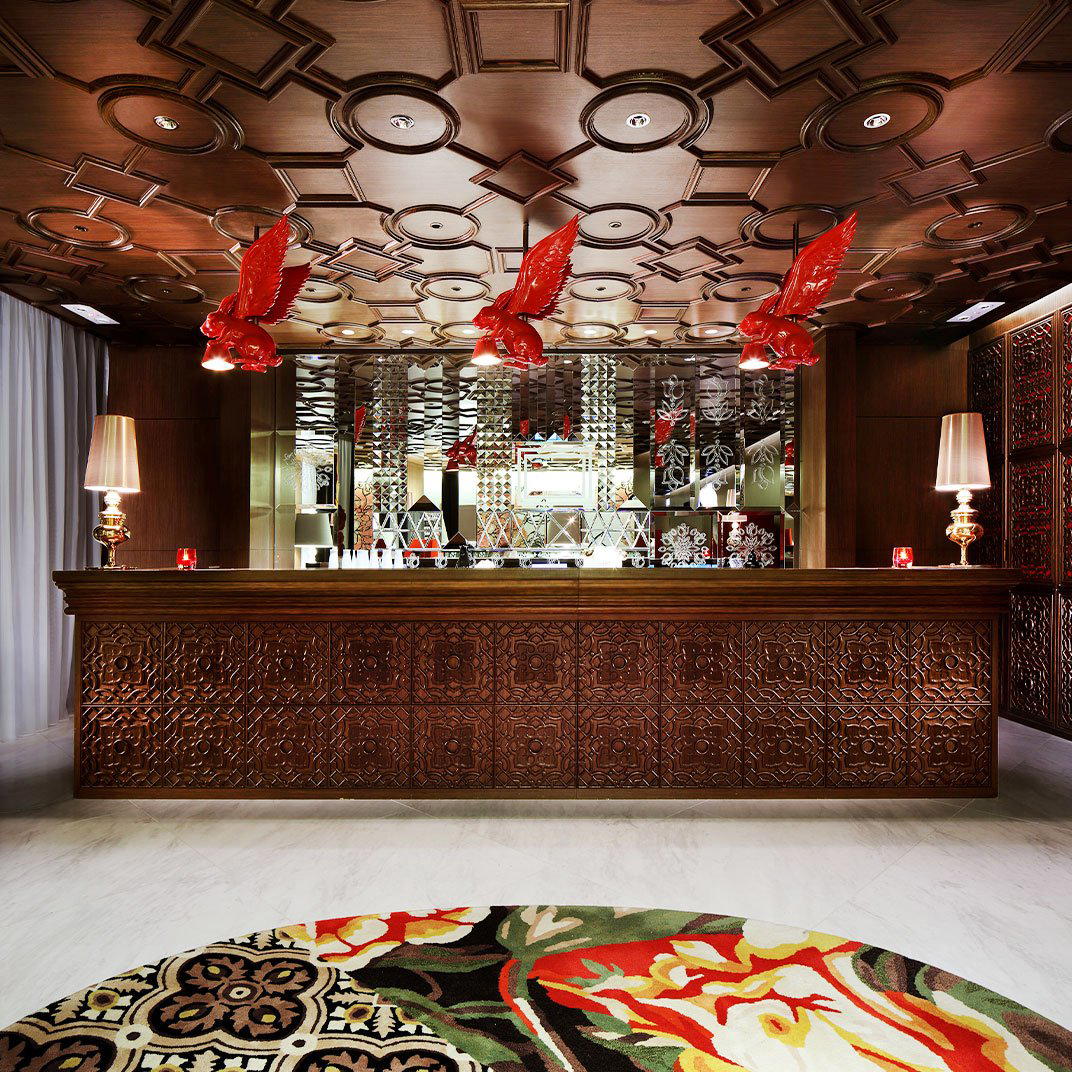
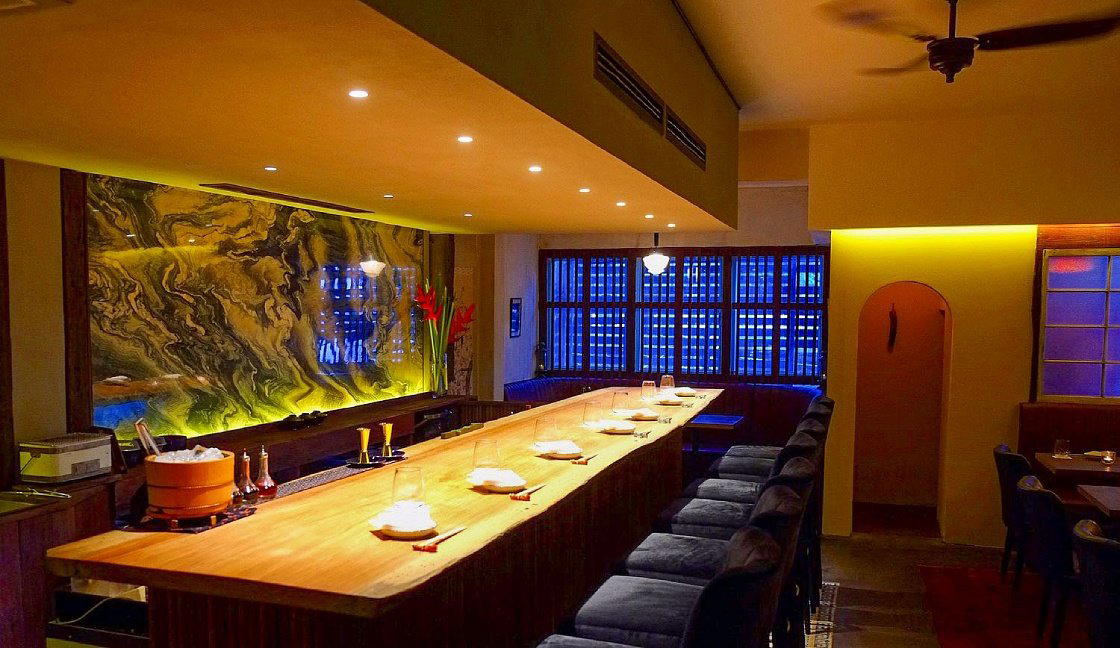
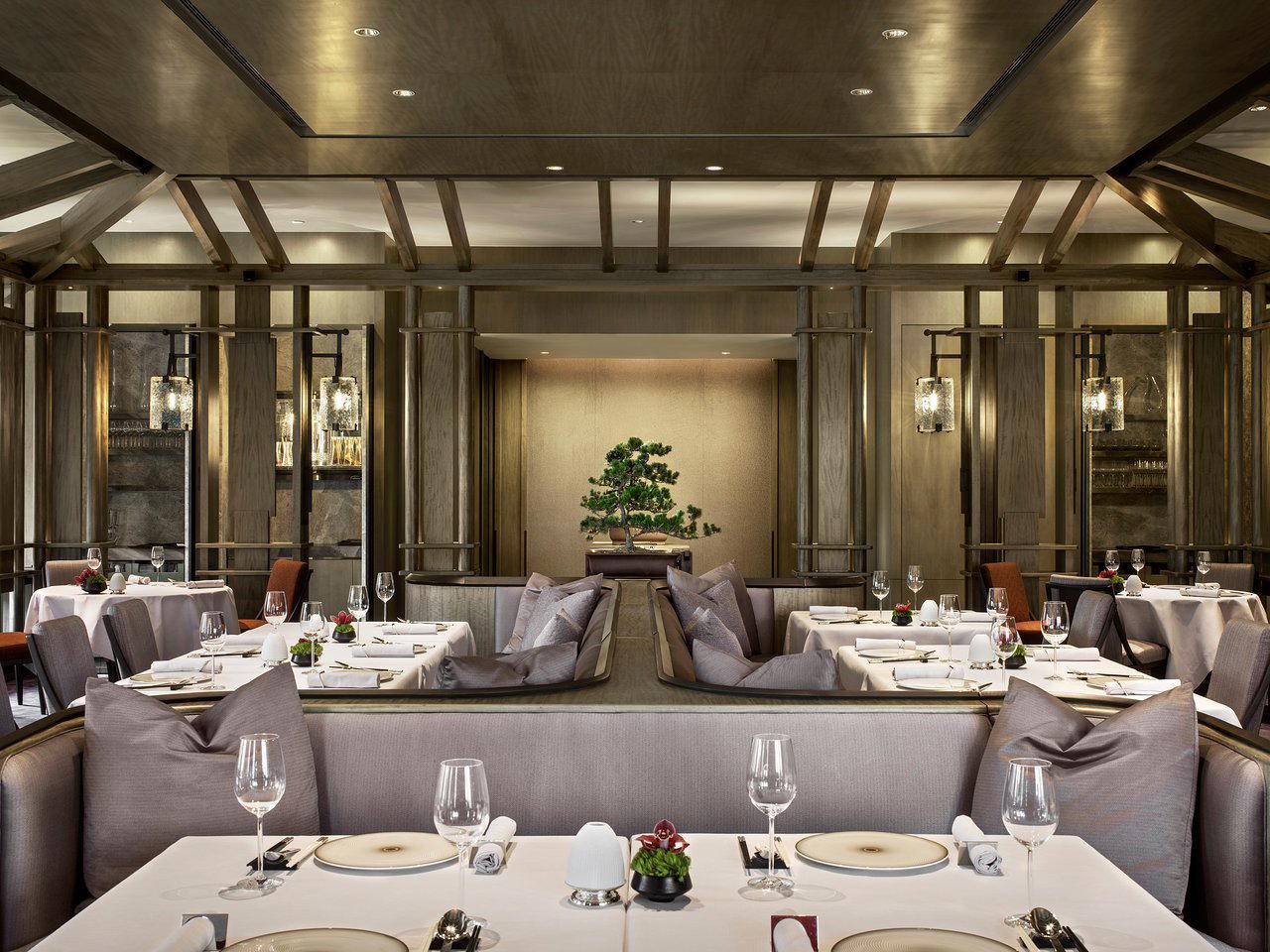
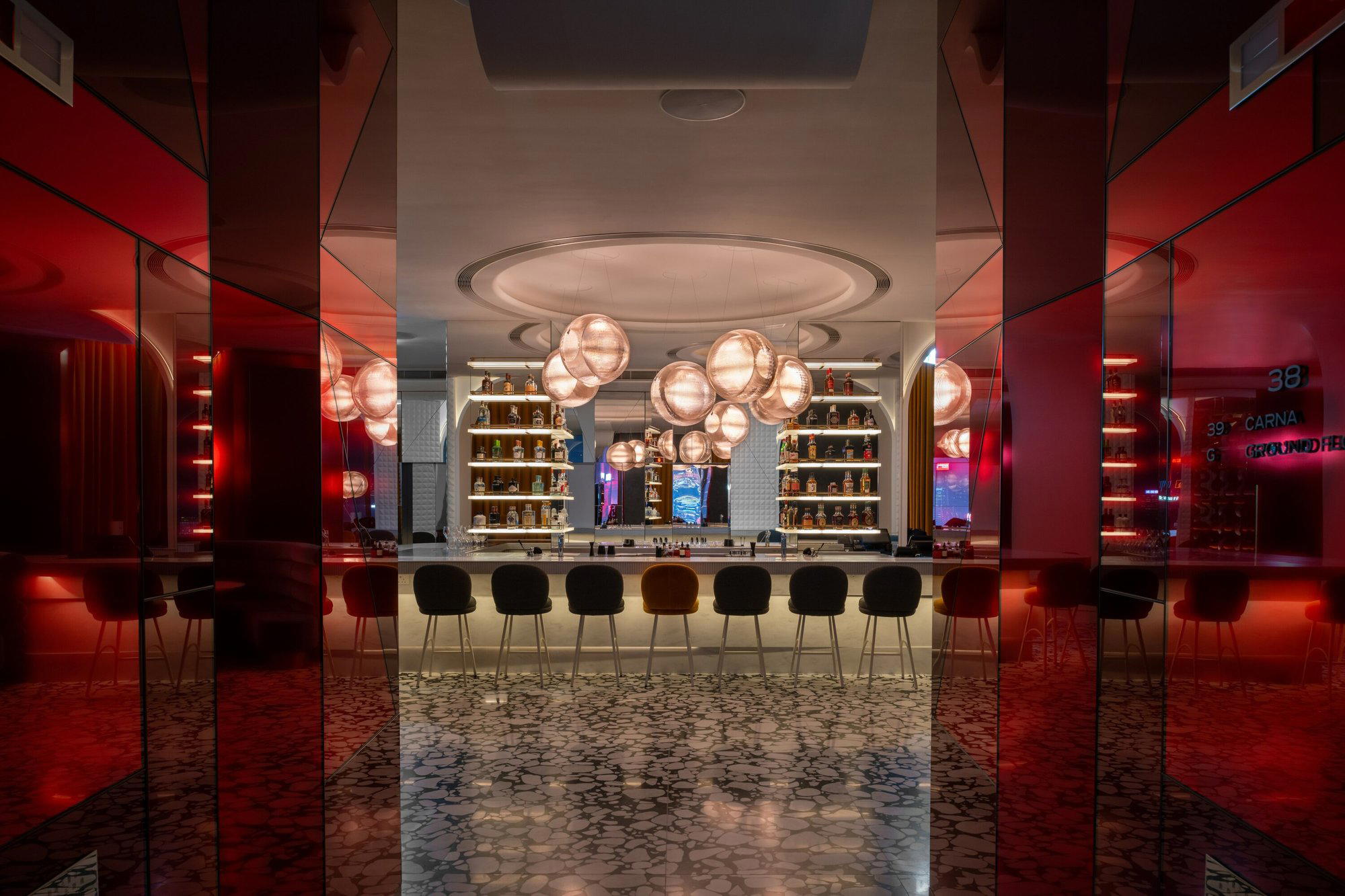
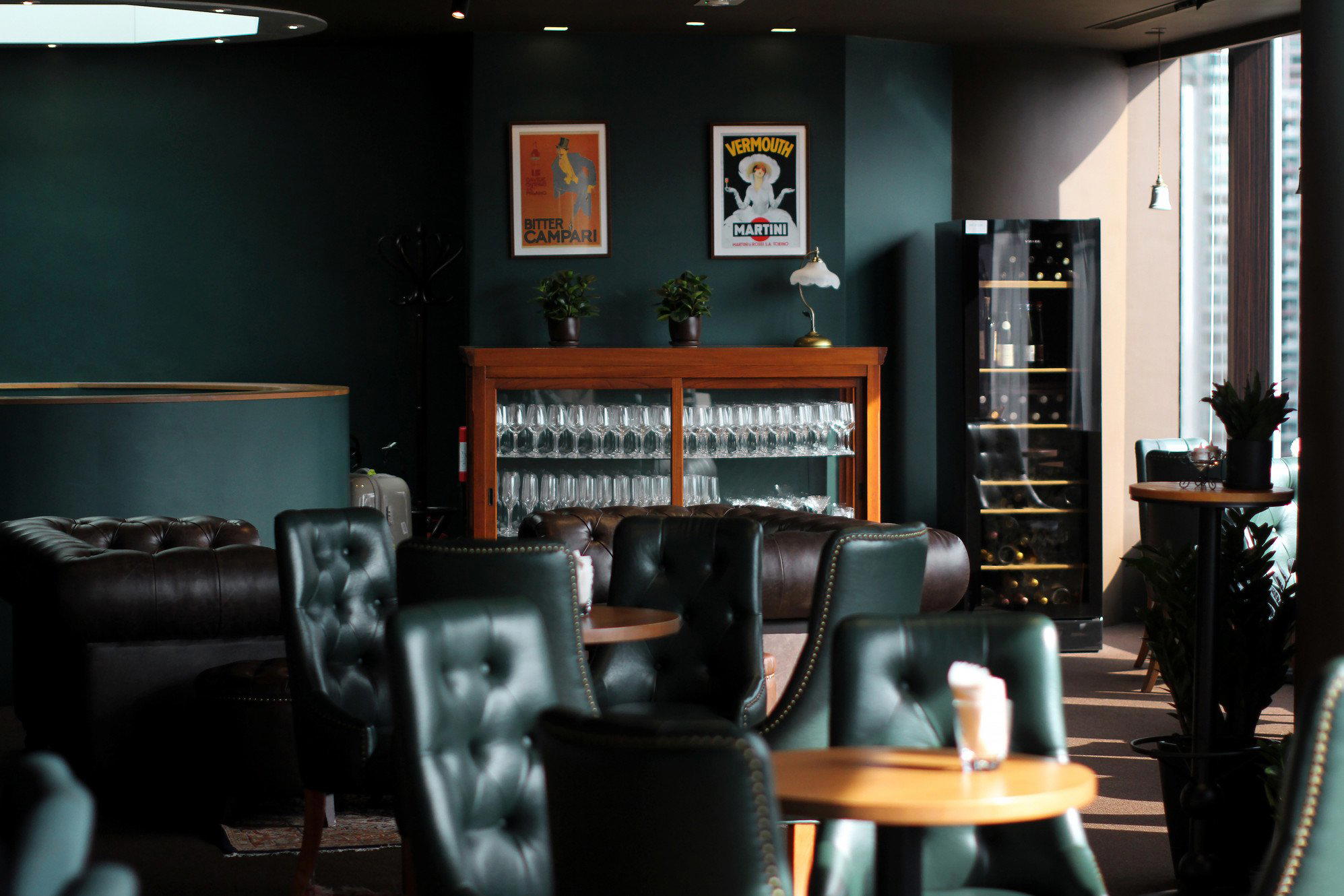
Bars in Hong Kong
All bars in Hong Kong →
Hotels in Hong Kong
All hotels in Hong Kong →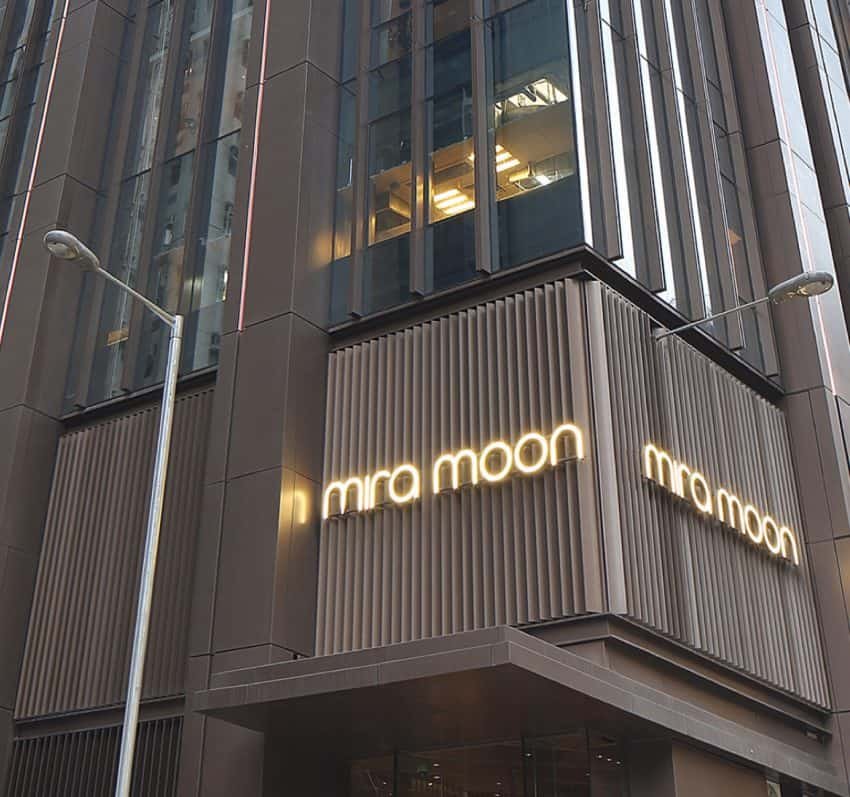

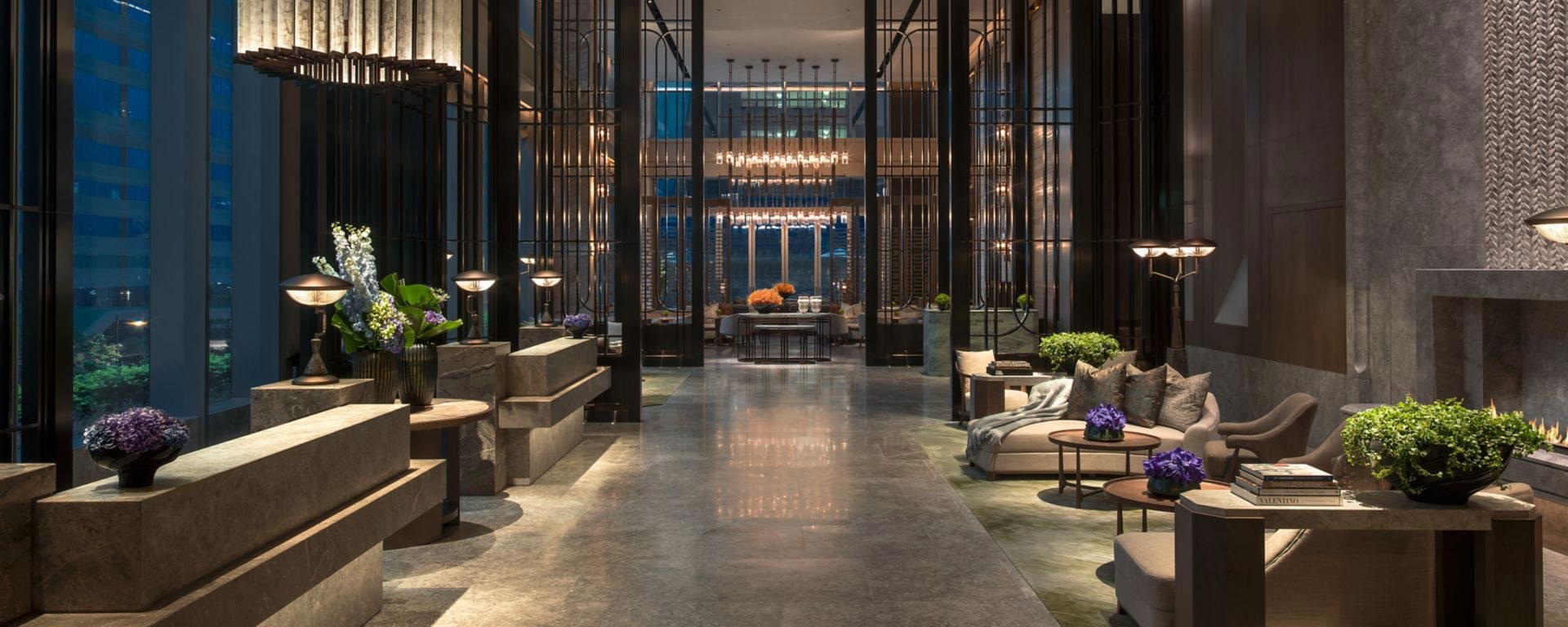
Wineries in Hong Kong
All wineries in Hong Kong →
Details
- Classic
- Family
- Group Dining
- Casual Hangout
- A La Carte
Casual dim sum atmosphere suitable for groups and families.