Kappo Sono
Kappo Sono occupies a specific tier within New York City's Japanese fine dining scene: kaiseki served in an intimate counter format, positioned alongside the city's most demanding Japanese tasting menus. The relocated counter signals a deliberate recalibration rather than a restart, placing it in the company of a small number of American cities where kaiseki has found a serious foothold outside Japan.
 Discover on Pearl
Pearl is the En Primeur Club membership app — saves, bookings, and concierge access live there. Same editors, same standards.
- Address
- 39 E 13th St 6th Floor, New York, NY 10003
- Phone
- (646) 899-5891
- Website
- kapposono.com
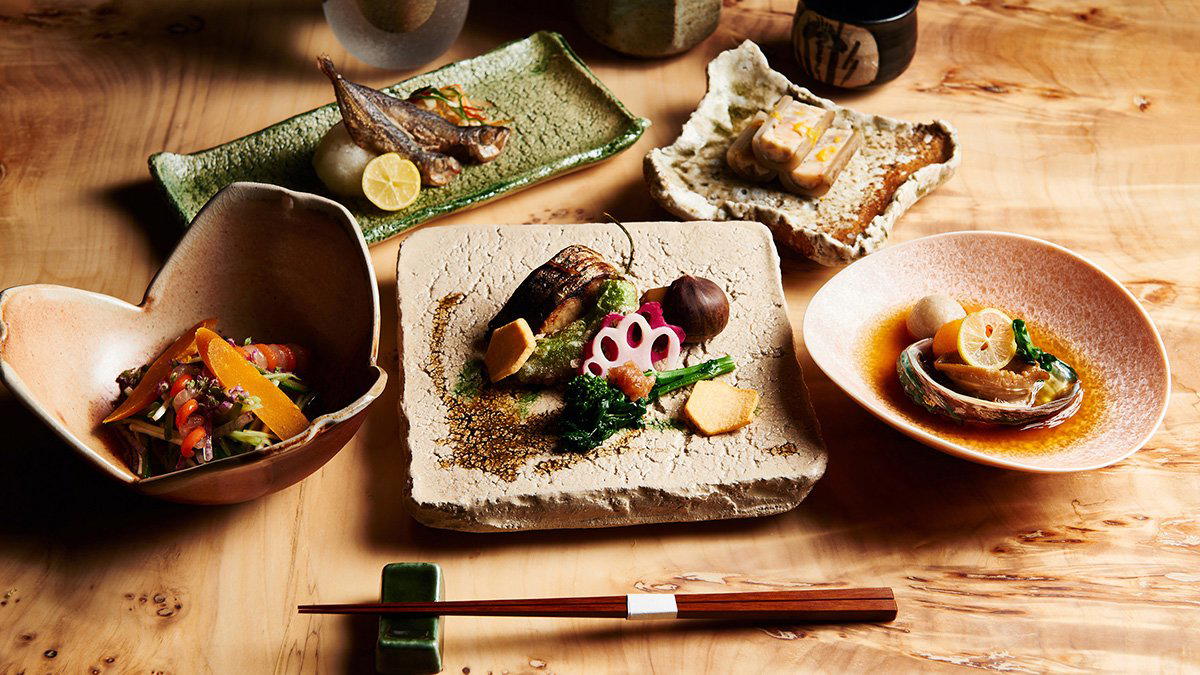
The Counter Format and What It Signals
Kaiseki, the Japanese multi-course tradition rooted in Kyoto's tea ceremony culture, has always been organized around sequence, restraint, and seasonal fidelity. In Japan, the form is governed by shun, the precise moment of peak ingredient quality, and the leading counters at establishments like Ifuki in Kyoto or Kikunoi in Tokyo treat sourcing as the architecture of the meal. What arrives on the plate is a direct consequence of what was available that morning, that week, that altitude, that prefecture. The format demands that the kitchen subordinate creativity to the ingredient rather than the reverse.
Kappo Sono is a Japanese kaiseki restaurant in New York City at 39 E 13th St 6th Floor. The kappo designation is significant: it sits between the formality of full kaiseki and the accessibility of izakaya, defined by open kitchen interaction and a cooking style that combines grilling, simmering, steaming, and frying within a single meal. That format is less common in New York than pure omakase sushi, making Kappo Sono part of a small cohort of counters that have brought the kappo approach to an American audience.
Where Ingredient Sourcing Meets Culinary Tradition
The sourcing logic of kaiseki and kappo dining creates a different set of demands than most Western fine dining. While a kitchen like Le Bernardin organizes around a stable menu with seasonal adjustments, or Per Se builds its French contemporary program around controlled sourcing networks, a genuine kappo counter must respond to what arrives rather than dictating what will be ordered. This places significant operational pressure on the kitchen and elevates the role of supplier relationships above almost every other logistical consideration.
In Japan, that supplier network is centuries old. In New York, it has had to be constructed from scratch, partly through Japanese specialty importers that supply the city's top-tier Japanese kitchens, and partly through domestic producers whose output meets the aesthetic requirements of the form: specific fish species, particular aging parameters, regional Japanese ingredients that require specialist sourcing channels to move across the Pacific in the condition the cuisine demands. The city's density of serious Japanese dining, anchored by counters like Masa at the uppermost price tier, has helped build the kind of import infrastructure that makes a kappo counter viable here in a way it would not be in most American cities.
Domestic sourcing plays a role too. American farms producing Japanese-adjacent produce, local farms growing shiso, myoga, and yuzu, and East Coast fisheries supplying species that can be prepared in a Japanese register have all become part of how New York's better Japanese kitchens construct the seasonal logic that kaiseki requires. The relocated counter format at Kappo Sono suggests a kitchen actively recalibrating those supplier relationships rather than simply transplanting a fixed menu to a new address.
New York's Japanese Fine Dining Tier
New York's Japanese fine dining scene has compressed and stratified over the past decade. At the leading sits a small number of counters with Michelin recognition or equivalent critical standing. Masa operates at a price point that places it in a different category from almost any other restaurant in the United States. Below that tier, a cluster of serious omakase and kappo counters competes on sourcing credentials, chef lineage, and the difficulty of securing a seat. The comparison set for a kappo counter like Kappo Sono is not Saga or César, whose formats occupy different culinary traditions entirely, but rather the city's other Japanese tasting counters where the ingredient is the argument.
For context, analogues in the broader American fine dining world, places like Single Thread Farm in Healdsburg or Providence in Los Angeles, have built part of their reputation on sourcing transparency and seasonal discipline. The kappo format takes that commitment further by making the sourcing decision visible in the meal's structure: a dish appears because the ingredient is ready, not because the menu requires it. That logic is demanding for diners accustomed to knowing what they are ordering before they sit down, and it is precisely why the format tends to attract a specific kind of guest.
The Relocation and What It Means for the Format
A relocated counter is a meaningful event in fine dining. Unlike a restaurant that expands or rebrands, a counter-format kitchen carries its identity in its physical arrangement, its supply relationships, and the muscle memory of the team. Relocation tests all three. The counters that survive the transition intact tend to be those where the sourcing logic is strong enough to transfer: where the kitchen's supplier relationships are personal rather than address-dependent, and where the cooking approach is defined by the ingredient rather than the room.
Comparable relocations in the American fine dining context, such as the various moves that have defined kitchens at Alinea in Chicago or the evolution of Lazy Bear in San Francisco, have generally strengthened the format by forcing the team to interrogate what is essential. For a kappo counter, that interrogation centers on the sourcing chain: which suppliers follow the kitchen, which relationships need to be rebuilt, and whether the new location places the counter closer to or further from the logistical networks that make the seasonal ingredient argument possible.
Know Before You Go
Format: Counter seating, ingredient-led seasonal menu
Location: New York City
Price: $$$$
Booking: Reservation essential
Dress: Smart casual
Cost and Credentials
Comparable venues nearby, for context on price, style, and recognition.
| Venue | Cuisine | Price | Awards | Notes |
|---|---|---|---|---|
| Kappo SonoThis venue — the venue you are viewing | Greenwich Village, Japanese Kaiseki | $$$$ | , | |
| Sushi Yoshitake | Midtown, Modern Japanese Omakase | $$$$ | , | |
| Tachi | $$$$ | , | Hell's Kitchen, Traditional Japanese Omakase | |
| Nippon | $$$$ | , | East Midtown-Turtle Bay, Traditional Edo-mae Japanese | |
| Aman New York | $$$$ | , | Midtown-Times Square, Modern Japanese Omakase & Italian Harvest Cuisine | |
| ShabuShabu GEN | East Village, Japanese Shabu-Shabu | $$$$ | , |
Continue exploring
More in New York City
Restaurants in New York City
Browse all →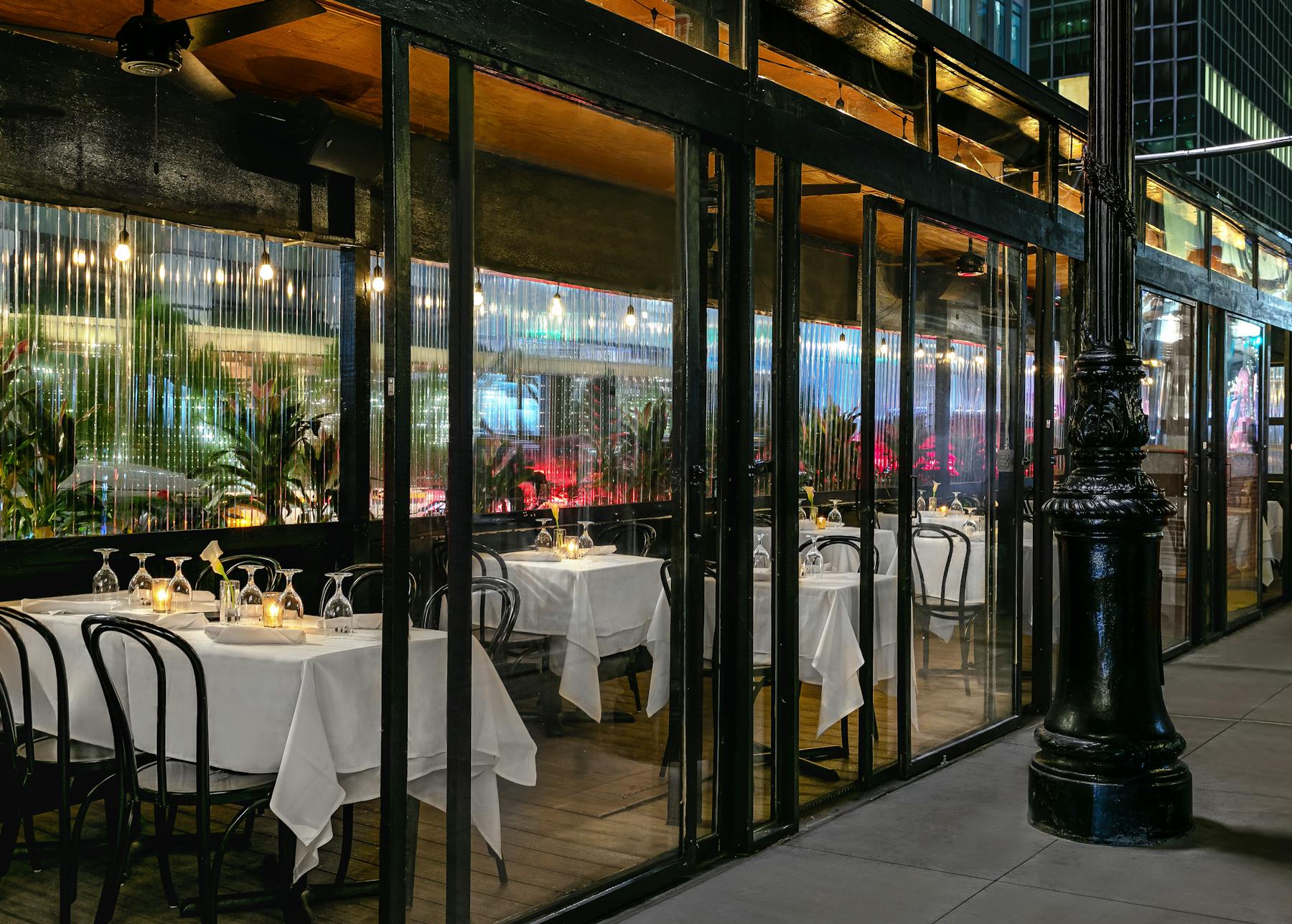
Bars in New York City
Browse all →
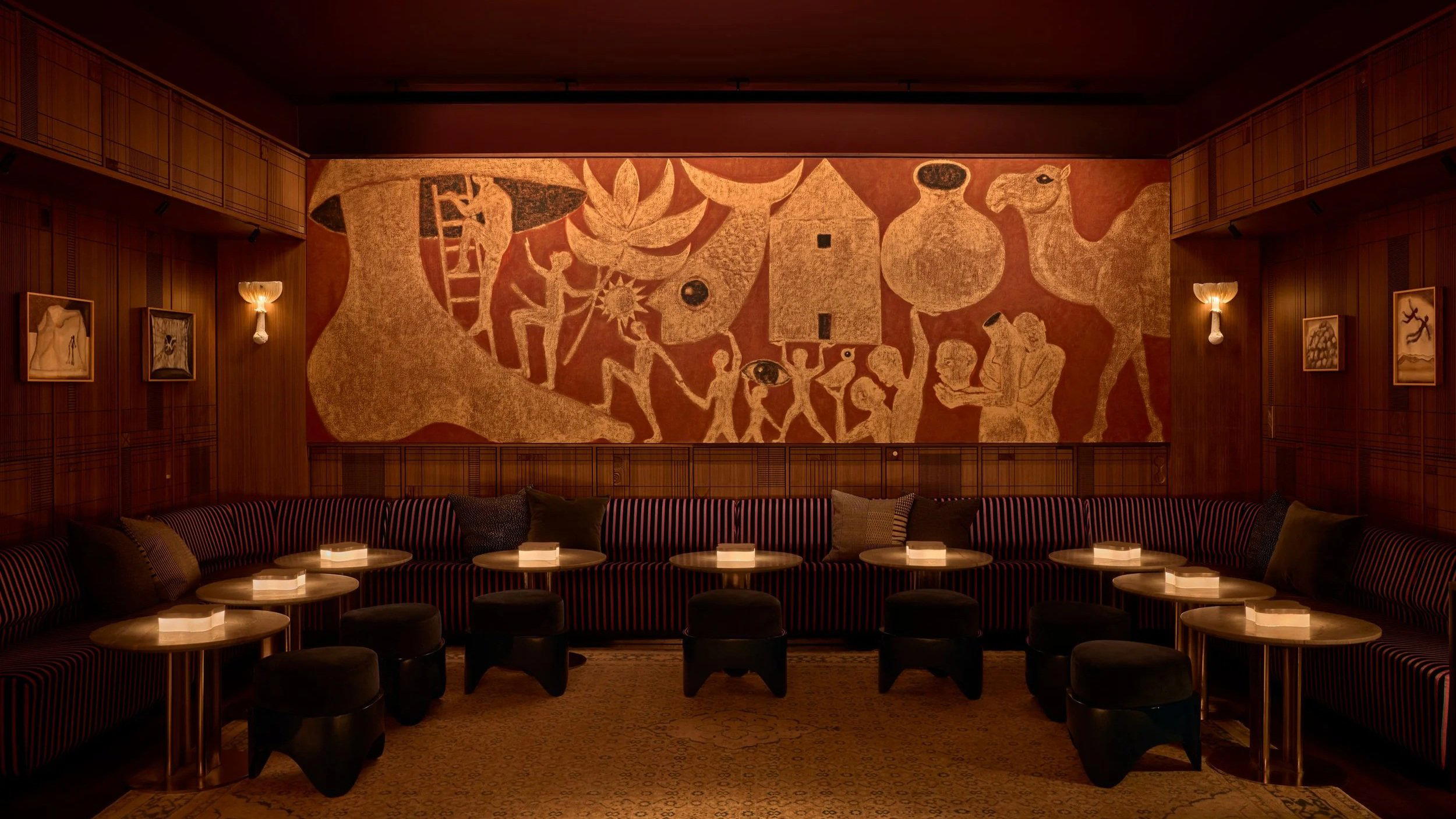
Hotels in New York City
Browse all →



At a Glance
- Intimate
- Elegant
- Sophisticated
- Minimalist
- Special Occasion
- Celebration
- Chefs Counter
- Open Kitchen
- Sake Program
- Skyline
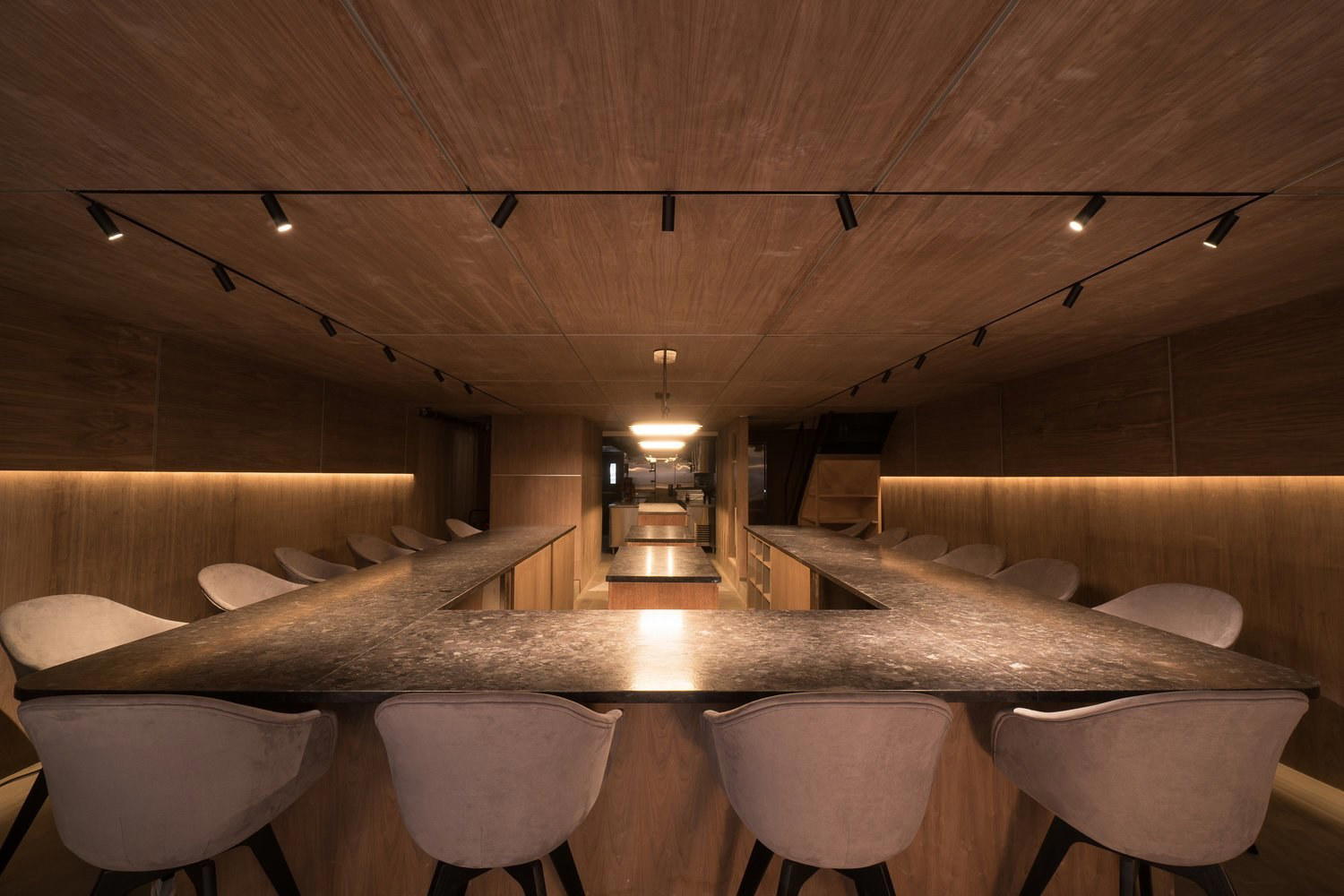
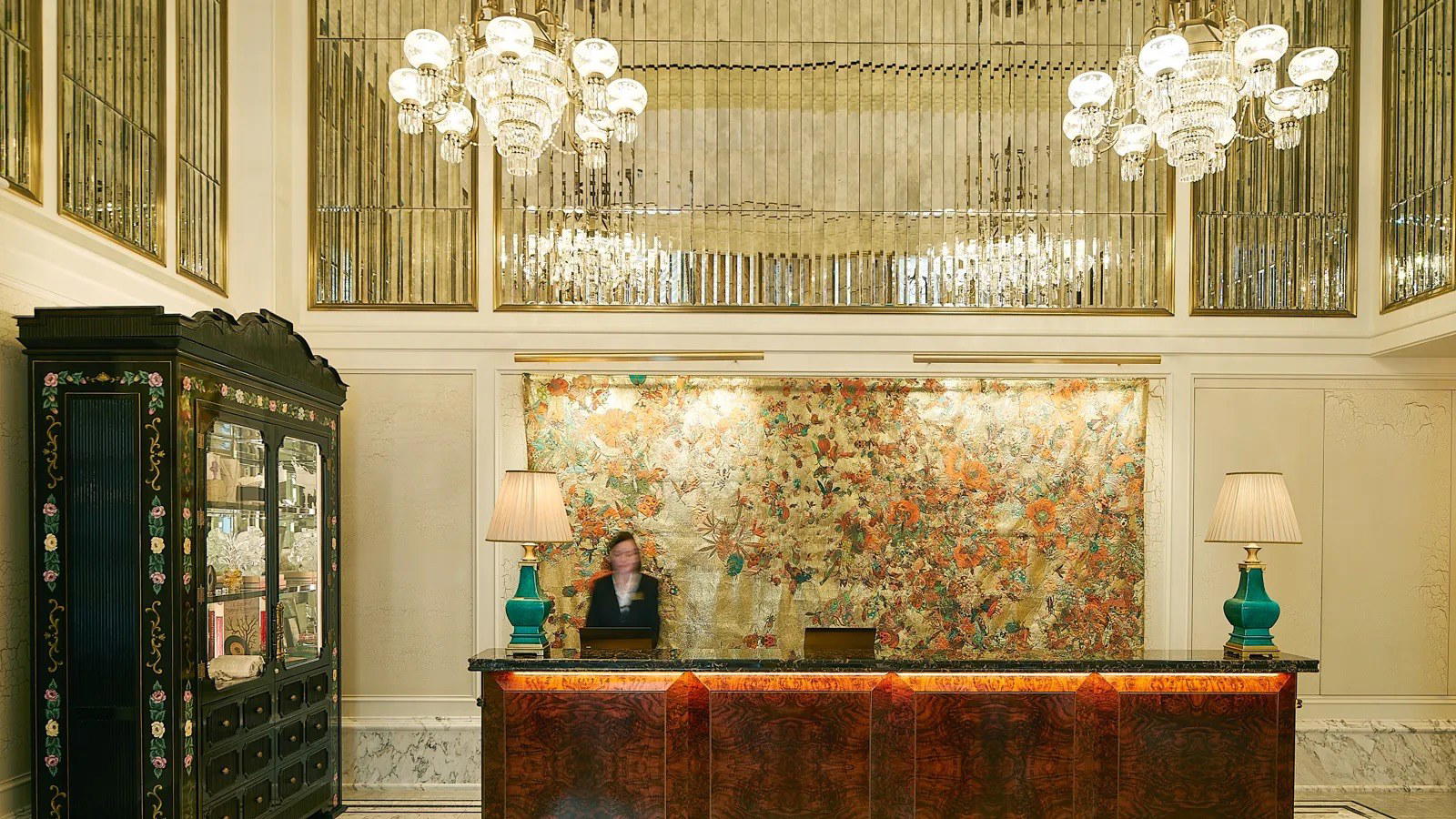
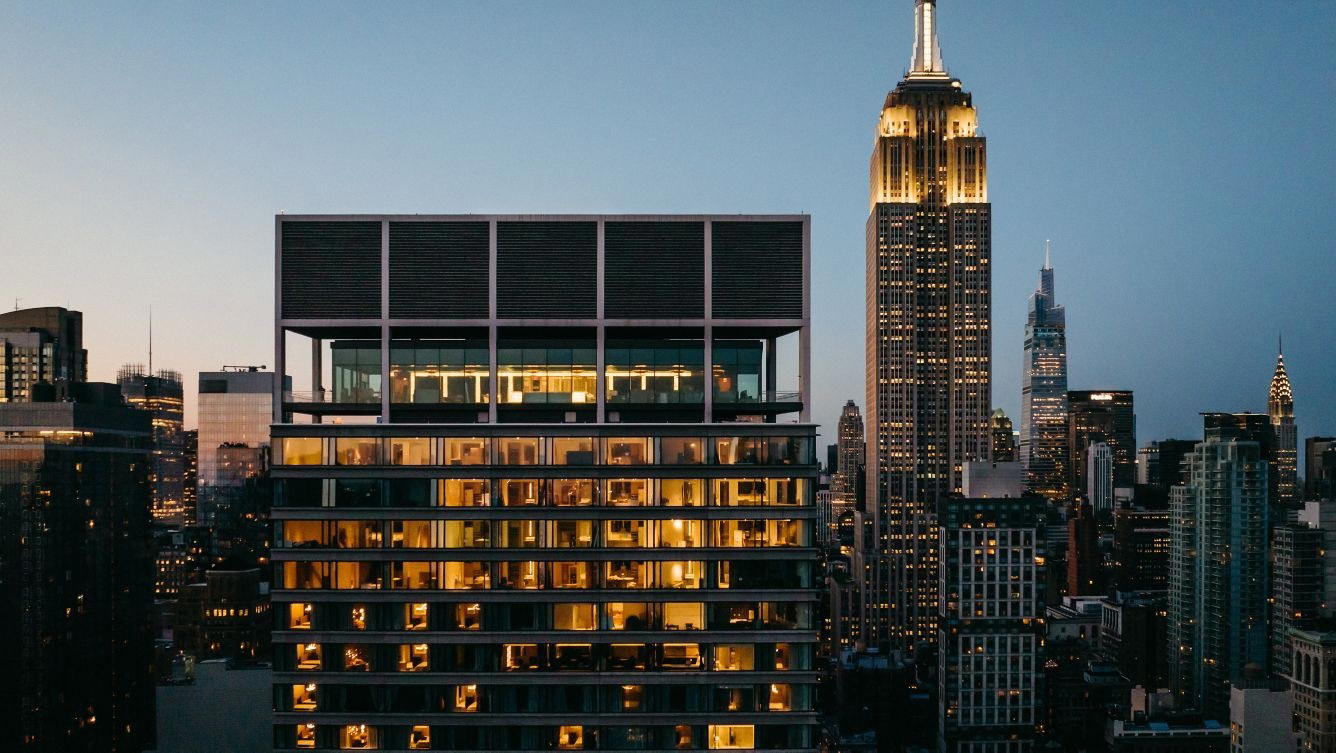
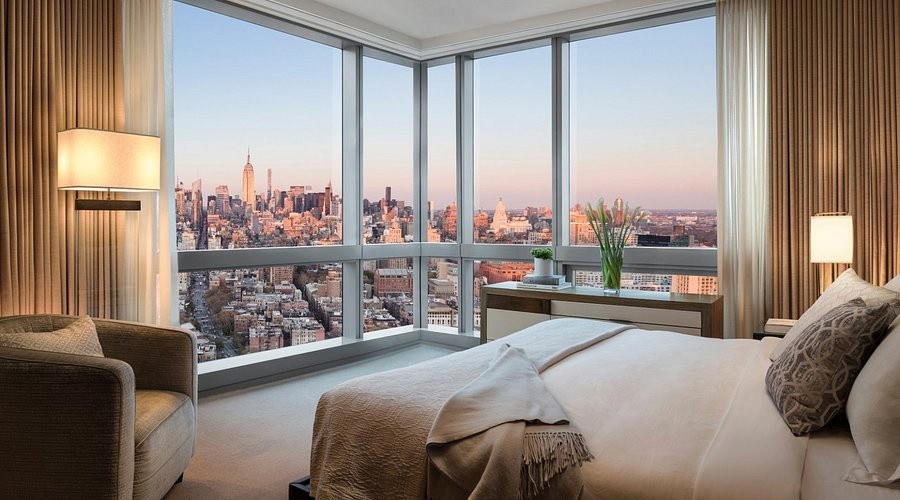
Minimalistic and elegant design featuring wood elements, a wall of windows with stunning New York cityscape views, and a serene, sumptuous garden-like terrace atmosphere.