Nippon
One of New York's earliest and most enduring Japanese restaurants, Nippon at 155 E 52nd St has shaped how Midtown receives Japanese cuisine for decades. Its longevity in a neighbourhood defined by corporate power lunches and expense-account dining speaks to a loyalty few restaurants sustain. For those who know it, returning is less a decision than a habit.
Pearl is the En Primeur Club membership app — saves, bookings, and concierge access live there. Same editors, same standards.
- Address
- 155 E 52nd St, New York, NY 10022
- Phone
- +12126885941
- Website
- restaurantnippon.com
- Directions
- Get directions
 Saves & bookings on Pearl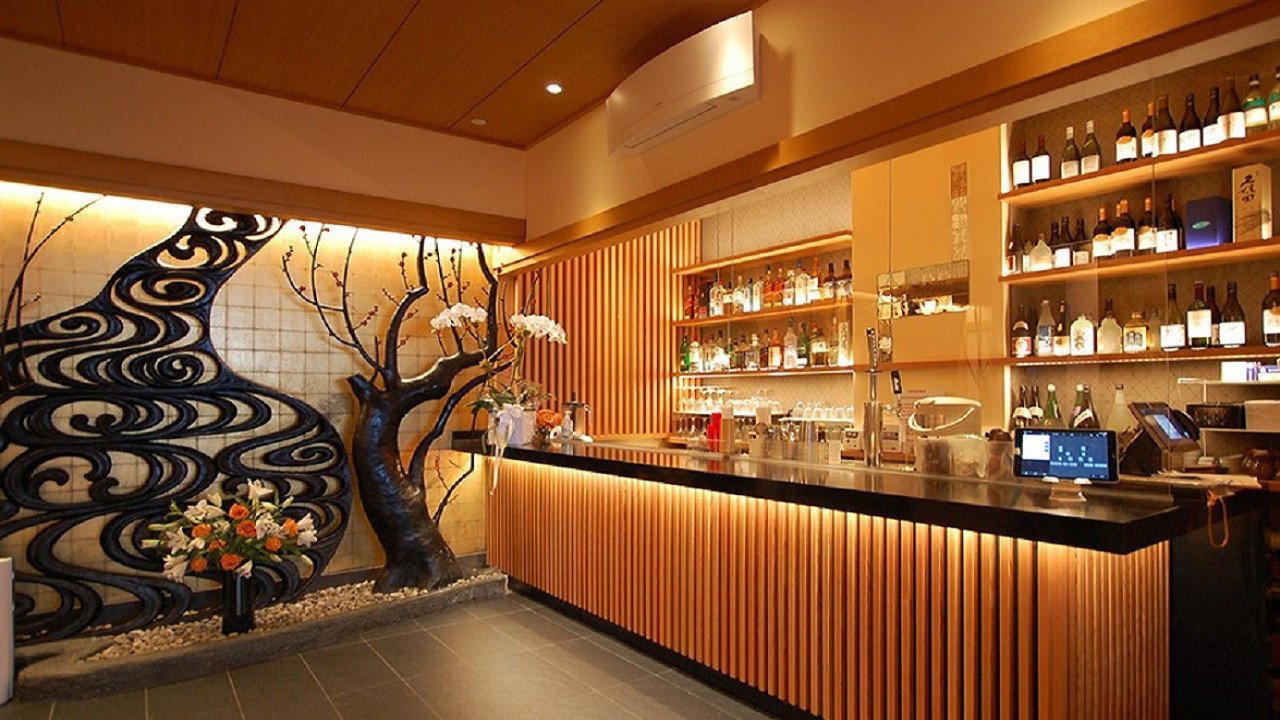
A Long Game on East 52nd Street
It predates the sushi boom of the 1980s, the omakase wave of the 2000s, and the contemporary Japanese fine dining tier represented today by venues like Masa. That timeline matters. Nippon did not arrive into an established scene; it helped form one. The cohort of New York diners who first encountered proper Japanese cooking at a white-tablecloth level in the 1960s and 1970s did so at a handful of addresses, and this was one of them.
Midtown East, specifically the blocks around Park and Lexington in the low-to-mid Fifties, became the city's default address for Japanese corporate entertaining through the 1970s and 1980s, when Japanese investment in New York was at its postwar peak. The neighbourhood rewarded formality, discretion, and consistency over novelty. Restaurants that survived in that corridor did so not by chasing trends but by serving a clientele that valued reliability above almost everything else. Nippon fits that pattern precisely.
What the Regulars Actually Come Back For
The editorial question for a restaurant of this vintage is never whether it has adapted, but whether its core proposition still holds. Nippon's loyal clientele answers that question with their booking behaviour. The guests who return to a restaurant decade after decade are not returning for novelty. They are returning for something they cannot easily replicate elsewhere: a specific register of hospitality, a particular atmosphere, a kitchen that knows what it is and executes consistently within that frame.
In Nippon's case, that frame is classical Japanese cooking delivered in a setting that does not perform or explain itself. The dining room on East 52nd Street is not trying to signal anything to a new generation of diners. It exists for the people who already know it. That positioning, which might read as passivity in a more fashion-driven restaurant culture, is in fact a form of confidence. Compare it to the explicitly theatrical formats at the newer end of New York's Japanese dining spectrum, or to the tasting-menu discipline of Atomix and Jungsik New York, and Nippon's register becomes clearer: it belongs to a different tradition, one where the room recedes and the food speaks without theatrical framing.
That is precisely what long-term regulars describe when they talk about why they return. Not a dish they cannot find elsewhere, necessarily, but a consistency of experience that has become, over years of visits, something closer to a ritual. The Japanese concept of ma, the meaningful pause or space between things, applies to restaurant culture as much as it does to architecture or music. Nippon holds that space.
The Midtown Japanese Dining Context
To understand what Nippon represents in 2024, it helps to map the tier structure of Japanese dining in Manhattan. At the highest price point, the omakase counter format dominates: intimate, chef-led, counter-only experiences that price at several hundred dollars per person and book weeks or months ahead. Masa remains the reference point in that bracket. Below that tier sits a middle cohort of Japanese restaurants offering broader menus, table service, and price points accessible to a wider corporate and private clientele. Nippon occupies territory in that middle and upper-middle band, where the criteria are kitchen consistency, room comfort, and service reliability rather than chef celebrity or format innovation.
That positioning places it in a different competitive conversation than Le Bernardin or Per Se, which operate in the French fine dining tier with formal tasting structures and award-driven reputations. Nippon's authority is earned differently: through tenure, through a clientele that has chosen it repeatedly, and through a role in New York's Japanese dining history that predates most of its current competitors by decades.
Nationally, the restaurants that hold comparable positions in other cities tend to be similarly tenure-heavy: Emeril's in New Orleans, Bacchanalia in Atlanta, and The Inn at Little Washington each occupy a similar role in their local dining cultures: foundational, loyal-clientele-driven, and less interested in trend cycles than in the longer rhythm of institutional cooking. The comparison is instructive even across cuisine types.
Reading the Room: What the Address Tells You
155 East 52nd Street is not a destination block in the way that, say, West Village side streets or the blocks around Koreatown function for a younger dining crowd. It is a corporate corridor, and it has always been one. Restaurants that survive there for decades do so because they serve the people who work in the surrounding towers and the clients those people entertain. The demographic is specific: experienced diners who are not looking to be surprised, who are often entertaining guests they need to impress with reliability rather than novelty, and who want a room where a business conversation can proceed without interruption.
That context shapes everything about how Nippon functions. The room needs to absorb sound without being sterile. Service needs to be present without being intrusive. The kitchen needs to deliver familiar dishes at a consistent standard across multiple lunch and dinner services per week. These are harder requirements than they appear. The restaurants that fail to meet them in Midtown cycle out quickly. The ones that succeed, like Nippon, accumulate the kind of institutional weight that cannot be manufactured.
For a broader sense of where Nippon sits within New York's full dining picture, Those interested in the farm-to-table end of the American fine dining spectrum should look at Blue Hill at Stone Barns in Tarrytown or Single Thread Farm in Healdsburg; those tracking the precision-driven tasting menu format should consider Alinea in Chicago or Lazy Bear in San Francisco.
Know Before You Go
| Address | 155 E 52nd St, New York, NY 10022 |
| Neighbourhood | Midtown East, Manhattan |
| Cuisine | Japanese (classical, multi-course and à la carte formats) |
| Booking | Advance reservation recommended |
| Phone / Website | |
| Context | One of New York's earliest Japanese dining addresses; suited to corporate entertaining and experienced diners familiar with classical Japanese formats |
Cuisine Lens
Comparable venues nearby, for context on price, style, and recognition.
| Venue | Cuisine | Price | Notes |
|---|---|---|---|
| NipponThis venue — the venue you are viewing | Traditional Edo-mae Japanese | $$$$ | Not listed |
| Rei Restaurant | Modern Japanese Kaiseki | $$$$ | Greenwich Village |
| Omakase Room by Mitsu | Traditional Edomae Omakase | $$$$ | West Village |
| Yoshoku | Kaiseki-inspired Japanese | $$$$ | East Midtown-Turtle Bay |
| Japanese fine-dining restaurant at One Bryant Park | Modern Japanese Fine Dining with Kaiseki & Omakase | $$$$ | Midtown |
| Sushi Yoshitake | Modern Japanese Omakase | $$$$ | Midtown |
Continue exploring
More in New York City
Restaurants in New York City
Browse all →
Bars in New York City
Browse all →
Hotels in New York City
Browse all →





At a Glance
- Classic
- Elegant
- Intimate
- Sophisticated
- Date Night
- Business Dinner
- Special Occasion
- Private Dining
- Sake Program
Current opening hours
- Monday
- 11:30 AM–2:15 PM, 5:15–9:15 PM
- Tuesday
- 11:30 AM–2:15 PM, 5:15–9:15 PM
- Wednesday
- 11:30 AM–2:15 PM, 5:15–9:15 PM
- Thursday
- 11:30 AM–2:15 PM, 5:15–9:15 PM
- Friday
- 11:30 AM–2:15 PM, 5:15–9:15 PM
- Saturday
- 5:15–9:15 PM
- Sunday
- Closed
Hours can change for holidays and private events. Last verified .
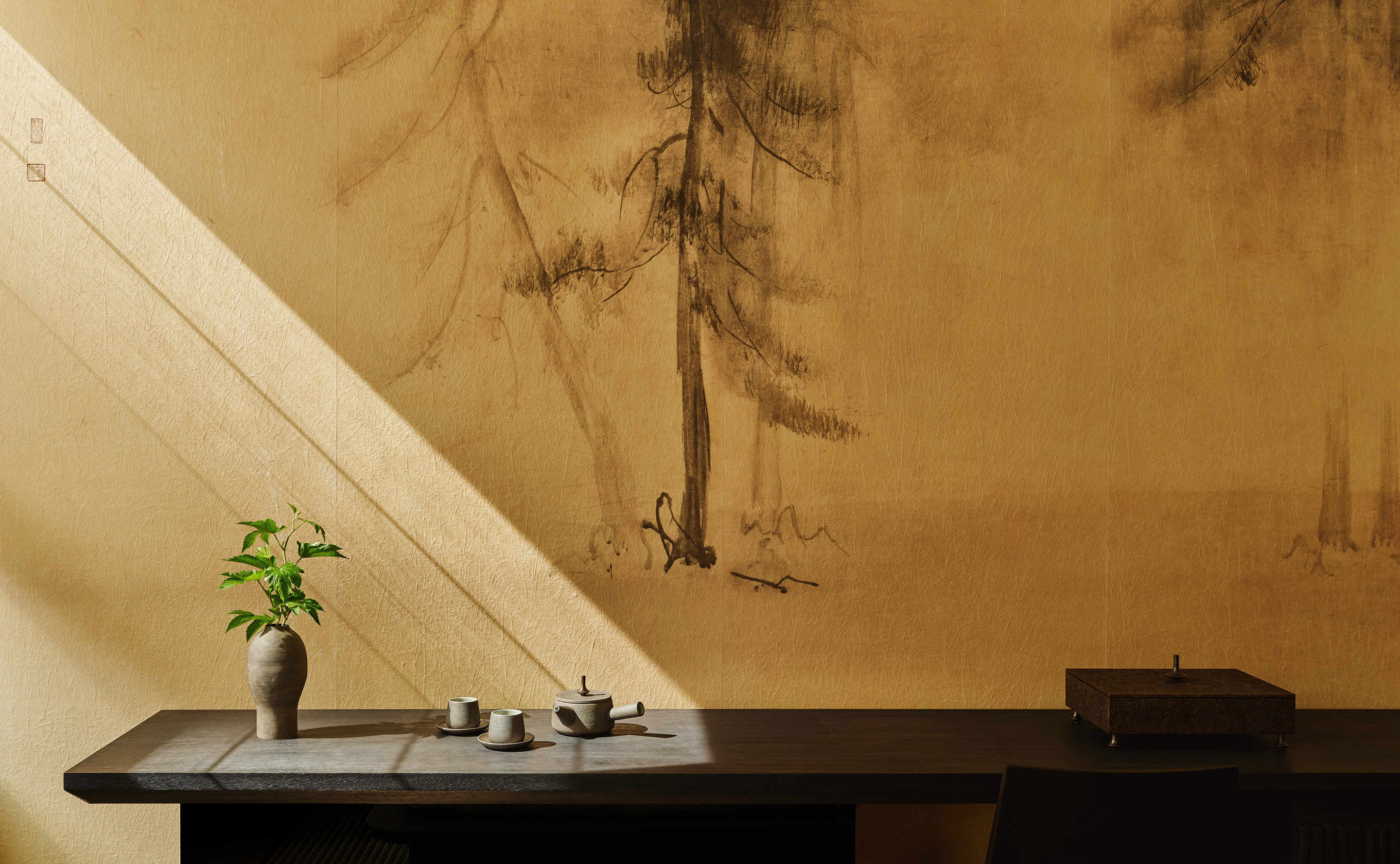
Timeless traditional Japanese setting with serene, intimate atmosphere, mellow background music, and elegant tatami rooms for calm dining.