ShabuShabu GEN
ShabuShabu GEN on East 5th Street sits inside the East Village's long tradition of Japanese communal dining, where the shabu-shabu format places the cooking ritual as much at the center of the table as the ingredients themselves. The restaurant occupies a category of Japanese dining that remains quieter than omakase or ramen in New York's broader conversation, but is no less considered in its execution.
- Address
- 239 E 5th St, New York, NY 10003
- Phone
- +12122870107
- Website
- opentable.com
- Directions
- Get directions
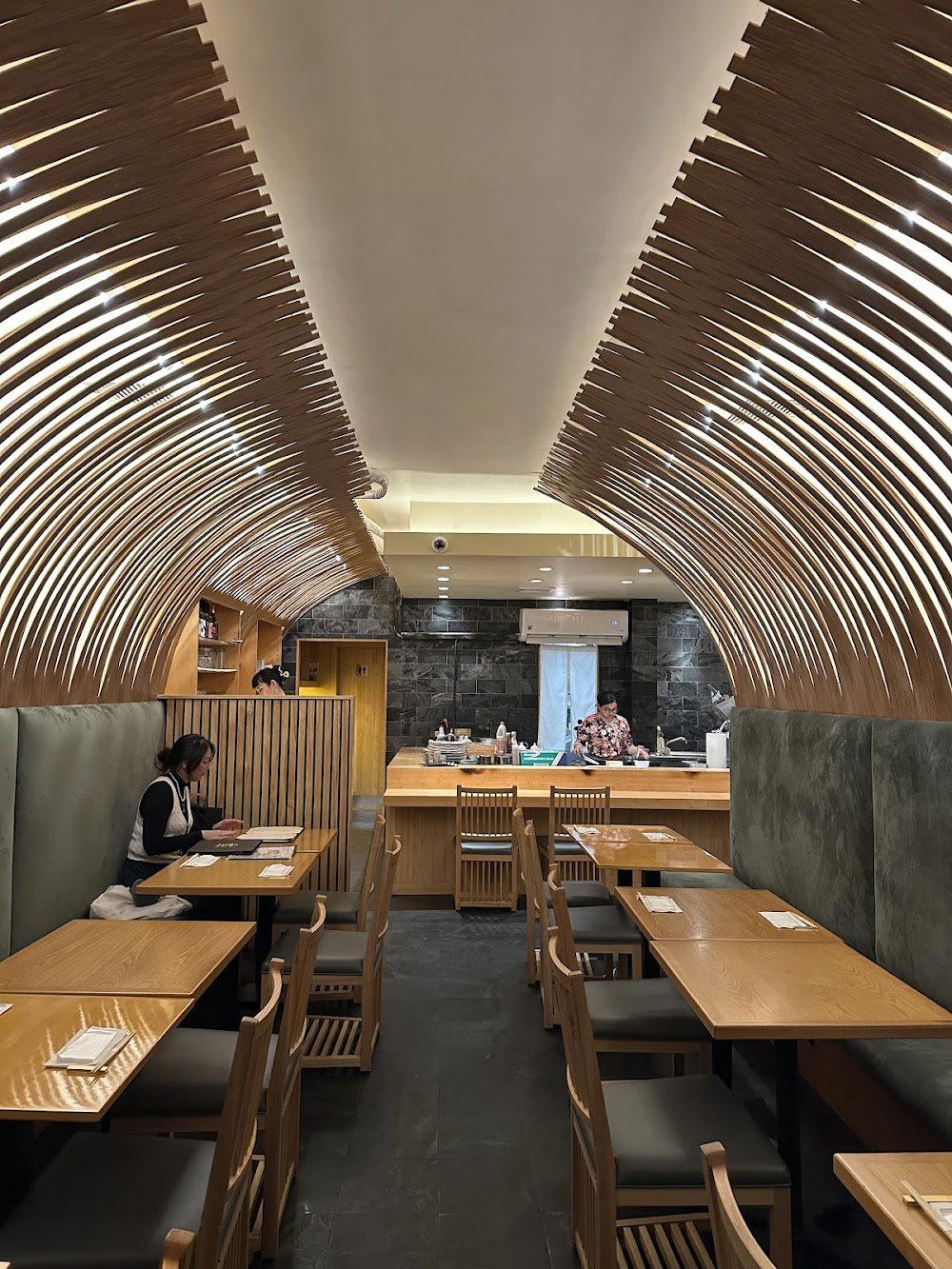
The Ritual at the Center of the Table
In Japanese dining, the hot pot format occupies a different register from the counter-service precision of omakase or the speed of a ramen shop. Shabu-shabu, which takes its name from the sound of thinly sliced beef being swished through simmering dashi broth, is fundamentally a communal act. The cooking happens at the table, paced by the diner, and the meal stretches across conversation rather than courses. ShabuShabu GEN, a Japanese Shabu-Shabu restaurant at 239 East 5th Street in the East Village, places itself inside that tradition, in a Manhattan neighborhood that has served as a corridor for Japanese dining for decades.
Ramen shops, izakayas, soba specialists, and yakitori counters share blocks in a density that makes the neighborhood genuinely useful for anyone tracing a coherent Japanese food culture in the city. A shabu-shabu focused restaurant in this zone is not an outlier; it is a logical continuation of a neighborhood identity that has been building since the 1980s.
Where Shabu-Shabu Sits in New York's Japanese Dining Spectrum
New York's Japanese dining conversation is largely dominated by two categories: the high-ticket omakase counter and the accessible ramen or soba shop. The upper end is well-documented. The broader sushi and omakase tier has grown substantially over the past decade, with counters across Manhattan and Brooklyn competing on sourcing, aging, and chef lineage.
Shabu-shabu sits between those poles. It is not a cheap category when done with quality wagyu or premium seafood broths, but it does not carry the same per-person floor as an eight-course omakase. What it offers instead is length, conviviality, and a degree of diner agency that tasting-menu formats deliberately remove. At ShabuShabu GEN, that format is the product. The address on East 5th Street places it adjacent to, but slightly removed from, the core of the East Village Japanese cluster, which tends to thin out below 6th Street.
For context on where the city's most formally recognized dining sits, the Michelin-starred tier in New York includes restaurants like Le Bernardin and Per Se at the French end, and Atomix and Jungsik New York representing the progressive Korean wave that has reshaped the city's fine-dining conversation. Shabu-shabu as a category operates largely outside that awards framework, which is not a judgment on quality but a reflection of how the Michelin system historically weights tasting-menu formats over communal, diner-directed meals.
The Cultural Logic of Shabu-Shabu
The format originates in Japan's nabemono tradition, the broad family of one-pot dishes cooked at the table and shared from a common vessel. Shabu-shabu as a distinct preparation was codified in Osaka in the mid-twentieth century, though the technique draws on older Chinese hot pot precedents. The defining characteristics are the thin slicing of the protein, the relatively neutral broth, and the pair of dipping sauces, typically ponzu and sesame, that allow each diner to season individually after cooking.
What this means in practice is that a shabu-shabu meal is as much about timing and preference as it is about the kitchen's output. Beef, often wagyu at higher-end operations, is swished through near-boiling broth for seconds rather than minutes. Overcooking it, which happens quickly at a rolling boil, is a common error for first-time diners. The vegetables, tofu, and noodles added throughout the meal absorb and enrich the broth as it progresses, so that the liquid at the end of a meal tastes substantially different from the beginning. That evolution is part of the format's appeal.
The tradition also carries implicit social code. The communal pot requires some coordination, particularly in larger groups, around what goes in when and how the heat is managed. This is not incidental; it is the point. Shabu-shabu meals are structured around the assumption of shared attention and shared time, which separates them from restaurant formats where each diner receives individual plating on a kitchen's schedule.
ShabuShabu GEN in the East Village Context
The East Village remains one of the more accessible entry points into Japanese dining in New York, covering a price range that runs from under twenty dollars at the ramen end to considerably more at sit-down dining rooms with full sake programs. The neighborhood's Japanese restaurants have resisted the luxury repositioning that has affected parts of Midtown and the Upper West Side.
The restaurant at East 5th Street occupies a physical address that keeps it close to the neighborhood's core character while sitting on a block that is quieter than the main commercial strips. For the shabu-shabu format specifically, that quieter setting is not a disadvantage. The meal is long and works better in rooms that do not demand a fast table turn.
For comparative context outside New York, the communal and experience-led dining format that shabu-shabu represents has parallels at places like Blue Hill at Stone Barns in Tarrytown, where the meal is also structured around the diner's engagement with process.
Planning Your Visit
| Venue | Category | Price Tier | Booking Lead Time | Format |
|---|---|---|---|---|
| The restaurant | Japanese Hot Pot | Not published | Not published | Communal, table-cooked |
| Masa | Sushi / Omakase | $$$$ | Weeks to months ahead | Counter, chef-directed |
| Atomix | Modern Korean | $$$$ | Weeks ahead | Tasting menu, seated |
Address: 239 East 5th Street, New York, NY 10003.
A Pricing-First Comparison
Comparable venues nearby, for context on price, style, and recognition.
| Venue | Cuisine | Price | Notes |
|---|---|---|---|
| ShabuShabu GENThis venue — the venue you are viewing | East Village, Japanese Shabu-Shabu | $$$$ | Not listed |
| Sushi Yoshitake | Midtown, Edomae Omakase | $$$$ | Not listed |
| BONDST | Not listed | $$$$ | Chelsea-Hudson Yards, Modern Japanese with Sushi |
| Satsuki | Not listed | $$$$ | Midtown-Times Square, Traditional Japanese Omakase |
| Sushi Inoue | Harlem, Traditional Japanese Omakase | $$$$ | Not listed |
| Koi | Not listed | $$$$ | Midtown-Times Square, Upscale Japanese Fusion |
Continue exploring
More in New York City
Restaurants in New York City
Browse all →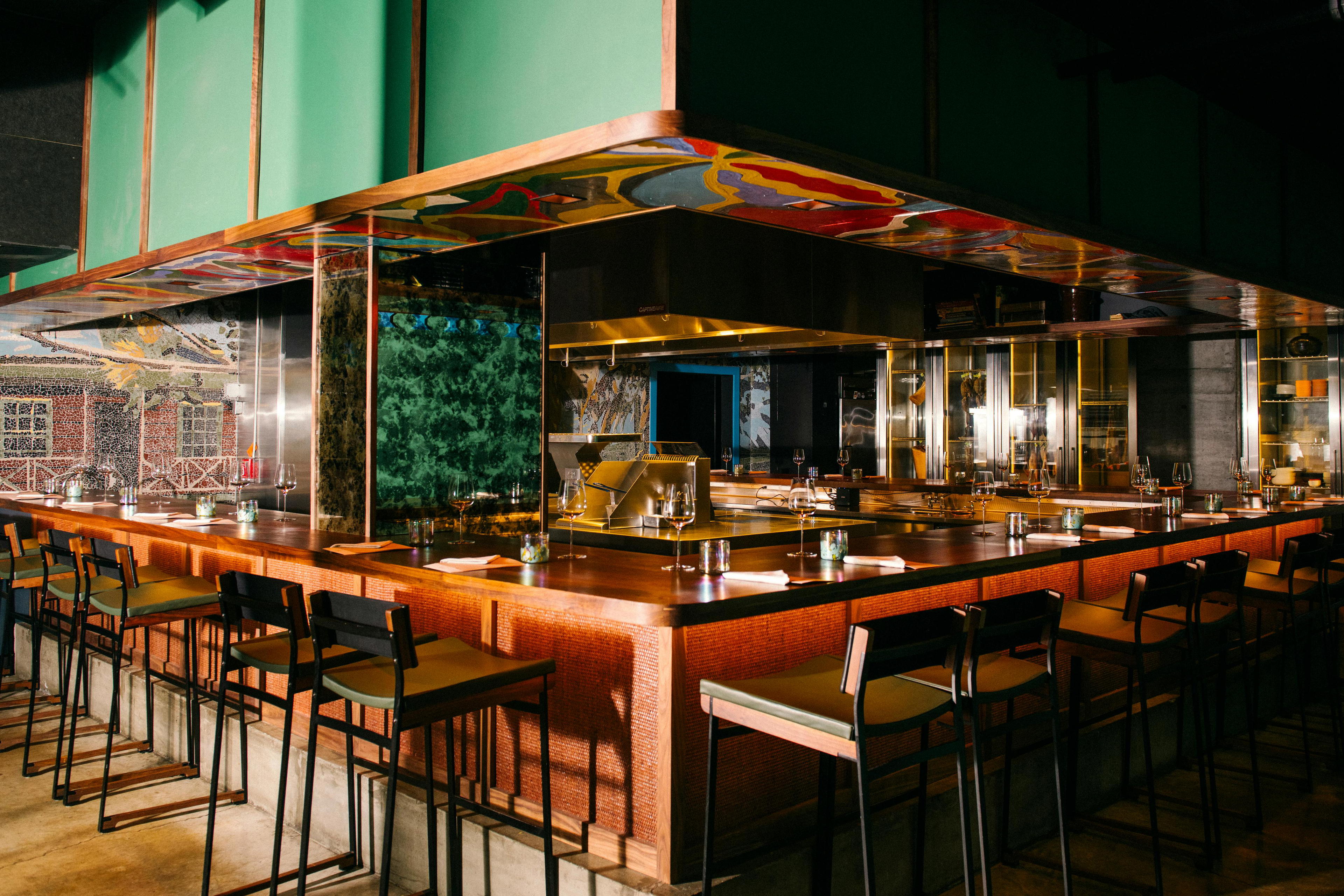
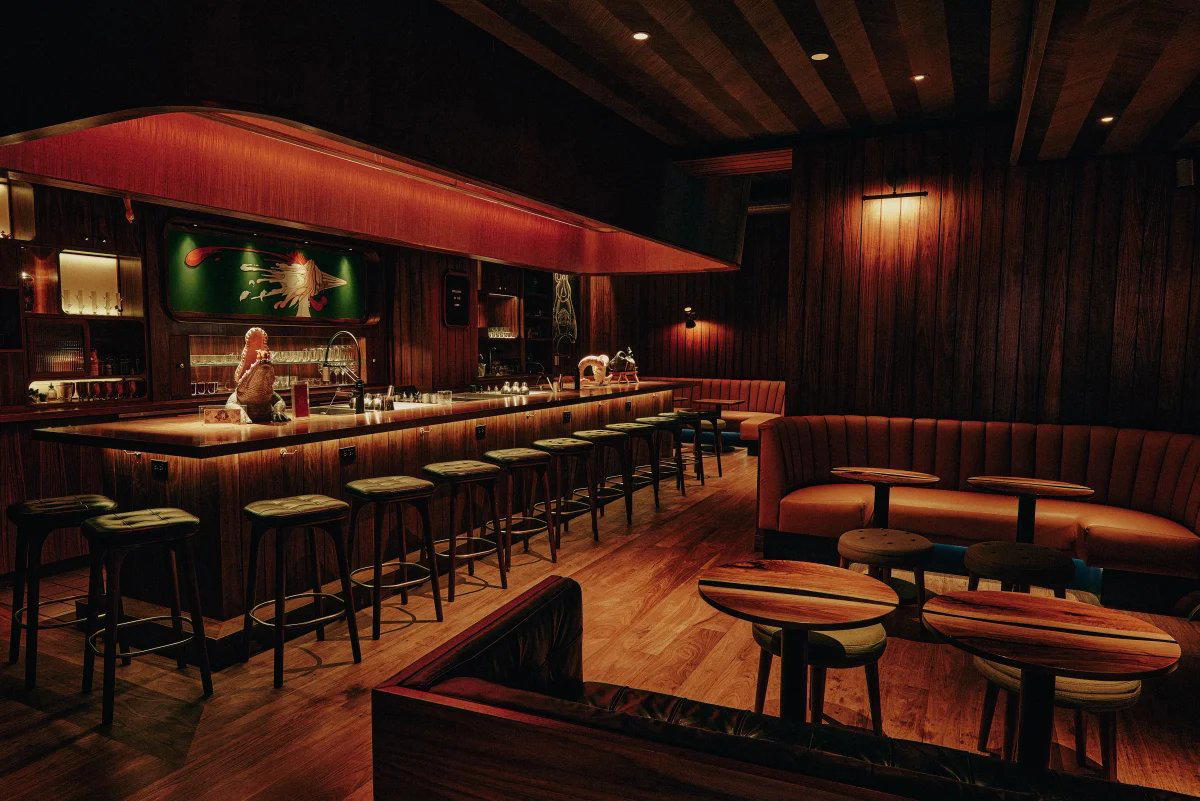
Bars in New York City
Browse all →

Hotels in New York City
Browse all →






At a Glance
- Modern
- Elegant
- Date Night
- Group Dining
- Special Occasion
- Sake Program
Inviting atmosphere with moderate noise and attentive service.