
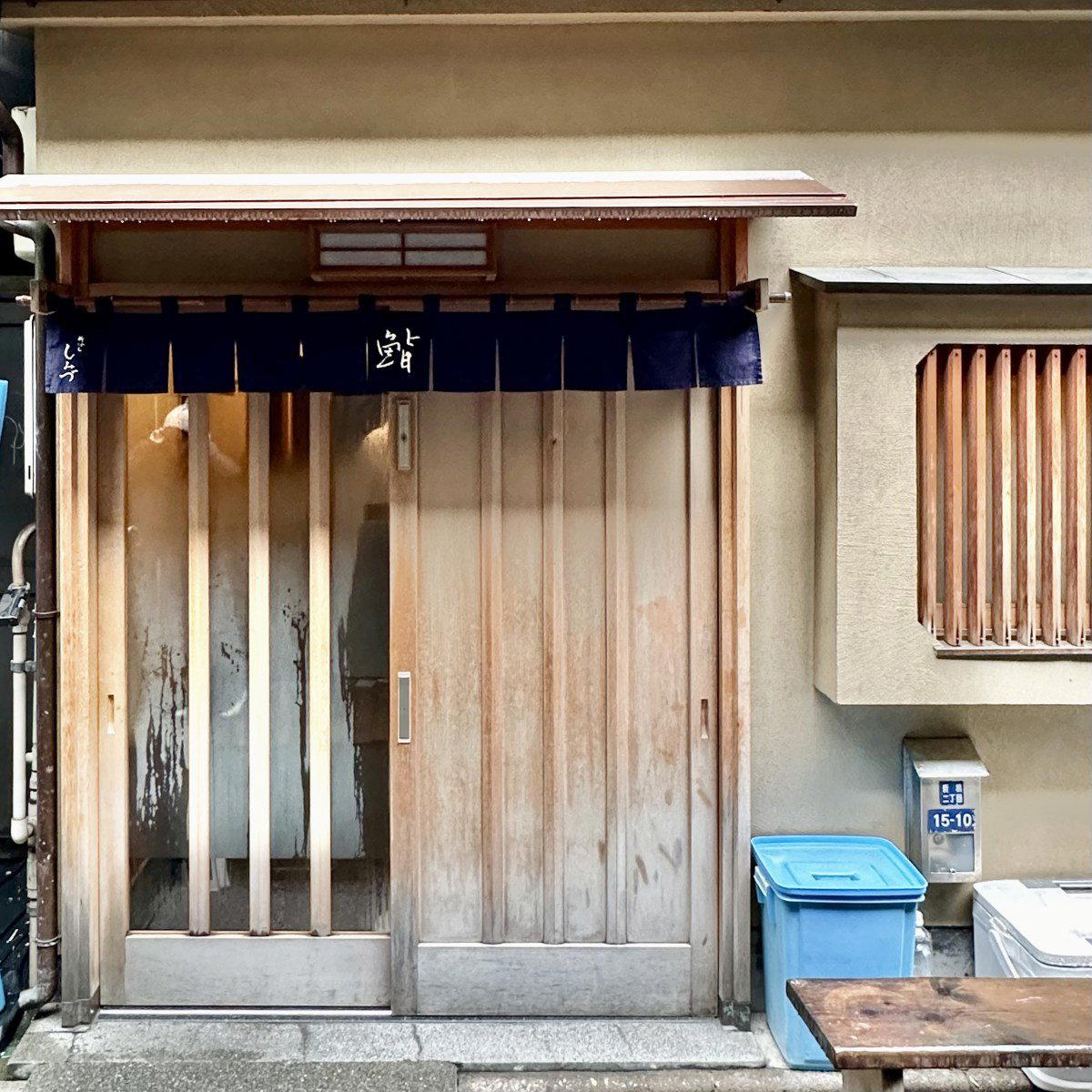
Kappo Hosono brings Nagoya’s small-counter kappo tradition into sharp focus: six seats, Japanese cuisine with a fish-led emphasis, and repeated selection in Tabelog’s Japanese Cuisine EAST 100 list. It sits in a value-conscious middle tier for serious dining in the city, below many sushi counters but above casual izakaya territory.
Pearl is the En Primeur Club membership app — saves, bookings, and concierge access live there. Same editors, same standards.
- Address
- 愛知県名古屋市東区泉2-28-12 アクセス泉 1A
- Phone
- +81529327457
- Website
- tabelog.com
 Saves & bookings on Pearl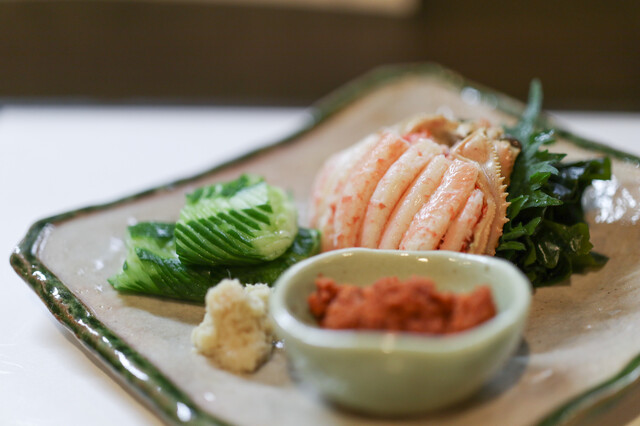
The appeal of a six-seat kappo counter is compression, not scale: the room narrows the distance between knife work, heat, service and conversation. That has made the format one of Japan’s clearest answers to diners who want craft without the formality of a long kaiseki room. In Nagoya, where premium dining often splits between sushi counters, beef specialists and French-leaning restaurants, Kappo Hosono occupies a precise lane: fish-led Japanese cuisine, counter seating, and recognition that places it beyond the merely local.
Value matters because Nagoya’s serious restaurants can move quickly into higher spend. Among comparable city addresses, Toriryori Jun sits below this bracket, while Baci and le Lotus operate above it for dinner; Sushi Isao reaches a higher sushi-counter band, and Gyutei shares a similar spend level with a different protein focus. Kappo becomes a useful middle path: less ceremony than kaiseki, more structure than an izakaya, and a format where technique is visible in real time.
Fish-led kappo at a counter built for close scrutiny
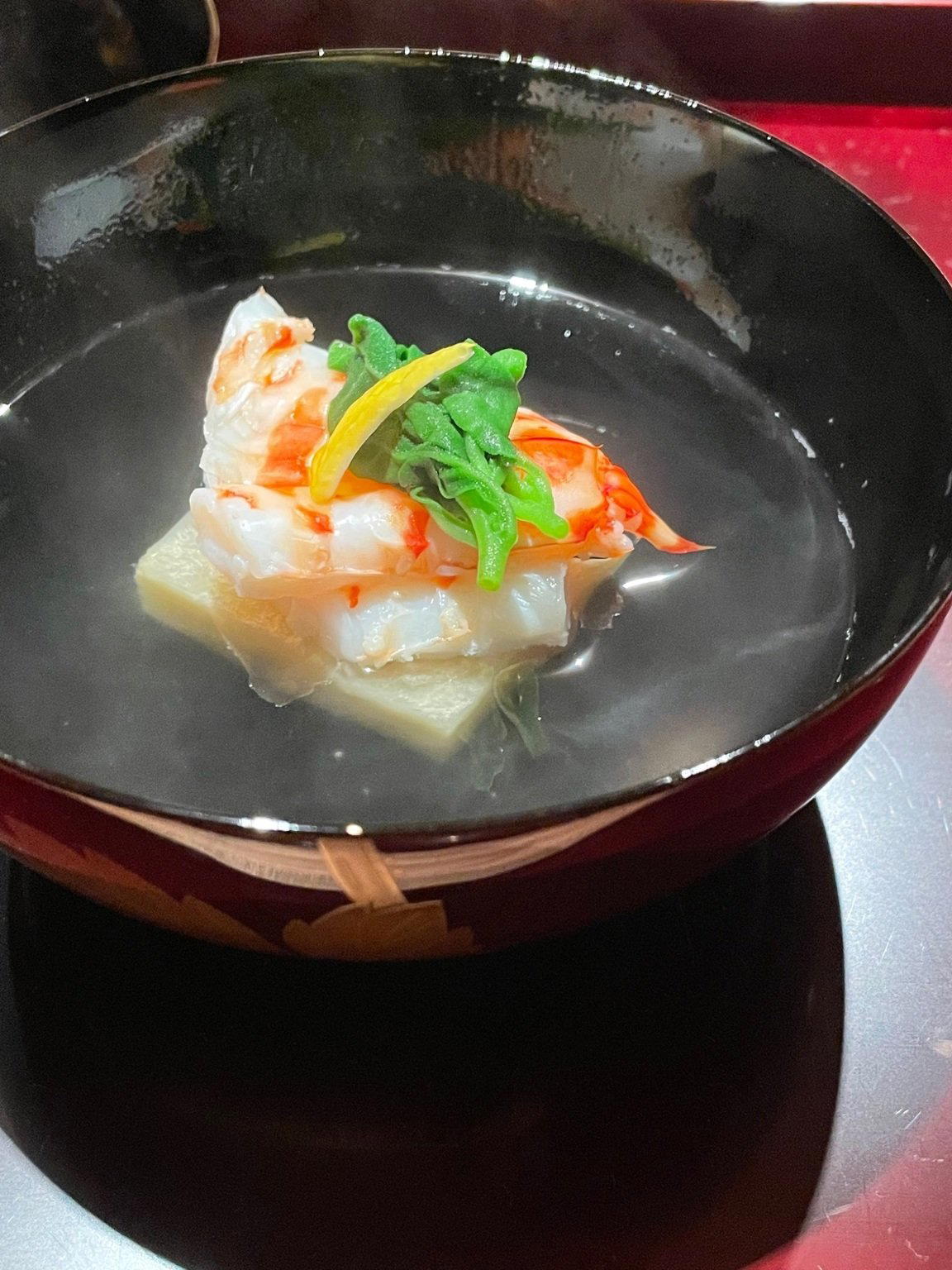
Kappo is often misunderstood outside Japan as a softer cousin of kaiseki. Better read it directly: a chef-facing format built around cutting, simmering, grilling and plating before a small audience. The genre rewards proportion rather than spectacle. Dashi, seasonal produce, raw and cooked fish, and restrained sauces do much of the work; the counter keeps the performance human-scaled.
Kappo Hosono’s public signals point firmly there. The restaurant is listed as Japanese cuisine, notes a particular emphasis on fish, and pairs the food with sake, shochu and wine rather than one beverage script. Its six counter seats are the operative detail. In a city where larger restaurants can dilute service rhythm, six seats make the evening depend on pacing, procurement and precision rather than room energy.
Recognition gives the small format weight. Selection for Tabelog’s Japanese Cuisine EAST 100 in 2021, 2023 and 2025 places the restaurant within a regional field of serious Japanese kitchens beyond Tokyo’s gravitational pull. Tabelog’s 3.70 score is meaningful in Japan’s rating culture, where scores cluster tightly and incremental movement matters. None of this turns the meal into a trophy chase; it explains why the address belongs on a Nagoya shortlist for diners comparing craft-per-yen rather than dining-room theatre.
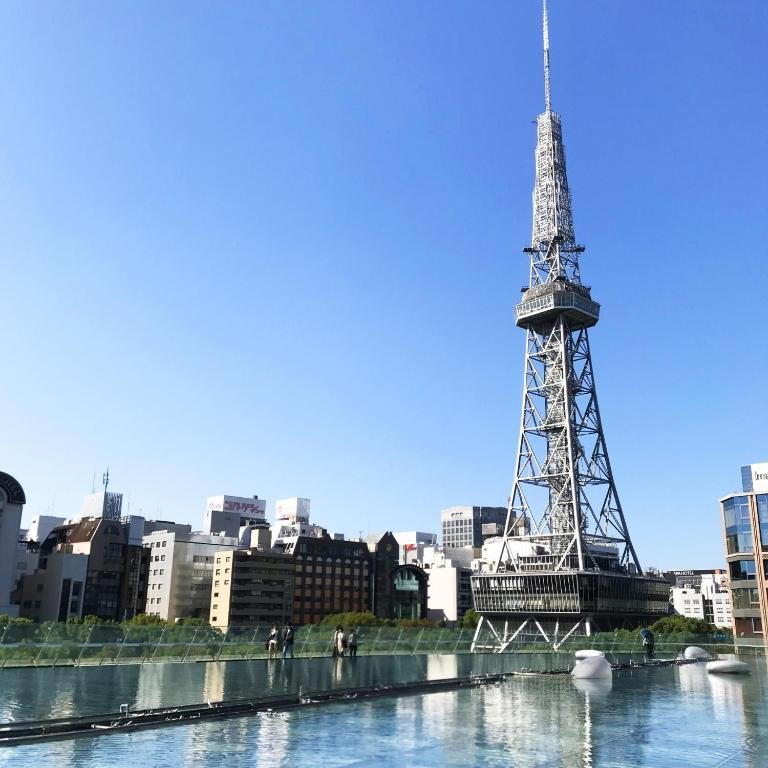
For broader city context, Our full Nagoya restaurants guide is the better map. Nagoya rewards category decisions more than neighbourhood wandering: sushi, kappo, beef, yakitori and French-influenced rooms each price themselves differently. Nearby comparisons on EP Club, including 1022, 451, Aaron, Alan. and All Day Dining Montmartre, show how varied the city’s premium dining field has become.
Why the value sits in the format, not the flourish
Small counters justify cost differently from destination tasting rooms. The diner pays for a concentrated production model: limited seats, direct kitchen contact, and a menu responsive to market ingredients without large-brigade choreography. In kappo, value is clearest when the cooking avoids ornament and lets the sequence build through temperature, texture and seasoning.
This is where Nagoya’s dining identity becomes interesting. The city is often caricatured through hearty local dishes, but its premium Japanese restaurants operate with quieter discipline. A fish-focused kappo counter in Higashi-ku shows the other Nagoya: less exportable as a food meme, more relevant for travellers who have eaten through Tokyo and Kyoto and want regional Japanese restraint on its own terms.
The chef credential should be read as context, not mythology: the owner is described as having 15 years of Osaka experience, including 10 years at a Michelin one-star restaurant. Osaka matters because kappo has deep roots there, as counter-based Japanese cooking developed into an urbane, conversational alternative to more formal dining. That lineage explains the format, but the meal should be judged by execution and rhythm, not biography.
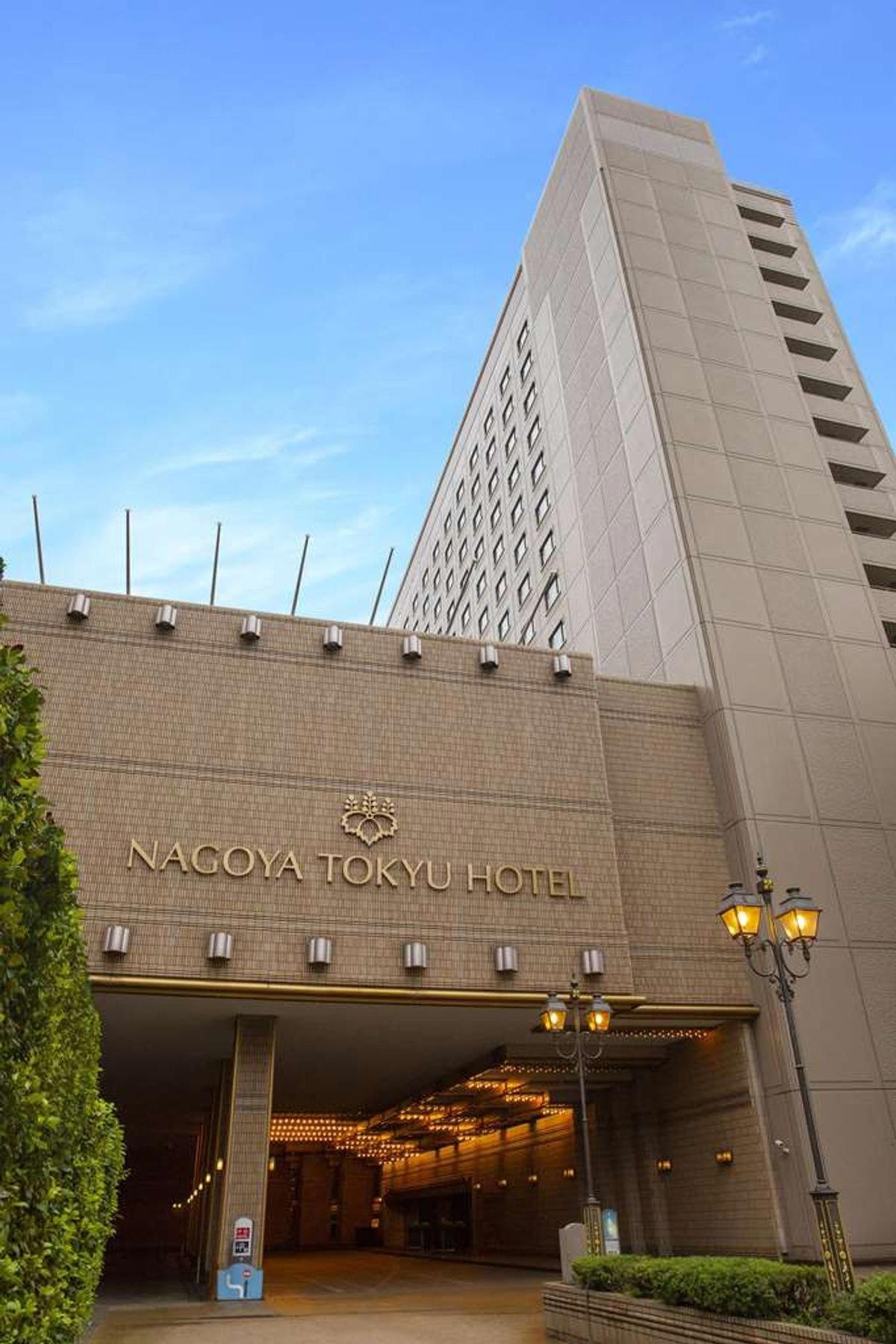
The counter-only scale also defines the audience. This is not for a large celebratory group, roaming bar crawl, or traveller seeking maximal choice. It suits pairs and small parties who want Japanese technique in a compact setting and are comfortable with a kitchen-led structure. For a wider Nagoya itinerary, balance it with hotel, bar and cultural planning through Our full Nagoya hotels guide, Our full Nagoya bars guide, Our full Nagoya wineries guide and Our full Nagoya experiences guide.
How it fits a Japan dining itinerary
Travellers building a multi-city Japan plan often default to Tokyo sushi and Kyoto kaiseki, then treat regional cities as transit stops. Nagoya deserves a sharper edit. Its strength is not one dominant luxury category but a spread of precise, smaller commitments: counters, beef rooms, specialist Japanese kitchens and polished European formats. Kappo Hosono belongs in that edit because it gives the city a compact Japanese-cuisine anchor without pushing spend into the highest sushi tier.
The broader Japan map reinforces the point. A traveller comparing formats might look at -Grilled beef Sukiyaki- KAMAKURA TANUKIAN 鎌倉 たぬき庵 in Kamakura for beef. 鮪と炭火焼き うお炭 秋葉原店 in Tokyo for tuna and charcoal grilling.cafe in Osaka for a different casual register.know in Kumamoto for regional contrast, (Shoku) Vietnam in Kawasaki for non-Japanese cooking in Japan, and [Curry Senmon Ten] Maruyama Kyoju. in Sapporo for a specialist curry stop. Outside Japan, sake- and rice-focused comparisons such as Jōdo Saké Bar in Los Angeles and Onigiri Time in Pasadena show how Japanese formats translate abroad, though economics and atmosphere change completely.
The editorial case for the restaurant is narrow and strong. It is for diners who value counter intimacy, fish-focused Japanese cooking and credible regional recognition over a large room or heavy ceremony. In Nagoya’s premium field, that combination gives the restaurant a clear role: a disciplined kappo choice for travellers seeking the city’s quieter Japanese dining register, not another version of Tokyo’s luxury sushi race.
Reputation Context
Comparable venues side-by-side for orientation.
| Venue | Cuisine | Price | Notes |
|---|---|---|---|
| Kappo HosonoThis venue — the venue you are viewing | Seasonal Japanese Kappo Counter | $$$ | Not listed |
| Unagiya Shibafukuya | Traditional Nagoya Unagi (Grilled Eel) | $$$ | Nishi |
| Shoya Meieki | Yakiniku (Japanese BBQ) | $$$ | Nakamura |
| Toriryori Jun | Omakase Yakitori & Chicken Cuisine | $$$ | Higashi |
| Gensui | Traditional Soba & Sake | $$$ | Naka |
| Atsuta Houraiken Honten | Traditional Japanese Eel (Hitsumabushi) | $$$ | Atsuta |
Recognition history
Dated appearances from independent guides and award organizations, with the underlying list record or original source where available.
Tabelog 100 #65 · No. 65
Tabelog · Tabelog 100 - Japanese cuisine - EAST - 2025
Continue exploring
More in Nagoya
Restaurants in Nagoya
Browse all →
At a Glance
- Intimate
- Cozy
- Classic
- Date Night
- Celebration
- Special Occasion
- Solo
- Family
- Business Dinner
- Chefs Counter
- Standalone
- Design Destination
- Sake Program
- Local Sourcing
- Sustainable Seafood
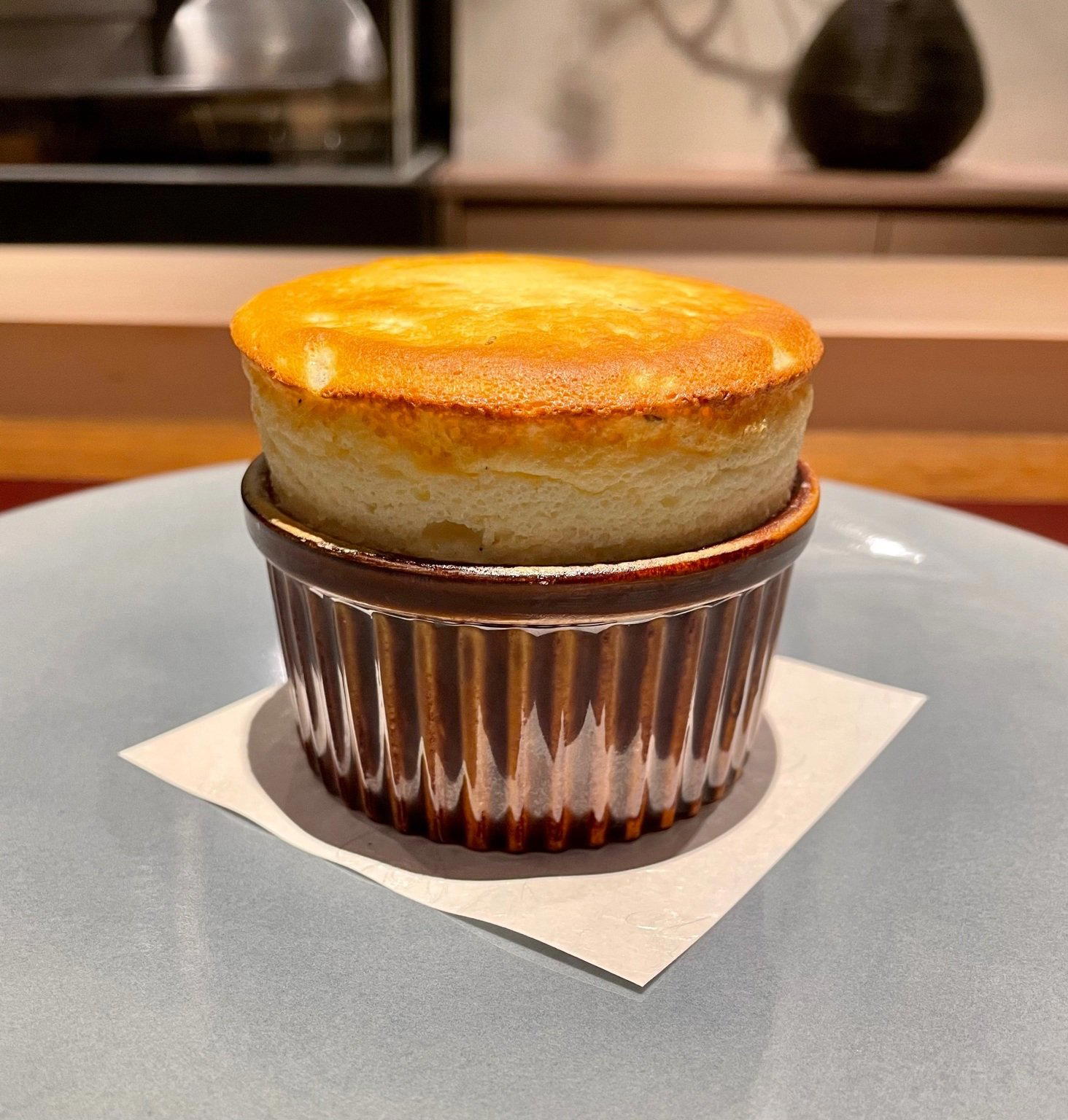
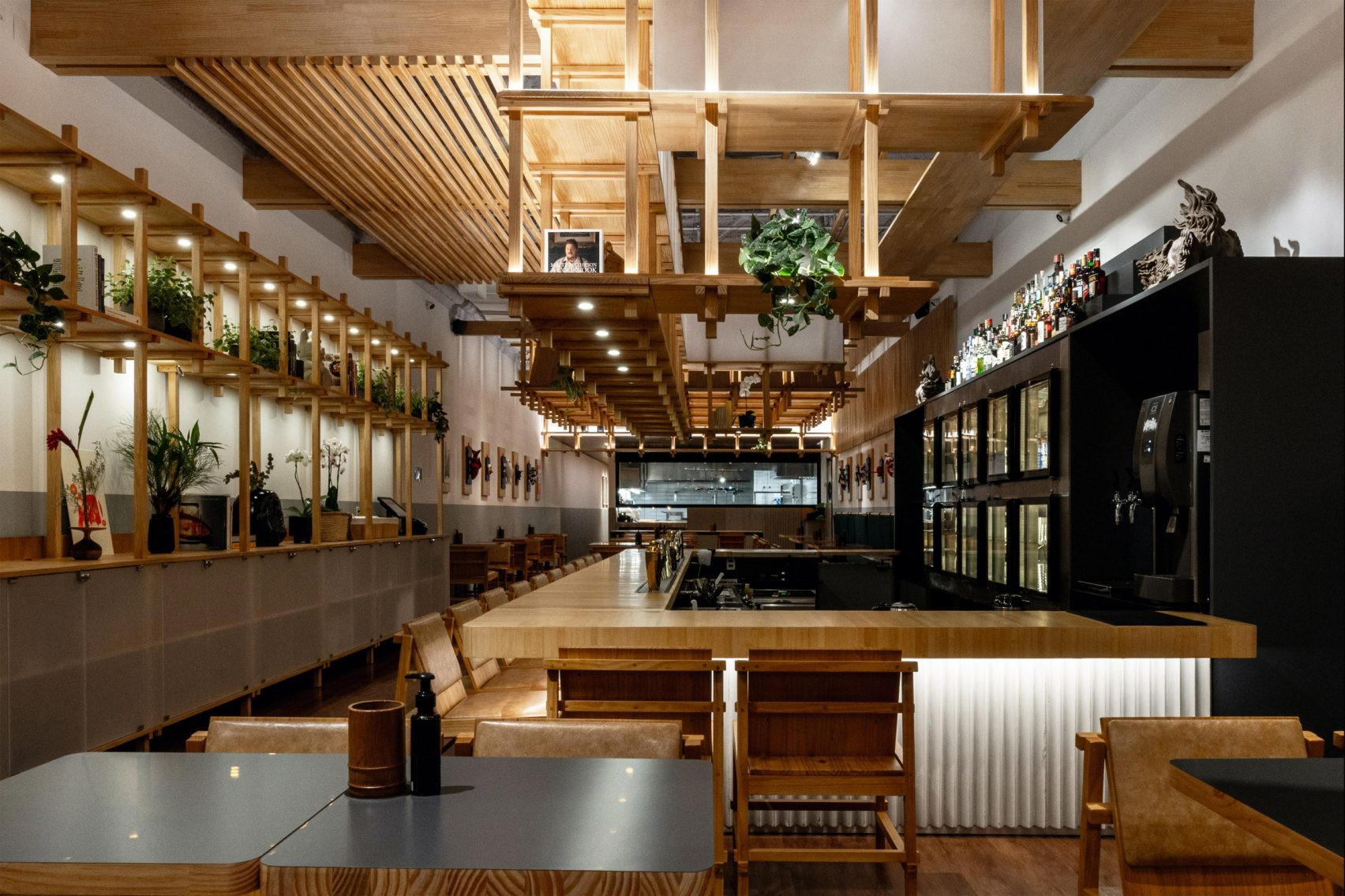
Small, relaxed counter with a calm, hideout-like feel; lighting is warm rather than flashy, creating a comfortable, unhurried atmosphere focused on close interaction with the chef and the food.