Bangkok Vienna occupies a narrow address on Joanelligasse in Vienna's sixth district, where the Mariahilf neighbourhood's workaday character gives way to something more considered. The name signals a Thai-Austrian cross-current that positions it outside the city's mainstream dining tiers. Booking details and current hours are best confirmed directly before visiting.
Pearl is the En Primeur Club membership app — saves, bookings, and concierge access live there. Same editors, same standards.
- Address
- Joanelligasse 8, 1060 Wien, Austria
- Phone
- +434315870593
- Website
- bangkok-vienna.at
- Directions
- Get directions
 Saves & bookings on Pearl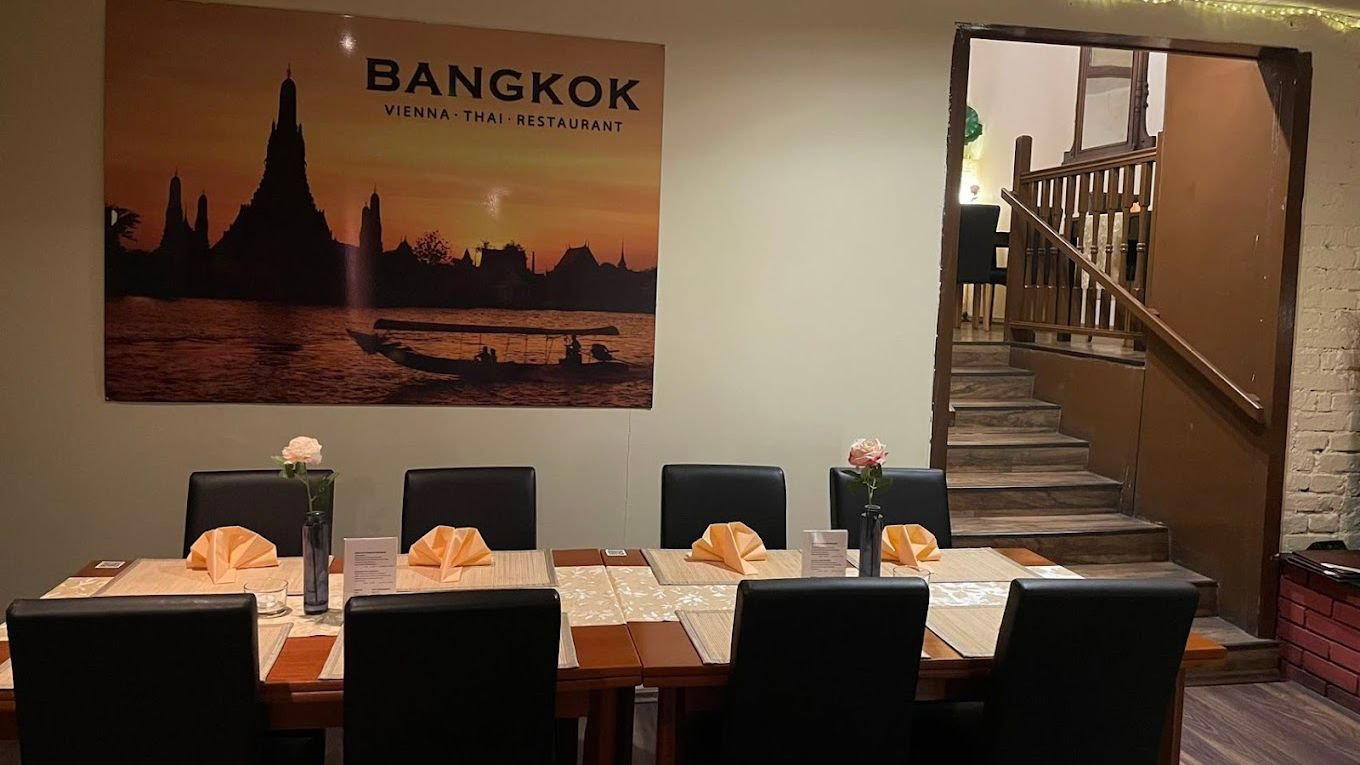
Where the Sixth District Meets Southeast Asia
Vienna's sixth district, Mariahilf, has long operated as a mid-register neighbourhood: close enough to the first district to attract foot traffic, far enough from it to develop its own rhythm. The streets around Joanelligasse carry that character plainly, small-scale retail, residential blocks, the occasional workshop front. Against that backdrop, Bangkok Vienna reads as a deliberate juxtaposition, with Thai cooking presented in a sixth-district Vienna setting.
The broader pattern this fits is well-established across European capitals. Cities with deep classical dining traditions, Vienna among them, alongside Paris and Copenhagen, have seen a counter-current of kitchens that bring Southeast Asian frameworks into conversation with local produce or Central European technique. The results vary enormously in coherence. Some land as novelty acts; others achieve something more durably interesting, where the logic of Thai seasoning (the interplay of heat, acid, and aromatic depth) maps onto Austrian ingredients in ways that illuminate both traditions rather than diluting either.
At the price tier and address where Bangkok Vienna operates, it sits outside the top-bracket Viennese dining circuit occupied by addresses like Steirereck im Stadtpark, Amador, or Konstantin Filippou, all of which operate at the €€€€ tier with formal tasting menus and Michelin recognition. Bangkok Vienna's Joanelligasse address and neighbourhood context suggest a more accessible register, which in practice means fewer barriers to entry but also less institutional scaffolding around the dining experience.
The Service Triangle in a Small Room
In smaller independent restaurants, the kind that occupy narrow storefronts in residential districts rather than designed dining rooms with full brigade kitchens, the dynamic between kitchen, floor, and any beverage program tends to be compressed. There is less separation between roles, which can work against consistency but often works in favour of coherence: the room reads as a single project rather than a set of departments in loose coordination.
At the higher end of the Viennese spectrum, that triangle is formalised. Mraz & Sohn operates with a kitchen-sommelier-floor integration that has earned sustained Michelin attention. Doubek works a different register but similarly relies on front-of-house character to carry the room. In smaller independent formats, the absence of a dedicated sommelier and a large floor team is not necessarily a deficit, it can push the kitchen to communicate more directly through the food itself, and it places the onus on whoever runs the floor to carry contextual knowledge about the cooking that, in larger operations, would be distributed across multiple roles.
Thai-Austrian Cross-Currents in Context
Thai cuisine's structural logic, built around aromatic pastes, fermented elements, fresh herb contrast, and calibrated heat, is not easily approximated. Restaurants that attempt a Thai-European synthesis without genuine command of the Thai side tend to produce something that reads as generic Asian-inflected European cooking, where lemongrass and galangal appear as flavour additions rather than structural elements. The better examples, including internationally recognised addresses like Le Bernardin in New York City (which has explored cross-cultural technique at a different scale) and community-driven formats like Lazy Bear in San Francisco, demonstrate that cross-cultural cooking lands leading when both traditions are treated as primary rather than one serving as the base and the other as accent.
Austria's own high-end cooking tradition has engaged seriously with cross-regional influence. Outside Vienna, addresses like Döllerer in Golling an der Salzach, Obauer in Werfen, and Landhaus Bacher in Mautern an der Donau each demonstrate how Austrian produce can sustain serious cooking at destination-restaurant level. Alpine and lowland Austrian ingredients, freshwater fish, game, dairy, root vegetables, have structural properties that interact interestingly with the acid and aromatic layers central to Thai cooking.
Vienna's Mid-Register Dining and Where Bangkok Vienna Sits
Vienna's dining middle ground, below the Michelin-starred tier but above the Würstelstand, has expanded considerably over the past decade. Mariahilf and the neighbouring sixth-district streets have seen an increase in small independent kitchens running compact menus with genuine culinary intent. The pattern mirrors what has happened in comparable European neighbourhoods: lower rents than first-district addresses, a local customer base willing to return regularly, and enough passing trade from the nearby Mariahilfer Strasse corridor to sustain consistent covers.
For travellers moving between Vienna and Austria's broader dining geography, the contrast is instructive. Alpine-zone restaurants like Gourmetrestaurant Tannenhof in Sankt Anton am Arlberg, Stüva in Ischgl, and Kräuterreich by Vitus Winkler in Sankt Veit im Pongau work with produce and context rooted in mountain geography. Addresses like Taubenkobel in Schützen am Gebirge and Restaurant 141 by Joachim Jaud in Mieming operate in wine-country and village contexts that shape their produce relationships. Ois in Neufelden and Schwarzer Adler in Hall in Tirol represent regional cooking with strong local identity. The restaurant's urban sixth-district address places it in a different conversation entirely, one defined by neighbourhood access and cross-cultural intent rather than regional produce identity.
Know Before You Go
- Address: Joanelligasse 8, 1060 Wien, Austria
- District: Mariahilf (6th), approximately 15 minutes on foot from the Naschmarkt
- Hours: Mon: Closed; Tue: 5:30-11 PM; Wed: 5:30-11 PM; Thu: 5:30-11 PM; Fri: 5:30-11 PM; Sat: 5:30-11 PM; Sun: 12-3 PM, 5:30-11 PM
- Booking: Walk-in friendly
- Price tier: €€
- Awards: No Michelin stars on record
Standing Among Peers
Comparable venues nearby, for context on price, style, and recognition.
| Venue | Cuisine | Price | Notes |
|---|---|---|---|
| Bangkok ViennaThis venue — the venue you are viewing | Authentic Thai | $$ | Not listed |
| Mamamon Thai Eatery | Authentic Home-Style Thai | $$ | Josefstadt |
| Som Kitchen | Thai Street Food | $$ | Favoriten |
| Coconut Curry | Asian Fusion (Thai, Sushi, Vietnamese) | $$ | Praterstern Wien Nord |
| Pizzeria Minante | Neapolitan Pizza | $$ | Hofburg |
| La Pausa | Neapolitan Pizza | $$ | Neubau |
Continue exploring
More in Vienna
Restaurants in Vienna
Browse all →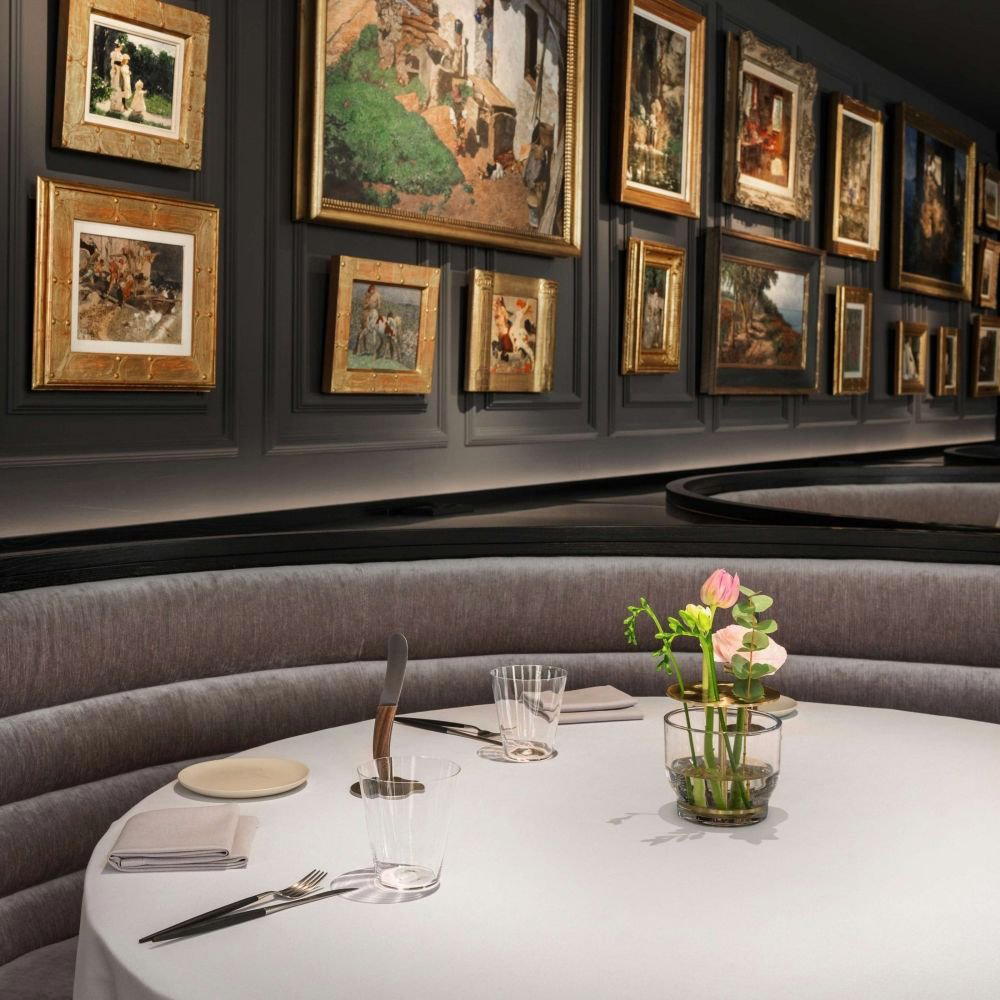
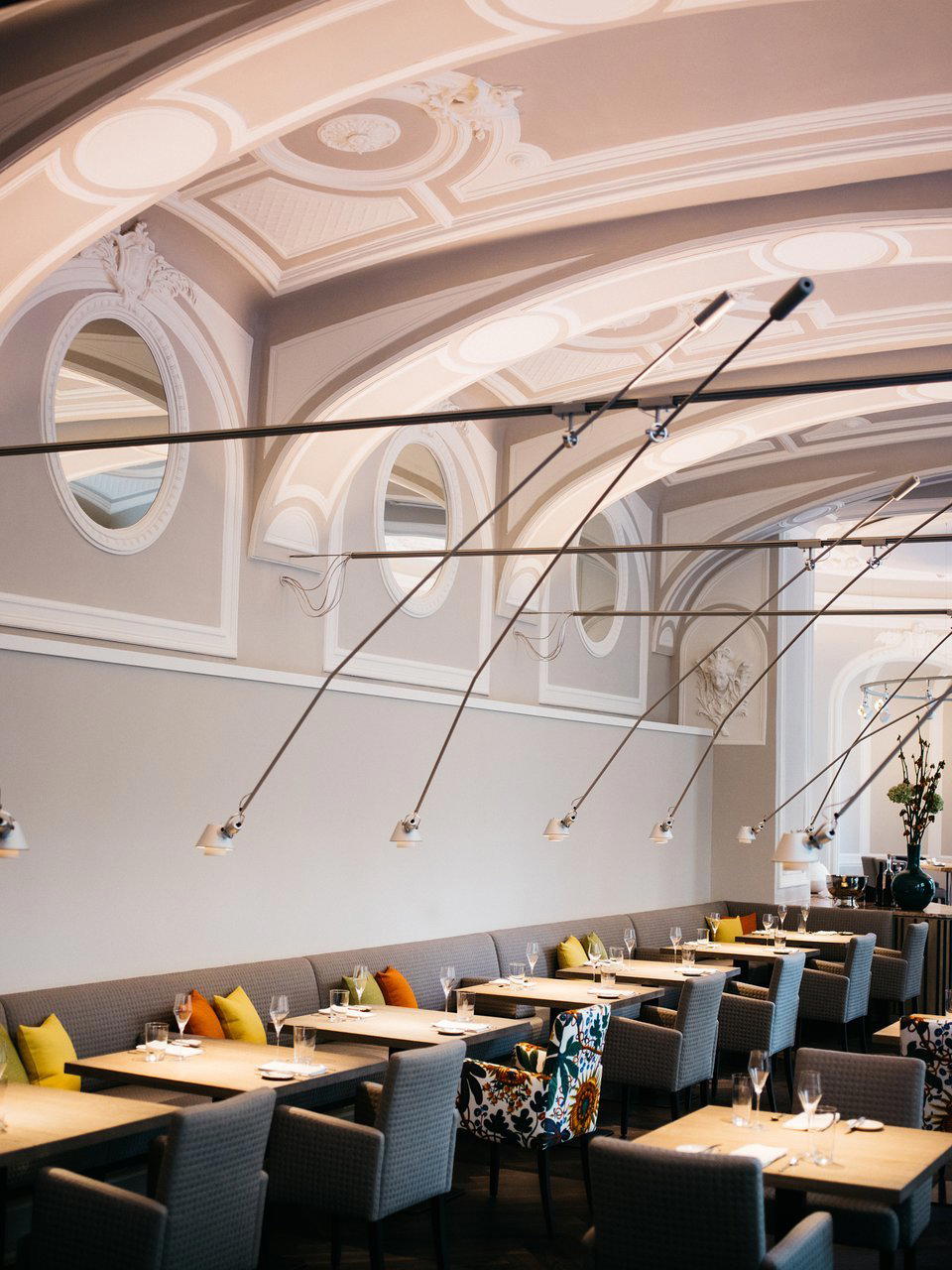
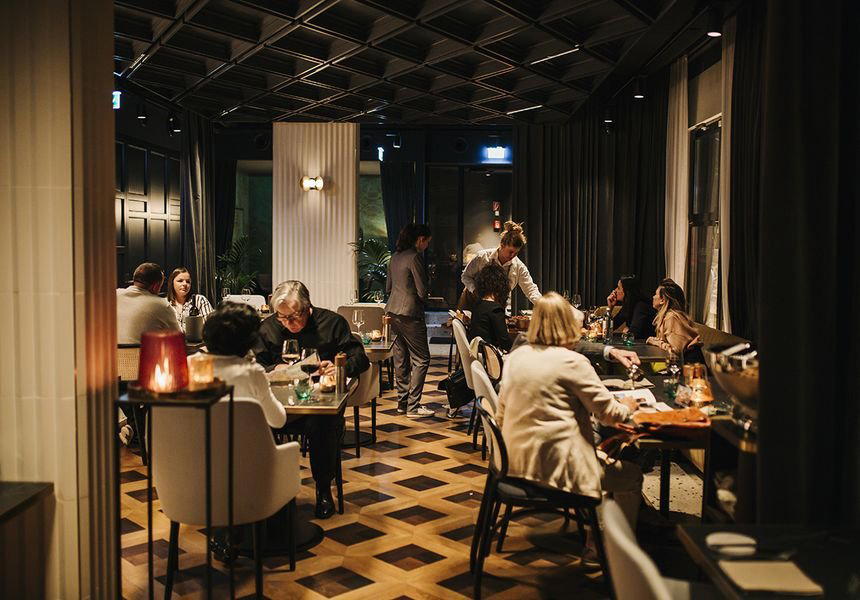
![[aend] restaurant in Vienna](https://cdn.enprimeurclub.com/storage/v1/object/public/images/locations/recsVyRkMfzCxPmp0/hero2.jpg?width=3840&quality=75)
Bars in Vienna
Browse all →

Hotels in Vienna
Browse all →
At a Glance
- Cozy
- Casual Hangout
- Group Dining
- Late Night
- Standalone
- Beer Program
Current opening hours
- Monday
- Closed
- Tuesday
- 5:30–11 PM
- Wednesday
- 5:30–11 PM
- Thursday
- 5:30–11 PM
- Friday
- 5:30–11 PM
- Saturday
- 5:30–11 PM
- Sunday
- 12–3 PM, 5:30–11 PM
Hours can change for holidays and private events. Last verified .
Intimate and welcoming atmosphere in a small, traditional Thai eatery located on a narrow street, with warm and lively charm.