
Kanada Ya Honten puts Yukuhashi into the wider Kyushu ramen conversation through a compact, counter-led format and a tonkotsu style framed around clarity rather than heaviness. Its repeated selection for Tabelog Ramen WEST “Tabelog 100” gives the small Fukuoka address a credential that matters in a region where pork-bone broth is judged with unusual seriousness.
Pearl is the En Primeur Club membership app — saves, bookings, and concierge access live there. Same editors, same standards.
- Address
- 2, 1 Chome-4-3 Ohashi, Yukuhashi, Fukuoka 824-0003, Japan
- Phone
- +81 930-24-3666
- Website
- kanada-ya.com
 Saves & bookings on Pearl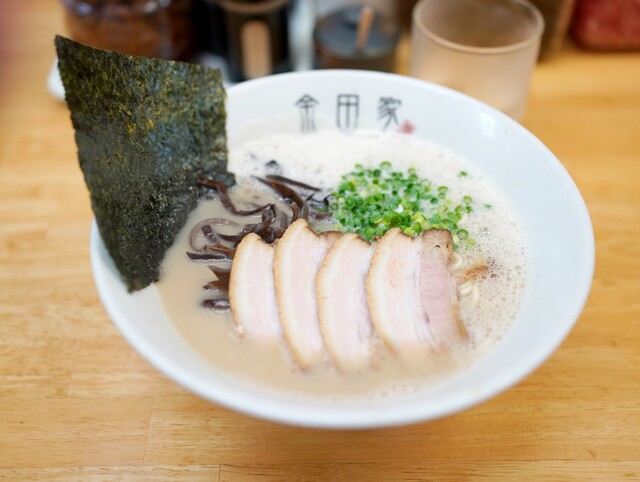
Approaching a small ramen shop in Yukuhashi is a different proposition from chasing noodles in Hakata or Kokura. The scale tightens, the room does less performing, and the meal is judged by broth, speed, and whether the bowl makes sense after the first sip. Kanada Ya Honten belongs to that quieter Kyushu register: a house-style ramen room with counter seating, a small table, and the kind of local rhythm that puts function ahead of theatre.
Fukuoka’s ramen identity is often flattened into a single idea: tonkotsu as force, pork bone as volume. The more interesting reading is regional variation. Some bowls push aroma and density; others aim for a cleaner pork-bone profile that keeps the soup direct without turning blunt. This is where ingredient handling matters. Pork bone ramen is not just about extraction; it is about controlling fat, heat, timing, and the point at which richness becomes fatigue. The venue’s own positioning around refined tonkotsu places it in the latter camp, a useful counterpoint to the louder reputation Kyushu ramen carries outside Japan.
Yukuhashi ramen, read through broth rather than spectacle
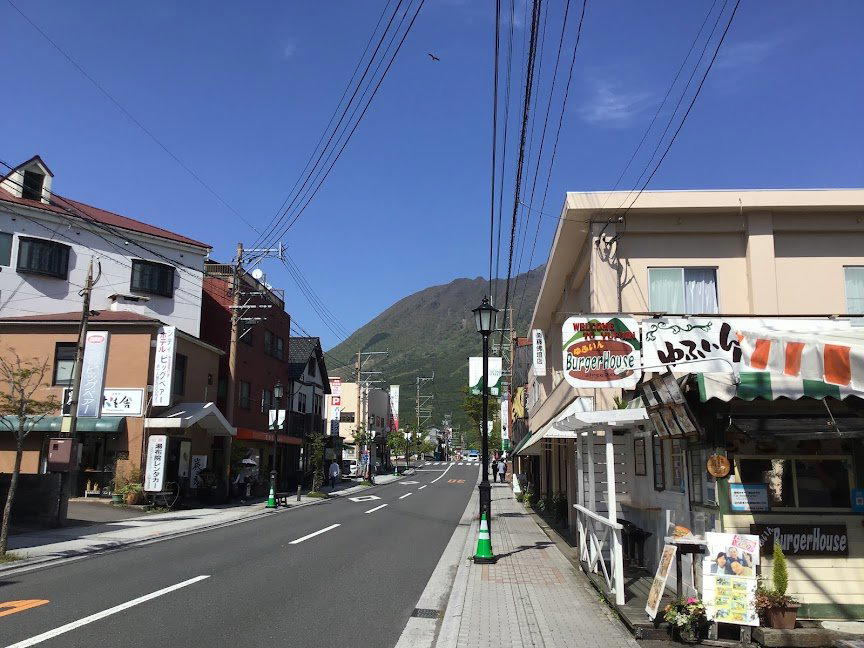
Yukuhashi sits outside the usual inbound dining circuit, which changes how a ramen shop is assessed. In larger food cities, queue culture and brand expansion can distort attention. Here, the signal is narrower: repeat local use, consistency, and recognition from ramen-specific lists. Kanada Ya Honten has been selected for Tabelog Ramen WEST “Tabelog 100” in 2017, 2018, 2023, 2024, and 2025, a pattern that says more than a single-year mention. It places the shop within western Japan’s ramen conversation rather than only a local Fukuoka shortlist.
That credential also matters because ramen awards are not judging luxury in the conventional restaurant sense. They reward narrow craft: soup architecture, noodle compatibility, pacing, and a shop’s ability to deliver the same bowl under pressure. In that frame, the compact room is part of the point. Fourteen seats, including counter positions, suit a category built around turnover and concentration. The restaurant does not need a long menu narrative to make its case; the category itself supplies the scrutiny.
Compared with nearby casual eating formats, the price tier keeps the decision low-risk while the recognition raises expectations. Tsudaya Kanbee and Imanami Udon sit in a similar everyday bracket, while teppan sakaba hitojiman moves into a higher spend range. That makes the ramen choice less about occasion dining and more about category preference: noodles, broth, and a short stay over grill cooking or a broader izakaya-style meal.
What the small room tells you about the bowl
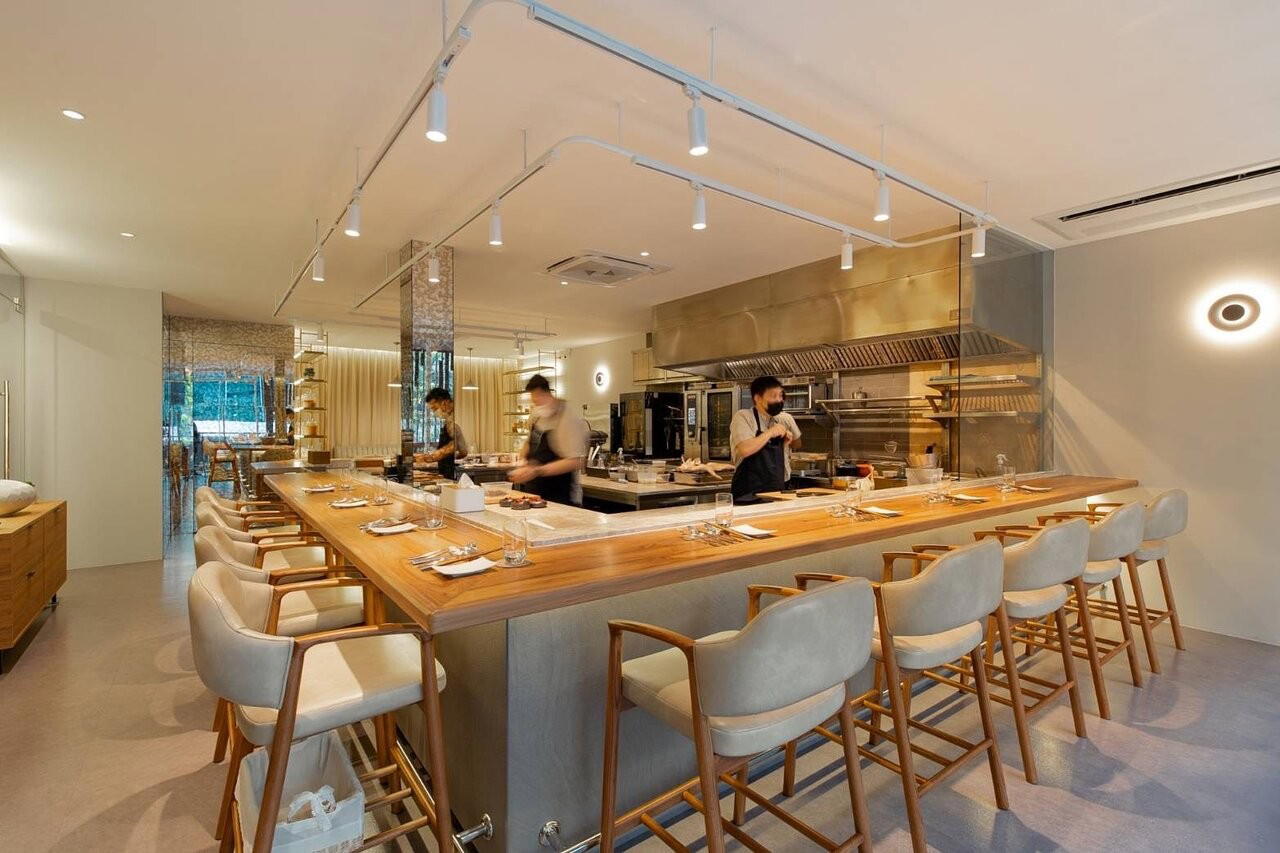
Counter-led ramen rooms tend to reveal their priorities quickly. Seating is limited, private rooms are absent, and the meal is built for solo diners as readily as families or friends. This format suits tonkotsu because the cooking has already happened before the customer arrives; the final act is assembly, temperature control, and timing. The room’s compactness does not make the food more serious by itself, but it removes distractions. In Kyushu ramen, that often produces the clearest reading of a shop’s style.
The ingredient story here is not farm-name sourcing or chef-led provenance. It is the older ramen logic of transformation: pork bones reduced into a house identity, noodles matched to soup, and a bowl designed to be consumed before it cools. That is a different kind of sourcing conversation from tasting-menu dining. The raw material is common; the distinction comes from how thoroughly the kitchen manages extraction and odor. A refined tonkotsu profile in Fukuoka is not a soft claim. It signals technical restraint inside a tradition often caricatured as heavy.
For travelers, the strongest argument is contextual. This is not a detour for grand dining ceremony; it is a way to understand how a smaller Fukuoka city participates in one of Japan’s defining regional food forms. The address works well for readers already moving through Kitakyushu or eastern Fukuoka, or for ramen-focused itineraries that treat Hyakumeiten selections as a map of regional depth rather than a trophy list.
How to place it in a wider Japan food itinerary
Japan rewards narrow specialization. A serious trip can move from sukiyaki in Kamakura to tuna and charcoal in Tokyo, café culture in Osaka, and curry in Sapporo without treating any one format as secondary. Ramen belongs in that same structure: quick, technical, local, and often more revealing than a longer meal. For broader planning, start with Our full Yukuhashi restaurants guide, then layer in Our full Yukuhashi hotels guide, Our full Yukuhashi bars guide, Our full Yukuhashi wineries guide, and Our full Yukuhashi experiences guide.
For cross-country comparison, the useful lens is format rather than cuisine. -Grilled beef Sukiyaki- KAMAKURA TANUKIAN 鎌倉 たぬき庵 in Kamakura and . 鮪と炭火焼き うお炭 秋葉原店 in Tokyo sit in different dining modes, while .cafe in Osaka, .know in Kumamoto, and (Shoku) Vietnam in Kawasaki show how casual categories carry local character. Specialist stops such as [Curry Senmon Ten] Maruyama Kyoju. in Sapporo, [ki:] in Kyoto, #肉といえば松田 奈良本店 in Kashihara, 1/3 HAMBURGER FACTORY in Kanazawa, 1000 in Yokohama, and 1000mヒュッテ 1000m Hut in Kutchan make the same point in other idioms. Outside Japan, Jōdo Saké Bar in Los Angeles and Onigiri Time in Pasadena underline how Japanese formats travel, adapt, and lose some of the regional pressure that defines a bowl in Fukuoka.
At-a-Glance Comparison
Comparable venues by cuisine and price in the same metro.
| Venue | Cuisine | Price | Notes |
|---|---|---|---|
| Kanada Ya HontenThis venue — the venue you are viewing | Japanese Ramen | $ | Not listed |
| 麺dining 月乃家 | Japanese Ramen | $ | 有田川町 |
| Chuka Soba Dokoro Konpiraso | Yamagata Chuka Soba | $ | Sanze |
| Arry 8Bites | Japanese Small Bites | $ | Tokyo |
| 京都 鶏白湯そば 純 | Kyoto Creamy Chicken Broth Soba | $ | Nakagyo-ku |
| 中華そば 速水 | 和歌山ラーメン | $ | 緑ヶ丘 |
Recognition history
Dated appearances from independent guides and award organizations, with the underlying list record or original source where available.
Tabelog 100 #68 · No. 68
Tabelog · Tabelog 100 - Ramen - WEST - 2025
Continue exploring
More in Yukuhashi
Restaurants in Yukuhashi
Browse all →

At a Glance
- Cozy
- Classic
- Solo
- Casual Hangout
- Family
- Standalone
- Street Scene
Current opening hours
- Monday
- 11 AM–3 PM, 5–7:30 PM
- Tuesday
- 11 AM–3 PM
- Wednesday
- 11 AM–3 PM
- Thursday
- Closed
- Friday
- 11 AM–3 PM, 5–7:30 PM
- Saturday
- 11 AM–3 PM, 5–7:30 PM
- Sunday
- 11 AM–3 PM, 5–7:30 PM
Hours can change for holidays and private events. Last verified .
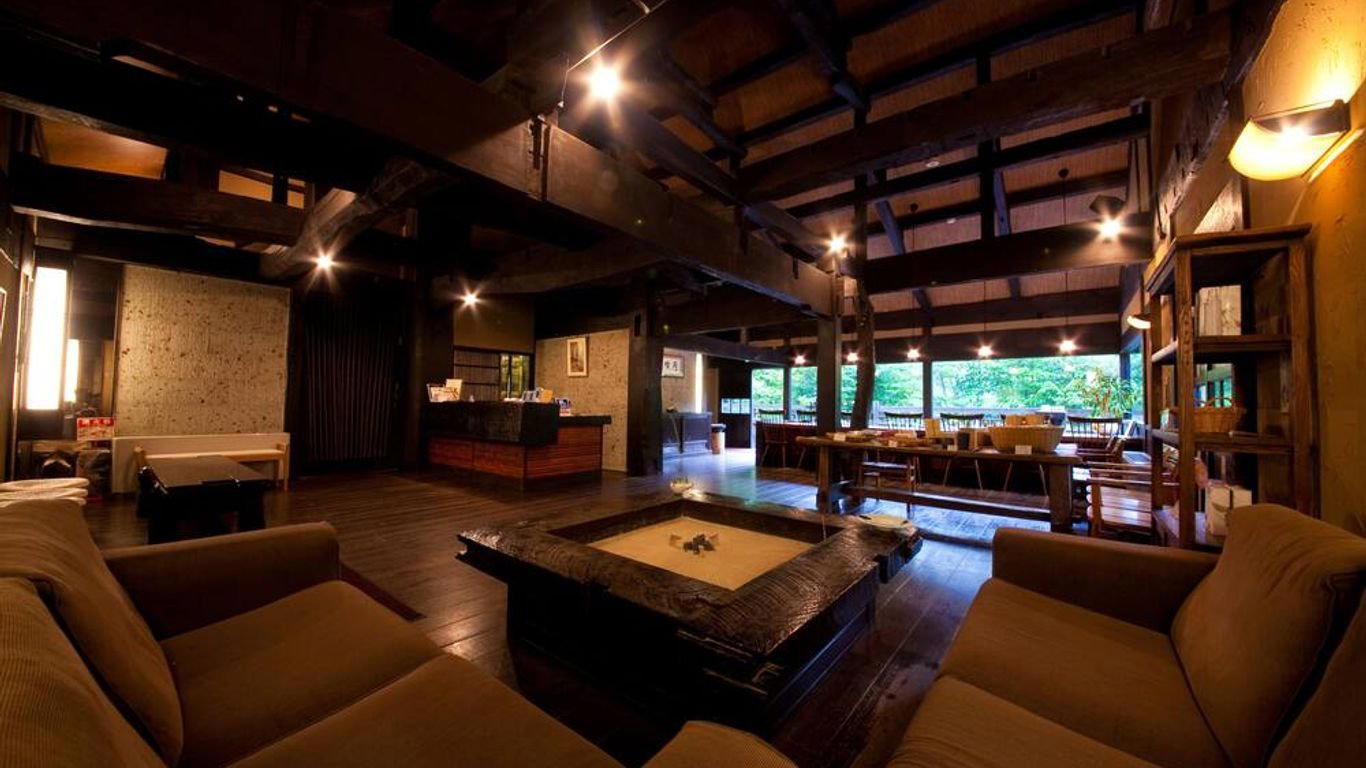
Simple, intimate ramen-shop atmosphere in a house restaurant setting with a small counter-and-table layout.