Oryori Sato


Tabelog Bronze #387
Our verdict
Oryori Sato has held a Tabelog Bronze Award every year from 2017 through 2026 and has been selected for the Tabelog Japanese Cuisine WEST Top 100 three times, making it the most consistently recognised kaiseki counter in Kokura. Fourteen seats, a fish-forward seasonal menu, and a location two minutes from Kokura Station place it firmly in the Kyushu fine-dining tier, priced at JPY 20,000–29,999 per head.

Pearl is the En Primeur Club membership app — saves, bookings, and concierge access live there. Same editors, same standards.
What Kaiseki Demands — and What Sato Delivers
Kaiseki is the most formally structured of Japan's culinary traditions. It evolved from the spare rice-and-pickles meal served before a tea ceremony into a multi-course progression that treats seasonality, visual composition, and the harmony of vessel and ingredient as inseparable disciplines. The form imposes a discipline that rewards counters with strong supplier relationships and disciplined technique: courses are built around what the season yields, not what the kitchen prefers to cook. Seasonal fish from these waters has always been central to the region's food culture, and a kaiseki counter that prioritises it is working with, not against, its local ingredient base. For comparison with how kaiseki philosophy translates into different regional contexts, our coverage of Kikunoi Tokyo and HAJIME in Osaka or Harutaka in Tokyo. Review-based spending data from Tabelog suggests some diners land in the JPY 30,000–39,999 range at dinner, which tracks with the beverage programme: sake, shochu, and wine are all available, and a serious sake pairing across a full kaiseki progression will move the final bill upward. Credit cards (VISA, Mastercard, JCB) and PayPay are accepted; electronic money is not. Given the counter's nine-year award streak and three Top 100 selections, the value positioning relative to its recognition record is worth noting, rooms with comparable Tabelog trajectories in Osaka or Tokyo tend to carry higher price floors. The Kokura address is part of what holds the pricing where it is, and that is a genuine consideration for visitors pricing out a Kyushu fine-dining itinerary. See also our listings for Aji Arai in Oita and Abon in Ashiya for comparable regional fine-dining reference points.
Tracking the Award Record
Tabelog's award structure is worth understanding for anyone using it as a planning tool. The platform scores restaurants on a scale where anything above 3.5 represents genuine distinction, and the annual Bronze, Silver, and Gold tiers are drawn from the leading performers in each cuisine category and region. Sato received a Silver in 2017, a higher-tier recognition than the Bronze awards that followed, though the Bronze designation from 2018 onward still places it consistently in the top tier of Tabelog-ranked Japanese cuisine counters in western Japan. The current 2026 score of 3.86 and the Opinionated About Dining (OAD) ranking of #210 in Japan for 2025 (it placed #182 in 2024 and #149 in 2023) indicate a restaurant that remains in the conversation at the national level, even as its relative OAD position has shifted across years. The OAD list draws on votes from a global peer network of food-focused travellers and critics, so a sustained presence in its top 250 for Japan is a meaningful signal, particularly for a counter in a city that does not feature prominently in international fine-dining coverage. For other consistently ranked Japanese restaurants in the Kyushu and western Japan region, our full Kokura restaurants guide maps the wider scene. Broader Kyushu coverage includes 6 in Okinawa and affetto akita in Akita for those building out a Japan itinerary beyond the main corridors. For further context on the kaiseki form across Japan, see our coverage of akordu in Nara and 1000 in Yokohama.
Planning Your Visit
Sato operates Tuesday through Saturday with a lunch service (last entry 12:00, service until 14:00) and a dinner service (last entry 19:00, service until 21:30). The reservation-only policy applies across all services, walk-ins are not part of the format. Dietary restrictions and allergies should be flagged at the time of booking, which is standard practice for kaiseki but worth stating plainly: the menu is composed as a sequence, and ingredient adjustments that are not communicated in advance will limit what the kitchen can accommodate. The minimum age for dining is junior high school age, which in the context of a JPY 20,000+ counter and a fourteen-seat room is a practical boundary as much as a formal one. Chef Yoshimi Sato leads the kitchen; the restaurant takes its name accordingly. For those extending their time in the city, our full Kokura bars guide, Kokura experiences guide, and Kokura wineries guide cover the broader picture. Also worth considering alongside Sato: Ajidocoro in Yubari District for those exploring regional Japanese dining beyond the standard metropolitan circuit.
Frequently asked questions
Is Sato suitable for children?
No: the minimum age is junior high school, and at JPY 20,000 or more per head for a reservation-only kaiseki counter in Kokura, it is not a format designed for younger diners.
What kind of setting is Sato?
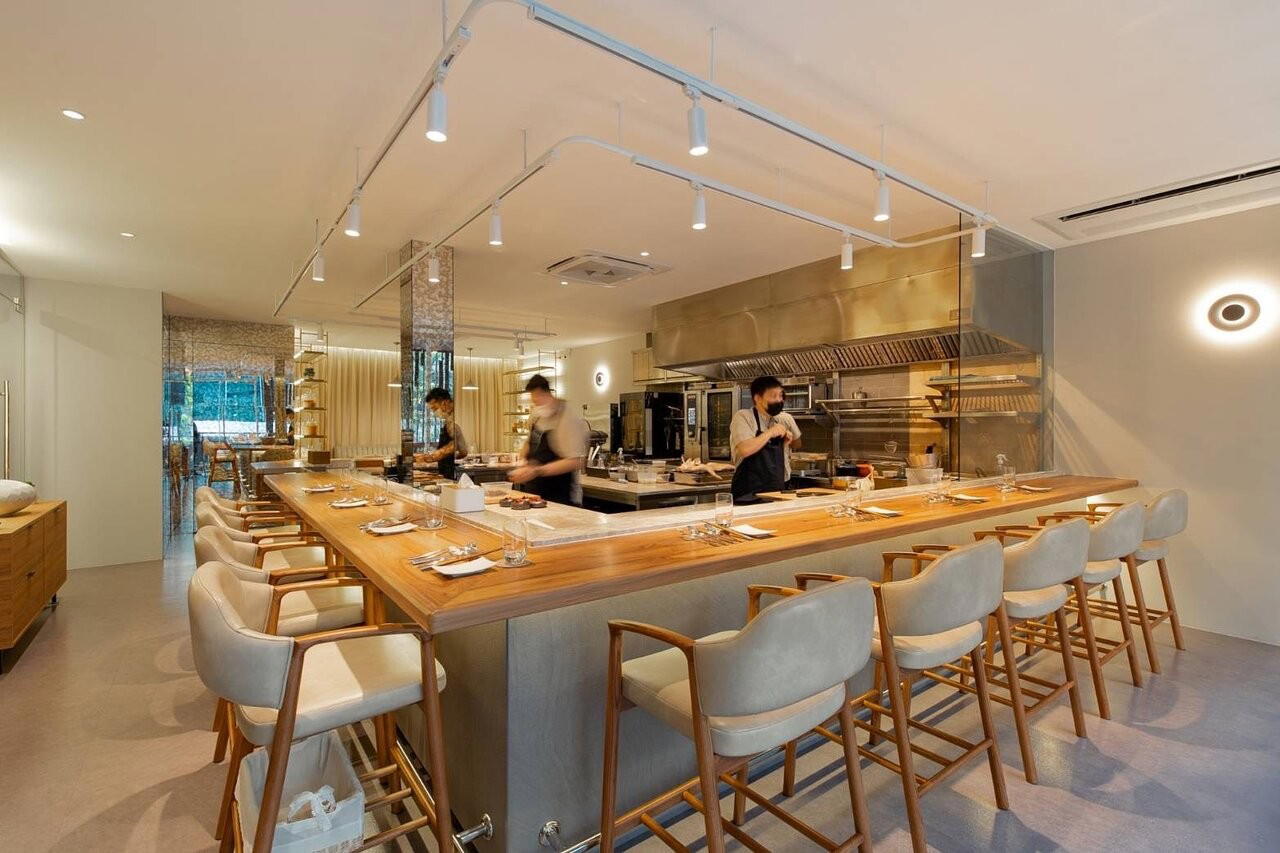
If you are looking for a serious kaiseki counter with a small room, counter seating, and a nine-year Tabelog Bronze Award record in Kokura, Sato fits that profile, the fourteen-seat format, the private room option for groups of four to six, and the JPY 20,000–29,999 price band place it in the committed fine-dining tier rather than the casual end of Japanese cuisine.
What do regulars order at Sato?
The menu is kaiseki, a fixed multi-course progression built around seasonal ingredients, so individual dish selection is not part of the format; the kitchen's emphasis on fish, noted in the Tabelog listing and supported by the restaurant's Kyushu coastal geography, means the seafood courses are the structural core of what Chef Yoshimi Sato's kitchen is building toward, and the Tabelog Top 100 recognition across three cycles suggests those courses are the reason the room holds its standing.
How It Stacks Up
Comparable venues nearby, for context on price, style, and recognition.
| Venue | Cuisine | Price | Awards | Notes |
|---|---|---|---|---|
| SatoThis venue (the venue you are viewing) | Seasonal Japanese Omakase | $200–300 | Tabelog Bronze #387 | Not listed |
| Sushi Karashima | Kyushu-Style Edomae Omakase | $200–300 | Tabelog Bronze #165 | Chūō |
| Sushi Sakai | Edomae-style Omakase Sushi | $300–500 | La Liste Top Restaurants · Tabelog Silver #114 | Chūō |
| Sagano | Traditional Kaiseki | $200–300 | Not listed | Hakata |
| Aji Arai | Kyushu Kappo | $150–200 | Tabelog Bronze #8 | Nakatsu |
| 日本料理 明寂 | Modern Minimalist Kaiseki | $300–500 | 3 Michelin Stars · World's 50 Best #33 | Nishi-Azabu |
Recognition history
Dated appearances from independent guides and award organizations, with the underlying list record or original source where available.
Tabelog Bronze #387
Tabelog
Opinionated About Dining Top Restaurants in Japan Ranked #210
Opinionated About Dining
Full recognition history (6 entries)
Tabelog Bronze
Tabelog
Tabelog 100 #49 · No. 49
Tabelog · Tabelog 100 - Japanese cuisine - WEST - 2025
Opinionated About Dining Top Restaurants in Japan Ranked #182
Opinionated About Dining
Opinionated About Dining Top Restaurants in Japan Ranked #149
Opinionated About Dining
Continue exploring
More in Kitakyushu
Restaurants in Kitakyushu
All restaurants in Kitakyushu →
Bars in Kitakyushu
Browse all →
Details
- Elegant
- Sophisticated
- Intimate
- Cozy
- Special Occasion
- Sake Program
- Omakase
Current opening hours
- Monday
- 12–2 PM, 6–10 PM
- Tuesday
- 12–2 PM, 6–10 PM
- Wednesday
- 12–2 PM, 6–10 PM
- Thursday
- 12–2 PM, 6–10 PM
- Friday
- 12–2 PM, 6–10 PM
- Saturday
- 12–2 PM, 6–10 PM
- Sunday
- Closed
Hours can change for holidays and private events. Last verified .
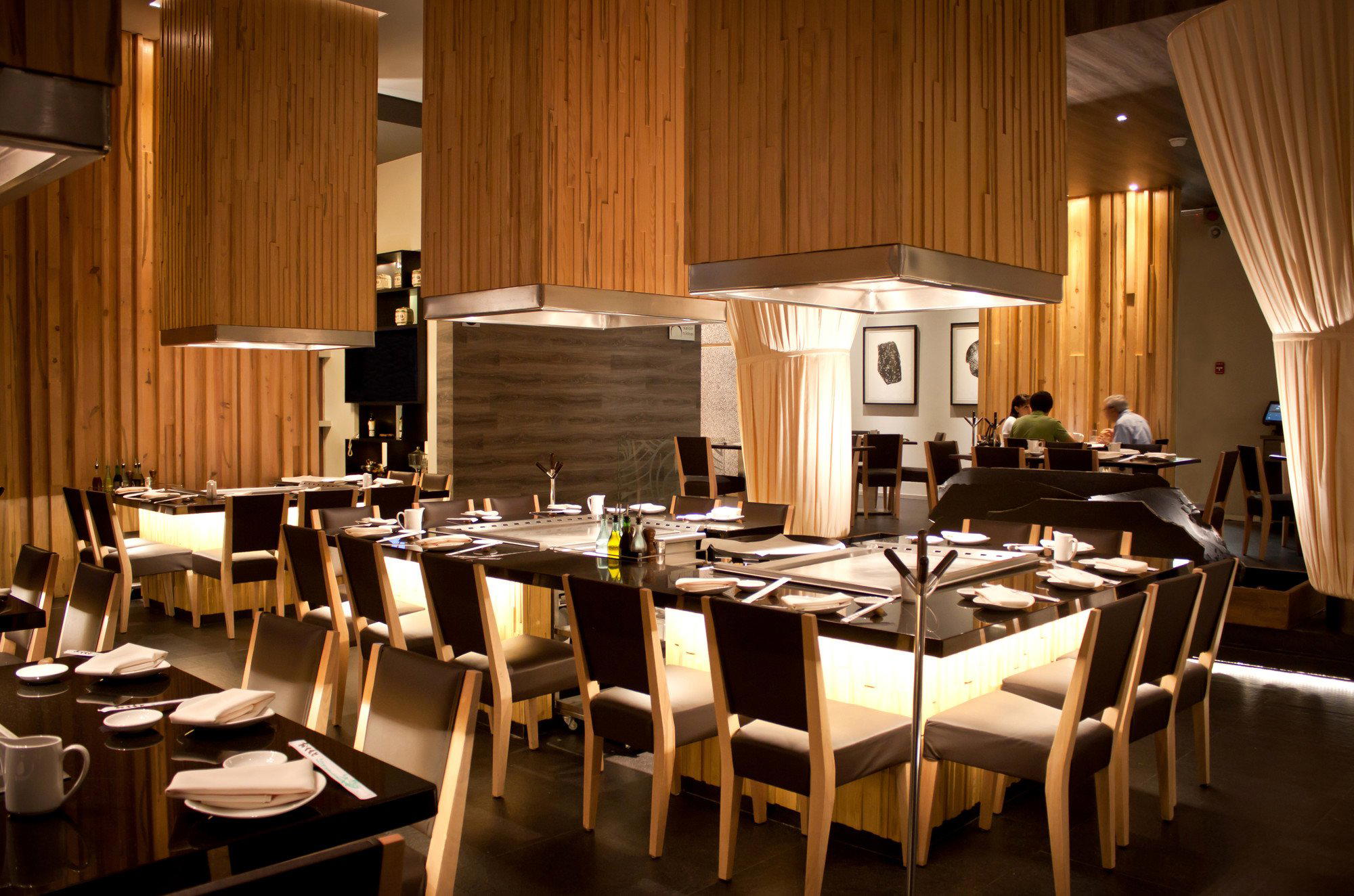
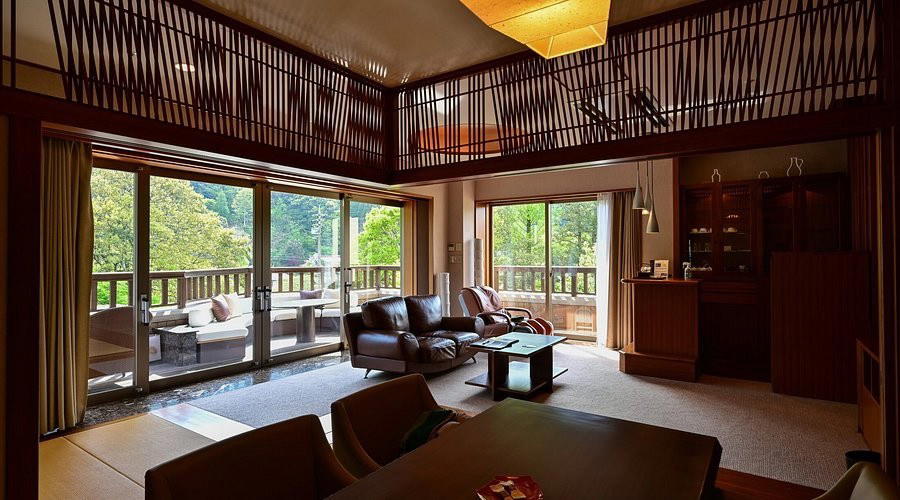
Serene Japanese space with pure air, sophisticated details reflecting the owner's attention, stylish and relaxing.