Terroir Aitoibukuro

Tabelog Bronze #458
Our verdict
Terroir Aitoibukuro belongs to Japan’s small auberge-influenced dining tier, where ingredient sourcing carries as much weight as technique. Its Tabelog Award Bronze recognition from 2023 through 2026, 16-seat scale, and innovative/French categorisation place it in a serious destination-dining bracket rather than a casual local meal slot.

Pearl is the En Primeur Club membership app, where members save venues, book tables and use the concierge.
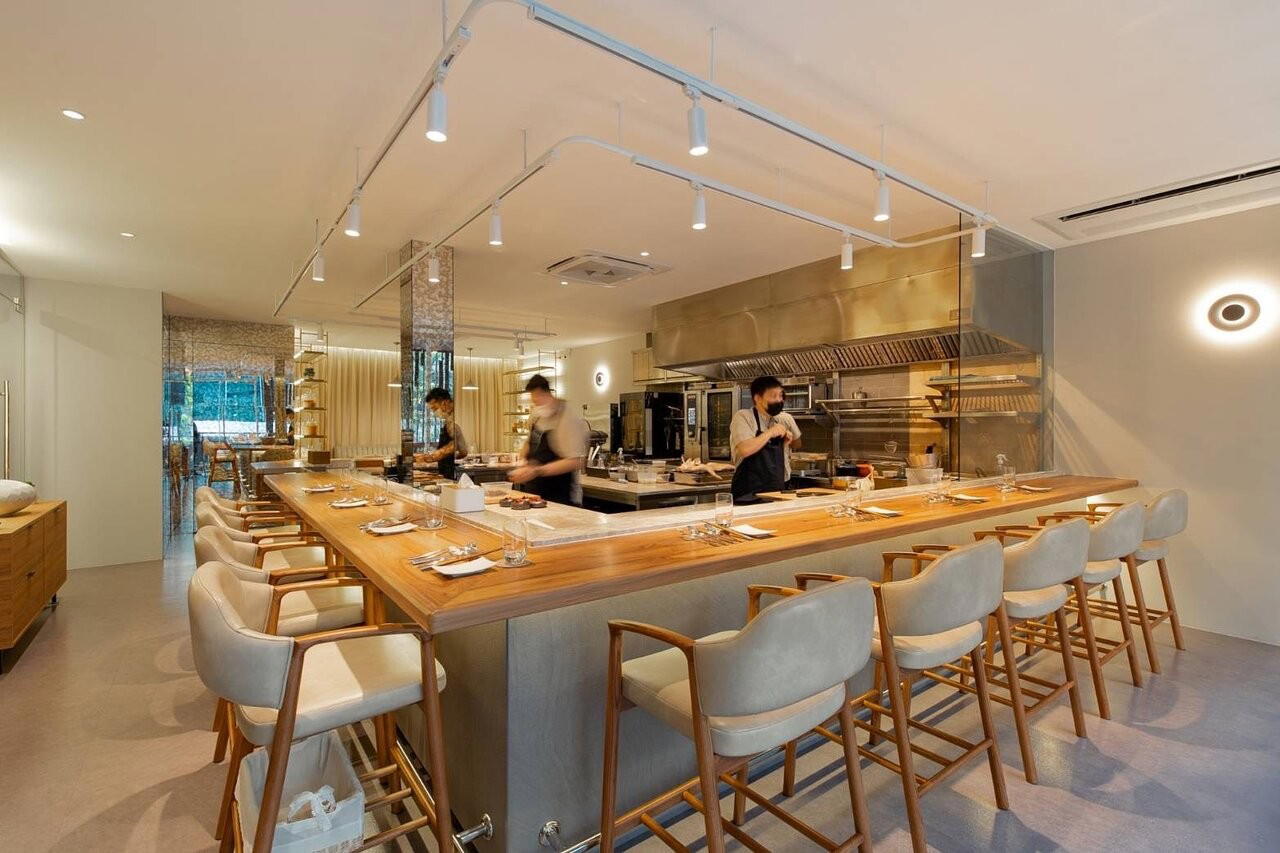
The menu
What to order
- Wood-barrel miso-marinated root vegetables
- Seasonal mountain trout with herb dashi
- Field-steamed rice with grated miso
The approach to a rural auberge restaurant changes the appetite before the first plate. City dining compresses the meal into a reservation window: elevator, counter, course, exit. Here, the tempo slows and the premise is exposed. A house-restaurant format asks the kitchen to justify its setting, not with pastoral decoration, but by making surrounding agriculture structurally necessary to the meal.
That frames Terroir Aitoibukuro. Japan’s creative dining scene has spent the past decade moving beyond imported French grammar toward restaurants that treat the local supply chain as the menu’s architecture. Its category, Innovative, French, Auberge, says more than a cuisine label: produce, rural pacing, and lodging-adjacent hospitality sit inside one decision.
Vegetable-led creative French in the auberge lane
Ingredient-led restaurants in Japan often split in two. One uses regional products as accents within metropolitan luxury. The other treats location as a constraint, with choices shaped by what the area can sustain. Terroir Aitoibukuro sits closer to the second. Its food profile is explicitly vegetable-conscious, with vegan and vegetarian options listed alongside sake and wine, placing it outside the narrower meat-and-sauce model that still defines some French-leaning rural restaurants.
The price tier matters. Lunch and dinner sit in the JPY 20,000 to JPY 29,999 band, with review-based dinner spending higher at JPY 30,000 to JPY 39,999. That is destination-meal territory, where the question is not whether the room is pleasant, but whether sourcing logic, technique, and pacing justify building a day around the table. In that bracket, a rural address becomes an asset only when the cooking makes the distance legible.
Tabelog recognition gives the clearest public signal of its standing. The restaurant holds The Tabelog Award Bronze for 2023, 2024, 2025, and 2026, and appears in Tabelog 100 for Innovative / Creative cuisine in 2025. These are not decorative badges; in Japan, Tabelog’s upper-score and award ecosystem is a hard filter, especially for restaurants outside the metropolitan press cycle. A 2026 score around 4.05 places it in a narrow band where repeat diners and specialist reviewers do much of the ranking work.
For readers using Kitakyushu as a broader dining base, the contrast is instructive. The city’s everyday strengths run through ramen, udon, sweets, eel, and sushi: Gyoran Tei Honten, Imanami Udon, Hyo Kashiya KOMARU, Inaka An Kokura honten, and Hountei speak to a local, single-specialty rhythm. Terroir Aitoibukuro belongs to a different itinerary logic: not a stop between errands, but a meal planned around sourcing, setting, and duration.
Small scale changes the stakes of the meal
Sixteen seats is not just capacity. At this size, the kitchen has less room to hide behind abundance. Small creative restaurants depend on sequence and restraint: the meal must accumulate argument course by course, not overwhelm with choice. The lack of private rooms reinforces the point. This is a shared dining environment, closer to a focused auberge table than a compartmentalised luxury restaurant.
Service details broaden the audience more than the price suggests. Children are welcomed, kids’ menus are listed, strollers are accepted, and English multilingual menu availability is noted. That combination is uncommon in Japan’s higher-priced creative dining tier, where formality often narrows who feels able to attend. The smart-casual dress request and perfume guidance keep the room disciplined without making it ceremonial.
Accessibility and parking also matter. Rural destination dining can become impractical when the restaurant assumes every guest arrives through a local network. Here, wheelchair access, free Wi-Fi, non-smoking policy, and parking for 10 cars show a more organised hospitality model. The planning burden remains higher than for a central city restaurant, but the format is built for non-regulars.
Within the Kitakyushu comparison set, this makes the restaurant hard to classify by cuisine alone. Teruzushi represents the city’s sushi-led destination image; Tsudaya Shokudo and Yukimon occupy more modest budget territory; Spice & Dining KĀLA shares a similar JPY 20,000 to JPY 29,999 price band but not the same auberge-French frame. The useful distinction is purpose, not rank. Some meals express a neighbourhood’s daily appetite. Others ask the traveller to accept the restaurant’s ecosystem as the subject.
How to place it in a Japan dining itinerary
The strongest case for Terroir Aitoibukuro is for travellers who know Japan’s urban fine-dining codes and want to see how they change when produce and place lead the brief. Tokyo and Osaka offer sharper density, deeper counter culture, and more choice per square kilometre. A rural auberge offers another reward: fewer distractions, a tighter relationship between agricultural identity and menu construction, and a slower read on contemporary Japanese-French cooking.
That difference explains why it should not be treated as a generic celebration restaurant. The appeal is not spectacle. It is how a small, vegetable-conscious, wine-and-sake dining room uses French technique and creative cuisine language to translate a region’s growing culture into a full meal. Diners looking for heavy luxury signals may find the premise restrained; diners interested in sourcing, seasonality, and Japan’s non-urban restaurant movement will understand the point quickly.
For a wider trip plan, use our full Kitakyushu restaurants guide to separate everyday meals from destination reservations, then layer in our full Kitakyushu hotels guide, our full Kitakyushu bars guide, our full Kitakyushu wineries guide, and our full Kitakyushu experiences guide for the rest of the itinerary. Travellers comparing broader Japan dining styles might also look at -Grilled beef Sukiyaki- KAMAKURA TANUKIAN 鎌倉 たぬき庵 in Kamakura. 鮪と炭火焼き うお炭 秋葉原店 in Tokyo.cafe in Osaka.know in Kumamoto, (Shoku) Vietnam in Kawasaki, [Curry Senmon Ten] Maruyama Kyoju. in Sapporo, Jōdo Saké Bar in Los Angeles, and Onigiri Time in Pasadena for contrast across formats.
Frequently asked questions
When can I go to Terroir Aitoibukuro?
Hours at Terroir Aitoibukuro: Thu, Fri, Sat, Sun, Public Holiday 12:00 - 15:00 18:00 - 21:00.
Where is Terroir Aitoibukuro located?
Terroir Aitoibukuro is located in Kitakyushu.
What's Terroir Aitoibukuro best at?
Terroir Aitoibukuro is strongest in vegetable-led innovative French cooking, backed by the Tabelog Award 2026 Bronze and selection for Tabelog Innovative/Creative Cuisine "Tabelog 100" 2025. The 16-seat, reservation-only format keeps the room tightly managed.
Is Terroir Aitoibukuro good for vegetarians?
Yes. the public record lists vegetarian options, vegan options, and a focus on vegetables, which makes it a practical choice for plant-forward diners. Drink options include sake and wine. Check the venue's official channels for the latest details.
Is Terroir Aitoibukuro a family-friendly restaurant?
Yes. The restaurant welcomes children, including babies and school-age children, and also lists a kids menu and stroller access. It is also marked family friendly in the public record. Check the venue's official channels for the latest details.
Comparable Spots, Quickly
Comparable venues by cuisine and price in the same metro.
| Venue | Cuisine | Price | Awards | Notes |
|---|---|---|---|---|
| Terroir AitoibukuroThis venue (the venue you are viewing) | Modern Japanese Tasting Menu | Not listed | Tabelog Bronze #458 | Not listed |
| TOBIUME | Modern Kaiseki | Not listed | Tabelog Silver #142 | Yahatanishi-ku |
| 天寿し 京町店 | Modern Kyushu-style Omakase Sushi | $300–500 | La Liste Top Restaurants · Tabelog Silver #141 | Kokura |
| Sushi Asauumi | Traditional Edomae-Style Sushi Omakase | $100–150 | Tabelog 100 #53 | Kokurakita-ku |
| Inakaan (田舎庵 小倉本店) | Traditional Japanese Unagi | $30–50 | Not listed | Kokurakita-ku |
| 寿司つばさ | Kokura-Style Sushi | $50–100 | Tabelog Bronze #481 | 小倉北区 |
Recognition history
Dated appearances from independent guides and award organizations, with the underlying list record or original source where available.
Tabelog Bronze #458
Tabelog
Full recognition history (3 entries)
Tabelog 100 #60 · No. 60
Tabelog · Tabelog 100 - Innovative / Creative cuisine - 2025
Tabelog Bronze
Tabelog
Continue exploring
More in Kitakyushu
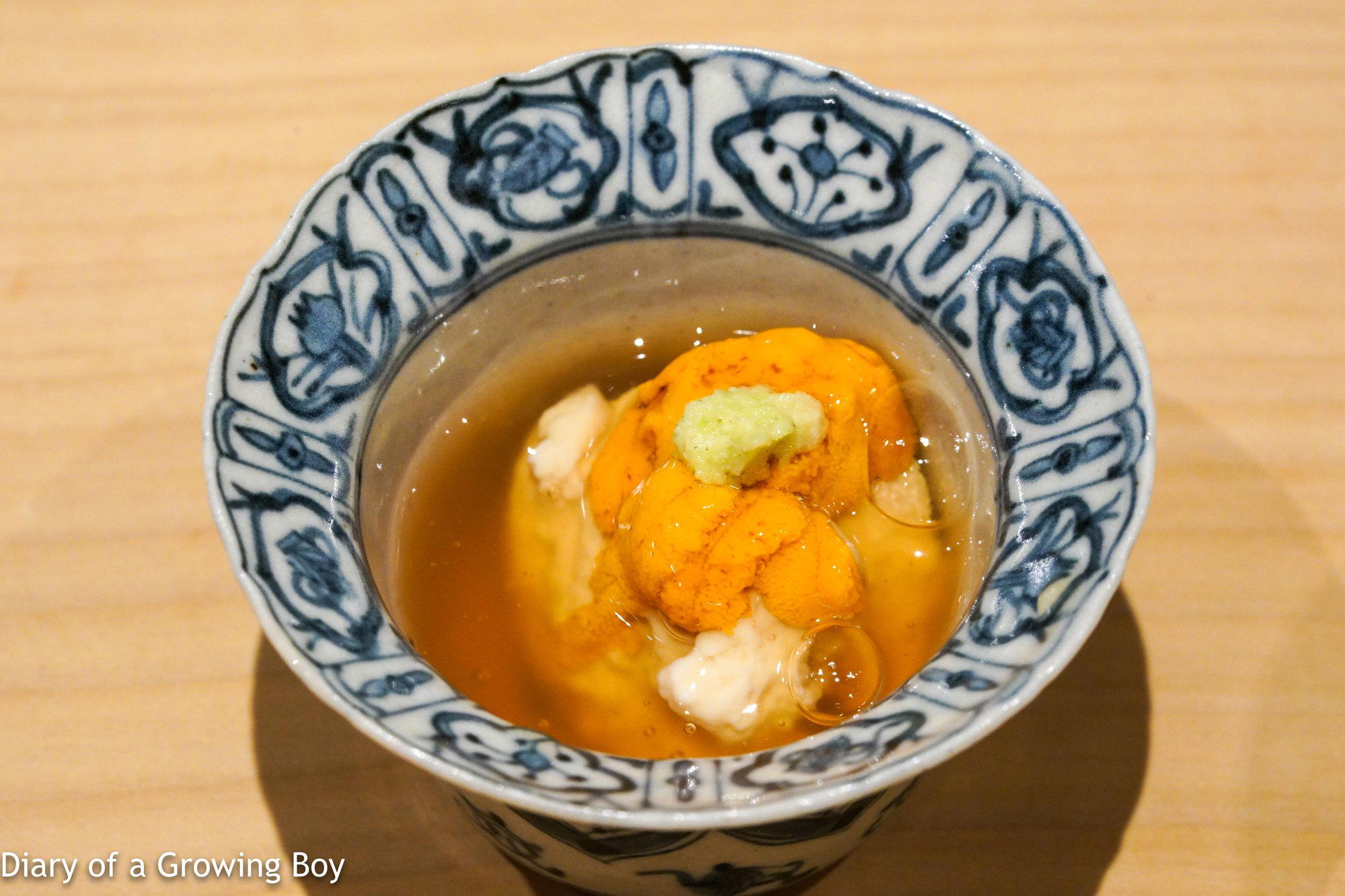
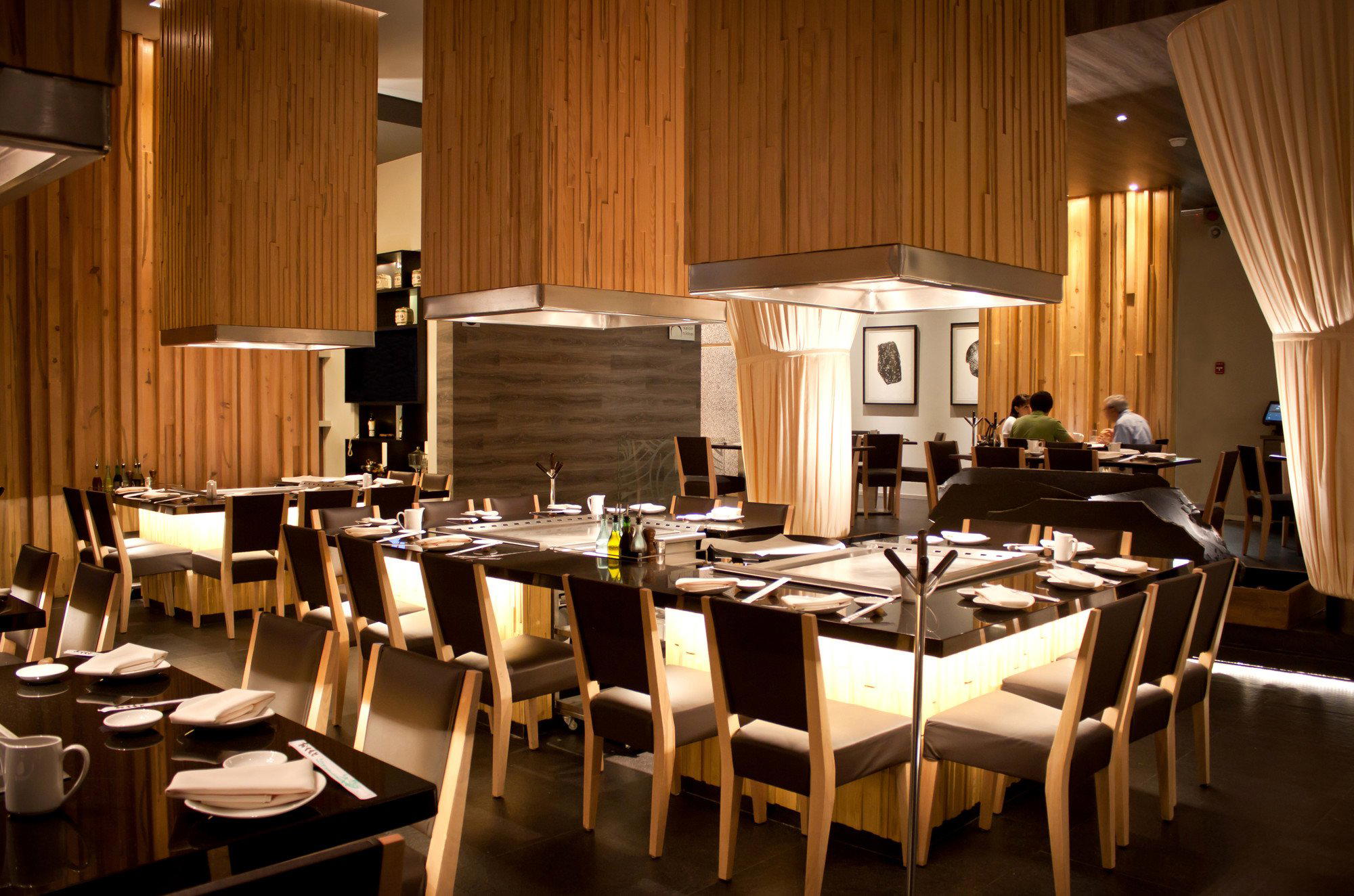
Restaurants in Kitakyushu
All restaurants in Kitakyushu →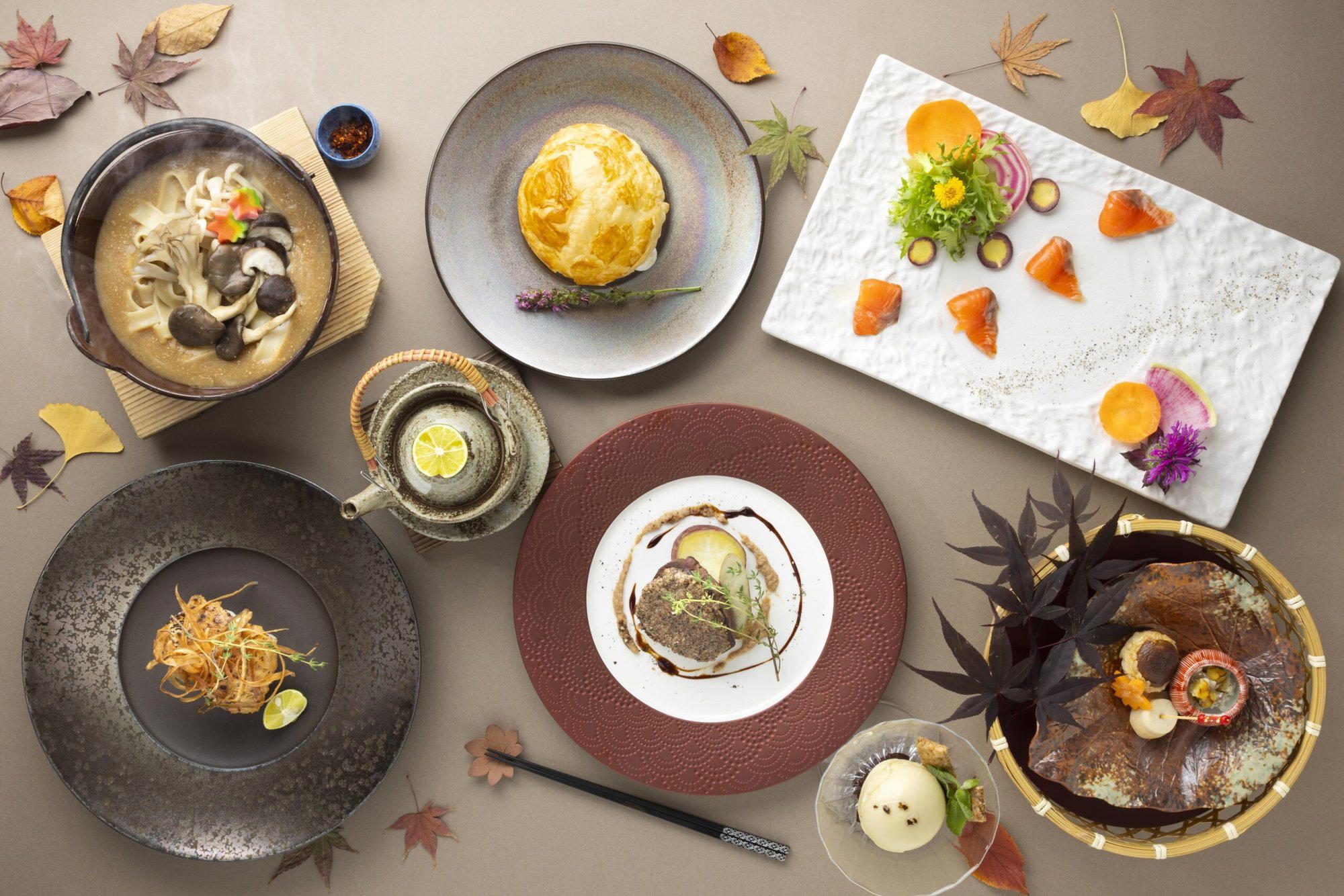
Bars in Kitakyushu
Browse all →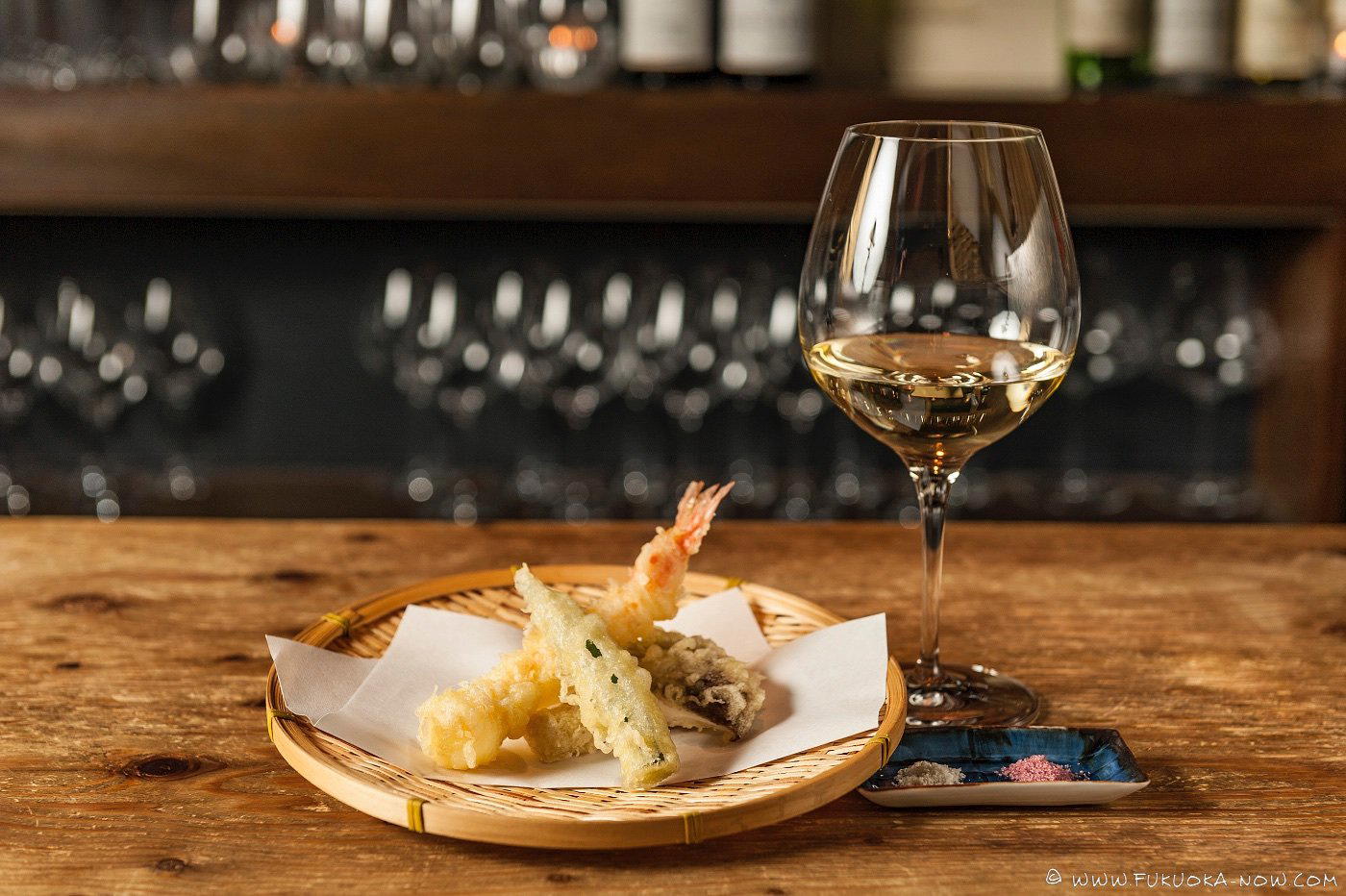
Details
- Intimate
- Rustic
- Elegant
- Quiet
- Scenic
- Special Occasion
- Date Night
- Open Kitchen
- Historic Building
- Garden
- Standalone
- Sommelier Led
- Zero Proof
- Farm To Table
- Local Sourcing
- Organic
- Mountain
- Garden
- Tasting Menu
- Wine Pairings
- Herbal Non Alcoholic Pairings
- Vegetarian Friendly
- Allergy Accommodating
Current opening hours
- Monday
- Closed
- Tuesday
- 10:30 AM–5:30 PM
- Wednesday
- 10:30 AM–5:30 PM
- Thursday
- 10:30 AM–5:30 PM
- Friday
- 10:30 AM–5:30 PM
- Saturday
- 10:30 AM–5:30 PM
- Sunday
- Closed
Hours can change for holidays and private events. Last verified .
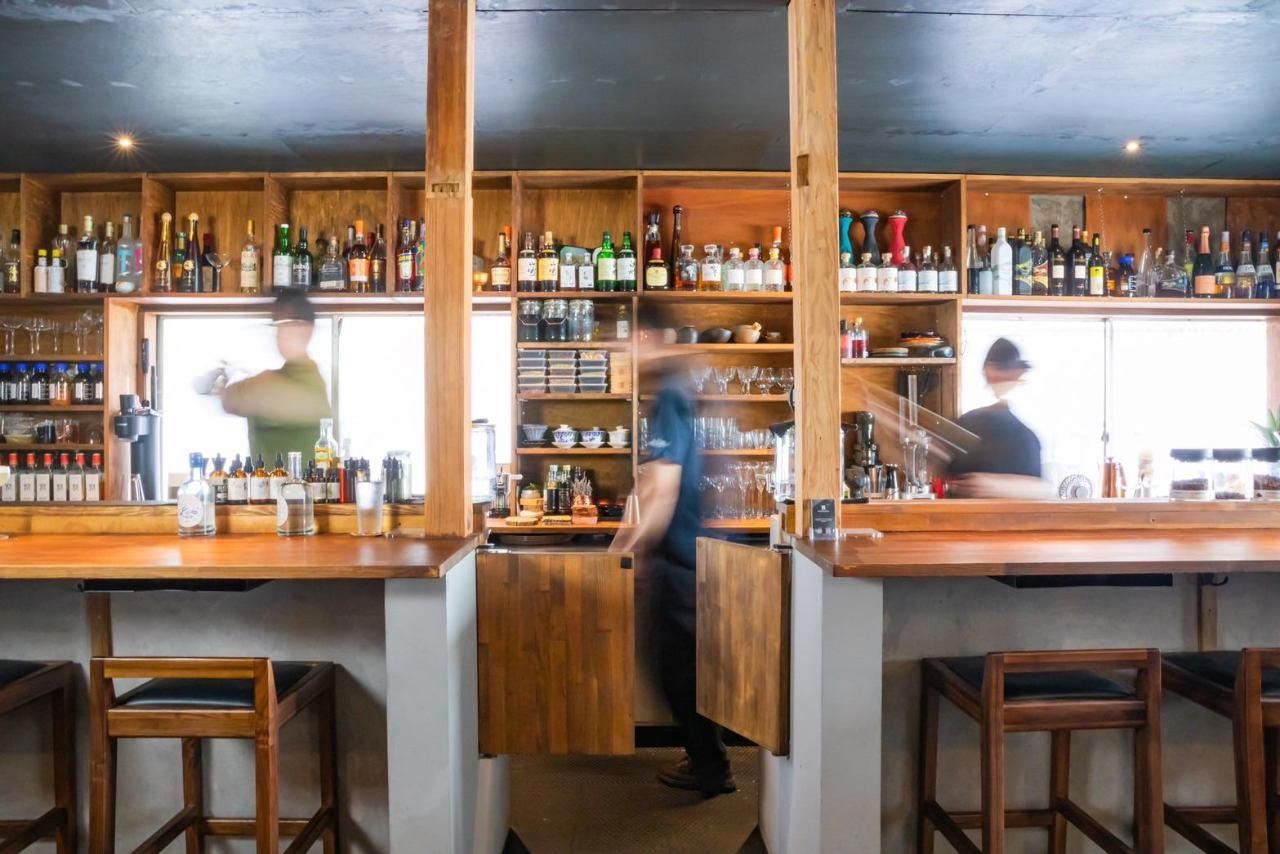
Warm and inviting with original wooden beams, paper screens, and deep wooden floors that change with daylight; lunch service features calm natural light filtering through paper windows, while dinner service is quieter with softer lighting and focused table service.