
Kairakuen gives Kumamoto’s Chinese dining tradition a compact, local expression: Chinese and dim sum cooking in Shinmachi, with Tai-Pien as the cultural anchor rather than a luxury tasting-menu signal. Its selection for Tabelog Chinese WEST “Tabelog 100” 2026 places it in a serious regional conversation, while the format remains small, casual, and closely tied to everyday Kumamoto dining.
Pearl is the En Primeur Club membership app — saves, bookings, and concierge access live there. Same editors, same standards.
- Address
- 2 Chome-7-11 Shinmachi, Chuo Ward, Kumamoto, 860-0004, Japan
- Phone
- +81 96-352-2844
- Website
- tabelog.com
 Saves & bookings on Pearl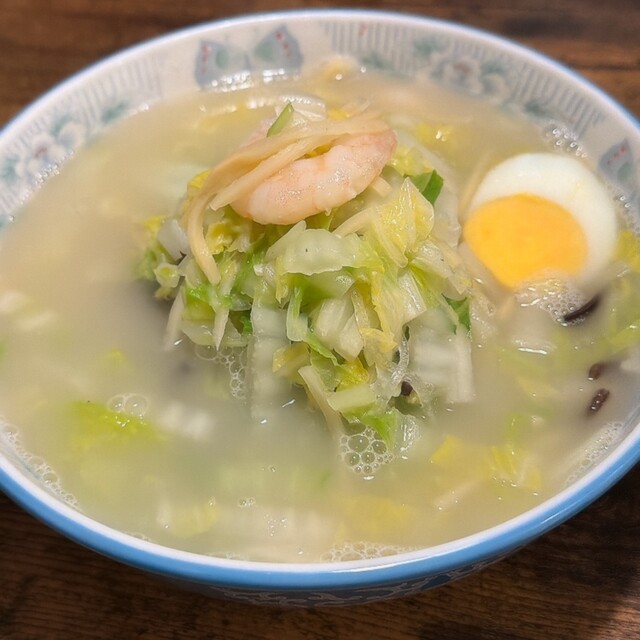
Shinmachi has the useful calm of an older Kumamoto district: tram tracks, low-rise streets, and a dining rhythm that feels closer to neighbourhood habit than destination theatre. In that setting, Chinese cooking reads differently from the banquet-room version many travellers expect in Japan. The point is not scale. It is local absorption: Chinese techniques, Kyushu tastes, family use, and the city’s long affection for Tai-Pien, the glass-noodle soup associated with Kumamoto’s Chinese restaurant culture.
Kairakuen belongs to that category. The restaurant is listed for Chinese and dim sum cooking, selected for Tabelog Chinese WEST “Tabelog 100” 2026, and tied publicly to Tai-Pien through its appearance as the origin of the dish in the manga Cooking Papa. That combination matters because Kumamoto does not sell Chinese food only as imported cuisine. It has made parts of it local, practical, and repeatable, especially at lunch, where a bowl or a small spread can carry more cultural information than a formal course menu.
Tai-Pien explains Kumamoto Chinese cooking better than a tasting menu
Regional Chinese food in Japan is often understood through ports and migration: Nagasaki has champon, Yokohama has its Chinatown, Kobe has Nankinmachi. Kumamoto’s claim is quieter but specific. Tai-Pien, commonly built around glass noodles, sits between Chinese influence and Kyushu everyday eating, a dish that can be light, filling, and adaptable without losing its identity. At a restaurant such as Kairakuen, the significance is not that the format is rare. It is that the dish has moved from immigrant-derived cooking into the city’s ordinary restaurant language.
That is why the Tabelog Chinese WEST 2026 selection is a useful trust signal. It places a small Kumamoto address inside a western Japan Chinese category that includes a wide range of formats, from polished urban dining rooms to local specialists. Kairakuen’s Tabelog score of 3.66 and inclusion on that list point to a restaurant valued for category strength rather than spectacle. For travellers building a Kumamoto food itinerary, this sits in a different lane from high-spend sushi such as Murakami, tempura at Tsuru Hachi, or broader casual choices such as Katsuretsu Tei Shinishigai honten and Mexico Restaurant Toru Tacos. The interest here is cultural specificity at a modest scale.
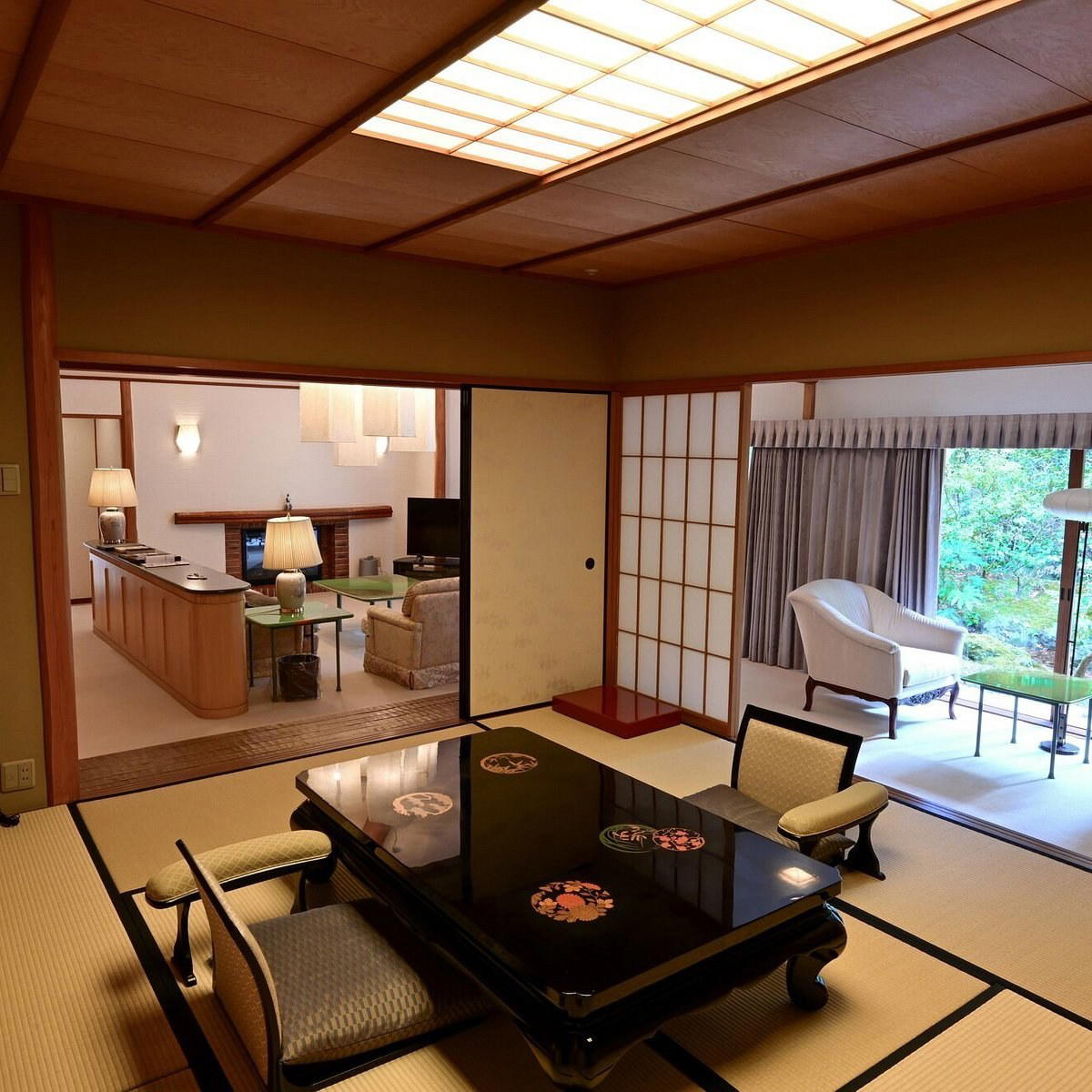
The room’s scale reinforces that reading. This is not Chinese dining as ceremony, nor is it the contemporary counter format that dominates many premium Japanese restaurant conversations. The listing describes a compact house restaurant with 25 seats, including table seating and a small counter presence. That size suits food with neighbourhood gravity: regulars, families, friends, and visitors who understand that the city’s defining dishes are not always found in grand rooms.
A small Shinmachi room, not a luxury signal
Kumamoto’s dining map rewards travellers who do not read price as the only marker of seriousness. Some cities concentrate culinary status in expensive tasting menus; Kumamoto spreads it across tonkatsu, horse-meat specialists, sushi counters, ramen shops, izakaya, and Chinese rooms with local memory. Kairakuen’s selection in a Chinese cuisine list, its family-friendly positioning, and its take-out service all point toward a restaurant woven into daily use, not an occasion-only address.
That distinction is useful when comparing it with other Kumamoto options. A visitor looking for a refined evening progression may make a different decision; a visitor trying to understand what Kumamoto residents mean by Chinese food should pay attention here. The presence of sake and shochu on the drinks side also keeps the experience anchored in Japan rather than in a museum version of Chinese dining. The cooking category may be Chinese, but the social setting is unmistakably local.
There is also a media trail, though it should be read carefully. Mentions connected to Cooking Papa, television, magazines, and a JR Kyushu commercial show that the restaurant has crossed from local eating place into popular culture. That does not automatically make a restaurant better; it makes the cultural footprint easier to understand. In Kumamoto, Tai-Pien is not merely an order. It is a shorthand for how the city domesticates outside influence and turns it into habit.
How to place it in a Kumamoto itinerary
The practical decision is simple: use Kairakuen for a Kumamoto-specific Chinese meal rather than for luxury dining. It pairs well with a broader food plan that separates local staples from high-budget counters and special-occasion rooms. For more restaurant mapping, start with Our full Kumamoto restaurants guide, then compare the city’s range through .know, Amakusa Daiou Senmon Ten Tosaka, antica locanda MIYAMOTO, BARON, and China Sichuan Togen.
For travellers extending the trip beyond restaurants, Kumamoto planning benefits from separating categories rather than forcing every meal into one list. The city’s hotel base, drinking rooms, wine addresses, and cultural programming sit on different rhythms, covered in Our full Kumamoto hotels guide, Our full Kumamoto bars guide, Our full Kumamoto wineries guide, and Our full Kumamoto experiences guide. For wider Japan and diaspora context, compare more focused casual formats such as -Grilled beef Sukiyaki- KAMAKURA TANUKIAN 鎌倉 たぬき庵 in Kamakura. 鮪と炭火焼き うお炭 秋葉原店 in Tokyo.cafe in Osaka, (Shoku) Vietnam in Kawasaki, [Curry Senmon Ten] Maruyama Kyoju. in Sapporo, [ki:] in Kyoto, Jōdo Saké Bar in Los Angeles, and Onigiri Time in Pasadena.
The editorial value is clear: this is a Kumamoto Chinese address where the city’s own food memory does the heavy lifting. The award recognition gives outside validation, but the stronger reason to care is the link between Tai-Pien, Shinmachi, and the way regional Japan turns imported forms into local routine.
Booking and Cost Snapshot
Comparable venues by cuisine and price in the same metro.
| Venue | Cuisine | Price | Notes |
|---|---|---|---|
| KairakuenThis venue — the venue you are viewing | Not listed | $ | Not listed |
| China Sichuan Togen | Not listed | $$$ | Chuo Ward, Traditional Sichuan Chinese in a hotel restaurant |
| Yoshoku no Mise Hashimoto | Not listed | $$ | Kamitori-cho, Chuo Ward, Japanese-style Western Cuisine (Yoshoku) |
| Valeur | Not listed | $$ | Chuo Ward, Jotomachi, Creative Chinese and dumplings |
| .know | Gionbashi, Creative Japanese Fine Dining | $$$ | Not listed |
| Sri Lanka Kumamoto | Not listed | $ | Chuo-ku, Sri Lankan Curry & Home-Style Dishes |
Recognition history
Dated appearances from independent guides and award organizations, with the underlying list record or original source where available.
Tabelog 100 #19 · No. 19
Tabelog · Tabelog 100 - Chinese cuisine - WEST - 2026



At a Glance
- Cozy
- Classic
- Well Known
- Family
- Casual Hangout
- Group Dining
- Solo
- Standalone
- Historic Building
Current opening hours
- Monday
- Closed
- Tuesday
- 11:30 AM–3 PM
- Wednesday
- 11:30 AM–3 PM
- Thursday
- 11:30 AM–3 PM
- Friday
- 11:30 AM–3 PM
- Saturday
- 11 AM–3 PM
- Sunday
- 11 AM–3 PM
Hours can change for holidays and private events. Last verified .
Small, house-like neighborhood Chinese spot run by a couple, with a cozy, unpretentious atmosphere focused on comforting local soul food rather than design flair.