On Dundas Street West, Kadbanu occupies a stretch of Toronto's west end where neighbourhood restaurants punch above their postal code. The wine program and kitchen sensibility place it within a tier of Toronto dining that rewards regulars who know to ask. Booking ahead is advisable, particularly on weekends, when the room fills early and stays that way.
- Address
- 771 Dundas St W, Toronto, ON M6J 1T9, Canada
- Phone
- +1 416 366 2268
- Website
- kadbanu.ca
- Directions
- Get directions
Dundas West and the Case for Neighbourhood Seriousness
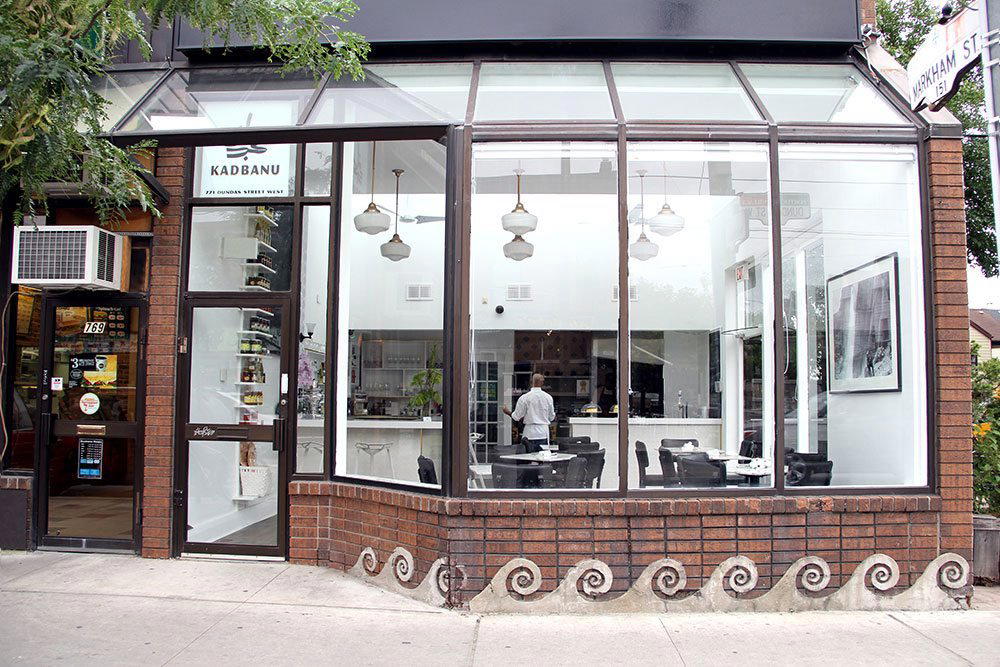
There is a particular kind of Toronto restaurant that exists outside the downtown tasting-menu circuit yet draws the same crowd of people who care deeply about what ends up in their glass. Dundas Street West, between Ossington and Dufferin, has become a reliable address for that format. The street runs through a neighbourhood that has shifted incrementally over the past decade, accumulating wine bars, chef-driven kitchens, and a dining culture that prizes familiarity over spectacle. Kadbanu is a Casual Persian Café at 771 Dundas St W in Toronto, and it sits inside that pattern. The address alone signals something about the restaurant's priorities: not the financial district's expense-account tables, not King West's see-and-be-seen room, but a west-end block where the regulars know the staff and the staff know what the regulars drink.
Toronto's dining scene has matured into distinct tiers. At the leading bracket, places like Alo (Contemporary) and Sushi Masaki Saito (Sushi, Japanese) command international attention and price accordingly. Further along the spectrum, Aburi Hana (Kaiseki, Japanese) and Don Alfonso 1890 (Contemporary Italian, Italian) occupy the formal fine-dining register. Kadbanu operates in a different register entirely, one where the transaction is less ceremonial but no less considered. That positioning has its own logic: lower overhead on Dundas West compared with the Entertainment District means the kitchen and cellar can absorb costs that would otherwise migrate directly onto the bill.
The Wine Argument on Dundas West
In Toronto, the restaurants that have built durable reputations outside the formal tasting-menu tier have almost universally done so through the quality of their wine programs. A kitchen can evolve a menu seasonally, but a wine list that reflects genuine curation takes years to build and carries institutional memory that a new sous-chef cannot simply replicate. The west end has become a minor concentration of that sensibility, with operators who treat the cellar as an editorial statement rather than a revenue line.
What separates a serious wine program from a decorative one is the selection logic. Anyone can list a Burgundy village wine or a Barolo from a reliable producer. The more meaningful signal is what sits beside those anchors: whether there is depth in a single appellation, whether natural and conventional producers coexist without ideological tension, whether by-the-glass pours rotate in response to what is drinking well rather than what needs to move. In the broader Canadian context, the wine programs worth tracking share a willingness to look beyond the commercial mainstream. Restaurant Pearl Morissette in Lincoln has built its identity almost entirely around that philosophy at the winery and table level. Tanière³ in Quebec City and Jérôme Ferrer - Europea in Montréal both demonstrate how a curated cellar can serve as a competitive differentiator in cities where the dining field has grown crowded. The expectation on Dundas West is not that a neighbourhood restaurant will match those reference points for depth, but that it will demonstrate a point of view.
For a restaurant at Kadbanu's address and neighbourhood positioning, the wine list functions as shorthand for how seriously the operation takes itself. Guests who pay attention to these signals tend to trust them. Those who don't will still eat and drink well; those who do will find the experience considerably richer.
What the Kitchen Signals
Across the Canadian dining scene, the restaurants that have demonstrated staying power share a common trait: the kitchen and the cellar are curated in the same key. Eigensinn Farm in Singhampton and Fogo Island Inn Dining Room in Joe Batt's Arm represent extreme expressions of that alignment, where geography and sourcing philosophy are inseparable from what arrives at the table. At a neighbourhood scale, the alignment is less dramatic but no less deliberate. A kitchen that takes its ingredients seriously tends to produce a menu that ages better than one built around trend-chasing, and a clientele that returns for that reason tends to be more forgiving of the occasional off night.
The west end of Toronto has produced a cluster of restaurants where that ethic is visible even in relatively modest formats. The neighbourhood's demographic mix, which includes long-term residents alongside more recent arrivals drawn by lower rents and the existing restaurant culture, has created a dining public that can support a serious kitchen without requiring the full ceremony of a tasting-menu format. DaNico (Italian) elsewhere in the city has demonstrated how Italian-influenced kitchens can hold a premium position without adopting the full fine-dining apparatus. The parallel at the neighbourhood level is smaller but follows similar logic.
Placing Kadbanu in the Broader Picture
Canada's dining geography has broadened considerably. AnnaLena in Vancouver, The Pine in Creemore, Cafe Brio in Victoria, and Narval in Rimouski all demonstrate that the country's most interesting restaurants are no longer concentrated in a handful of metropolitan neighborhoods. That dispersal has raised the average, and it has also made the comparison set for any given Toronto restaurant more demanding. A neighbourhood room on Dundas West is no longer competing only against other neighbourhood rooms on Dundas West; it is competing against a national expectation of what a serious Canadian restaurant looks like.
For context on what that looks like at the international level, Le Bernardin in New York City and Lazy Bear in San Francisco represent two different models of how a restaurant can anchor its identity in technique and hospitality respectively. Neither model translates directly to a west Toronto neighbourhood room, but both set a reference point for how conviction in a format reads across price tiers.
For a fuller picture of where Kadbanu sits within Toronto's broader dining options, the full Toronto restaurants guide provides comparative context across neighbourhoods and formats.
Planning a Visit
Kadbanu is located at 771 Dundas St W, accessible by the 505 Dundas streetcar with a stop within walking distance of the address. The Ossington strip to the east and the Dufferin corridor to the west provide the neighbourhood frame; the restaurant sits between those two commercial anchors. Weekend evenings on this stretch of Dundas fill reliably, and arriving without a reservation on a Friday or Saturday carries meaningful risk of a wait or a full room. Midweek visits tend to offer more flexibility and, anecdotally in west-end restaurants of this type, more attentive service when the room is at partial capacity.
A Credentials Check
Comparable venues nearby, for context on price, style, and recognition.
| Venue | Cuisine | Price | Notes |
|---|---|---|---|
| KadbanuThis venue — the venue you are viewing | Casual Persian Café | $$ | Not listed |
| Takht-e Tavoos Restaurant | Traditional Persian Breakfast & Brunch | $$ | Little Portugal |
| Rayah | French-Moroccan | $$ | Cabbagetown |
| Laylak Lebanese Cuisine Toronto | Modern Lebanese Fine Dining | $$$ | Church-Yonge Corridor |
| Papyrus | Authentic Egyptian | $$ | Playter Estates-Danforth |
| Peter Pan Bistro | Modern French Bistro | $$ | Kensington-Chinatown |
Continue exploring
More in Toronto
Restaurants in Toronto
Browse all →
Bars in Toronto
Browse all →
Hotels in Toronto
Browse all →

At a Glance
- Cozy
- Casual
- Intimate
- Brunch
- Casual Hangout
- Open Kitchen
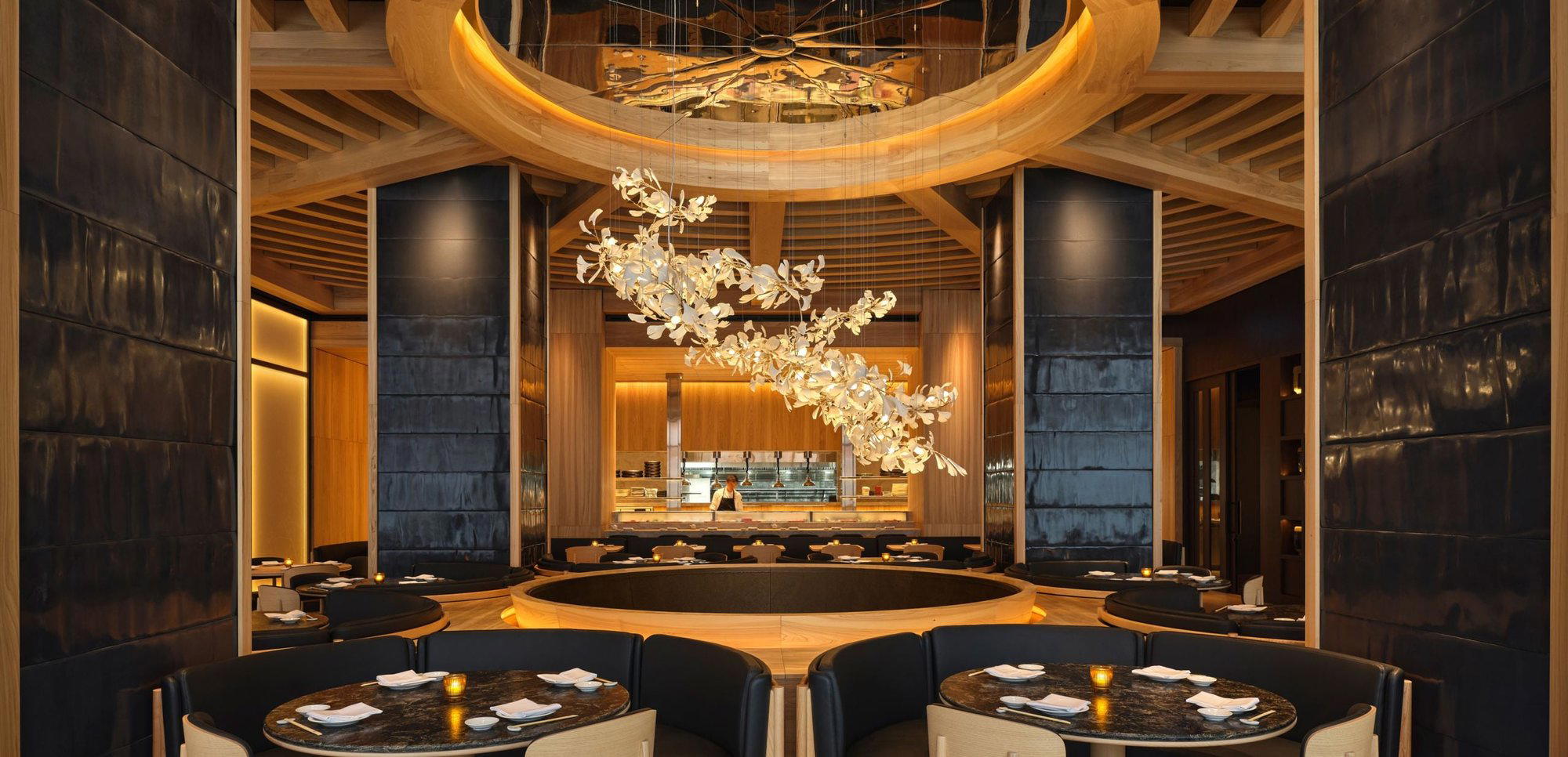
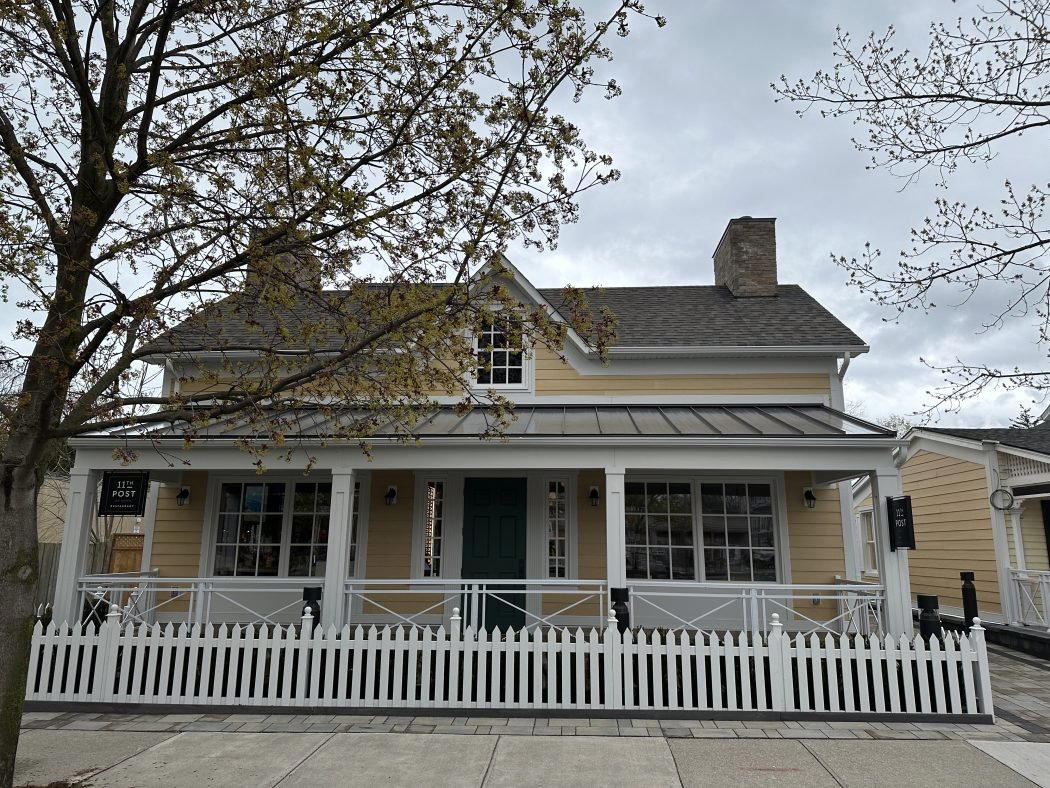
Bright and inviting space with large windows, sit-down bar, and interactive open kitchen view.