
Kobe’s Motomachi area gives Chinese cooking a different frame from the city’s steak-house stereotype: more neighbourhood dining room than spectacle. Juntoku sits in that register, a Cantonese-leaning Chinese restaurant selected for Tabelog Chinese WEST “Tabelog 100” in 2021, 2024, and 2026, with fish-led cooking, group-friendly rooms, and a local rhythm that suits lunch as much as dinner.
Pearl is the En Primeur Club membership app — saves, bookings, and concierge access live there. Same editors, same standards.
- Address
- 3 Chome-4-7 Kitanagasadori, Chuo Ward, Kobe, Hyogo 650-0012, Japan
- Phone
- +81 78-331-5320
- Website
- tabelog.com
 Saves & bookings on Pearl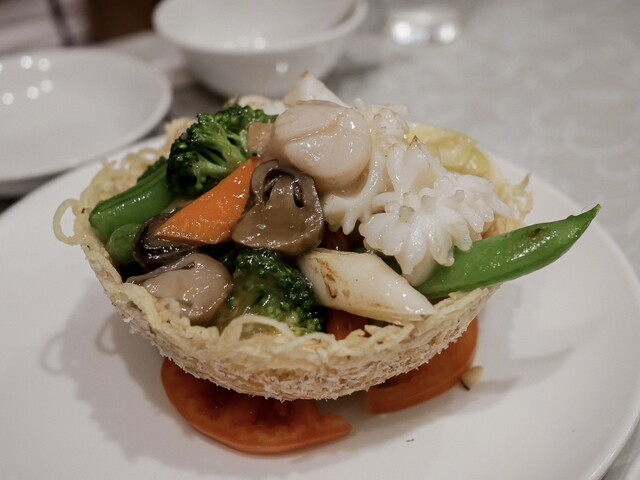
Motomachi is where Kobe’s appetite starts to look less scripted. The station area moves quickly from shopping streets and coffee counters into side lanes where Chinese dining rooms, old kissaten, family tables, and beef specialists sit within a few blocks of one another. That compactness matters: Kobe’s Chinese food is not an isolated Chinatown performance here, but part of the same daily circuit as department-store errands, after-work meals, and weekend family gatherings.
Juntoku belongs to that Motomachi register. Its recognition on Tabelog Chinese WEST “Tabelog 100” in 2021, 2024, and 2026 places it among a regional group of Chinese restaurants valued for consistency rather than novelty. In a city often flattened by the phrase “Kobe beef,” that signal is useful. It points visitors toward a different local habit: Chinese meals built for sharing, repeat ordering, and a room that can absorb both small groups and larger tables without turning dinner into ceremony.
Motomachi Chinese dining, away from the steak-house script
Kobe’s port history has long made Chinese food part of the city’s everyday dining grammar. Around Motomachi, that grammar is practical rather than theatrical: Cantonese influence, seafood-led preferences, and group formats that work for families or friends. The category covers a broad spread. Rakkanki sits in a similar everyday price bracket, while Canton Ryori Chinese Shuka Toa rodo ten moves into a higher-spend tier. Mamounia and Motomachi Kissa show how close the area’s casual dining and café culture sit to Chinese tables, reinforcing how mixed the neighbourhood’s meal patterns are.
Against that background, Juntoku reads as a house-style Chinese restaurant rather than a tasting-menu destination. The listed emphasis on fish and Cantonese dishes using rehydrated ingredients such as scallops, sea cucumbers, and shark fin places the kitchen in a tradition where texture carries as much importance as seasoning. That is a useful distinction for travellers used to judging Chinese restaurants through heat, wok smoke, or luxury ingredients alone. In Cantonese cooking, restraint can be the point: dried seafood, careful soaking, and gelatinous textures often define the meal more than overt spice.
The award history also says something about the city’s standards. Tabelog’s Hyakumeiten selections tend to reward restaurants that earn sustained local use, not just international attention. Juntoku’s repeat appearances in 2021, 2024, and 2026 suggest a restaurant whose reputation has held across several cycles of assessment. That makes it a stronger Kobe dining clue than a single viral dish or chef-led narrative would be.
A room built for shared tables, not performance dining
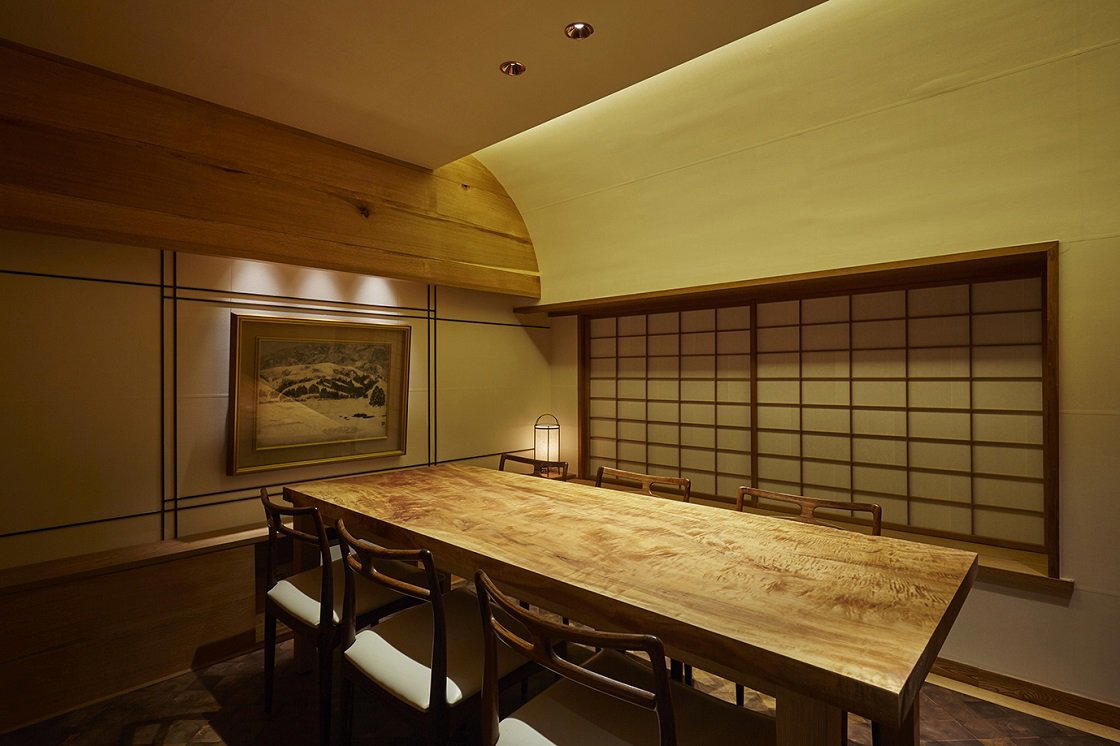
The format shapes the experience. With 80 seats, private rooms for 10 to 20 people, and private-use availability for 20 to 50, the restaurant sits closer to Kobe’s communal Chinese tradition than to counter-based precision dining. Semi-private rooms and tatami space make sense in this context: the meal is likely to be ordered across the table, paced by conversation, and suited to mixed generations. Children are welcomed, which further separates the room from the high-control atmosphere of many destination restaurants.
That scale also explains why the restaurant works for different kinds of Kobe itineraries. Travellers staying near Motomachi can treat it as a serious local Chinese meal without committing the evening to a formality-heavy dinner. Larger groups get a format that Kobe’s smaller specialist counters cannot easily handle. The presence of take-out adds another neighbourhood signal: this is not only a place for destination dining, but part of local meal infrastructure.
There are practical frictions worth treating as part of the decision. Payment is cash-oriented, with credit cards, electronic money, and QR code payments not accepted. Parking is unavailable, which is typical for central Motomachi but relevant for visitors coming from outside the core. Smoking rules are also specific: smoking is permitted on the first floor, and the second floor is not fully separated from rising smoke. For some diners that will be a minor detail; for others, especially families or allergy-sensitive guests, it should shape table choice.
Where it fits in a Kobe eating day
The smarter way to read Juntoku is not as an alternative to Kobe beef, but as a correction to a narrow Kobe itinerary. A day in the city can include beef, coffee, Chinese cooking, and port-neighbourhood wandering without forcing every meal into a single luxury narrative. For beef-focused planning, nearby EP Club entries such as Aburi Niku Kobo Wakkoku Shinkobe ten and Aburi Niku Kobo Wakkoqu Kitano Sakamoto Ten cover a different side of the city’s dining identity. For slower daytime pacing, Akaneya Coffee Ten, Akari, and Ali's Halal Kitchen show the range that sits beyond a single cuisine headline.
For broader planning, use Our full Kobe restaurants guide alongside Our full Kobe hotels guide, Our full Kobe bars guide, Our full Kobe wineries guide, and Our full Kobe experiences guide. Readers extending a Japan dining route can compare the Kobe mood with -Grilled beef Sukiyaki- KAMAKURA TANUKIAN 鎌倉 たぬき庵 in Kamakura. 鮪と炭火焼き うお炭 秋葉原店 in Tokyo.cafe in Osaka.know in Kumamoto, (Shoku) Vietnam in Kawasaki, and [Curry Senmon Ten] Maruyama Kyoju. in Sapporo. For a transpacific counterpoint to Japanese casual drinking and rice culture, Jōdo Saké Bar in Los Angeles and Onigiri Time in Pasadena widen the comparison without pretending they belong to the same category.
The verdict is clear enough: Juntoku is for travellers who want Kobe’s Chinese dining culture in a neighbourhood key, with enough recognition to justify the detour and enough everyday structure to avoid preciousness. The draw is not chef mythology or luxury theatre. It is Motomachi’s practical, shared-table version of Cantonese cooking, backed by repeat regional recognition and a room built for real groups.
The Quick Read
Side-by-side context: comparable cuisine and price.
| Venue | Cuisine | Price | Notes |
|---|---|---|---|
| JuntokuThis venue — the venue you are viewing | Chūō, Traditional Cantonese restaurant | $$ | Not listed |
| Gyoza Senmon Ten Shoun | Chūō, Gyoza and ramen shop | $ | Not listed |
| Ouraku En | Chūō, Chinese | $ | Not listed |
| Ngam Ngam Hou | Not listed | $$$ | Nada, Creative Cantonese & Sichuan Chinese |
| Akaneya Coffee Ten | Not listed | $$ | Chūō, Traditional Japanese coffee shop (kissaten) |
| FREUNDLIEB Ikuta ten | Not listed | $$ | Chūō, German-inspired bakery café in a historic church |
Recognition history
Dated appearances from independent guides and award organizations, with the underlying list record or original source where available.
Tabelog 100 #63 · No. 63
Tabelog · Tabelog 100 - Chinese cuisine - WEST - 2026
Continue exploring
More in Kobe
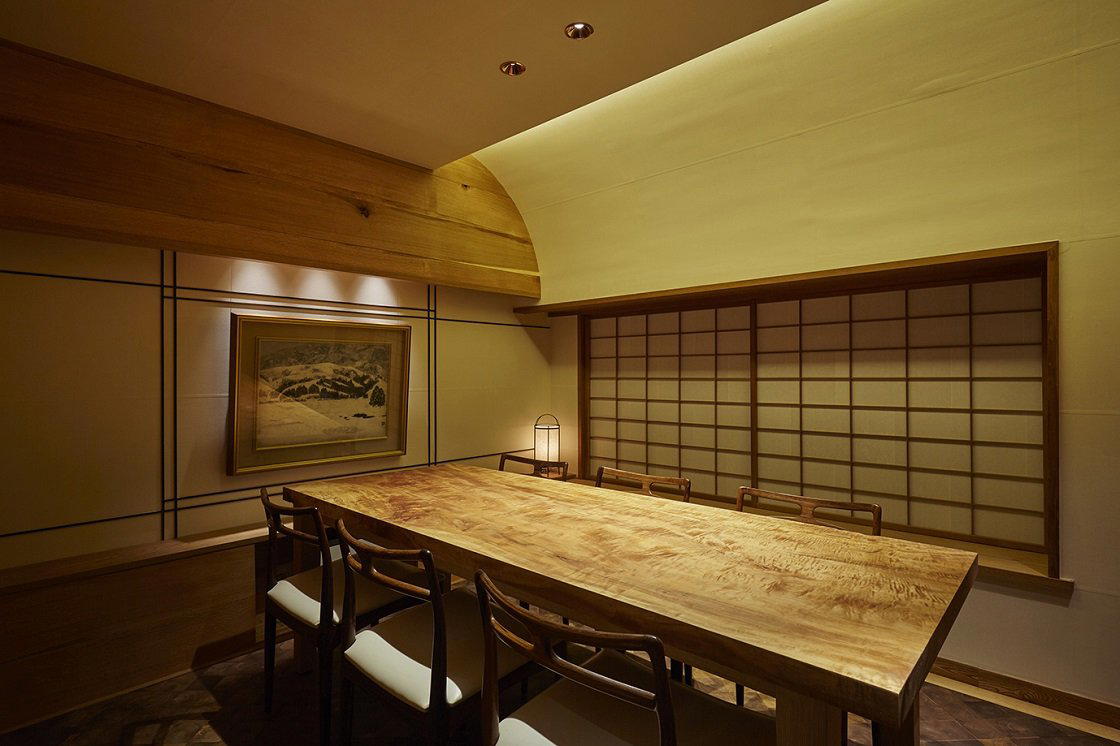
Restaurants in Kobe
Browse all →
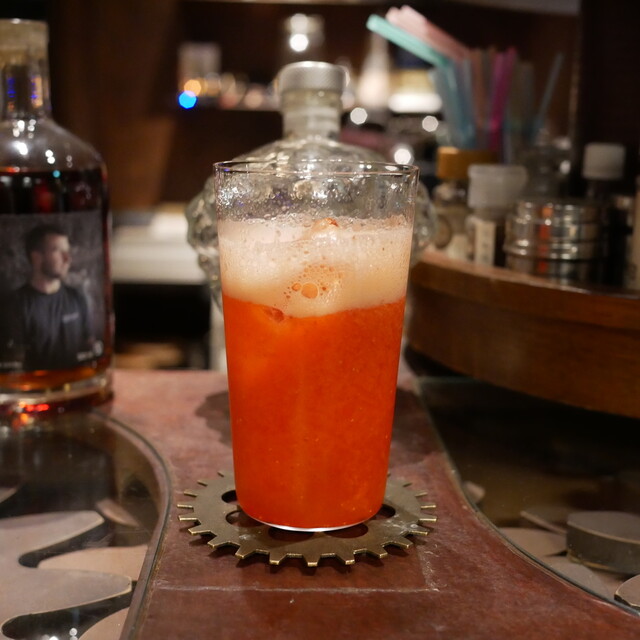
Bars in Kobe
Browse all →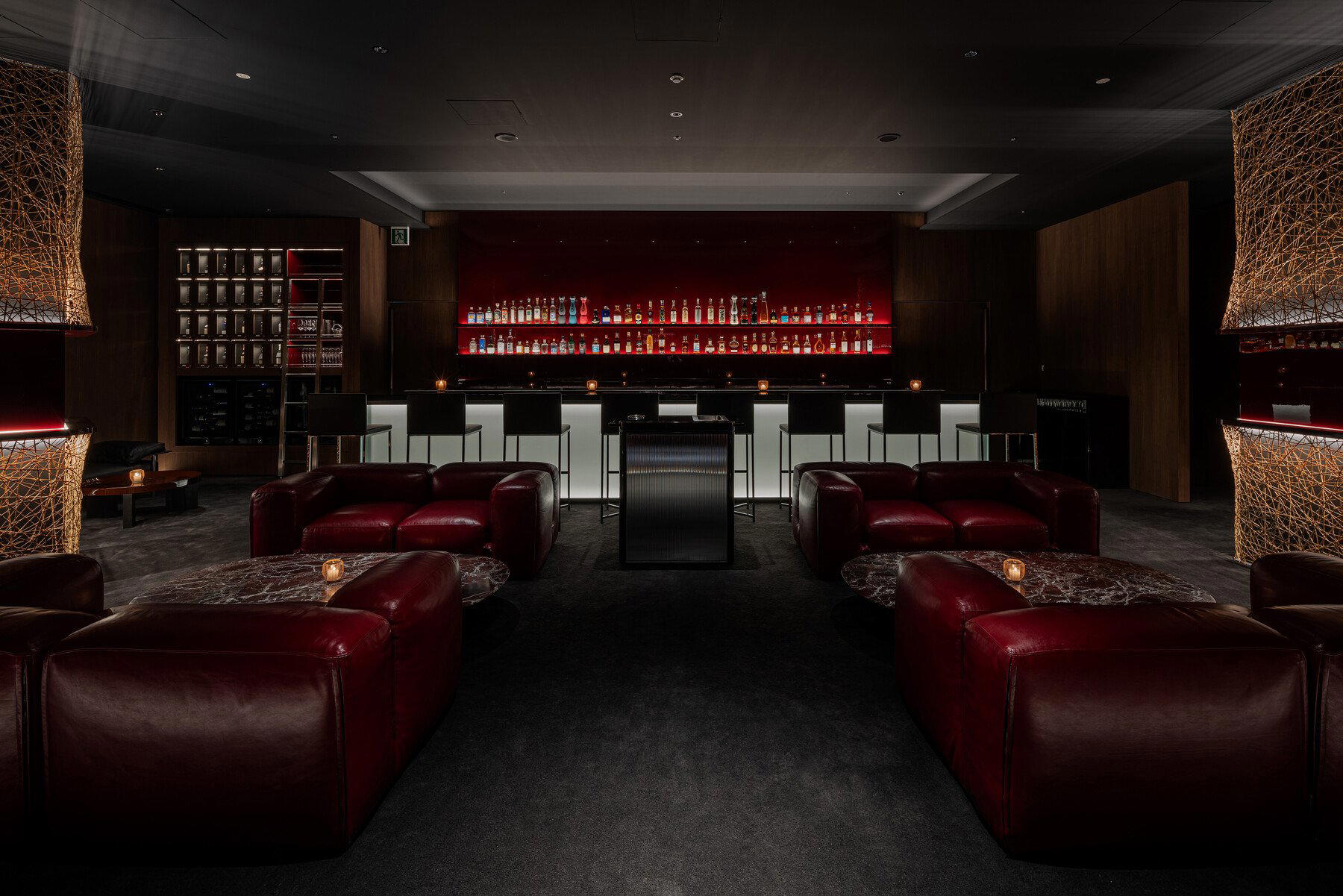



Hotels in Kobe
Browse all →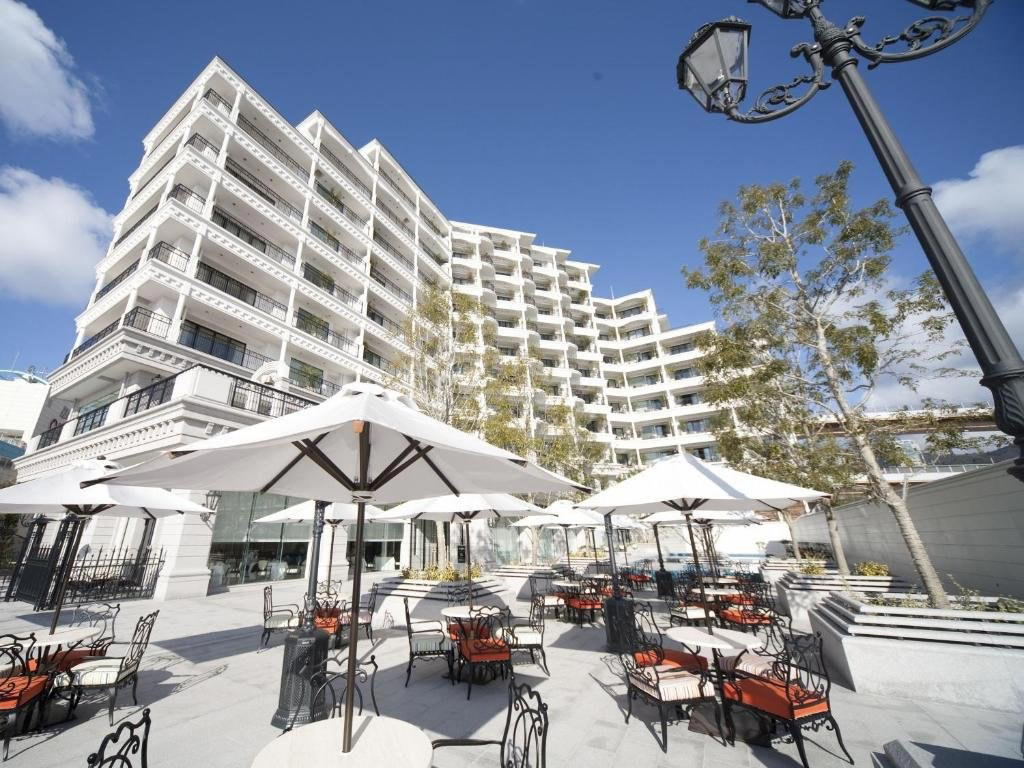


At a Glance
- Lively
- Classic
- Cozy
- Family
- Group Dining
- Casual Hangout
- Solo
- After Work
- Celebration
- Private Event
- Private Dining
- Standalone
Current opening hours
- Monday
- Closed
- Tuesday
- 11:30 AM–2:30 PM, 5–9 PM
- Wednesday
- 11:30 AM–2:30 PM, 5–9 PM
- Thursday
- 11:30 AM–2:30 PM, 5–9 PM
- Friday
- 11:30 AM–2:30 PM, 5–9 PM
- Saturday
- 11:30 AM–2:30 PM, 5–9 PM
- Sunday
- 11:30 AM–2:30 PM, 5–9 PM
Hours can change for holidays and private events. Last verified .
Busy, down-to-earth Chinese house-restaurant with relaxed seating, tatami rooms, and the feel of a classic neighborhood Cantonese spot rather than a formal dining room; atmosphere is casual and welcoming, suitable for families and groups.