
Kobe’s bread culture carries a particular weight because the port city absorbed Western baking earlier than many Japanese cities. FREUNDLIEB Ikuta ten sits in that lineage with a bread-and-cake format, take-out service, and Tabelog Bread WEST “Tabelog 100” 2022 selection, making it a useful stop for readers tracing Kobe beyond beef and formal dining.
Pearl is the En Primeur Club membership app — saves, bookings, and concierge access live there. Same editors, same standards.
- Address
- 4 Chome-6-15 Ikutacho, Chuo Ward, Kobe, Hyogo 651-0092, Japan
- Phone
- +81 78-231-6051
- Website
- freundlieb.jp
 Saves & bookings on Pearl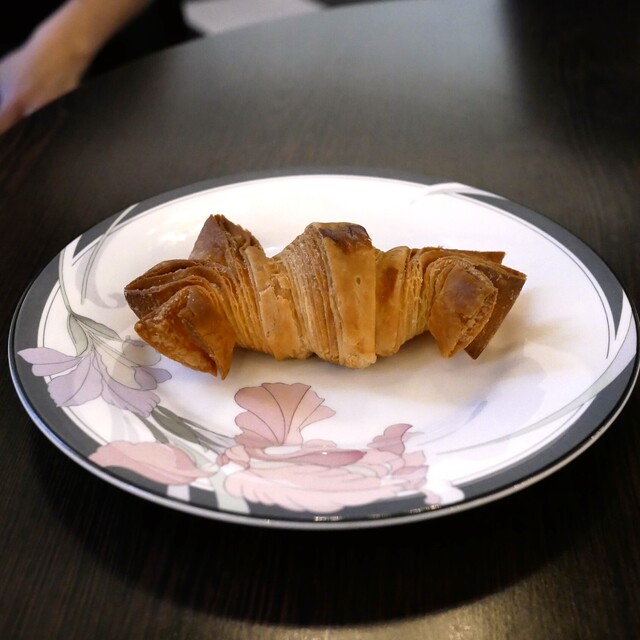
Approaching Kobe’s older bakery-café addresses, the city’s port history feels less like a museum note than a daily habit: bread counters, cake cases, coffee rooms, and take-out bags moving through Chuo Ward with the same seriousness other Japanese cities reserve for ramen queues. FREUNDLIEB Ikuta ten belongs to that side of Kobe, where Western baking is not an imported novelty but part of the city’s twentieth-century food grammar.
The menu architecture tells the story quickly. This is not a chef’s-counter restaurant built around courses, nor a dessert salon organized around spectacle. The format is bread and cake, with take-out built into the service model, which places it in Kobe’s practical bakery tradition rather than the city’s higher-spend dining tier. That matters for travelers: Kobe is often reduced to beef, but its stronger day-to-day food identity also runs through bakeries, kissaten, and compact cafés that speak to the city’s trading-port past.
Bread and cake as Kobe's quieter culinary inheritance
Kobe’s Western-facing food culture developed through contact, commerce, and migration, and bakery counters remain one of its clearest expressions. The presence of bread and cake on the same card reflects a Japanese bakery-café structure that is broader than a European boulangerie and less formal than a pâtisserie-only room. It gives the visitor a flexible reading of the city: breakfast provisions, afternoon coffee, and edible souvenirs can come from the same address.
FREUNDLIEB Ikuta ten has a specific credential within that category: selection for Tabelog Bread WEST “Tabelog 100” in 2022. In Japan, where Tabelog category lists can shape serious local dining research, that places the shop inside a regional bread conversation rather than merely a neighborhood convenience. The Tabelog score of 3.67 further signals a venue with sustained user attention in a category where small differences often separate habitual local addresses from destination bakery stops.
The founding date attached to the broader café history, 1924, gives the format added weight. Kobe’s prewar and postwar Western food culture is not a recent lifestyle layer; it has long sat beside Chinese, Japanese, and steakhouse traditions. In that context, a bread-and-cake address near Shin-Kobe reads as part of a longer urban pattern, not a decorative detour between sightseeing stops.
How the format compares with Kobe's higher-spend tables
The useful comparison is not only with other bakeries. Kobe’s dining map has several price and format bands, and this one occupies a lighter, lower-commitment register than beef counters, yakiniku rooms, or cocktail-led evening addresses. Cafe FREUNDLIEB Honten appears in a similar casual bakery-café spend band, while Yakiniku bue moves into a much higher dinner bracket. Grill Suematsu sits closer to everyday Western-style dining, Marutaka Chuka Soba Kobe Ninomiya Ninomiya ten anchors the quick noodle end of the spectrum, and Bar Ciccia belongs to the city’s later-day drinking and dining rhythm.
That spread explains why a bakery-café can be strategically useful in Kobe. A traveler can build a day around a lighter morning or afternoon stop, then reserve budget and appetite for beef or a more formal dinner. For nearby meat-focused options, Aburi Niku Kobo Wakkoku Shinkobe ten and Aburi Niku Kobo Wakkoqu Kitano Sakamoto Ten show the other side of Shin-Kobe dining: heavier spend, more protein-led pacing, and a different expectation of time at table.
The café tradition also has its own local logic. Akaneya Coffee Ten helps frame Kobe’s coffee-room culture, while addresses such as Akari and Ali's Halal Kitchen point to the city’s range beyond old Western influence. The better reading of FREUNDLIEB Ikuta ten is therefore not as a stand-alone bakery stop, but as one piece of a compact, multilingual port-city appetite.
Planning Kobe around a bakery stop
For travelers mapping a day in Chuo Ward, the strongest use case is timing rather than ceremony. The shop’s take-out function makes it easier to fold into a morning arrival, a Shin-Kobe transfer, or an afternoon between Kitano and Sannomiya. Reservations are available, but the category itself rewards a looser plan than Kobe’s beef rooms, where the meal is usually the main event.
Payment flexibility has also moved with Japanese retail habits: credit cards, electronic money, and QR payments including PayPay, d Barai, Rakuten Pay, and au PAY are accepted, with QR code payment noted from October 2024. That detail is not glamorous, but it is exactly the kind of operational shift that affects a traveler moving between cafés, stations, and small food purchases in Japan.
For a broader itinerary, use Our full Kobe restaurants guide for dining, Our full Kobe hotels guide for where to stay, Our full Kobe bars guide for evening planning, Our full Kobe wineries guide for regional drinking context, and Our full Kobe experiences guide for cultural scheduling. Readers comparing Japanese casual formats beyond Kobe can also look at -Grilled beef Sukiyaki- KAMAKURA TANUKIAN 鎌倉 たぬき庵 in Kamakura. 鮪と炭火焼き うお炭 秋葉原店 in Tokyo.cafe in Osaka.know in Kumamoto, (Shoku) Vietnam in Kawasaki, [Curry Senmon Ten] Maruyama Kyoju. in Sapporo, Jōdo Saké Bar in Los Angeles, and Onigiri Time in Pasadena.
The editorial value here is proportion. The restaurant is not trying to compete with Kobe’s formal dining rooms; it gives access to another civic appetite, one built around bread, cake, coffee-adjacent habits, and the portability that defines much of Japan’s everyday eating. In a city too often summarized by steak, that smaller format carries more cultural information than its spend suggests.
Comparable Options
Comparable venues by category and price.
| Venue | Cuisine | Price | Notes |
|---|---|---|---|
| FREUNDLIEB Ikuta tenThis venue — the venue you are viewing | German-inspired bakery café in a historic church | $$ | Not listed |
| Kisetsu Ippin Ryori Fujiwara | Seasonal Japanese Izakaya & Seafood | $$ | Chūō |
| HYOE'S BURGERS + FRIES | Specialty Smash Burgers & Fries | $$ | Chūō |
| Yoshokuya Yuuki | Japanese yoshoku (Western-style comfort food) | $$ | Hyōgo |
| Grill Ippei Motomachi ten | Traditional Kobe yoshoku grill | $$ | Chūō |
| Akari | Creative Japanese-inspired fusion | $$ | Chūō |
Recognition history
Dated appearances from independent guides and award organizations, with the underlying list record or original source where available.
Tabelog 100 #16 · No. 16
Tabelog · Tabelog 100 - Bread - WEST - 2022
Continue exploring
More in Kobe
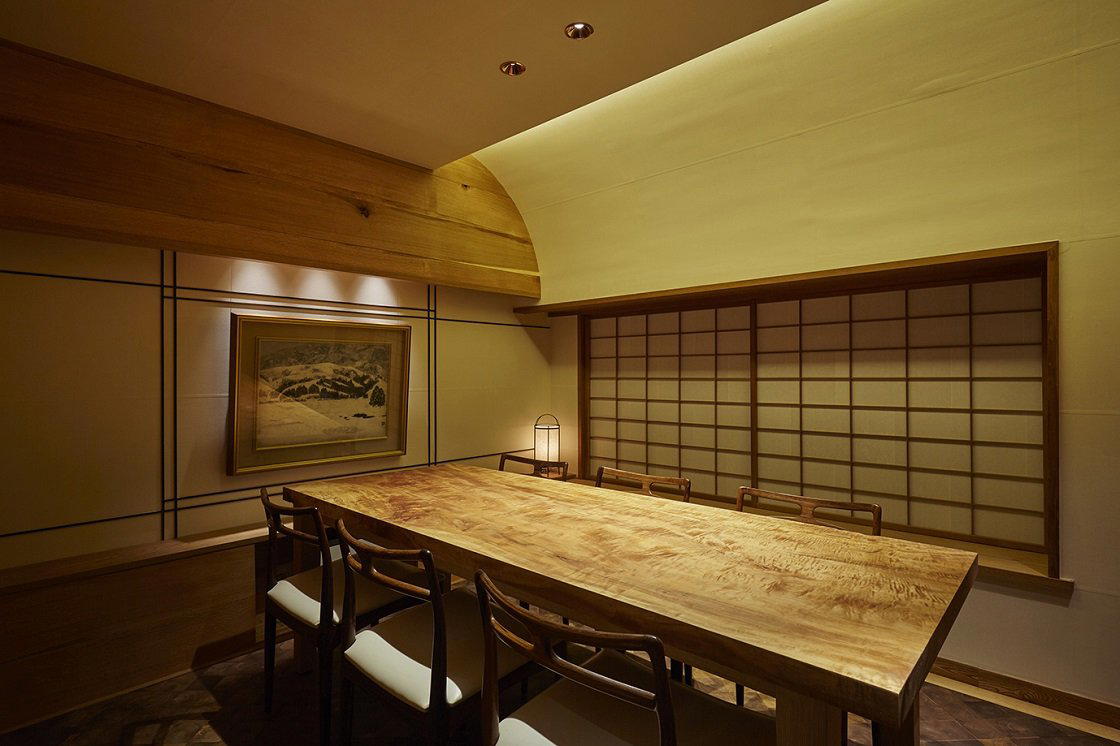
Restaurants in Kobe
Browse all →
Bars in Kobe
Browse all →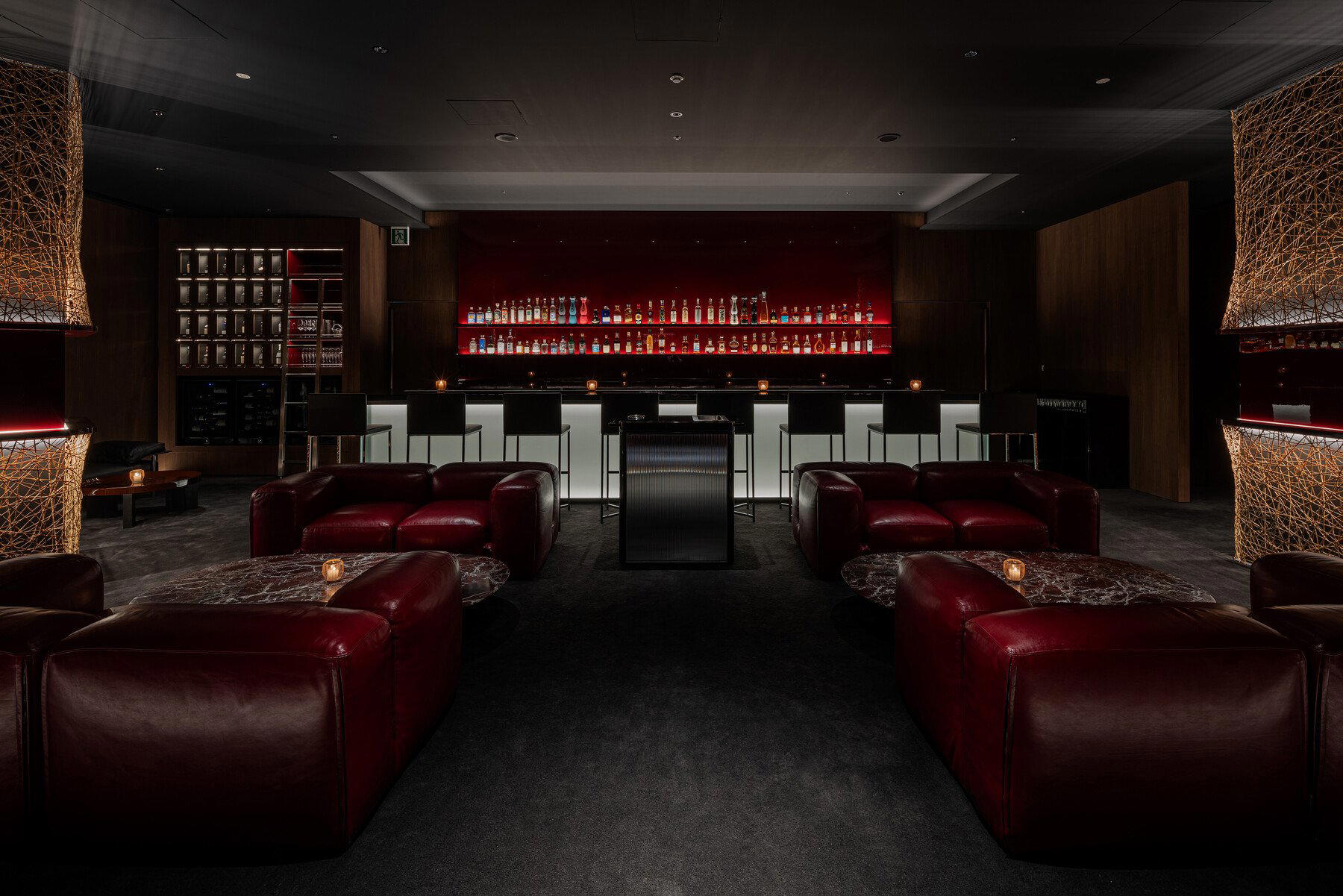



Hotels in Kobe
Browse all →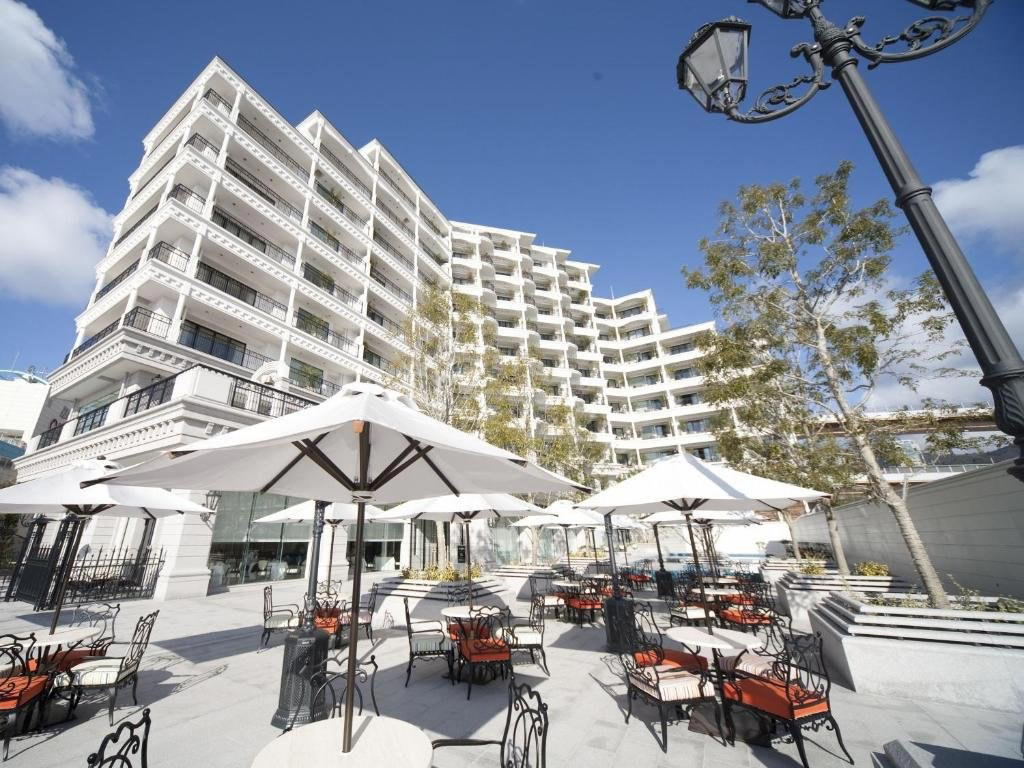


At a Glance
- Classic
- Cozy
- Scenic
- Well Known
- Brunch
- Casual Hangout
- Solo
- Family
- After Work
- Historic Building
- Design Destination
- Standalone
- Street Scene
Current opening hours
- Monday
- 10 AM–6 PM
- Tuesday
- 10 AM–6 PM
- Wednesday
- Closed
- Thursday
- 10 AM–6 PM
- Friday
- 10 AM–6 PM
- Saturday
- 10 AM–6 PM
- Sunday
- 10 AM–6 PM
Hours can change for holidays and private events. Last verified .
High ceilings, arched windows, and church-style architecture create an airy, light-filled dining room that feels calm and slightly reverent, with a relaxed café buzz rather than a noisy restaurant atmosphere.