
Ouraku En places Kobe’s Chinese and Sichuan cooking in a compact, ritual-driven register rather than a banquet-room frame. Its 2026 Tabelog 100 selection for Chinese cuisine in western Japan, 12-seat scale, and Hanakuma setting make it a small-format counterpoint to the city’s beef-led dining reputation.
Pearl is the En Primeur Club membership app — saves, bookings, and concierge access live there. Same editors, same standards.
- Address
- Japan, 〒650-0012 Hyogo, Kobe, Chuo Ward, Kitanagasadori, 7 Chome−1−27 中原マンション 202
- Phone
- +81 90-3927-2637
- Website
- instagram.com
 Saves & bookings on Pearl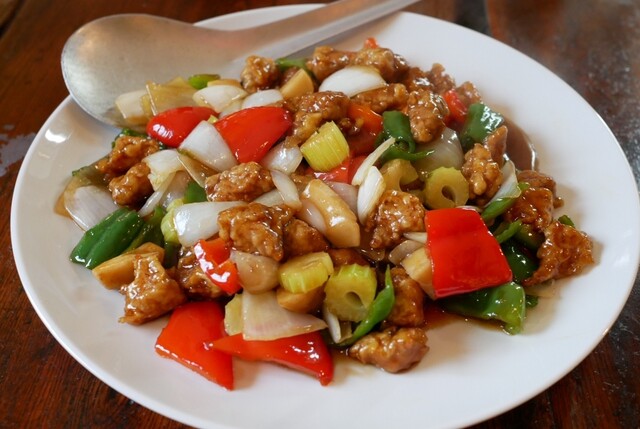
The approach to Kobe dining often begins with beef, polished hotel rooms, and port-city nostalgia. Ouraku En asks for a different tempo: a small Chinese and Sichuan table where the meal’s rhythm matters as much as the category on the sign. In a city that can lean heavily on steakhouse ceremony, this is the quieter ritual of shared plates, heat management, and pacing, the kind of dinner where the table decides the evening rather than the room performing around it.
Kobe’s strength as a food city is its range at close quarters. A visitor can move from coffee-room tradition at Akaneya Coffee Ten to beef specialists such as Aburi Niku Kobo Wakkoku Shinkobe ten and Aburi Niku Kobo Wakkoqu Kitano Sakamoto Ten, then into small-format cooking that does not need a grand dining room to carry authority. That breadth is the point: the city’s serious meals are not confined to marble counters or wagyu menus.
Chinese and Sichuan cooking in Kobe, read through the meal's pace
Chinese dining in Japan often splits between hotel Cantonese formality, neighborhood chuka comfort, and more focused regional cooking. Sichuan-influenced restaurants occupy a useful middle ground: accessible enough for repeat local dining, but technical enough that balance, sequence, and restraint become visible. The meal is less about a single plated centerpiece than the conversation between dishes, rice, drinks, spice, and pause.
Ouraku En sits in that smaller tier. Its selection for Tabelog 100 Chinese cuisine WEST 2026 gives it a public signal beyond neighborhood familiarity, while the listed Chinese and Sichuan categories place it in a competitive set that differs from Kobe’s better-known beef addresses. The Tabelog score of 3.57 is not a Michelin-style verdict, but in Japan’s restaurant culture it signals sustained local attention, especially for a compact room outside the usual luxury-hotel circuit.
The ritual here is table-led rather than course-led. Chinese and Sichuan meals reward ordering with contrast in mind: heat against relief, fried or wok-driven textures against softer dishes, alcohol or tea against oil and spice. That is a different grammar from omakase or tasting-menu dining, where the kitchen fixes the arc in advance. At a small Kobe address, the advantage is intimacy of scale; the risk is that diners expecting a scripted luxury format may miss the pleasure of a meal built through accumulation.
A 12-seat room changes the etiquette
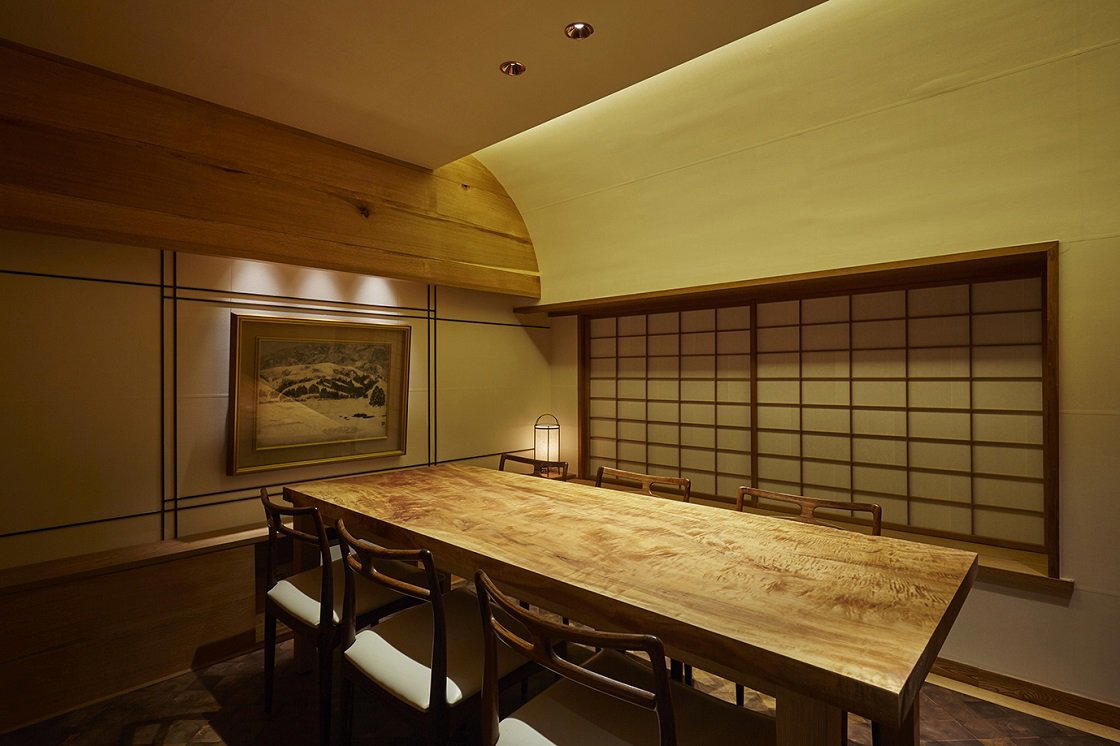
Scale affects behavior. A 12-seat restaurant with sofa and round-table seating does not function like a high-volume Chinese dining hall, nor like a silent counter. The compact format pushes etiquette toward consideration: arrive as a complete party, order with the table rather than as isolated individuals, and avoid treating spice as spectacle. In this kind of room, the meal works when diners let the kitchen’s categories guide them but keep the table balanced.
The drink setup also points to a practical, local style of dining rather than a glossy international template. Shochu and wine are listed, and the house notes a self-service paid-later system for drinks, with soft drinks generally free and corkage to be discussed when bringing bottles. That matters because it changes the feel of the evening: less sommelier choreography, more informal management of the table’s own pace. It also suits Sichuan cooking, where drink choices often act as relief, reset, or continuation rather than ornament.
Payment and access customs are part of the same etiquette. Cash planning matters in small Japanese restaurants that do not take cards or electronic payments. Reservation rules also shape the experience before arrival, though the body of the meal remains the point: this is not a walk-in grazing stop to fold casually between attractions. It belongs to the category of small restaurants where the diner’s preparation is part of the contract.
Where it fits in a Kobe eating itinerary
The useful comparison is not only with other Chinese restaurants. Kobe’s dining map is built from sharply different moods: inexpensive standing-style or casual meals, old-school yoshoku, polished beef counters, cakes, coffee, and small specialist rooms. Compared with low-cost local fixtures such as Le Shmiki, BRISK STAND Koube honten, Mama no Eranda Motomachi Cake Motomachi honten, and Yoshoku no Asahi, Ouraku En occupies a more deliberate dinner slot. Compared with a higher-spend Kobe address such as Mangetsu, it reads as compact and focused rather than expansive.
That makes it useful for travelers who already understand Kobe beyond the postcard. A beef dinner can explain the city’s export identity; a Sichuan-Chinese meal of this scale explains how local dining actually diversifies. Pair the decision with neighborhood-level planning through Our full Kobe restaurants guide, then build the rest of the trip through Our full Kobe hotels guide, Our full Kobe bars guide, Our full Kobe wineries guide, and Our full Kobe experiences guide.
For a broader read on how Japan’s regional dining pages range across price, format, and cuisine, compare Kobe’s small-room cooking with Akari, Ali's Halal Kitchen, -Grilled beef Sukiyaki- KAMAKURA TANUKIAN 鎌倉 たぬき庵 in Kamakura. 鮪と炭火焼き うお炭 秋葉原店 in Tokyo.cafe in Osaka.know in Kumamoto, (Shoku) Vietnam in Kawasaki, [Curry Senmon Ten] Maruyama Kyoju. in Sapporo, Jōdo Saké Bar in Los Angeles, and Onigiri Time in Pasadena. The pattern is useful: serious meals are often defined less by luxury signals than by format discipline, local demand, and the customs expected once seated.
The editorial case for the restaurant is not that it replaces Kobe’s classic beef dinner. It gives the city a second register: Chinese and Sichuan cooking handled at small scale, recognized in a western-Japan award list, and shaped by the communal etiquette of the table. For travelers building a dining itinerary with contrast, that is the argument.
What It’s Closest To
Comparable venues to calibrate price, style, and recognition.
| Venue | Cuisine | Price | Notes |
|---|---|---|---|
| Ouraku En | Chinese | $ | Chūō |
| Rakkanki | Chinese Xiaolongbao | $$ | Chūō |
| Koga Ryuseimen | Ramen & Tsukemen | $ | Higashinada |
| Kyuan | Traditional Soba Noodle Shop | $ | Hyōgo |
| Kanmidokoro Akachaya | Japanese sweets & kakigori cafe | $ | Nada |
| Gyoza-ya Manen Sannomiya ten ( 1 gou ten ) | Chinese dumpling house | $ | Chūō |
Recognition history
Dated appearances from independent guides and award organizations, with the underlying list record or original source where available.
Tabelog 100 #10 · No. 10
Tabelog · Tabelog 100 - Chinese cuisine - WEST - 2026







At a Glance
- Classic
- Casual
- Family
- Casual Hangout
- Group Dining
- Standalone
Current opening hours
- Monday
- 5–10 PM
- Tuesday
- 5–10 PM
- Wednesday
- 5–10 PM
- Thursday
- Closed
- Friday
- 5–10 PM
- Saturday
- 5–10 PM
- Sunday
- 5–10 PM
Hours can change for holidays and private events. Last verified .
Casual, local, and family-friendly Chinese dining with an informal neighborhood feel.