
A 10-seat counter near Sannomiya, Gyoza Senmon Ten Shoun puts Kobe’s casual dumpling culture into a tight, low-spend format. Tabelog selected it for its Dumplings 100 list in 2019, 2021, and 2024, giving a modest gyoza shop the kind of recognition usually associated with far costlier rooms.
Pearl is the En Primeur Club membership app — saves, bookings, and concierge access live there. Same editors, same standards.
- Address
- 北上ホテル, 1F, 4 Chome-8-19 Kanocho, Chuo Ward, Kobe, Hyogo 650-0001, Japan
- Phone
- +81 78-393-0396
- Website
- adaptable.maeda-keiji.com
 Saves & bookings on Pearl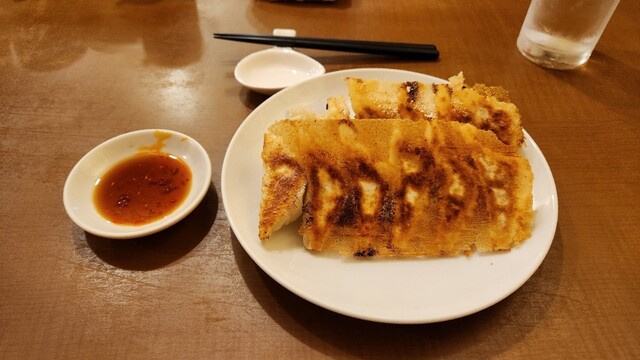
The room belongs to the compact side of Kobe dining: a counter, a small footprint on the first floor of Kitakami Hotel, and the direct tempo of a specialist shop rather than a long-menu restaurant. Around Sannomiya, where steak counters and late-night drinking rooms often define the visitor map, gyoza sits in a different register: quick, affordable, sociable, and judged less by ceremony than by repeatability.
Gyoza Senmon Ten Shoun matters because that modest format has been singled out repeatedly. Tabelog selected it for the Dumplings 100 list in 2019, 2021, and 2024, and the current score sits at 3.53. Those numbers do not turn a counter into a grand restaurant; they do something more useful for travellers. They identify a low-cost category where small differences in wrapper, pan work, pacing, and turnover separate destination specialists from interchangeable station-area stops.
A Kobe gyoza counter with steak-city economics turned upside down
Kobe’s dining reputation is often priced through beef. In the same city, comparison rooms such as Teppanyaki Sogo sit in the JPY 20,000 to JPY 29,999 dinner bracket, while Yakitori Bonsan occupies the JPY 10,000 to JPY 14,999 range. Against that backdrop, a dumpling counter priced around JPY 1,000 to JPY 1,999 changes the calculation. The appeal is not thrift alone; it is the chance to read a city through a format locals use casually, without paying for theatre.
The specialist signal is also clearer here than at broad izakaya-style addresses. The listed categories are dumpling and ramen, with shochu among the drinks, which places the meal in the familiar Japanese after-work zone: a plate-led counter, a drink if the evening calls for it, and little need to stretch the occasion. For travellers building a Kobe eating day, that makes it a useful counterweight to beef-heavy reservations, coffee breaks, and bar-led nights.
The counter-only scale is part of the value proposition. Ten seats compress the room’s rhythm and keep the format close to the pan. That can be less forgiving for groups, but it suits pairs or solo diners who want a focused stop rather than a long sitting. In Kobe’s centre, the difference between a specialist and a generalist often comes down to this kind of constraint: fewer seats, narrower category, stronger identity.
Why the recognition carries weight at this price
Tabelog’s Hyakumeiten lists tend to be useful in categories where Michelin-style coverage is thinner or less relevant to everyday eating. Dumplings are exactly that kind of field. A Tabelog 100 Dumplings selection tells the reader that the shop has been filtered through a national platform with category-specific attention, not merely grouped with nearby casual restaurants. Repeated selection across 2019, 2021, and 2024 gives the signal more durability than a single-year mention.
That matters in Sannomiya because convenience can blur judgment. Station-adjacent food districts reward proximity, speed, and habit; many places are chosen because they are open, close, and easy. Here, the award history gives a firmer reason to choose a small dumpling counter on purpose. It also helps set expectations: this is not a luxury meal disguised as street food, nor a chef-driven tasting format. It is a recognised specialist operating in a price band where precision is usually paid for in repeat visits rather than ceremony.
The broader Kobe itinerary benefits from that contrast. A traveller might read the city through beef at Aburi Niku Kobo Wakkoku Shinkobe ten or Aburi Niku Kobo Wakkoqu Kitano Sakamoto Ten, then use a dumpling counter to reset the scale. Coffee culture adds another register at Akaneya Coffee Ten, while Akari and Ali's Halal Kitchen point to the city’s wider casual range. For broader planning, see Our full Kobe restaurants guide, Our full Kobe hotels guide, Our full Kobe bars guide, Our full Kobe wineries guide, and Our full Kobe experiences guide.
How to fit it into a Sannomiya evening
The practical read is simple: treat this as a compact dinner or early evening stop, not a sprawling group meal. Reservations are unavailable, the shop runs Monday through Saturday evenings and closes Sunday, and payment is cash-only. Private rooms are not part of the setup, parking is unavailable, and the counter format rewards smaller parties. The location near Sannomiya Station makes it easier to pair with a second stop, but the limited seating means timing has real consequences.
For a premium-travel reader, the point is not that this replaces Kobe’s higher-spend restaurants. It does not. It performs a different task: it gives a priced-down, award-recognised snapshot of local dumpling culture in a district where visitors often default to beef. That is a strong editorial argument for including it in a Kobe dining plan, especially when the rest of the trip already carries heavier reservations.
Readers comparing Japan’s casual specialist formats beyond Kobe can place it alongside different low-ceremony addresses, from -Grilled beef Sukiyaki- KAMAKURA TANUKIAN 鎌倉 たぬき庵 in Kamakura and. 鮪と炭火焼き うお炭 秋葉原店 in Tokyo to.cafe in Osaka.know in Kumamoto, (Shoku) Vietnam in Kawasaki, and [Curry Senmon Ten] Maruyama Kyoju. in Sapporo. Outside Japan, the same small-format logic appears in focused Japanese-leaning stops such as Jōdo Saké Bar in Los Angeles and Onigiri Time in Pasadena, though the cultural grammar is different.
Recognition Snapshot
Comparable venues by cuisine and price in the same metro.
| Venue | Cuisine | Price | Notes |
|---|---|---|---|
| Gyoza Senmon Ten ShounThis venue — the venue you are viewing | Gyoza and ramen shop | $ | Not listed |
| Gyoza-ya Manen Sannomiya ten ( 1 gou ten ) | Chinese dumpling house | $ | Chūō |
| Gyoza Daigaku | Japanese Dumplings (Gyoza) | $ | Chūō |
| Le Shmiki | Cafe & cake shop | $ | Chūō |
| Fumi | Seafood Stand-Up Bar | $ | Hyōgo |
| Kyuan | Traditional Soba Noodle Shop | $ | Hyōgo |
Recognition history
Dated appearances from independent guides and award organizations, with the underlying list record or original source where available.
Tabelog 100 #26 · No. 26
Tabelog · Tabelog 100 - Dumplings - 2024
Continue exploring
More in Kobe
Restaurants in Kobe
Browse all →
Bars in Kobe
Browse all →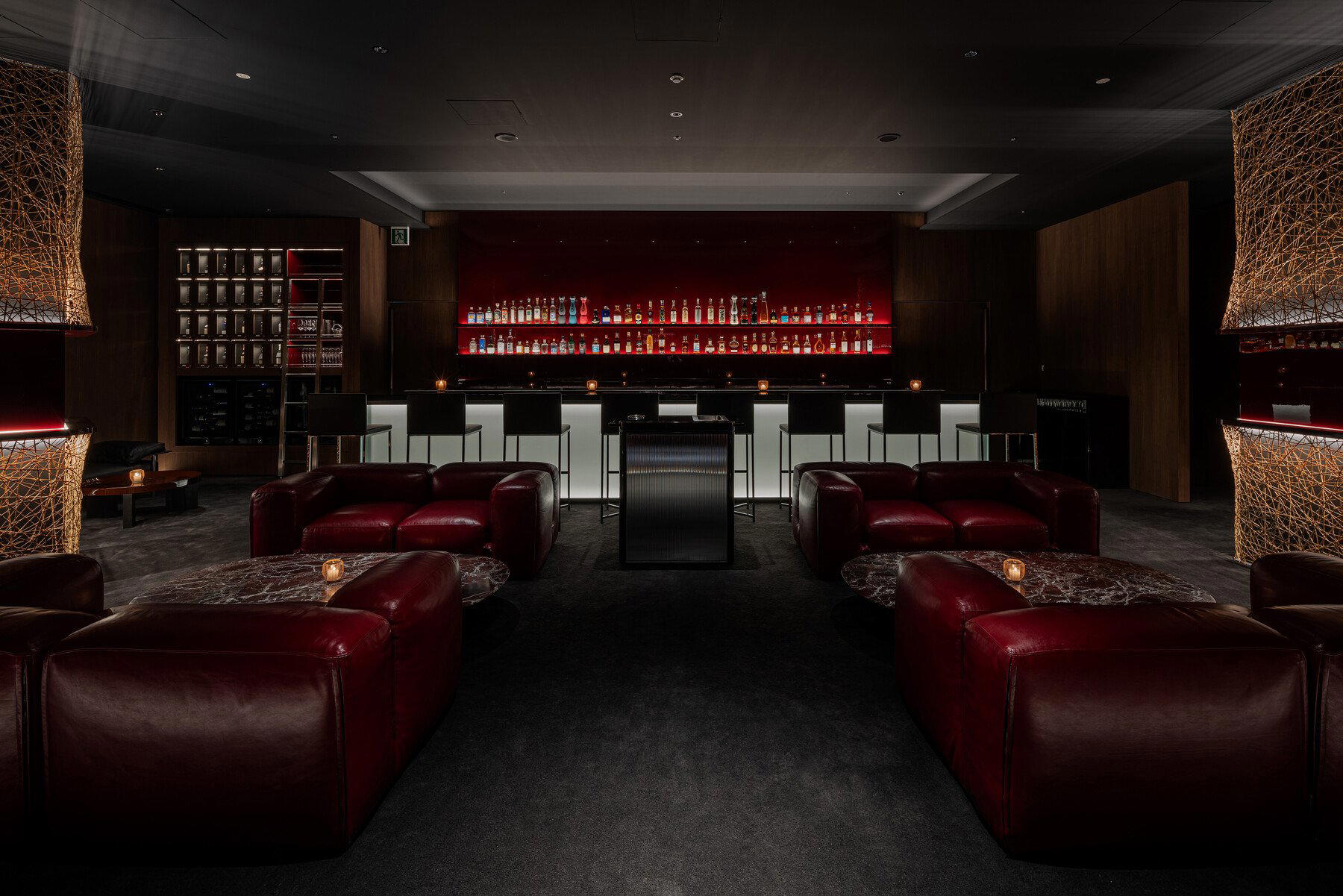



Hotels in Kobe
Browse all →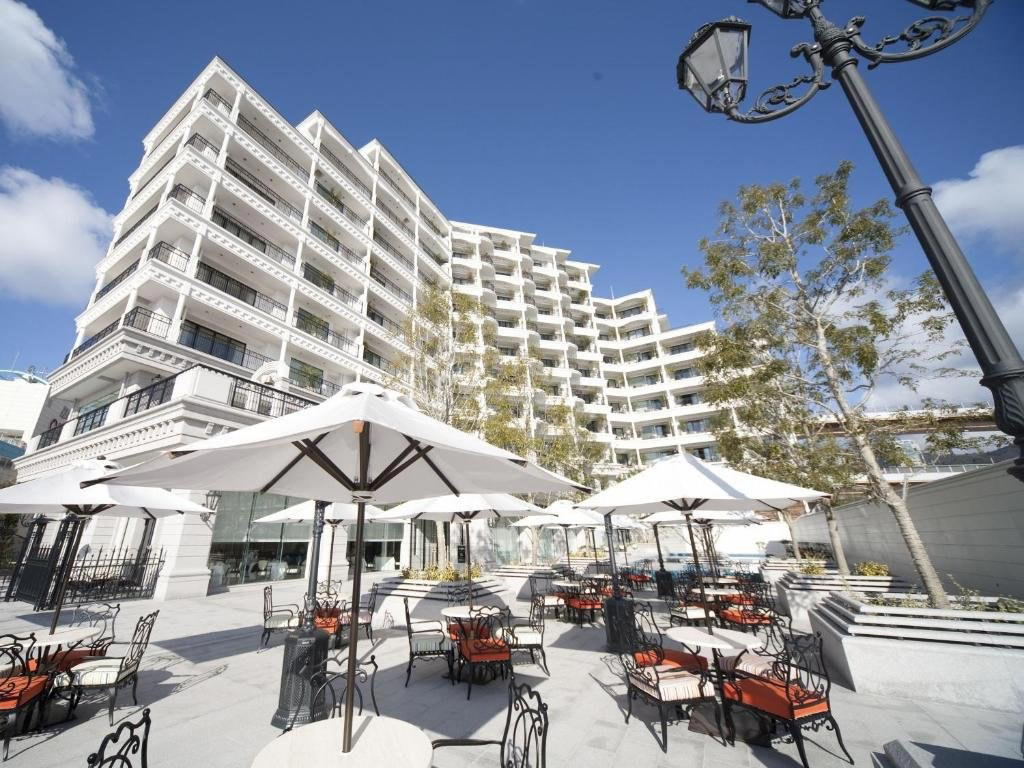


At a Glance
- Cozy
- Lively
- Solo
- Casual Hangout
- Late Night
- Standalone
Current opening hours
- Monday
- 5–9 PM
- Tuesday
- 5–9 PM
- Wednesday
- 5–9 PM
- Thursday
- 5–9 PM
- Friday
- 5–9 PM
- Saturday
- 5–9 PM
- Sunday
- Closed
Hours can change for holidays and private events. Last verified .
A simple, compact counter with about ten seats, bright and functional rather than decorative, often busy with solo diners and small parties enjoying quick plates of dumplings and ramen in a relaxed, no-frills atmosphere.