Mana occupies a quietly residential stretch of Moabit at Bremer Strasse 67, sitting at a remove from Berlin's more trafficked dining corridors. The address alone signals an intentional distance from the city's louder fine-dining circuit, placing it among a tier of Berlin restaurants where the room and the plate are expected to do the communicating. Advance planning is advisable for first-time visitors unfamiliar with the neighbourhood.
Pearl is the En Primeur Club membership app — saves, bookings, and concierge access live there. Same editors, same standards.
- Address
- Bremer Str. 67, 10551 Berlin, Germany
- Phone
- +493028697200
- Website
- mana-food.de
- Directions
- Get directions
 Saves & bookings on Pearl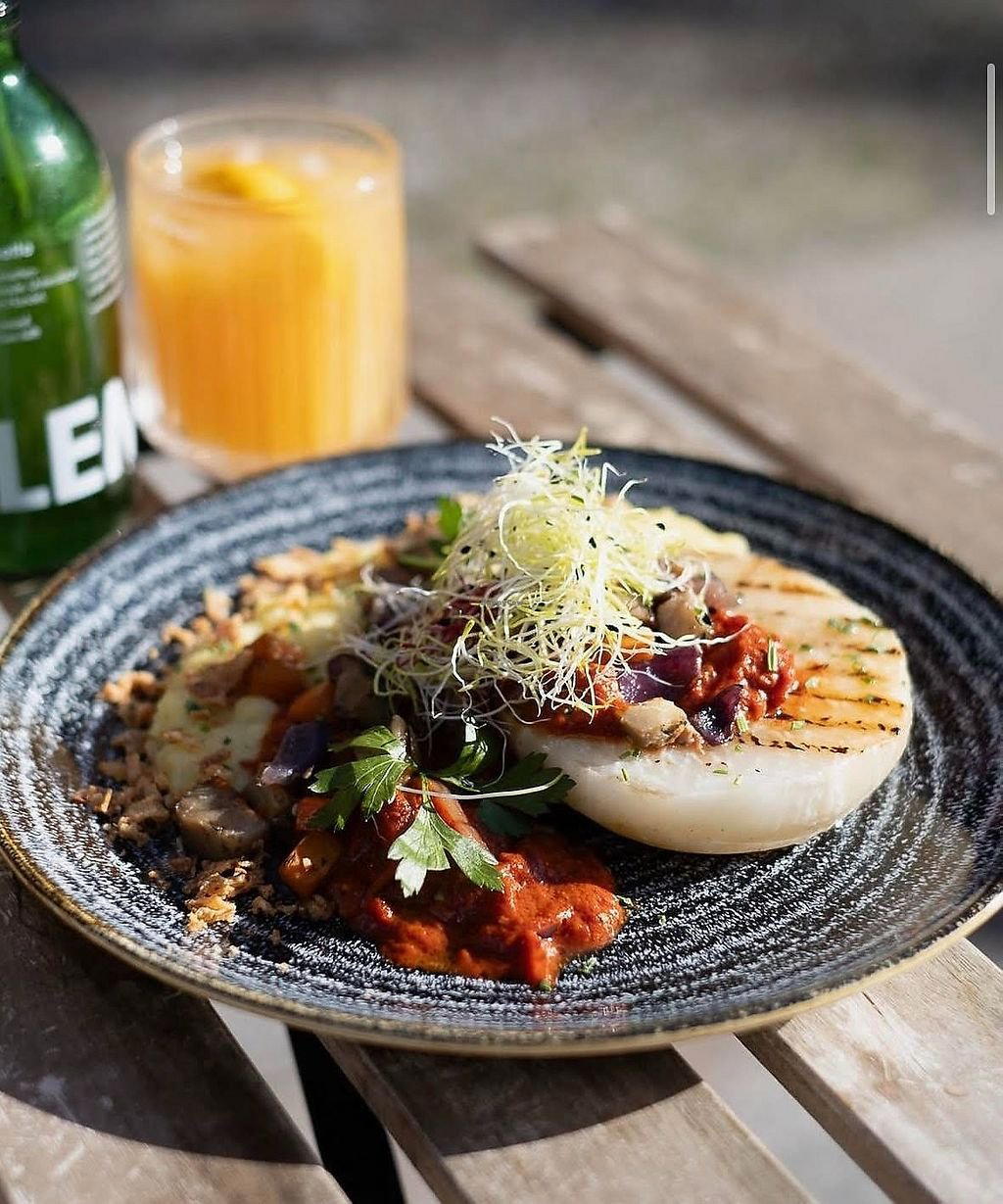
A Moabit Address and What It Signals
Mana is a vegan fusion restaurant in Berlin, Germany, with a casual dress code, walk-in-friendly service.
Berlin's serious restaurant scene has never been confined to Mitte or Prenzlauer Berg. A recurring pattern across the city's more considered dining addresses is the deliberate retreat from high-footfall corridors into quieter residential neighbourhoods, where rent pressure is lower and the clientele arrives with purpose rather than proximity. Moabit fits that template precisely. The district sits northwest of Tiergarten, bounded by the Spree and the Berlin-Spandau canal, and it carries the low-key density of a working neighbourhood that has seen only selective gentrification. Bremer Strasse 67, where Mana is located, lands in that quieter register: no marquee signage visible from a distance, no cluster of competing restaurants drawing foot traffic past the door.
That geographic remove is not incidental to how Berlin's independent dining culture operates.
The Sensory Register of the Neighbourhood Approach
What a Moabit arrival communicates, before any plate arrives, is a particular kind of quiet. Berlin's canal-side streets in this district have a stillness that the central neighbourhoods rarely offer after dark, and that environmental context shapes expectation before a guest crosses a threshold. The transition from a calm residential street into a focused dining room is a format choice that several of Germany's more considered restaurants have made deliberately. It concentrates the senses rather than dispersing them across ambient noise and competing visual stimuli.
For comparative reference, the sensory discipline that Berlin's Michelin-recognised tier consistently rewards is evident across venues including Rutz, where wine-led tasting menus operate in a room calibrated to remove distraction, and CODA Dessert Dining, which has built a two-Michelin-star programme around a format that rewards close attention. Mana's positioning in a low-stimulus neighbourhood fits the same pattern of design thinking.
Germany's restaurant scene beyond Munich and Hamburg has historically concentrated its critical recognition in smaller cities and rural addresses. Venues like Aqua in Wolfsburg, Schwarzwaldstube in Baiersbronn, and Victor's Fine Dining by Christian Bau in Perl have carried the country's highest Michelin distinctions for years. Berlin, by contrast, has built its reputation on a different kind of dining energy: conceptually ambitious, often less formally structured, and less dependent on classical French technique as the organising principle.
That context matters for how to read any independent address in Berlin's current scene. Restaurant Tim Raue made Berlin's case for two-star ambition through a distinctly non-European flavour architecture. Nobelhart & Schmutzig redefined what a tasting menu could look like when anchored to hyper-regional German produce and a counter format. These venues collectively established that Berlin's fine-dining tier operates by its own logic, and independent addresses like Mana sit within that tradition of conceptual independence rather than against it.
Across Germany's wider restaurant geography, the contrast is instructive. The formality of Vendôme in Bergisch Gladbach or the precision of Waldhotel Sonnora in Dreis represents one end of the country's fine-dining spectrum. Berlin's independent operators have consistently staked out the other end, where informality of service and intensity of concept coexist. For guests building a broader German itinerary, the contrast between a Berlin address and destinations like JAN in Munich or Restaurant Haerlin in Hamburg is part of what makes the city's dining scene worth approaching on its own terms.
Further afield, the comparison set extends internationally. Tasting-menu formats in the premium tier in New York, for instance at Atomix or the seafood-focused precision of Le Bernardin, operate within commercial and critical frameworks quite different from Berlin's. The city's independent dining circuit, anchored in neighbourhoods like Moabit, continues to offer an alternative model that prioritises concept density over formal production value.
Other German addresses rounding out the national picture include Schanz in Piesport, ES:SENZ in Grassau, and Bagatelle in Trier, each operating in smaller markets with distinct regional identities. Berlin's scale and cultural density give its independent operators a different kind of audience: internationally mobile, conceptually engaged, and less anchored to the ceremonial conventions that govern dining in more traditional fine-dining cities.
Cost Snapshot
Comparable venues nearby, for context on price, style, and recognition.
| Venue | Cuisine | Price | Notes |
|---|---|---|---|
| ManaThis venue — the venue you are viewing | Moabit, Vegan Fusion | $$ | Not listed |
| Kanal61 | Kreuzberg, Modern Bistro Sharing Plates | $$ | Not listed |
| Sathutu | Not listed | $$$ | Prenzlauer Berg, Modern Sri Lankan with Berlin Twists |
| Ach Niko Ach | Halensee, Traditional Greek | $$ | Not listed |
| SHINJU Restaurant | Not listed | $$ | Mitte, Modern Japanese with Izakaya-Style Small Plates |
| House of Burgerz | Mitte, Casual Burgers & Sides | $$ | Not listed |
Continue exploring
More in Berlin
Restaurants in Berlin
Browse all →
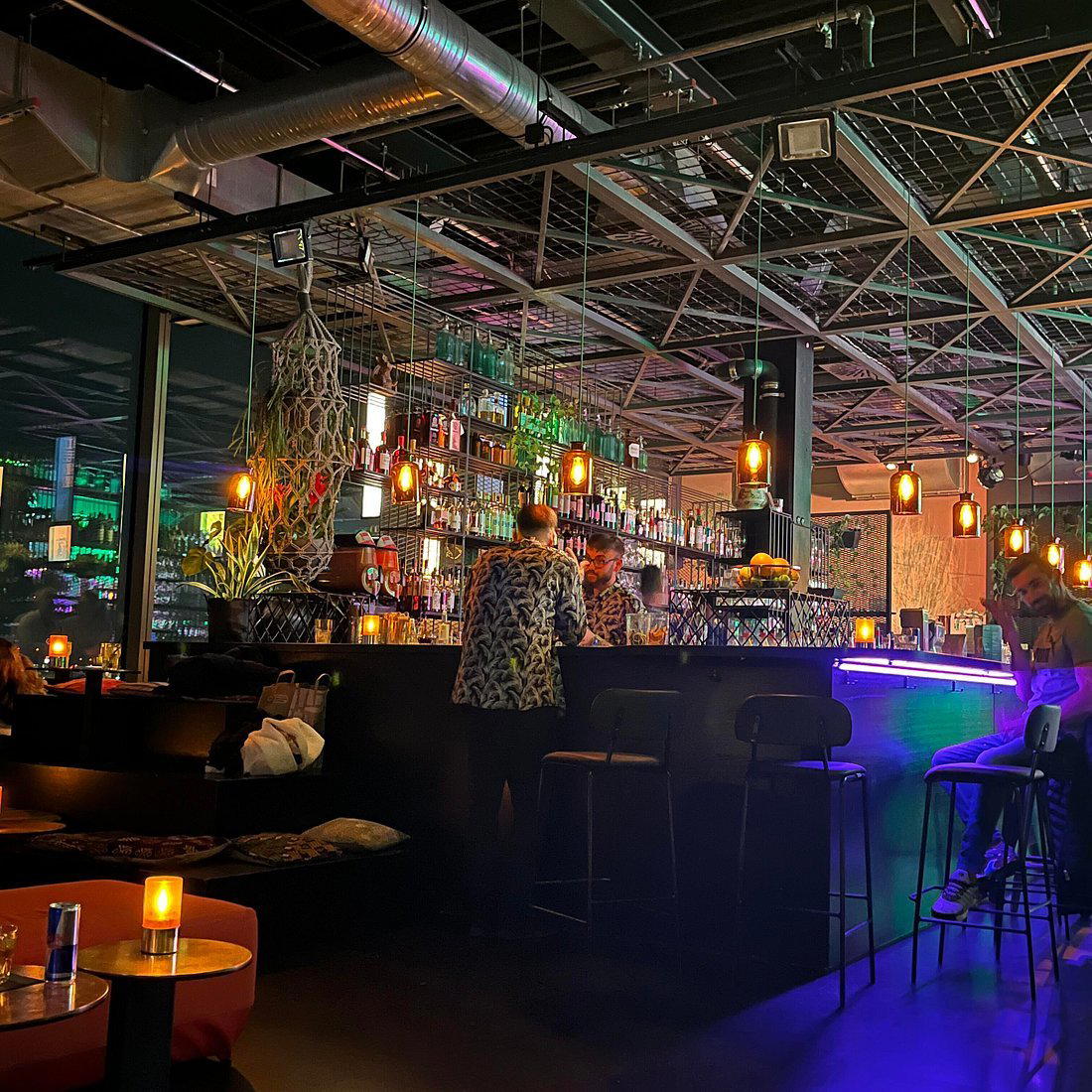
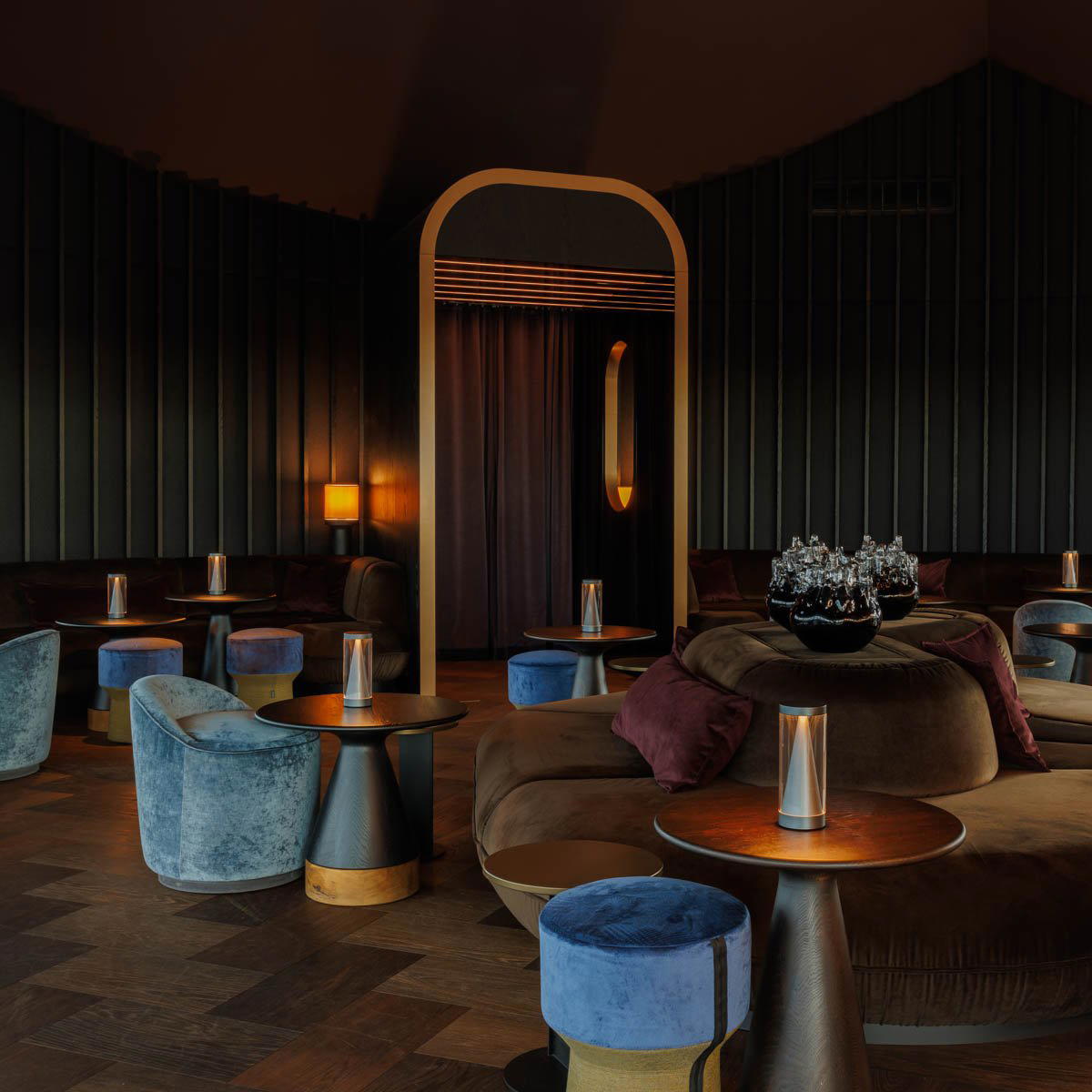
Bars in Berlin
Browse all →
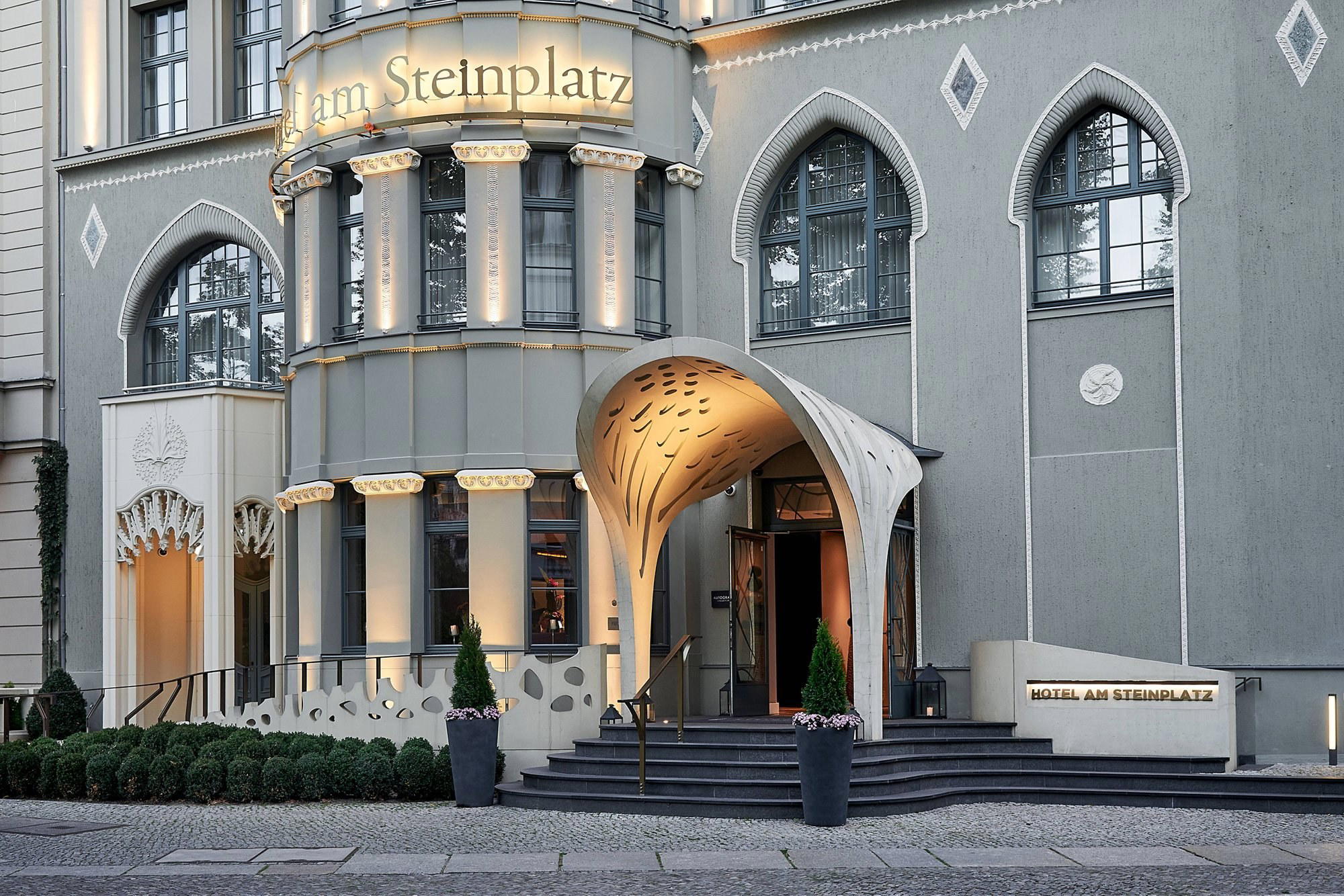
Hotels in Berlin
Browse all →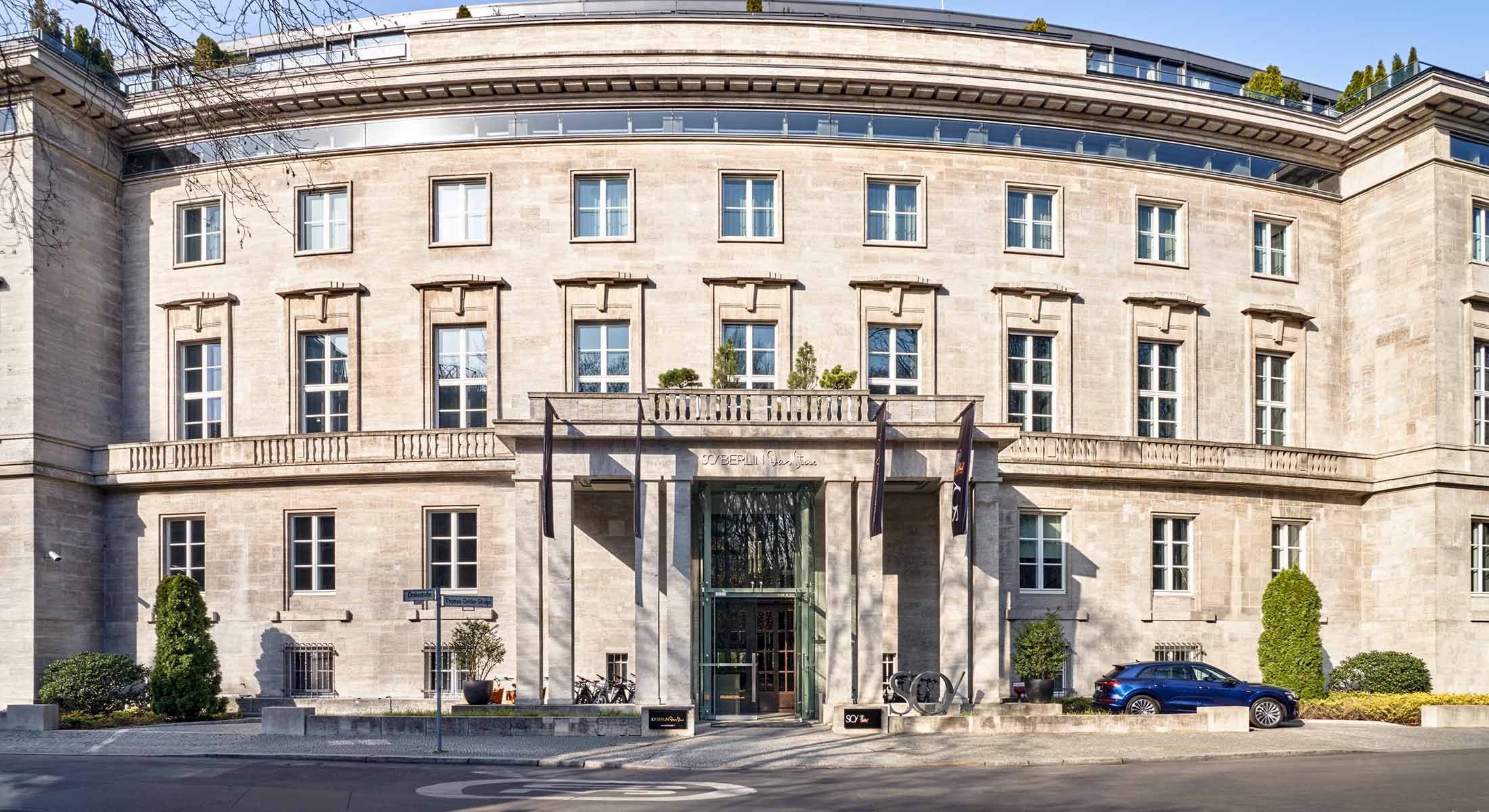

At a Glance
- Trendy
- Cozy
- Casual Hangout
- Brunch
- Craft Cocktails
Current opening hours
- Monday
- 9 AM–4 PM
- Tuesday
- Closed
- Wednesday
- 9 AM–4 PM
- Thursday
- 9 AM–4 PM
- Friday
- 9 AM–6 PM
- Saturday
- 10 AM–6 PM
- Sunday
- 10 AM–6 PM
Hours can change for holidays and private events. Last verified .
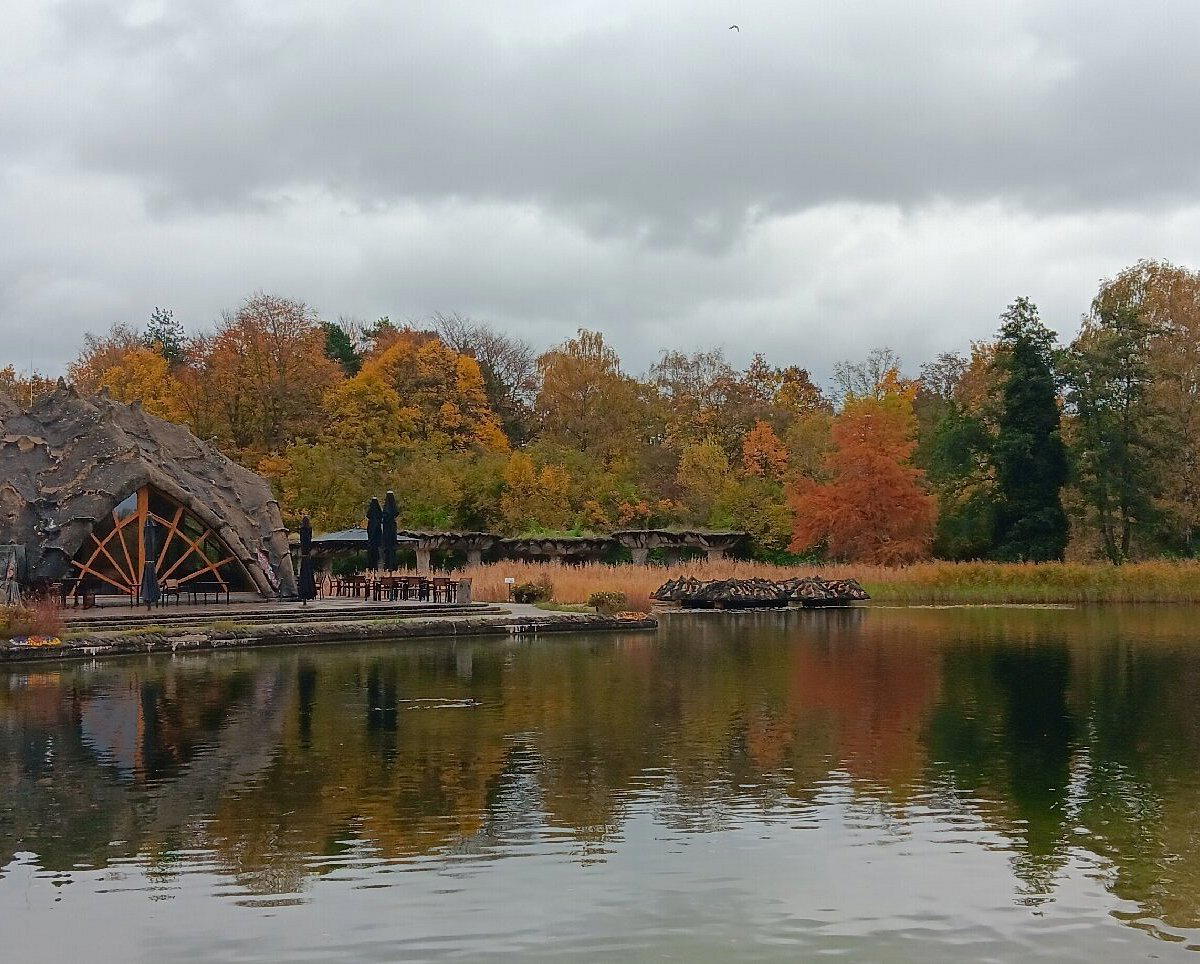
Cool, lively setting with a casual and fresh atmosphere.