JUA Izakaya sits on Charoen Krung, the riverside strip that has quietly become Bangkok's most interesting dining corridor. The format follows the Japanese izakaya tradition, unhurried, order-as-you-go, built for lingering, transposed into a Thai context where the neighbourhood itself adds layers of texture. For travellers who want to eat well without the orchestration of a tasting menu, it occupies a useful position in the city's mid-register dining scene.
Pearl is the En Primeur Club membership app — saves, bookings, and concierge access live there. Same editors, same standards.
- Address
- 672 49 ถ. เจริญกรุง Bang Rak, Bangkok 10500, Thailand
- Phone
- +66 83 594 2262
- Website
- facebook.com
- Directions
- Get directions
 Saves & bookings on Pearl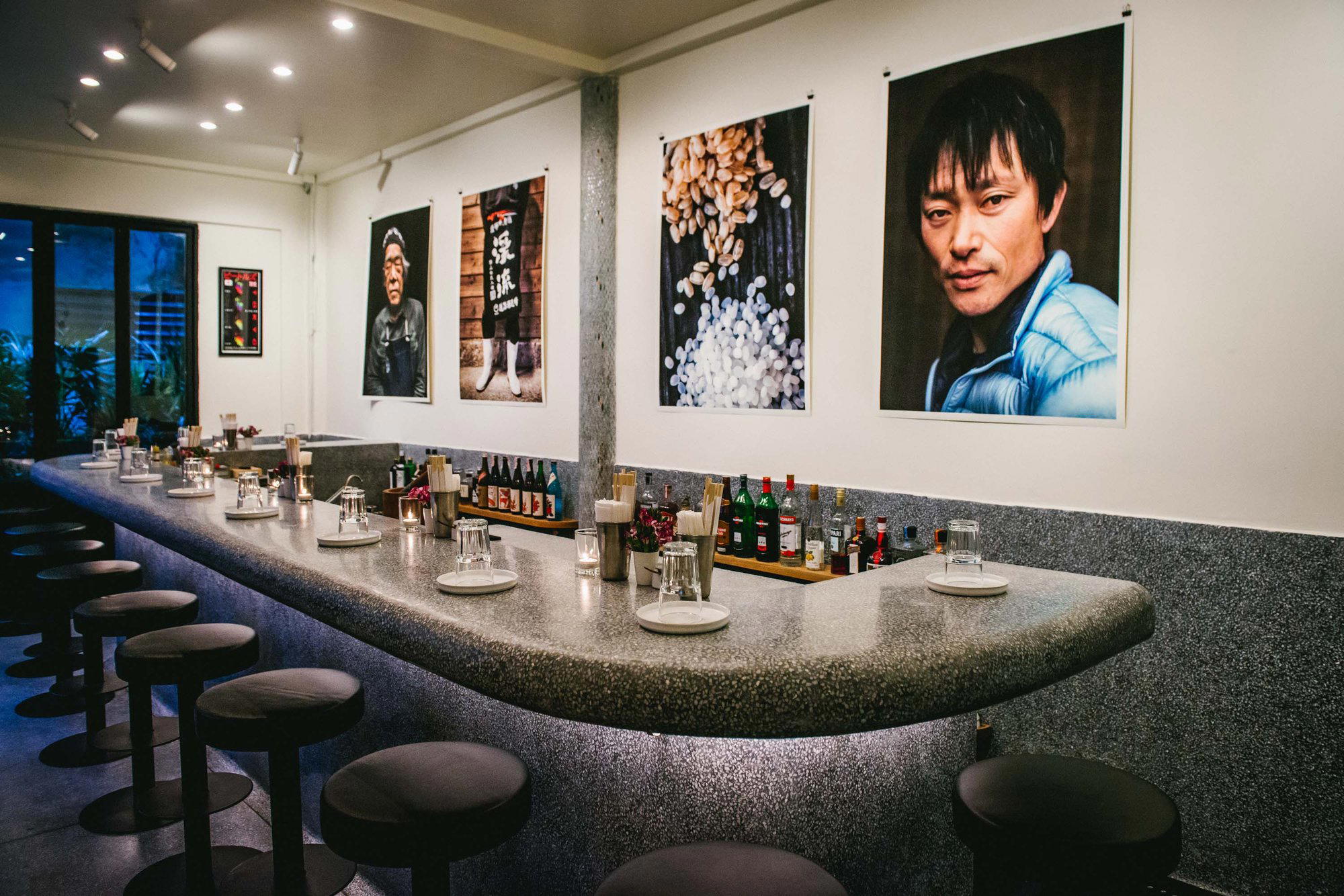
Charoen Krung and the Izakaya Format in Bangkok
Bang Rak's Charoen Krung Road has been changing at a pace that outstrips most of Bangkok's more celebrated dining precincts. Where the street once belonged almost entirely to old-school Chinese shophouses, gold traders, and the occasional riverside restaurant, it now hosts a cluster of independently operated food and drink venues that draw from multiple culinary traditions. JUA Izakaya sits within this corridor at 672/49 Charoen Krung, a stretch where the ambient texture, tuk-tuks passing, the distant smell of the Chao Phraya, peeling signage next to polished new fit-outs, gives any sitting a sense of place that air-conditioned mall dining cannot replicate.
The izakaya format itself deserves some framing before the specifics of this address. In Japan, the izakaya functions as a social eating institution: food arrives as ordered rather than in prescribed sequences, drinking and eating are given equal weight, and the meal's duration is dictated by the table rather than the kitchen. It sits structurally below the kaiseki counter and the high-concept omakase room, but that is partly the point. The format prizes conviviality over ceremony. When that format travels to Bangkok, a city that already has its own deeply embedded tradition of communal, share-plate eating, the transplant tends to feel less like an import and more like a parallel evolution. Bangkok diners are well-prepared for the izakaya rhythm.
How the Meal Moves
The dining ritual at an izakaya differs from the progression logic that governs Bangkok's fine-dining circuit. At addresses like Sorn (Southern Thai) or Baan Tepa (Thai contemporary), the kitchen controls sequencing and pacing as part of the experience. At an izakaya, the table drives. Dishes are called as appetite and conversation demand, small plates arrive in waves rather than arcs, and there is no implied pressure to conclude. For travellers accustomed to tasting-menu logic, where each course signals progress toward an end, the izakaya model can initially feel unmoored. That looseness is the format's deliberate offering.
This rhythm also changes how a meal is assembled. At the structured end of Bangkok dining, Sühring (German) and Gaa (Modern Indian, Indian) build menus around a coherent arc; the diner's role is largely to receive. At an izakaya, the diner's editorial choices, what to order first, how much to pace drinking against eating, when to call for another round of small plates, shape the experience more actively. There is skill in ordering well at a Japanese-format establishment, and that skill rewards return visits.
The Bang Rak Dining Corridor
Charoen Krung's emergence as a serious dining address is worth situating against Bangkok's broader hospitality geography. For years, the city's dining ambition concentrated in Sukhumvit and Silom, where hotel infrastructure and corporate expense accounts created predictable demand. Bang Rak's appeal runs on different logic: it is older, less polished, and closer to the river in ways that affect both atmosphere and visitor demographics. The travellers who end up on Charoen Krung tend to seek it out deliberately.
That selectiveness has allowed a specific type of operator to thrive here, independently run, format-committed, not competing on scale. JUA Izakaya fits that profile. It is not positioned against Bangkok's high-commitment tasting menus, which occupy their own tier and their own booking logic. It sits instead in the city's more accessible but still considered mid-register, where the question is less about prestige and more about whether the format is executed with discipline.
Thailand's restaurant culture extends well beyond the capital, of course, and the izakaya model is just one point on a wide spectrum. Elsewhere in the country, venues like PRU in Phuket and AKKEE in Pak Kret demonstrate how far Thai dining reaches when freed from Bangkok's particular competitive pressures. Regional venues such as Ayutthayarom in Phra Nakhon Si Ayutthaya, Baan Chik Pork Noodles in Udon Thani, and Baan Heng in Khon Kaen each operate within local traditions that have no direct equivalent in the capital's dining circuit.
Placing JUA Against Bangkok's Format Range
Bangkok has developed unusual density at the summit of its restaurant hierarchy. Michelin-starred addresses, 50 Best-listed kitchens, and a cohort of serious independent operations all compete within a relatively small urban area. At the summit, Côte by Mauro Colagreco (Mediterranean, Modern Cuisine) anchors international fine dining with a recognisable pedigree. Below that tier but still within the city's considered-dining category, the izakaya format occupies a distinct position: accessible enough for regular visits, structured enough to reward engagement with its conventions.
The comparison that illuminates JUA's positioning is less about peer izakaya addresses in Bangkok and more about what the format does differently from analogous share-plate or casual dining concepts. The Japanese lineage matters: it implies a particular attitude toward drinking (central, not incidental), toward small plates (composed rather than merely tapas-scaled), and toward the evening's timeline (open-ended by design). Whether JUA executes that lineage with full fidelity or adapts it for a Thai context is the relevant question for a first visit.
For travellers with a point of reference in communal dining formats elsewhere, the comparison set might include Lazy Bear in San Francisco or, at a different scale, Le Bernardin in New York City, both of which demonstrate how format commitment translates across cultural contexts. Closer geographically, venues like Baan Suan Lung Khai in Ko Samui and Banrimbung in Nakhon Pathom show how Thai operators build atmosphere and ritual into their own formats with comparable intention.
Planning a Visit
JUA Izakaya's address on Charoen Krung places it within reach of the BTS Saphan Taksin station, from which a short taxi or motorcycle taxi ride covers the remaining distance along the riverside corridor. The neighbourhood is most navigable on foot once you are in the immediate area, and the early evening hour, before the street fills, gives the approach a different character than arriving later in the night. JUA Izakaya is recommended for reservations and serves nightly from 6 PM to midnight. Additional regional options across Thailand, including Anuwat in Phang Nga, The Spa in Lamai Beach, and Banmai Chay Nam in Nakhon Ratchasima, offer further reference points for how eating well in Thailand distributes across the country.
Cuisine and Recognition
Comparable venues nearby, for context on price, style, and recognition.
| Venue | Cuisine | Price | Notes |
|---|---|---|---|
| JUA IzakayaThis venue — the venue you are viewing | Modern Japanese Izakaya | $$ | Not listed |
| Bangkok Bold Kitchen | Bold, regional Thai comfort food | $$ | Pathum Wan |
| à¹à¸à¹à¸à¸à¸´à¸£à¸±à¸à¸à¸£à¹ - ZAABNIRAN One Bangkok | Modern Spicy Thai Noodle Shop | $$ | Suan Lumphini |
| Ongtong Khaosoi | Northern Thai Khao Soi | $$ | Phaya Thai Khwaeng |
| Somtum Der | Authentic Isan Thai | $$ | Si Lom |
| Pizzeria Mazzie | Pizza | Not listed | Bangkok |
At a Glance
- Trendy
- Intimate
- Lively
- Modern
- After Work
- Casual Hangout
- Date Night
- Group Dining
- Open Kitchen
- Sake Program
- Craft Cocktails
Current opening hours
- Monday
- 6 PM–12 AM
- Tuesday
- 6 PM–12 AM
- Wednesday
- 6 PM–12 AM
- Thursday
- 6 PM–12 AM
- Friday
- 6 PM–12 AM
- Saturday
- 6 PM–12 AM
- Sunday
- 6 PM–12 AM
Hours can change for holidays and private events. Last verified .
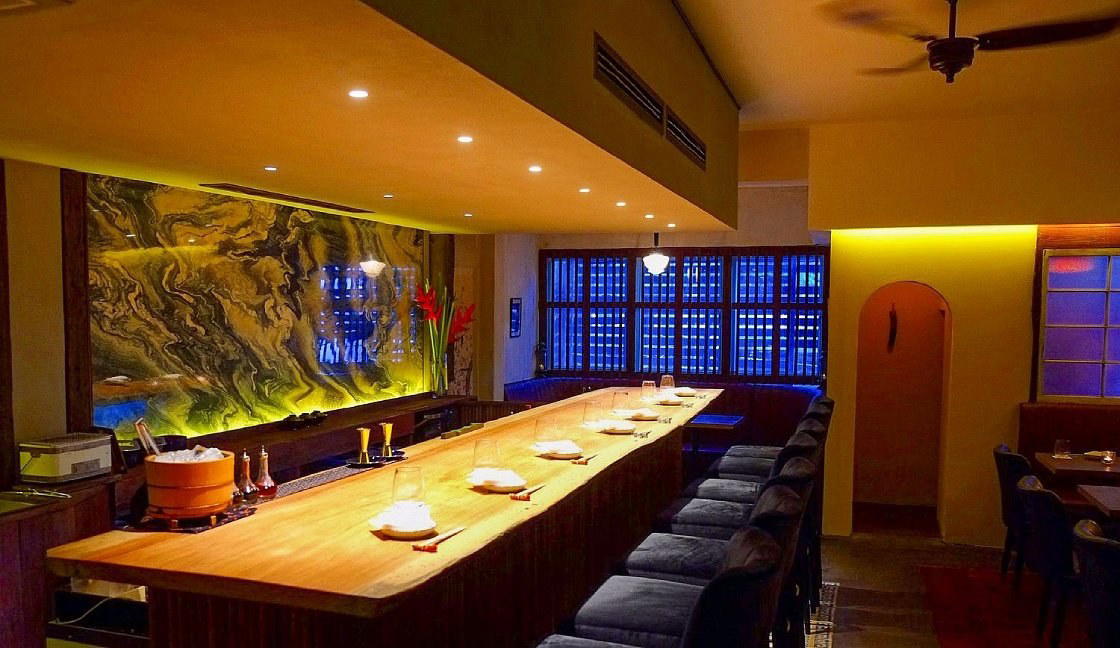
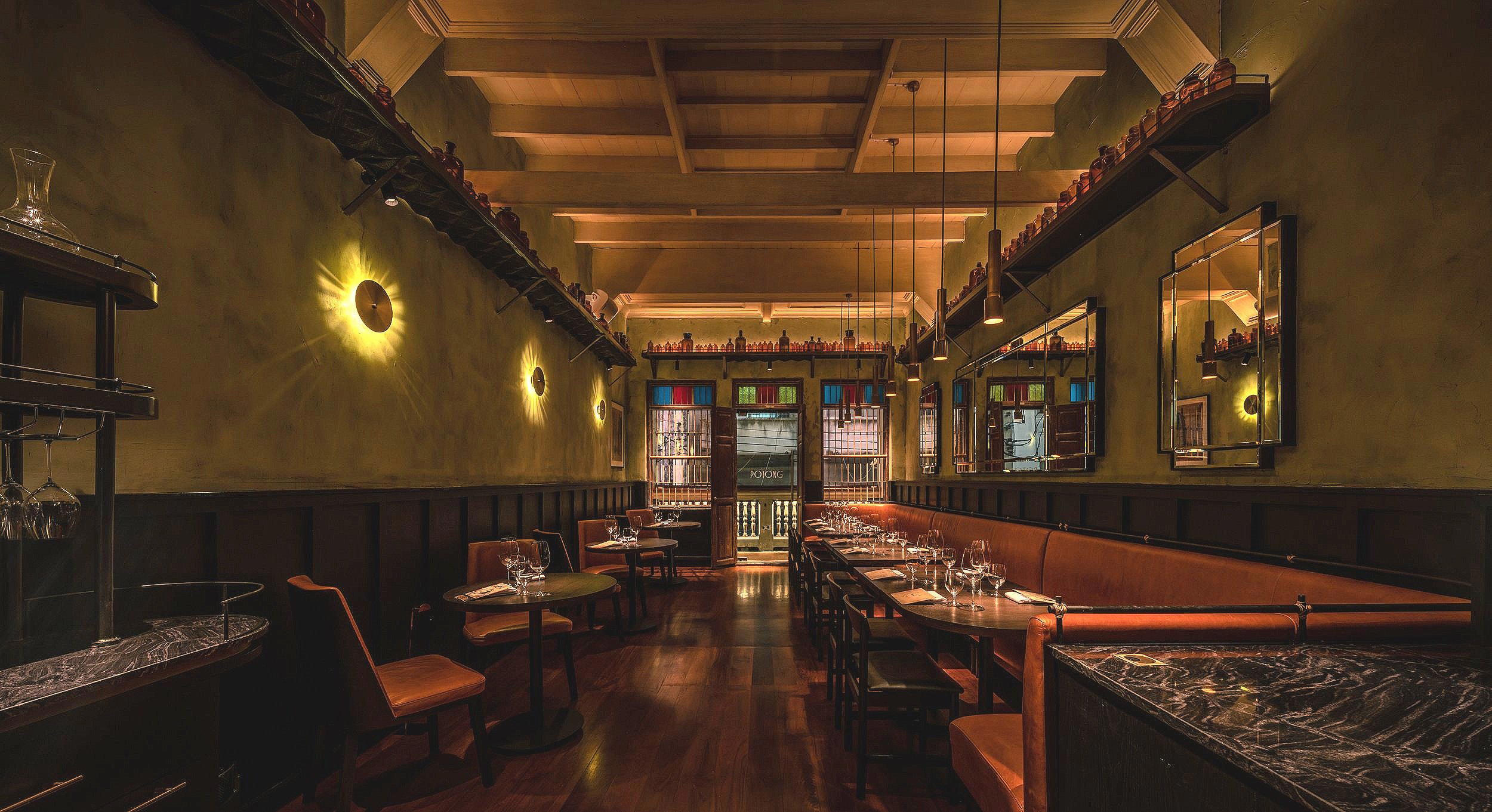
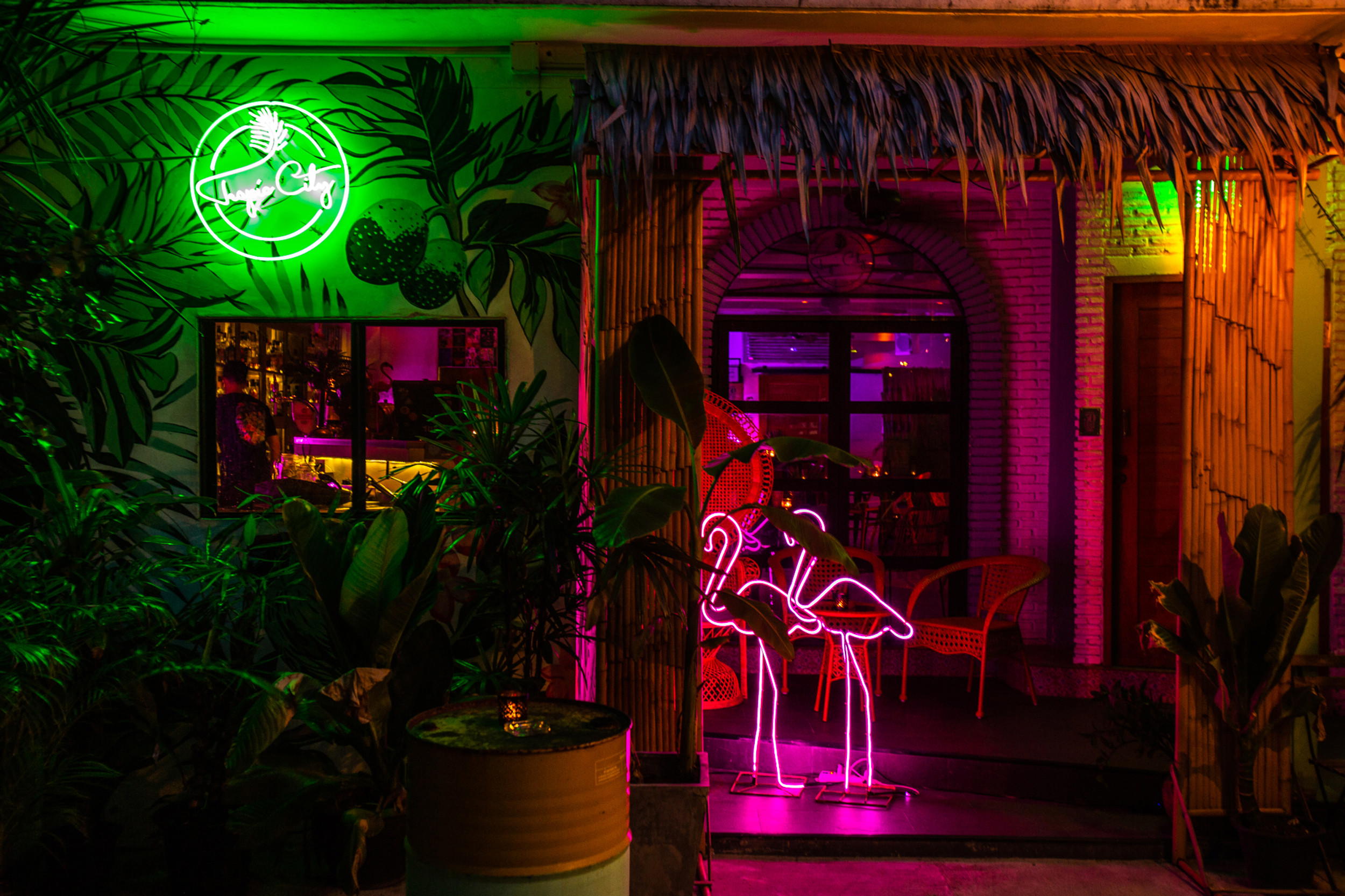
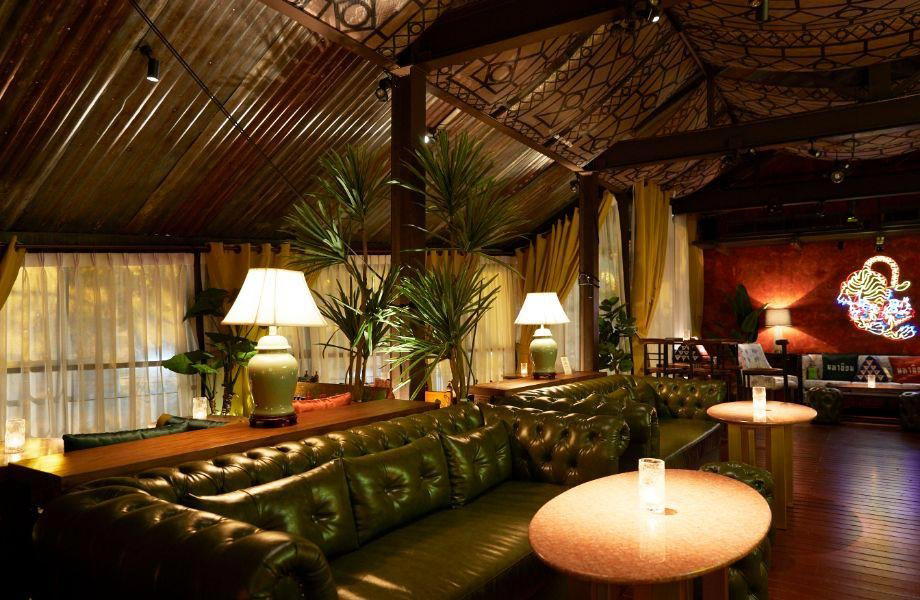
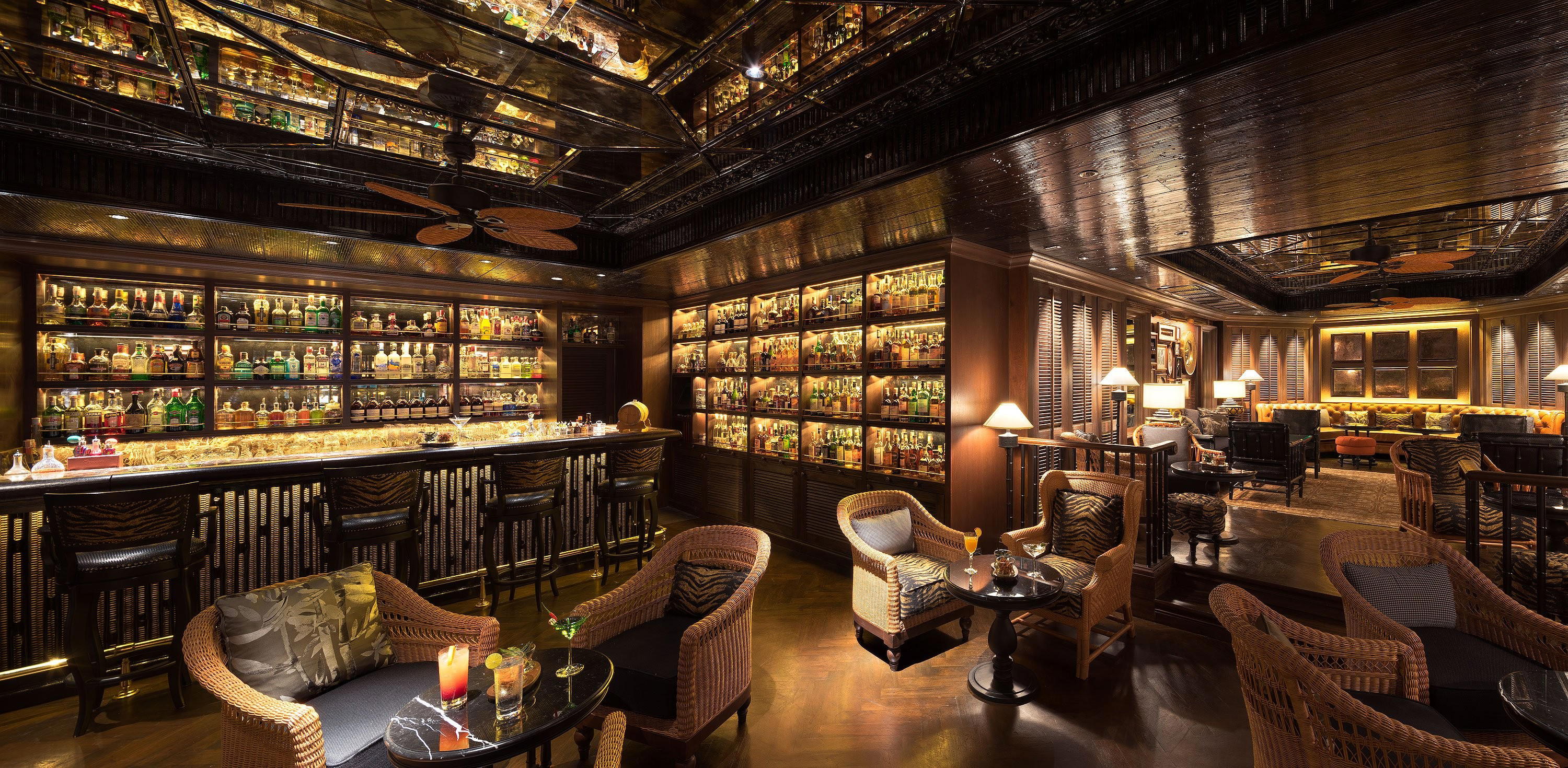
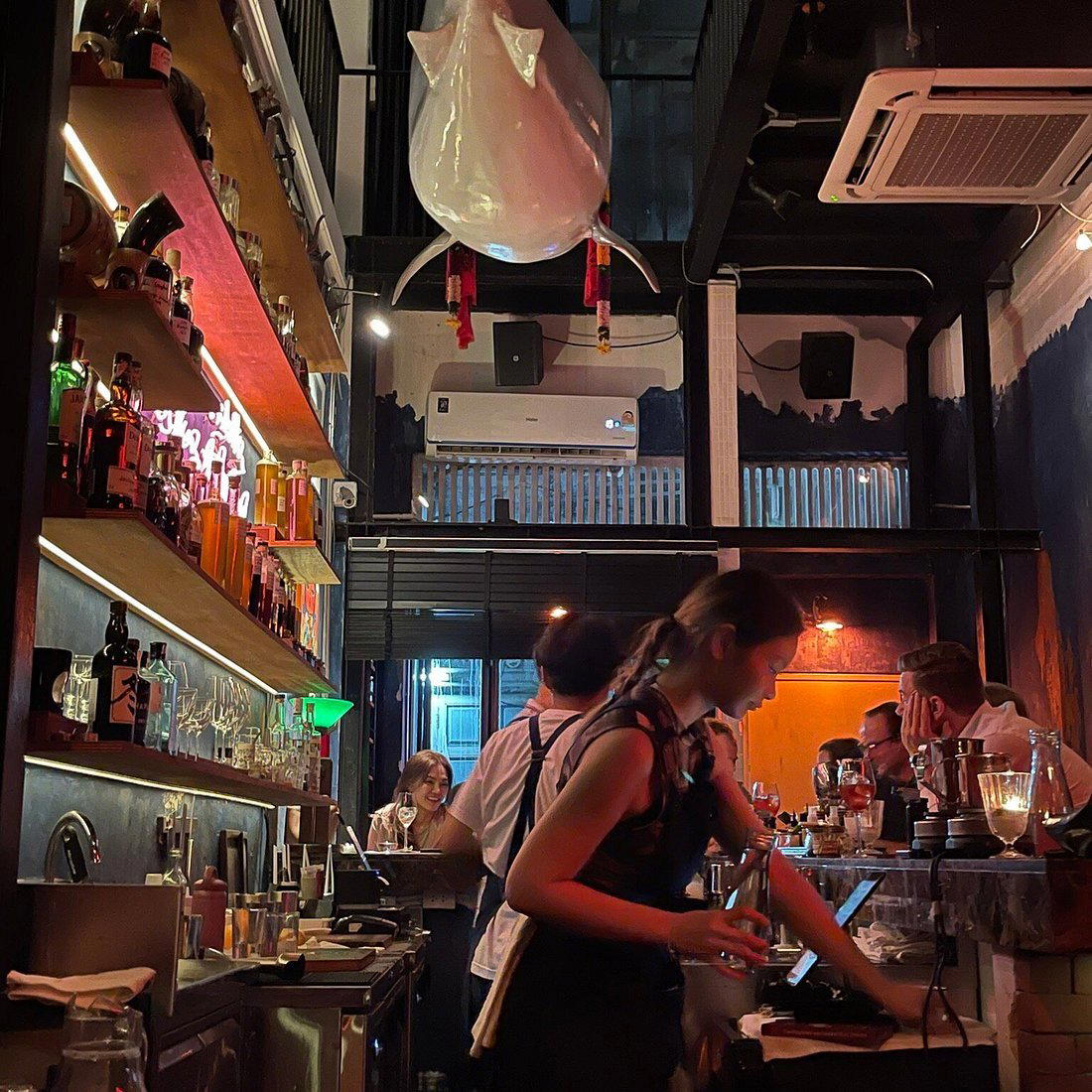
Intimate yet functional space with modern/retro chic vibe, high-top counter seating, artsy unpretentious design combining Osaka backstreets spirit with Bangkok old town energy, buzzy and relaxed atmosphere.