ZAABNIRAN sits at B1 of One Bangkok, the mixed-use development that has redrawn Lumphini's dining map since its 2024 opening. The restaurant draws on zaab, the Isan word for a flavour intensity specific to northeastern Thai cooking, and positions itself within a growing Bangkok tier that treats regional Thai cuisine as fine-dining material. For visitors already tracking the city's Michelin-starred Thai table circuit, it represents a distinct northeastern counterpoint.
Pearl is the En Primeur Club membership app — saves, bookings, and concierge access live there. Same editors, same standards.
- Address
- B1 Fl, One Bangkok Entrance 3, 41 Wireless Rd, Lumphini, Pathum Wan, Bangkok 10330, Thailand
- Phone
- +66982672296
- Directions
- Get directions
 Saves & bookings on Pearl
Northeastern Thai Cuisine Finds a New Address in Lumphini
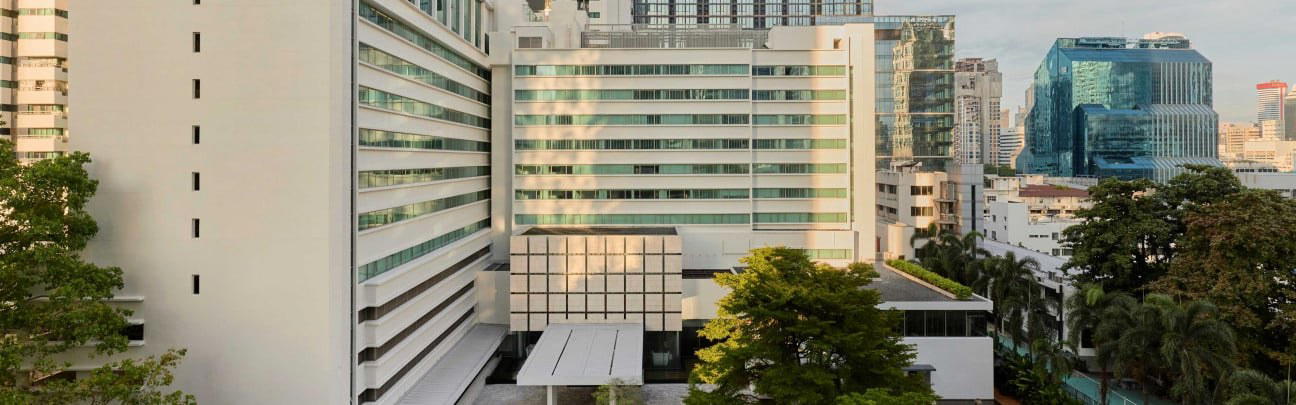
Bangkok's premium dining corridor has shifted. For years, the prestige addresses clustered around Sukhumvit and Silom, with the occasional outlier in riverside hotels. The 2024 opening of One Bangkok, the large-scale mixed-use development at the corner of Wireless Road and Rama IV, introduced a third axis. The complex's basement and ground-floor restaurant programme is dense enough to function as a dining destination on its own terms, and ZAABNIRAN is among the names that give the address culinary credibility beyond the usual mall anchors.
The restaurant's name reaches into Isan, the northeastern region of Thailand that stretches toward the Mekong and shares a cultural continuum with Laos. Zaab is the Isan term for a layered, pungent, fermented-inflected intensity of flavour that standard Thai food vocabulary doesn't quite capture, it implies funkiness, heat, and a particular kind of satisfaction that comes from fermented fish pastes, toasted rice powder, and dried chilies working in concert. Placing that word at the centre of a restaurant inside Bangkok's most prominent new luxury development is a deliberate statement about where Isan cooking belongs in the city's dining hierarchy.
The Isan Tradition and What It Demands of a Kitchen
Northeastern Thai food has long occupied a peculiar position in Bangkok's restaurant culture. Street stalls and shophouses near Mo Chit or Chatuchak serve papaya salad and grilled chicken at prices that reflect the cuisine's working-class origins. At the same time, the flavour architecture of Isan cooking, the use of pla ra (fermented freshwater fish), the technique of hand-pounding rather than blending, the balance of dried herbs against fresh aromatics, is as technically specific as any regional cuisine in Southeast Asia. The gap between that technical depth and its cultural positioning as casual food has been narrowing in Bangkok over the past decade, driven by chefs who trained in fine-dining environments and then returned to regional traditions with the vocabulary to articulate them differently.
This is the same logic that produced Michelin recognition for Sorn (Southern Thai), which applied fine-dining rigour to the fermented shrimp paste and long-cooked curries of Thailand's south. Baan Tepa (Thai contemporary) approaches a broader Thai canvas with a similar ambition. ZAABNIRAN narrows the lens to the northeast specifically, which means the kitchen's sourcing decisions, its relationship with fermentation timelines, and its handling of ingredients like makwaen (a Isan pepper with citrus-forward volatility) carry the full editorial weight of the concept.
One Bangkok's Position in the City's Premium Dining Map
Bangkok's ฿฿฿฿-tier restaurant scene has internationalised rapidly. Côte by Mauro Colagreco (Mediterranean, Modern Cuisine) and Sühring (German) demonstrate the city's appetite for technically serious European kitchens. Gaa (Modern Indian, Indian) shows how a diaspora cuisine can command the same price point and critical seriousness as any French-trained operation. Against that backdrop, ZAABNIRAN's Isan framing reads not as a novelty but as a logical extension of Bangkok's pattern of elevating regional Asian traditions to the premium tier.
The One Bangkok address at 41 Wireless Road places the restaurant in Lumphini, within walking distance of several five-star hotels and the embassies that line Wireless Road itself. That geographic fact matters for understanding the intended audience: business diners on expense accounts, international visitors staying nearby, and the Bangkok upper tier that uses One Bangkok as a weekly destination. The restaurant sits at B1, accessed via Entrance 3 of the complex. For diners arriving from the BTS network, Phloen Chit station is one logical approach, with the complex a short walk or taxi ride east.
Regional Thai Cooking in a National Capital
The tension that ZAABNIRAN navigates is one that any regional cuisine faces when transplanted to a capital city and dressed in fine-dining vocabulary. Authenticity is not simply a matter of using the right ingredients. It involves the sourcing geography, whether the pla ra comes from Ubon Ratchathani or from a commercial Bangkok supplier, and whether the kitchen's commitment to Isan flavour holds when the audience is more comfortable with the city's smoother, less fermented central-Thai register.
Across Thailand more broadly, the spectrum of serious regional cooking is wide. AKKEE in Pak Kret operates in Nonthaburi with a distinctly local framing, while PRU in Phuket anchors itself to southern island produce. In Chiang Mai, Loet Rot in Mueang Chiang Mai and Cherng Doi Roast Chicken (ไก่ย่างเชิงดอย) in Chiang Mai represent different registers of northern Thai specificity. ZAABNIRAN is making the complementary argument for the northeast, inside one visible new address in the capital. The ambition is legible even before you eat.
For readers tracking Bangkok's premium dining scene against its global peers, the reference points extend beyond Thailand. The project of translating a deeply regional cuisine into a fine-dining format is one that Atomix in New York City has pursued with Korean cuisine to considerable critical effect, and that Le Bernardin in New York City demonstrated with classical French seafood technique decades earlier. The critical question for any such restaurant is whether the format serves the cuisine or constrains it. At ZAABNIRAN, the Isan framing is specific enough that the format has something to work with.
Planning a Visit
ZAABNIRAN sits at B1, One Bangkok, 41 Wireless Road, Lumphini, Pathum Wan. The complex is accessible via Phloen Chit BTS station, making it reachable from most Bangkok hotel corridors without navigating the city's surface traffic. The One Bangkok development opened in 2024, so the operational rhythms of individual restaurants, peak booking periods, preferred reservation windows, are still settling into patterns.
Related dining across Thailand's regions includes Little Edo Suratthaniリトル江戸 in Mueang Surat Thani, DEVASOM BEACH GRILL in Takua Pa, The Spa in Lamai Beach, and the neighbourhood specificity of Hinata (Hinata (日向)) in ปทุมวัน, Hoy Tord Chao Lay (หอยทอดชาวเล) in วัฒนา, and Krua Laew Tae R-Rom in Pattaya.
Comparison Snapshot
Comparable venues nearby, for context on price, style, and recognition.
| Venue | Cuisine | Price | Notes |
|---|---|---|---|
| à¹à¸à¹à¸à¸à¸´à¸£à¸±à¸à¸à¸£à¹ - ZAABNIRAN One BangkokThis venue — the venue you are viewing | Modern Spicy Thai Noodle Shop | $$ | Not listed |
| Kiew Kai Ka | Traditional Regional Thai | $$ | Ban Song Krathiam |
| Thapthim Krop Wat Sutthi | Thai Dessert Shop | $$ | Sathon |
| Ruenros | Authentic Thai Lakeside | $$ | Bang Phong Phang |
| Khao Tom Pla Kimpo | Teochew-Style Fish Porridge | $$ | Bang Kholaem Khwaeng |
| Nai Mong Hoi Thod | Thai Crispy Oyster Omelette | $ | Samphanthawong Khwaeng |
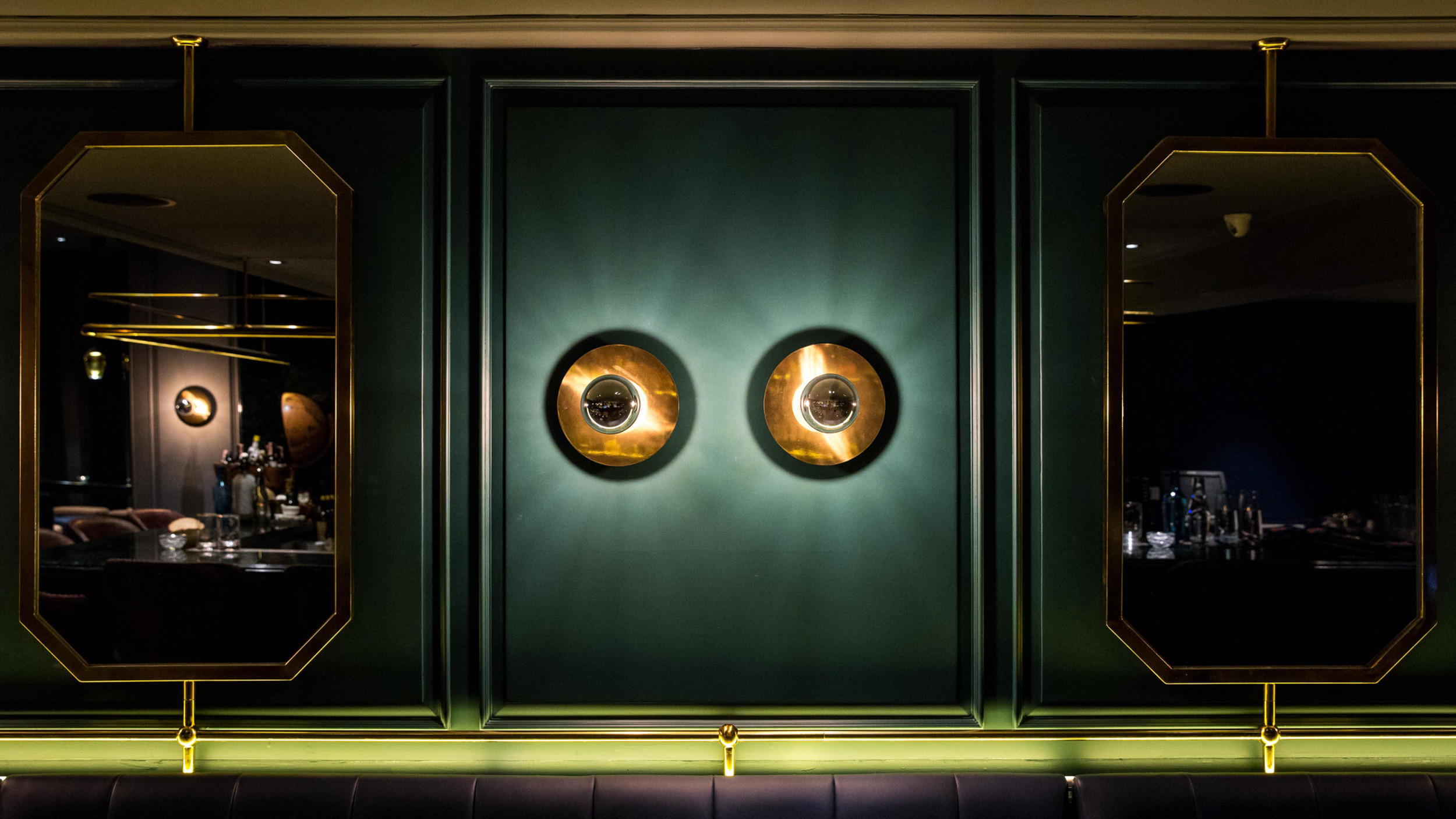
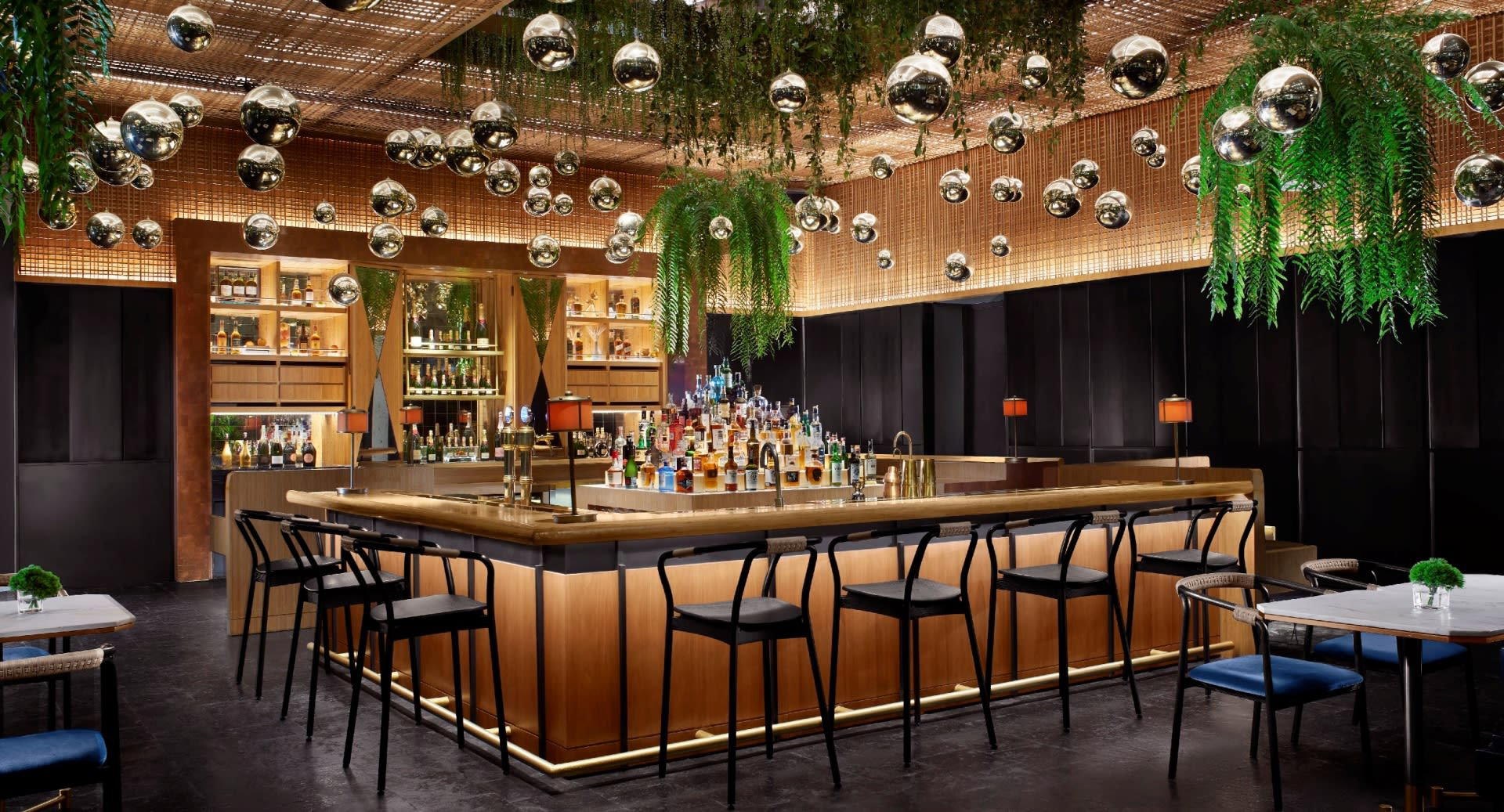
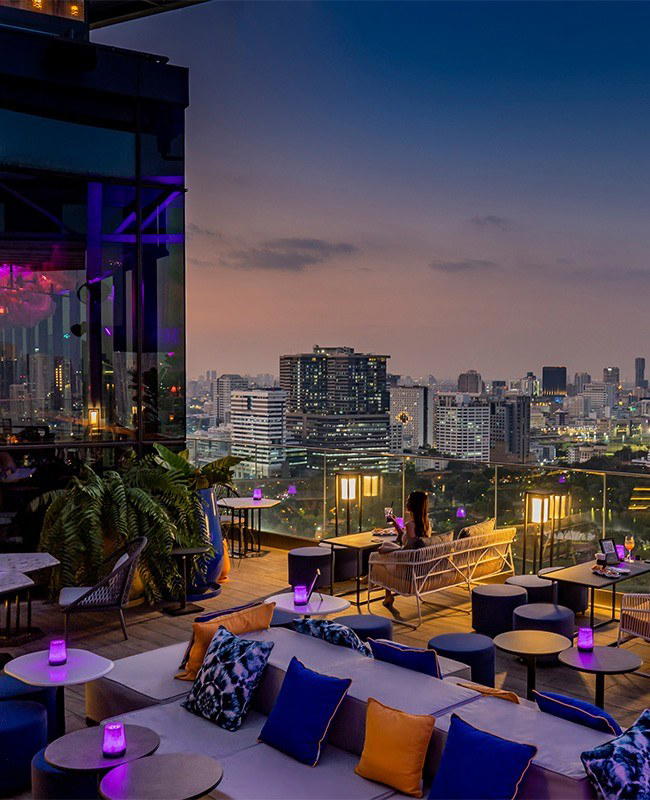
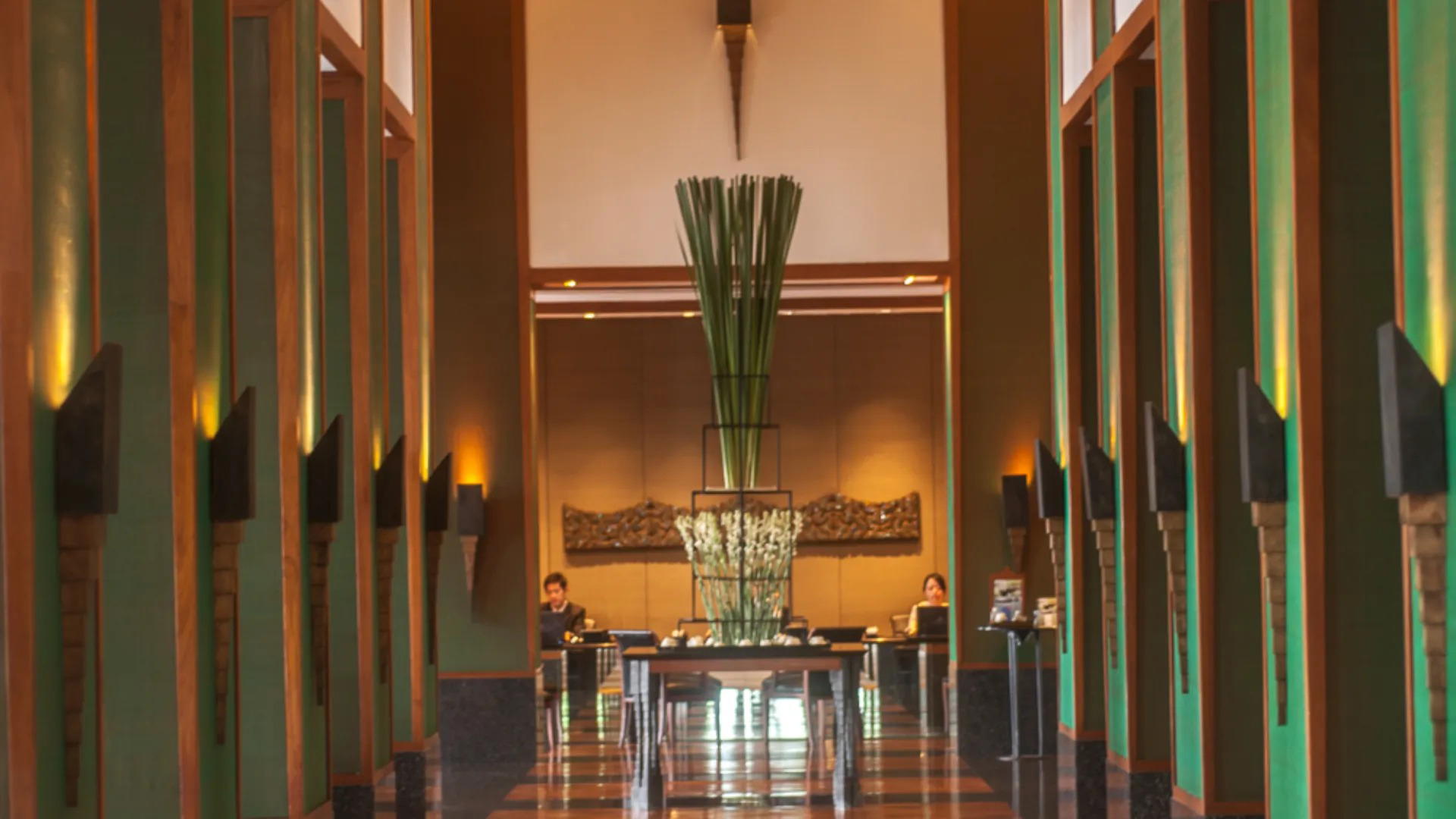
At a Glance
- Lively
- Trendy
- Casual Hangout
- Group Dining
- Standalone
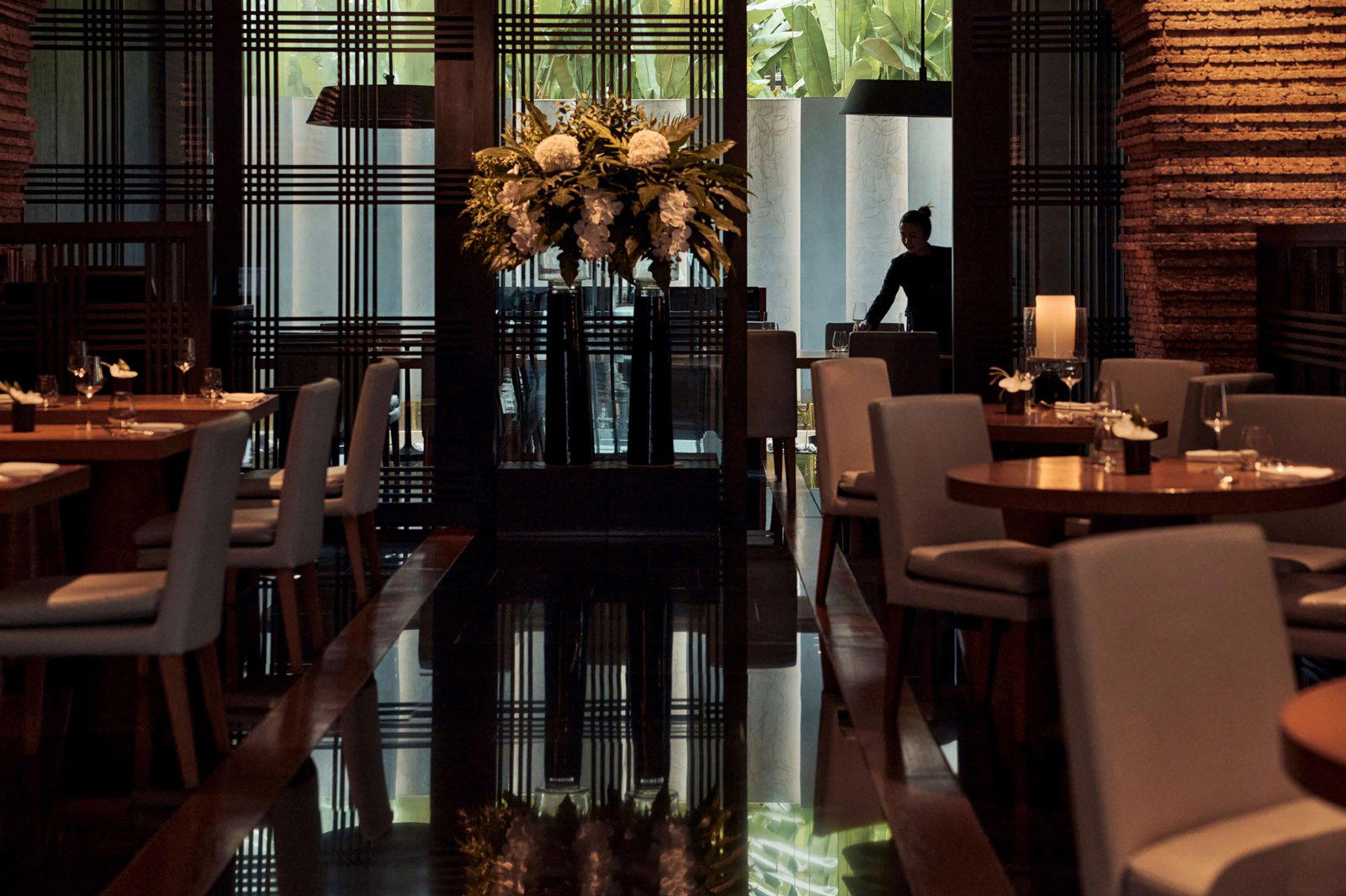
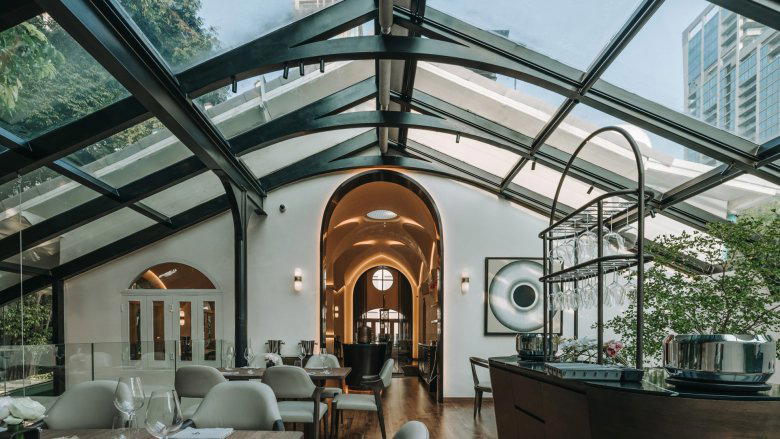
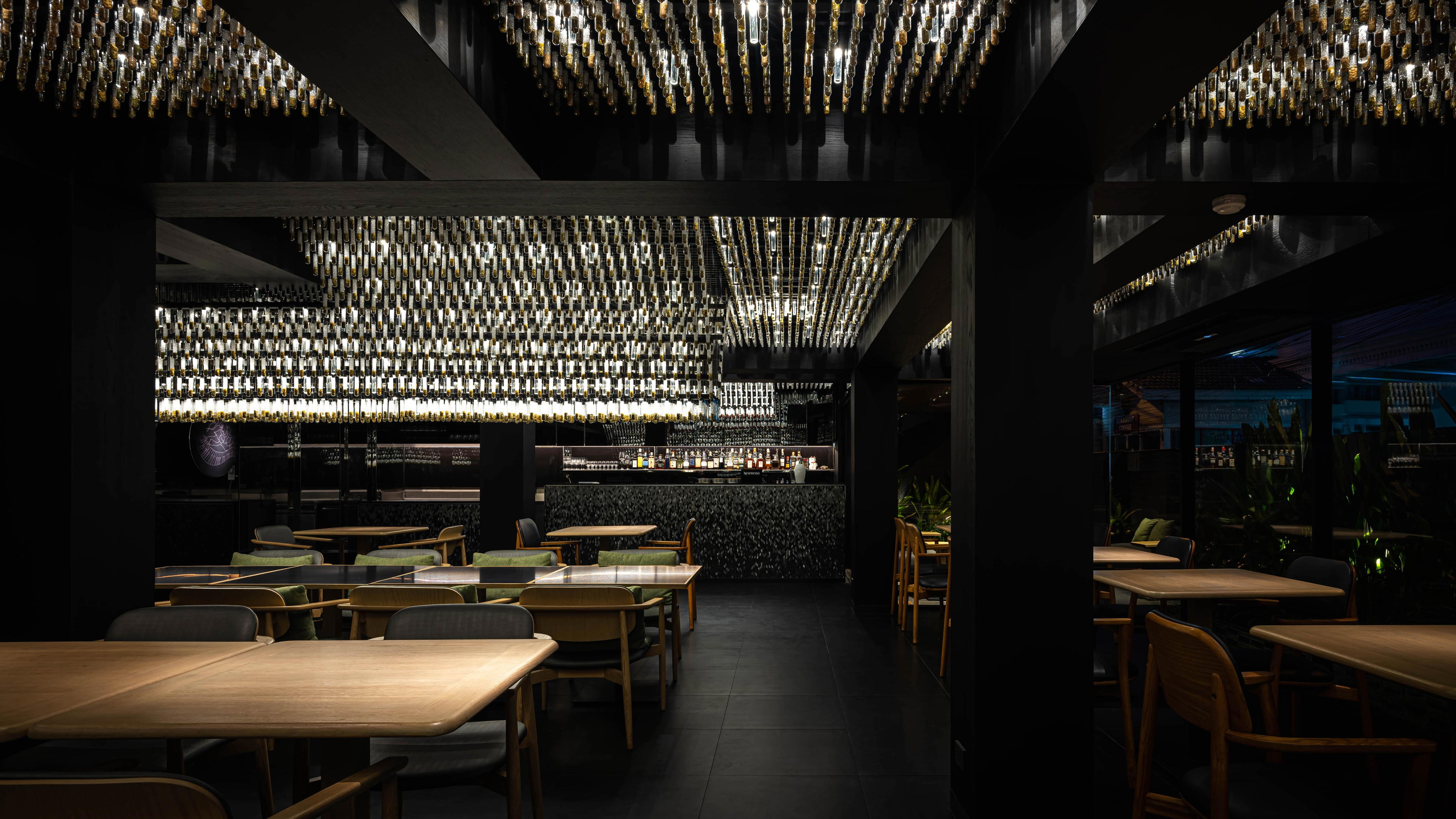
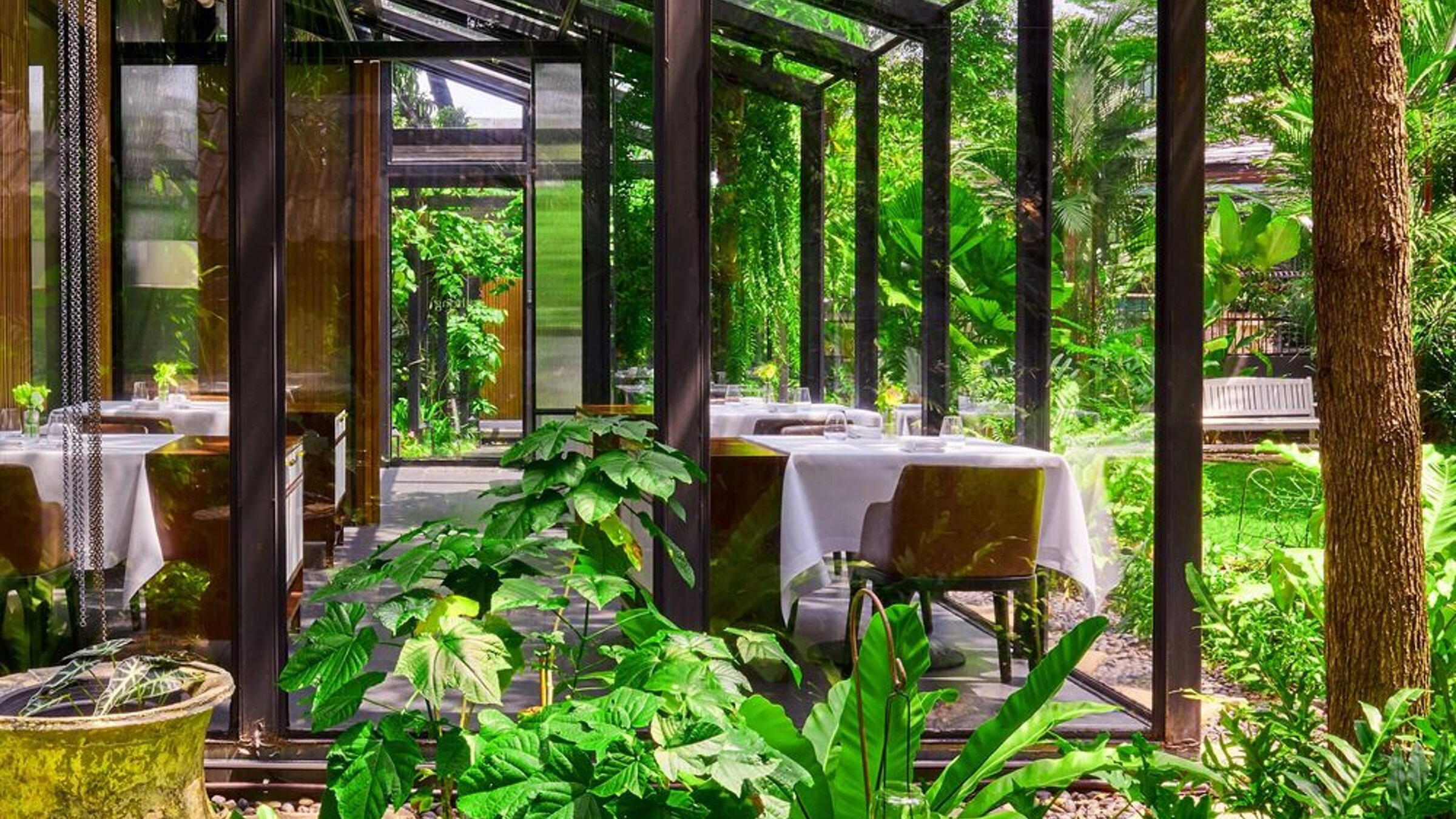
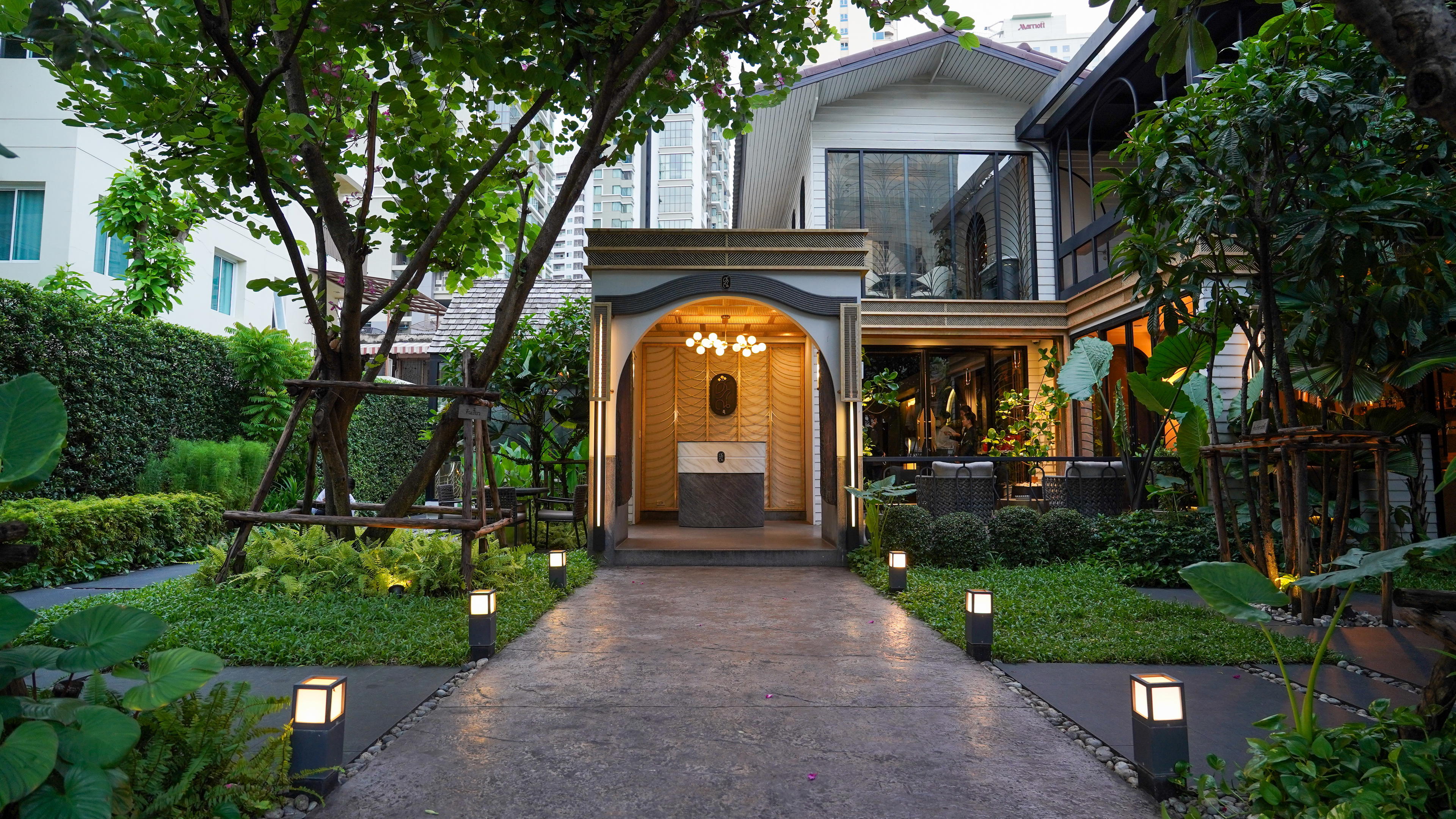
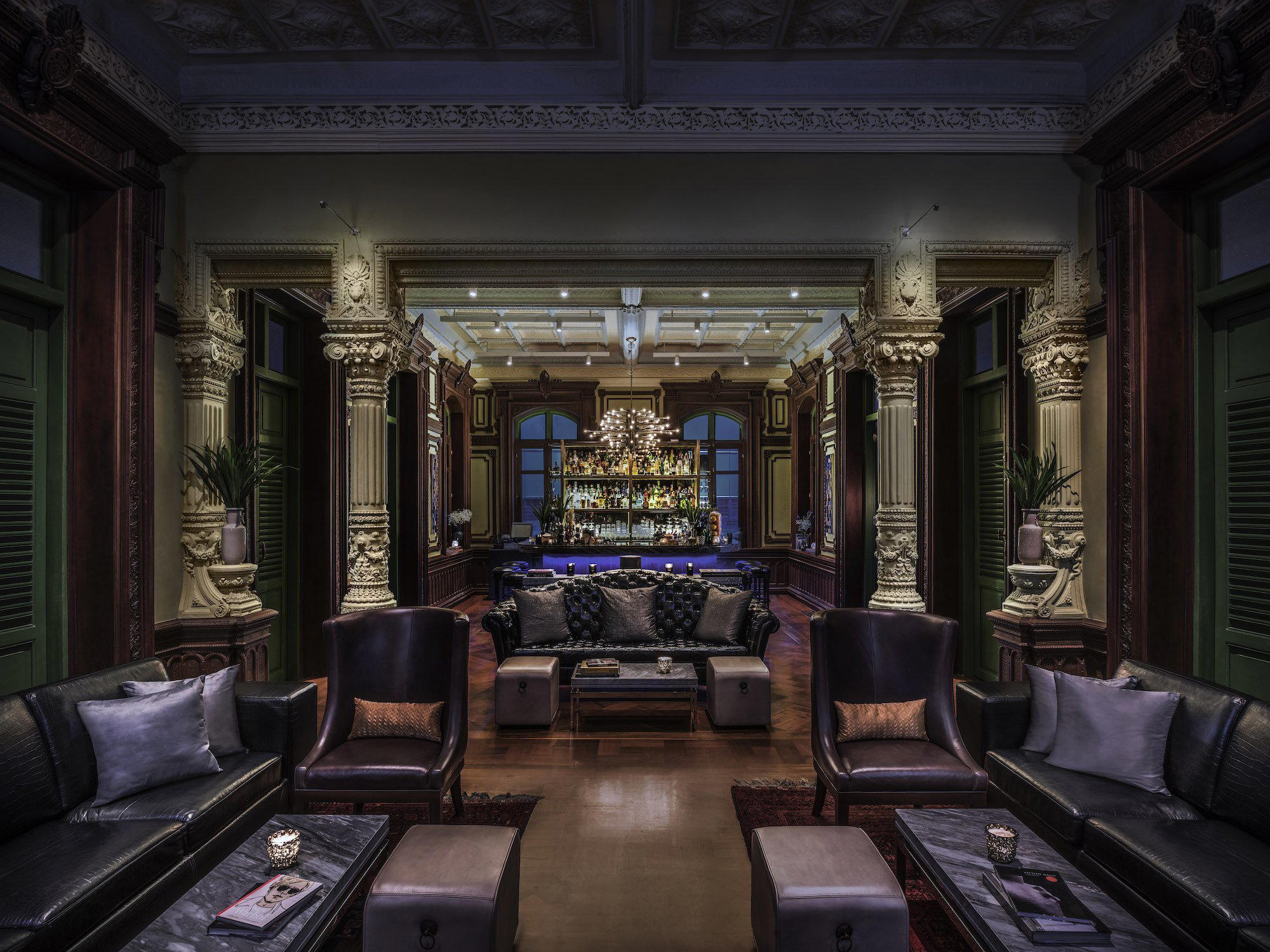
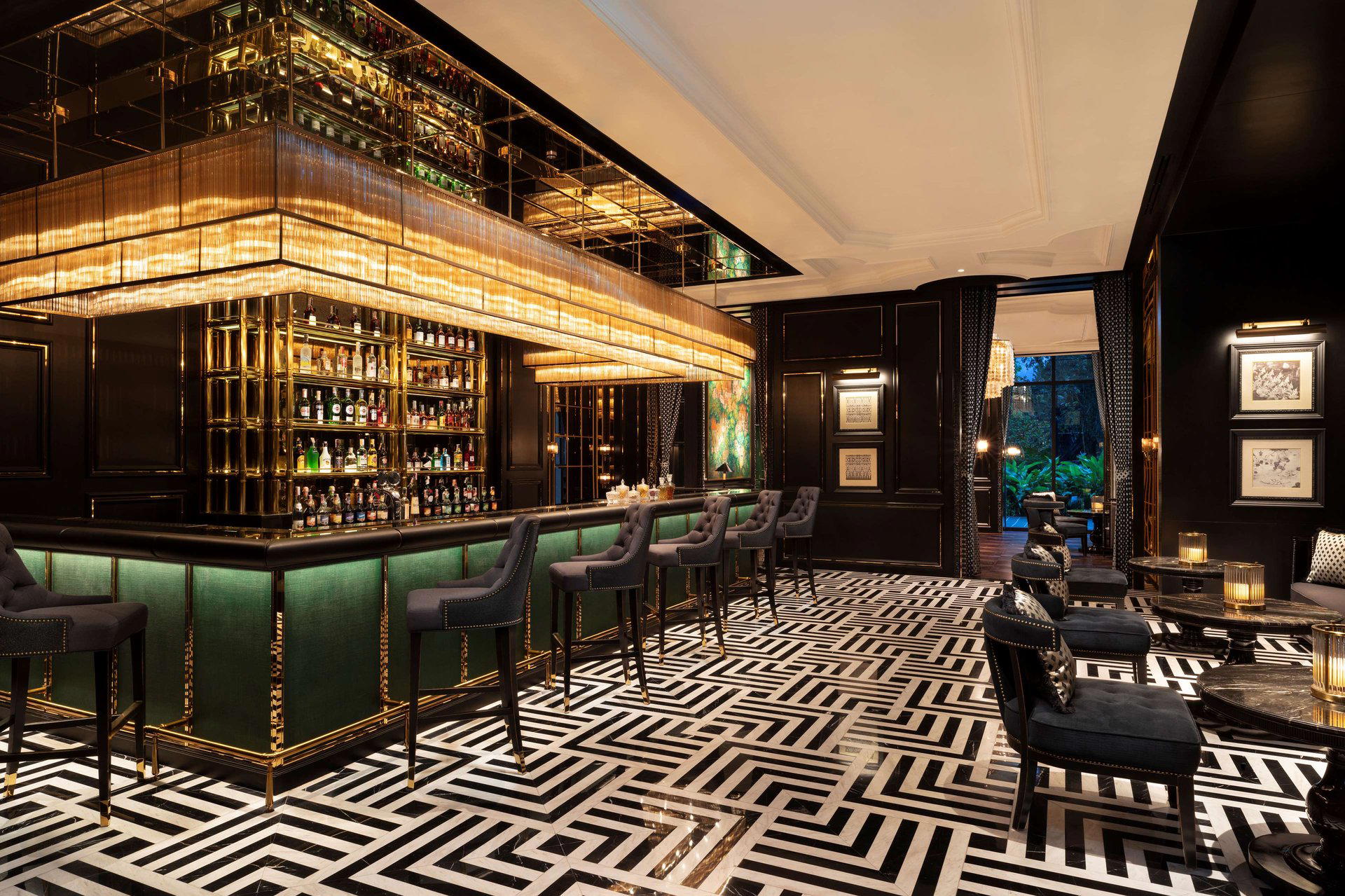
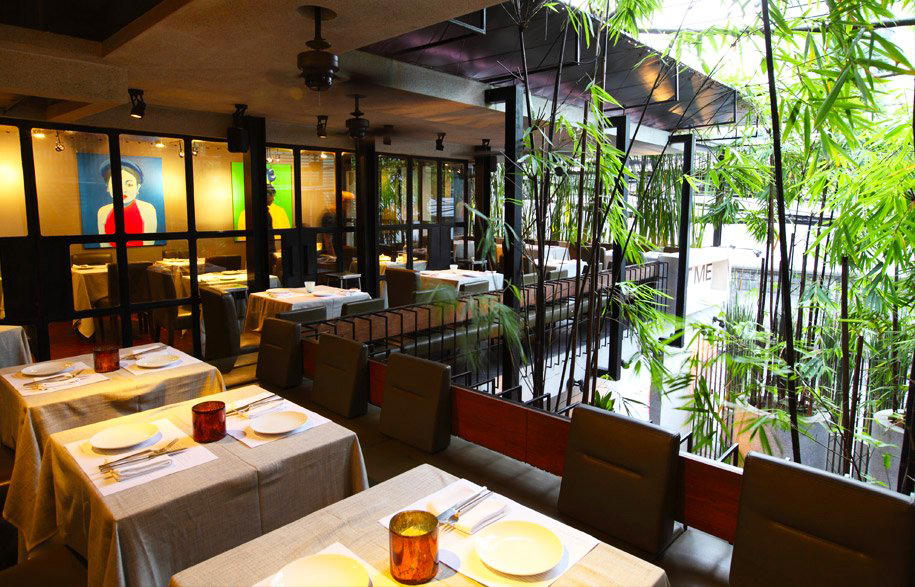
Lively and lively atmosphere well-suited for indulging in authentic spicy Thai flavors.