Vertigo
Vertigo sits at the edge of Vondelpark in Amsterdam, occupying one of the city's most distinctive dining addresses. The setting places it within reach of the museum quarter's cultural pull while operating on its own terms, a park-side venue where the physical environment is as deliberate as what arrives at the table. Check the EP Club Amsterdam guide for current practical details before visiting.
Pearl is the En Primeur Club membership app — saves, bookings, and concierge access live there. Same editors, same standards.
- Address
- Vondelpark 3, 1071 AA Amsterdam, Netherlands
- Phone
- +31208205006
- Website
- cafevertigo.nl
- Directions
- Get directions
 Saves & bookings on Pearl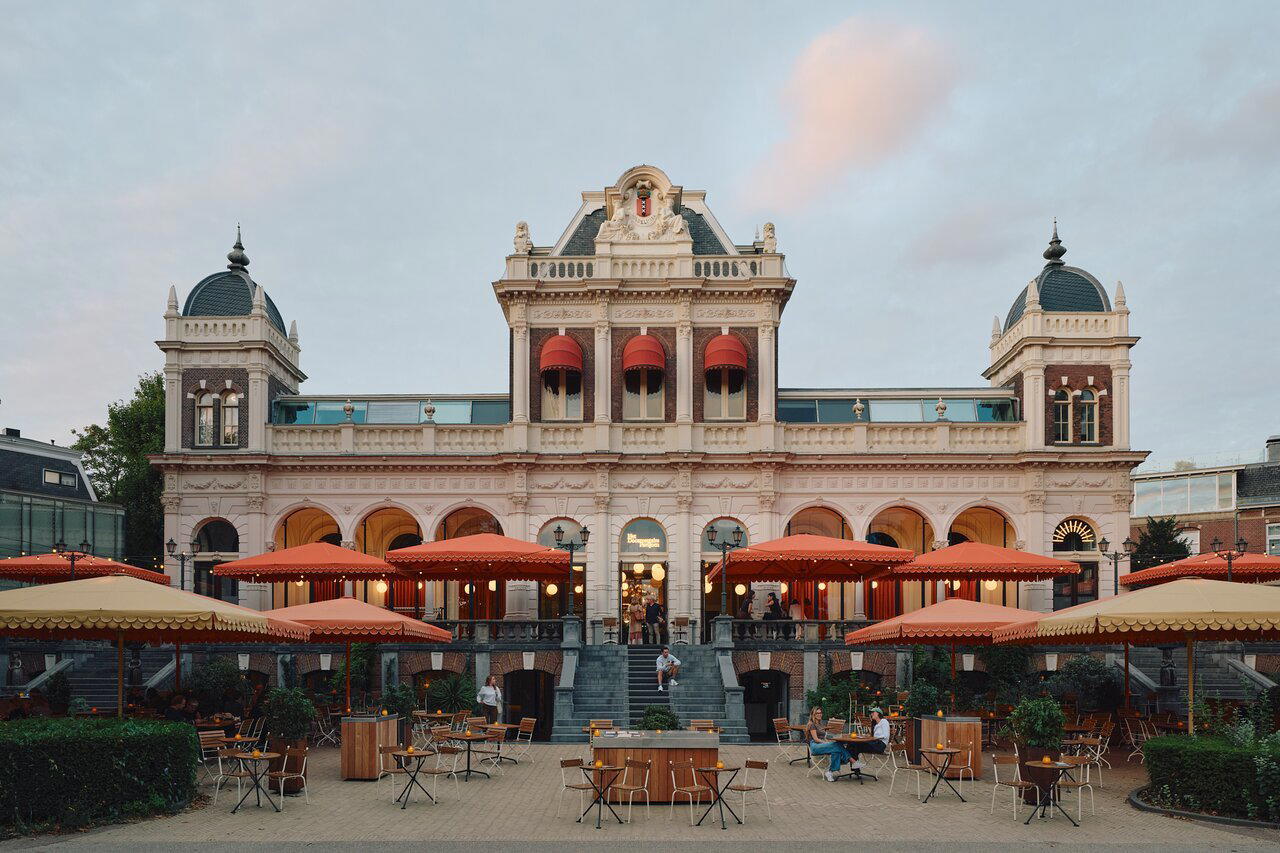
A Park-Side Address in Amsterdam's Museum Quarter
Vertigo is a casual Classic French Bistro in Amsterdam, at Vondelpark 3 in the museum quarter. One axis runs through the canal-ring neighbourhoods, where a concentration of fine-dining rooms, Ciel Bleu, Vinkeles, and Spectrum among them, compete within a recognisable European luxury register. The other runs south and west, toward the museum quarter and Vondelpark, where the character of a meal is shaped as much by the neighbourhood as by what happens inside the kitchen. Vertigo, addressed at Vondelpark 3, operates firmly on that second axis.
The address itself carries weight. Vondelpark is not an incidental backdrop; it is one of the city's most-used green spaces, drawing locals and visitors in roughly equal measure across every season. A venue positioned at its perimeter inherits a rhythm distinct from the hushed side-street rooms that define much of Amsterdam's upper-mid dining tier. The approach is open, the sightlines long, and the social register deliberately broader than the city's formal dining circuit tends to allow.
The Scene Around the Table
In cities where parks anchor residential neighbourhoods, the venues that sit on their edges tend to develop a particular kind of service culture: less hierarchical than a destination fine-dining room, more attentive than a neighbourhood café. The balance matters because the clientele changes by hour and day in ways that a fixed-concept kitchen cannot always absorb. Amsterdam has several examples of this format, De Kas in the Frankendael park greenhouse being structurally similar in the sense of environment-as-concept, and Vertigo occupies that same category of place-as-premise.
What distinguishes the better versions of this model is the coordination between front-of-house and kitchen. When a room handles both a weekday lunch crowd and an evening sitting with different expectations, the team dynamic carries more weight than it might in a tightly controlled tasting-menu environment. The sommelier's ability to read a table quickly, the floor team's capacity to shift register between groups, and the kitchen's willingness to adapt pace all converge at venues like this in ways that are less visible but more demanding than the scripted choreography of a multi-course counter. For context, the collaborative service models that have earned sustained recognition at places like Flore and Bistro de la Mer share that same underlying logic: the room works because the team reads the moment.
Amsterdam's Broader Dining Architecture
Placing Vertigo within Amsterdam's dining architecture requires a brief accounting of that architecture's current shape. The city's Michelin-recognised rooms cluster at the upper end of a market that has grown more competitive over the past five years, as Dutch cuisine has gained international visibility. De Librije in Zwolle and Aan de Poel in Amstelveen represent the depth of the Netherlands' broader fine-dining circuit, while Amsterdam itself has added density at the creative and contemporary end of the spectrum. Properties with national reach, including De Bokkedoorns in Overveen, Brut172 in Reijmerstok, and De Nieuwe Winkel in Nijmegen, suggest a country where serious dining has spread well beyond its capital.
Within that context, Vondelpark-adjacent venues occupy a specific niche. They are not competing primarily with the tasting-menu rooms of the canal district. Their competitive set is different: park-side dining across European cities has tended to attract a more design-conscious, environment-led clientele, one that values the physical experience of the location alongside the food. This is a format with successful international precedents, the terrace restaurants of the Bois de Boulogne in Paris, the park-adjacent rooms of central Copenhagen, and Amsterdam's version of that model is, relative to the scale of the city, underserved.
What the Setting Implies for the Experience
Dining at the edge of a major urban park carries seasonal implications that a fixed interior room does not. Late spring and summer extend the usable hours of any terrace-adjacent space, while autumn and winter require the interior to carry more of the atmospheric weight. Venues that manage this transition well tend to be those with a coherent indoor character that does not rely on the exterior for its appeal. The better park-side restaurants across Europe treat the terrace as a seasonal extension of a room that already works on its own terms, rather than as the room's primary justification.
For Amsterdam specifically, the museum quarter's visitor density peaks between April and October, driven by Rijksmuseum and Van Gogh Museum traffic. A venue positioned within walking distance of both benefits from that footfall but must also handle the expectations that come with a tourist-adjacent location without becoming defined by it. The local clientele that anchors Vondelpark's surrounding streets has its own standards, shaped by a neighbourhood that has historically supported design-led, quality-conscious businesses.
Orienting Vertigo in a Wider Dutch Context
For travellers who plan their visits around the Netherlands' dining geography rather than a single city, the regional picture is instructive. Michelin-recognised rooms outside Amsterdam, De Lindenhof in Giethoorn, De Lindehof in Nuenen, De Groene Lantaarn in Staphorst, De Treeswijkhoeve in Waalre, and 't Nonnetje in Harderwijk, demonstrate that the Netherlands' most recognised cooking is not concentrated in Amsterdam in the way that, say, Paris dominates French fine dining. Amsterdam is a strong market, but not the only one.
Within the city itself, the contrast between the canal-district rooms and a park-side address like Vertigo reflects a broader truth about how European cities organise their dining. The canal district's rooms compete internationally; the museum quarter's venues compete locally and with a different set of priorities. Neither is the more serious option in absolute terms. They serve different needs, attract different kinds of visits, and should be evaluated against their own ambitions rather than a universal standard.
Planning a Visit
The venue's Vondelpark 3 address places it within the museum quarter, accessible from central Amsterdam in under twenty minutes on foot from the Leidseplein or a short tram ride from the centre. The park's own access points are well-signposted, and the venue sits at the park's perimeter rather than inside it, meaning arrival is direct by foot, bicycle, or tram.
Internationally-minded diners who have followed service-driven rooms at venues like Le Bernardin in New York City or the precisely calibrated team formats at Atomix will find the Amsterdam context operates with different ambitions and at a different scale, but the underlying question of how well a front-of-house team reads a room applies across all of them.
Booking and Cost Snapshot
Comparable venues nearby, for context on price, style, and recognition.
| Venue | Cuisine | Price | Notes |
|---|---|---|---|
| VertigoThis venue — the venue you are viewing | Not listed | $$ | Not listed |
| Bleu | Not listed | $$ | Langestraat e.o., French Bistro |
| Lion Noir | Gouden Bocht, Stylish French Bistro | $$$ | Not listed |
| George W.P.A. | Not listed | $$$ | Vondelpark Oost, French-New York Brasserie |
| Café-Restaurant Amsterdam | Ecowijk, French-Dutch Bistro | $$ | Not listed |
| Copain | Not listed | $$$ | Terrasdorp, Modern French Seasonal Bistro |
Continue exploring
More in Amsterdam
Restaurants in Amsterdam
Browse all →
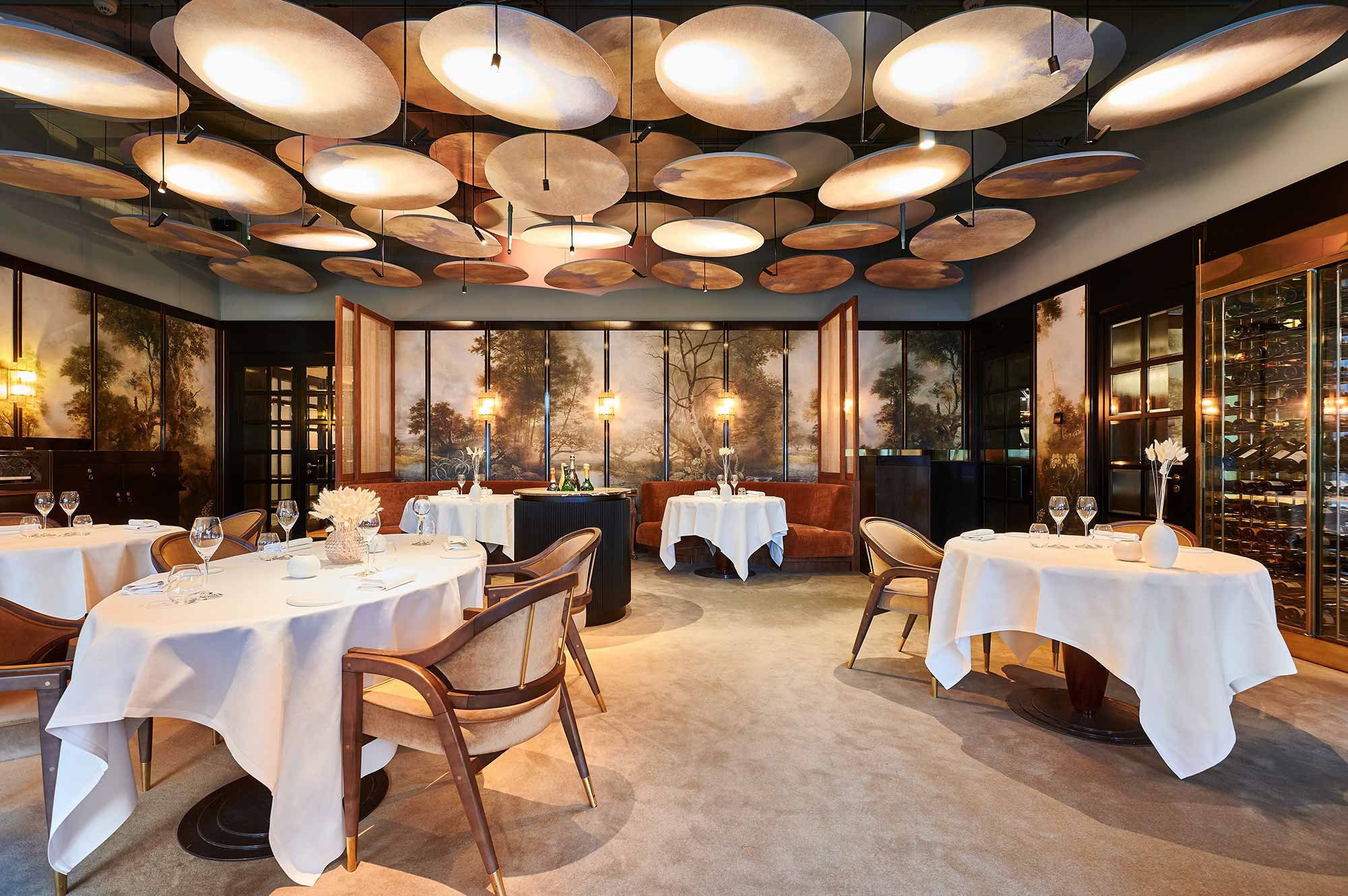
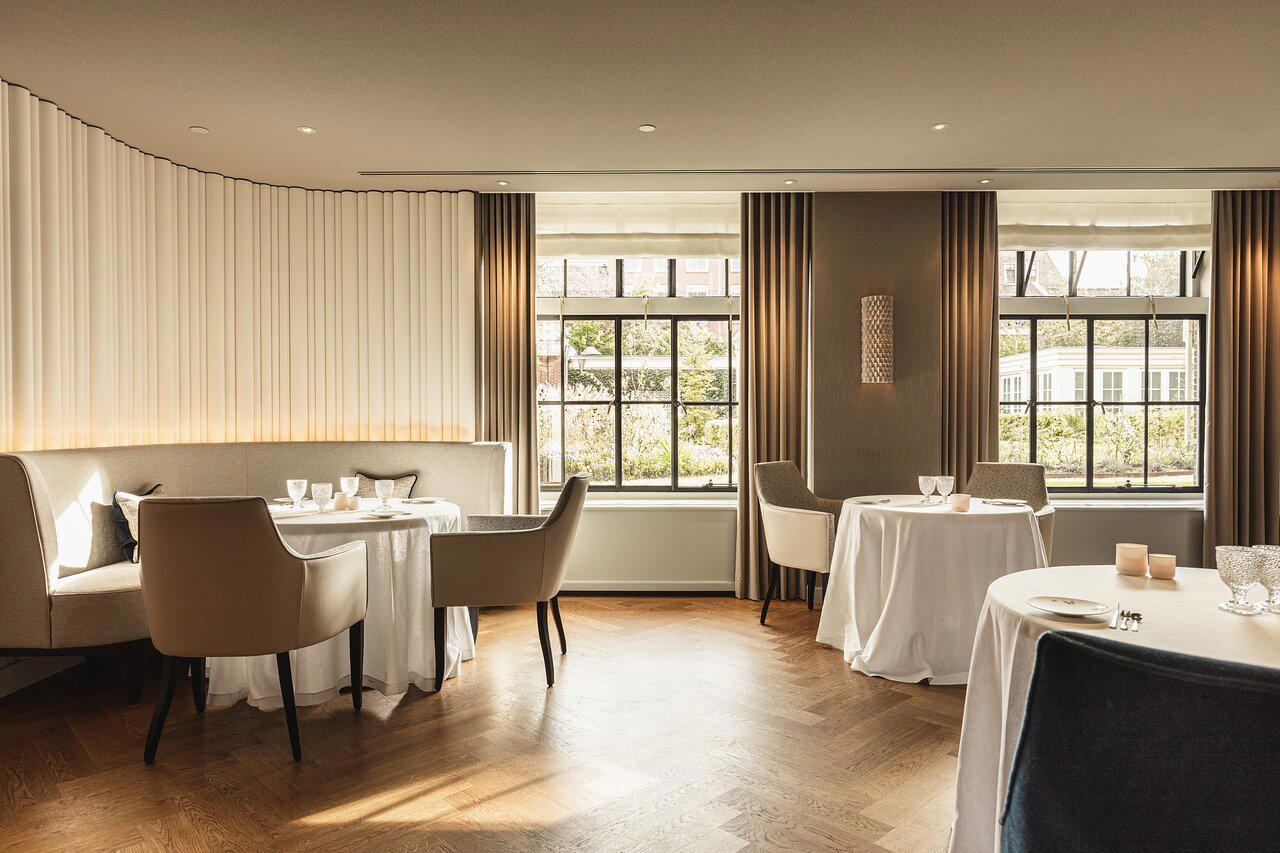
Bars in Amsterdam
Browse all →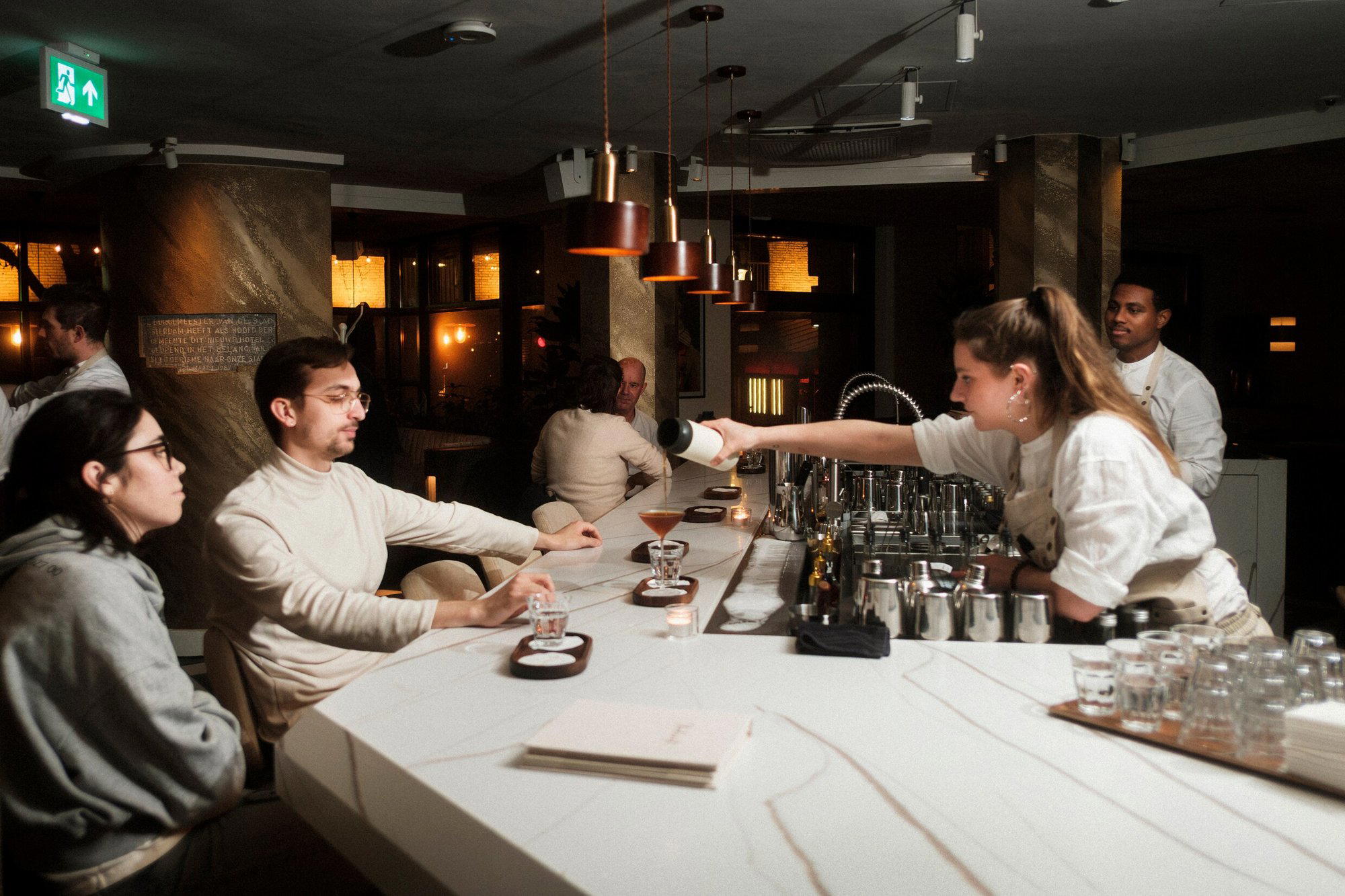
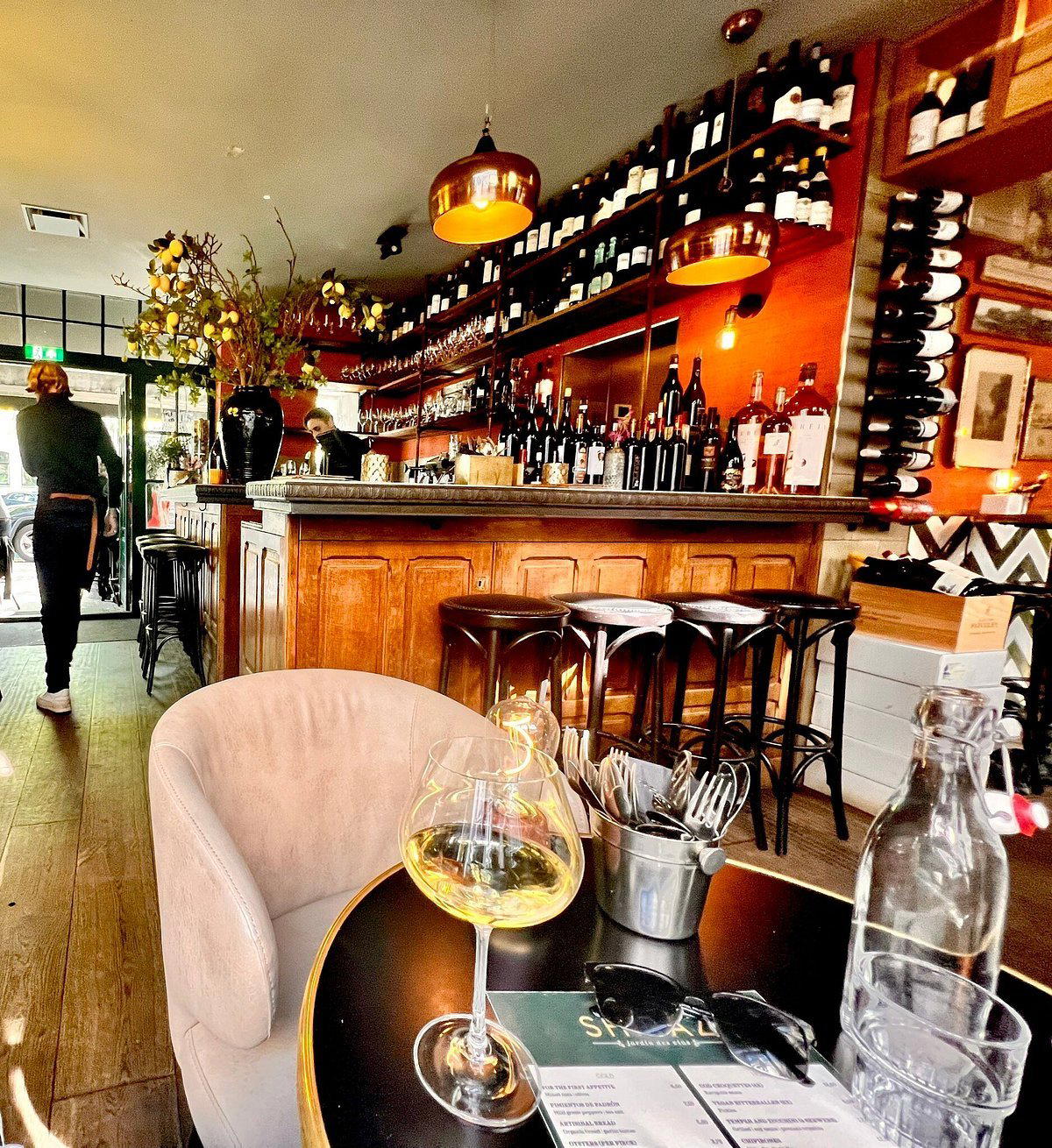
Hotels in Amsterdam
Browse all →
Wineries in Amsterdam
Browse all →
At a Glance
- Cozy
- Lively
- Modern
- Trendy
- Casual Hangout
- After Work
- Brunch
- Terrace
- Historic Building
- Open Kitchen
- Craft Cocktails
- Garden
- Street Scene
Current opening hours
- Monday
- 10 AM–7 PM
- Tuesday
- 10 AM–7 PM
- Wednesday
- 10 AM–11 PM
- Thursday
- 10 AM–11 PM
- Friday
- 10 AM–12 AM
- Saturday
- 9 AM–12 AM
- Sunday
- 9 AM–8 PM
Hours can change for holidays and private events. Last verified .
Cozy yet lively atmosphere with perspective lines, mirrored surfaces, lively terrace, and intimate nooks.