JIN GUI Hamburg occupies a address on Stadthausbrücke 10, positioning it within the city's serious fine dining corridor alongside Michelin-recognised peers. The restaurant draws on ingredient provenance as a core editorial concern, placing it in a wider German conversation about where premium sourcing and kitchen discipline intersect. For Hamburg's upper dining tier, it represents a point of reference worth understanding before booking.
 Discover on Pearl
Pearl is the En Primeur Club membership app — saves, bookings, and concierge access live there. Same editors, same standards.
- Address
- Stadthausbrücke 10, 20355 Hamburg, Germany
- Phone
- +4940334414024
- Website
- tortue.de
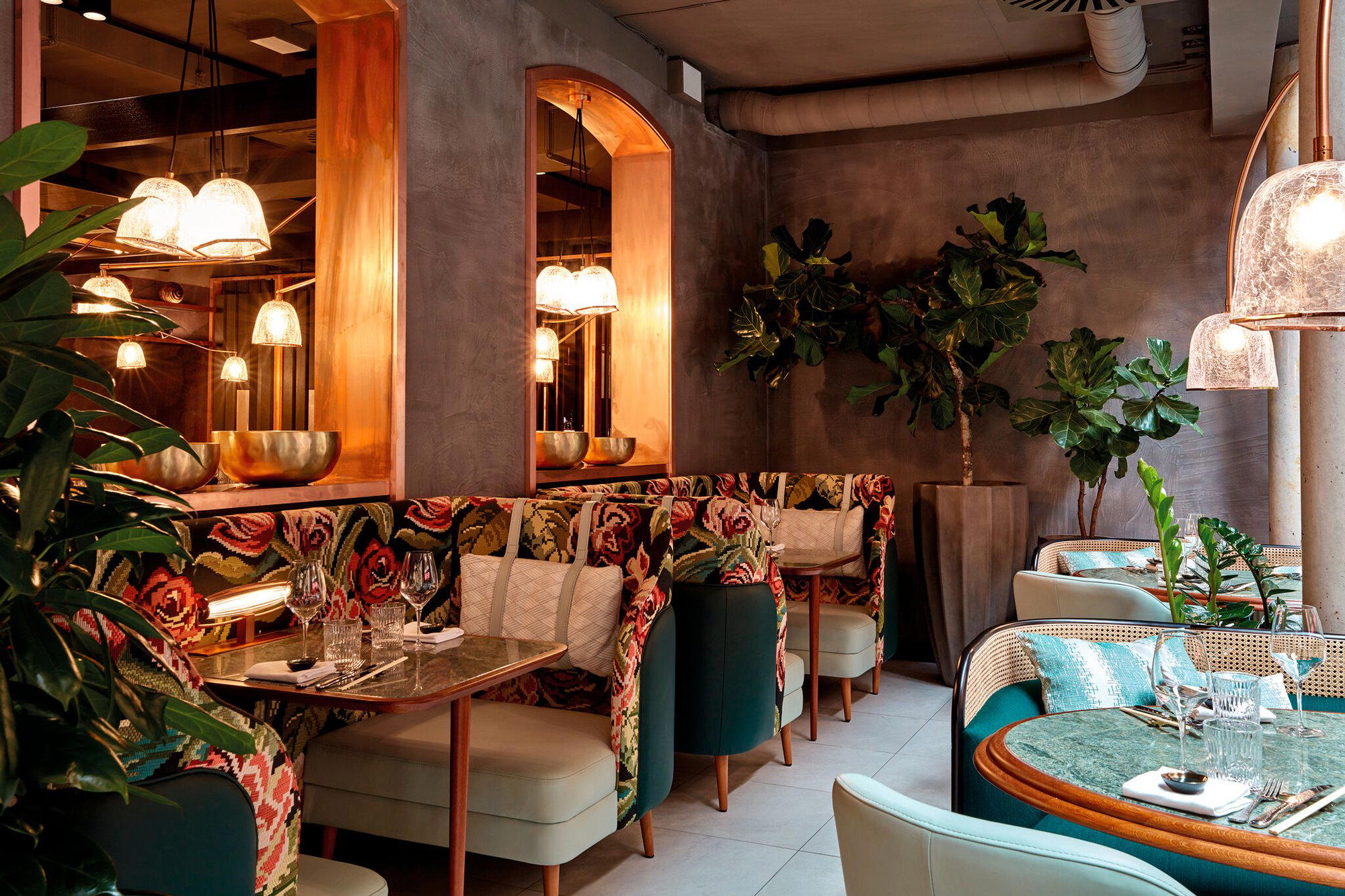
Where Stadthausbrücke Meets Serious Dining
Hamburg's fine dining address book has consolidated around a handful of neighbourhoods where proximity to the Alster, the Elbe, and the city's historic commercial core reinforces a certain kind of restaurant ambition. Stadthausbrücke 10, where JIN GUI Hamburg is located, sits inside that corridor. The address places the restaurant within walking distance of the inner city's institutional weight, government buildings, waterside promenades, and the kind of urban density that, in Hamburg's case, tends to attract kitchens with something to prove. Arriving here, you read the city before you read the menu. JIN GUI Hamburg is a modern pan-Asian fusion restaurant in Hamburg, with a 4.5 Google rating and an approximate price of $85 per person.
Hamburg's upper dining tier has grown more competitive and more internationally legible over the past decade. The Table Kevin Fehling holds three Michelin stars and operates one of the most tightly controlled omakase-adjacent formats in Germany. Restaurant Haerlin anchors the city's classic French fine dining tradition. 100/200 Kitchen and bianc represent the city's appetite for creative and Mediterranean registers at the premium price point. Lakeside occupies a distinct niche with its German lakeside positioning. JIN GUI Hamburg enters a city with defined reference points at the leading end, which means its sourcing decisions and kitchen approach are read against a field that already knows what rigour looks like.
Sourcing as a Statement of Intent
Across Germany's top-tier restaurant scene, ingredient provenance has become one of the clearest signals of a kitchen's competitive positioning. This is not unique to Hamburg. At Schwarzwaldstube in Baiersbronn and Waldhotel Sonnora in Dreis, sourcing from named regional producers has long been embedded in the kitchen's identity. At Vendôme in Bergisch Gladbach and Victor's Fine Dining by Christian Bau in Perl, French technique applied to German produce forms the editorial core of the menu. The conversation around where food comes from is inseparable from how serious a kitchen wants to be taken.
Hamburg adds a port-city dimension to this. The city's historic role as a trading hub means its kitchens have always had access to a wider ingredient palette than most German cities. That access creates both an opportunity and a responsibility: a kitchen operating at the upper end of the market in Hamburg can reach further for sourcing without the logistics penalty that constrains more landlocked addresses. The question is always what a kitchen does with that reach, whether provenance becomes a menu narrative or simply a procurement function.
JIN GUI Hamburg's address on Stadthausbrücke places it in a part of the city where that question is posed consistently by its comparable set. Restaurants at this price tier in Hamburg are expected to have clear answers about where protein, produce, and specialist ingredients originate. That expectation is market-driven as much as it is critical: guests spending at the upper end of Hamburg's dining market in 2024 arrive with reference points drawn from Aqua in Wolfsburg, JAN in Munich, and ES:SENZ in Grassau, kitchens where sourcing specificity is part of the dining proposition, not an afterthought.
The Hamburg Fine Dining Frame
Germany's Michelin-starred restaurant count has grown steadily, and the distribution across cities tells a story about where culinary ambition has gathered. Berlin holds a cluster that spans creative formats like CODA Dessert Dining and a range of international registers. The Moselle and Eifel regions produce destination restaurants, Schanz in Piesport and Bagatelle in Trier among them, that draw guests specifically for the combination of landscape and kitchen. Hamburg sits in a different register: a port city with commercial density and a dining culture shaped by both wealth and internationalism.
That internationalism matters when placing JIN GUI Hamburg. Hamburg's restaurant scene at the upper tier has historically leaned toward French-influenced formats and modern European frameworks. The city's demographic and commercial profile has always supported a wider range, however, and the last decade has seen premium Asian-influenced dining establish a more serious footprint in German cities generally. At the global level, restaurants like Atomix in New York City have demonstrated how rigorous technique and ingredient sourcing can translate Korean culinary frameworks into a fine dining tier with sustained critical recognition. Le Bernardin in New York City has spent decades showing what happens when a kitchen builds an identity around a single ingredient category treated with maximum seriousness. Both models are relevant context for understanding how ingredient-focused kitchens position themselves internationally.
- Dim Sum
- Sushi variations
- Sashimi
- Dumplings
- Thai-style papaya salad
- Tempura prawns
- Tuna tataki
- Robata-grilled dishes
Where the Accolades Land
Comparable venues nearby, for context on price, style, and recognition.
| Venue | Cuisine | Price | Awards | Notes |
|---|---|---|---|---|
| JIN GUI HamburgThis venue — the venue you are viewing | Modern Pan-Asian Fusion | $$$$ | , | |
| chez l'ami TORTUE | Exclusive French Fine Dining | $$$$ | , | Neustadt |
| An An Streetfood | Vietnamese & Asian Street Food | $ | , | Neustadt |
| La Table de Boris | Modern French Fine Dining | $$$$ | , | Neustadt |
| La Sala | Modern International Sharing Plates | $$$ | , | St. Pauli |
| Anna Sgroi | Sicilian Italian Fine Dining | $$$$ | , | Anscharhoehe |
At a Glance
- Elegant
- Intimate
- Sophisticated
- Opulent
- Modern
- Date Night
- Business Dinner
- Group Dining
- Celebration
- Special Occasion
- Open Kitchen
- Private Dining
- Courtyard
- Historic Building
- Design Destination
- Hotel Restaurant
- Extensive Wine List
- Craft Cocktails
- Beer Program
- Garden
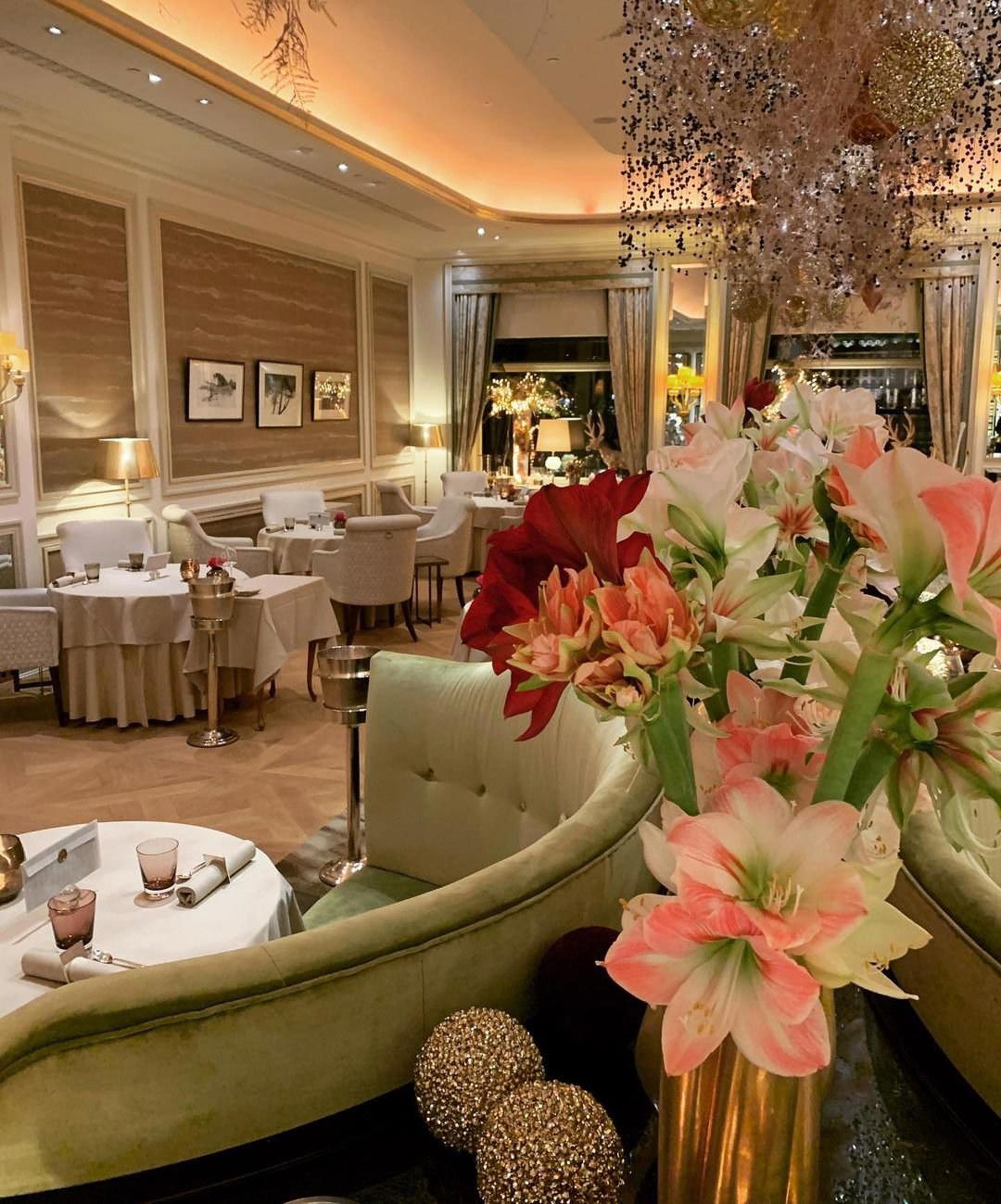
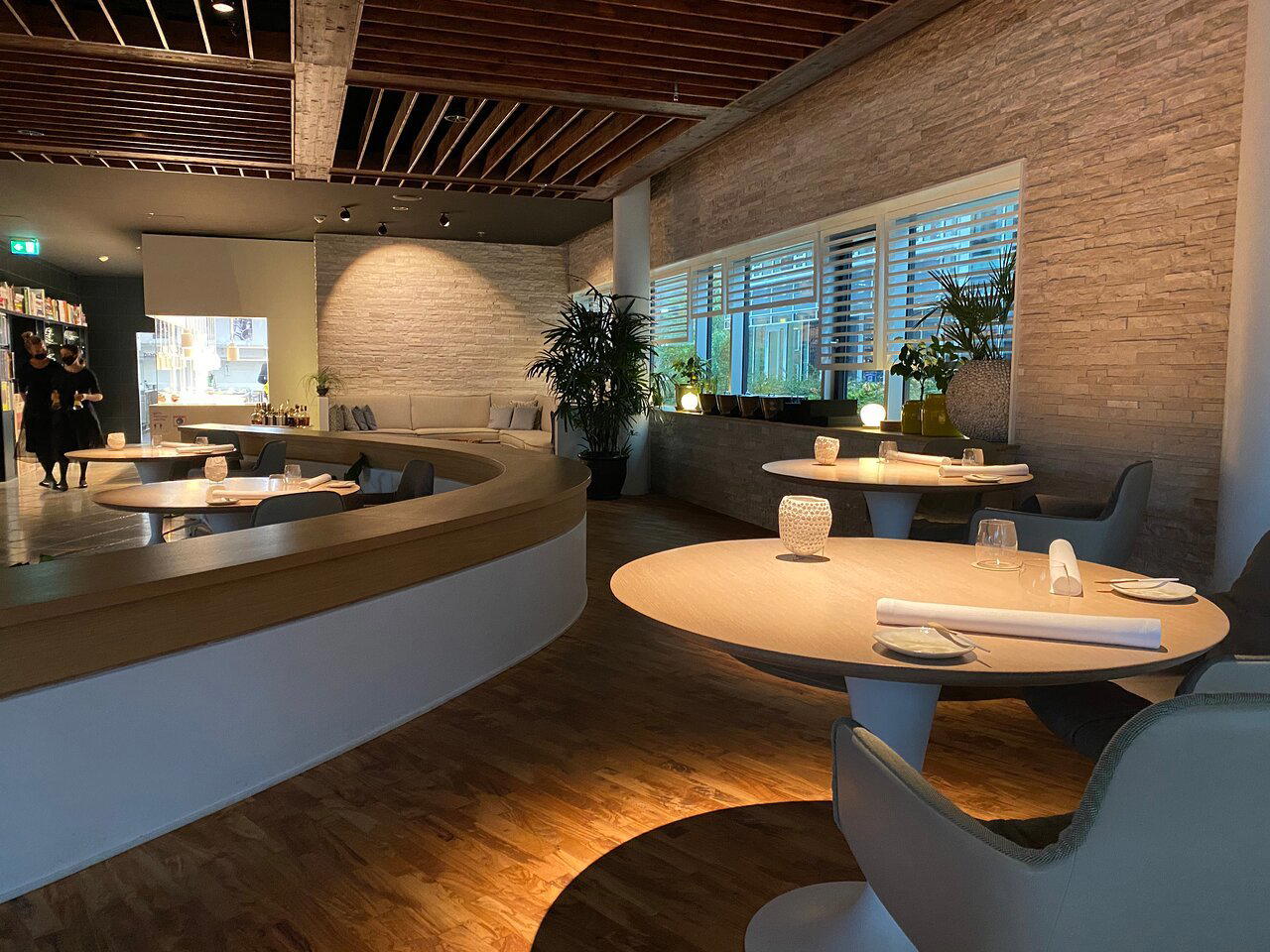
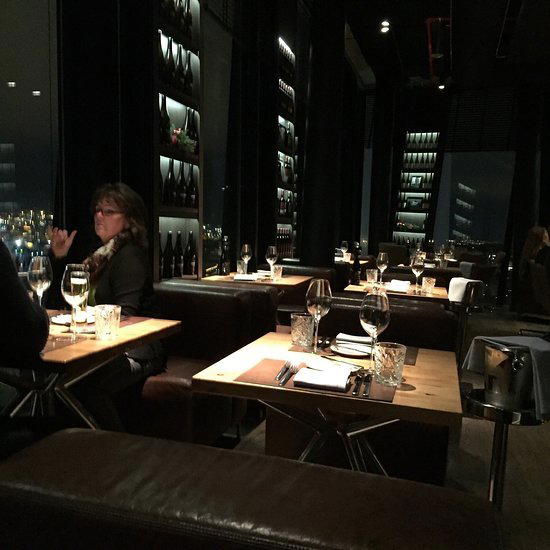
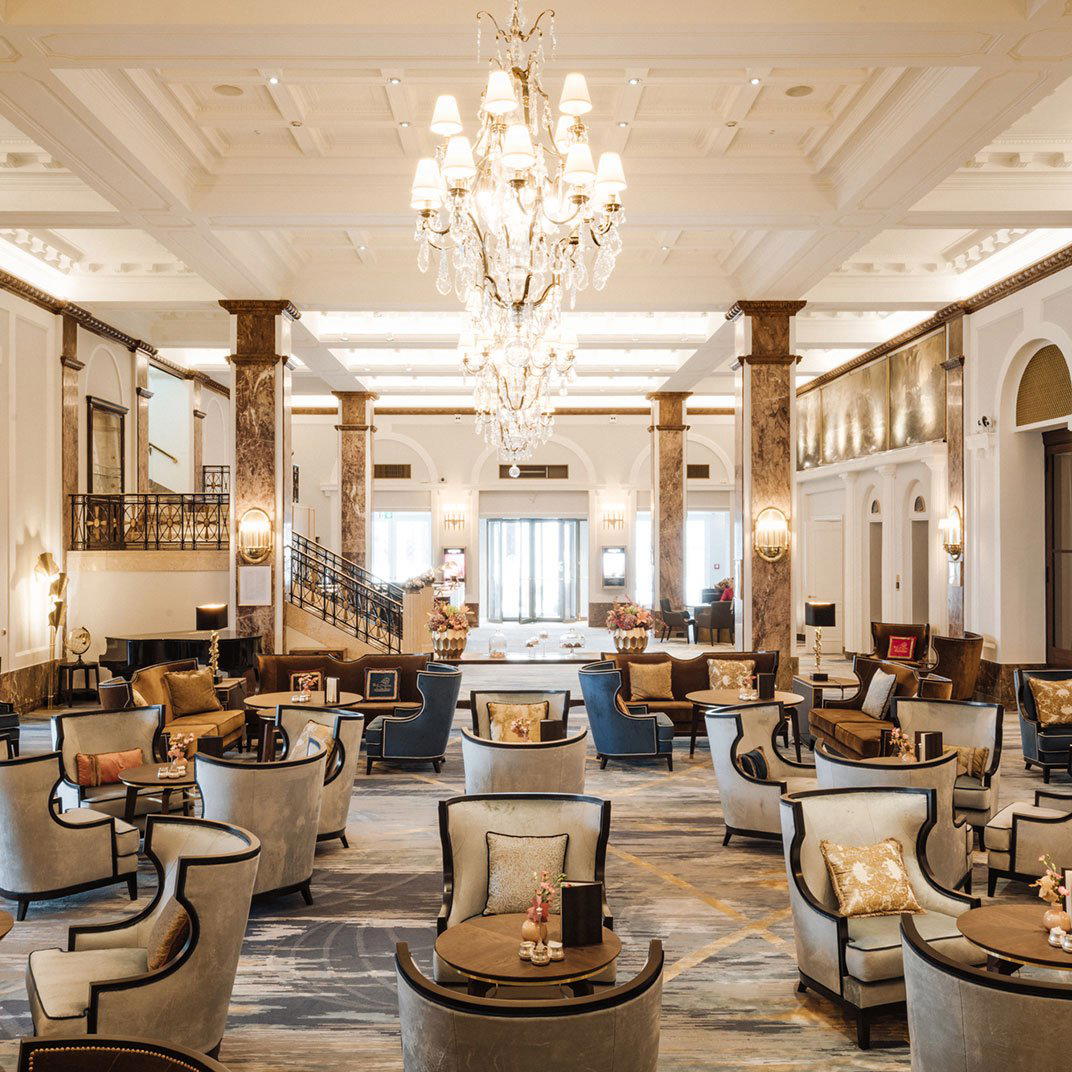
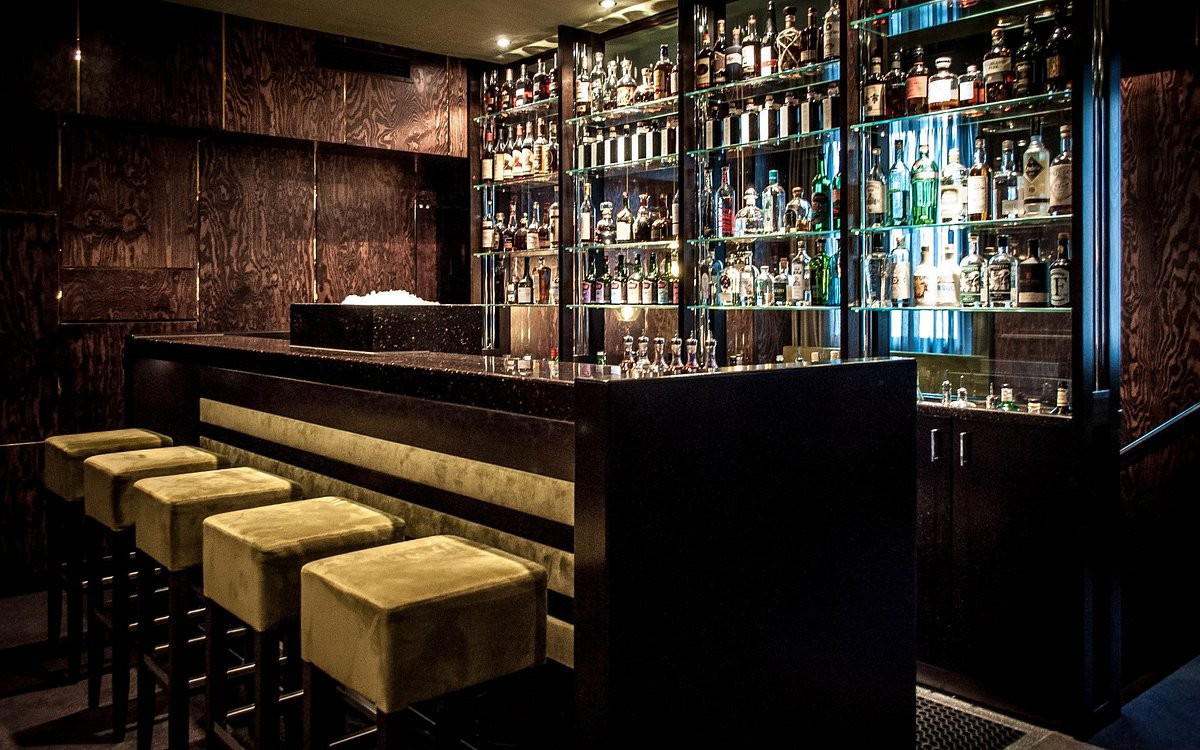
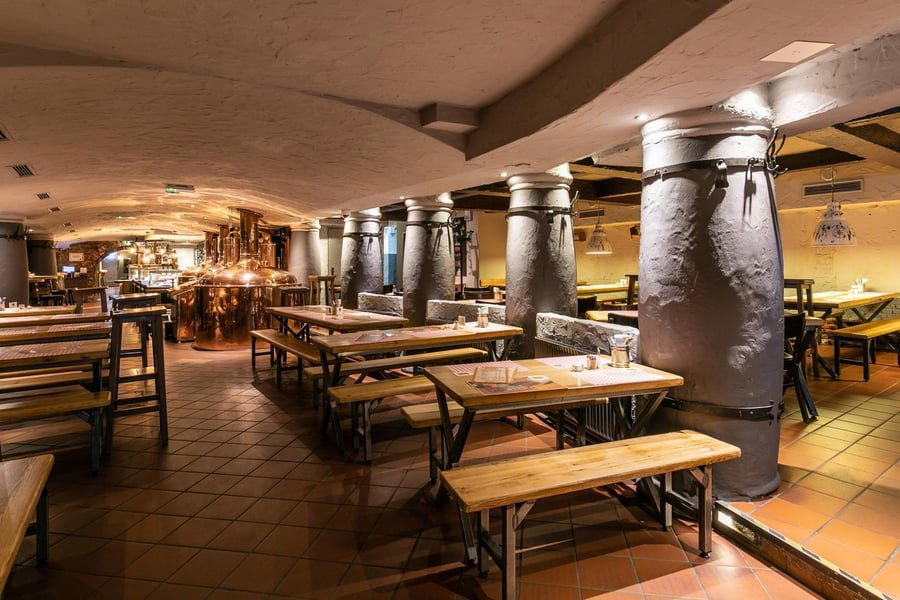
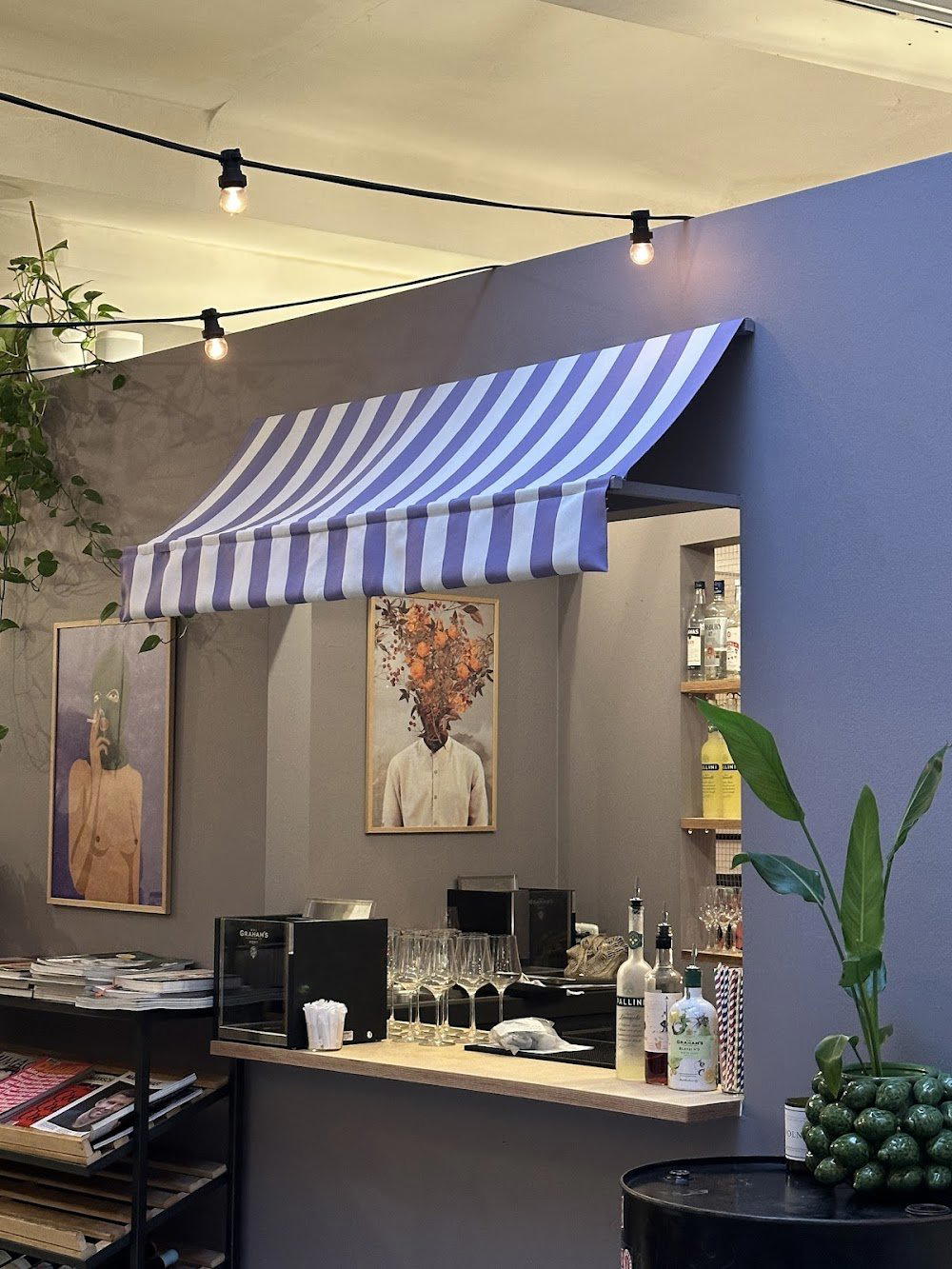
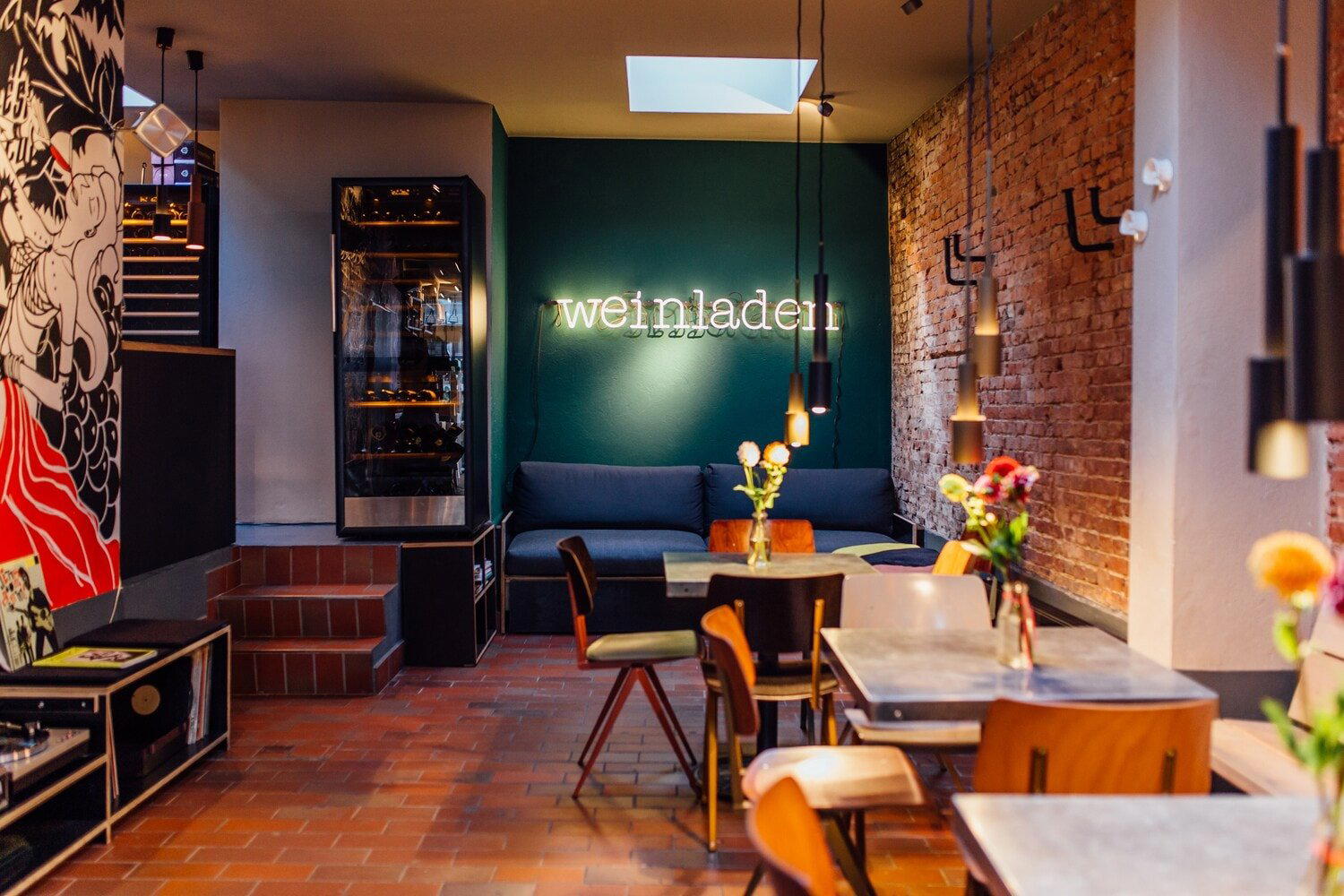
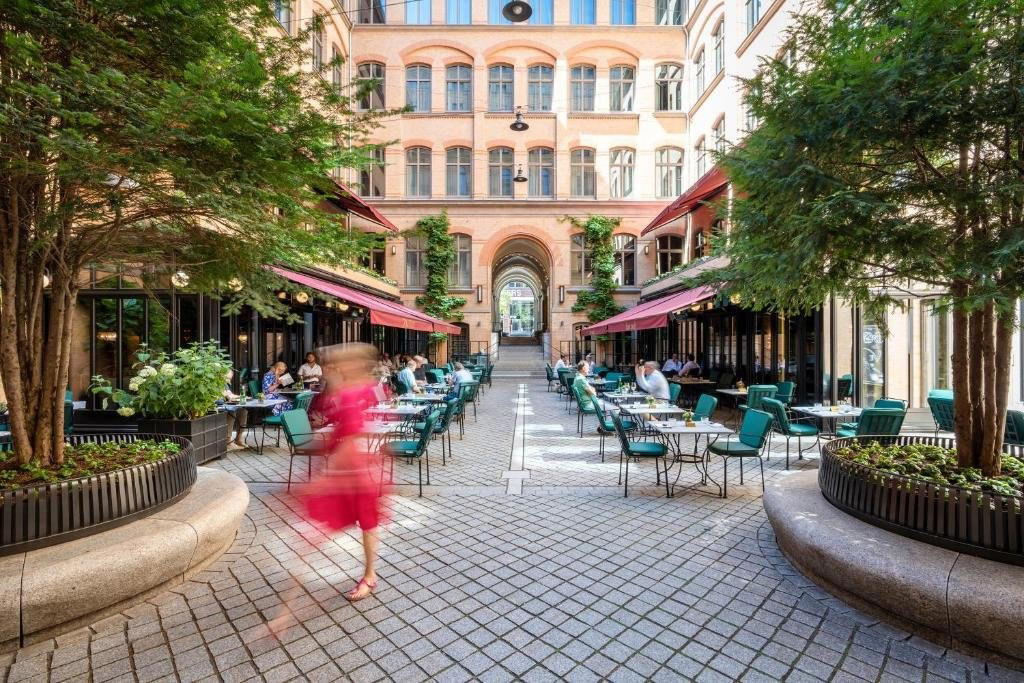
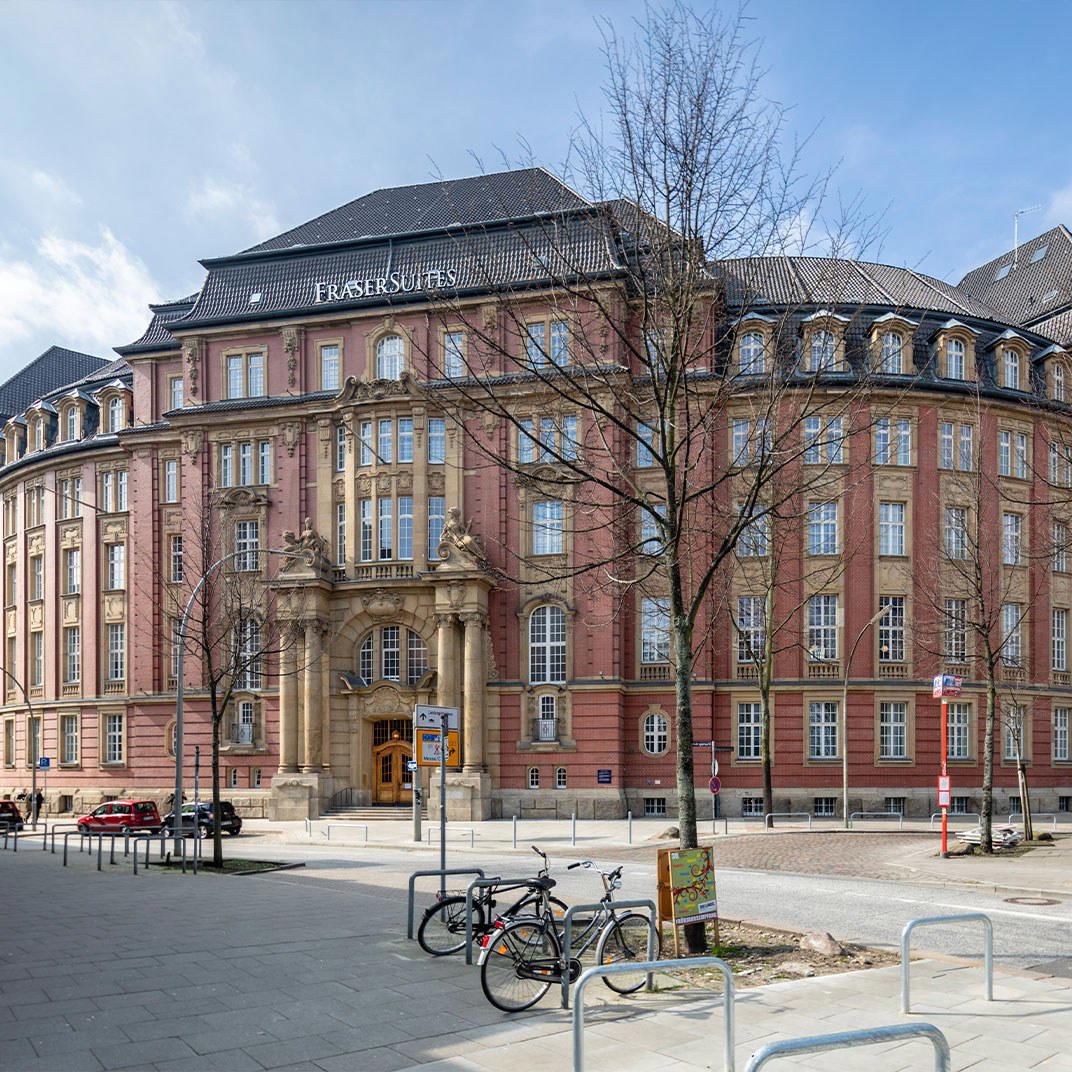
Moody and sophisticated with intricate travertine relief paneling, ornate screens, a striking chandelier, oversized ink-stained canvas backdrop, and warm, luxurious furnishings creating intimate chambers; the historic courtyard setting is described as extraordinarily reassuring and inviting in summer.
- Dim Sum
- Sushi variations
- Sashimi
- Dumplings
- Thai-style papaya salad
- Tempura prawns
- Tuna tataki
- Robata-grilled dishes